
Travel stories, unexpected encounters and the crafts that make Japan worth going back for.
Every piece in the shop started somewhere.
Here is where I write about the travel, the people, and the crafts behind it and how to take care of them.
Sourcing diaries from regular trips. Warm encounters with collectors and makers. And the beautiful landscapes.
Deep dives into the traditions I keep returning to: urushi lacquerware, kokeshi, chawan, haori…. And the quiet details that make Japanese craft worth seeking out
Stories from my journal
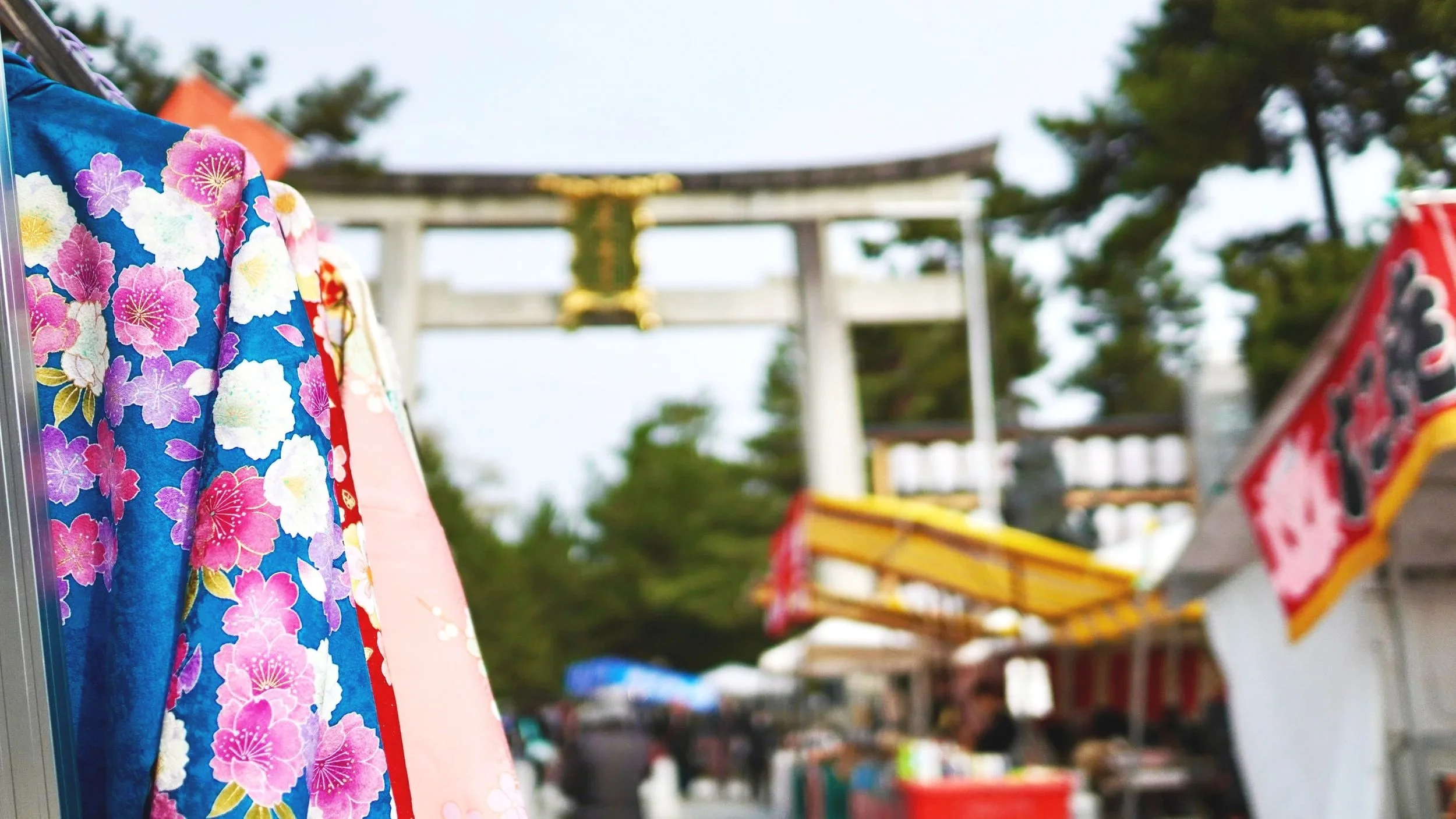
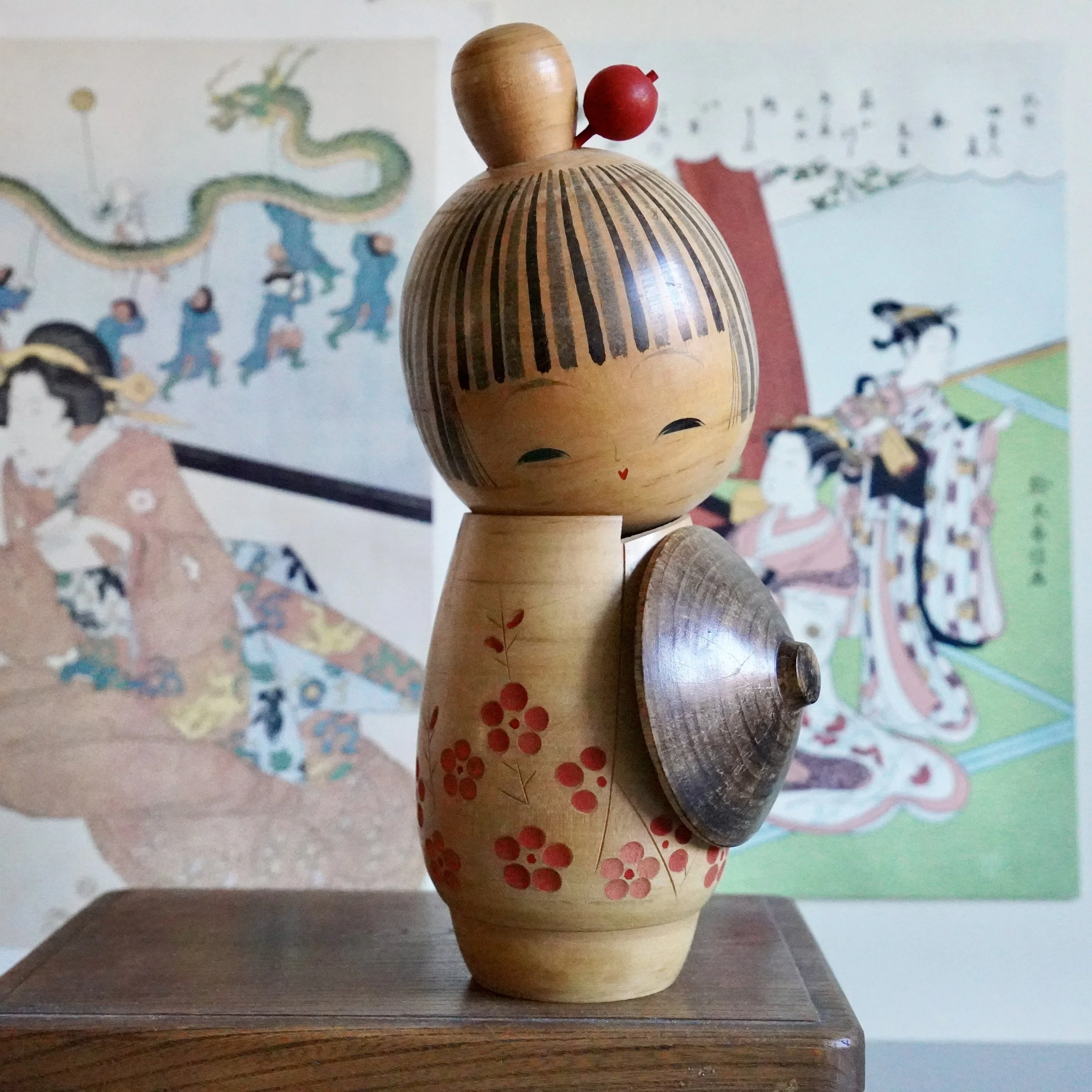
Oshinobi dōchū: the kokeshi tradition of travelling in disguise
Oshinobi dōchū, travelling incognito, shows a Heian noblewoman shielding her face with a kasa hat while journeying in disguise. Two pieces in the collection, by Sato Suigai and Seiju Kon, show how differently that same story can be built in wood.
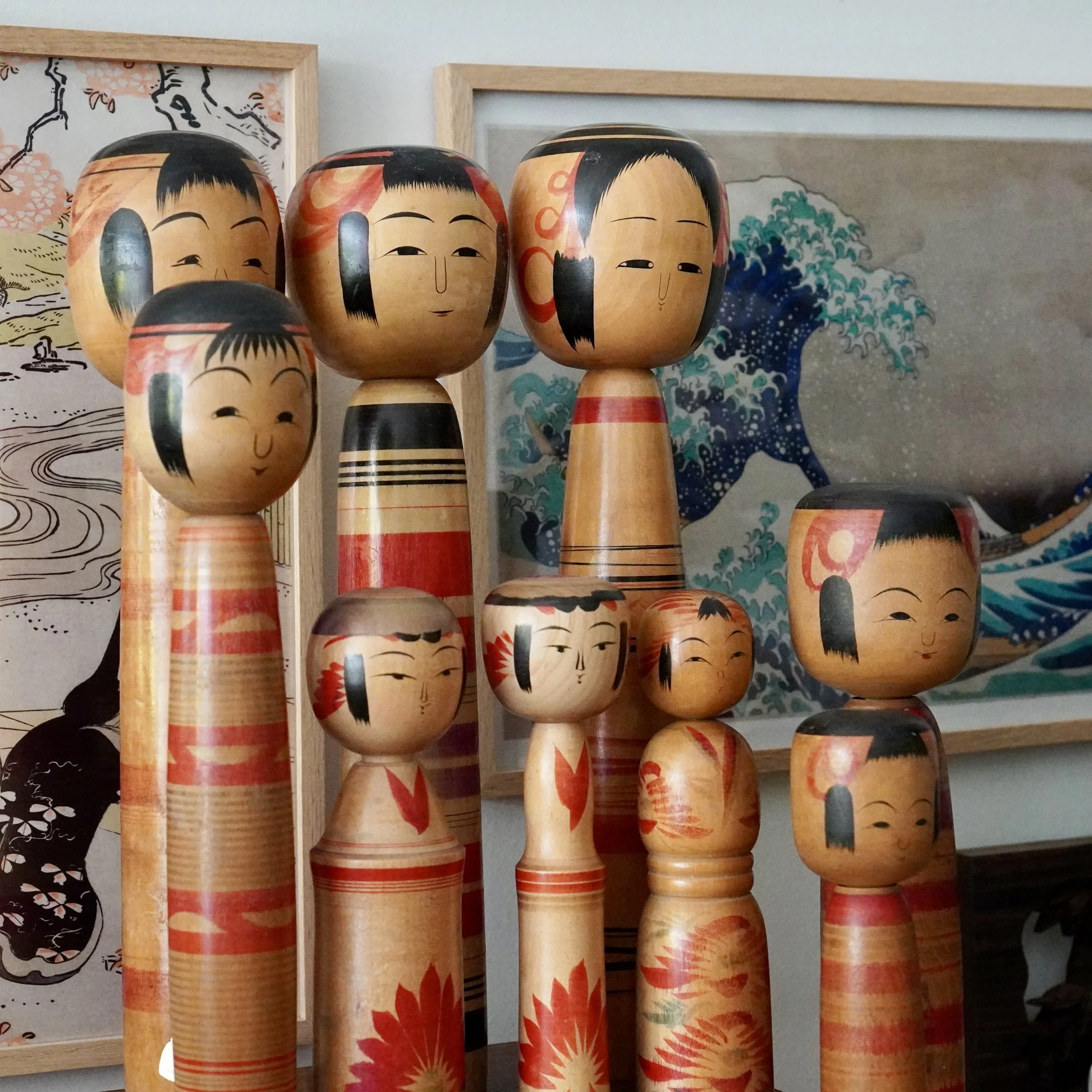
The eleven kokeshi traditions and how to tell them apart
Every kokeshi carries the place it comes from before it carries anything else. A guide to the eleven regional traditions of Tōhoku, and how to recognise each one on sight.
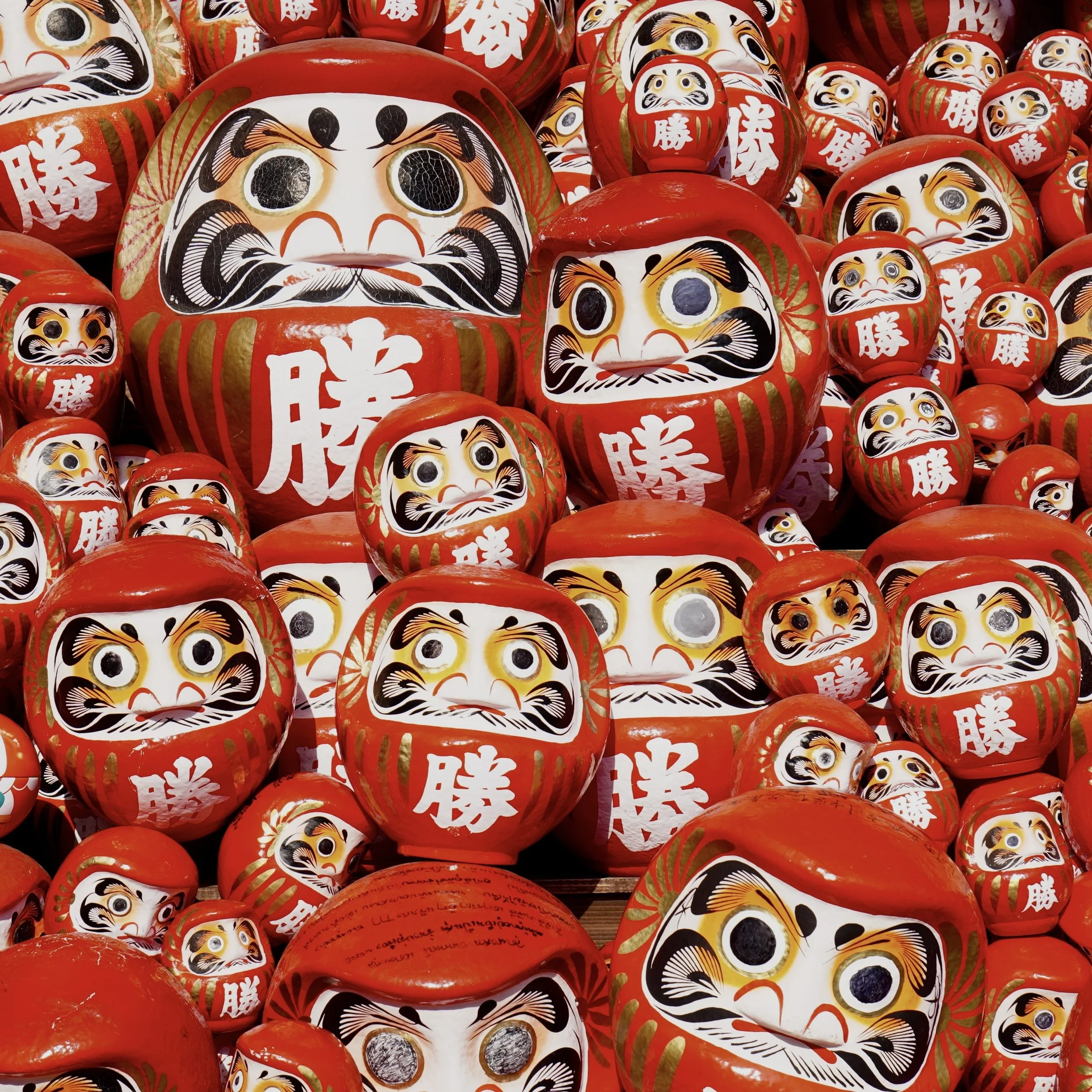
Journey to Katsuo-ji: The Temple of a Thousand Daruma in Osaka
Perched in the forested hills of Minoh, Katsuo-ji is known throughout Japan as the Daruma Temple, thousands of red daruma cascading down its steps, each one carrying someone's wish. A visit that changed how I see the wooden daruma in our own collection.
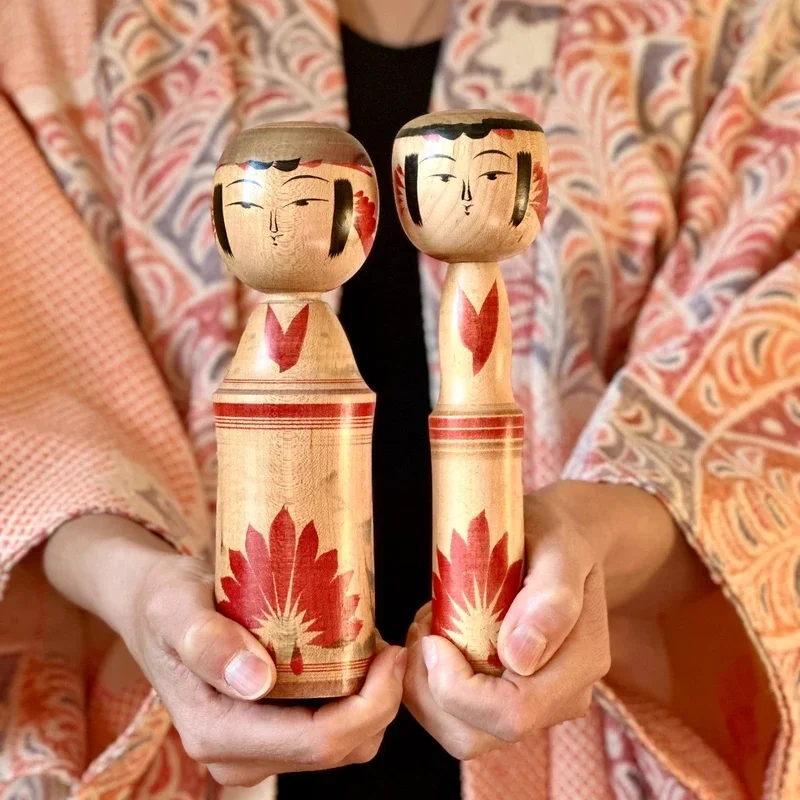
Caring for your vintage kokeshi
A kokeshi asks for very little once it has found the right spot. Grouped in threes on a shelf, alone on a windowsill out of direct sun, or standing next to something entirely unrelated, like a stack of books or a single dried branch. Here is what I have learned about placing them so they actually get looked at, instead of disappearing into a room.
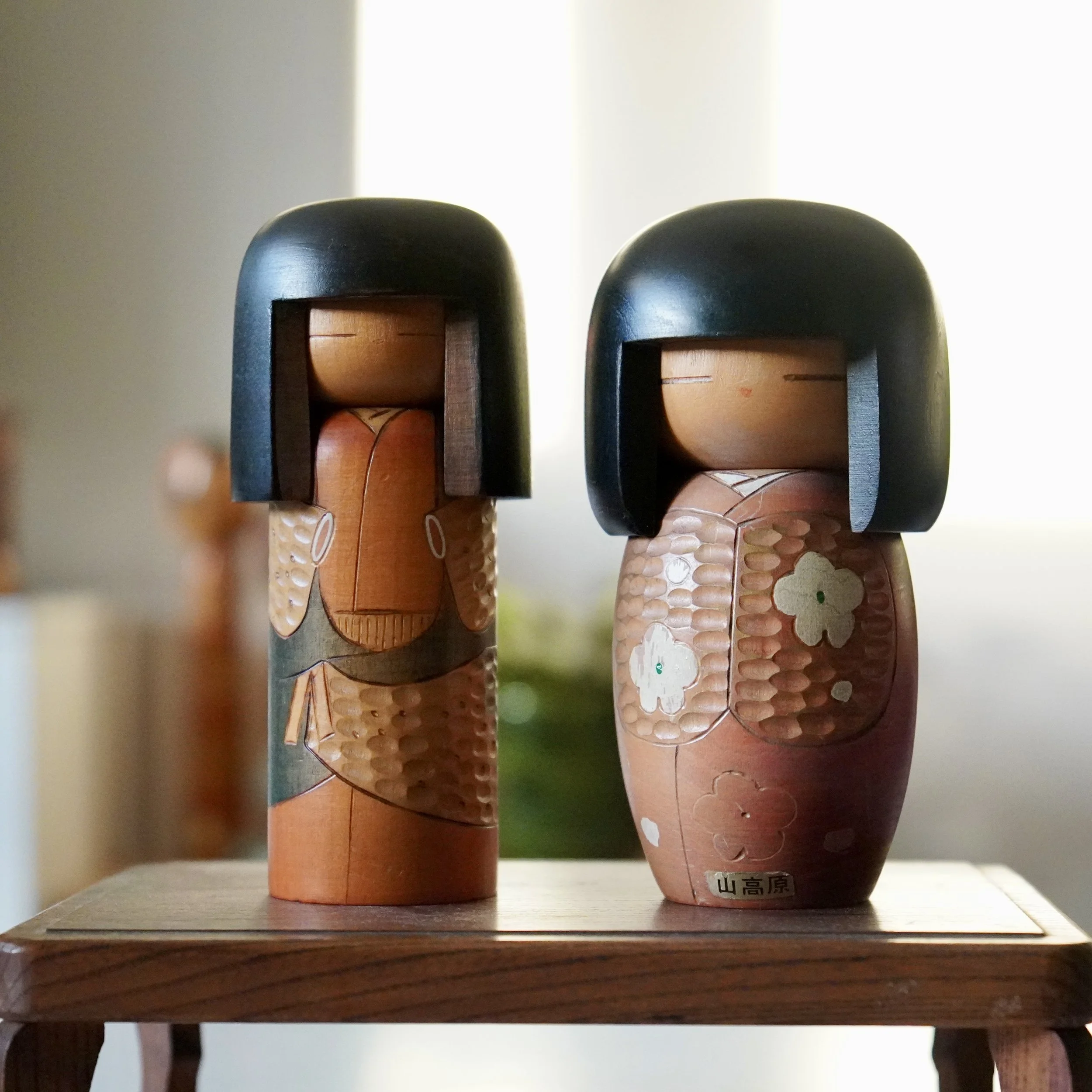
My journey through the Mountains of Fukushima and the kokeshi I meet throughout Japan
A week in the heartland of kokeshi: Fukushima. From climbing Mount Bandai before sunrise to studying the unique facial expressions in the work of masters like Ichiro and Sato Fumio. Discover how the landscape and deep-rooted woodcarving traditions shape these authentic vintage treasures.
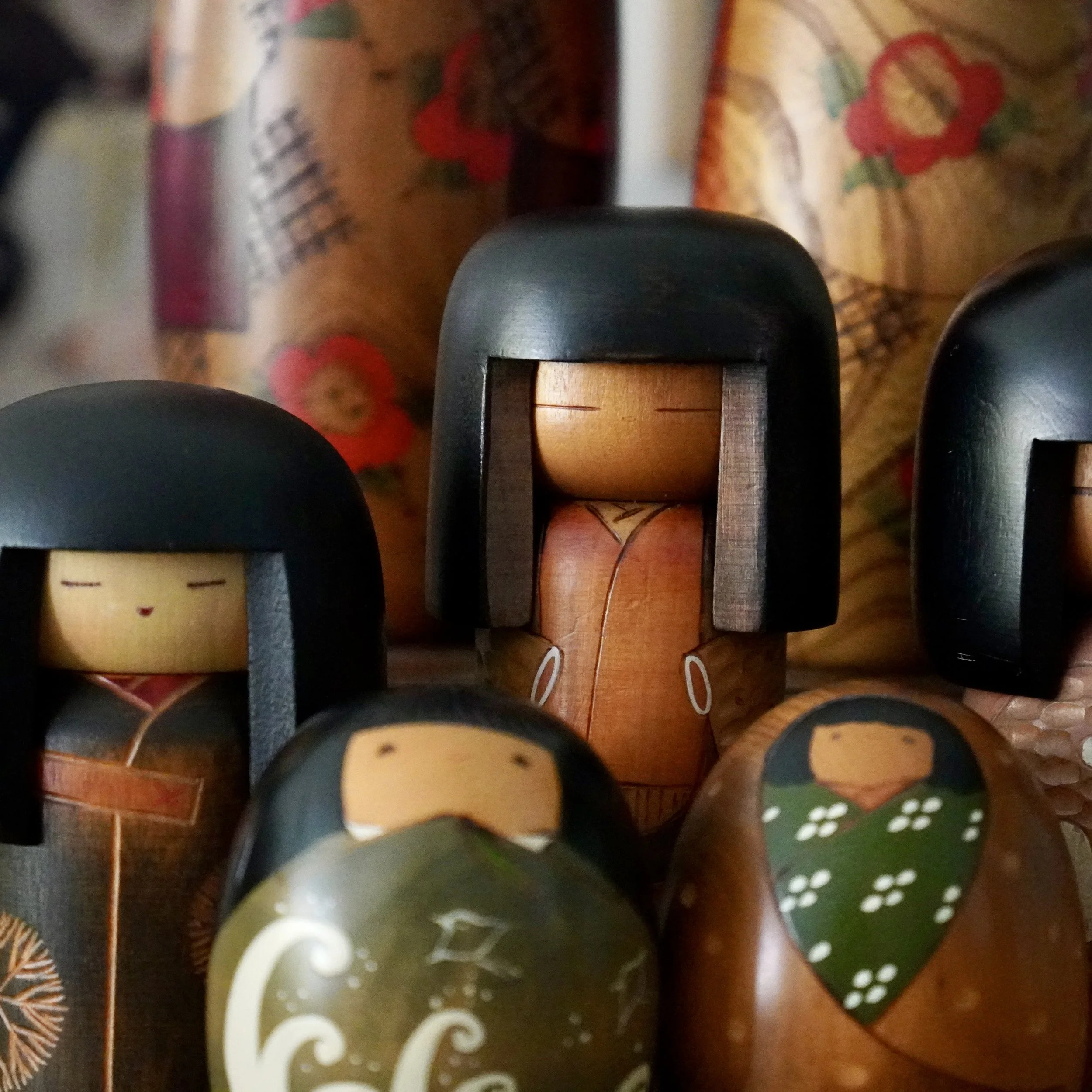
What the wood remembers: grain, fire and chisel marks and the face that looks back
What draws you to a kokeshi is rarely the name on the base. It is the grain showing through the dark wood, the mark the tool left, and the two lines that somehow become a face. A close look at how makers like Usaburo and Sansaku Sekiguchi work with and against the wood itself.
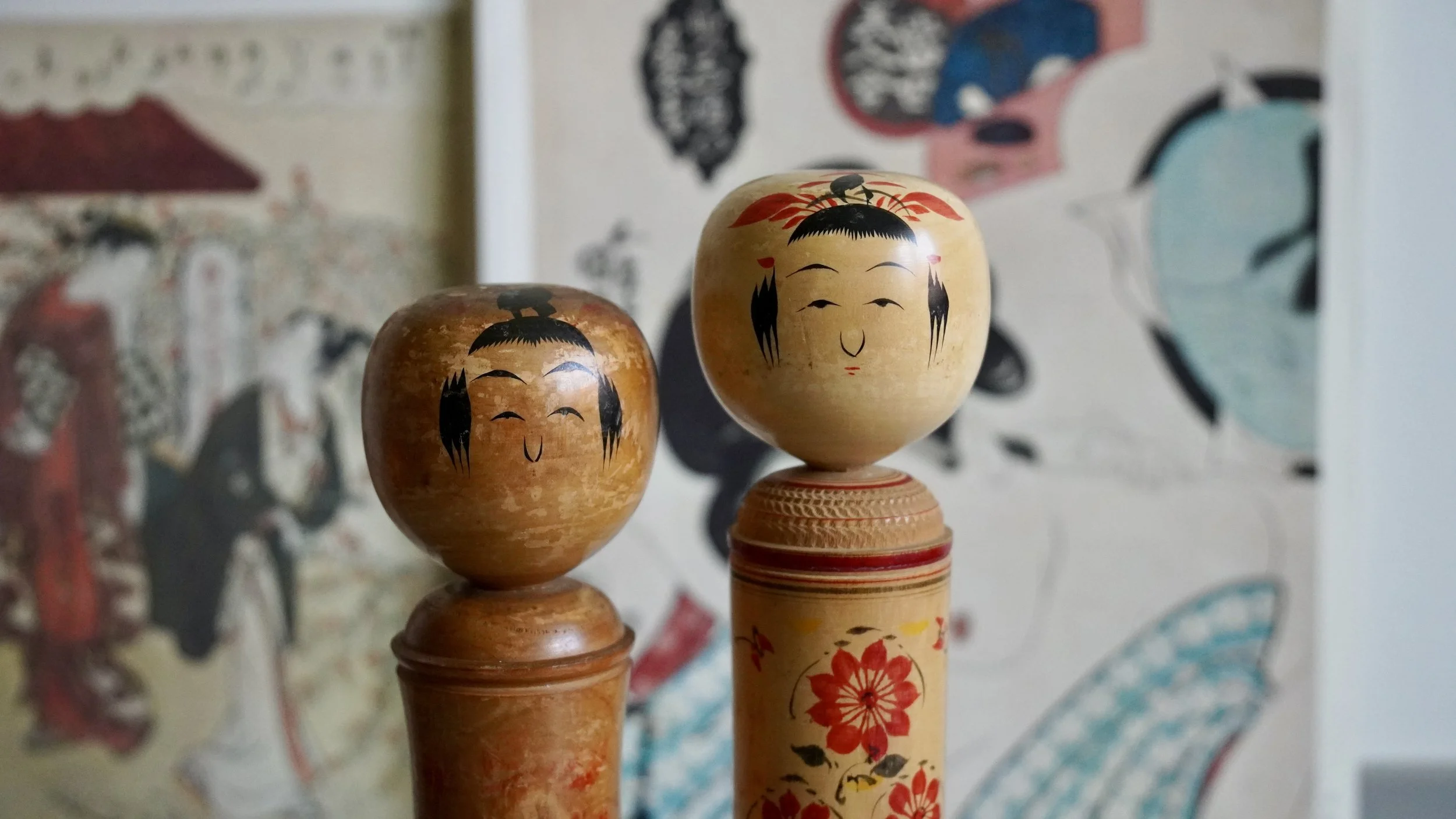
The same face, eighty years apart: Naruko kokeshi and the art of handing something down
Two kokeshi, eighty years apart. Same face, different hands. The story of the Sakurai family and five generations of Naruko tradition.
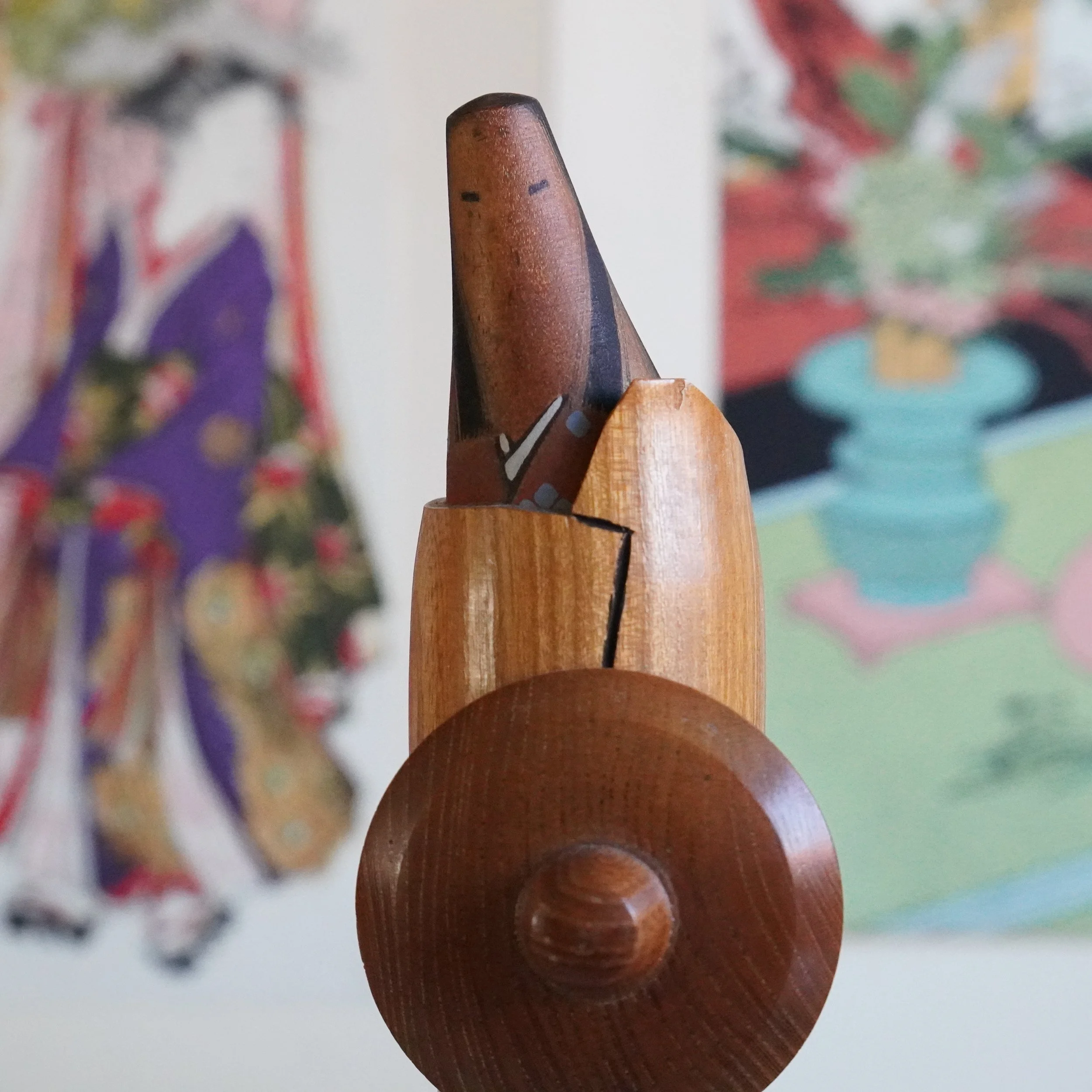
How to live with kokeshi: placing a Japanese wooden figure in a modern home
A kokeshi placed well in a room is more powerful than five grouped without thought. Here is what I have learned about height, background, and the quiet effect of giving one figure enough space to simply stand.