
Travel stories, unexpected encounters and the crafts that make Japan worth going back for.
Every piece in the shop started somewhere.
Here is where I write about the travel, the people, and the crafts behind it and how to take care of them.
Sourcing diaries from regular trips. Warm encounters with collectors and makers. And the beautiful landscapes.
Deep dives into the traditions I keep returning to: urushi lacquerware, kokeshi, chawan, haori…. And the quiet details that make Japanese craft worth seeking out
Stories from my journal
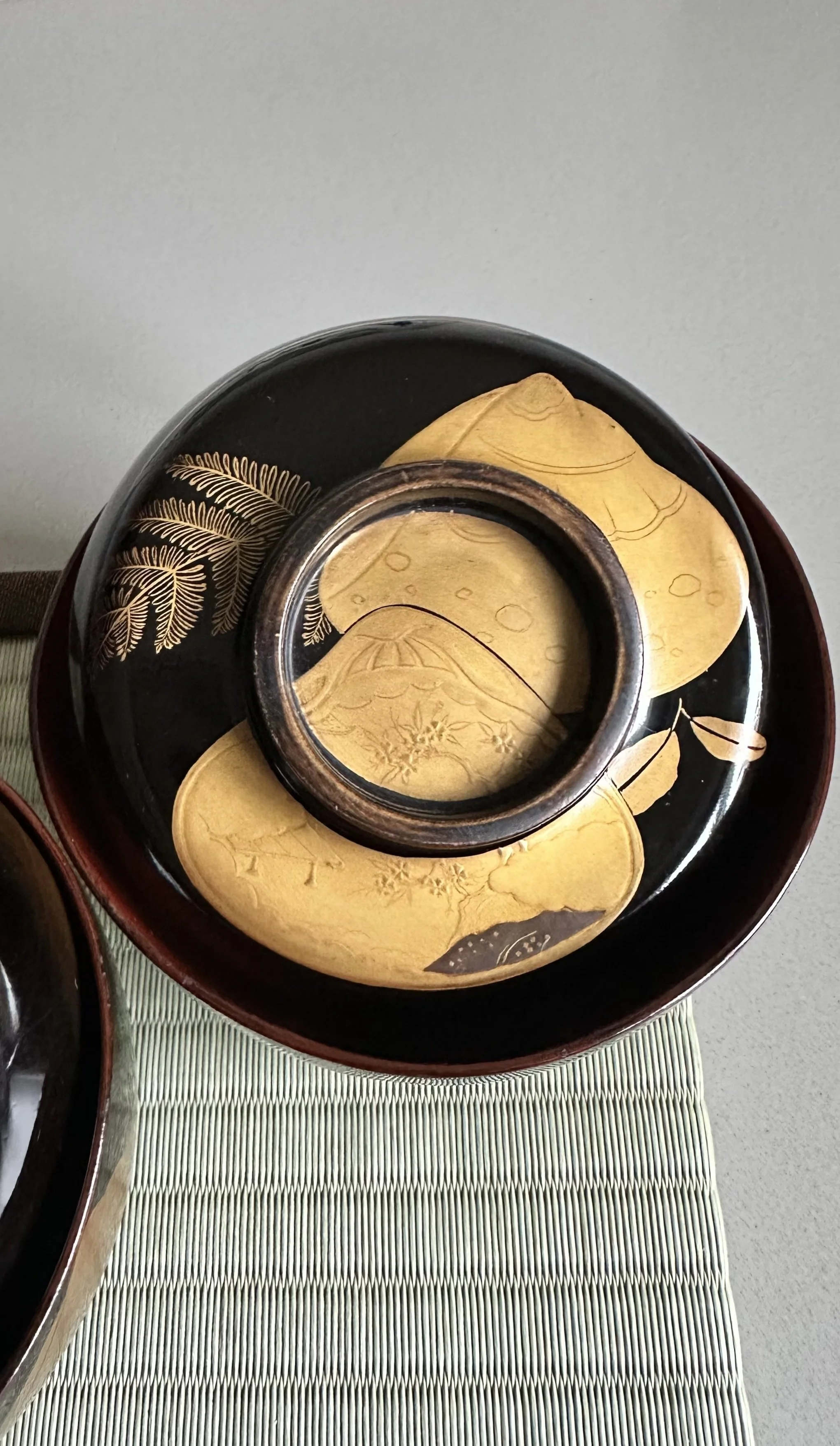
What time does to Japanese lacquerware
Natural urushi lacquer does not fade with age. It deepens. The color grows richer, the maki-e gold begins to glow from within, and the surface develops a warmth no new piece can replicate. Here is what actually happens to Japanese lacquerware over time.
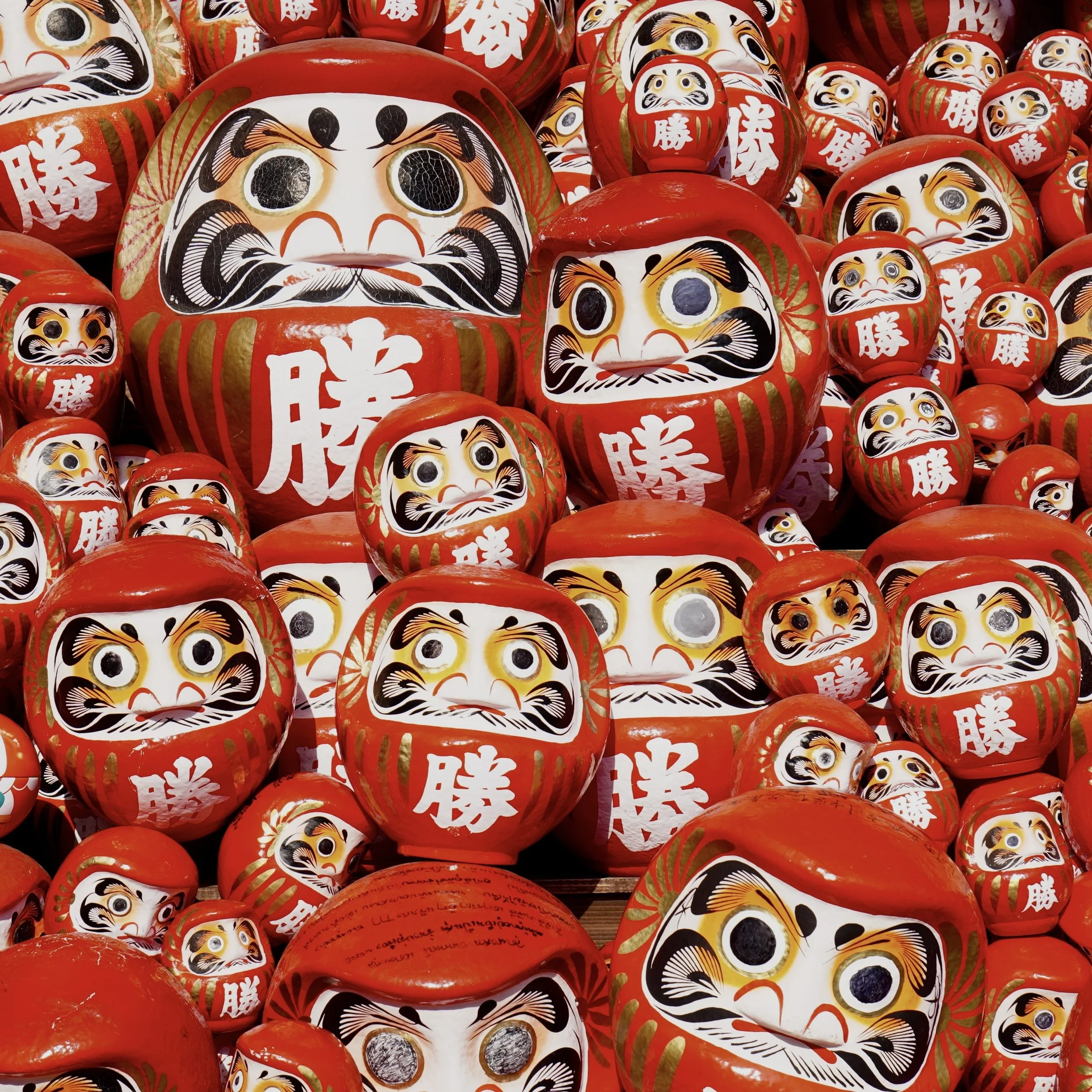
Journey to Katsuo-ji: The Temple of a Thousand Daruma in Osaka
Perched in the forested hills of Minoh, Katsuo-ji is known throughout Japan as the Daruma Temple, thousands of red daruma cascading down its steps, each one carrying someone's wish. A visit that changed how I see the wooden daruma in our own collection.
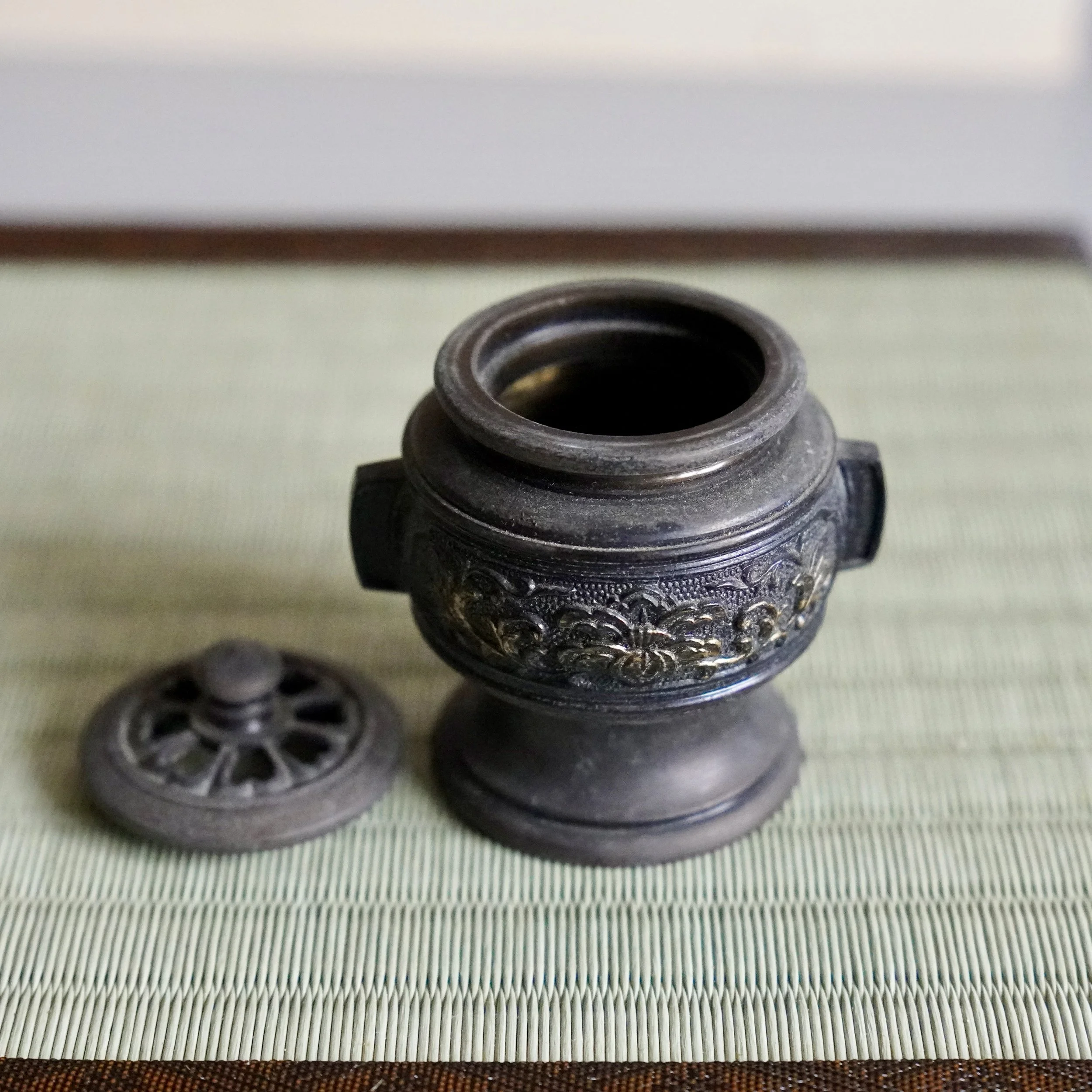
Three objects for your Japanese meditation corner, and why each one matters
Every temple I visit in Japan has the same quality of quiet, and it starts with three things: scent, sound, and a presence that holds the space. Here is how to bring that same intention home, starting with a single kōro and the concept of ma.
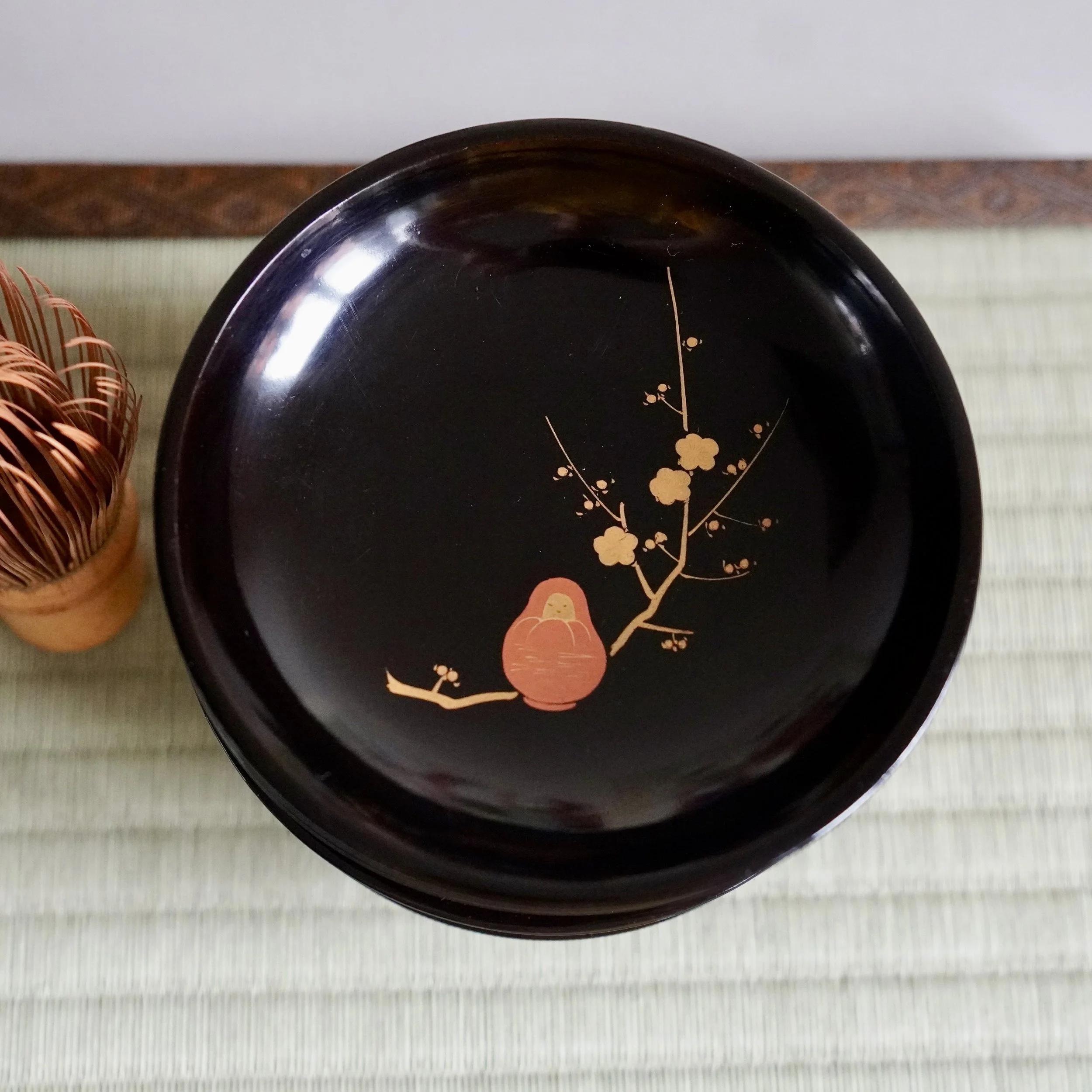
Caring for your vintage urushi lacquerware
Urushi looks fragile and behaves like the opposite, until it meets a sunny windowsill or a winter radiator. Here is what actually damages lacquerware, what does not, and the handful of habits that keep a piece looking the way it did the day it was finished.
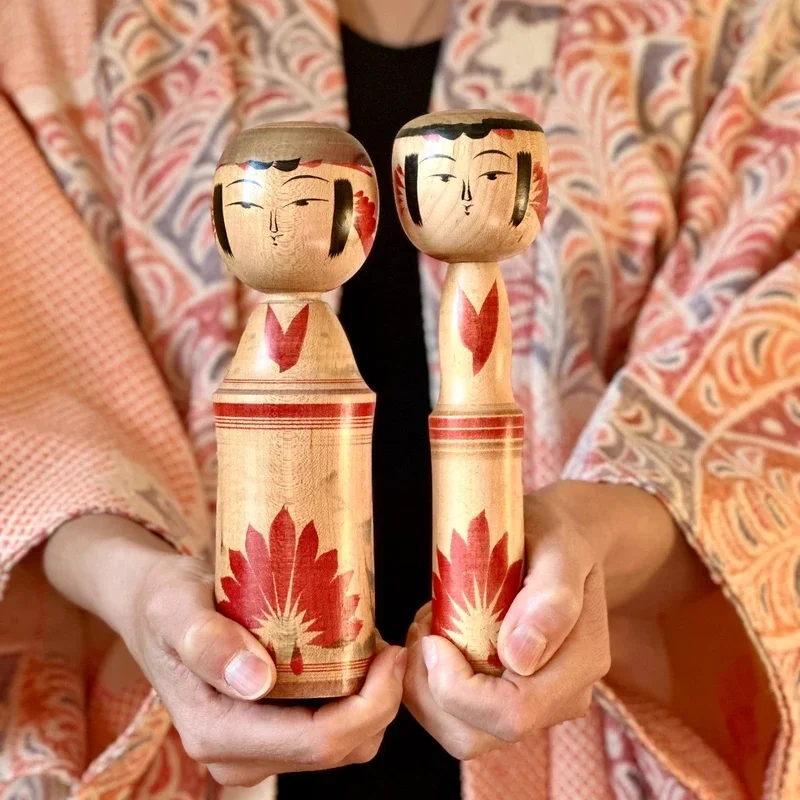
Caring for your vintage kokeshi
A kokeshi asks for very little once it has found the right spot. Grouped in threes on a shelf, alone on a windowsill out of direct sun, or standing next to something entirely unrelated, like a stack of books or a single dried branch. Here is what I have learned about placing them so they actually get looked at, instead of disappearing into a room.
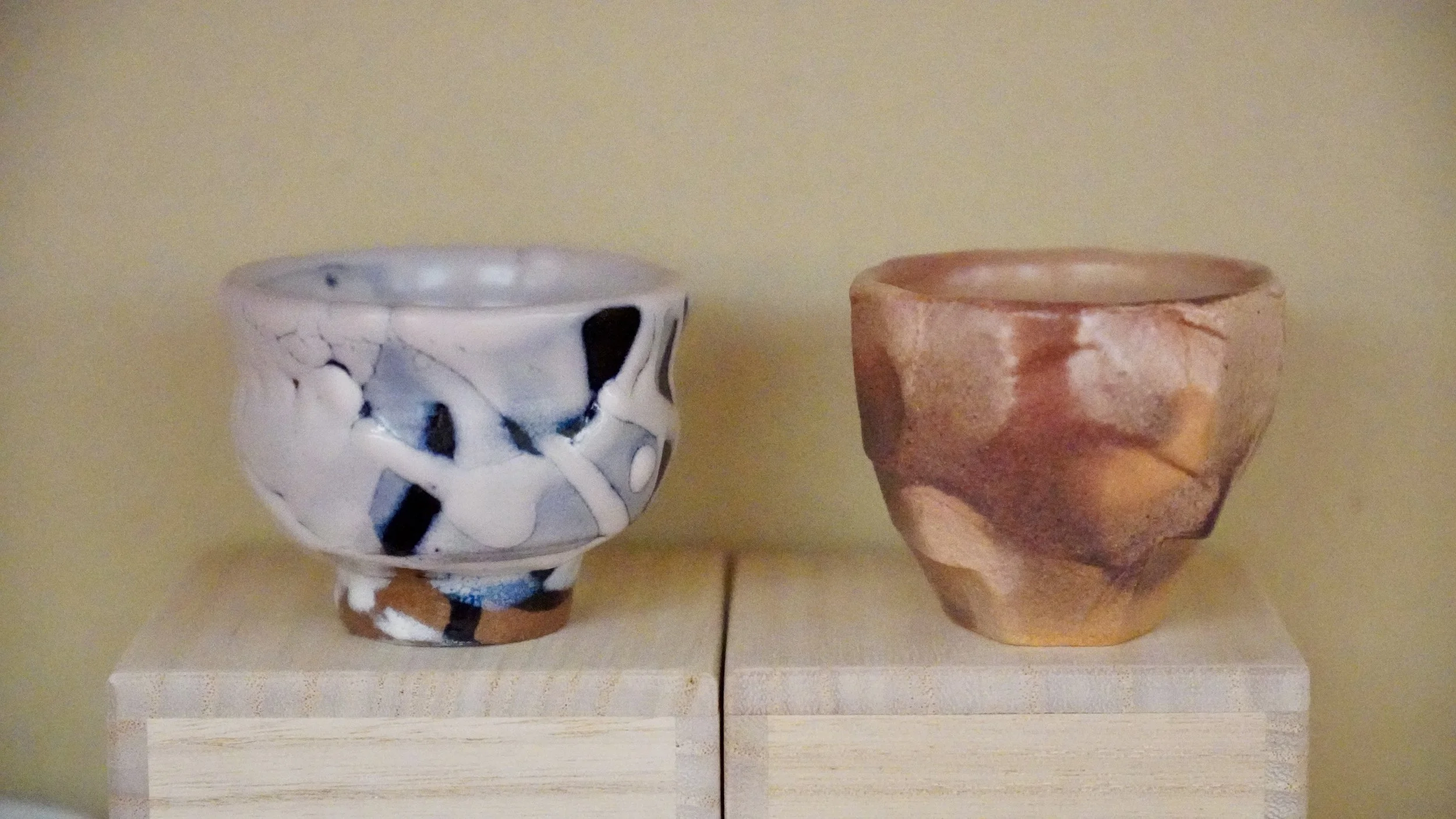
Caring for your vintage ceramics: chawan, yunomi and ikebana vases
Every ceramic piece I bring home has already been through decades of hands before mine. A chawan changes colour with tea over the years, a vase collects mineral marks if you let it, and neither of those things is damage. Here is what actually matters when you look after one.
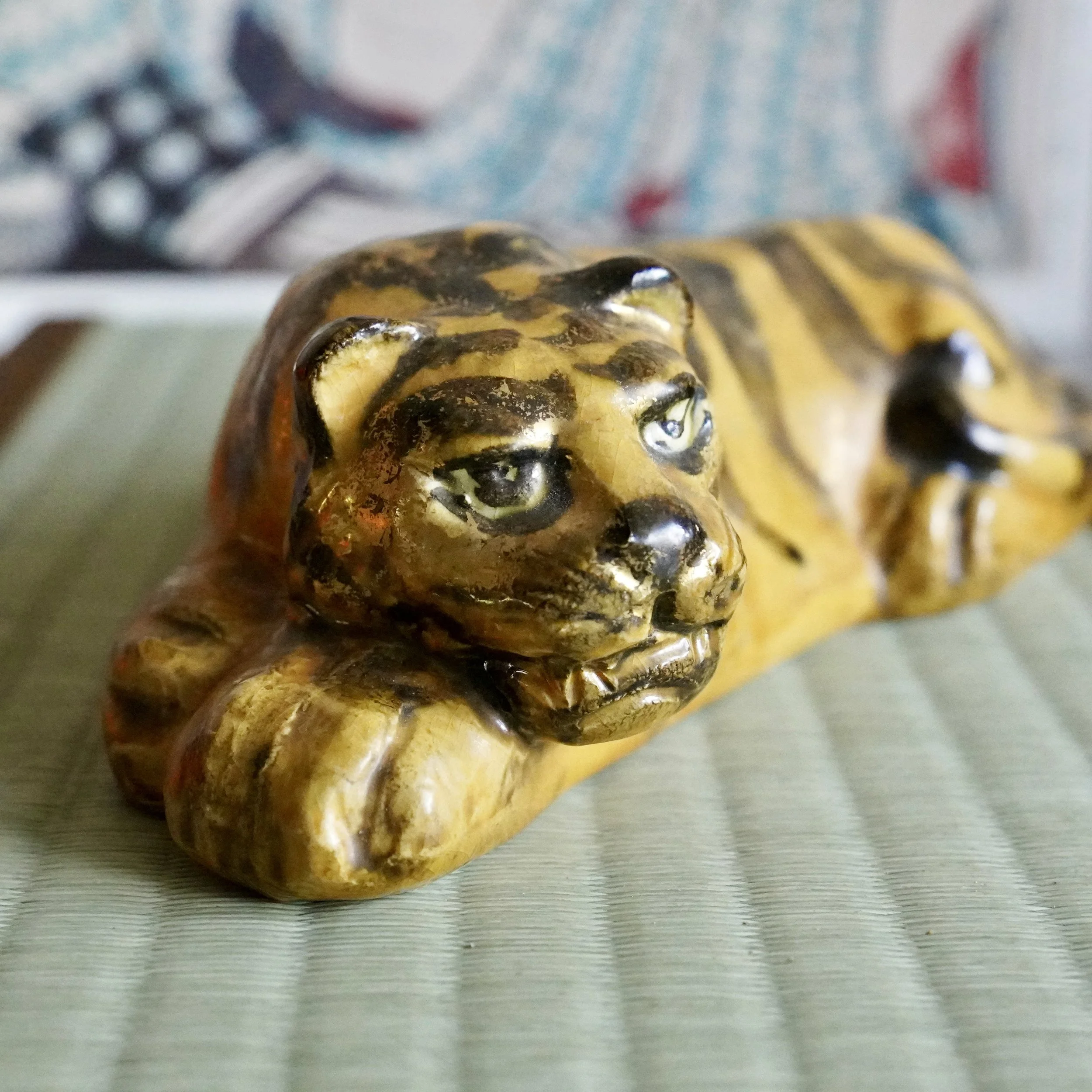
A tiger made for its own year: kinsai gold and a Kyoto tradition
There is a small tiger on my desk with gold worn down to almost nothing on its ears and shoulders. It was made for a Year of the Tiger, in Kyoto, by a kiln lineage going back to 1771. The wear is not damage. It is exactly what the gold was always going to do.
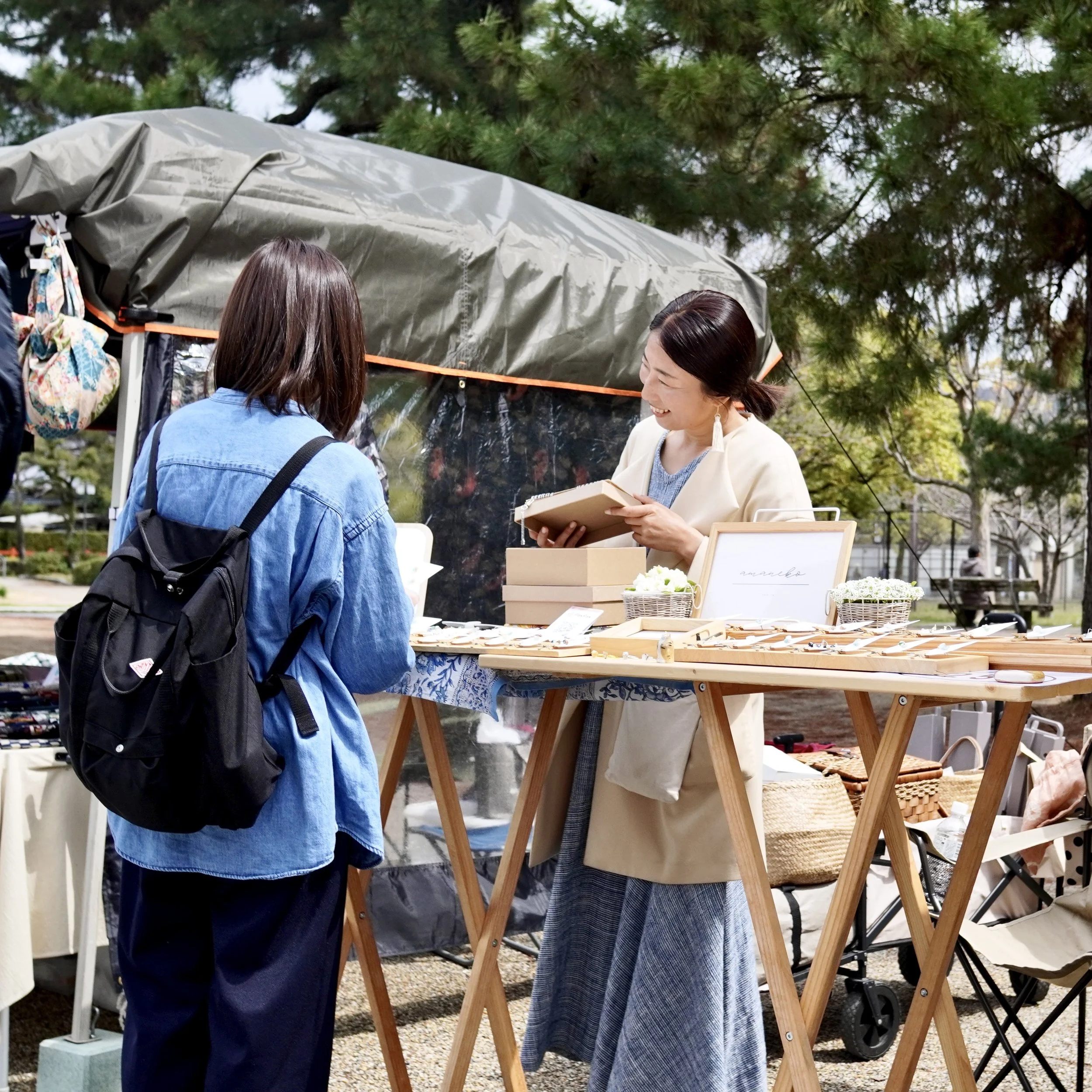
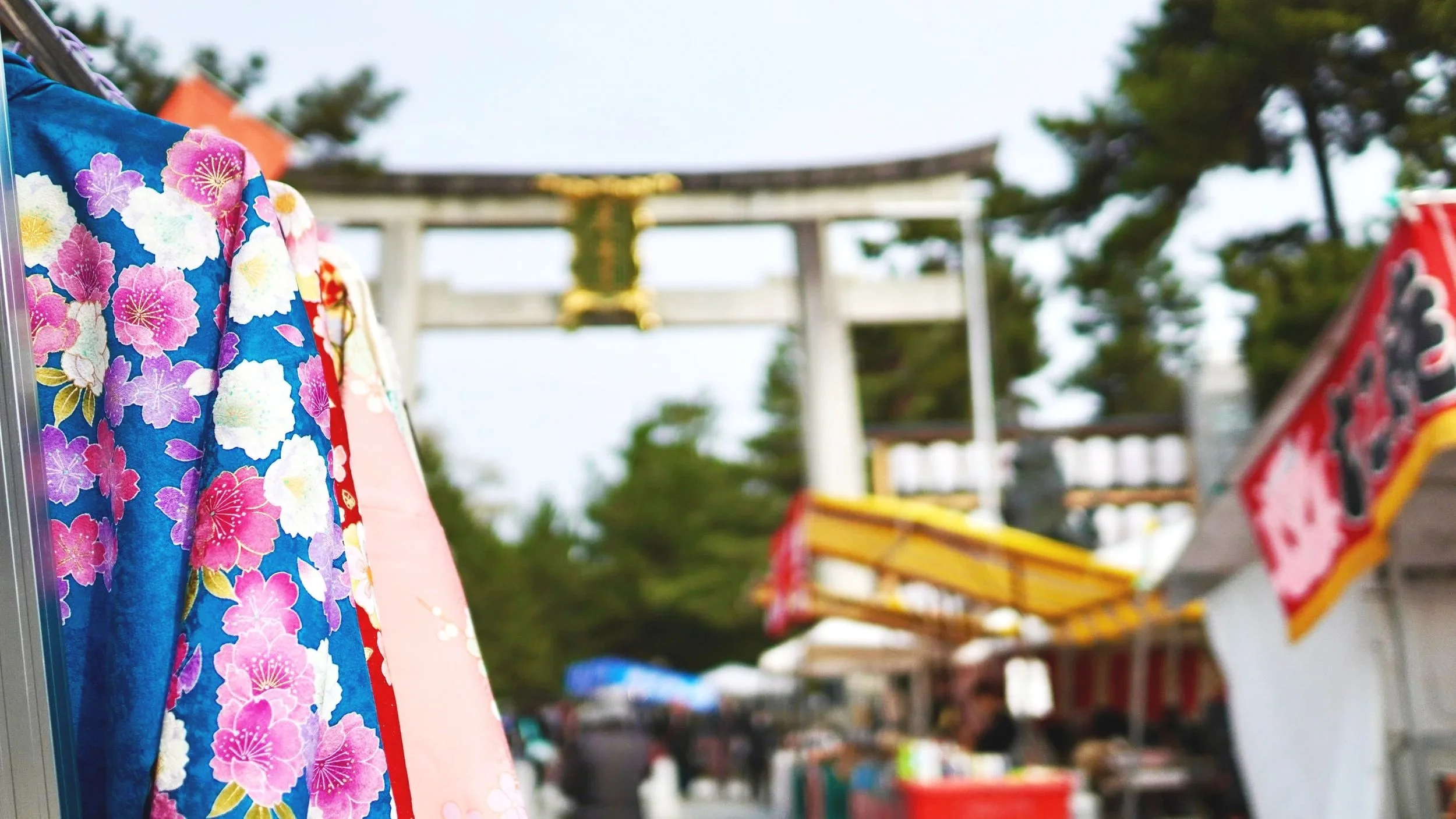
Sourcing in Japan Day 1: Kobo-san Antique Market at Kyoto's Toji Temple
This is where the week begins. An early alarm, a heavy bag, and the first market of the trip: Kobo-san at Tōji Temple, Kyoto, at 5:30 in the morning. Day one of my Sourcing Week in Japan series in Kyoto and Okayama.
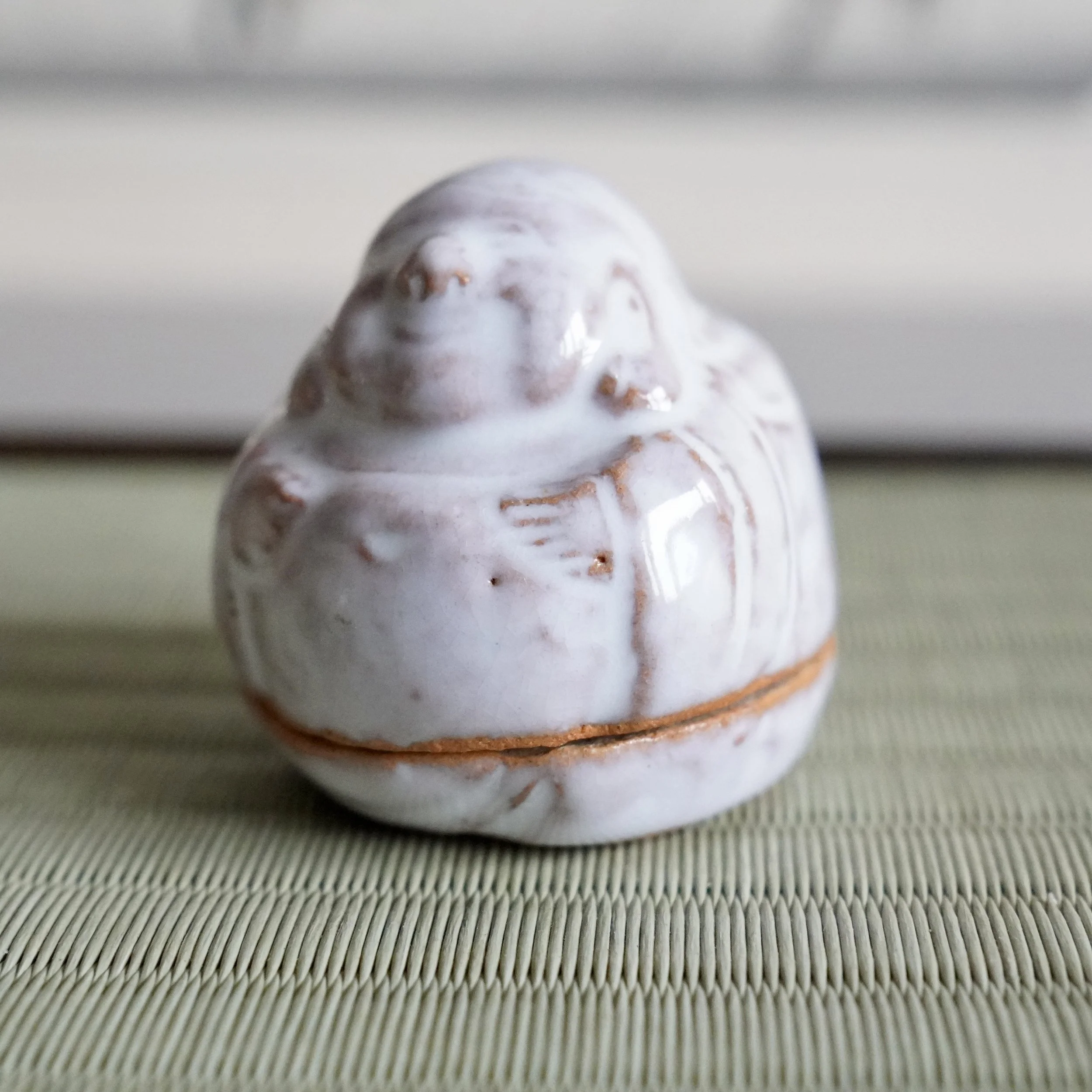
The most beautiful objects in the Japanese tea ceremony tradition are made to be emptied
This is Hotei, the laughing god of contentment, made in soft Hagi-yaki. Hagi ware made by the hand of potter Okada Yutaka. He holds a single piece of incense. After that piece is placed near the charcoal, he sits empty for the rest of the session. Japan put its finest craft into this moment of emptying, and then into the silence after.