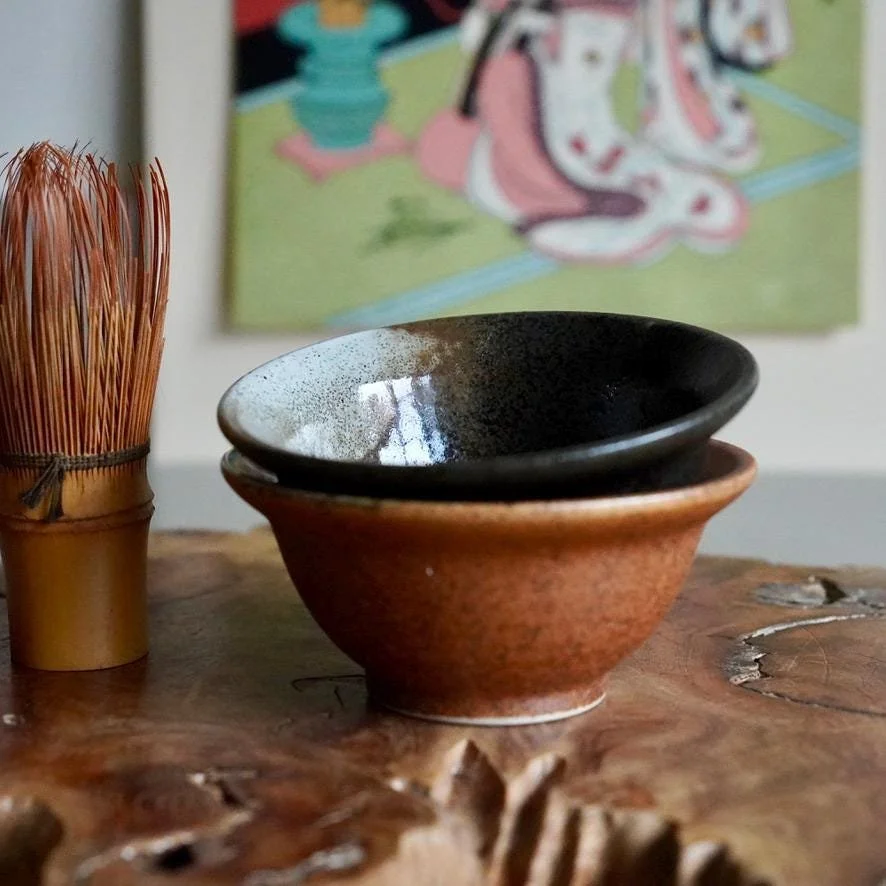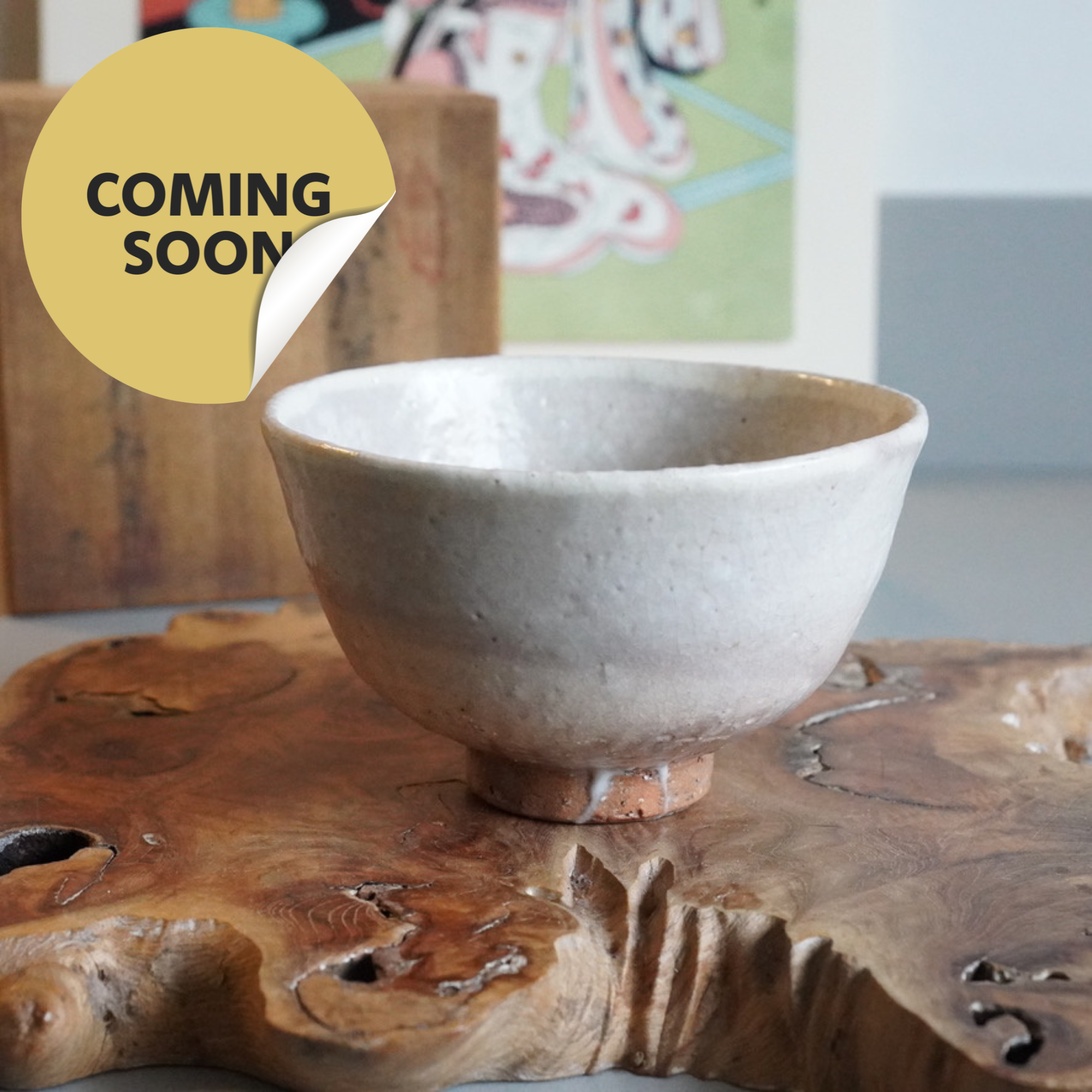
Caring for your vintage chawan
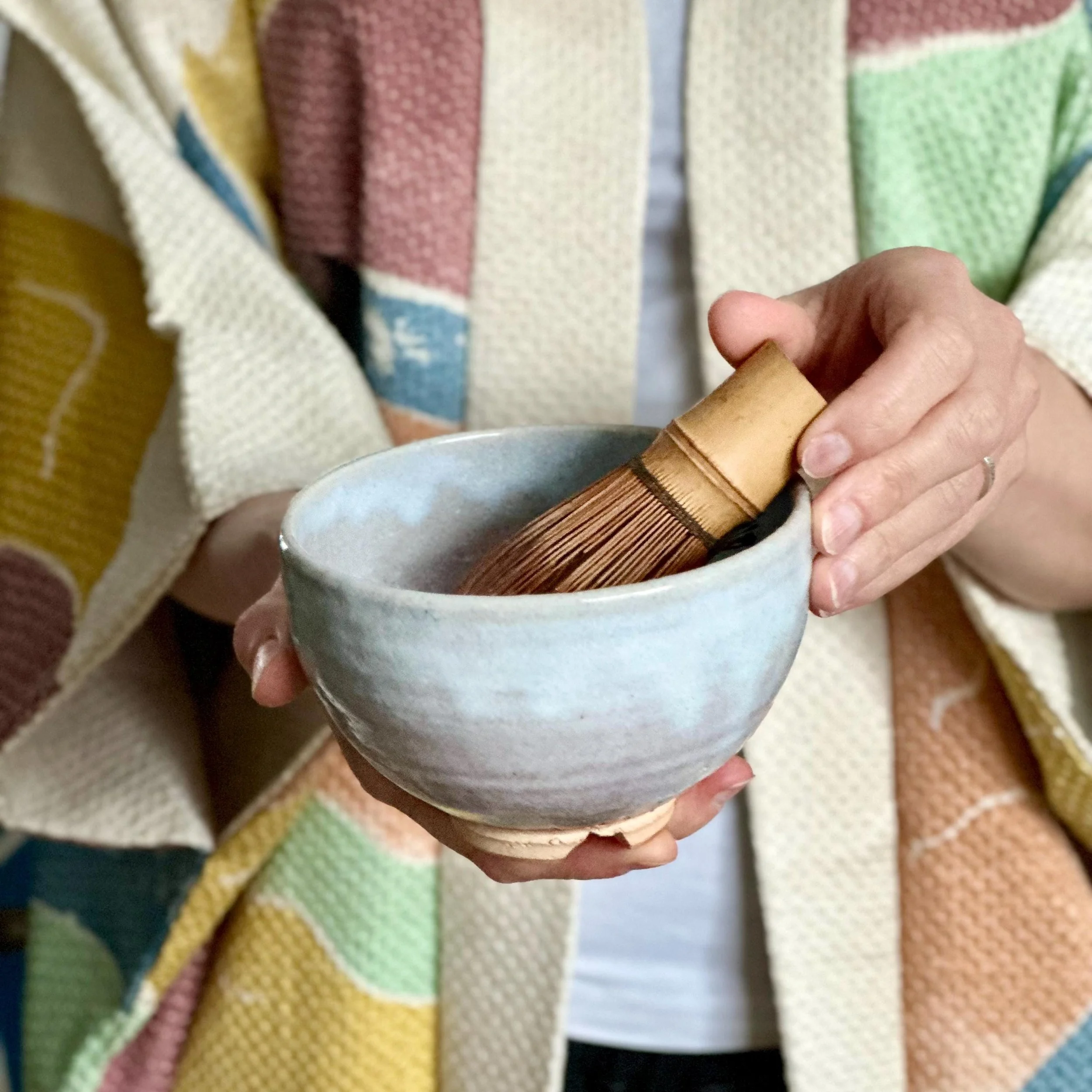
Owning a vintage Japanese chawan is more than having a bowl for tea.
It is a connection to a craft tradition, to the hands that made it, and to everyone who used it before you. With the right care, it will outlast you too.
These bowls were made for daily use. They are not fragile. But they are porous, and that changes how you look after them.
Step 1
Before the first use: waking the clay
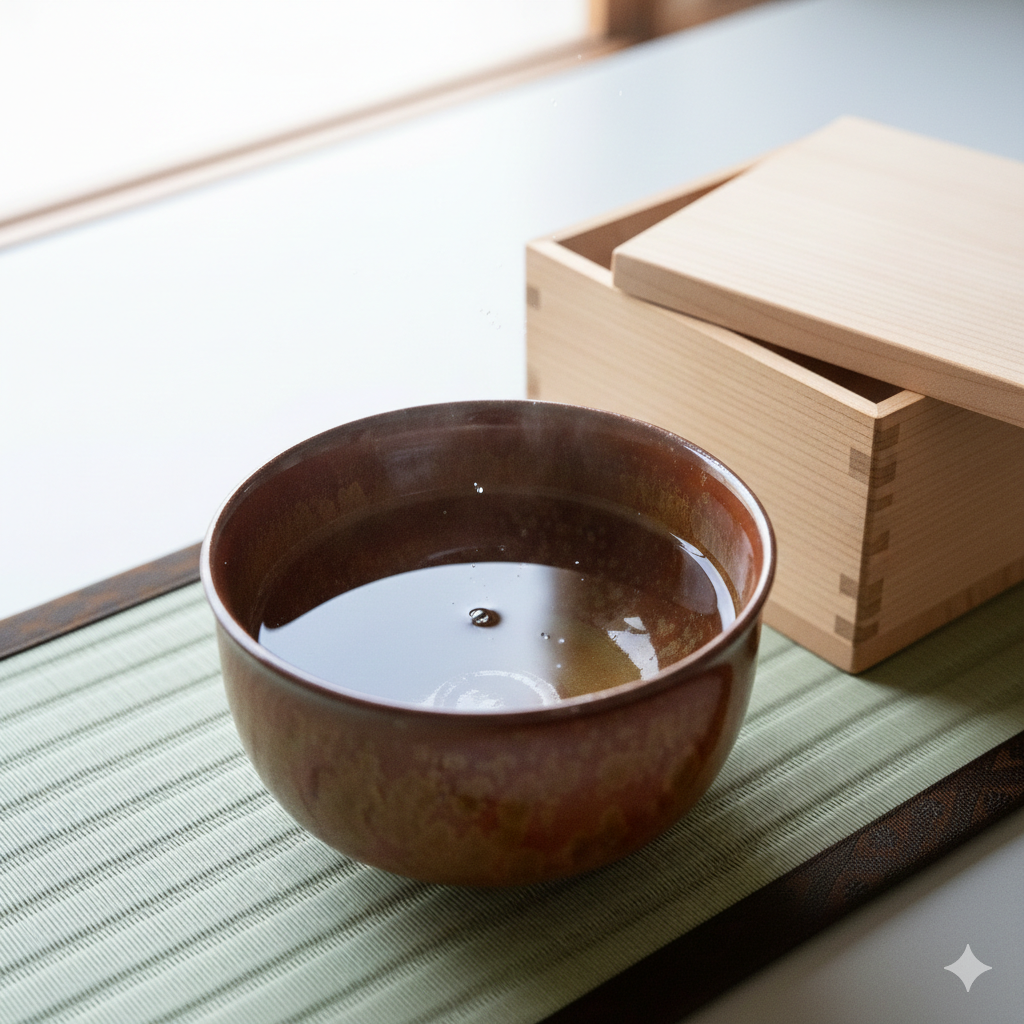
Vintage ceramics have often been sitting dormant for years. Before you use your chawan for the first time, give it a gentle soak in lukewarm water for ten to fifteen minutes. This allows the clay to slowly rehydrate and prevents it from absorbing too much liquid too quickly on first use.
Never pour boiling water directly into a cold bowl. Pre-warm it first with lukewarm water, then gradually increase the temperature. The clay and the glaze expand at slightly different rates, and a sudden temperature shock can cause stress in the material over time.
Step 2
Daily cleaning: keep it simple
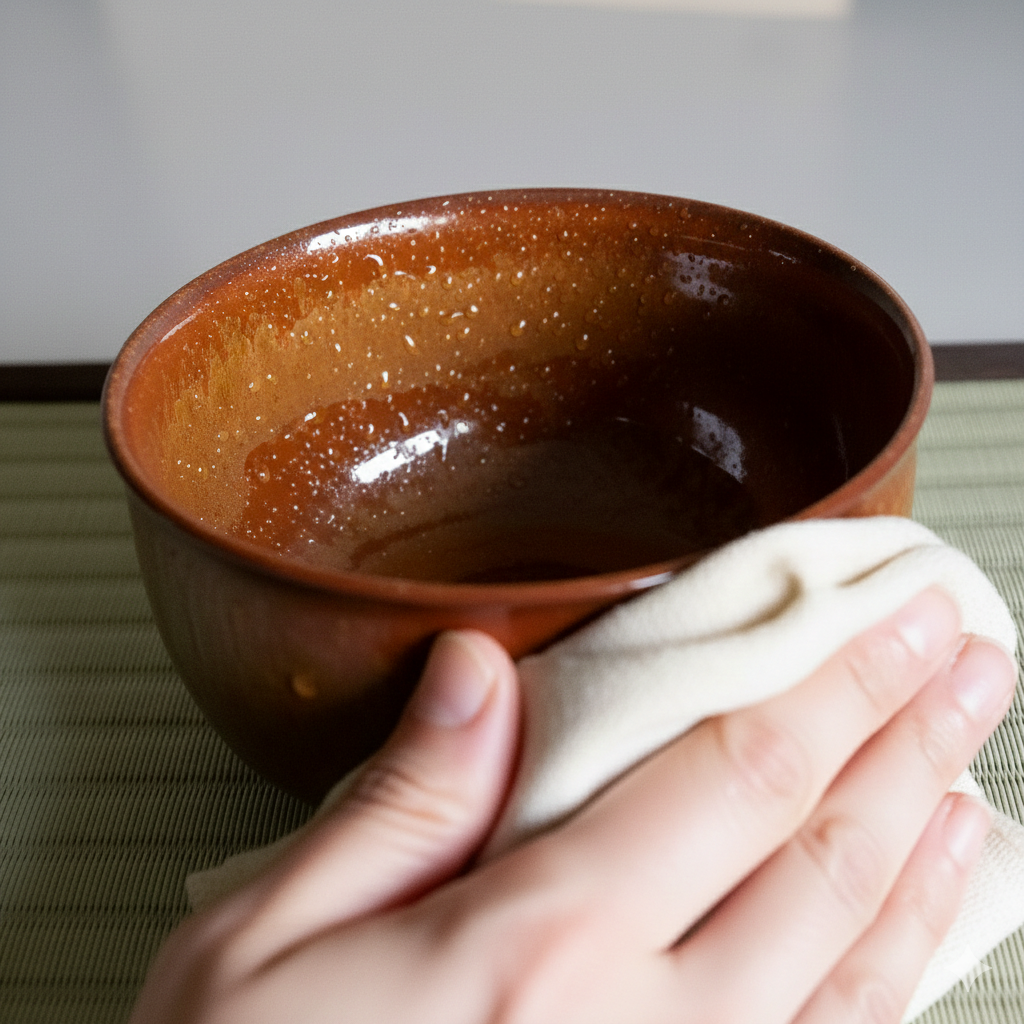
Rinse your bowl with warm water immediately after use. That is all it needs. Use your fingers or a very soft cloth to remove any residue. No sponges, no abrasive materials.
Do not use dish soap. The porous clay will absorb detergent just as readily as it absorbs tea, and your next cup will taste of it. Water is enough.
A chawan should never go in the dishwasher. The heat, the pressure and the detergents will damage the glaze and accelerate crazing in ways that have nothing to do with the beautiful transformation you want.
Step 3
Understanding the glaze and what it does over time
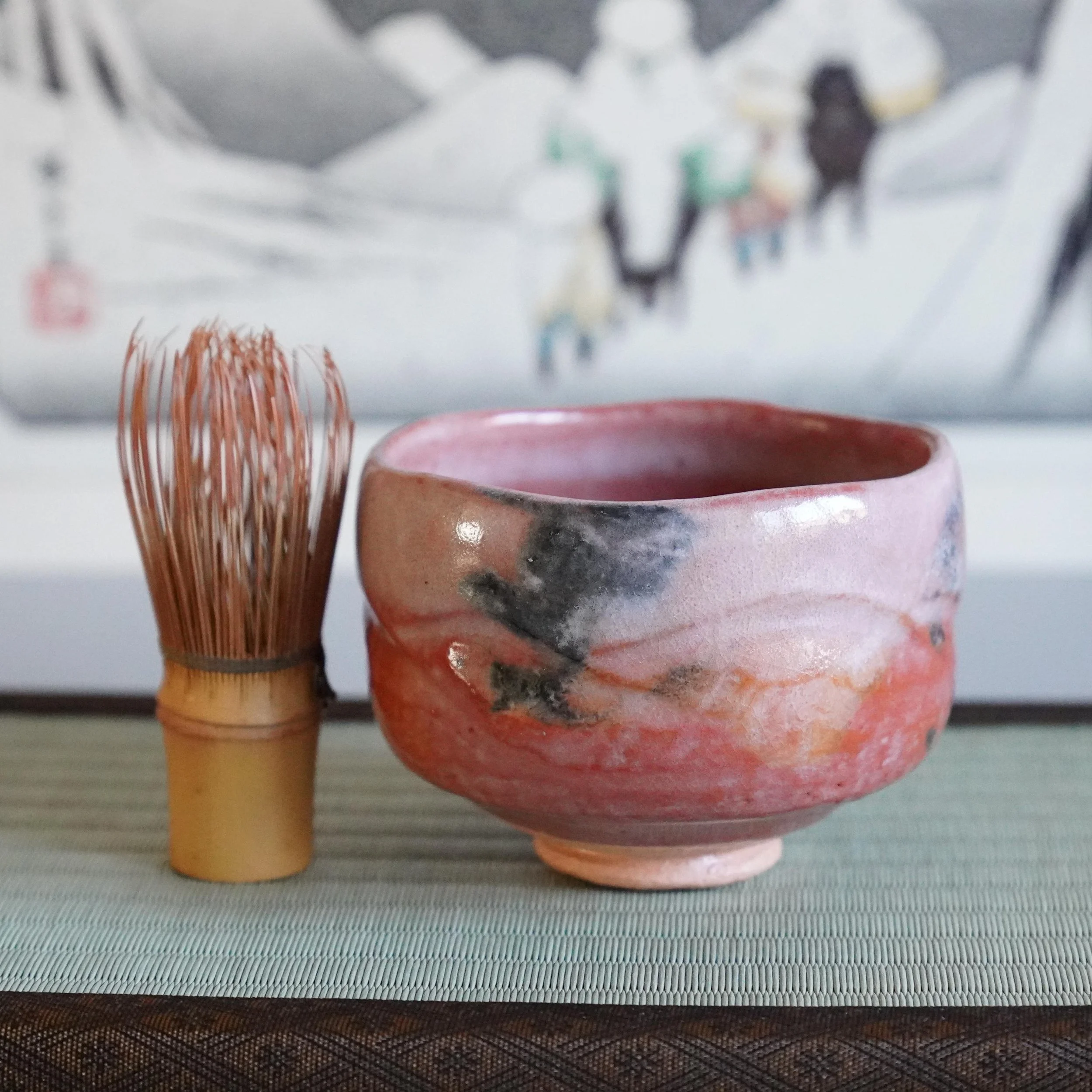
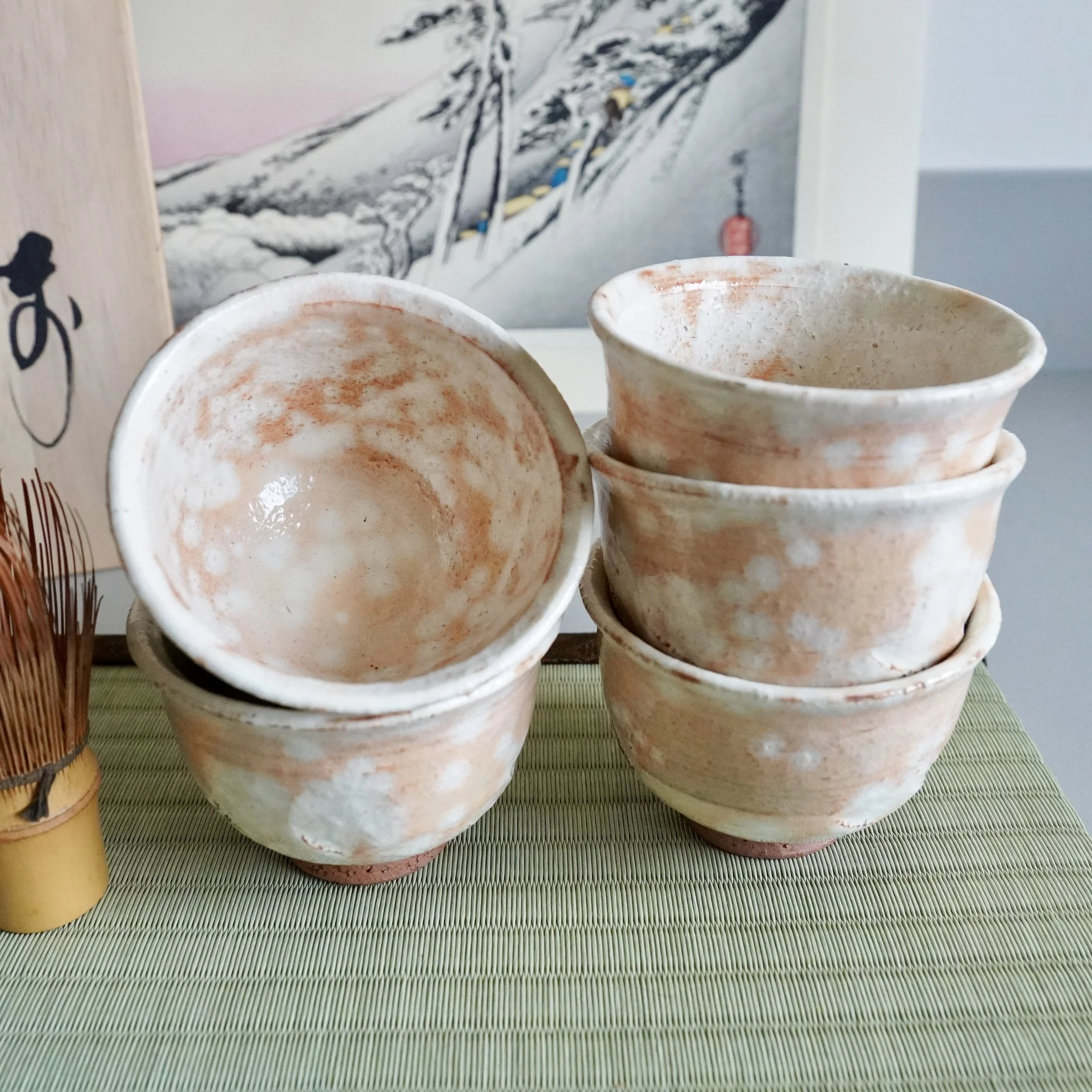
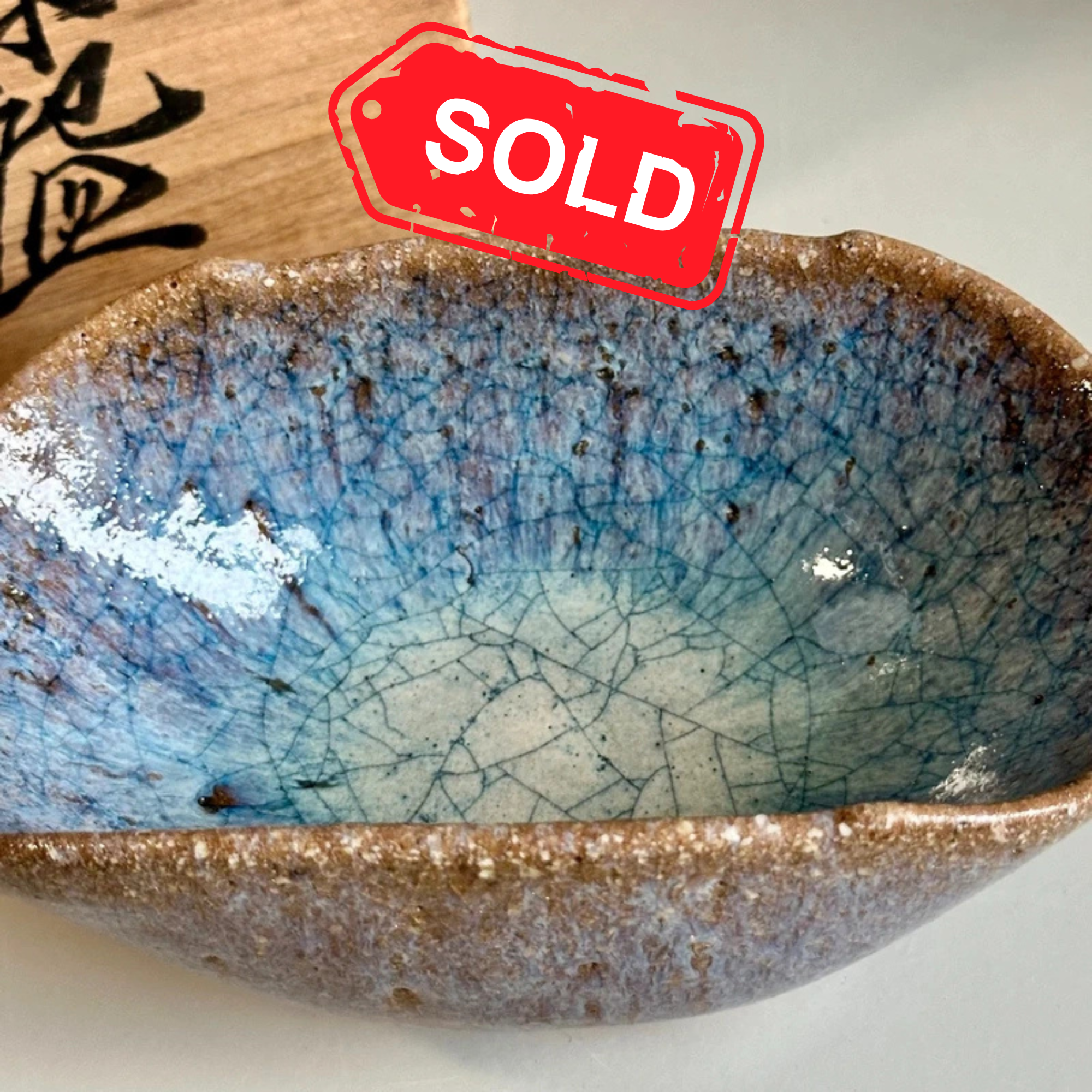
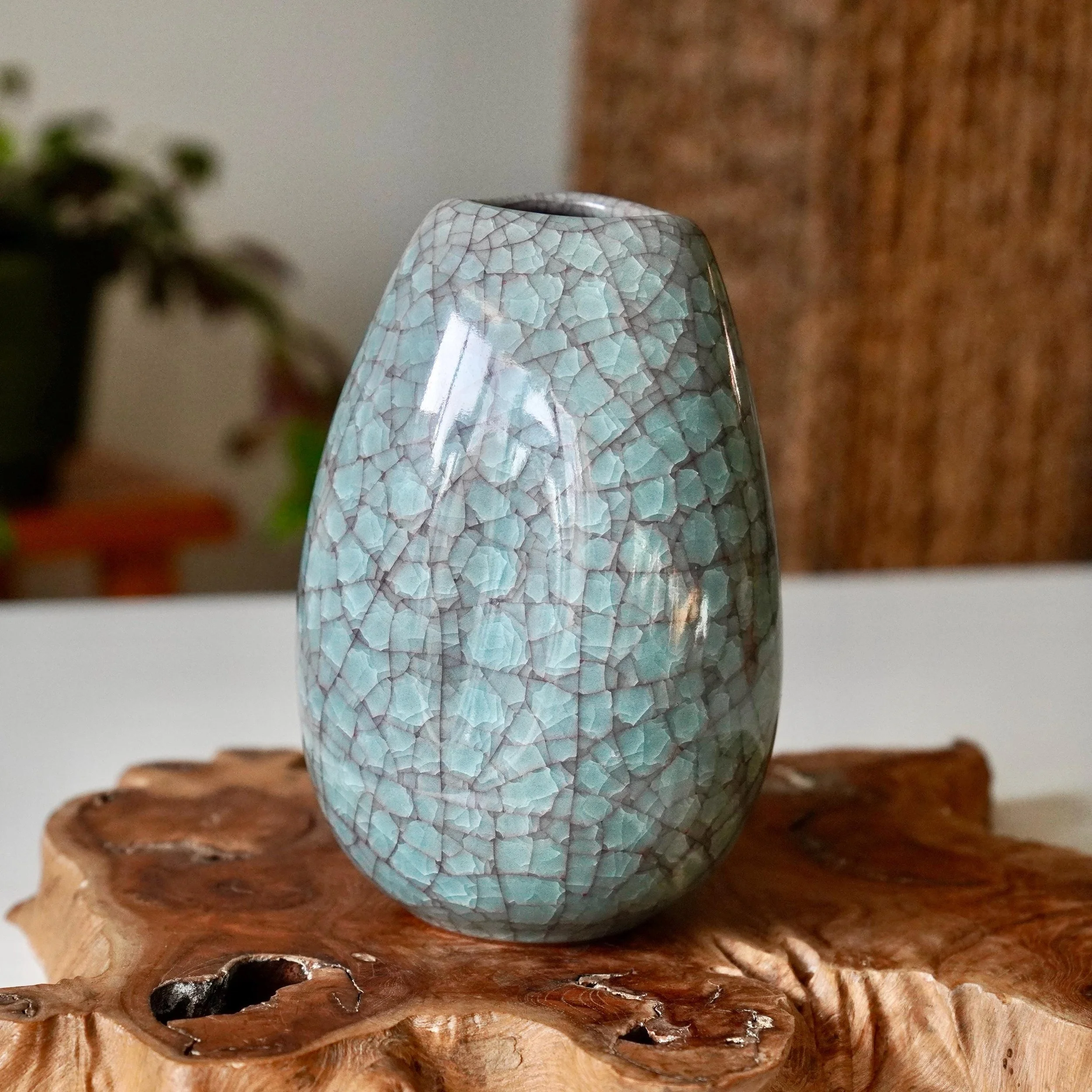
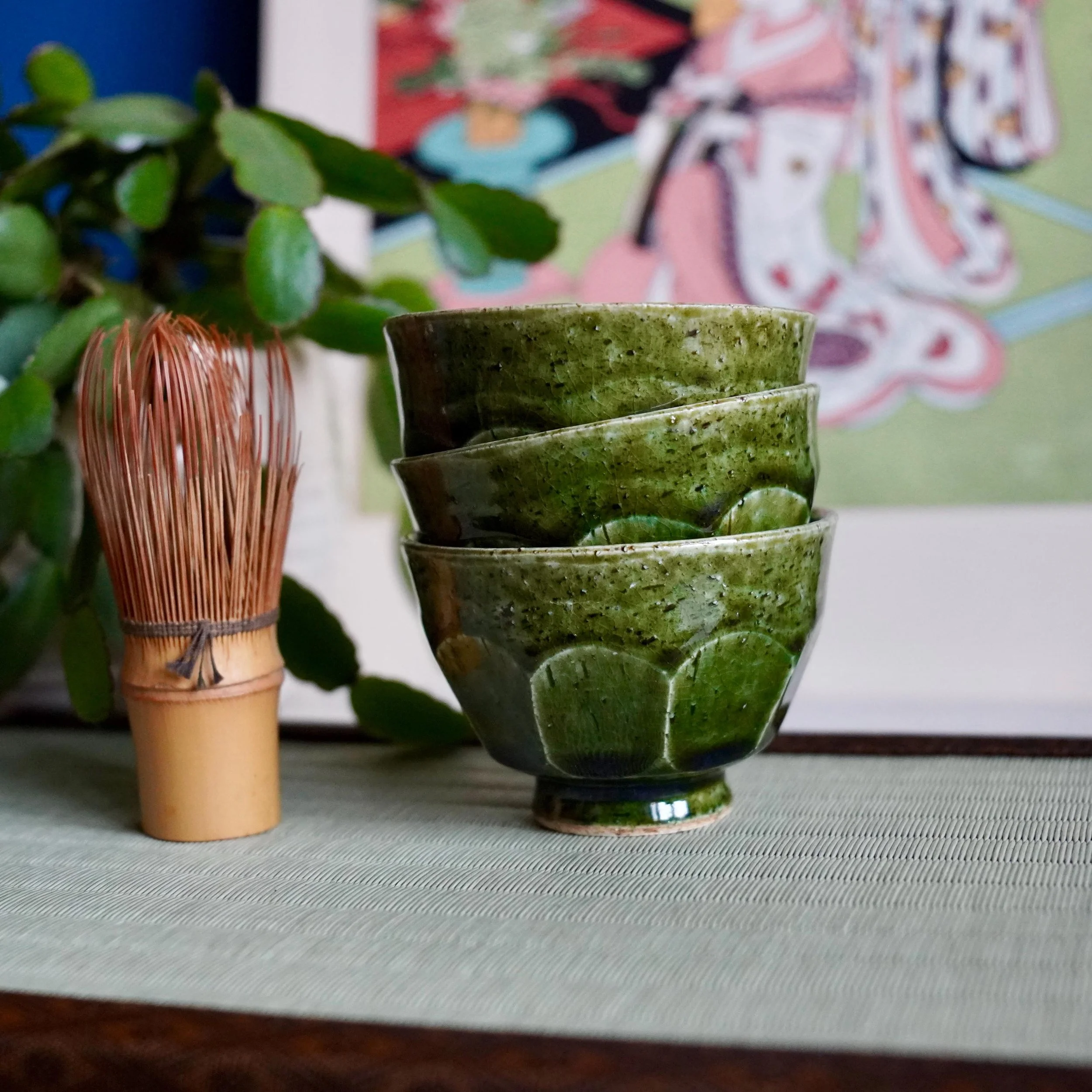
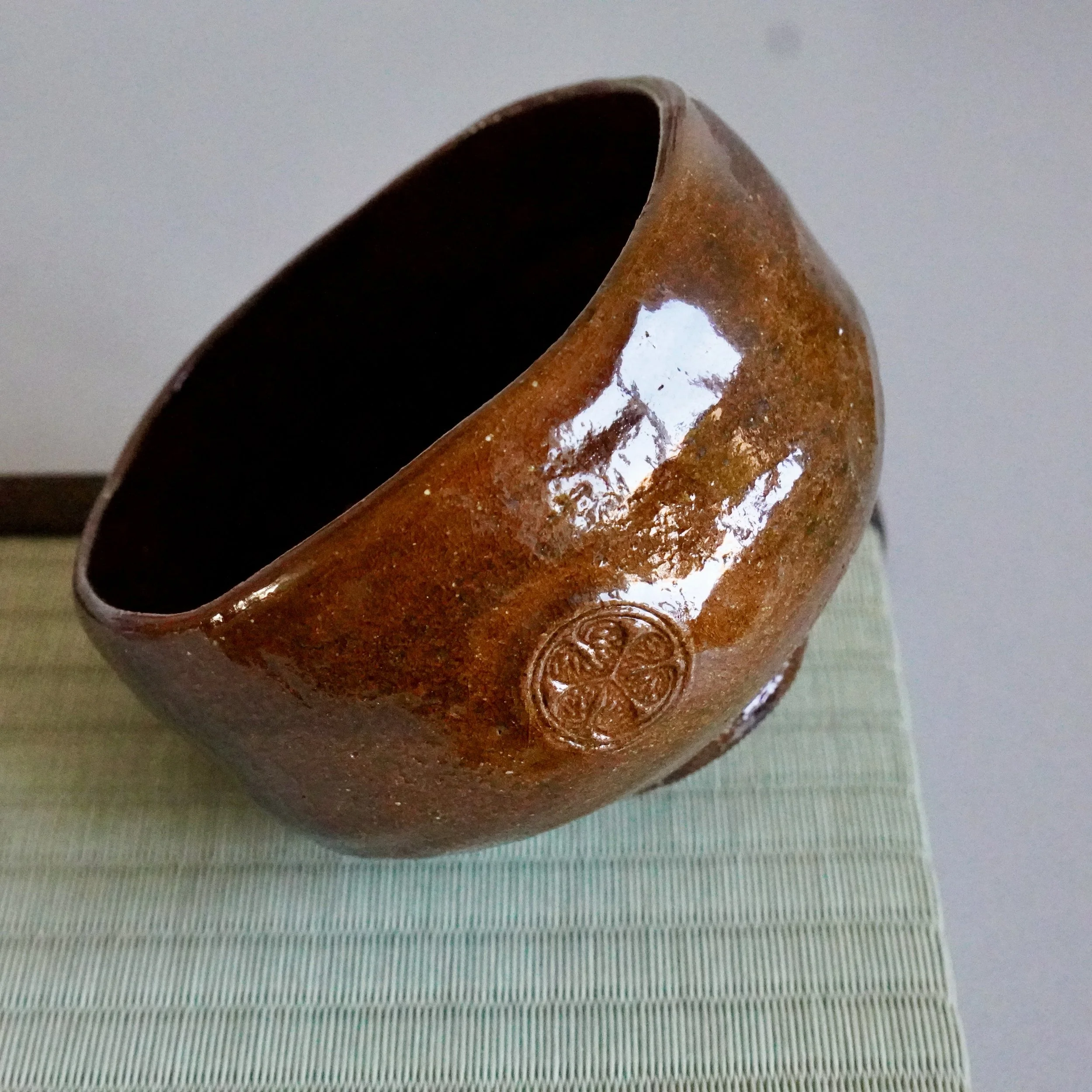
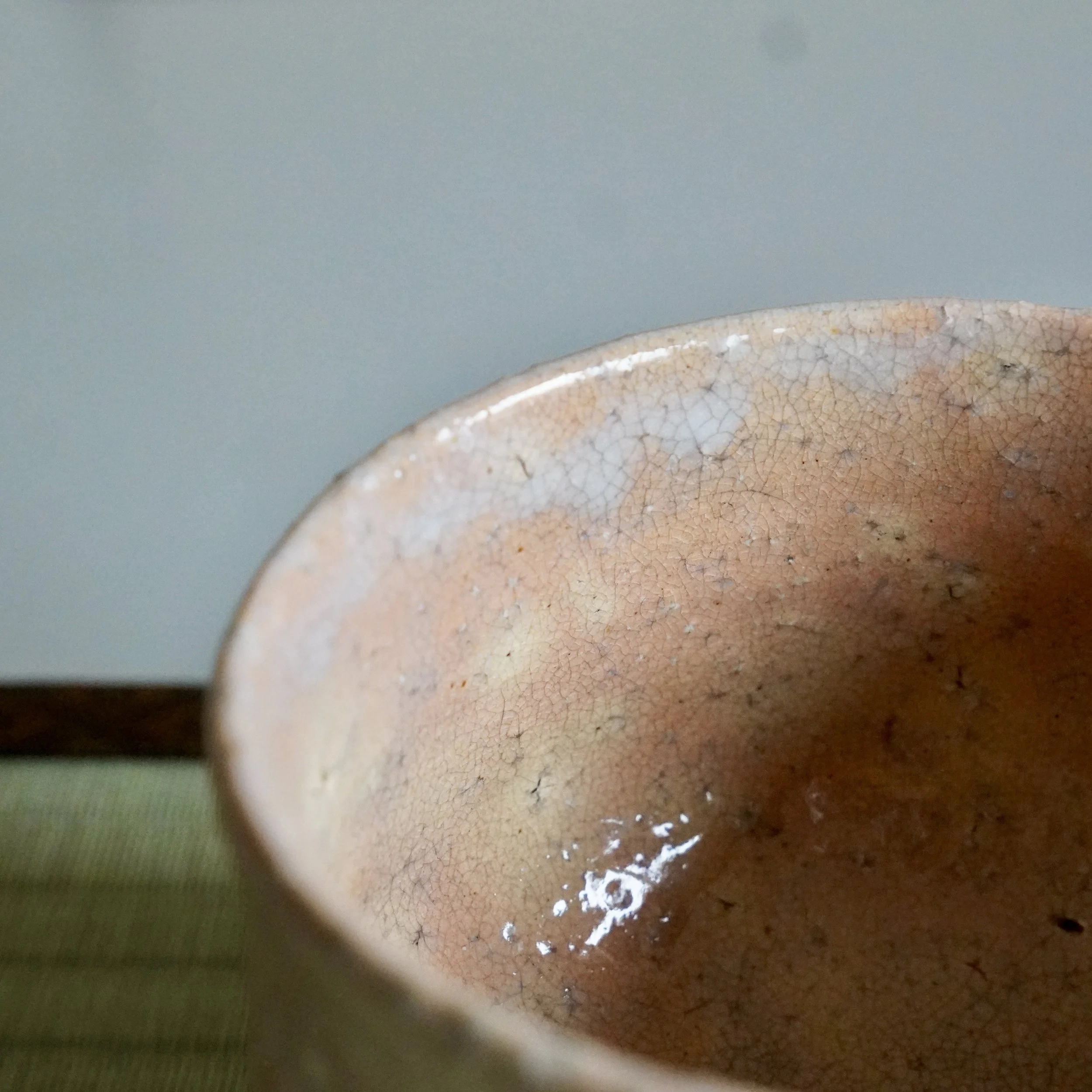
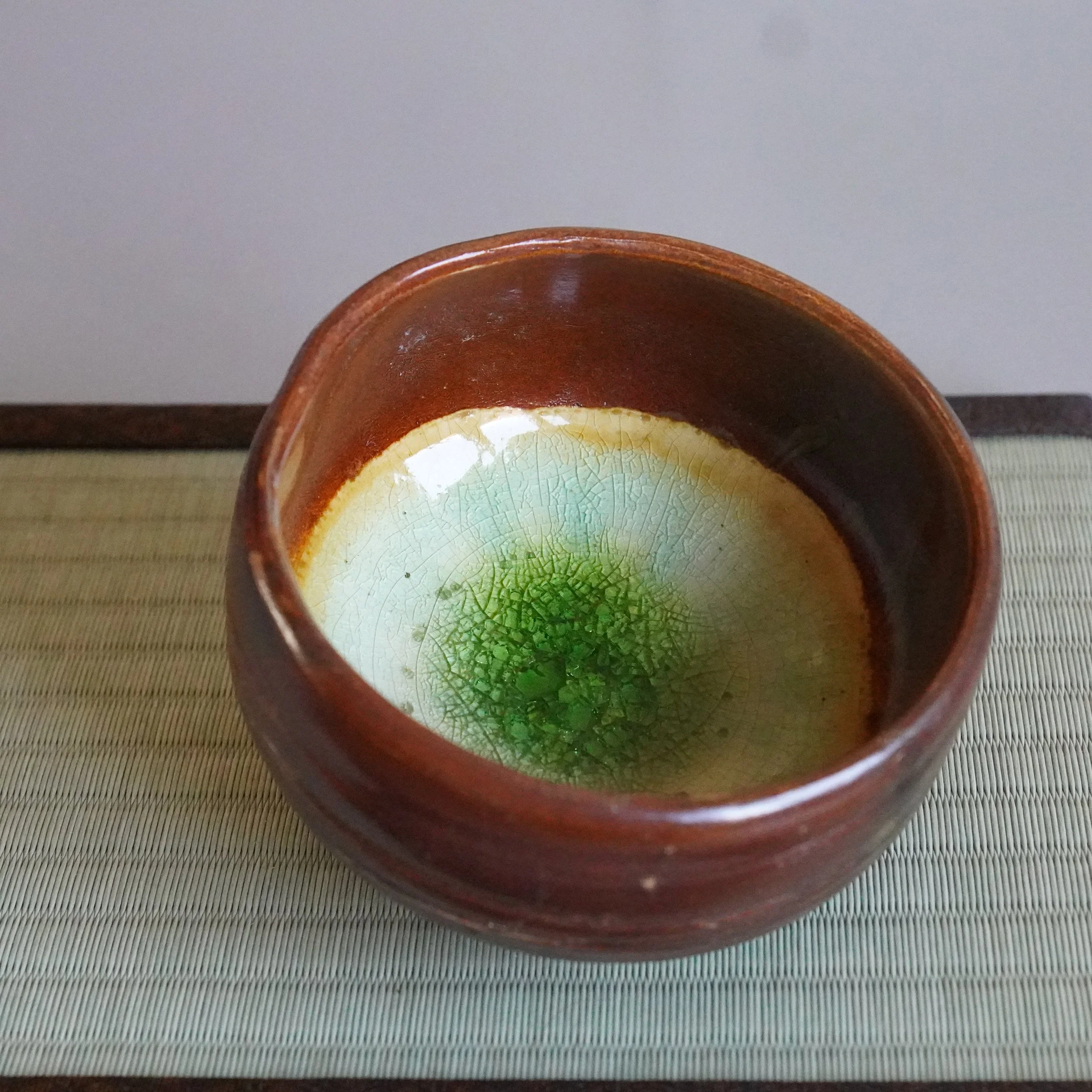
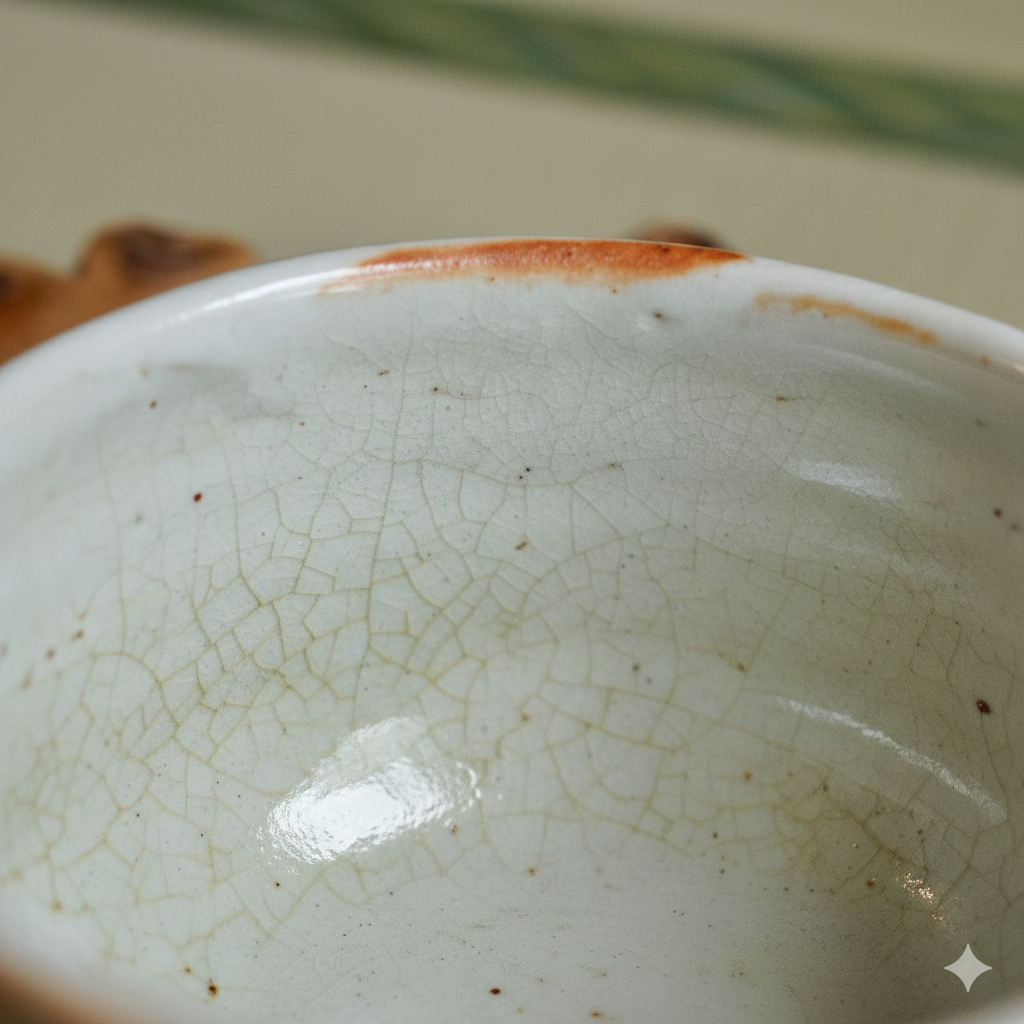
Over weeks and months of use you will notice tiny lines appearing across the glaze. This is kannyu, crazing, and it is not damage. It is the bowl beginning to record its life with you. Tea slowly seeps into those fine cracks, staining them amber or brown. The surface gradually warms in tone. After years of use the bowl becomes uniquely yours, marked by your particular tea practice and no one else's.
If you want to slow the colour change, soak the bowl in plain water for a few minutes before each use. The clay will absorb water instead of tea. Most people do not do this. They want the transformation.
Step 4
Drying and storage
This is the step most people skip and the one that matters most.
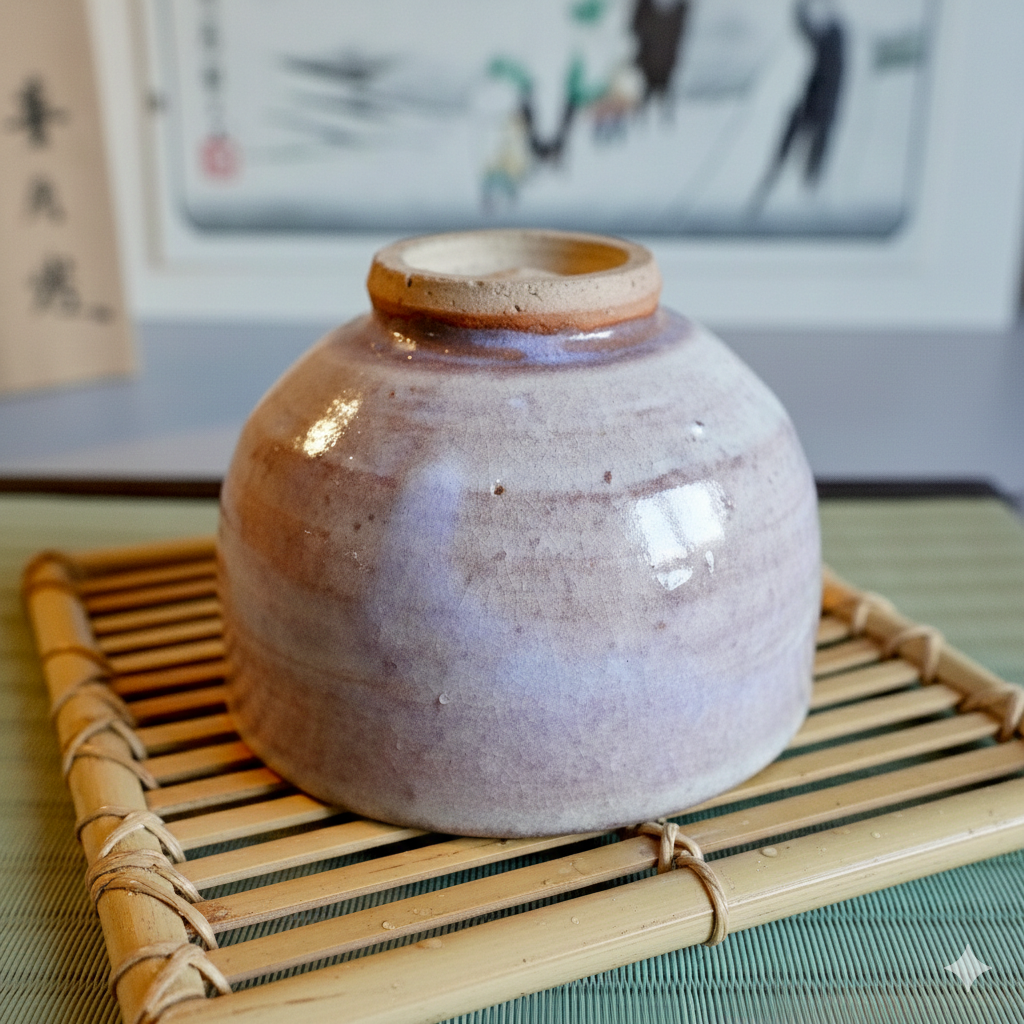
After rinsing, pat the bowl dry with a clean towel and then let it air dry completely before putting it away. Do not place it upside down on a flat surface, prop it slightly so air can reach the foot. Leave it for several hours, ideally overnight.
A damp bowl stored in a closed box or a dark cupboard will develop mould inside the clay. Once that happens, the flavour of your tea is affected permanently. It is not difficult to avoid: just make sure the bowl is fully dry before you put it away.
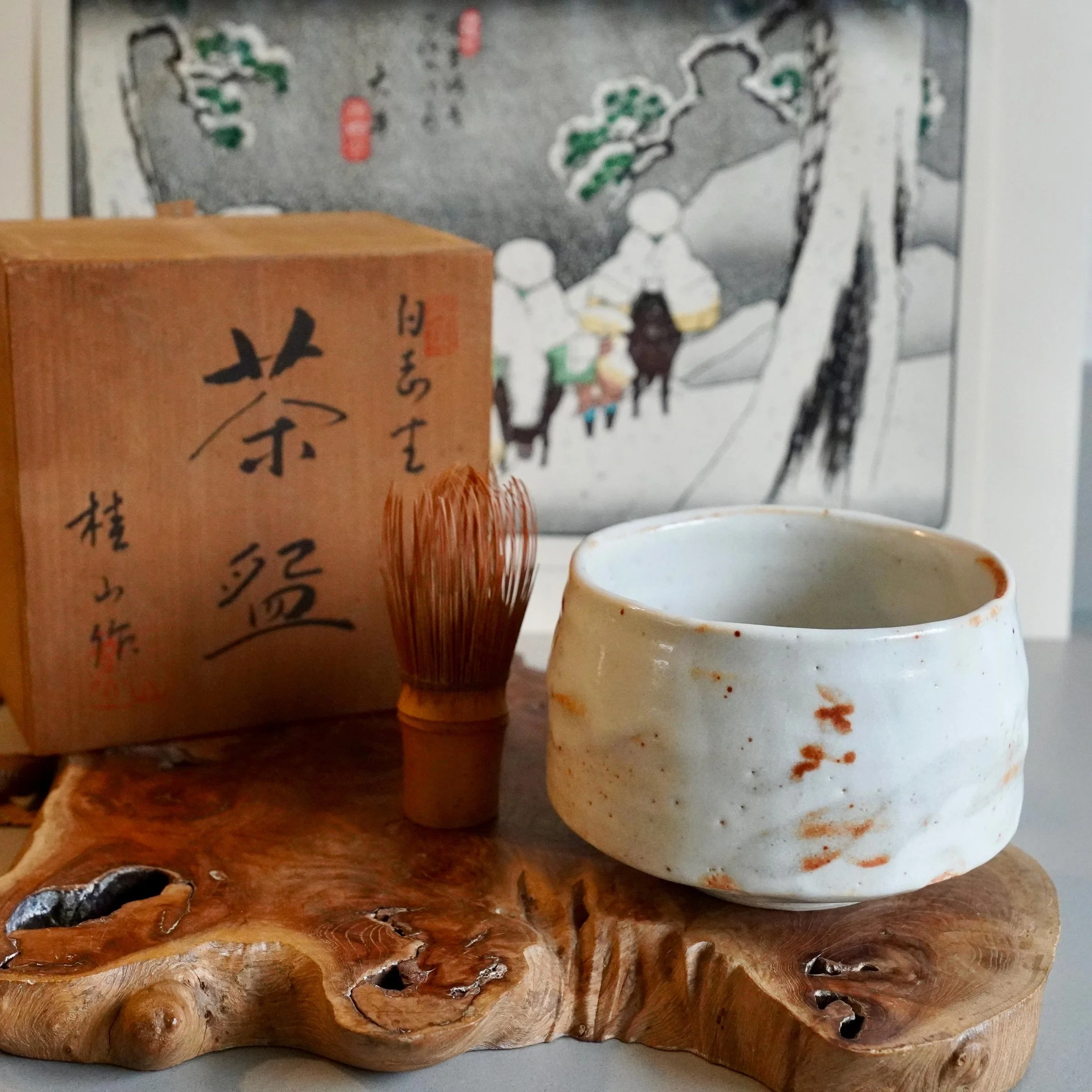
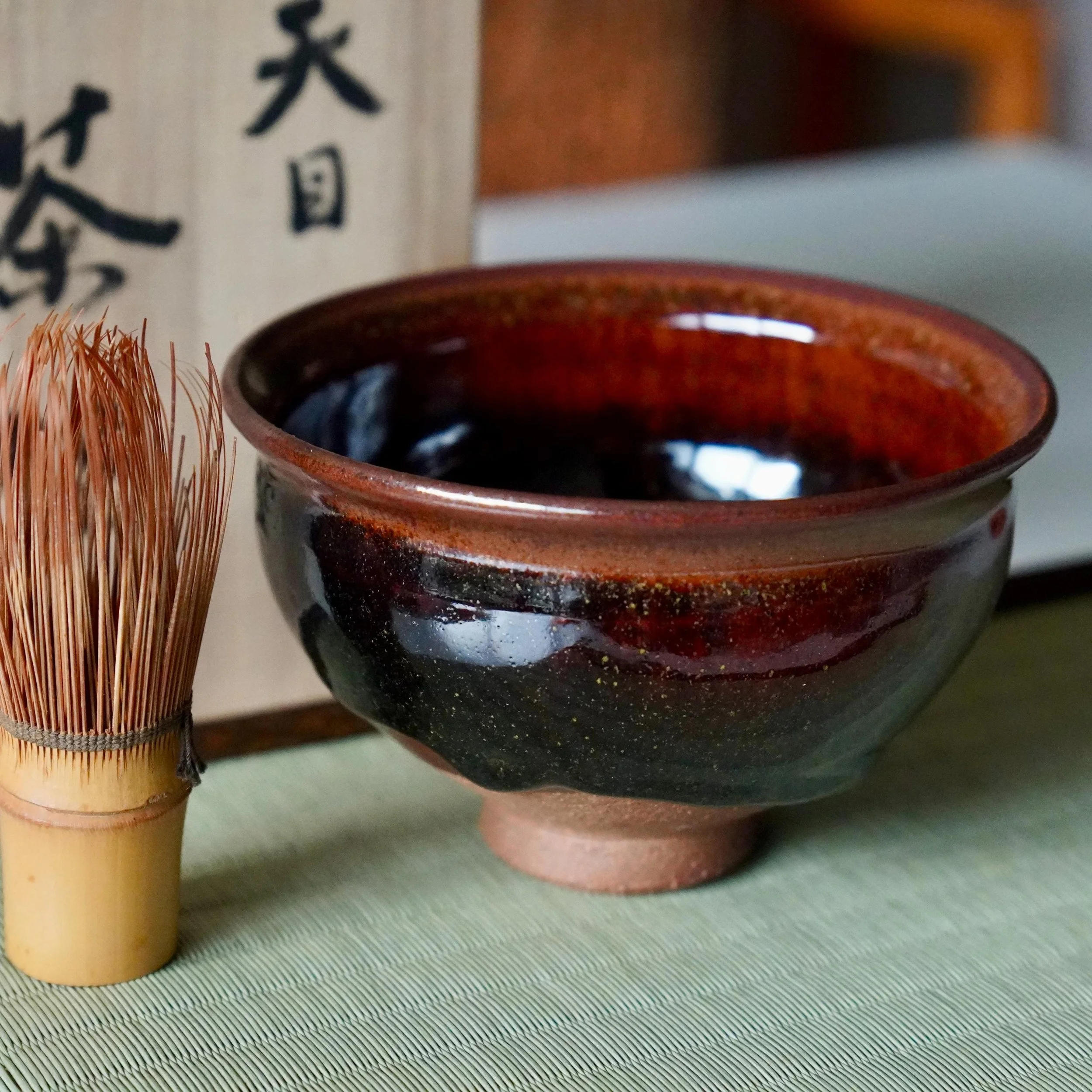
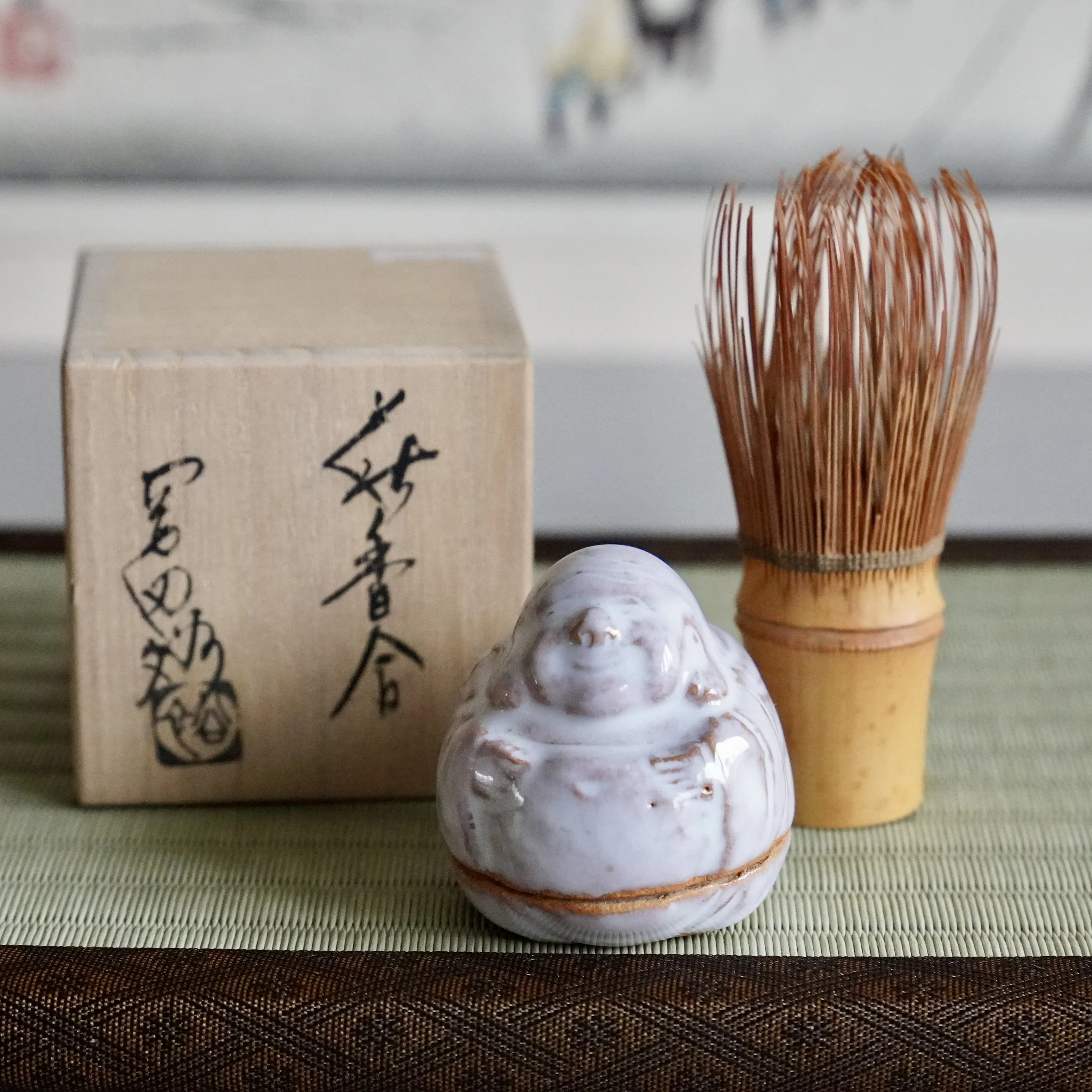
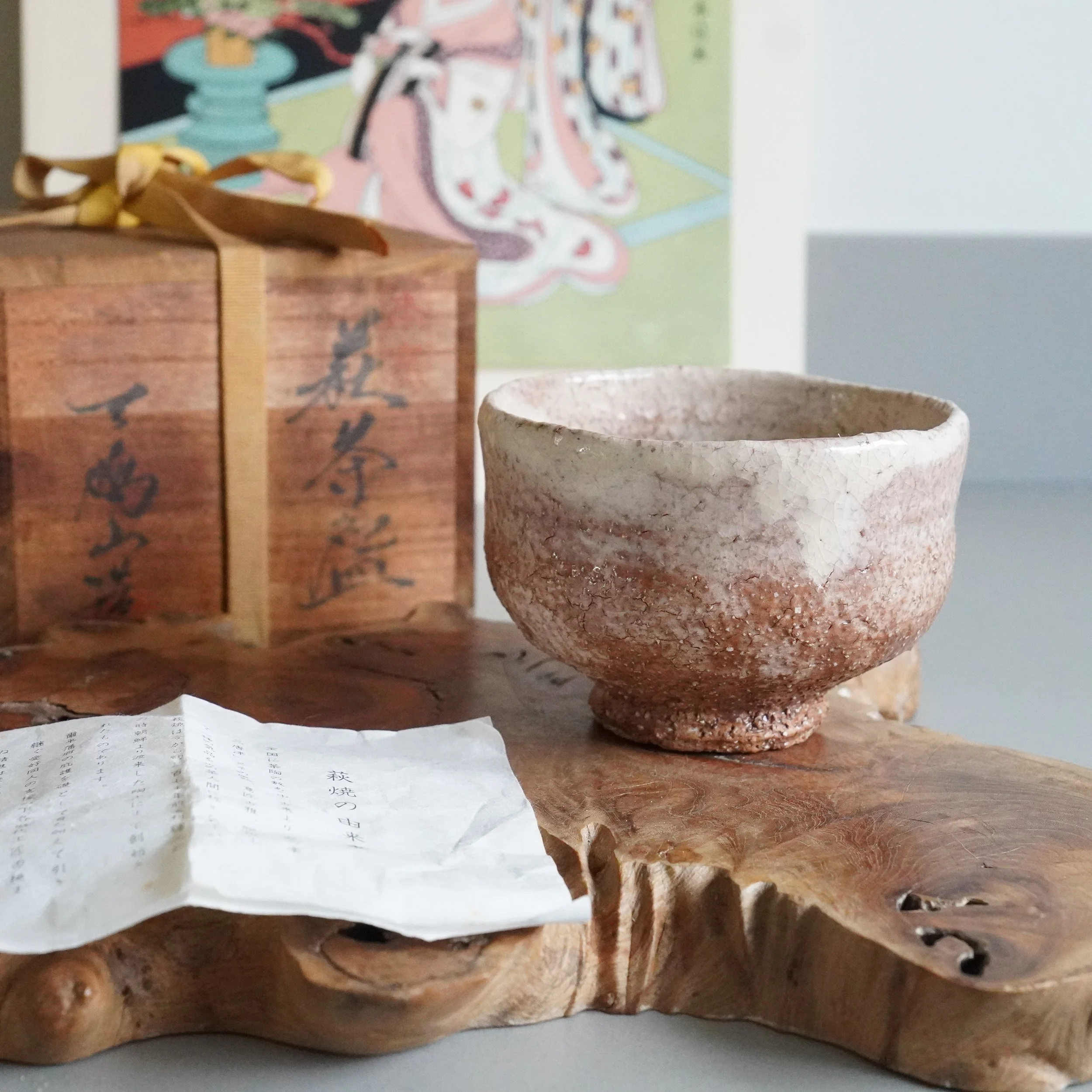
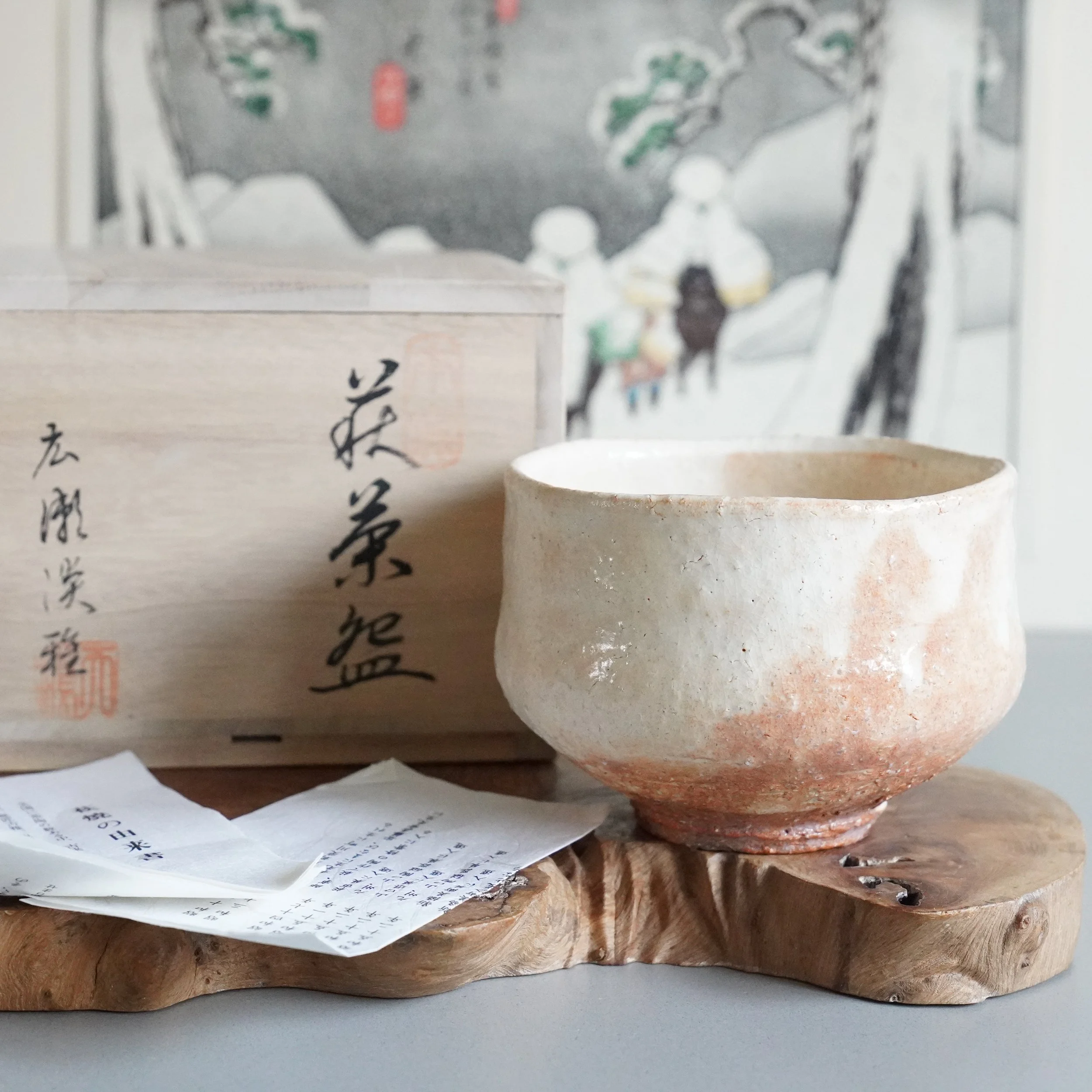
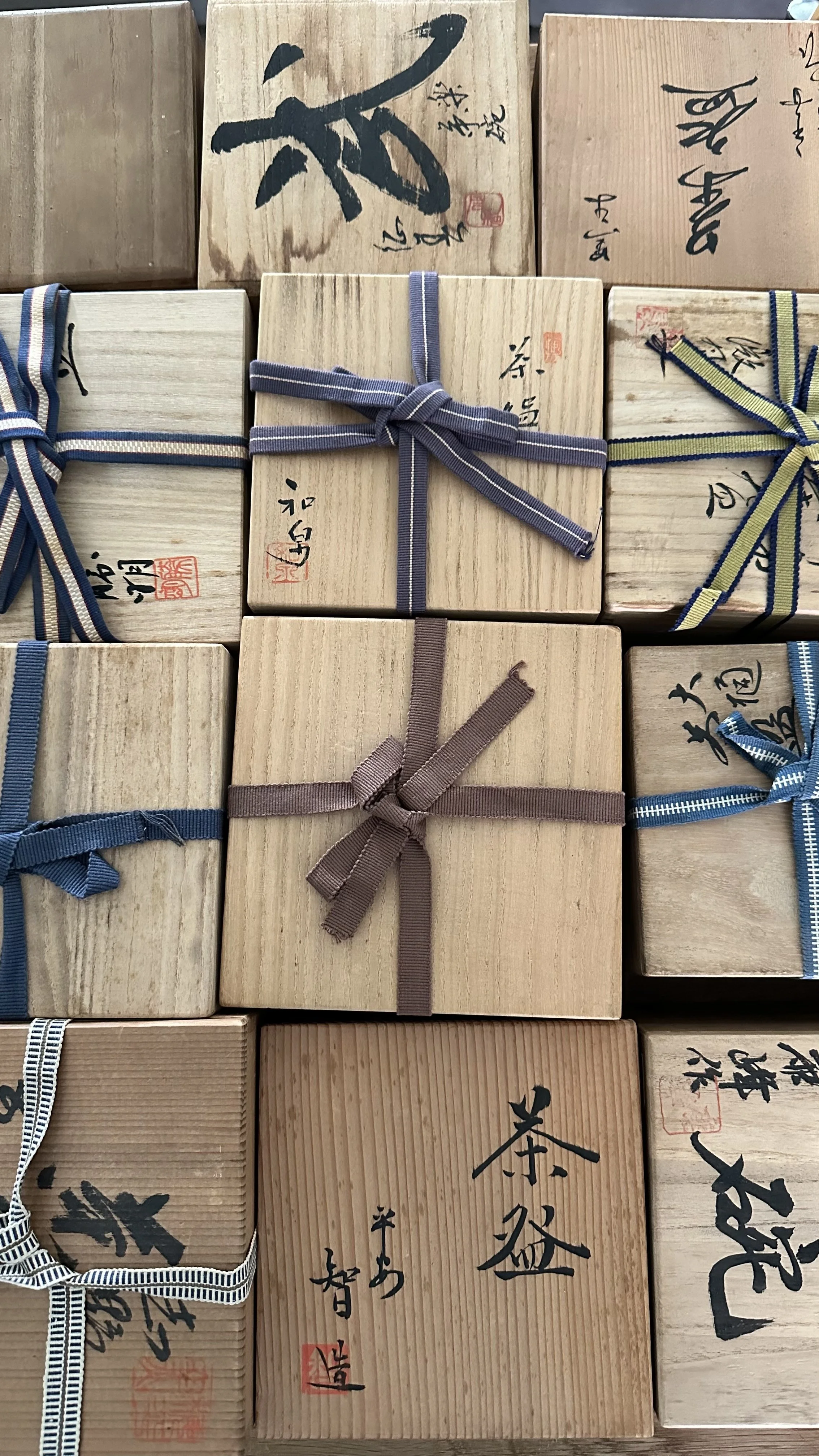
If your bowl came with a tomobako, the signed wooden box, store it there once it is completely dry. Never while it is still damp.