
Travel stories, unexpected encounters and the crafts that make Japan worth going back for.
Every piece in the shop started somewhere.
Here is where I write about the travel, the people, and the crafts behind it and how to take care of them.
Sourcing diaries from regular trips. Warm encounters with collectors and makers. And the beautiful landscapes.
Deep dives into the traditions I keep returning to: urushi lacquerware, kokeshi, chawan, haori…. And the quiet details that make Japanese craft worth seeking out
Stories from my journal
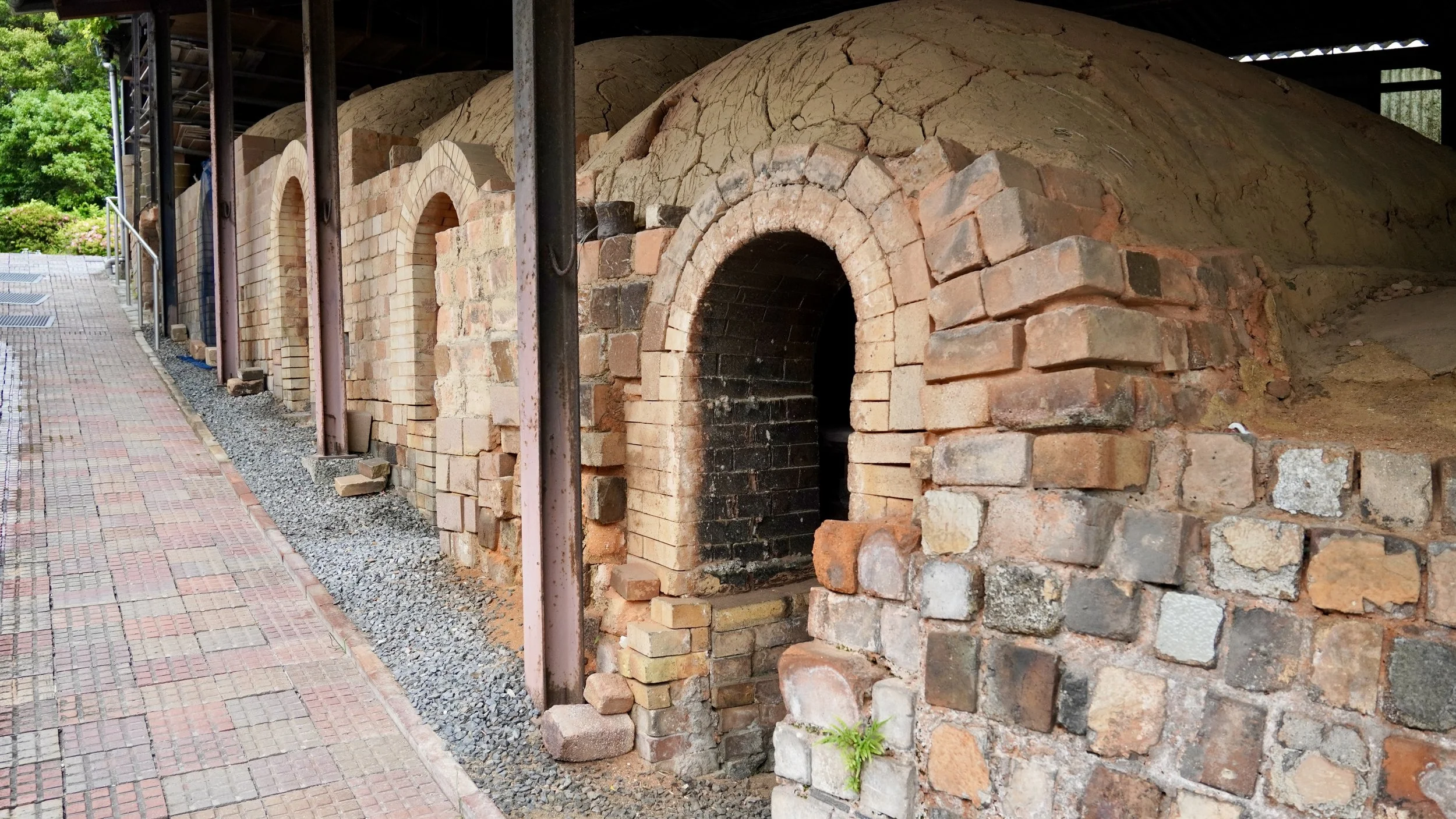
A quiet morning at Senryūzan: inside a Hagi kiln that has worked since 1826
Senryūzan (泉流山) is a Hagi-yaki kiln in Yamaguchi Prefecture founded in 1826, tracing its roots back further still to the late Edo-period Obata-yaki tradition. The kiln was led for decades by Yoshiga Taibi, a recognised Person of Cultural Merit, and is now run by his son Yoshiga Hatao. Senryūzan still fires in a wood-burning noborigama, one of the few climbing kilns in Hagi still worked this way.
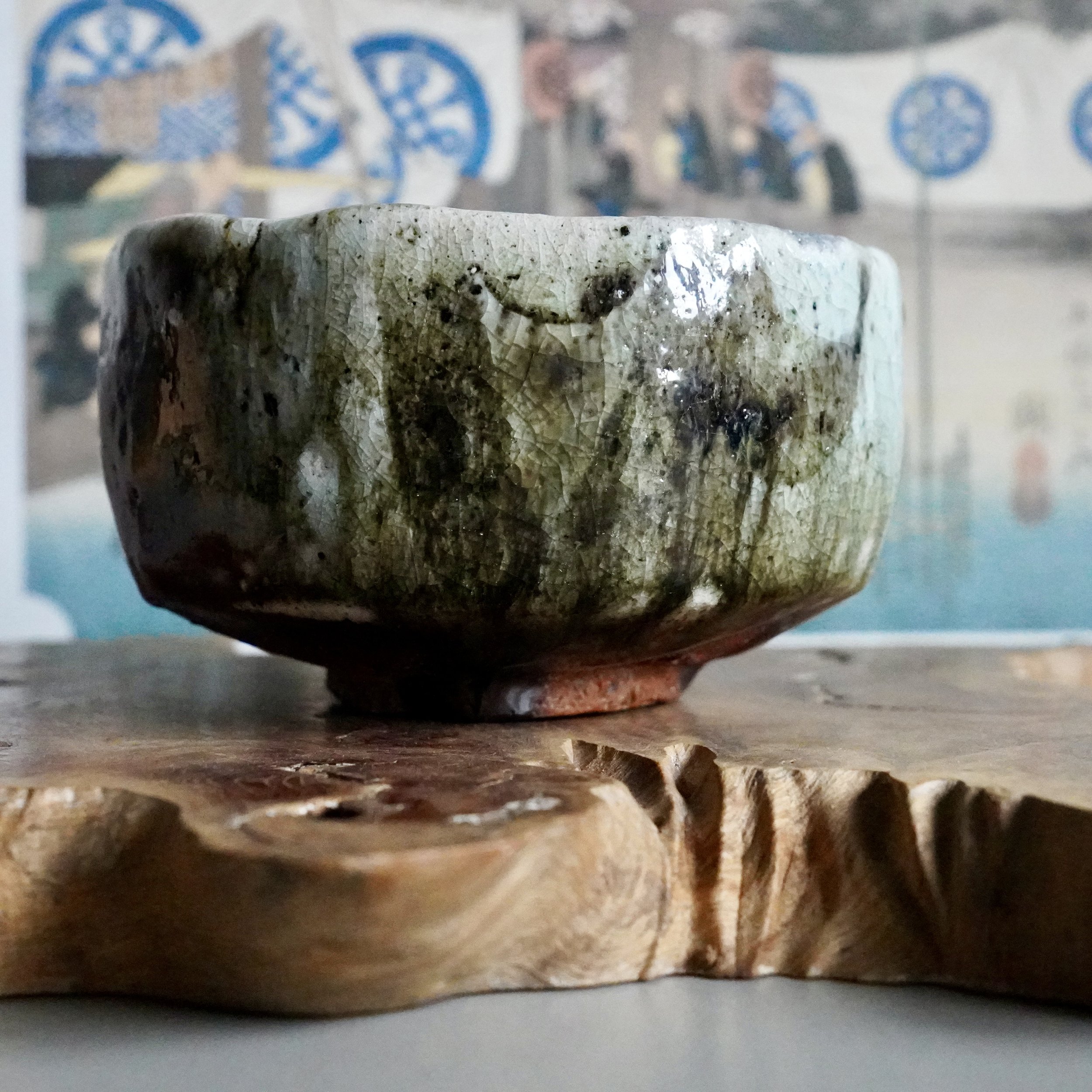
One glaze, three lives: a wood-fired chawan explained
This chawan was fired at the Kakuzan-gama, a kiln built in 1959 inside the Kyoto headquarters of Ōmoto, a Japanese religious movement, by Kaneshige Sozan, a member of Bizen's most celebrated pottery family. It is signed by Deguchi Eiji, who served as Ōmoto's Sōchō (director) from 1958 to 1962. A single white glaze on this bowl developed rust, near-black and crystalline blue effects during firing, the result of flame position, ash deposit and heat variation inside a wood kiln, not of painting or decoration.
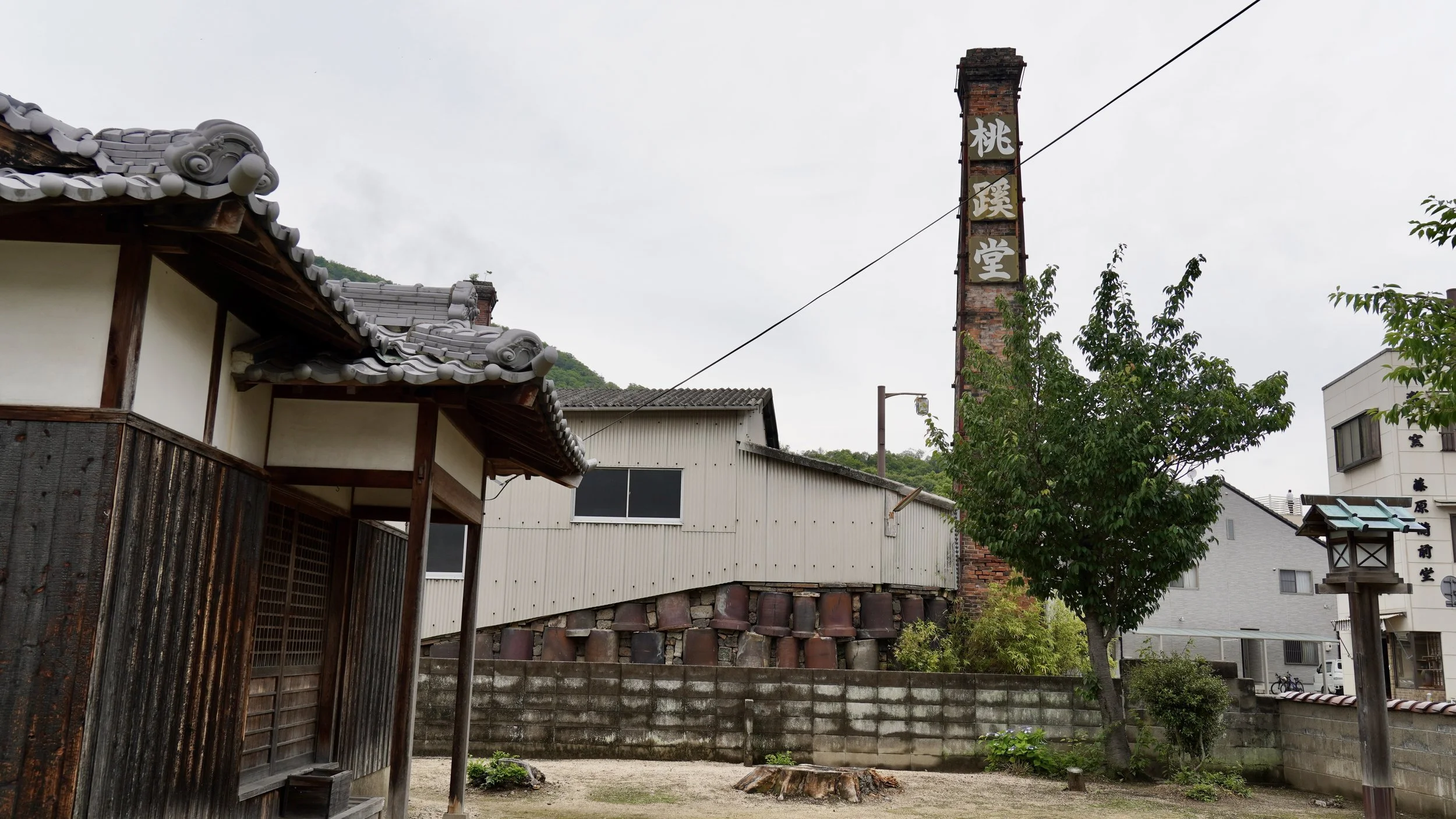
Fourteen days, one fire: what it actually takes to fire a Bizen kiln
Bizen-yaki is never glazed and never painted. Everything visible on a finished piece was decided during the firing itself, by potters who spend two weeks feeding a kiln by hand, reading the fire instead of a dial. On a return visit to Shibaoka Tōsendō, the Kōzan-gama kiln in Imbe, here is what that actually looks like from the inside.
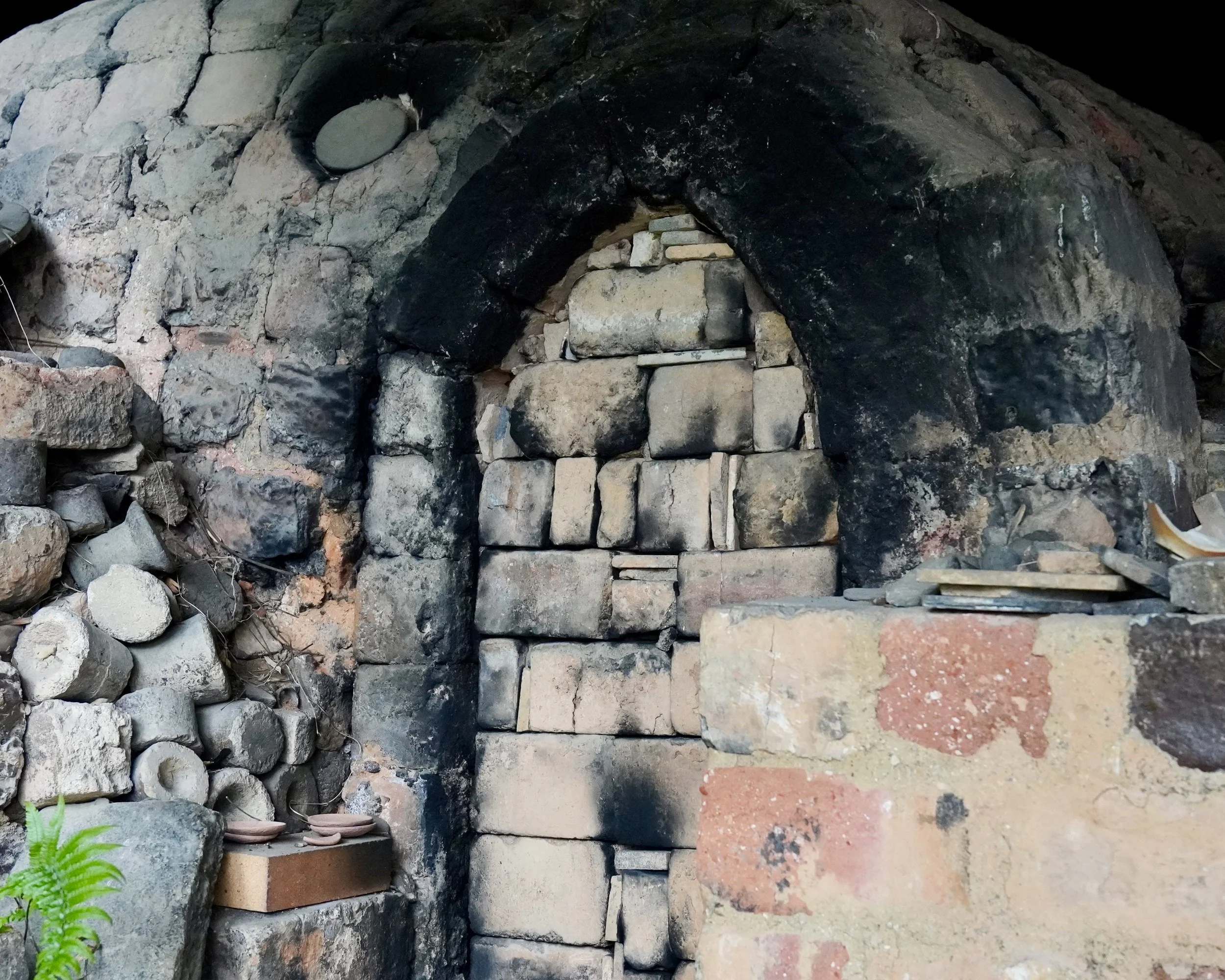
One of my favorite mornings in Hagi: come with me to the Okada kiln
Three generations under one roof, a blue glaze that surprised me, and a cat I bought on the way out. One of my favorite mornings in Hagi, at the Okada kiln.
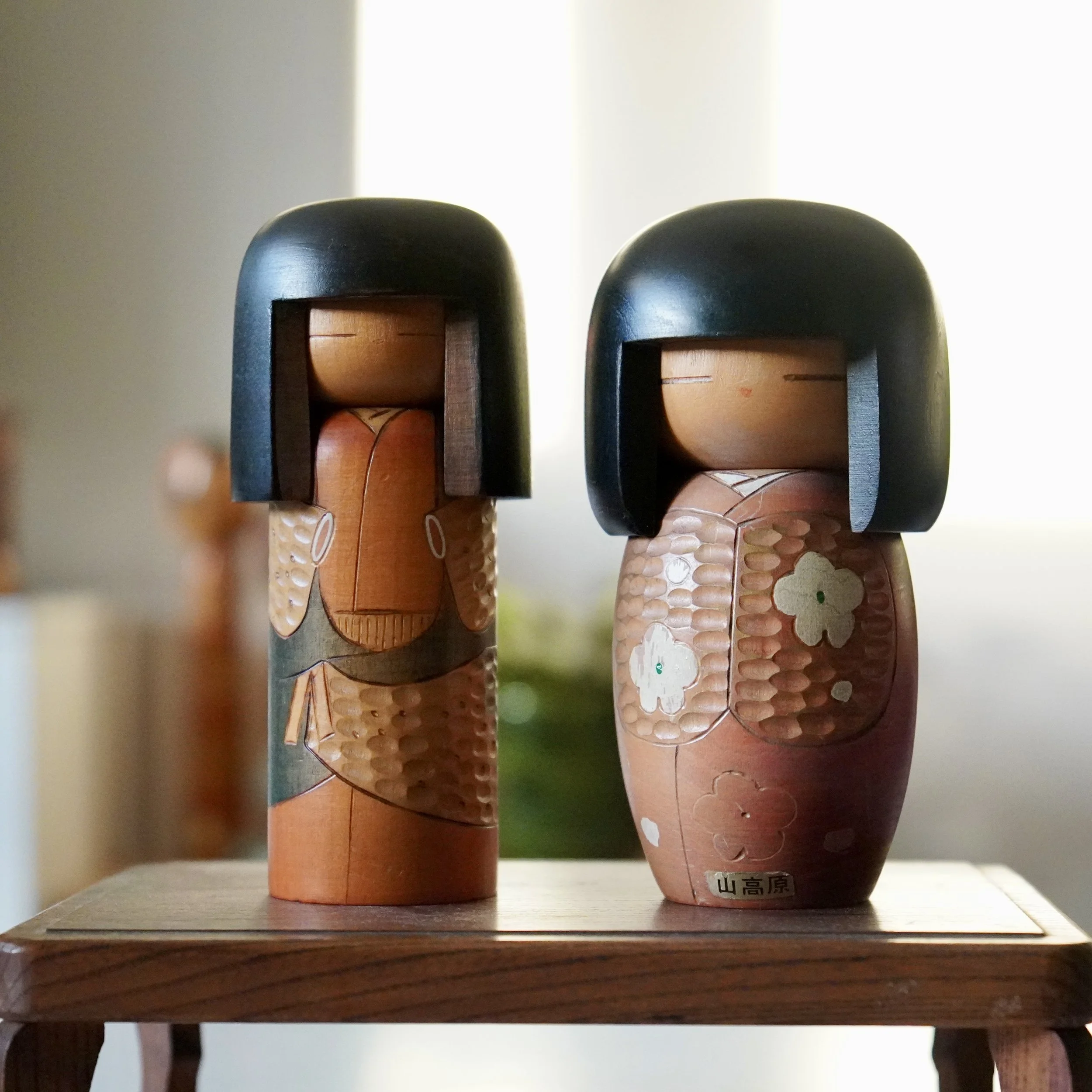
My journey through the Mountains of Fukushima and the kokeshi I meet throughout Japan
A week in the heartland of kokeshi: Fukushima. From climbing Mount Bandai before sunrise to studying the unique facial expressions in the work of masters like Ichiro and Sato Fumio. Discover how the landscape and deep-rooted woodcarving traditions shape these authentic vintage treasures.
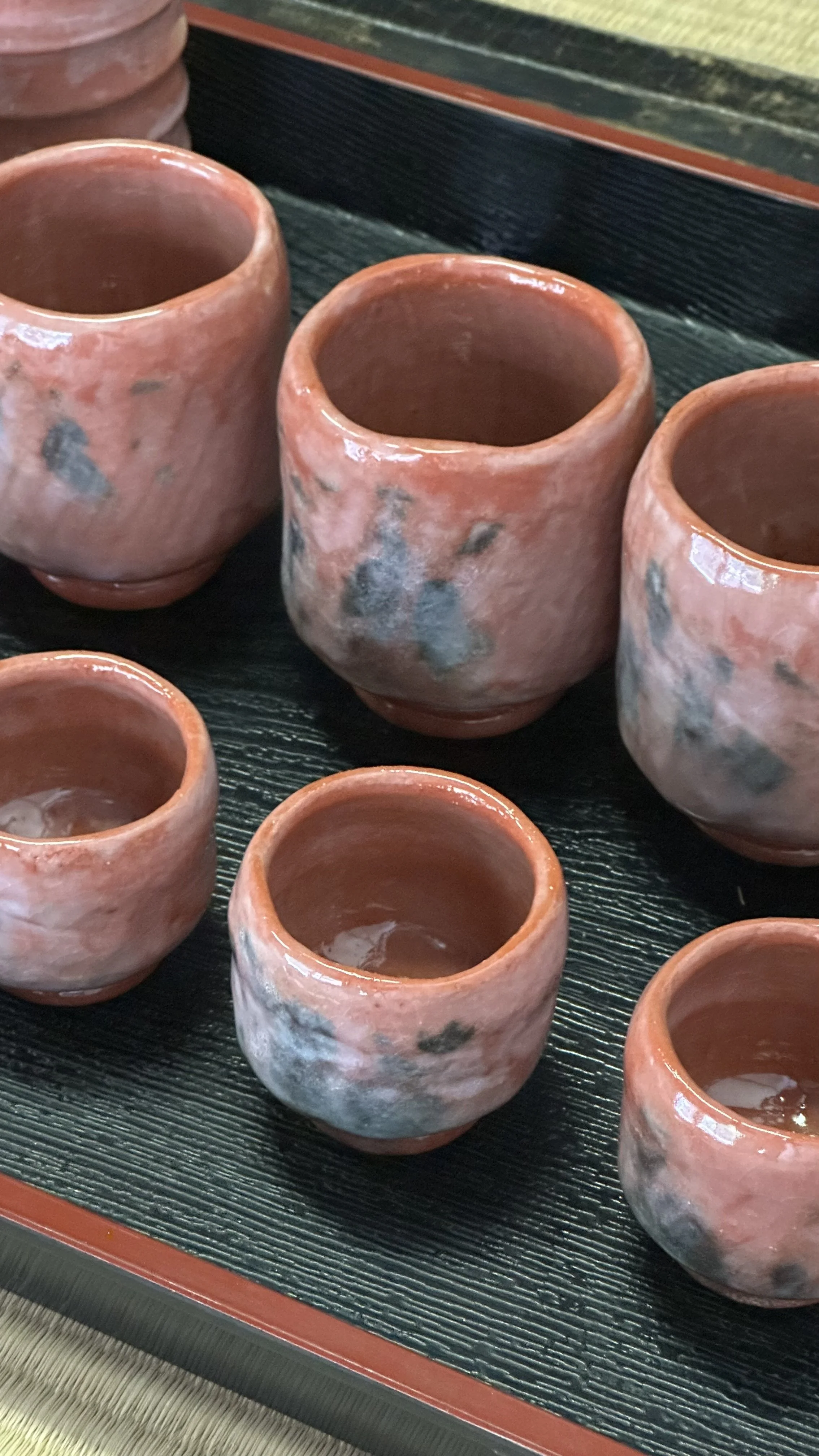
Inside a 200-year-old Kyoto raku-yaki kiln that still makes tea bowls by hand
Behind the curtain at Raku Studio Waraku in Kyoto's Gion district. How aka-raku and kuro-raku tea bowls are hand-formed, fired, and finished with charcoal by 8th generation master Kawasaki Motoo. A sourcing diary entry from KAIKO&CO.
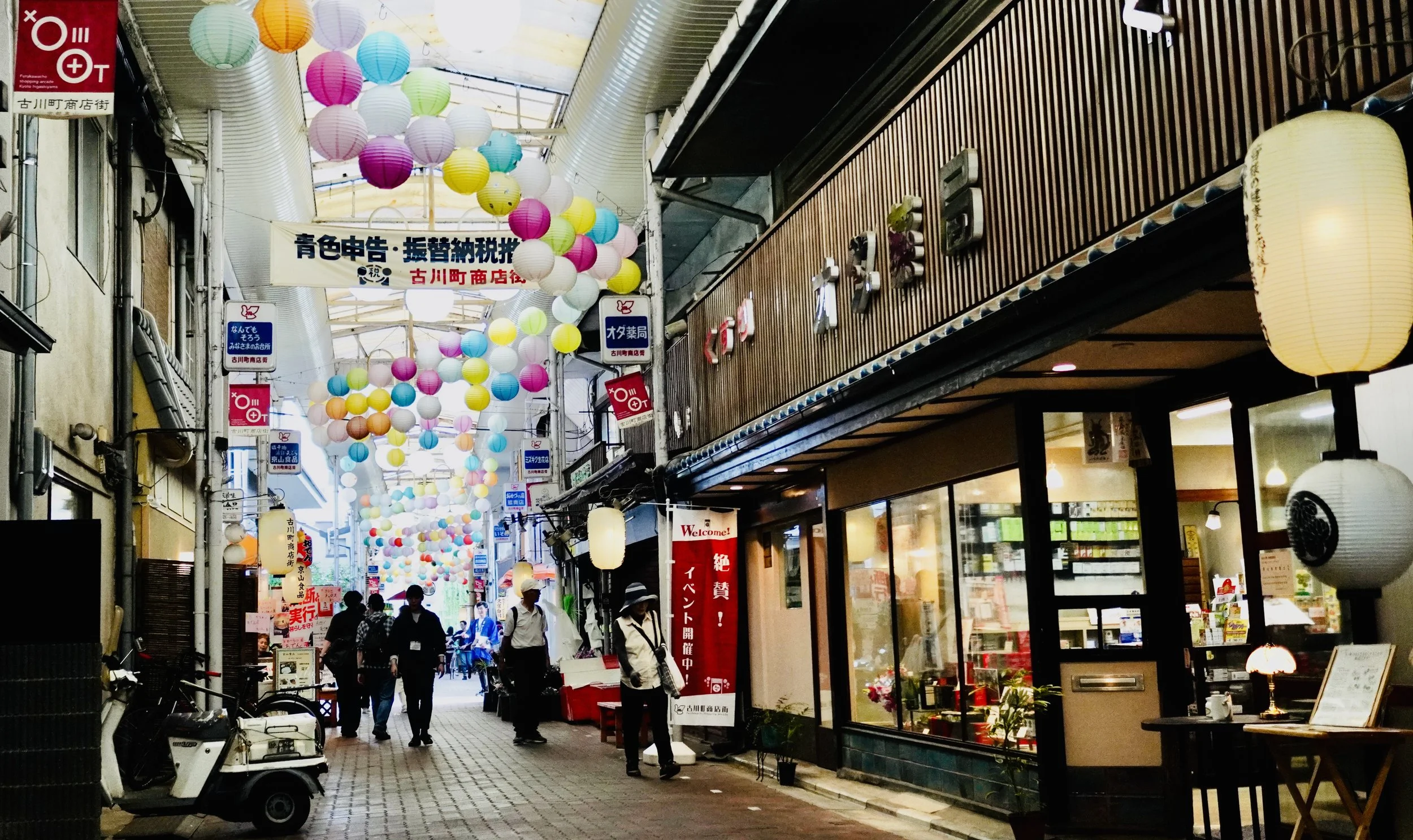
Sourcing in Japan Day 3: The hunt for haori & hidden treasures
Furukawacho Shotengai in Higashiyama: an arcade frozen in the 1970s, a kimono specialist with six haori I had not expected to find, and a folder of 1895 Kyoto lithographs from an antique bookstore tucked behind a curtain. Day three of my Sourcing Week in Japan series in Kyoto and Okayama.
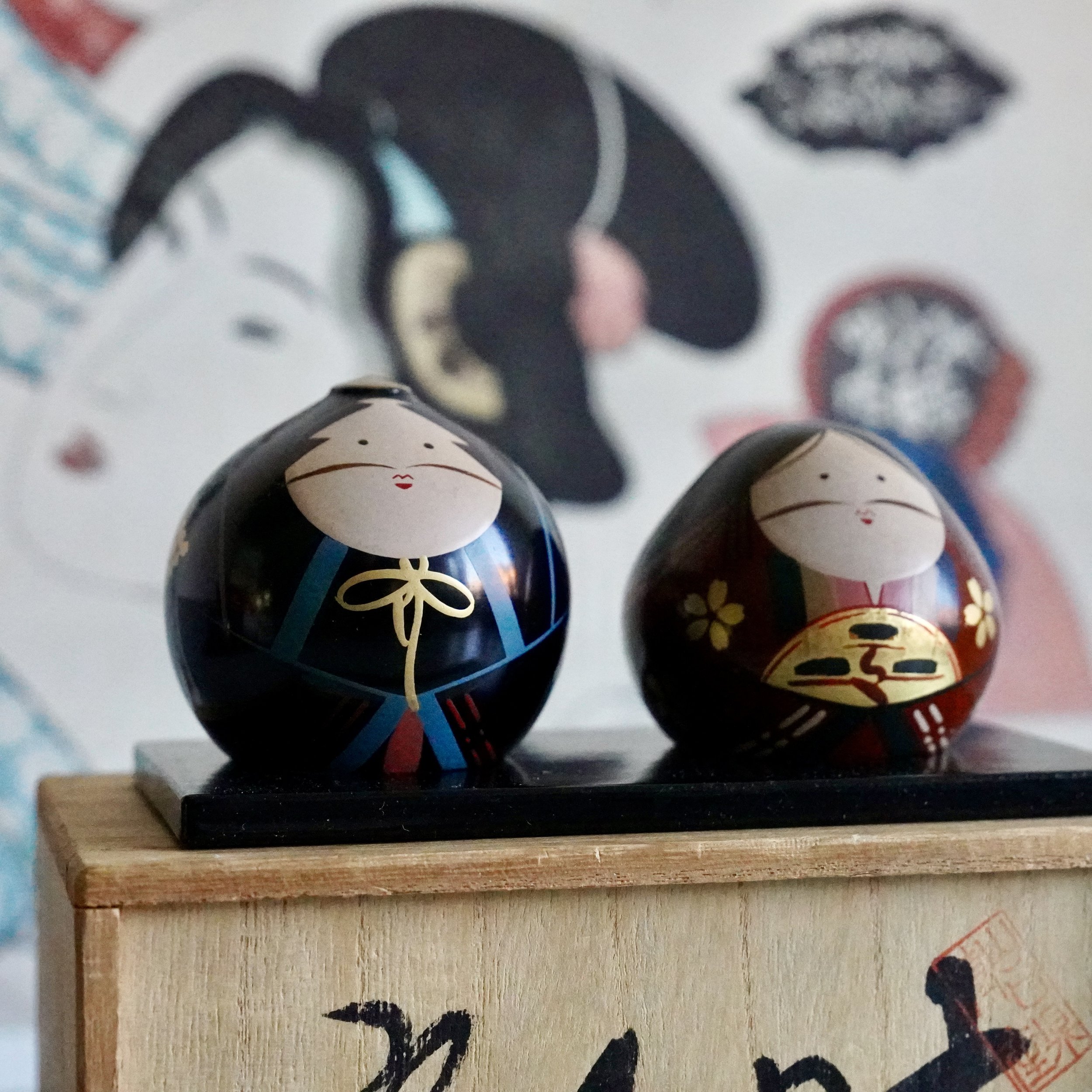
Finding Ouchi-nuri hina dolls in Yanaka, Tokyo's cat town.
An antique market stall on temple grounds in Tokyo's Yanaka cat town, a lacquered doll pair from the ‘50’s with a story about a homesick bride, and a cat print.
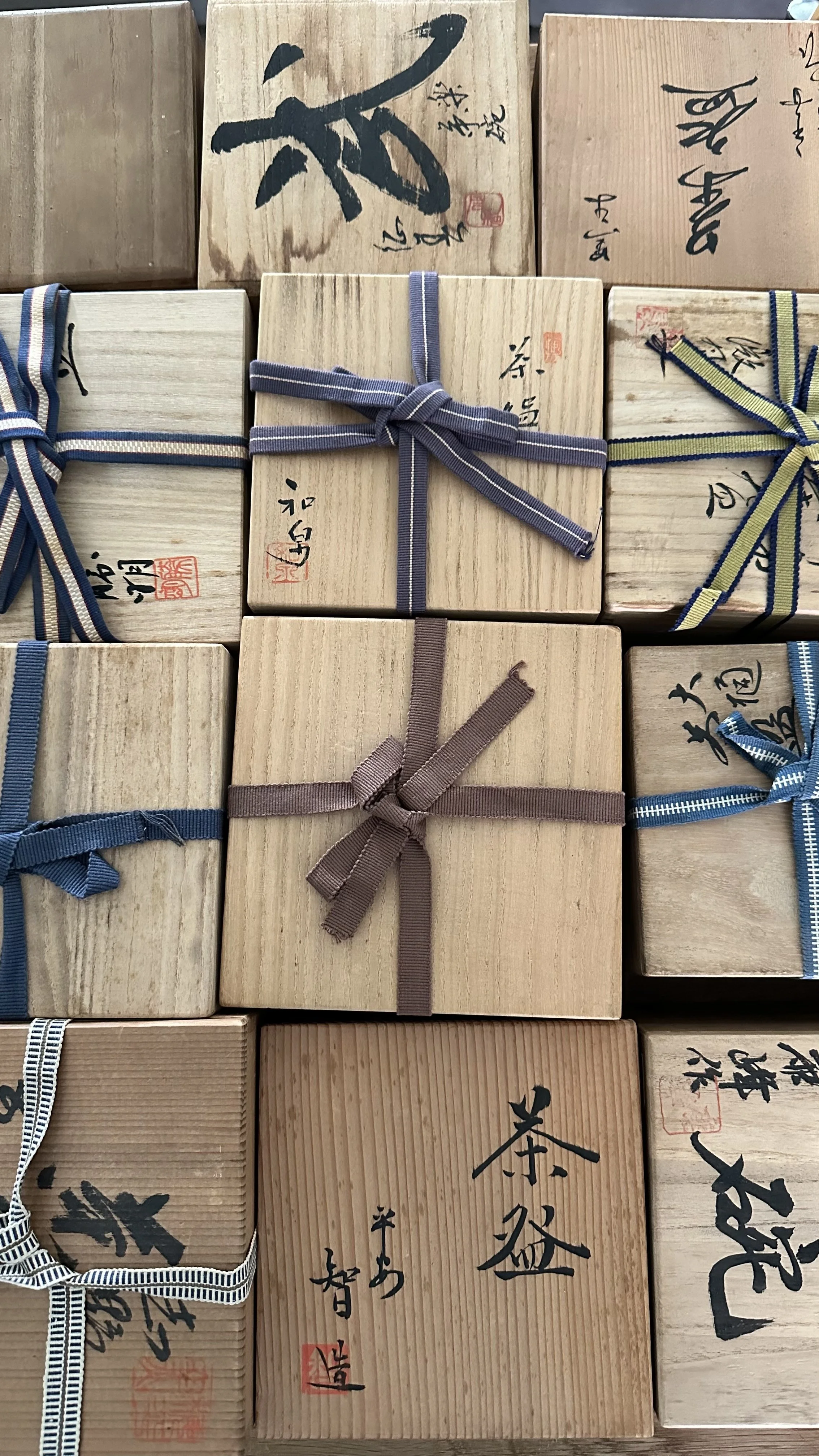
Sourcing in Japan Day 2: Meeting my favorite chawan supplier in Osaka
Some supplier relationships take years to build. In Osaka I have a meeting over tea and chawan pieces that never reach any public market. Day two of my Sourcing Week in Japan series in Kyoto and Okayama.
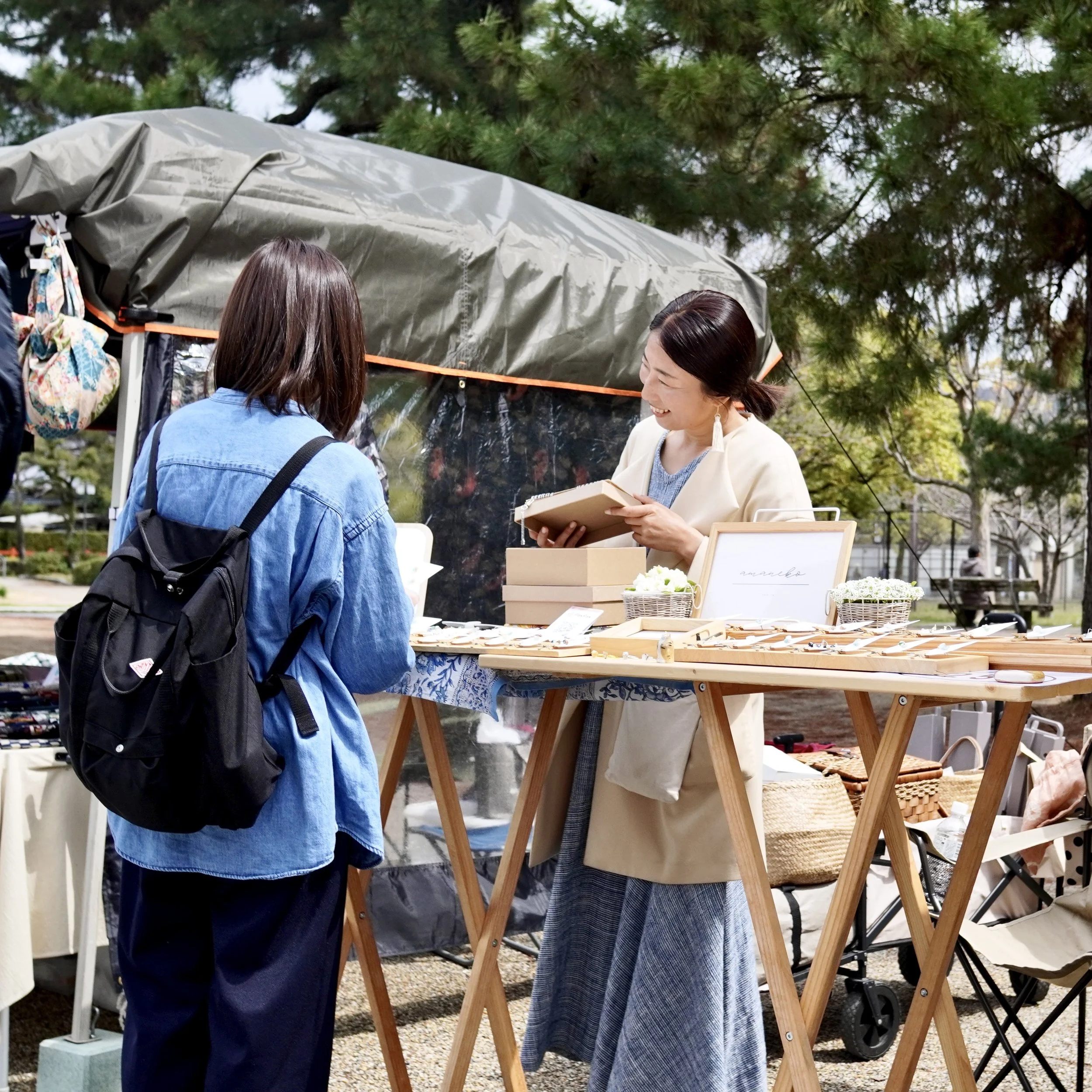
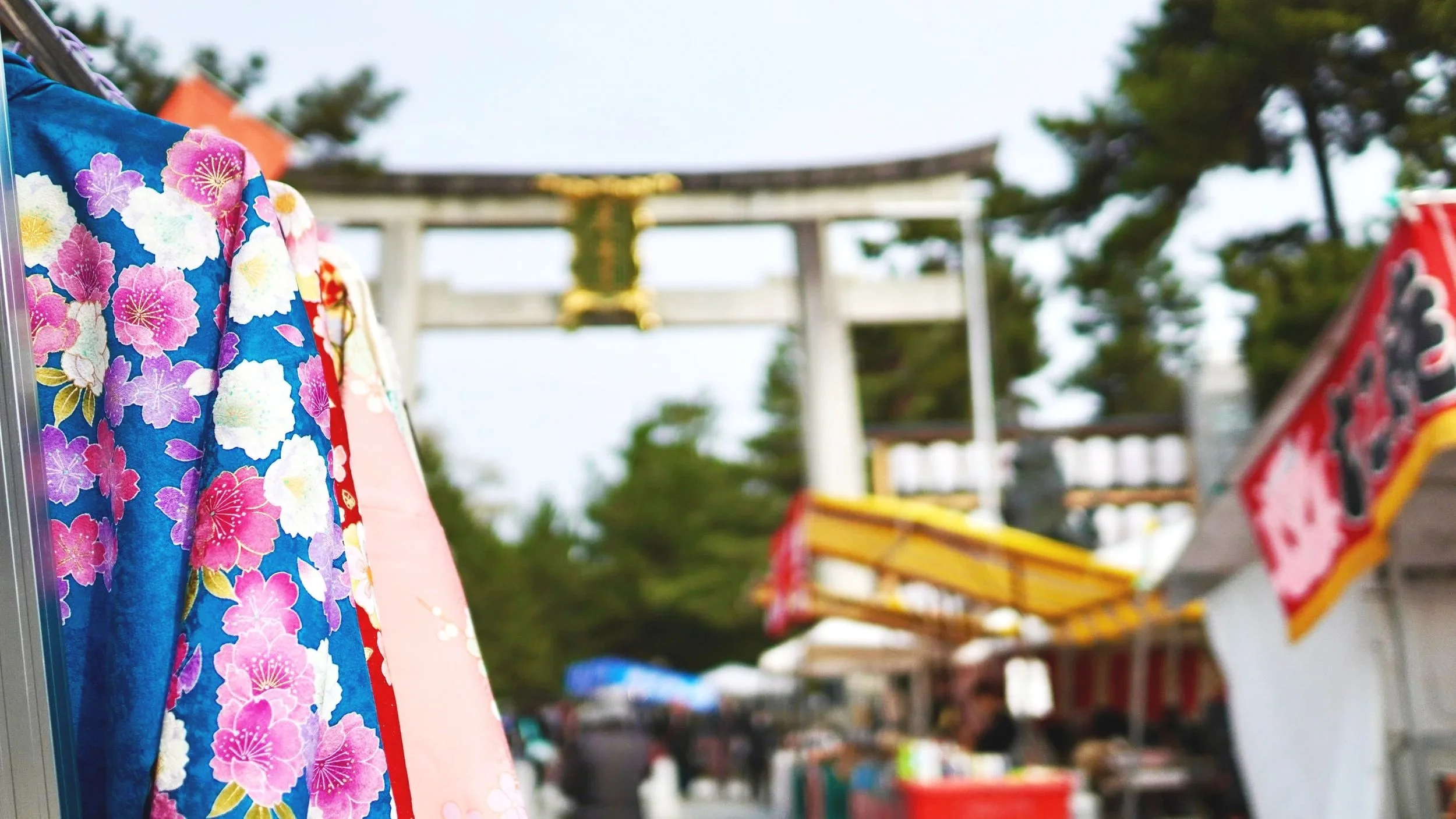
Sourcing in Japan Day 1: Kobo-san Antique Market at Kyoto's Toji Temple
This is where the week begins. An early alarm, a heavy bag, and the first market of the trip: Kobo-san at Tōji Temple, Kyoto, at 5:30 in the morning. Day one of my Sourcing Week in Japan series in Kyoto and Okayama.