
What time does to Japanese lacquerware
Old Japanese urushi lacquerware was made for daily use and looks better for it: natural lacquer is built up in thin cured layers over a wooden base, deepens in color over decades and ages into fine craquelure and smooth wear on edges and bases. Real damage looks different: lacquer lifting from the wood in large areas, or cracks that run through to the wood structure. Many Shōwa pieces combine a wooden base with a synthetic top coat, or compressed wood with natural urushi on top, so the material differs from piece to piece.
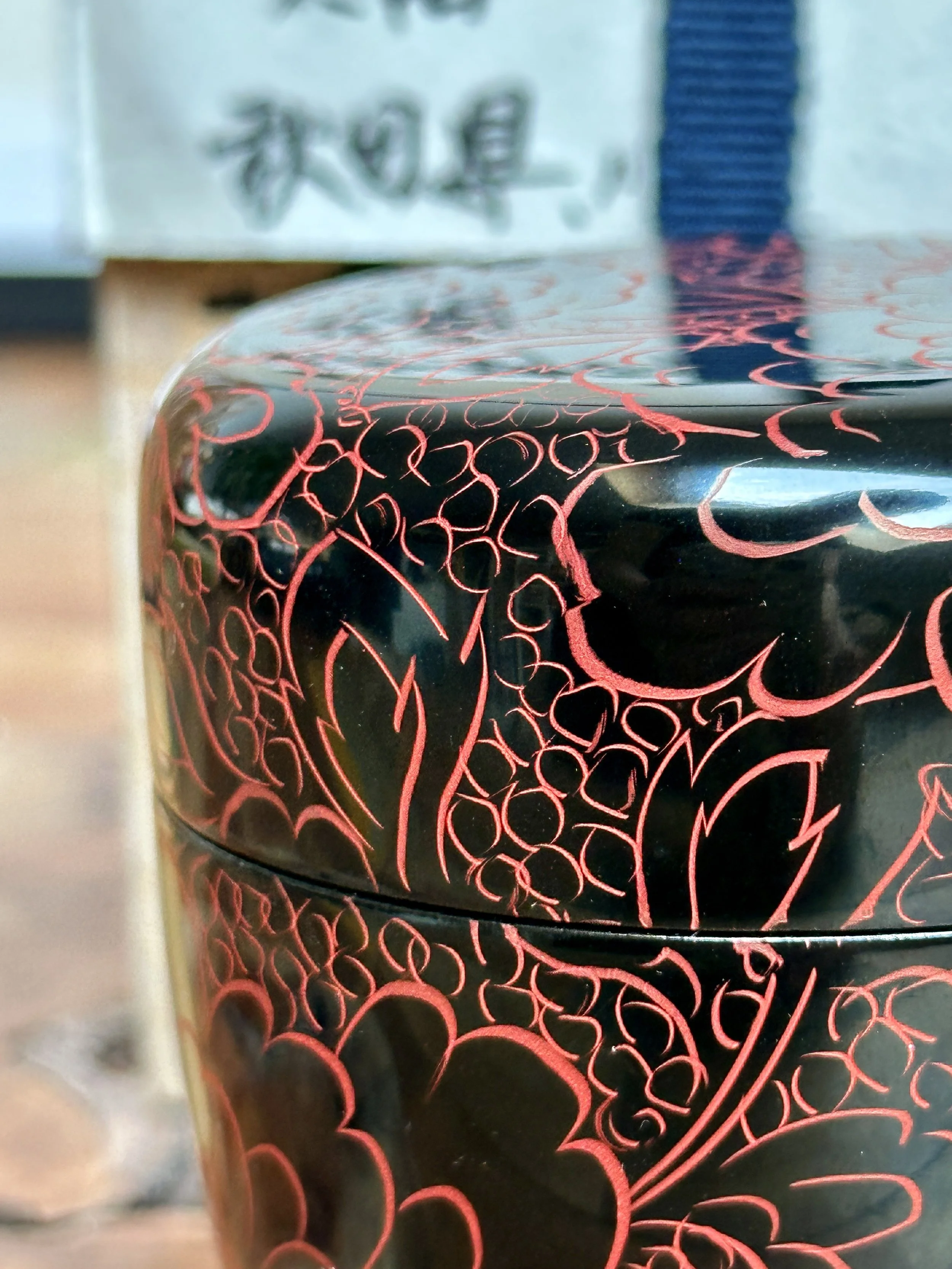
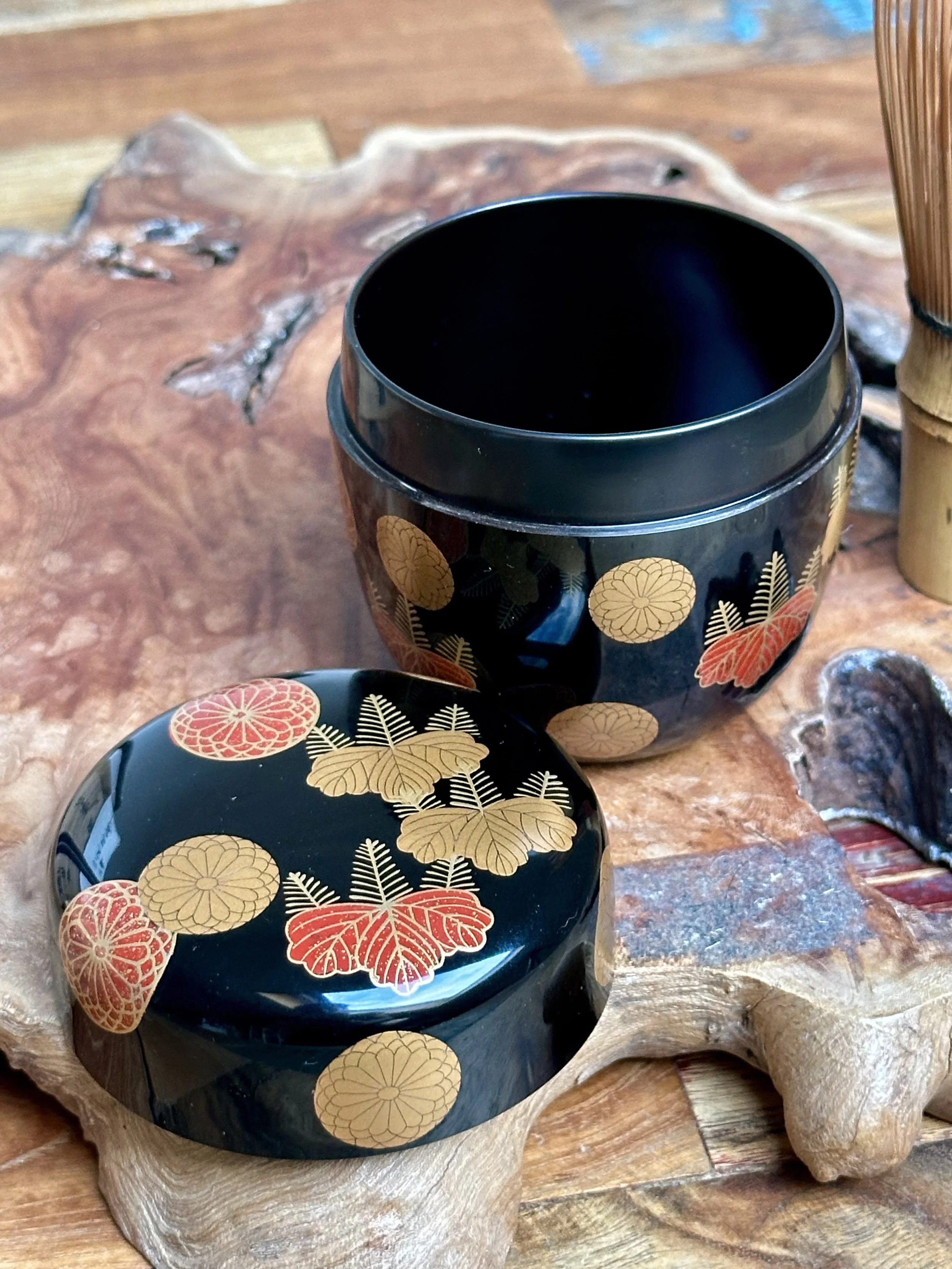
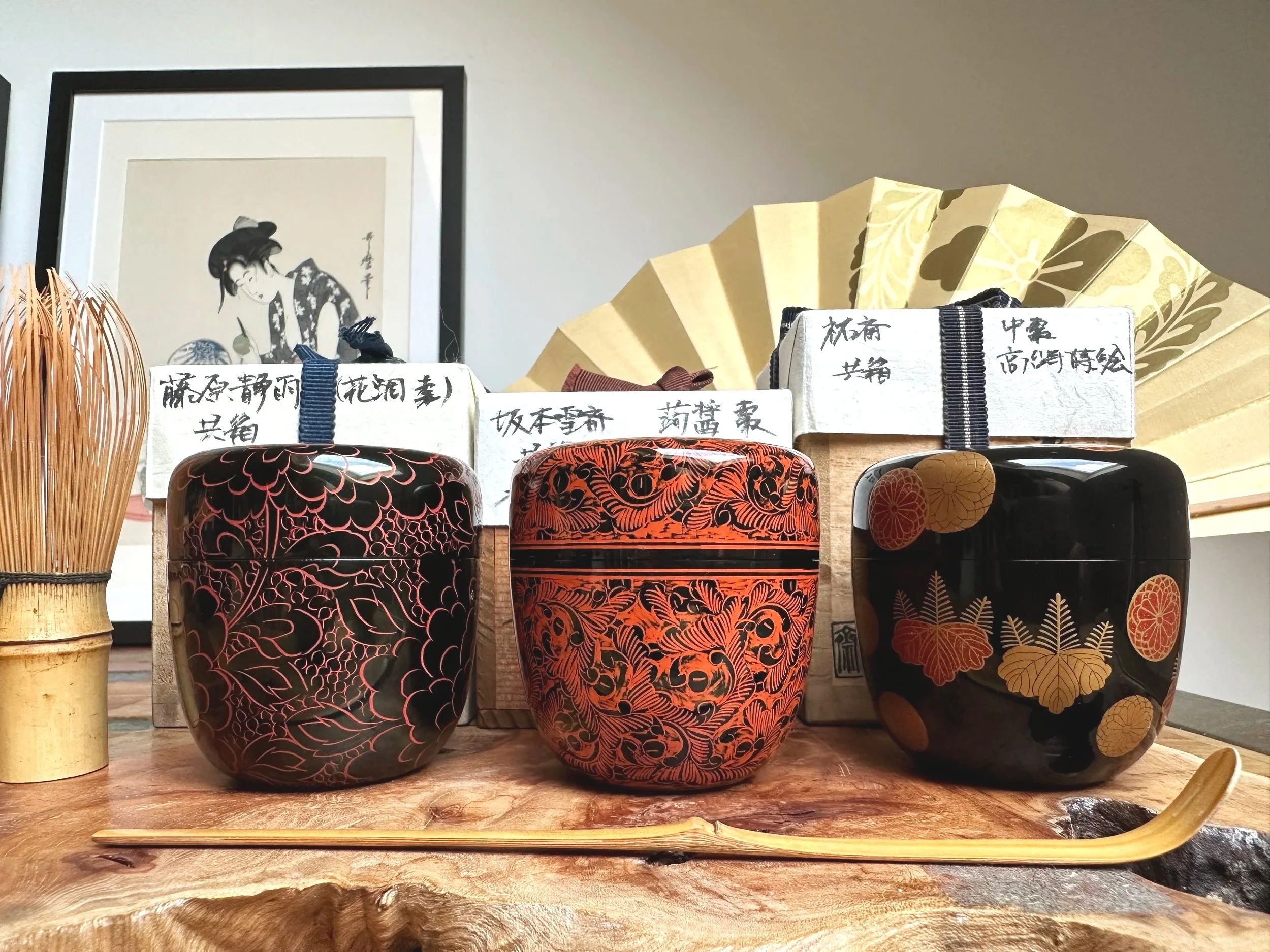
Most people treat lacquerware as something fragile. Something to display, not touch.
Japanese lacquerware was designed for daily life. Soup bowls. Tea caddies. Trays passed around at mealtimes. Objects that were used every day, washed by hand, dried carefully, and used again. The best pieces were built to last generations, and many of them did.
It is not a souvenir from Japan that sits on a shelf and slowly loses whatever made it worth buying. That is the opposite of what it was made for, and the opposite of what happens when it is made well.
The first thing you notice
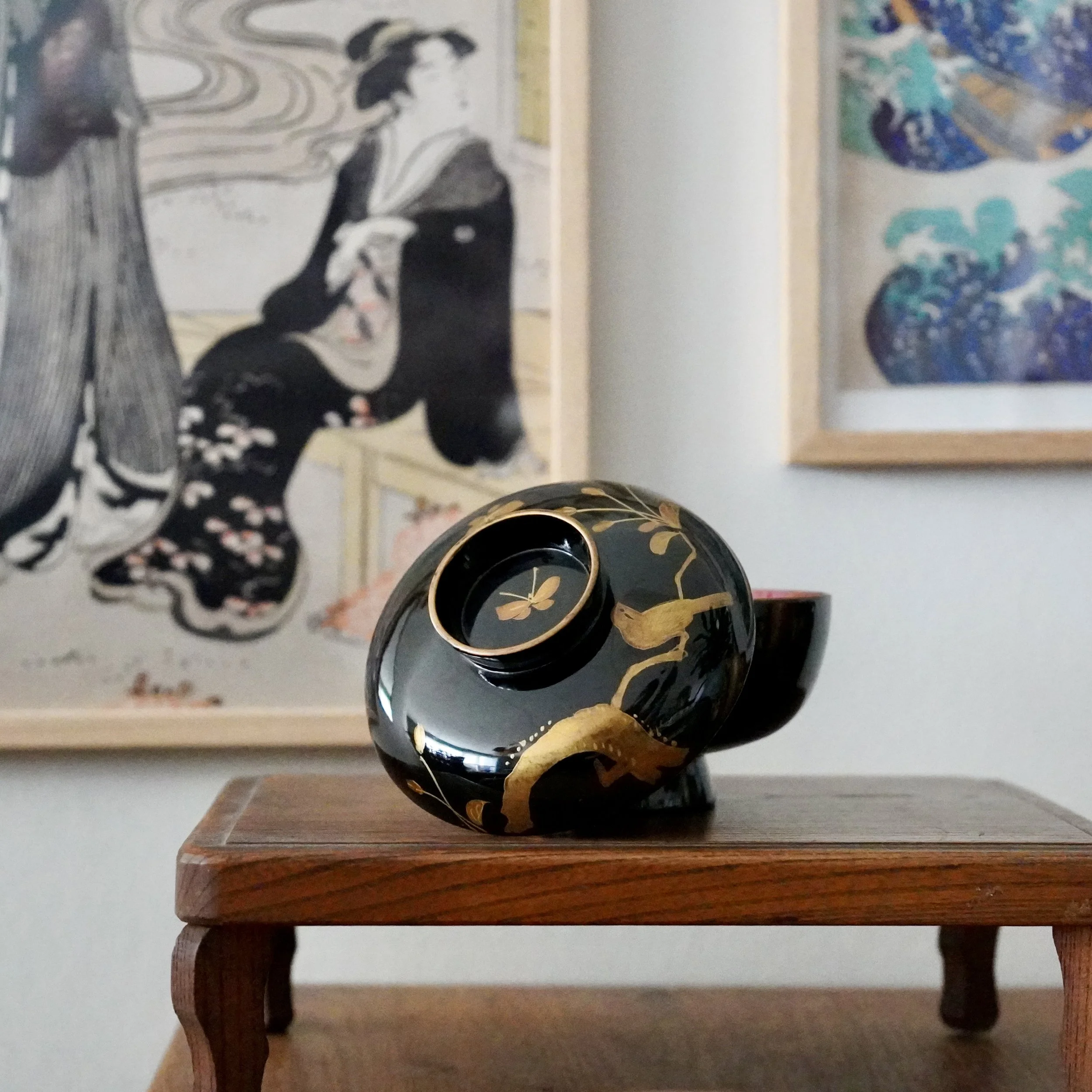
Pick up an old piece of Japanese lacquerware and the weight is the first thing: present without being heavy. The surface is warmer than ceramic. The black has depth, as if the darkness goes further in than the surface you are touching.
That is urushi, natural lacquer made from the resin of the lacquer tree. It is applied in thin layers over a wooden base, each one cured before the next goes on. A quality piece can have fifteen to twenty layers, and the process takes months.
Once cured, urushi keeps changing. The color gets richer over decades and the surface picks up a soft inner glow. A piece that is eighty years old has a warmth and depth that new lacquerware has not had time to develop.
What happens to lacquer over time
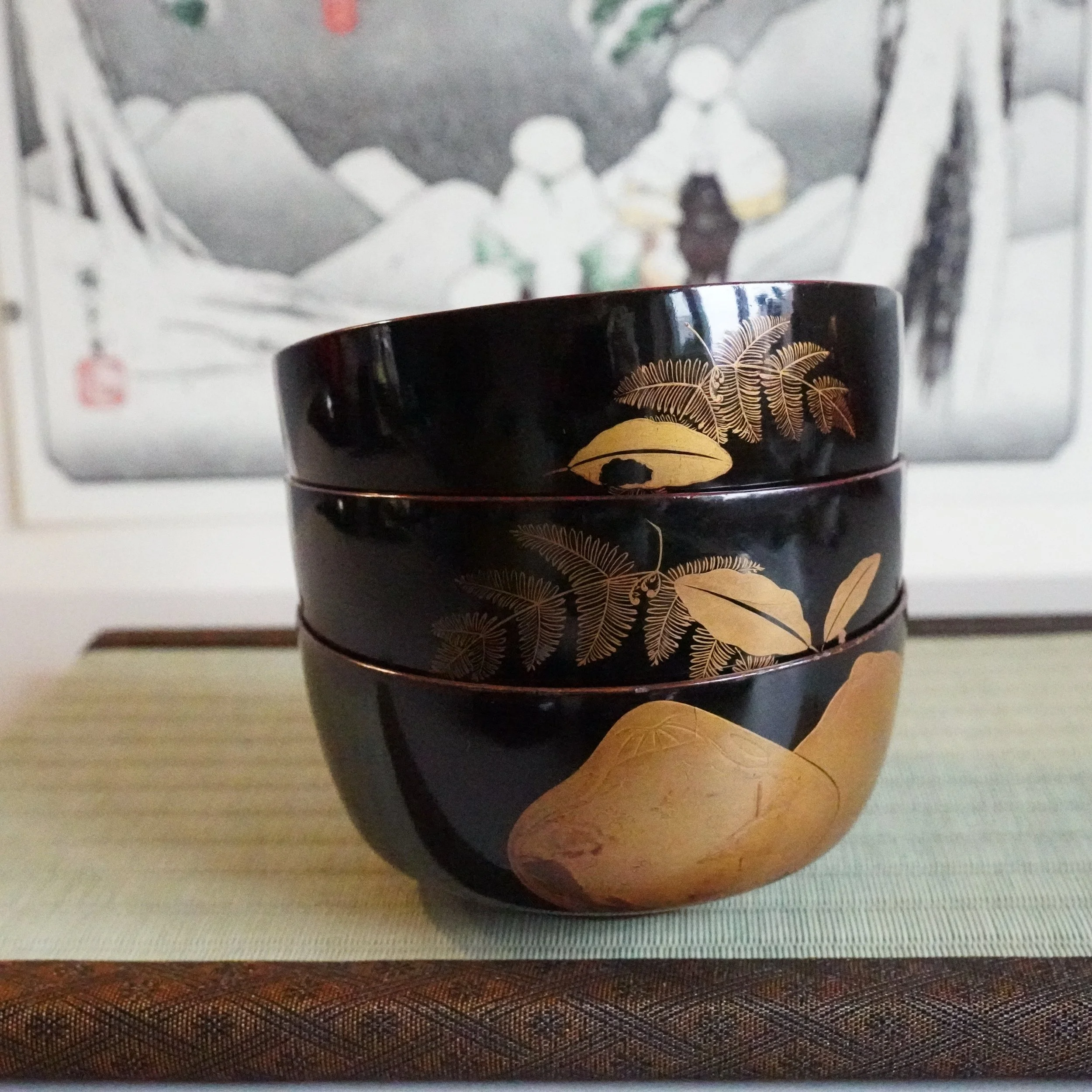
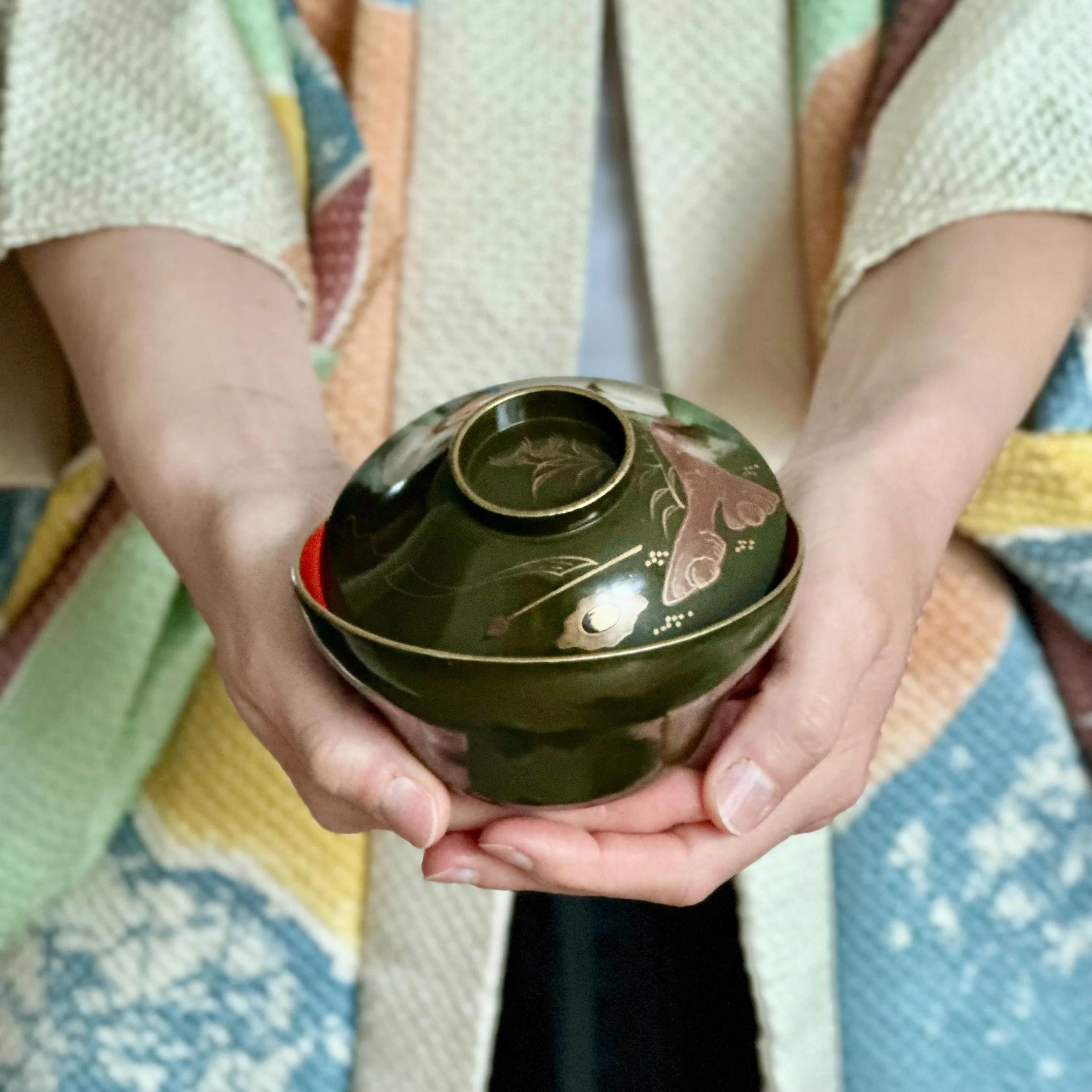
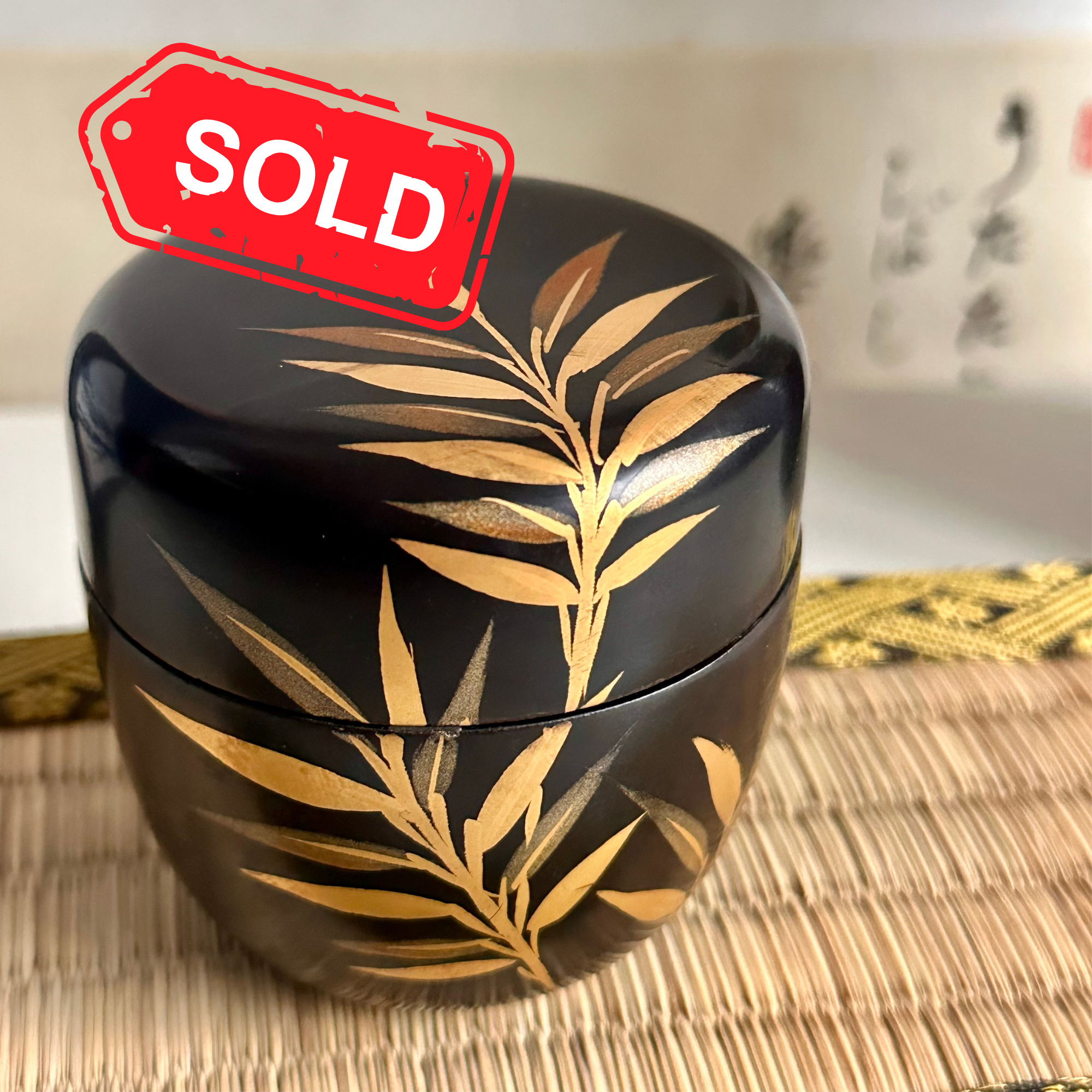
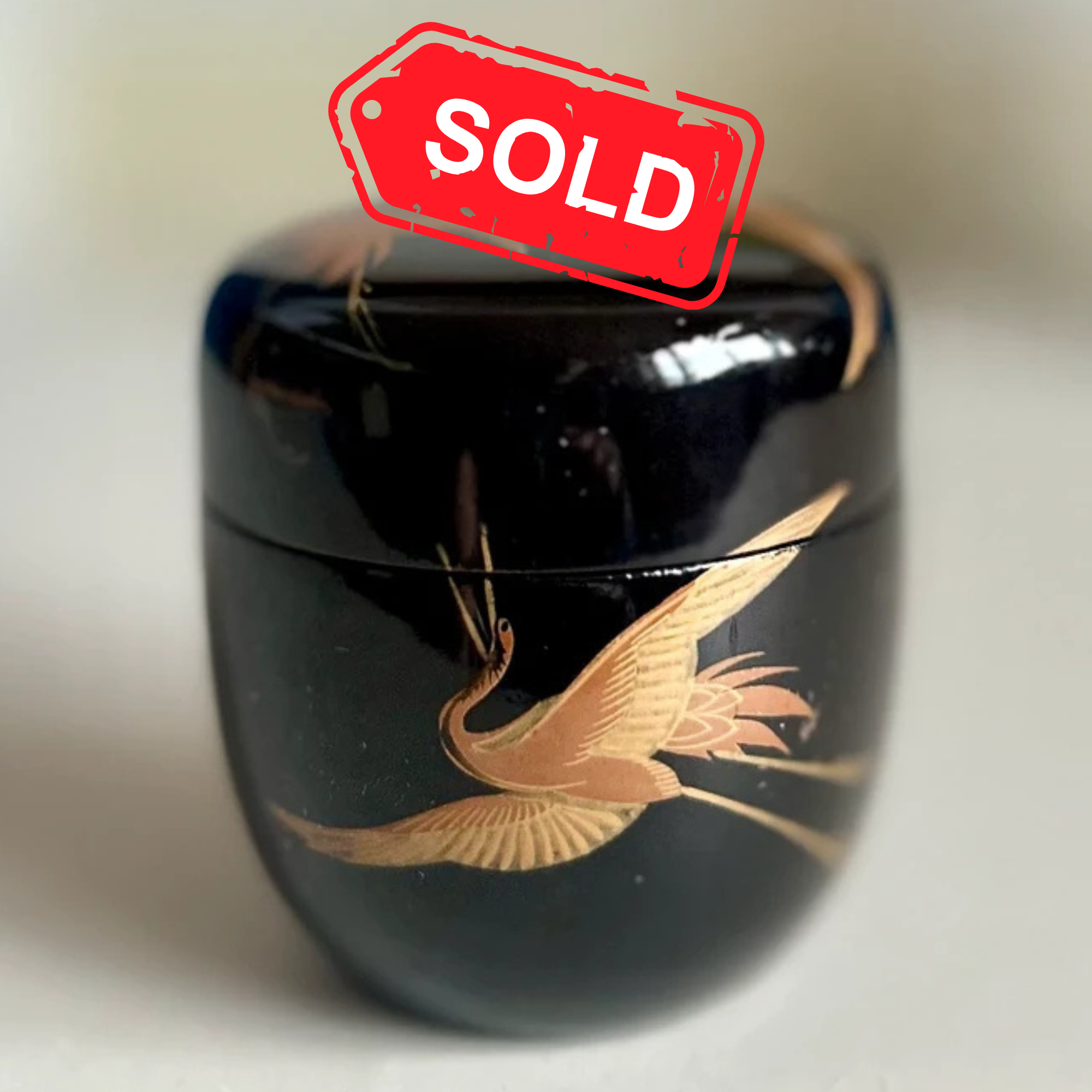
The charm of this black and gold maki-e lacquer grows with age. The edges are worn, they have lived a life. And shine in beauty.
Natural urushi lacquer is a living material. It is made from the refined sap of the lacquer tree, applied in thin layers over a wooden base, each one cured and polished before the next goes on. A quality piece can have fifteen to twenty layers. The process takes months.
Once cured, urushi does something no synthetic coating does: it deepens. The color becomes richer. The surface develops a subtle inner glow. A piece that is eighty years old has a warmth and depth that no new lacquerware can replicate, no matter how well it is made.
The same is true of gold decoration. Traditional maki-e, where gold or silver powder is sprinkled into wet lacquer and fixed under another layer, does not sit on the surface like paint. It lives inside the lacquer. On the finest pieces it appears to glow from within, shifting as you move the object in the light. Painted gold fades and flakes. Real maki-e only deepens.
Synthetic lacquer does the opposite of all this. It fades, scratches, and looks worn with age. Old urushi lacquerware looks like it has finally arrived.
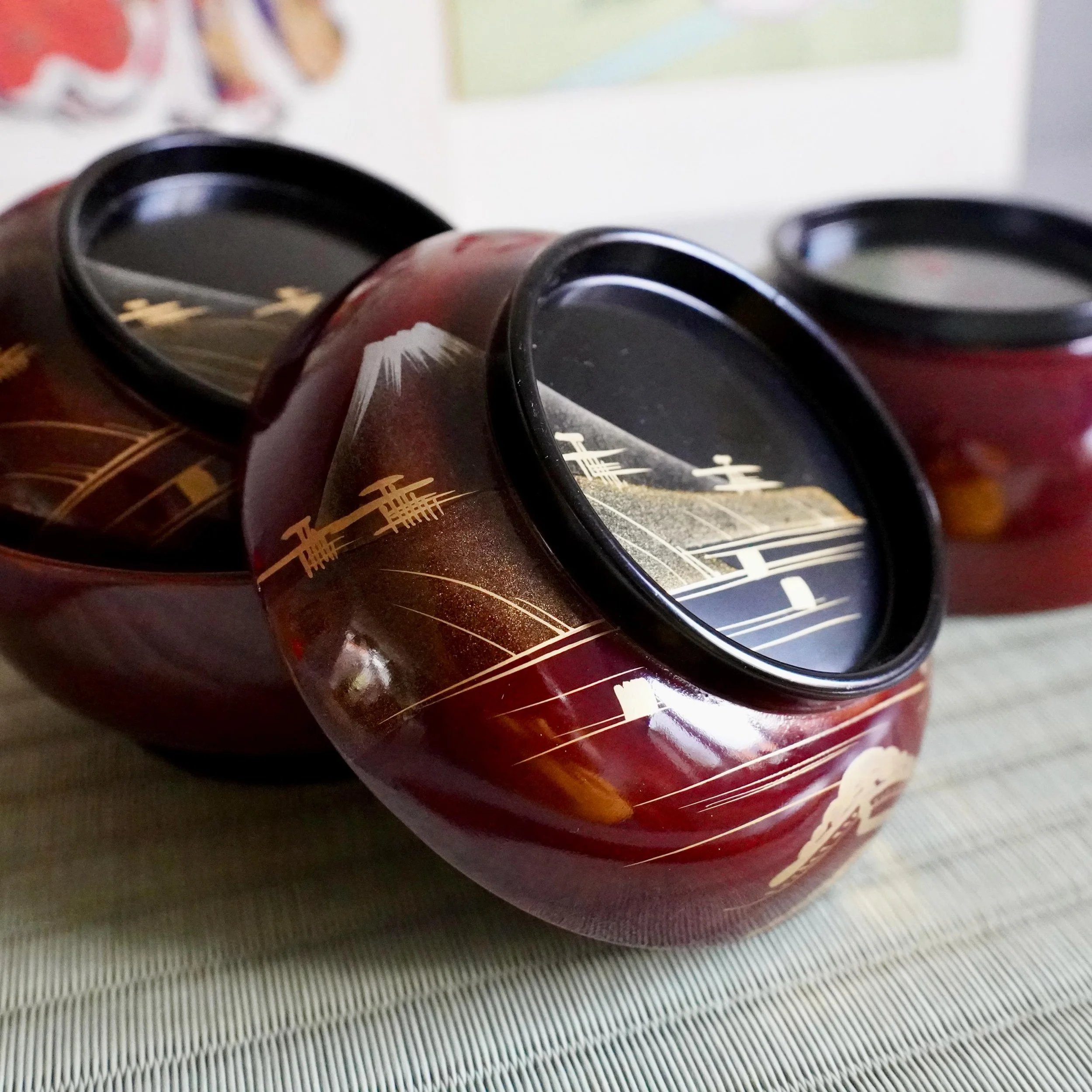
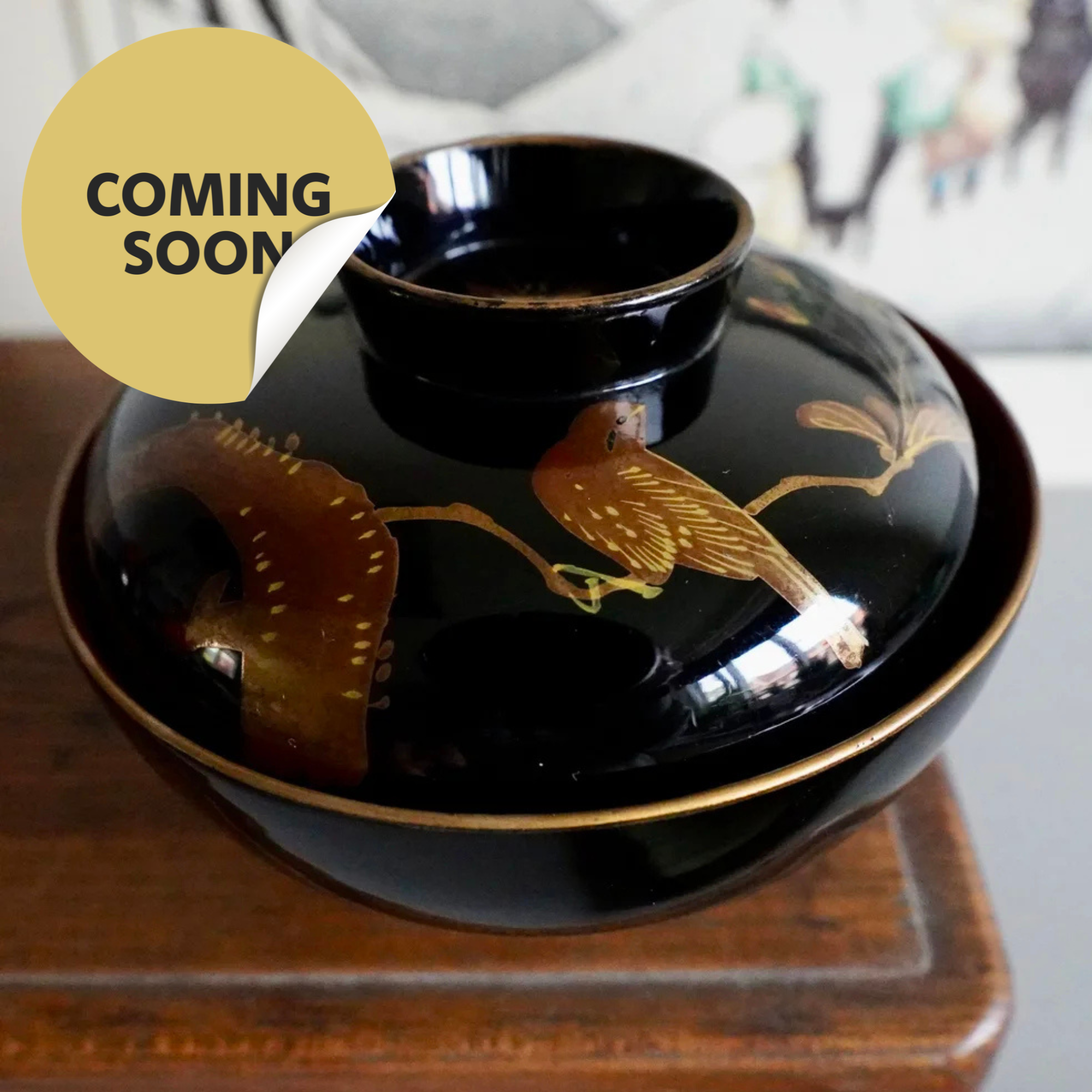
The gold decoration on the finest pieces is called maki-e. Gold or silver powder is sprinkled into wet lacquer and fixed under another layer, so it does not sit on the surface like paint. It lives inside the lacquer. On a fresh piece it is striking. On an old piece it appears to glow from within, shifting as you move the object in the light.
I have held pieces where the maki-e catches the light so differently at each angle that you keep turning the bowl in your hands without meaning to. That does not happen with painted gold. Painted gold sits flat and fades. Real maki-e only deepens.
What good aging looks like
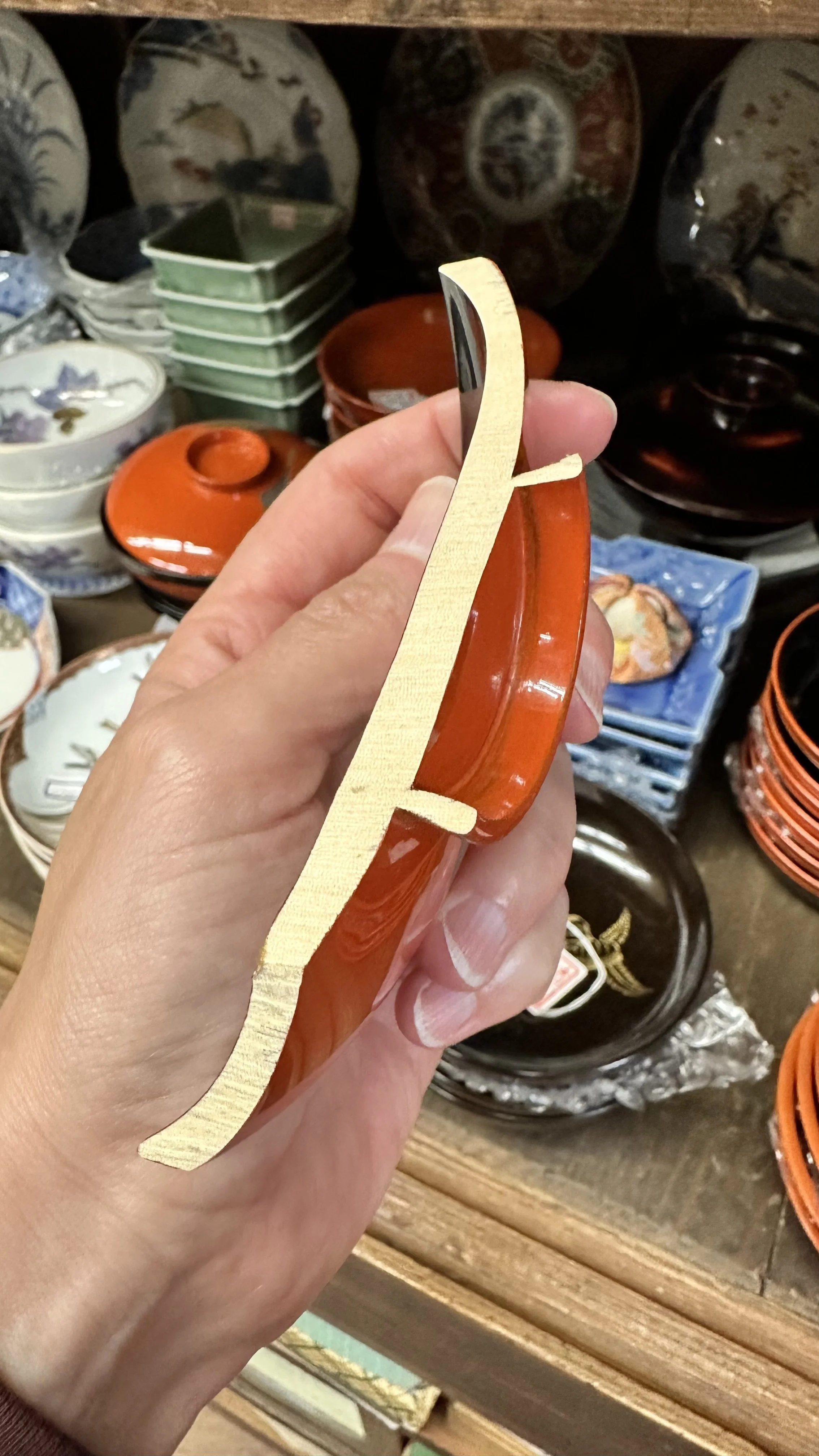
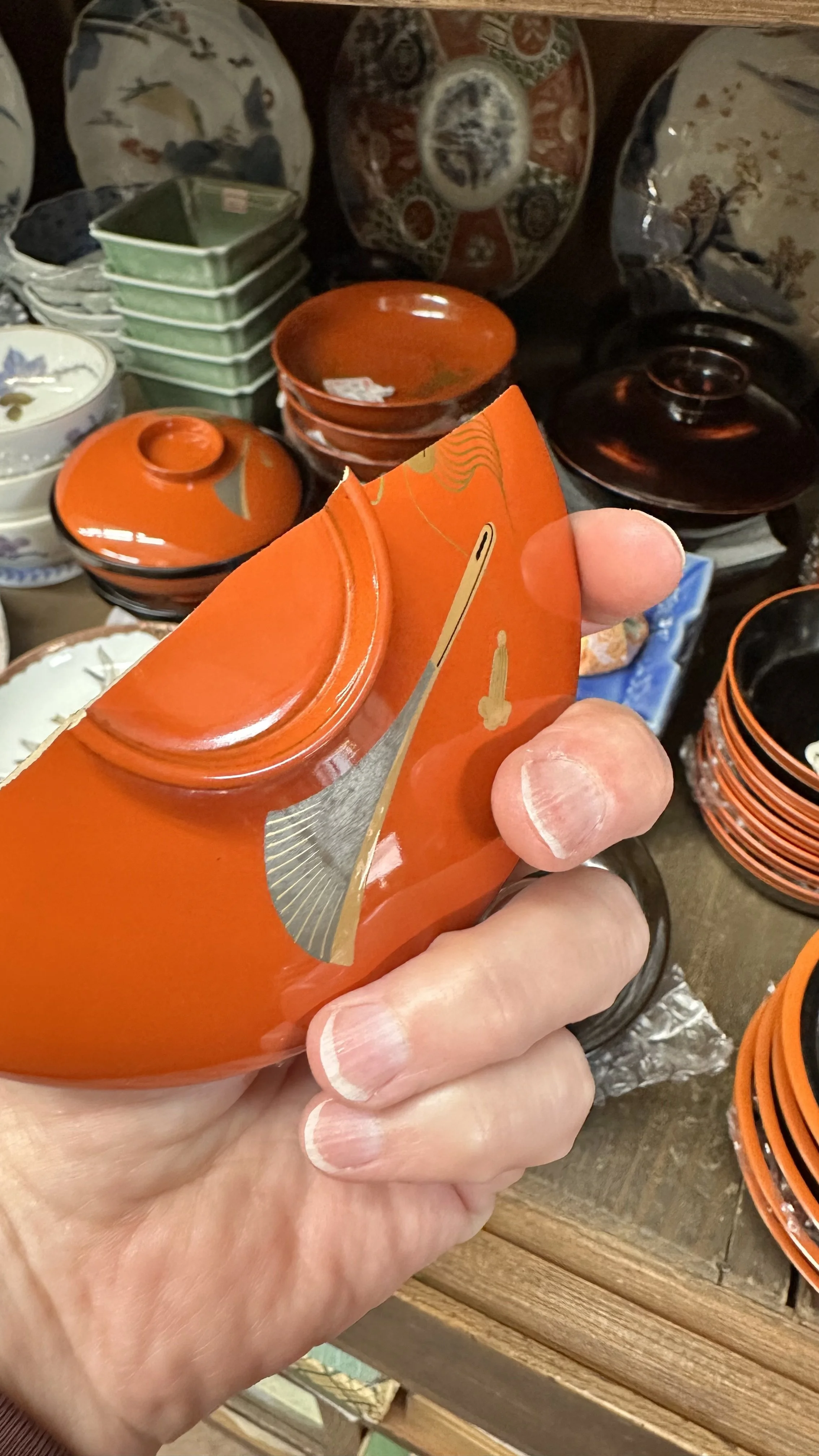
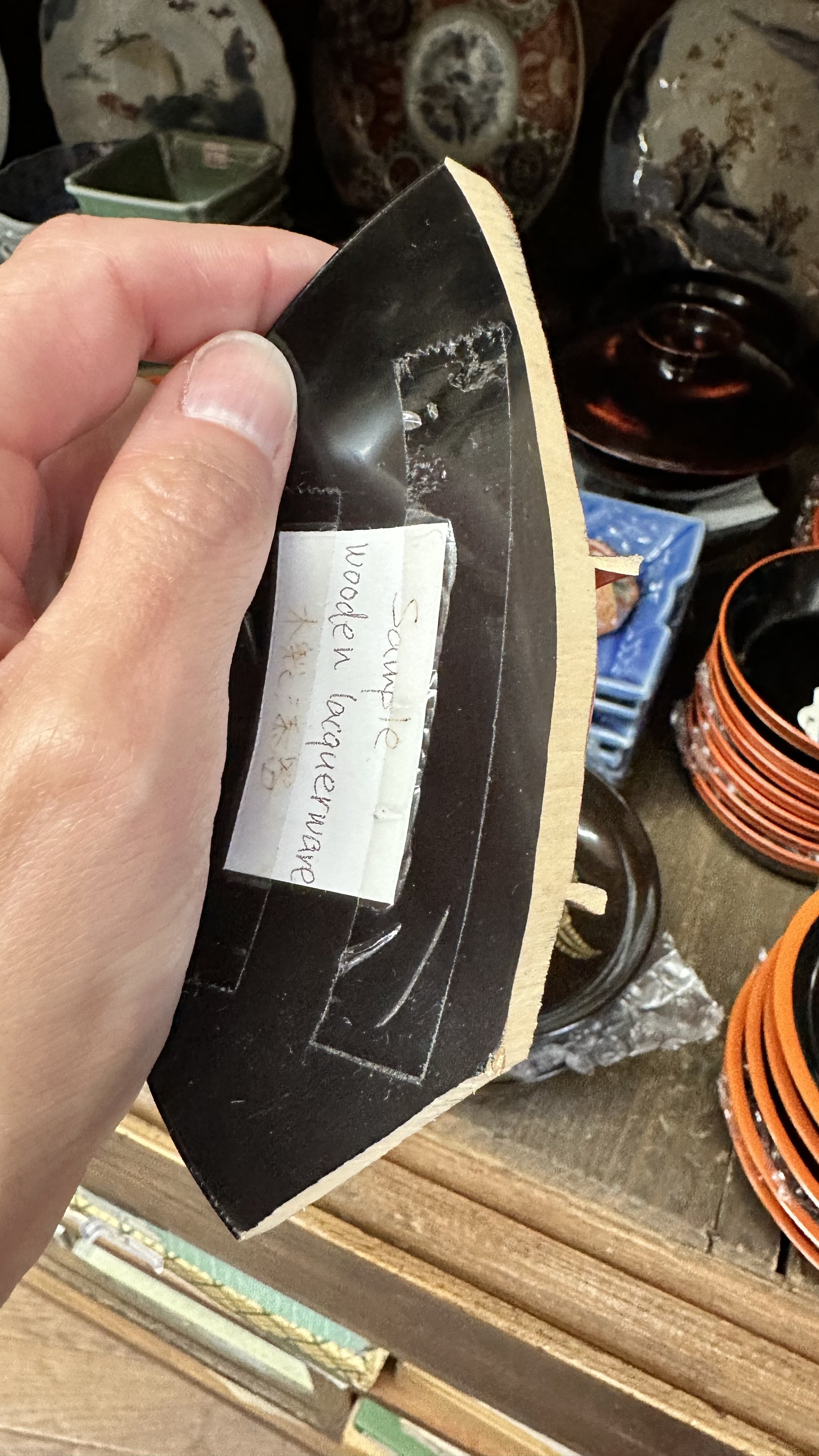
On one of my sourcing trips in Matsuyama, I visited an antique dealer who likes to share what he knows with anyone willing to listen. From his back room he brought a lacquer dish that had cracked clean through. The cross-section showed solid wood with visible grain and the lacquer layers sitting cleanly on top. That image has stayed with me, because it shows what real lacquerware looks like from the inside.
Good aging is color that has deepened until it looks almost luminous, fine craquelure that formed slowly over decades, and smooth, gradual wear on edges and bases from regular handling. A small chip or surface scratch on a hundred-year-old piece belongs to its history.
Problems look different: lacquer that has lifted from the wood in large areas, cracks that run through to the wood structure, or pieces stored too dry that have started to split. Once you have seen both, you stop confusing them.
A word on urushi versus synthetic lacquer
Not all Japanese lacquerware is urushi, and it is worth knowing the difference, especially when you are buying vintage.
During the Showa period, Japan's manufacturing culture shifted. Some lacquerware from this era uses a wooden base with a synthetic top coat, or a compressed wood base with natural urushi on top. Neither is fake. Both were made with real craft and real intention, often by the same workshops that had been producing lacquerware for generations.
What changed was the material combination, not the care.
The question I ask is not whether a piece is urushi in every layer. It is whether it was made with attention, whether it has aged well, and whether it belongs in someone's home for another fifty years. Because it is about the quality that decides the longevity.
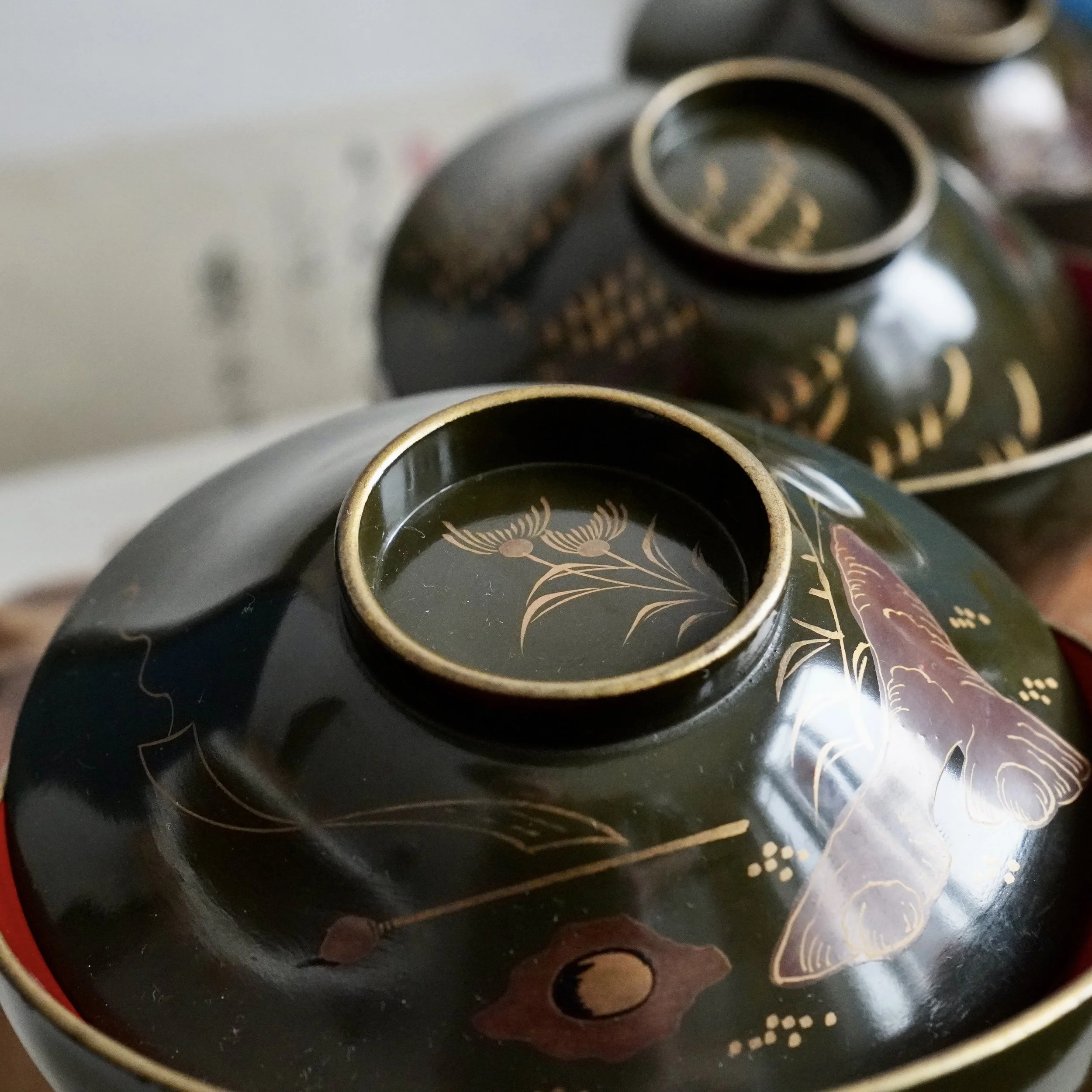
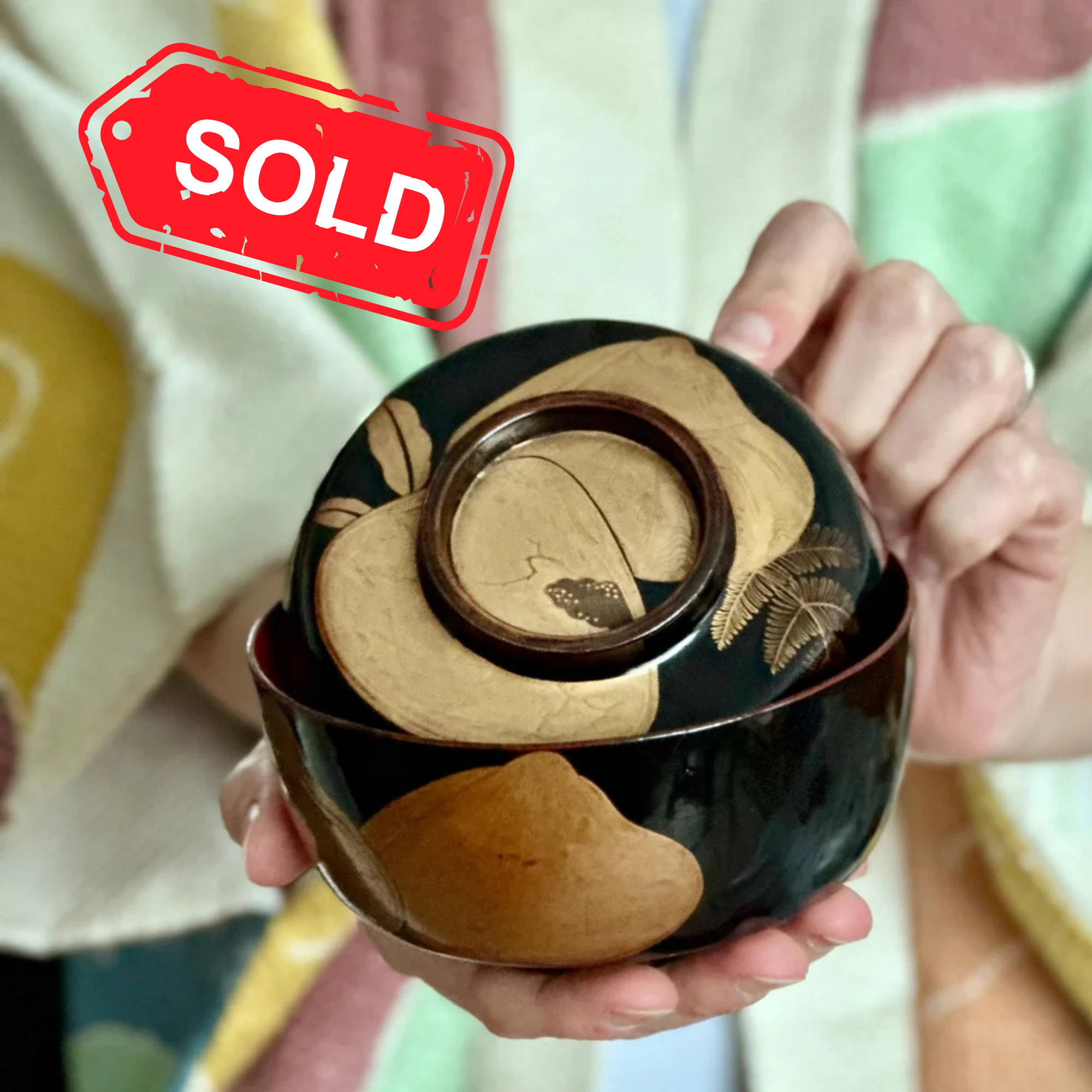
These bowls truly show the details of the maki-e gold technique after all their years of use.
Why it belongs in your home, not on a shelf
Lacquerware improves with use. The natural oils from your hands contribute to the surface over time. Regular gentle washing keeps it clean without stripping the lacquer. A piece that is used every day looks better in ten years than it does now.
This is what the Japanese have always known. Lacquer bowls were not kept behind glass. They were handed to children at mealtimes and passed between generations. The wear on a family piece is not damage. It is the record of everyone who held it before you.
In a modern home, a vintage Japanese lacquer bowl works beautifully for soup, for matcha, for fruit, for anything that benefits from a surface that is warm, light, and completely natural. A lacquer tray grounds a tea corner. A small lacquer box holds whatever needs holding.
These are not decorative objects that happen to be functional. They are functional objects that happen to be beautiful, and that become more so the longer they are used.
What I look for when sourcing
When I am at an antique market or curated store in Kyoto or Osaka and I pick up a lacquer piece, I am not looking at it. I am holding it.
I check the depth of color, how the surface catches the light, and how the edges have worn. Real urushi has a warmth and a depth that reads differently from a synthetic coating. Feel the warmth.
I check the base for wood grain and the surface for depth of color. I look at how the edges have worn: smooth and gradual means decades of honest use. And if there is gold decoration, I look at whether it shifts in the light or sits flat like paint. On the finest pieces, the maki-e almost seems to breathe. The kind of beautiful that only time makes possible.
That is the only standard that matters.
See all lacquer items
Read more
→ Curious about the wider Hagi tradition, kan'nyū, and how the glaze changes with years of use? Read the full story in the journal.
→ Three generations under one roof, a blue glaze that surprised me, and a cat I bought on the way out. Come with me to the Okada kiln.
→ Want to see what happens when water meets a porous Hagi-yaki chawan through its kan'nyū crackle glaze? I wrote a short piece on karahai.
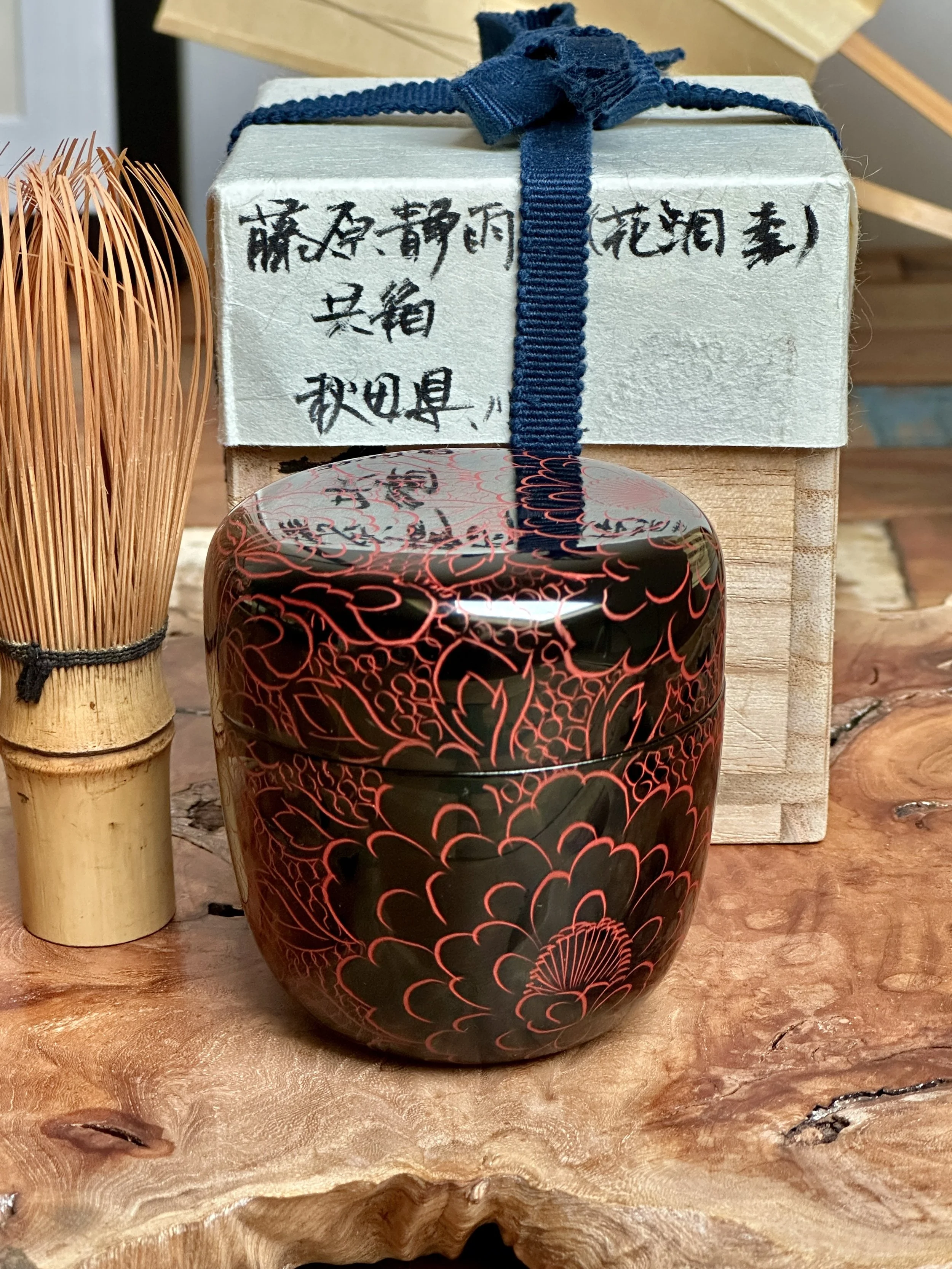
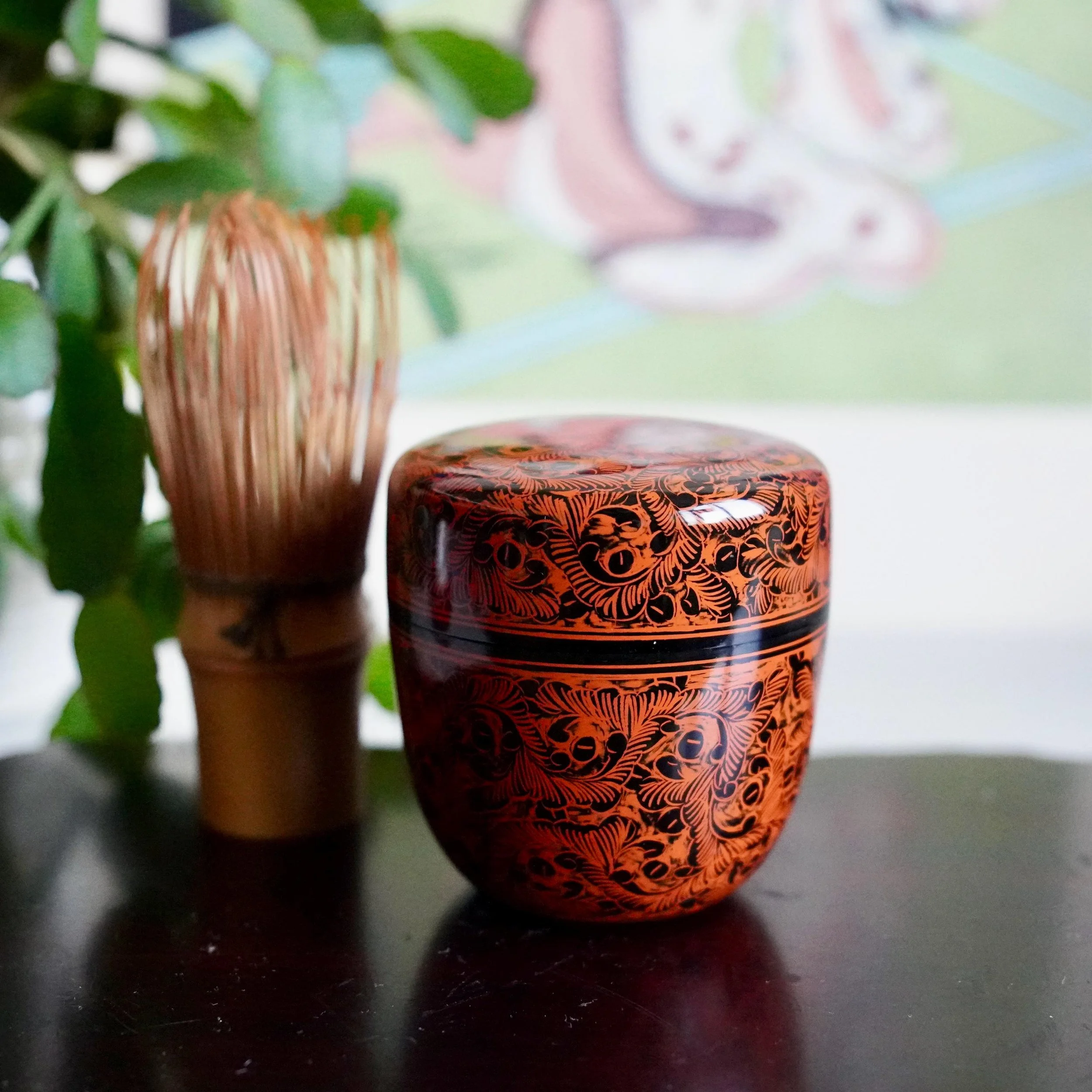
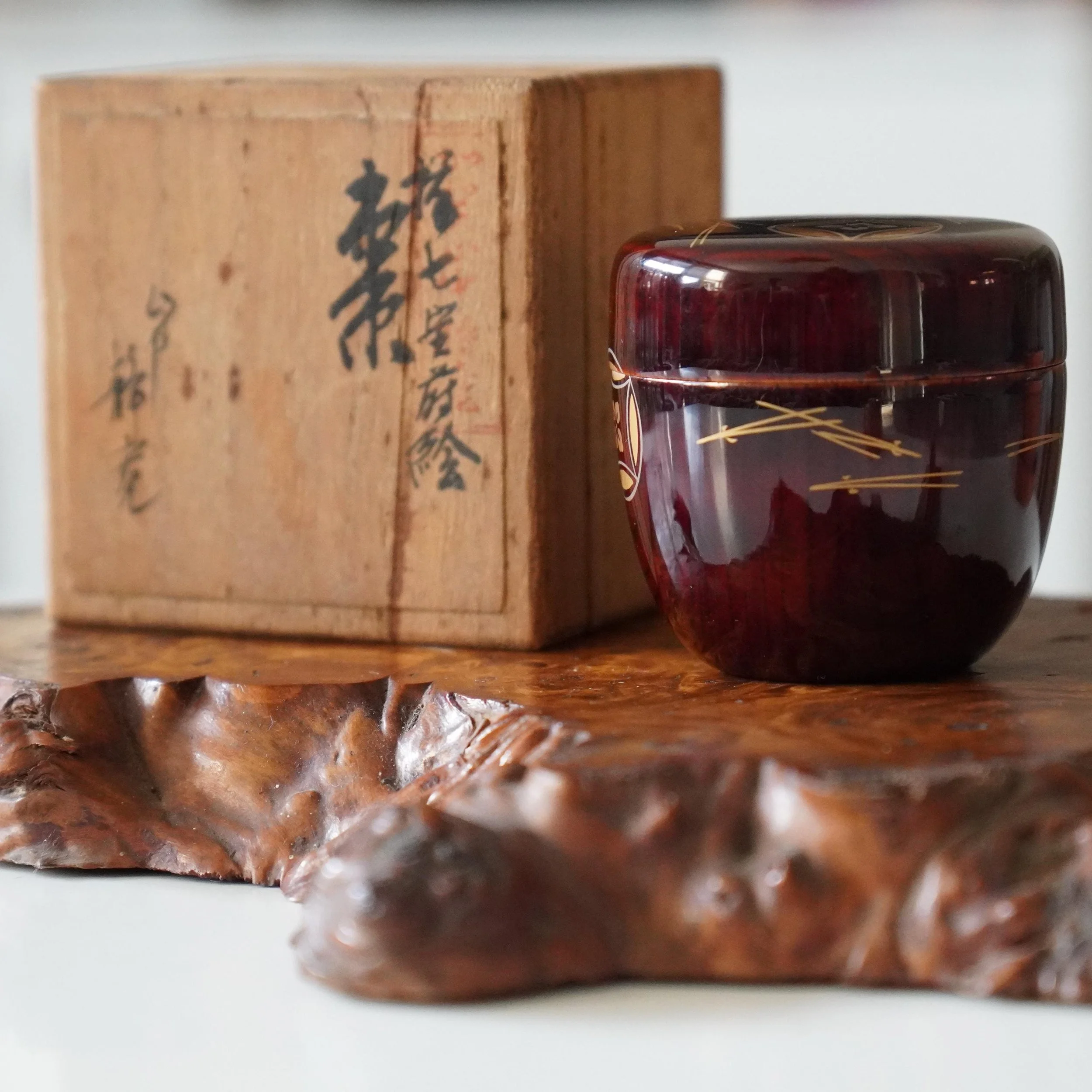
Black so deep it looks like still water, and scattered across it, crests in gold and in red, none of them quite where you expect. The gold ones are soft and matte, while the red ones carry tiny flecks of gold that wake up when you turn the lid toward the light. It sits in the palm like a smooth pebble and is hard to put down. It is the kind of small object that makes a shelf, a desk or a tea tray look considered.
It was made by Hariya Yūsai, a makie artist from Ishikawa who is recognised in Japan as a Traditional Craftsman, and he signed and sealed the wooden box himself. That box is why it feels complete: the natsume, the box that names its maker and its style, and the yellow cloth that came with it have stayed together. If you make matcha, this is a proper tea caddy with a real maker behind it. If you don't, it is still something you will want to keep in sight.