
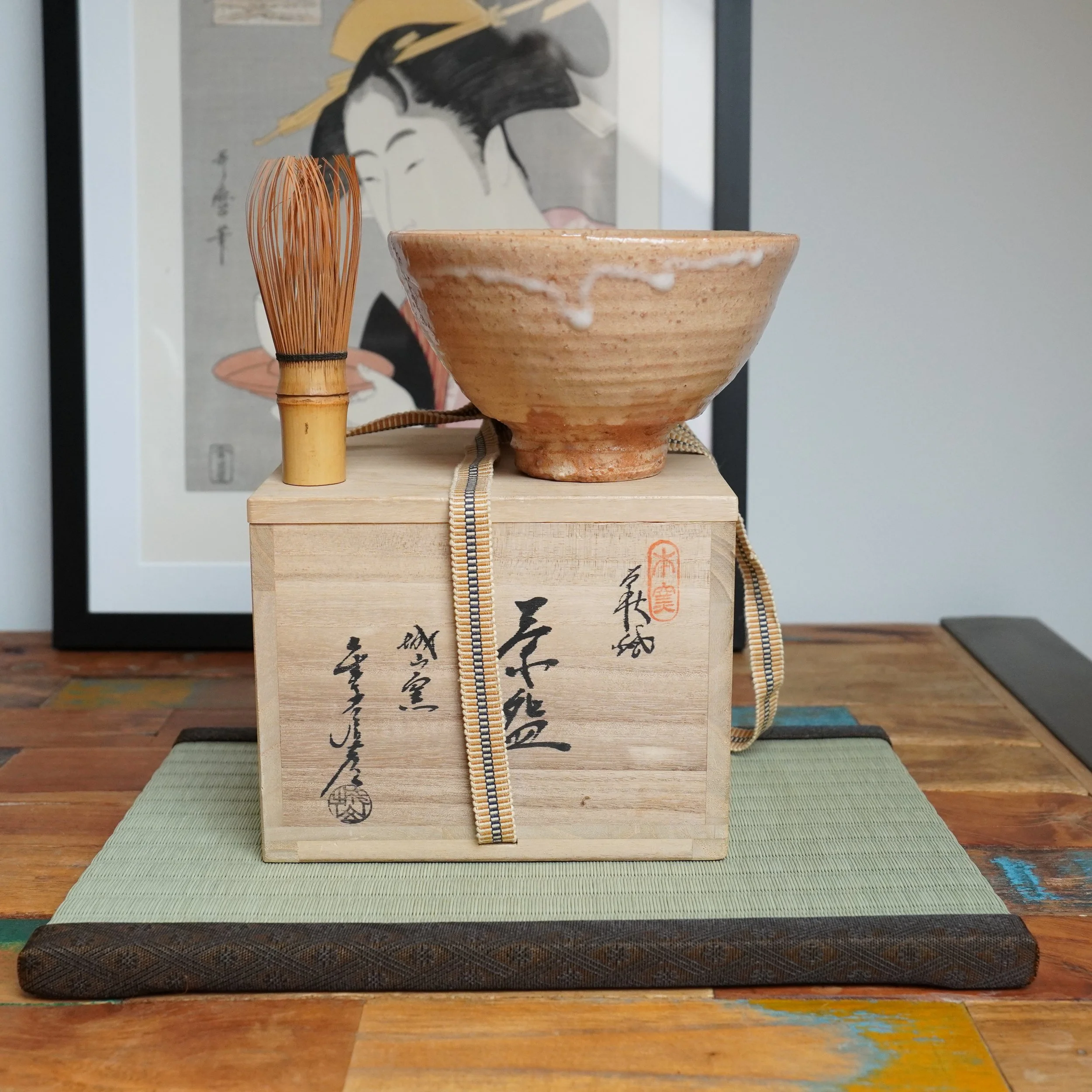
Meet the maker: Kaneko Nobuhiko (Jōzan gama)
Meet Kaneko Nobuhiko (金子信彦), born in Hagi in May 1951, is a self-taught Hagi-yaki potter of the Jōzan kiln (城山窯, officially Senshunraku Jōzan) beside the ruins of Hagi Castle in Yamaguchi Prefecture. He joined the kiln at eighteen. In 2007 a sculpture of his, a metre across, won a Minister of Education prize at the Japan Ceramics Exhibition.
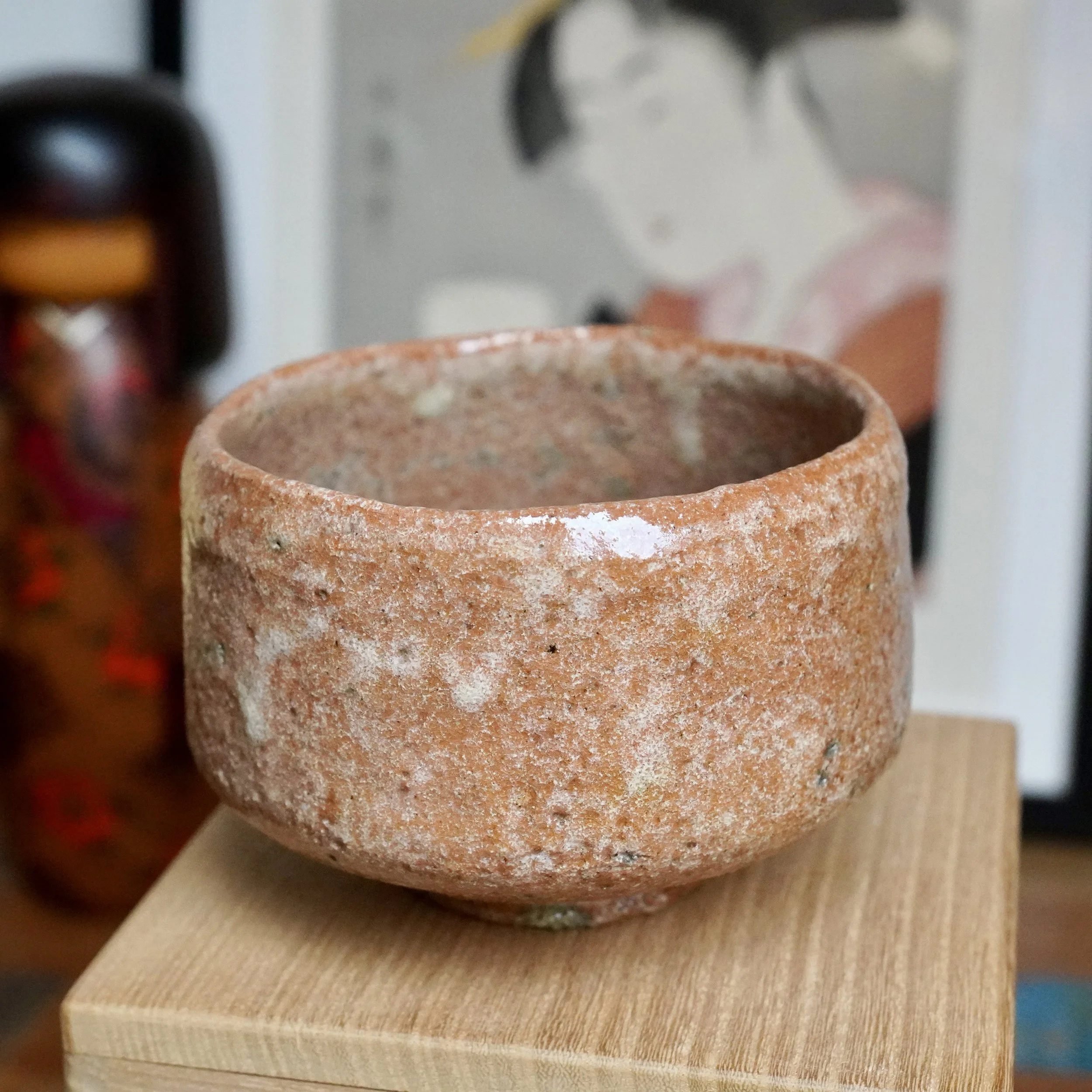
Meet the maker: Sawada Hiroyuki (Myōkenzan Kurokawa kiln)
Meet Sawada Hiroyuki (澤田博之). He is a raku and Iga potter working from his own kiln at Myōkenzan Kurokawa in Kawanishi, Hyōgo Prefecture, Japan. He was born in Sakai, Osaka, in 1953, trained from 1974 at Taikōgama in Nishinomiya and built his own kiln in Kurokawa in 1988. He makes tea ceremony ware, above all raku tea bowls, and has held solo exhibitions.
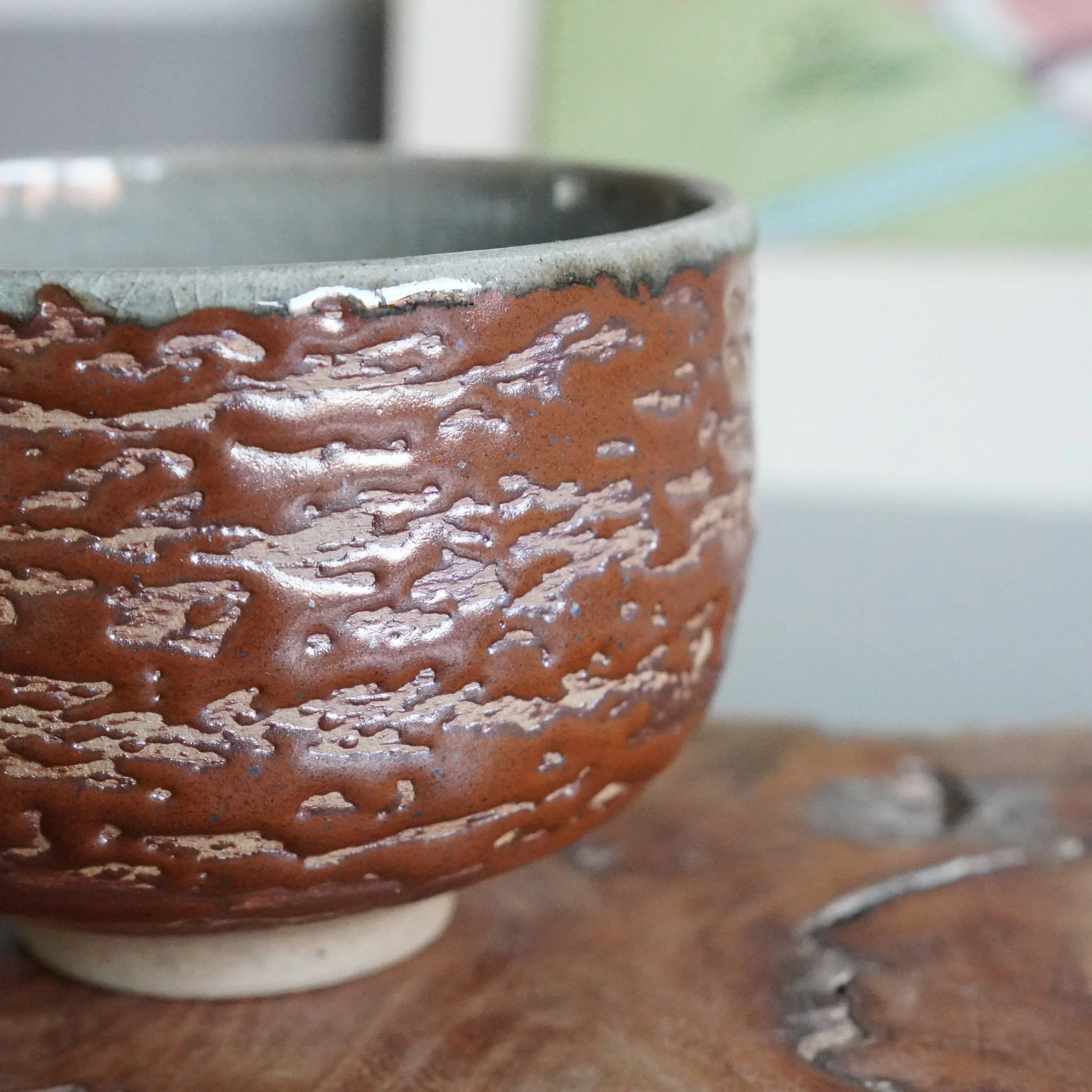
Meet the maker: Ōsawa Kyūjirō Tōen, Matsukawa-gama.
Matsukawa-gama is one of only three Inuyama-yaki workshops still active today, out of eight recorded in the early Meiji period. Run by the Ōsawa Kyūjirō family since around 1870 and now in its fifth generation, the workshop is known for a glaze that mimics the texture of pine bark, developed by the second generation and distinctive enough that it gave the kiln its name.
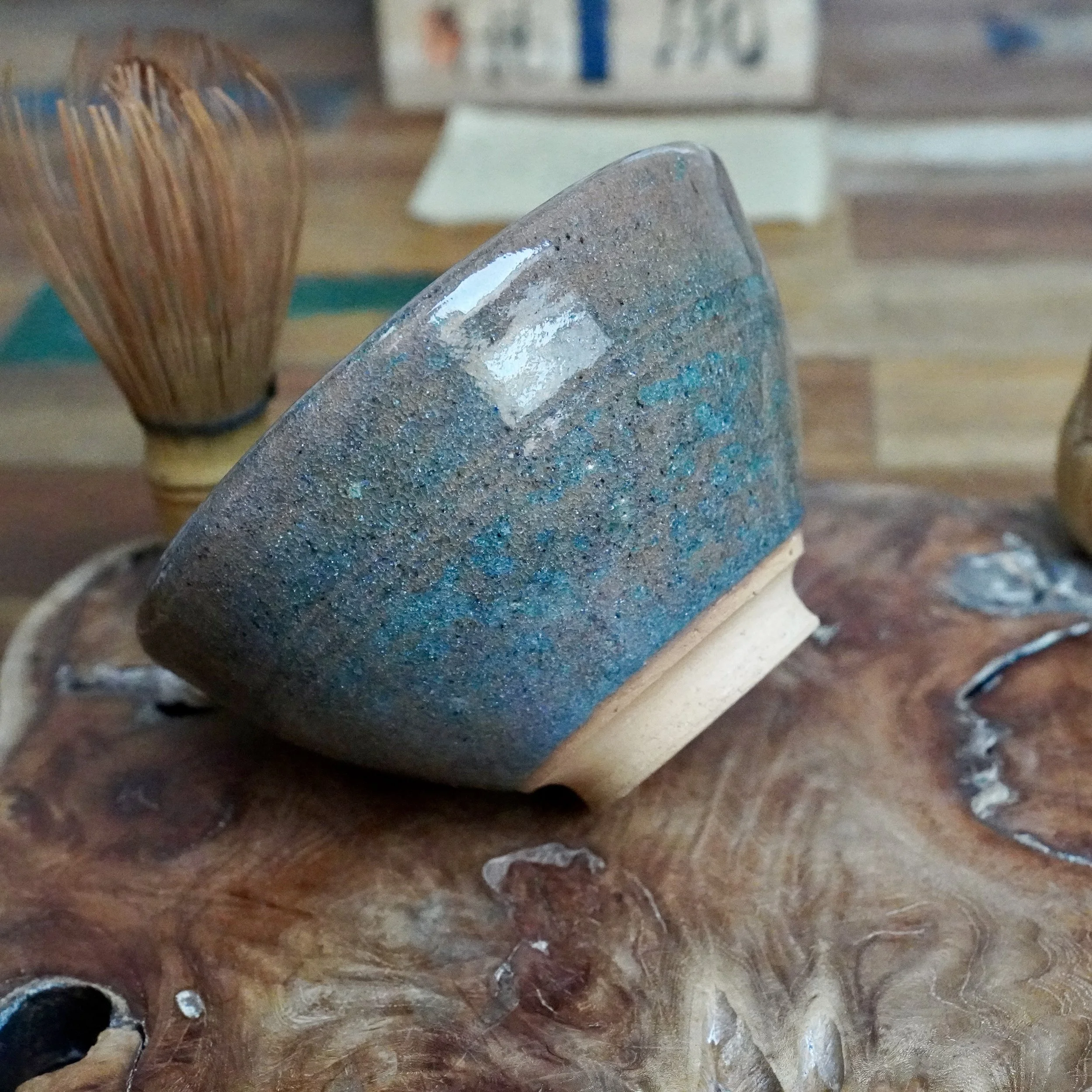
Meet the maker: Mizushima Jirō, Denjirōbō-gama
Mizushima Jirō (水島二郎), working under the kiln name Denjirōbō (田二郎坊) in Tsuyama, Okayama Prefecture, made ceramics he named Kagurao-yaki (神楽尾焼) after Mount Kagurao nearby.
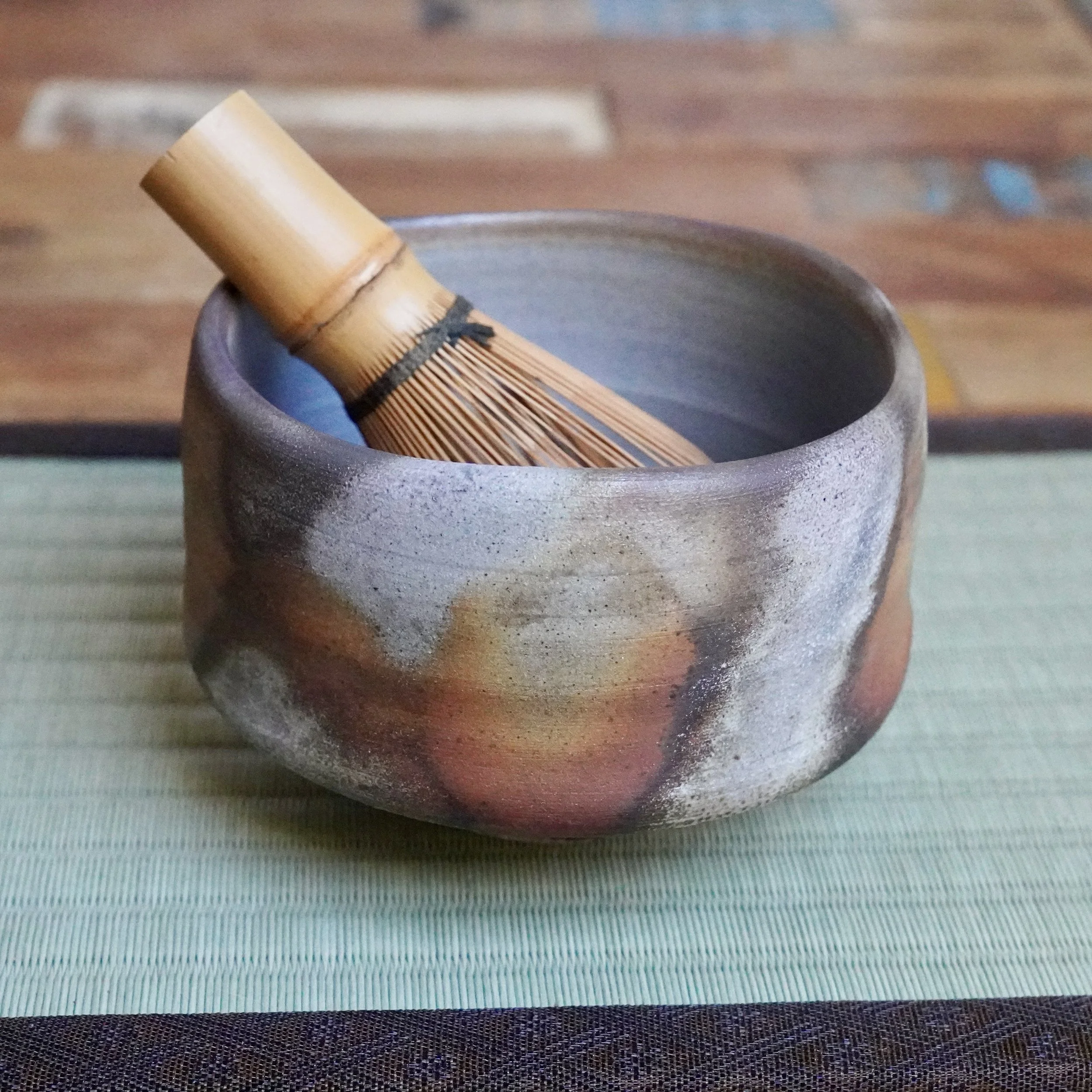
Meet the maker: Inomata Masaaki (Saizōbō gama)
Inomata Masaaki (猪俣政昭) is a Bizen potter based at the Saizōbō kiln in Oku, Okayama prefecture, Japan. Born in Osaka in May 1948, he trained at the Aichi Ceramic Training School before apprenticing at the respected Bizen workshop Tōshōen, and became an independent potter in 1975. He was officially certified as a Dentō Kōgeishi, a government recognised Traditional Craftsman, in February 2008.
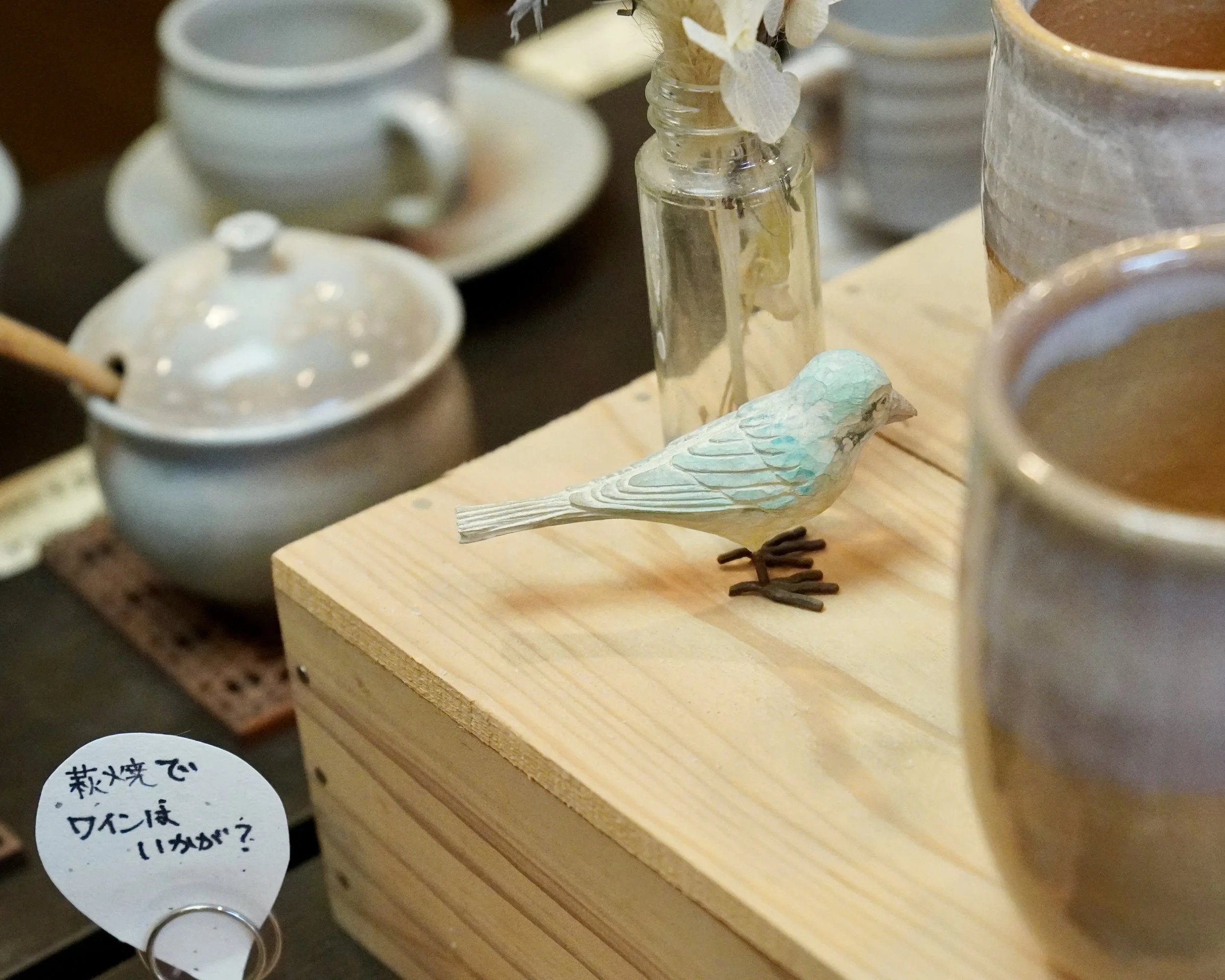
Meet the maker: Okada Yū & Okada Yasushi, Okada-gama (Seiun-zan)
A family workshop in Hagi run by eighth generation potter Okada Yū and his son Yasushi. Yū is a Yamaguchi Prefecture Intangible Cultural Property holder, known for ensai, a reddish, flame-like glaze. Yasushi works in tanseiyu, a pale blue of his own
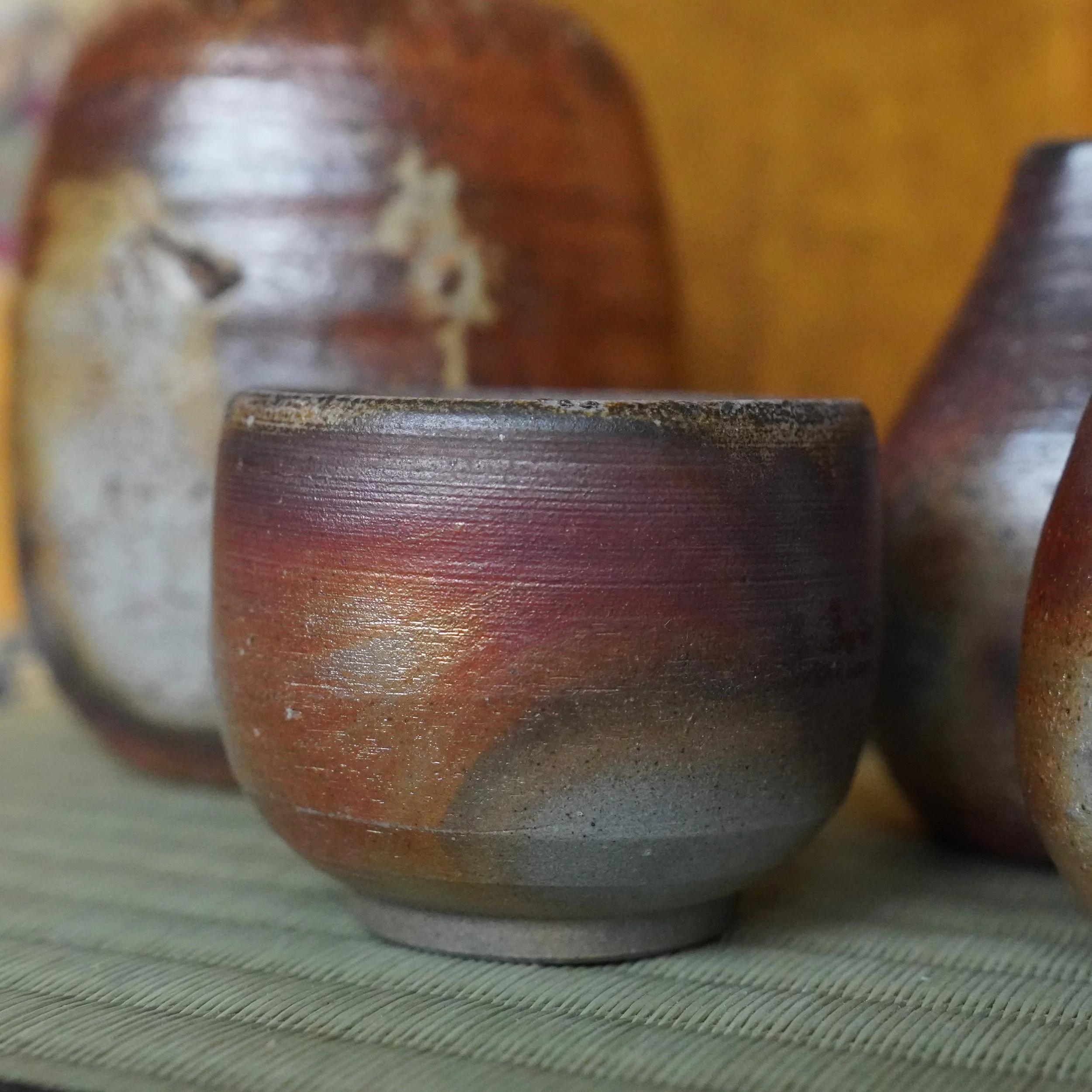
Meet the maker: Yamamoto Sōshū, Bishū-gama.
Bishū-gama in Imbe has built its entire reputation on one thing done exceptionally well: clean, legible hidasuki, the scarlet straw-marked style Bizen is known for. Founded in 1974 on the initiative of Living National Treasure Yamamoto Tōshū, the kiln now works under the signature Yamamoto Sōshū.
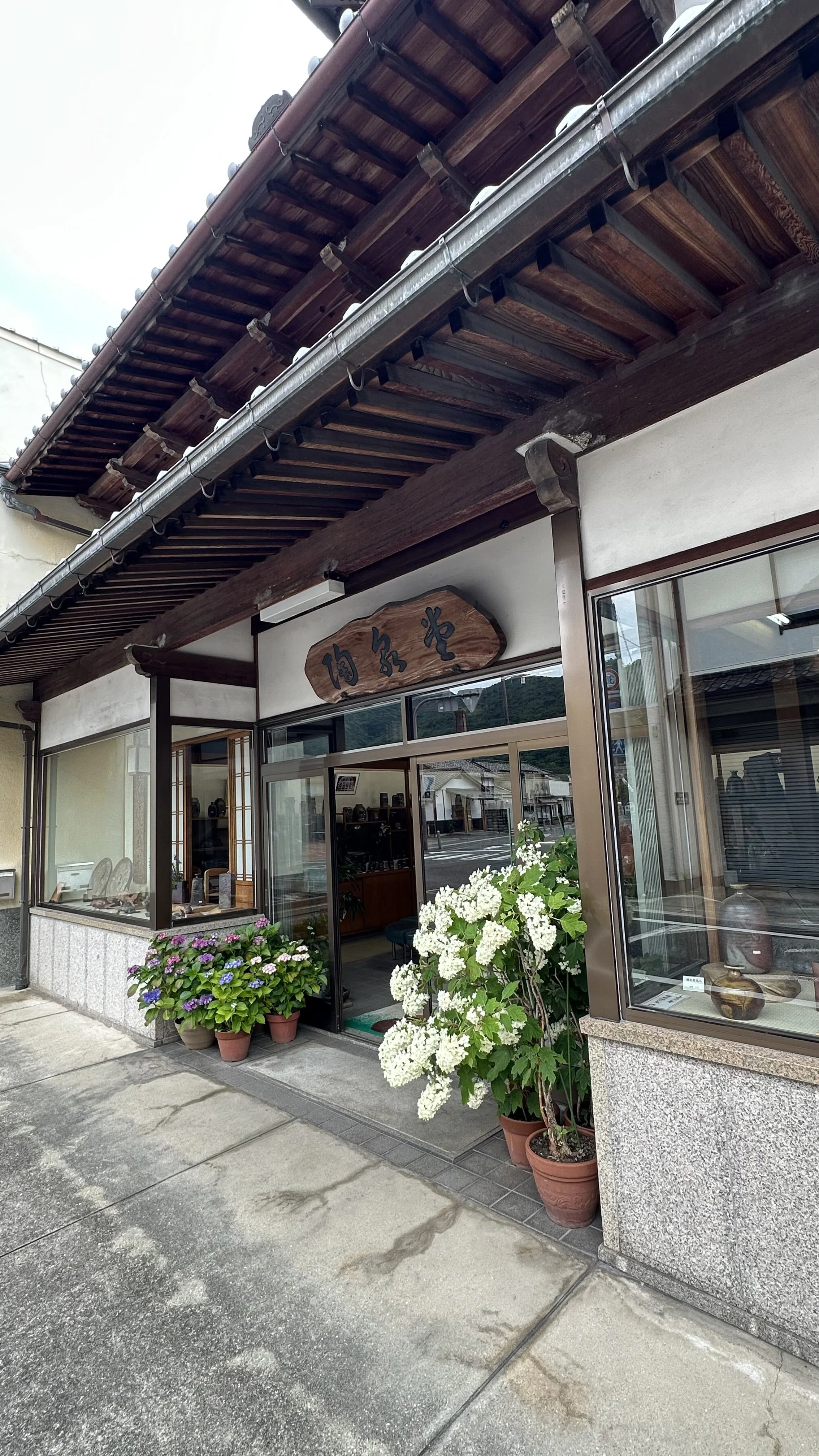
Meet the maker: Shibaoka Tōsendō, Kōzan-gama
Shibaoka Tōsendō (柴岡陶泉堂), working under the kiln name Kōzan-gama (香山窯), has fired Bizen-yaki in Imbe since 1912, now in its third generation. Alongside its traditional yakishime output, the kiln is known for a rare blue-green ao-Bizen effect and, more recently, for a small ceramic robot mascot made by one of the current generation's sons.
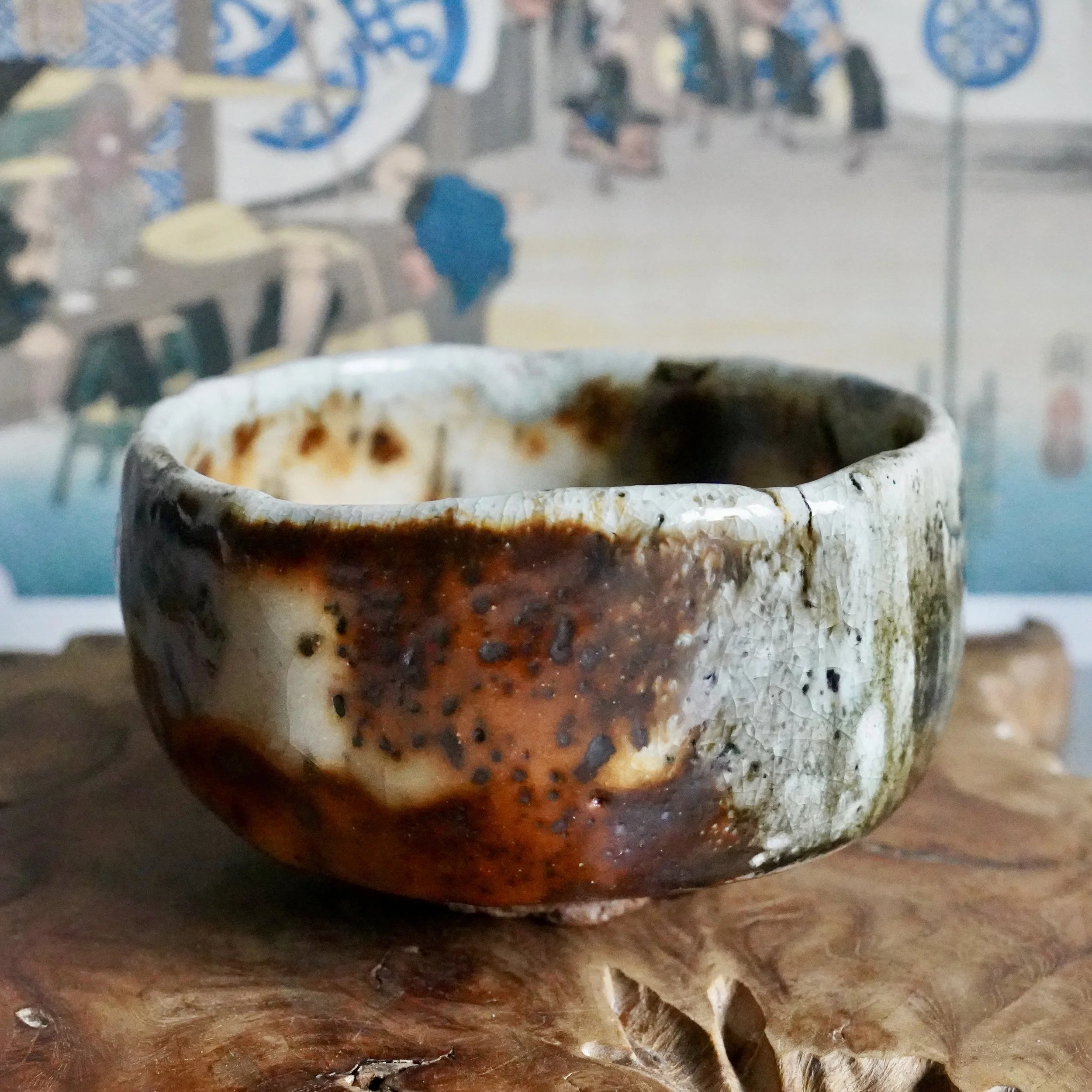
Meet the maker: Deguchi Eiji
Meet Deguchi Eiji (出口栄二, 1919–2006) he fired ceramics at the Kakuzan-gama in Ayabe under the direct guidance of the Bizen master Kaneshige Sozan, while serving as Sōchō, director, of the Ōmoto religious movement from 1958 to 1962. His signed, boxed pieces carry a thick ash glaze with fine crackle and fire marking unique to each firing.
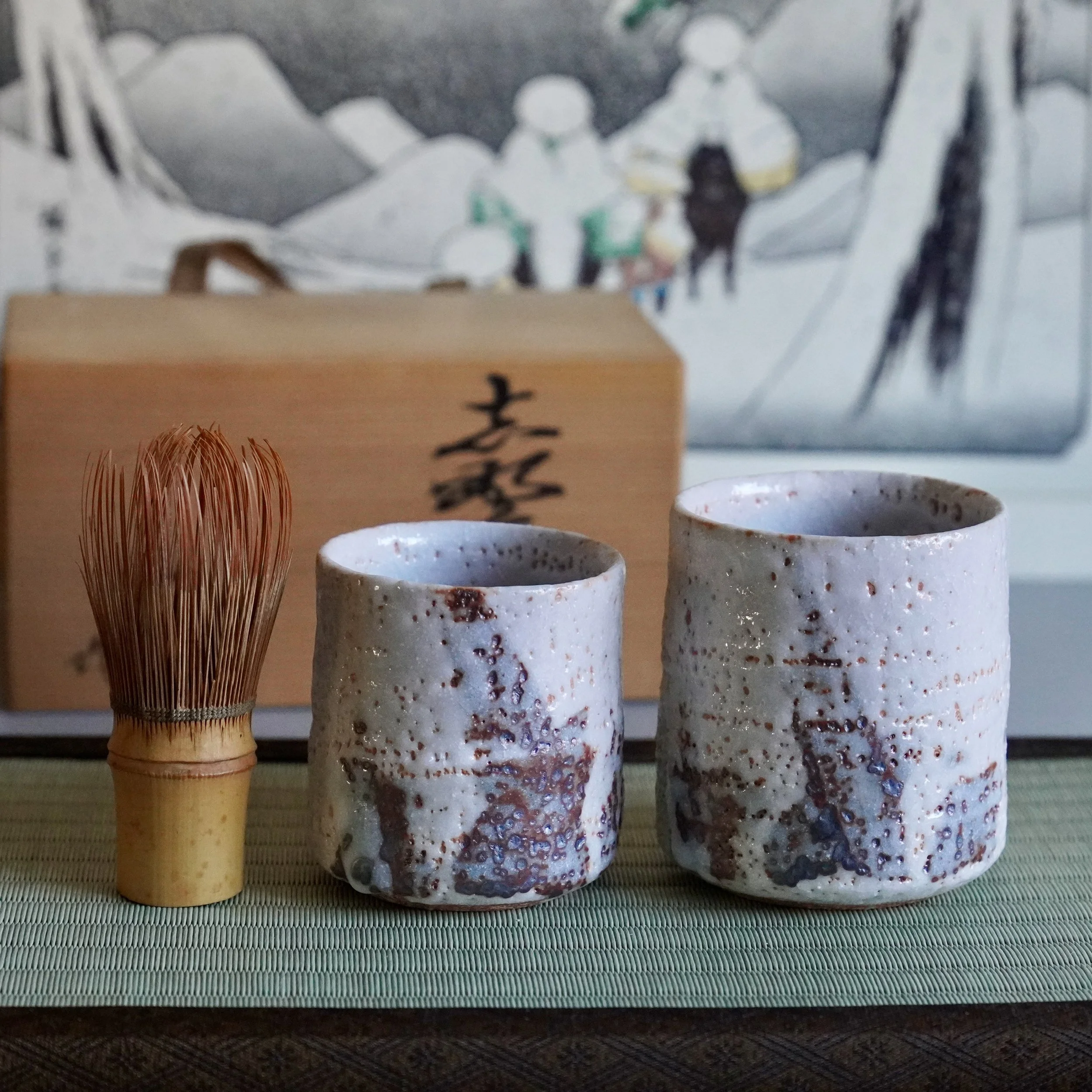
Meet the maker: Marugama Seitōjo (Katō Shōhei, art name Yōkun)
A Seto workshop active since the late Edo period, still run by the same family today. The fourth generation head, Katō Shōhei, worked under the art name Yōkun and made ceremonial pieces connected to the Japanese imperial family around 1940.
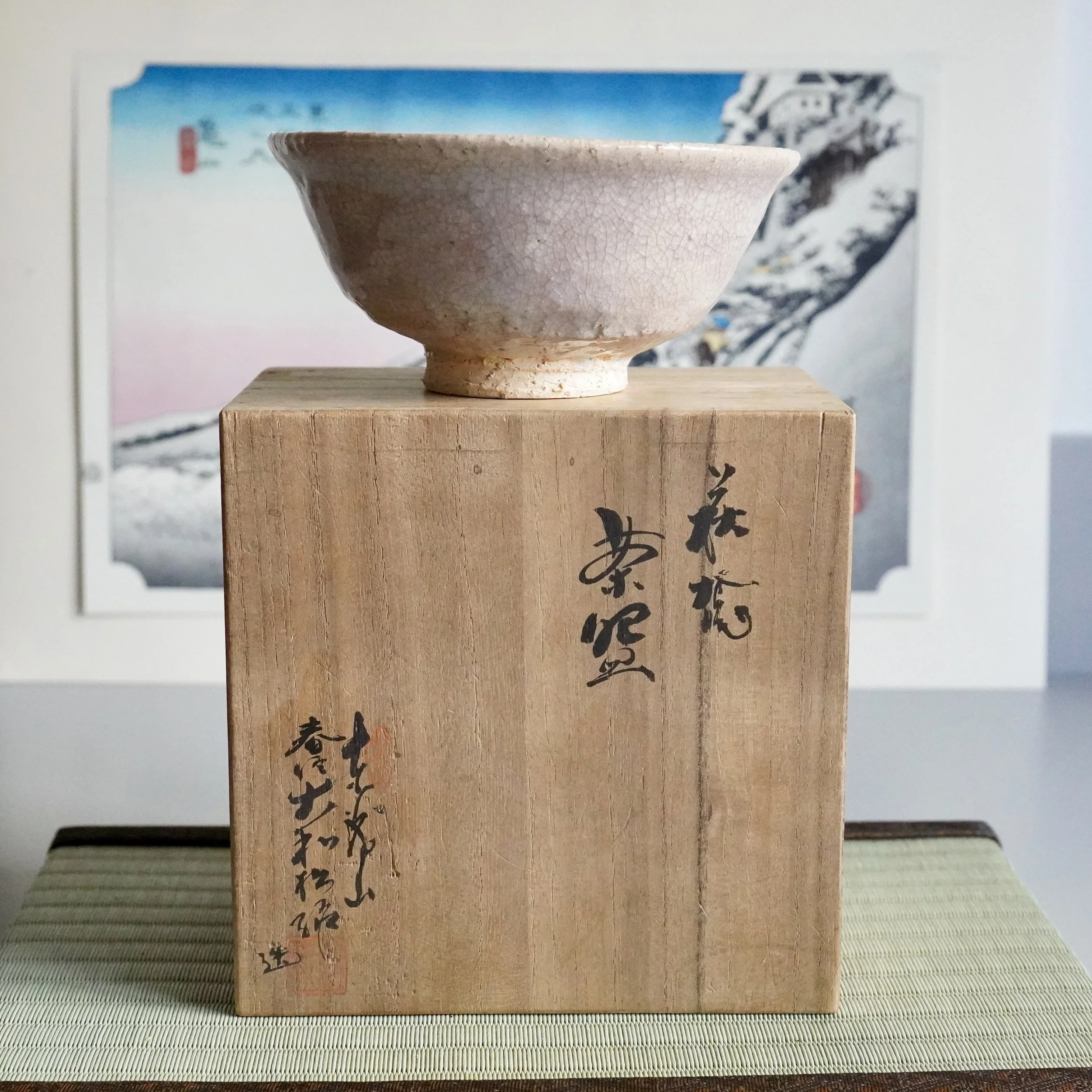
Meet the maker: Matsuura Mugen (松浦無元)
Trained in the tradition of Living National Treasure Miwa Kyūwa, Matsuura Mugen built his own wood-fired kiln in Hagi in 1979 and has spent over forty years since, shaping tea ceramics that carry that same quiet, unforced warmth. Discover the maker behind the Shōunzan-gama kiln.