
Meet the maker: Okada Yū & Okada Yasushi, Okada-gama (Seiun-zan)
The Okada kiln, Seiun-zan, is a Hagi-yaki workshop in Yamaguchi Prefecture, firing continuously since the Edo period. It is currently run by eighth generation potter Okada Yū, also written Okada Yutaka, alongside his son Yasushi. Yū is a designated holder of Yamaguchi Prefecture's Intangible Cultural Property for Hagi ware, recognised in 2006, known for ensai, a reddish, flame-like slip technique. Yasushi has developed tanseiyu, a pale blue glaze named after the Sea of Japan.
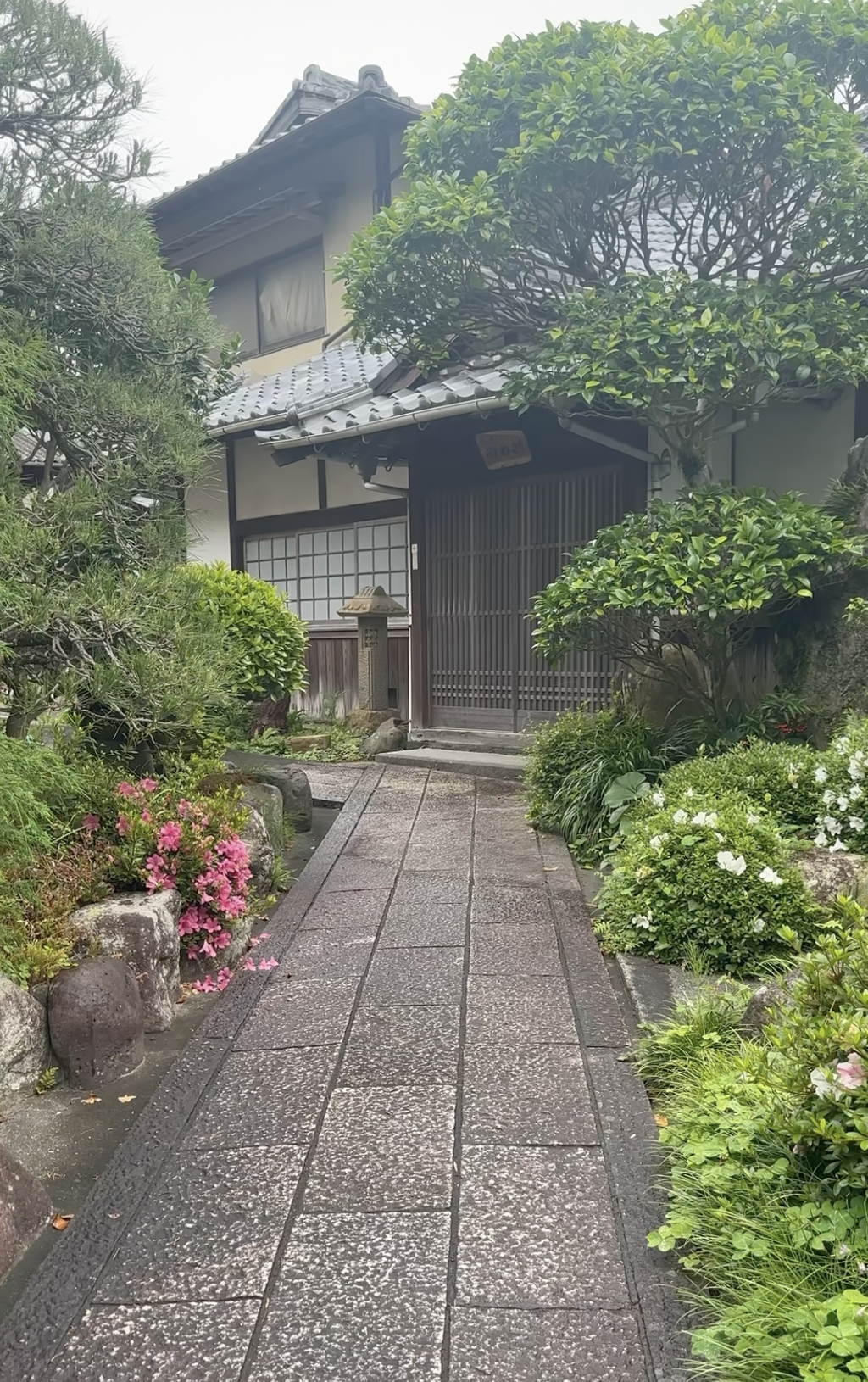
The entrance to the Okada family home and workshop, Seiun-zan, in the Obata district of Hagi.
Who runs the Okada kiln
The Okada kiln, known as Seiun-zan, traces its own line back to its founder, Okada Gonzaemon (岡田権左衛門), born in 1811 in Hizen Province before settling in the Obata district of Hagi to establish the kiln. The line continued through six further generations, Okada Heizaemon, Junsuke, Ryōsuke, and Senhachi among them, before passing to Okada Senshū, the seventh generation and father of the current head, born in 1916.
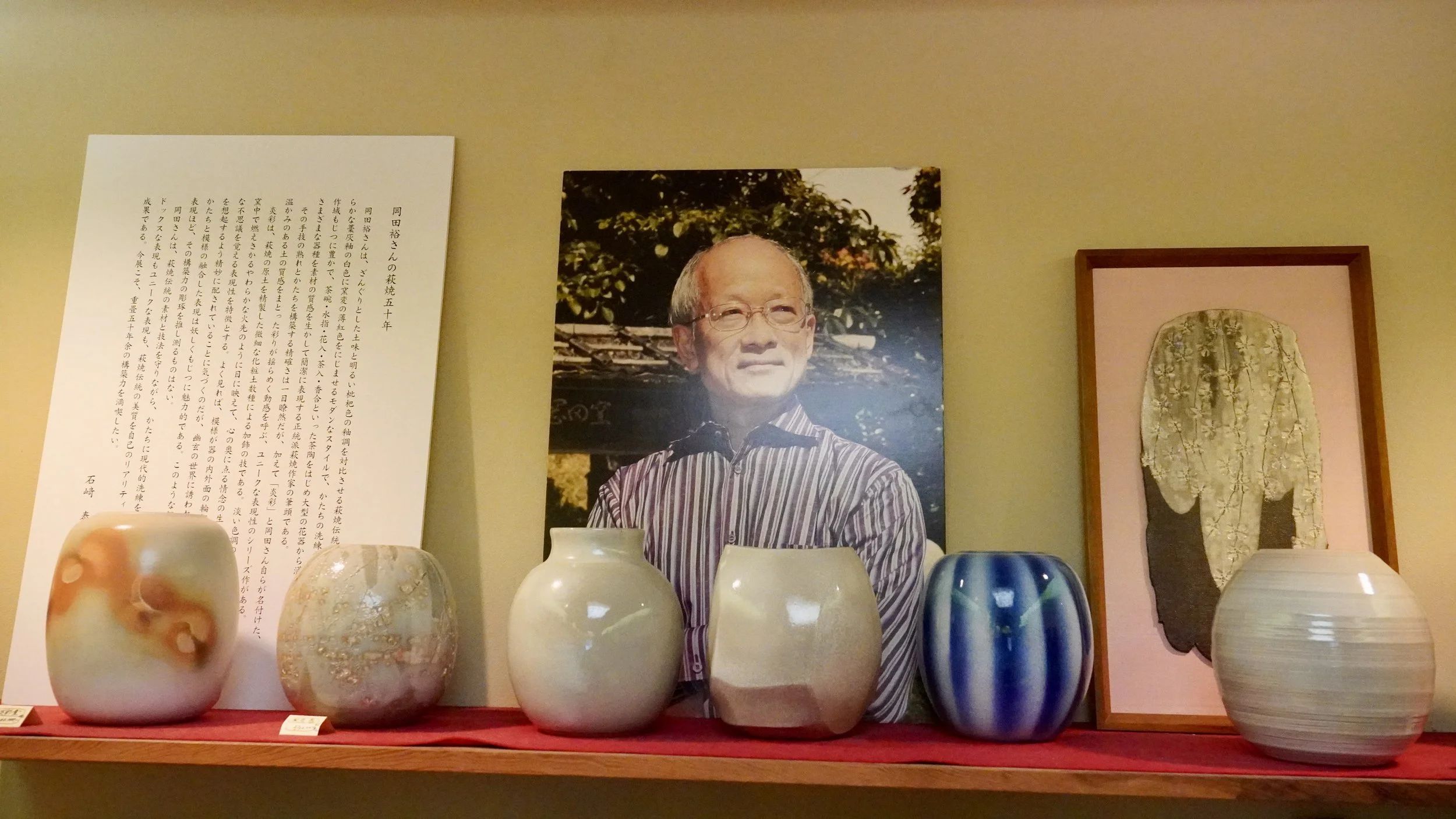
Okada Yū (岡田裕, also referred to as Okada Yutaka) was born in March 1946 in Yamaguchi Prefecture, where his father Senshū was posted at the time. He graduated in law from Keio University in 1968 and initially worked for the fishing company Kyokuyō, before the pull of Hagi-yaki led him to leave that career in 1972 and return home to train under his father. In 1976 he travelled to China to study ceramics. He was recognised at the Japan Traditional Crafts Exhibition from 1979 onward, received the Tabe Art Museum's award for tea ceremony forms in 1984, and was honoured with the Hagi City Cultural Encouragement Award (Sugimichi Prize) in 1988. In 1990 he became a full member of the Japan Craft Association. Following his father's death in 2004, he became the eighth generation head of the Okada kiln. In 2006 he was designated a holder of Yamaguchi Prefecture Intangible Cultural Property status, and in 2017 he received the Order of the Rising Sun.
His son, Okada Yasushi, works alongside him at the same kiln, in a workshop built around a noborigama climbing kiln that has fired continuously since the first generation, more than two hundred years ago.
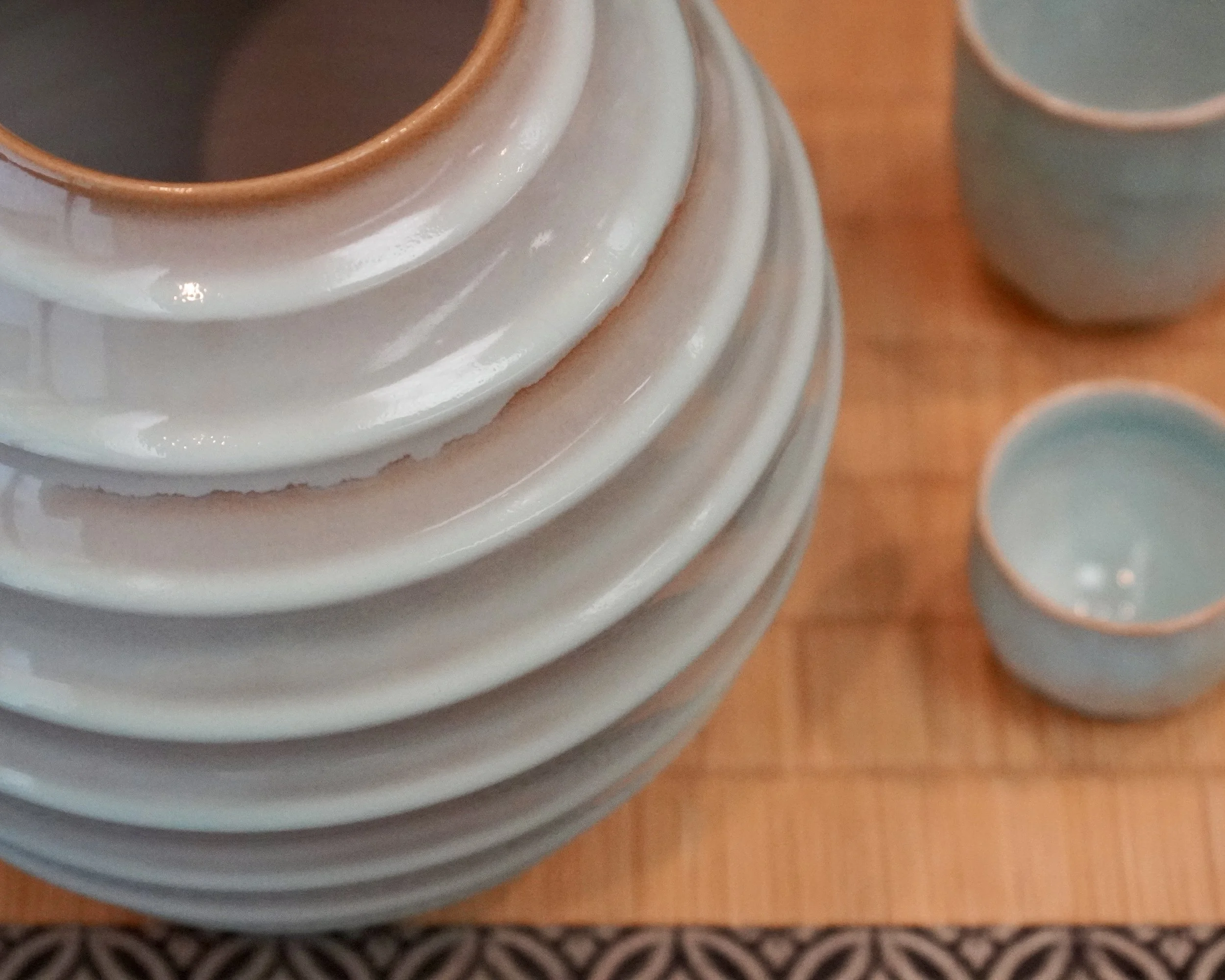
What sets their work apart
Two distinct visual languages exist within the same workshop.
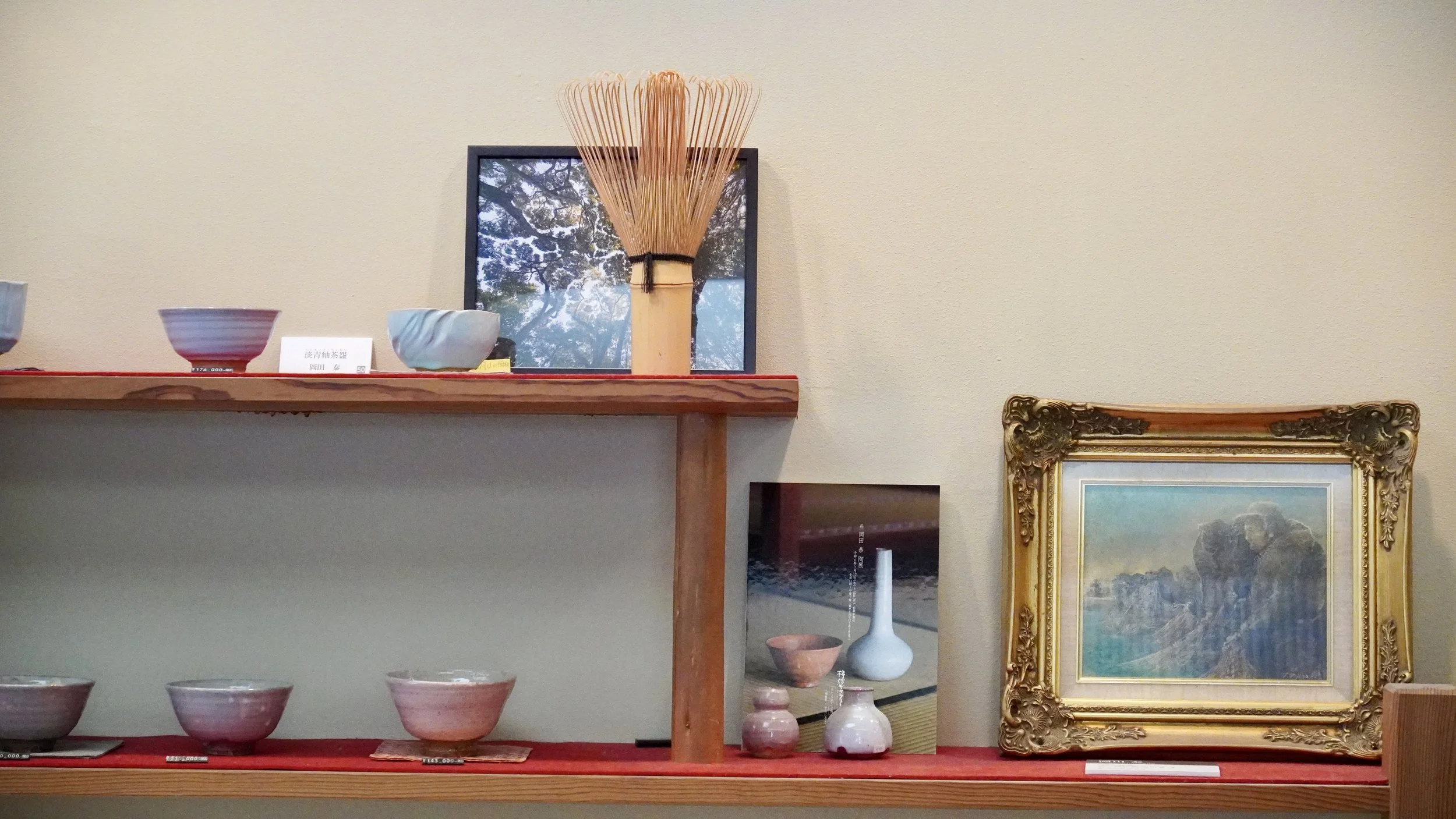
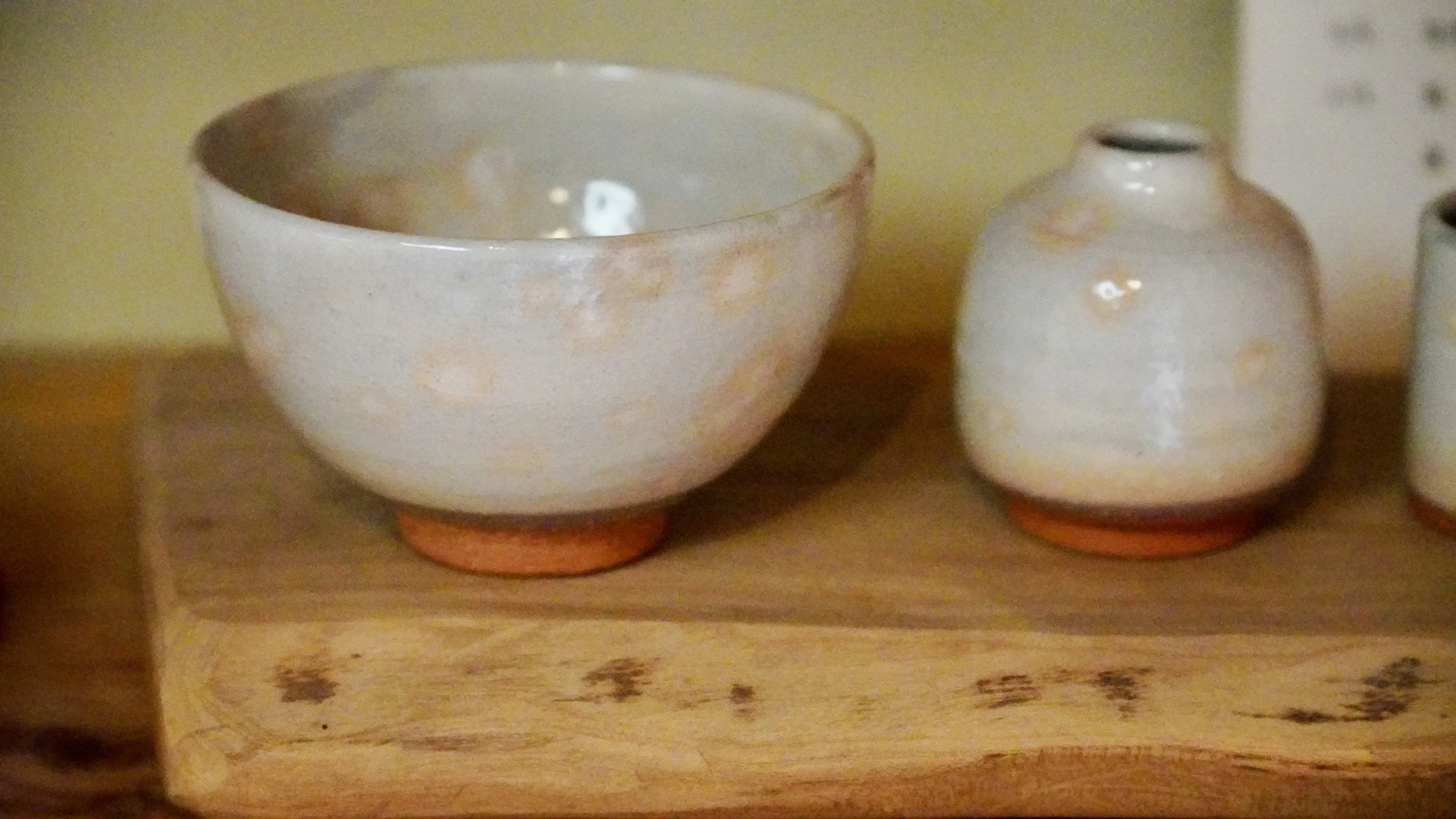
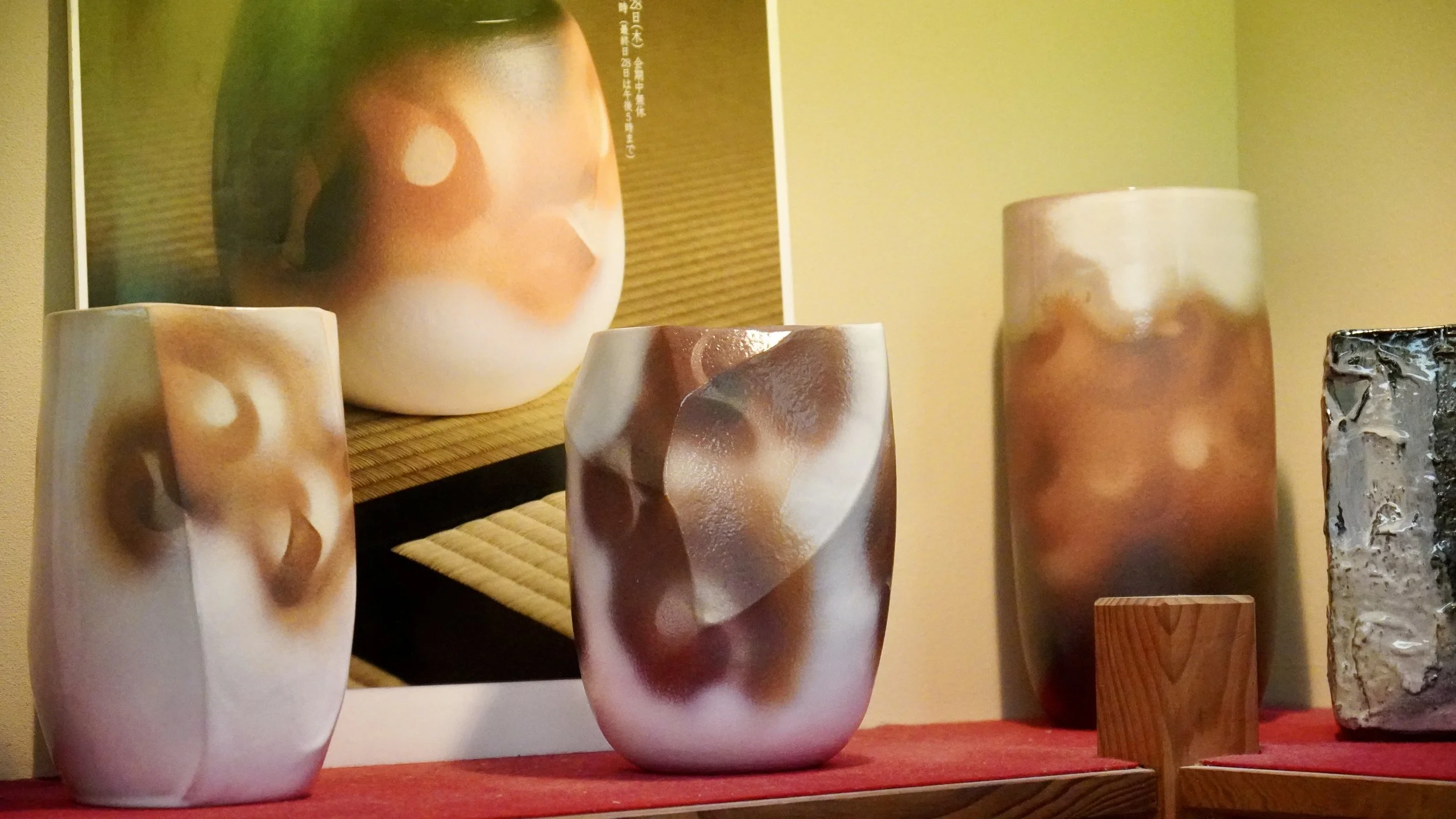
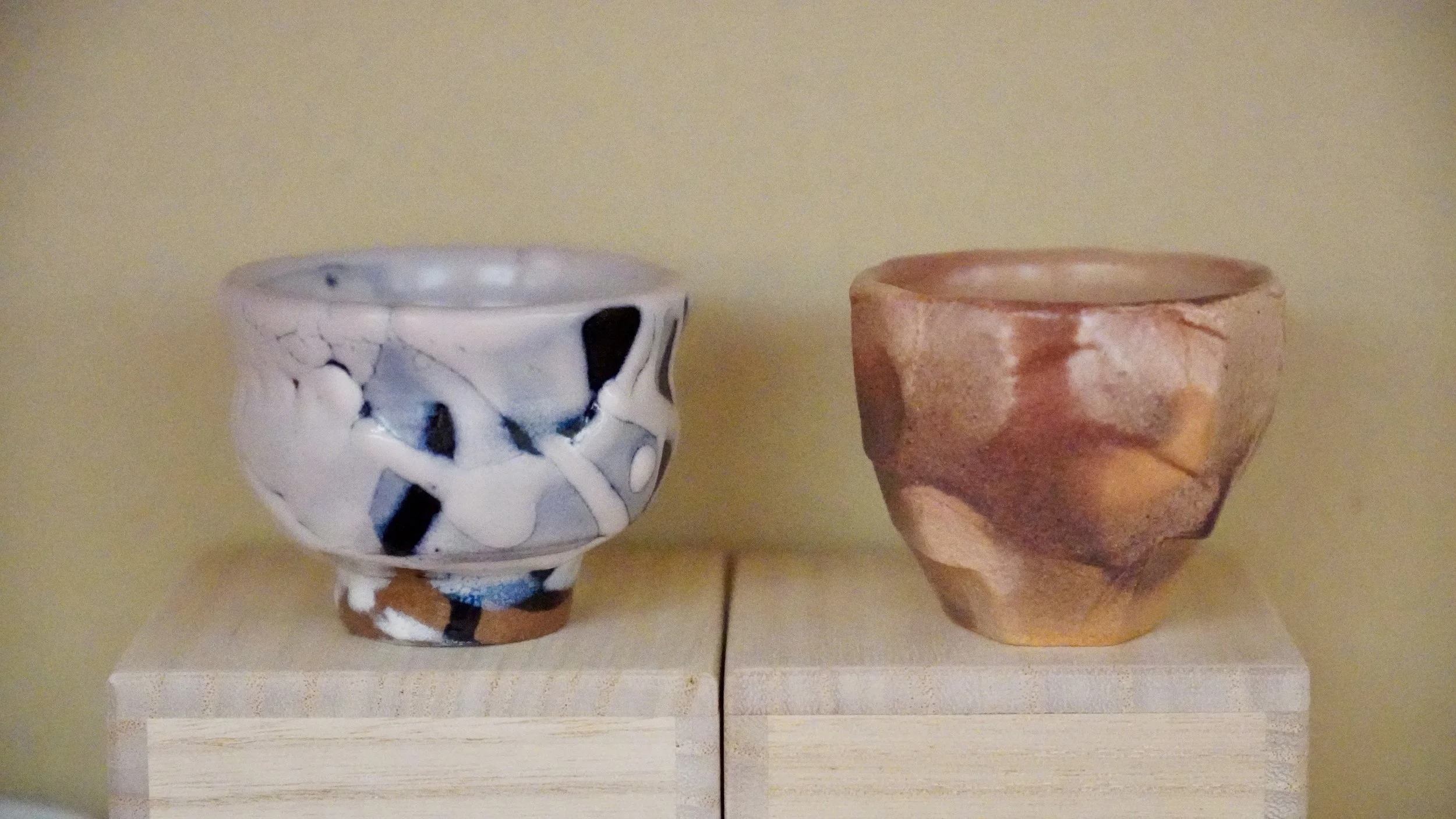
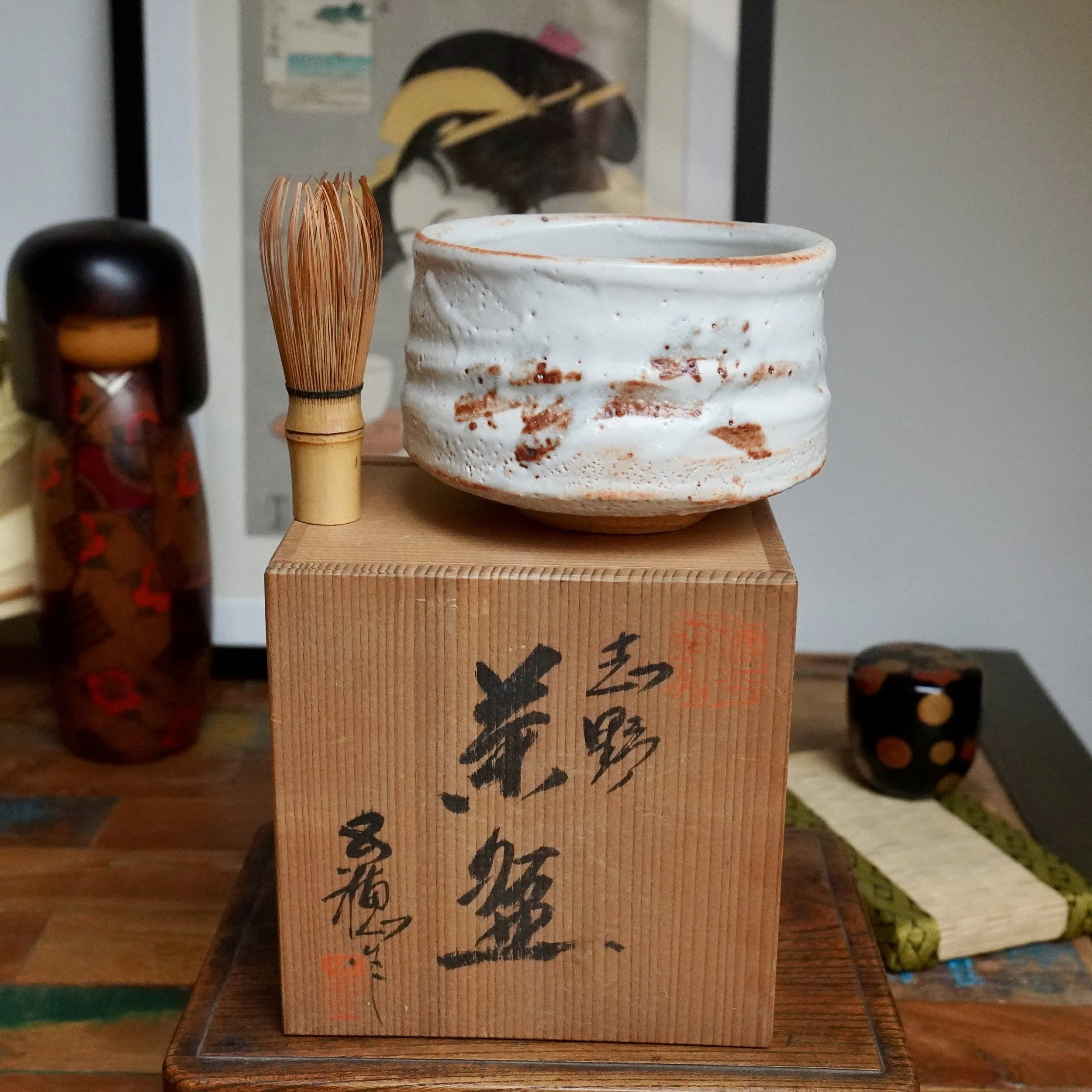
Okada Yū, ensai: a reddish, cloud-like slip applied before firing, developed from repeated research trips along the Silk Road. It produces a warm, flame-like bloom across a pale ground, ranging from a soft rust haze to a deeper, more mottled effect. This is his signature technique and the one most associated with the Okada name.
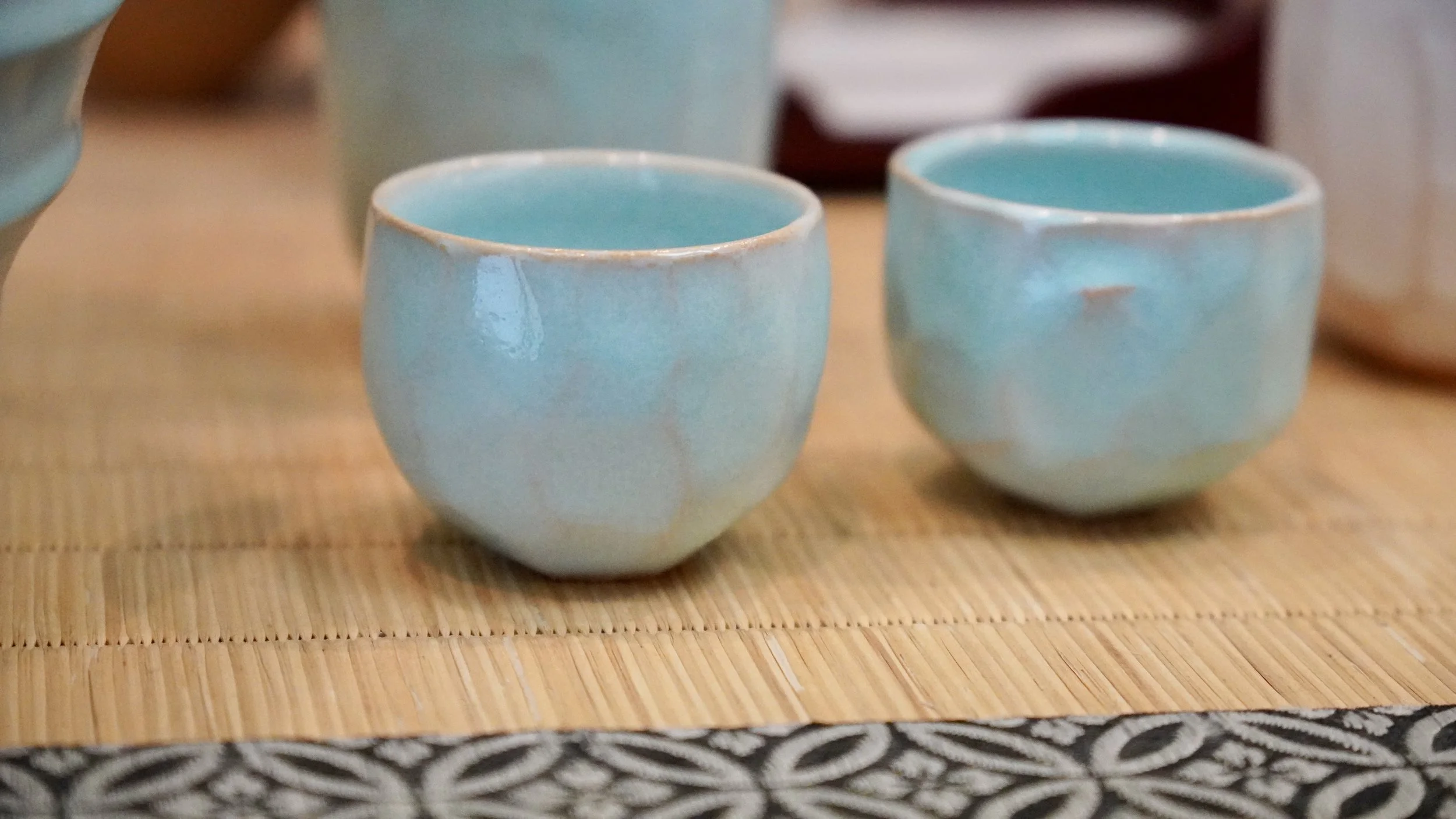
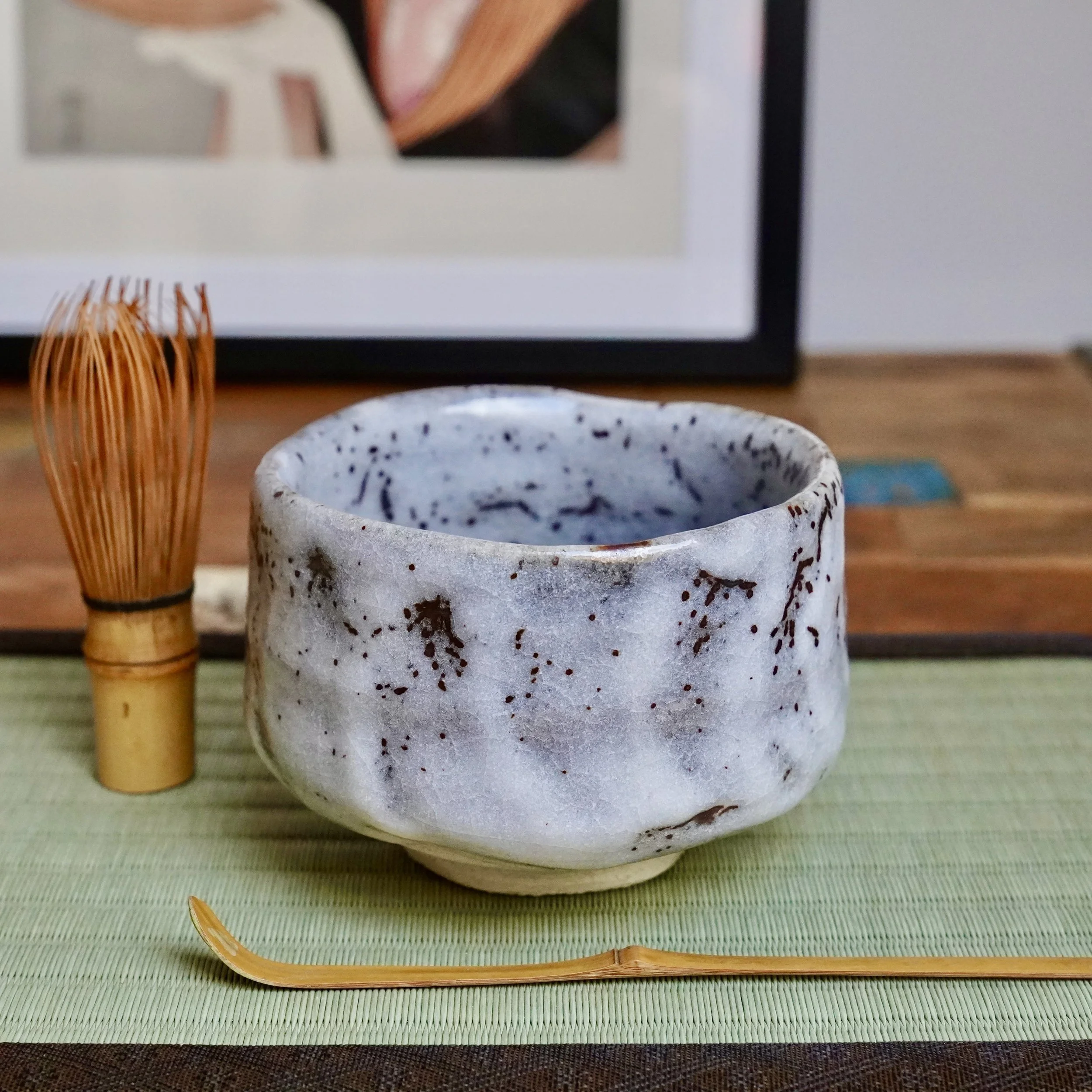
Yasushi, tanseiyu: a pale, clear blue glaze named after the Sea of Japan along the Hagi coastline. Cooler and quieter than ensai, it sits as a deliberate counterpoint within the same family workshop, the same clay handled in a completely different register.
The kiln
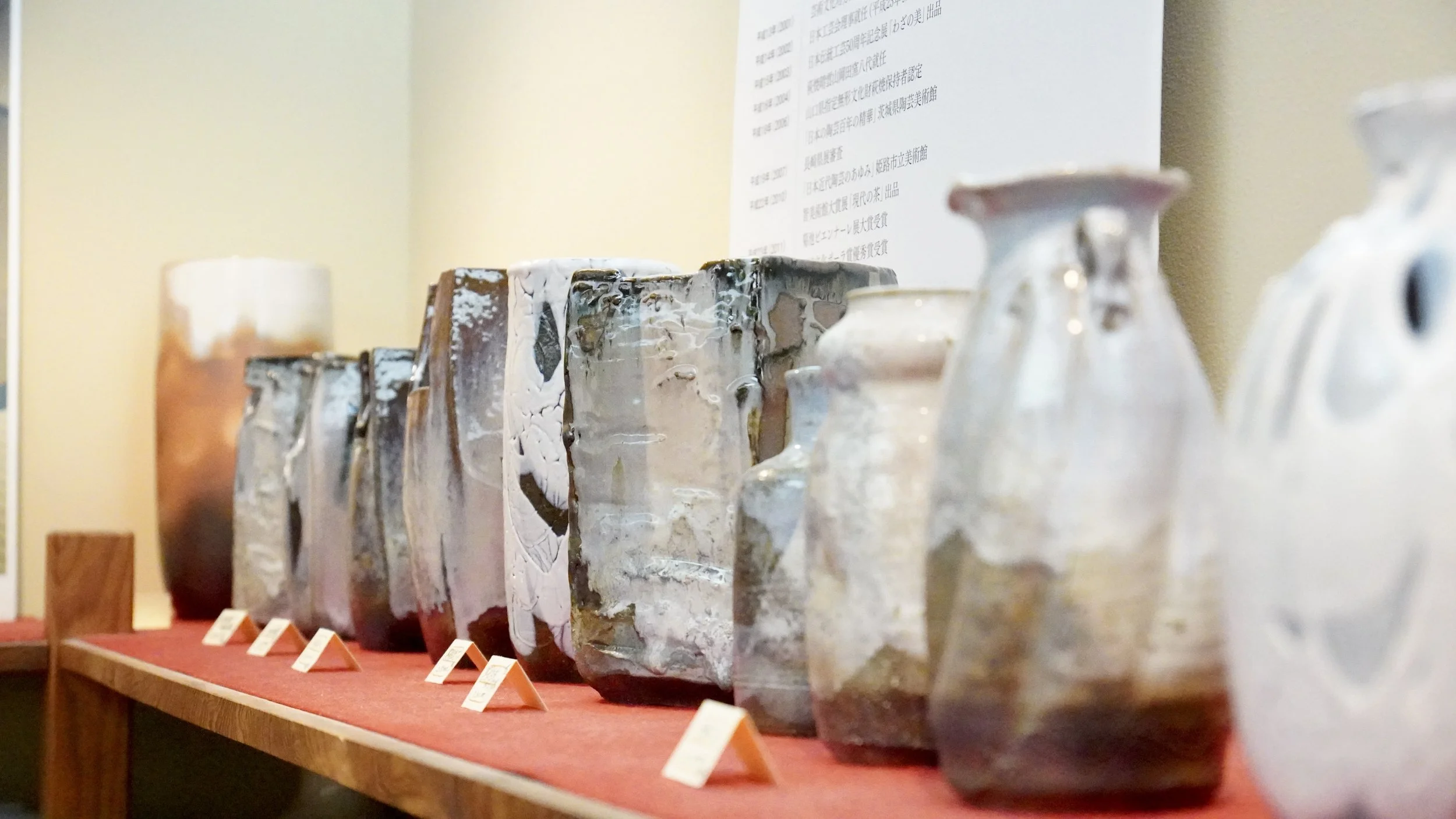
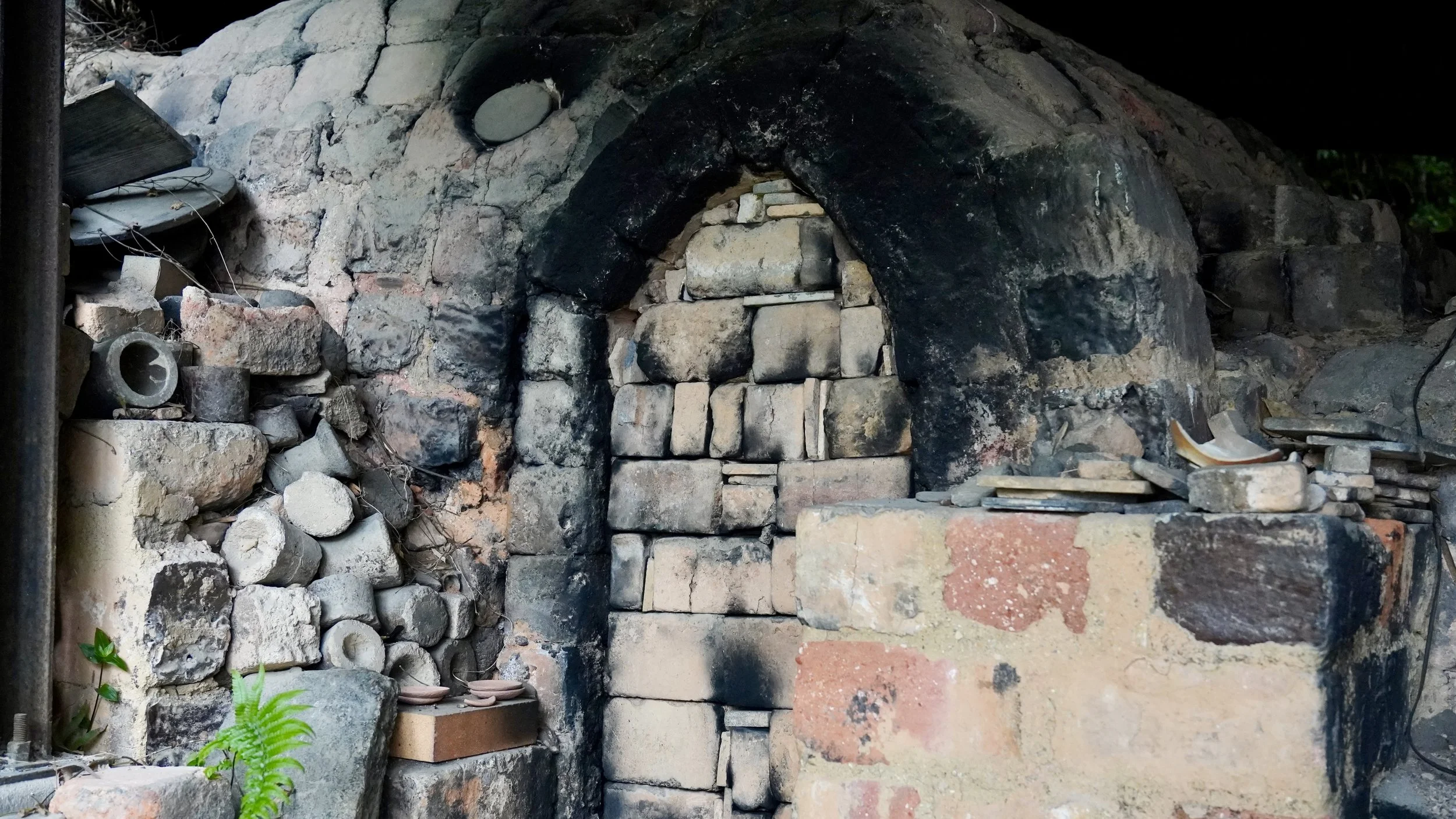
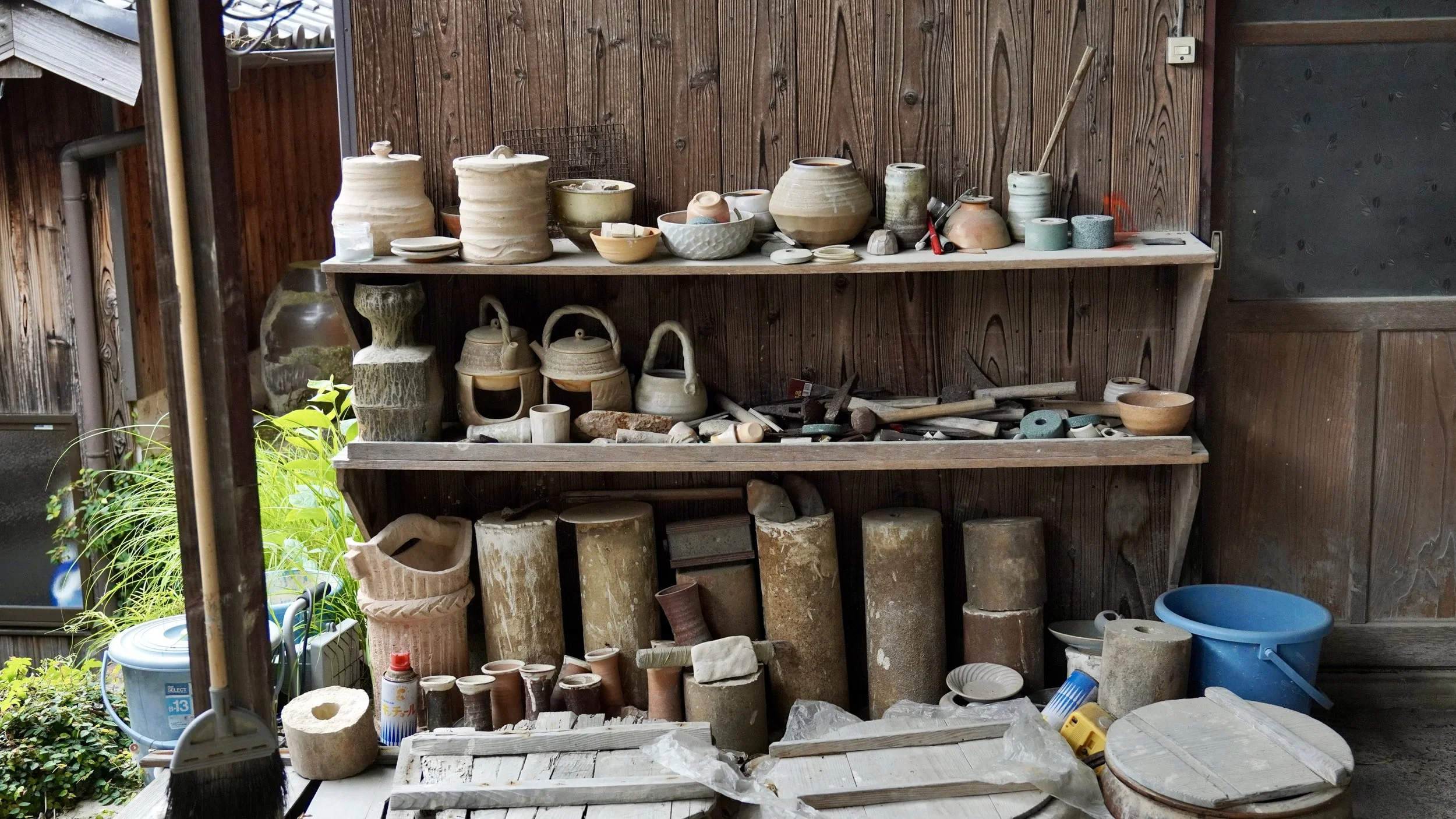
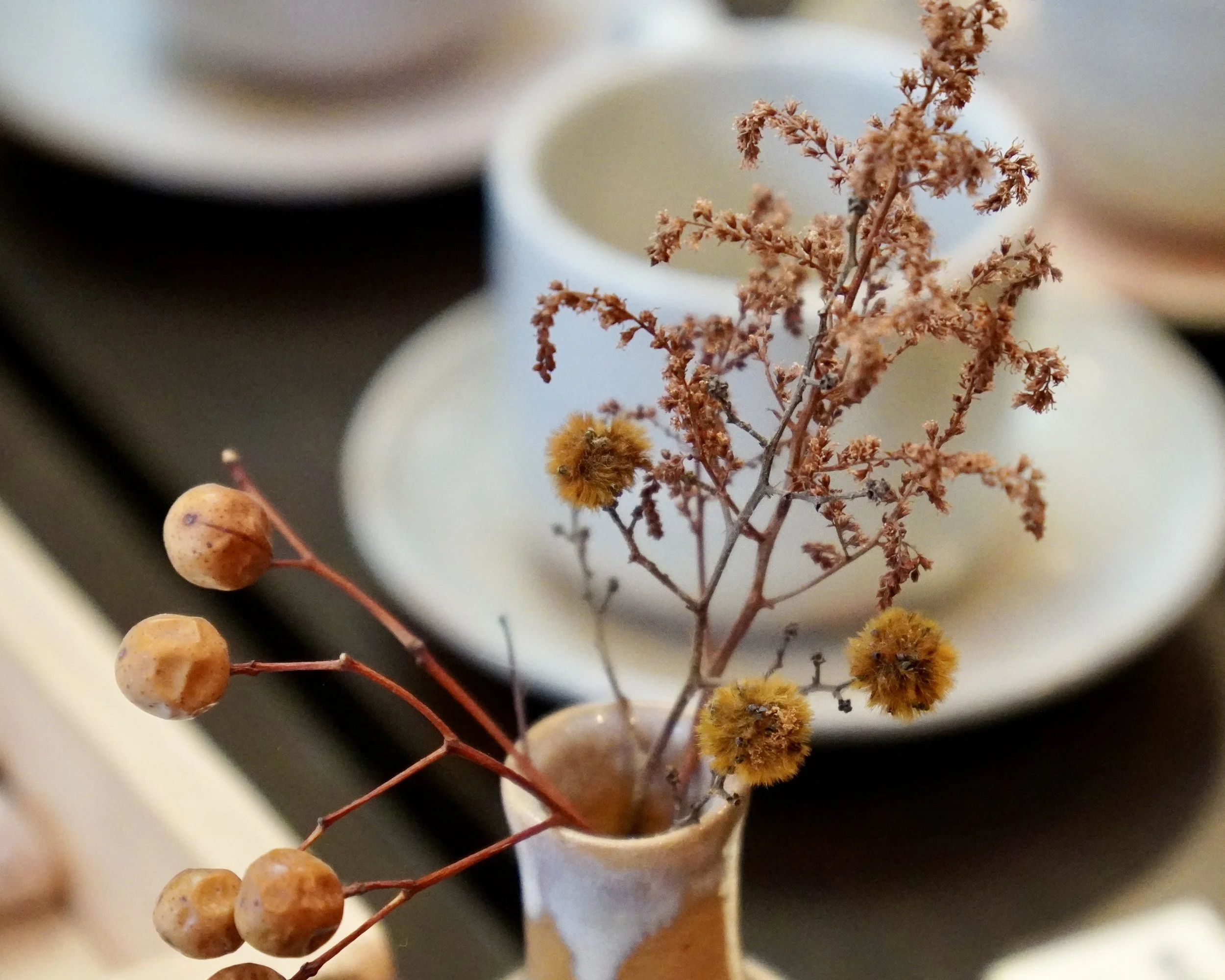
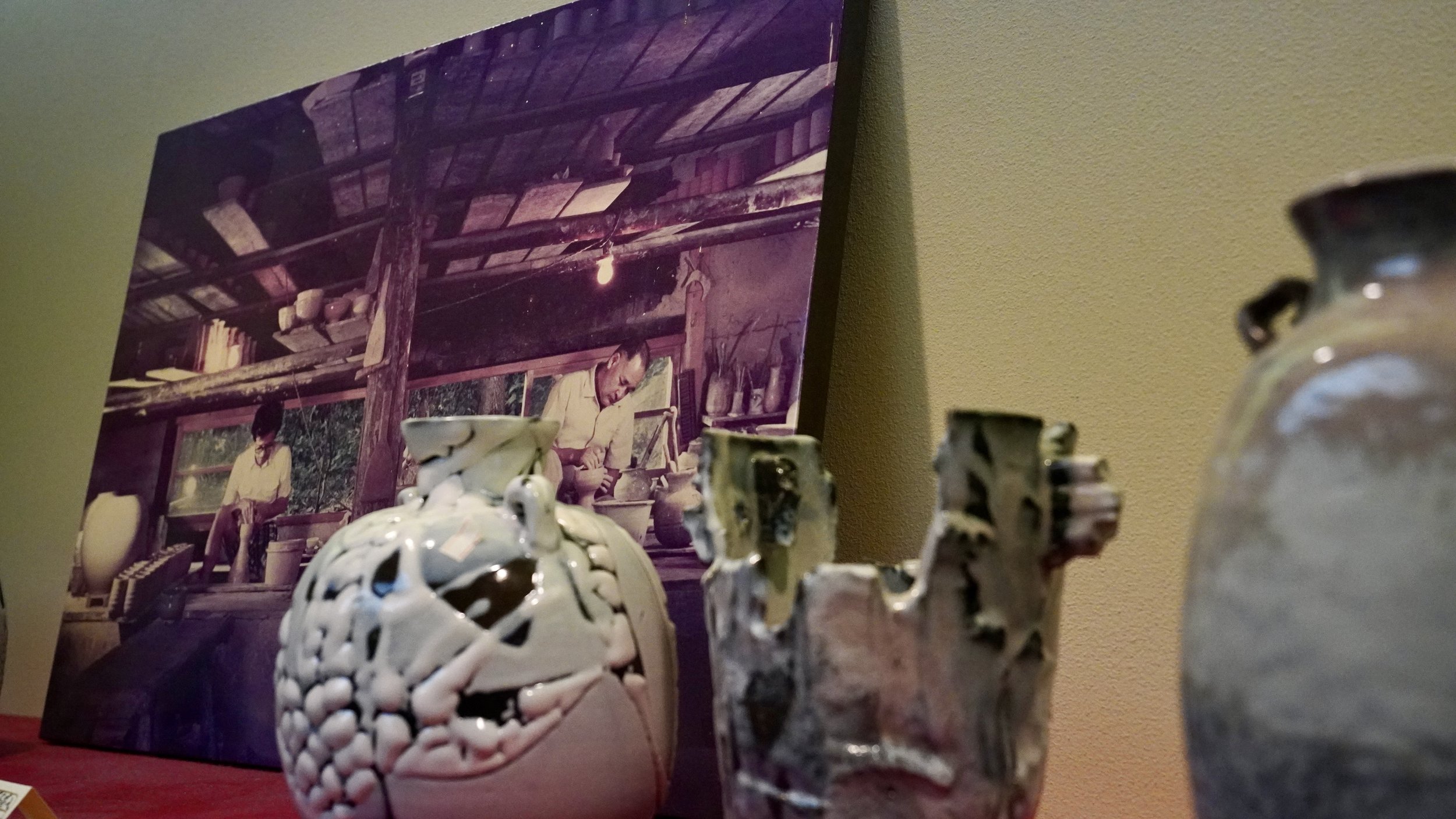
Seiun-zan has been firing in Hagi since the Edo period, and the workshop still carries that history in its bones. Anagama-style chambers built from brick and clay, stacked jars waiting their turn on the shelves, a noborigama climbing kiln that has fired generation after generation of the family's work. Nothing about it is staged for visitors. It is a working kiln, and it looks like one.
I spent a morning there watching two generations, father and son, move around each other in a space that has clearly held them both for years. → Read the full visit: Okada, a Hagi-yaki family kiln across three generations
How to recognise a genuine piece
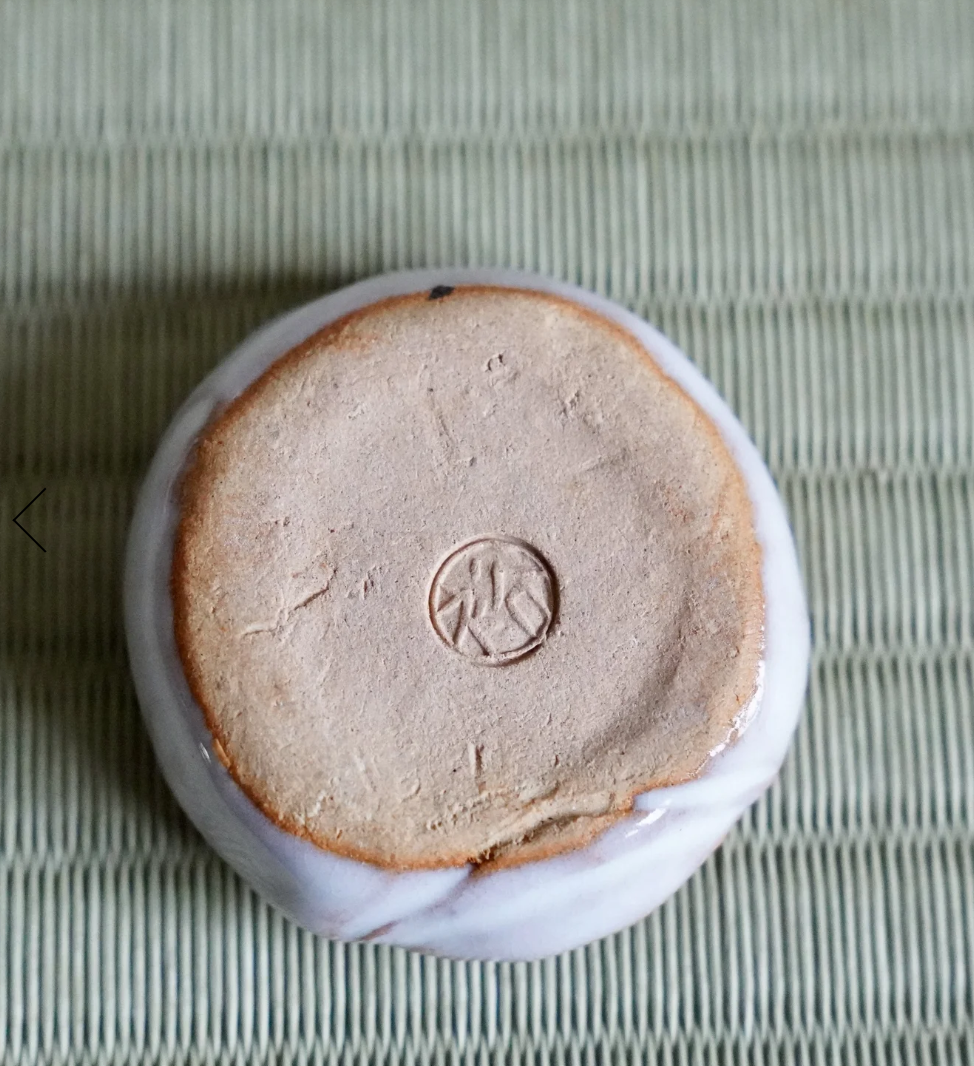
Pieces are impressed with a circular seal reading 裕 (Yū), stamped into the clay of the footring before firing.
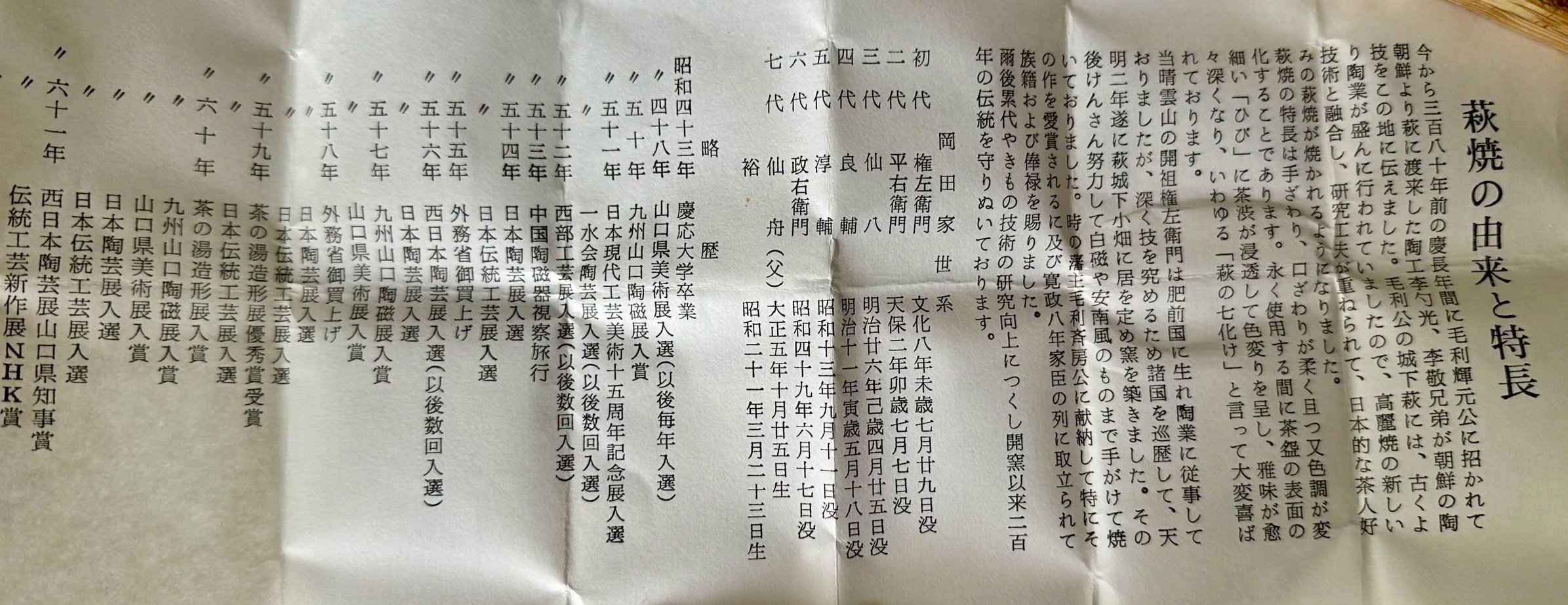
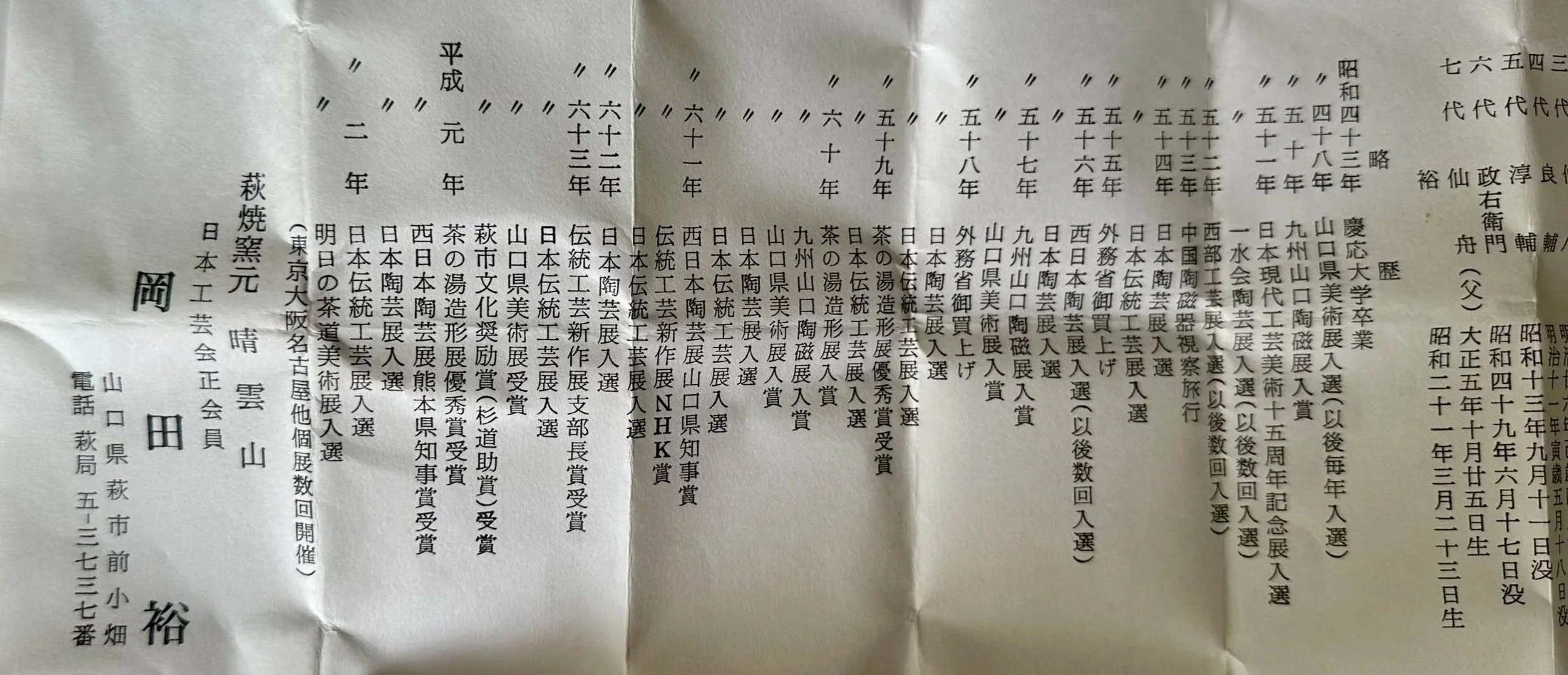
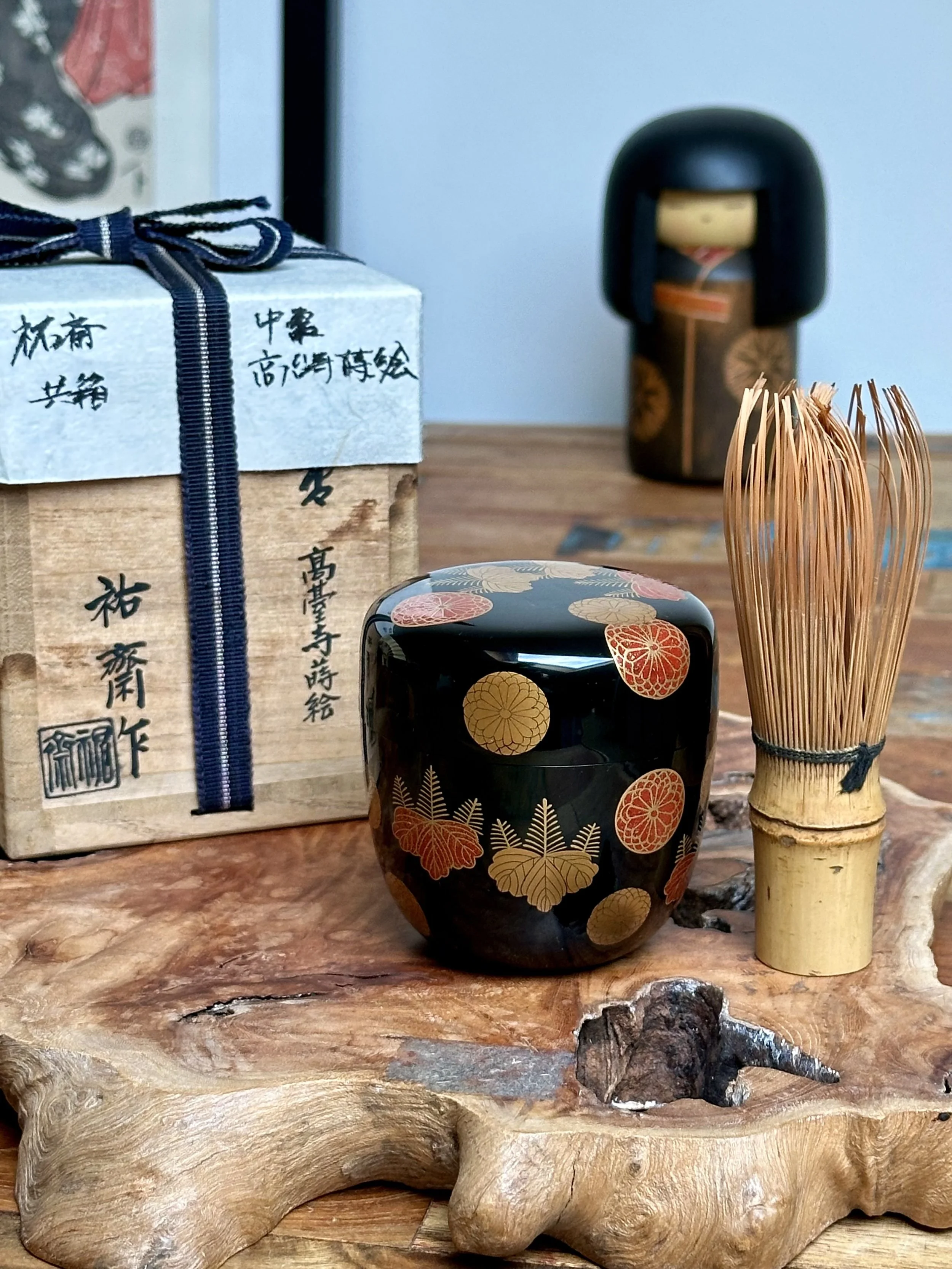
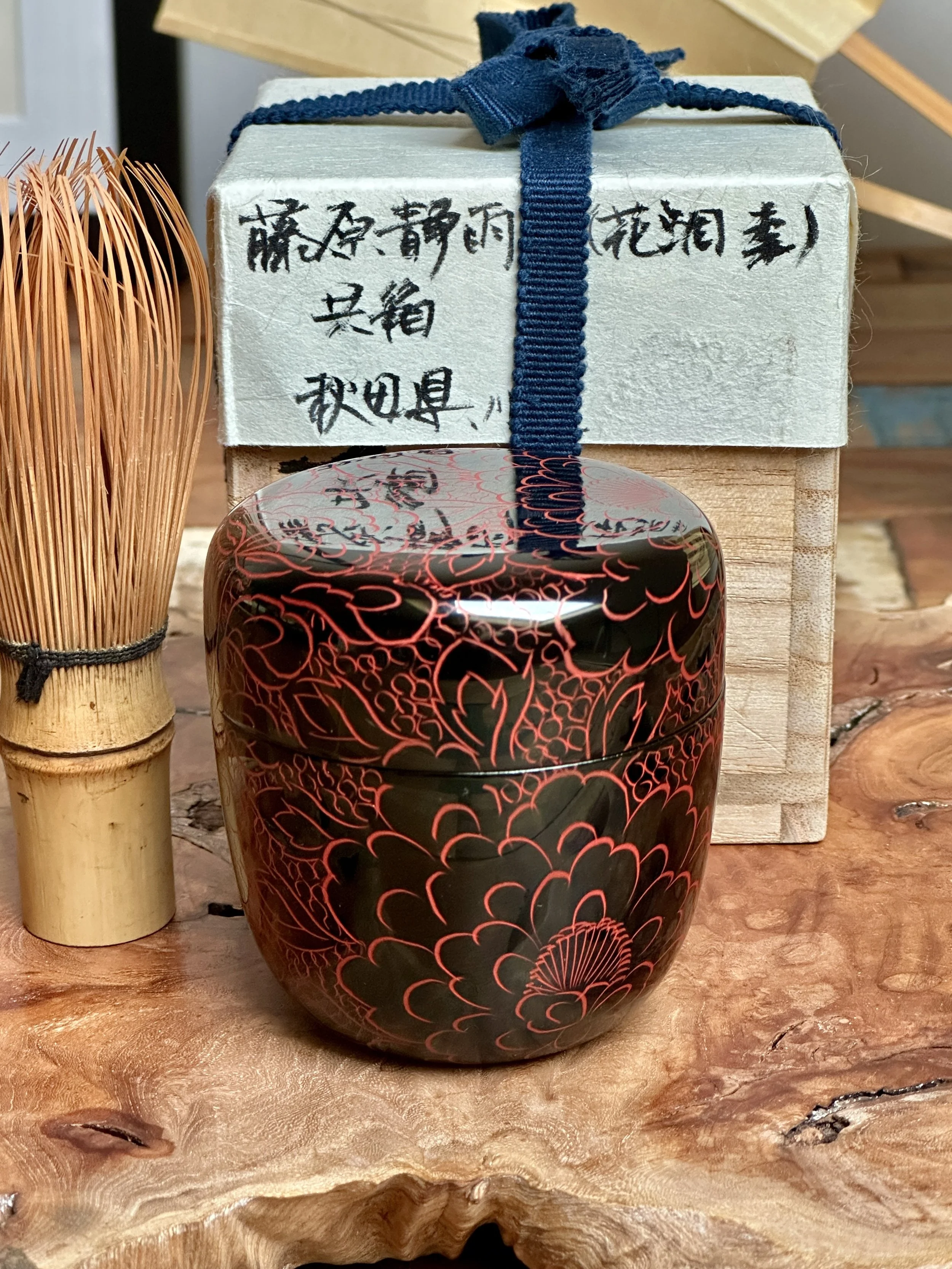
Signed works are often accompanied by their original tomobako, sometimes bearing a handwritten brush inscription of the same character above the seal on the lid, along with a shiori (descriptive booklet) issued by the kiln.
The shiori accompanying a piece will generally list Japan Craft Association membership, the Seiun-zan kiln name, and the Hagi workshop address (Maekobata, Hagi, Yamaguchi).
Signatures and shiori of Okada-gama in our archive
Meet the Okada-gama items in collection
Sources
Physical examination of the seal, construction, and any award stickers on the pieces themselves
Information shared by dealers and specialists in Japan at the time of purchase
Okada Yū (岡田裕) biography and career overview: ja.wikipedia.org
Okada Yū artist record and kiln affiliation: hagiyakiya.com
Ceramic seal reference for Okada Yutaka, confirming the 裕 seal used on our own piece: touin-db.mond.jp
Yasushi Okada biography and background on his tanseiyu glaze work: narrative-platform.com
Read more
→Ash-glazed stoneware like this asks for the same gentle handling as any glazed ceramic, rinsed by hand, dried fully, kept away from sudden temperature changes. Read the full guide here
→ Fourteen days, one fire: what it actually takes to fire a Bizen kiln. A visit to Shibaoka Tōsendō during an active firing, standing at the kiln mouth while the family read the fire by eye and ear alone. Read the full visit in my journal.
→ The styles of Bizen-yaki: hidasuki, goma, sangiri explained. Read the guide.
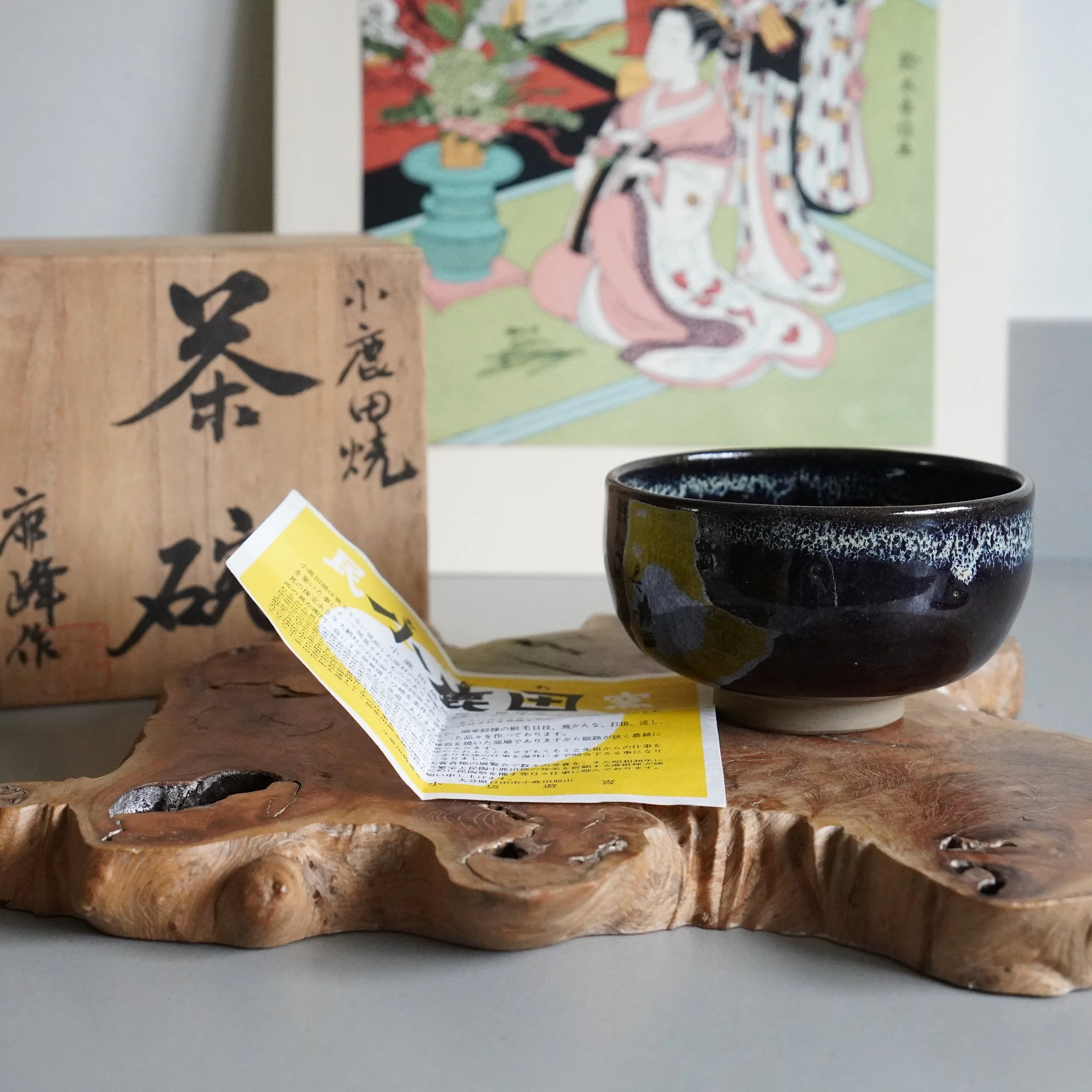
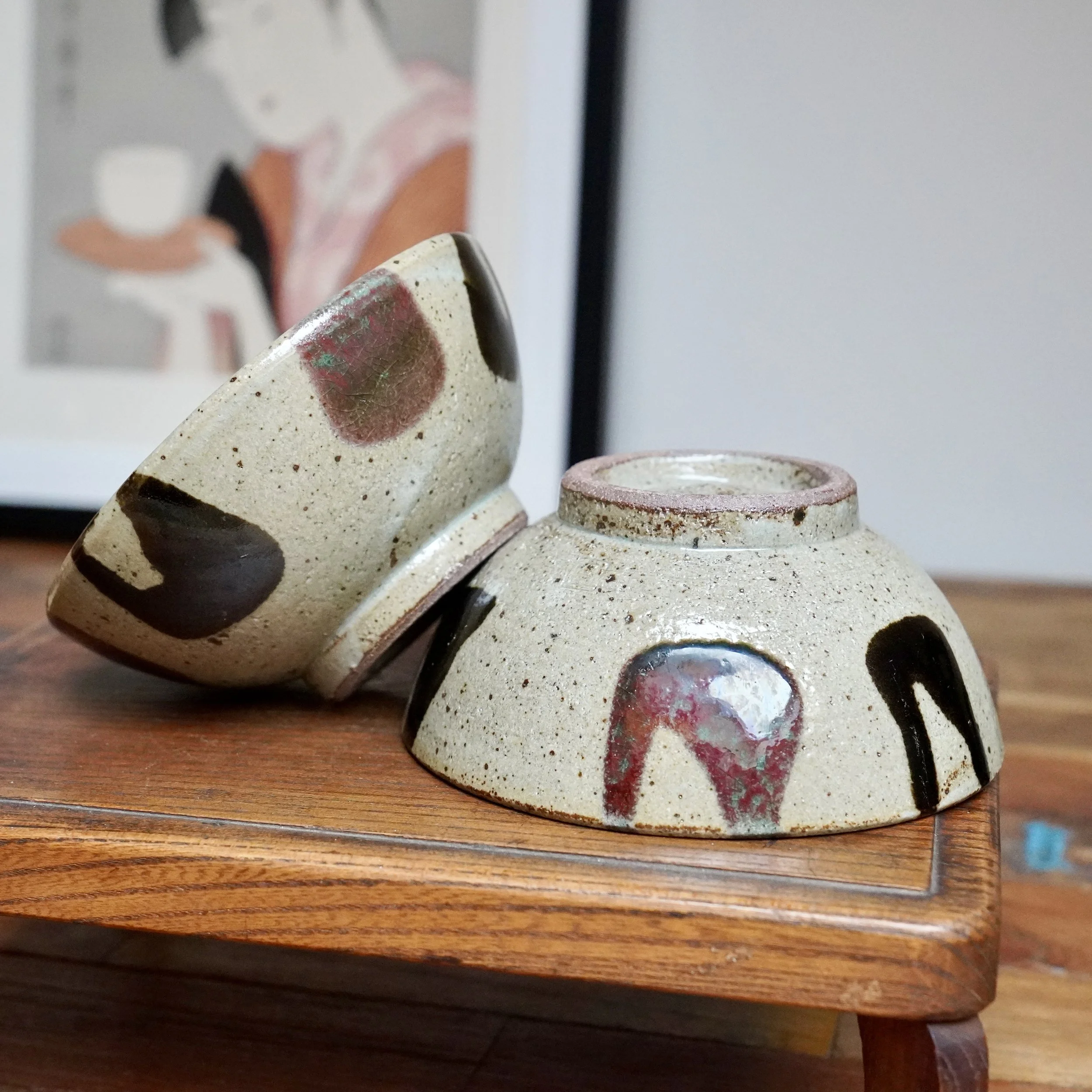
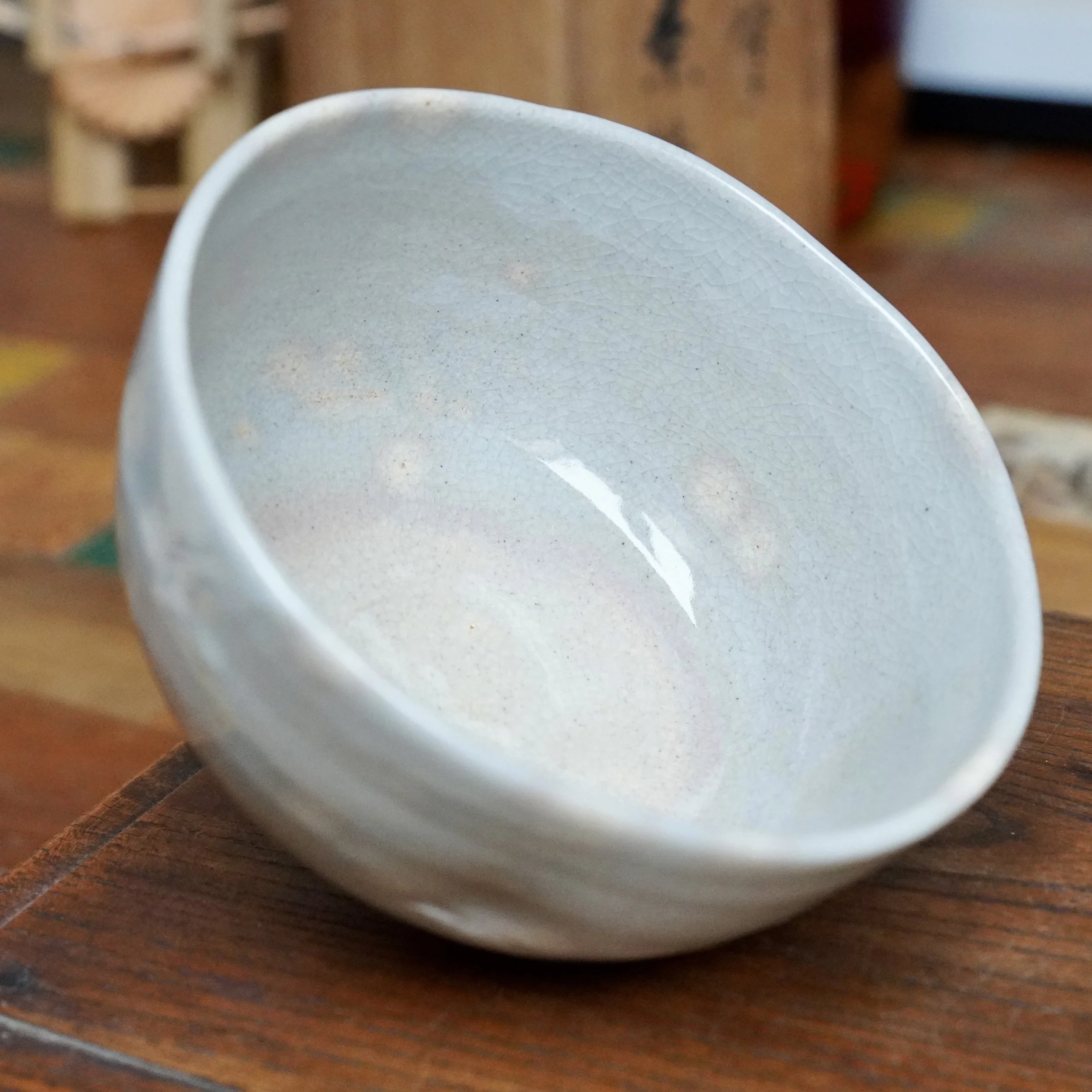
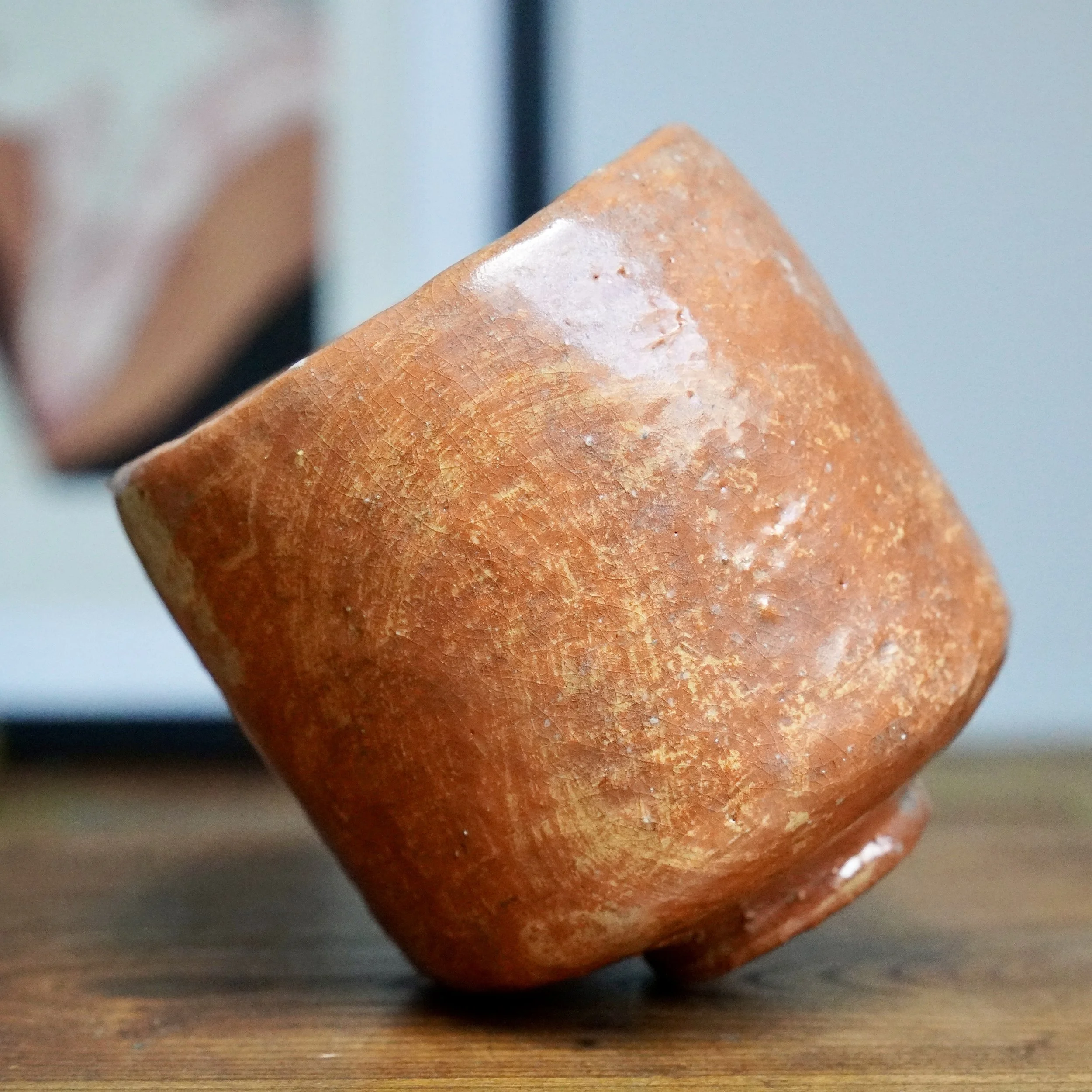
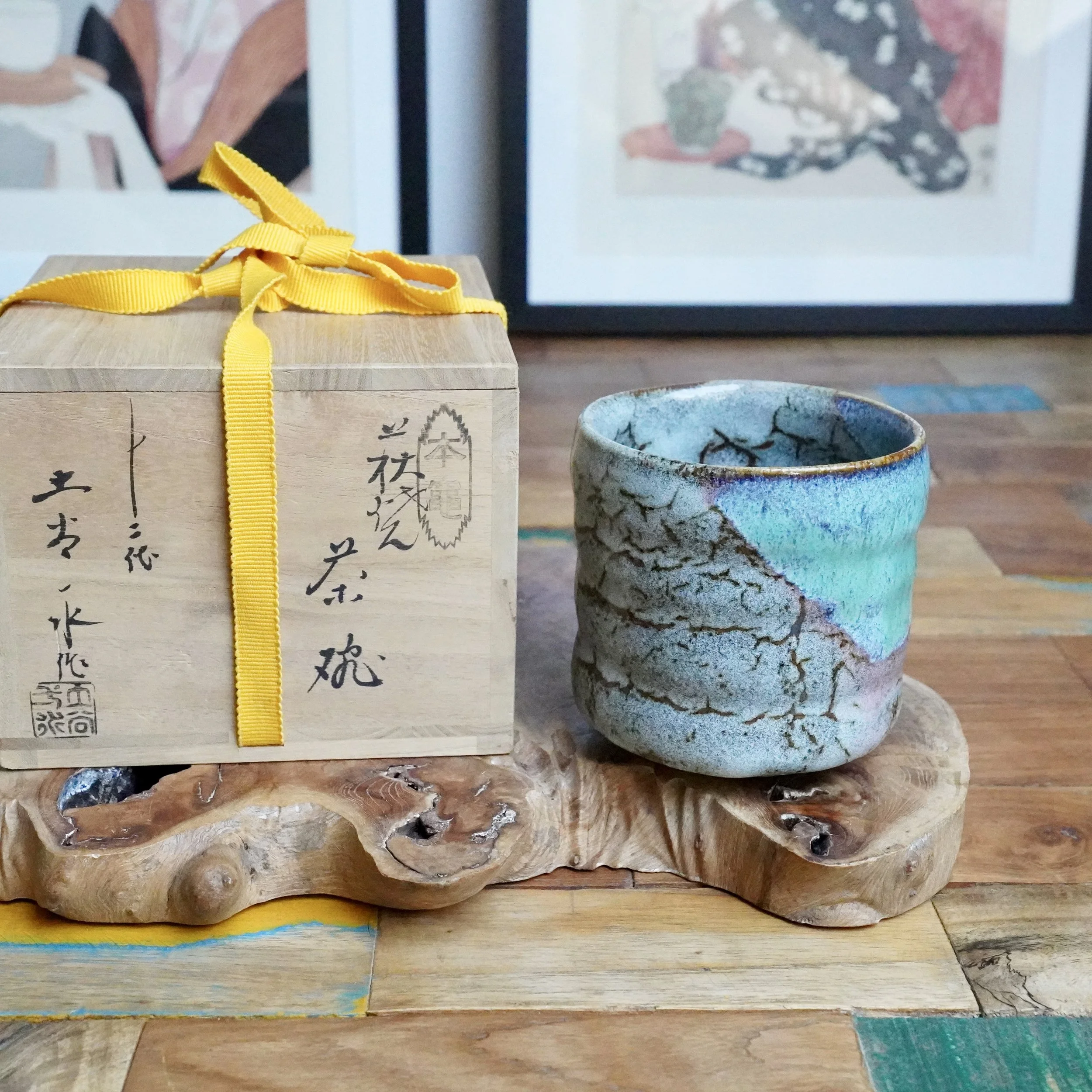
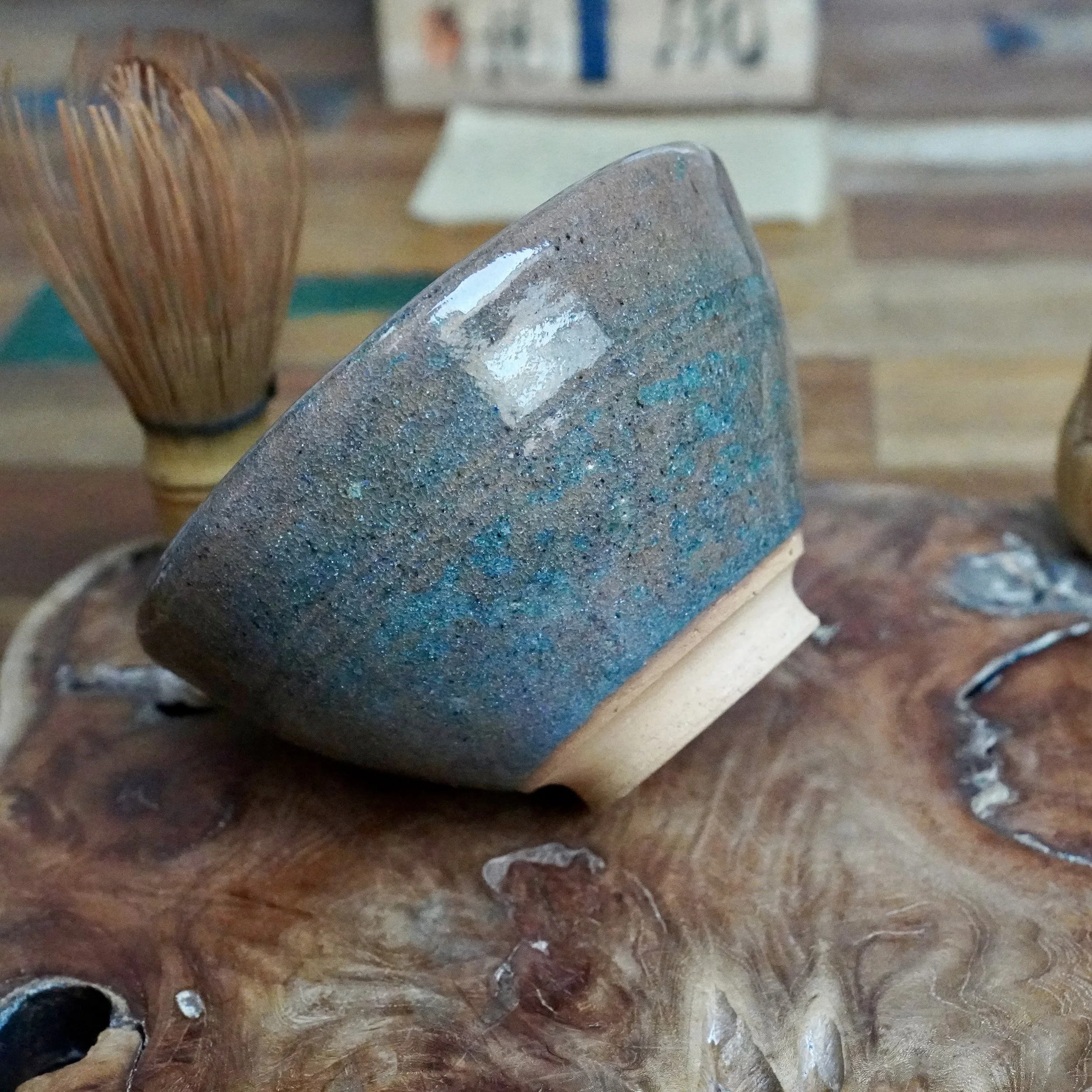
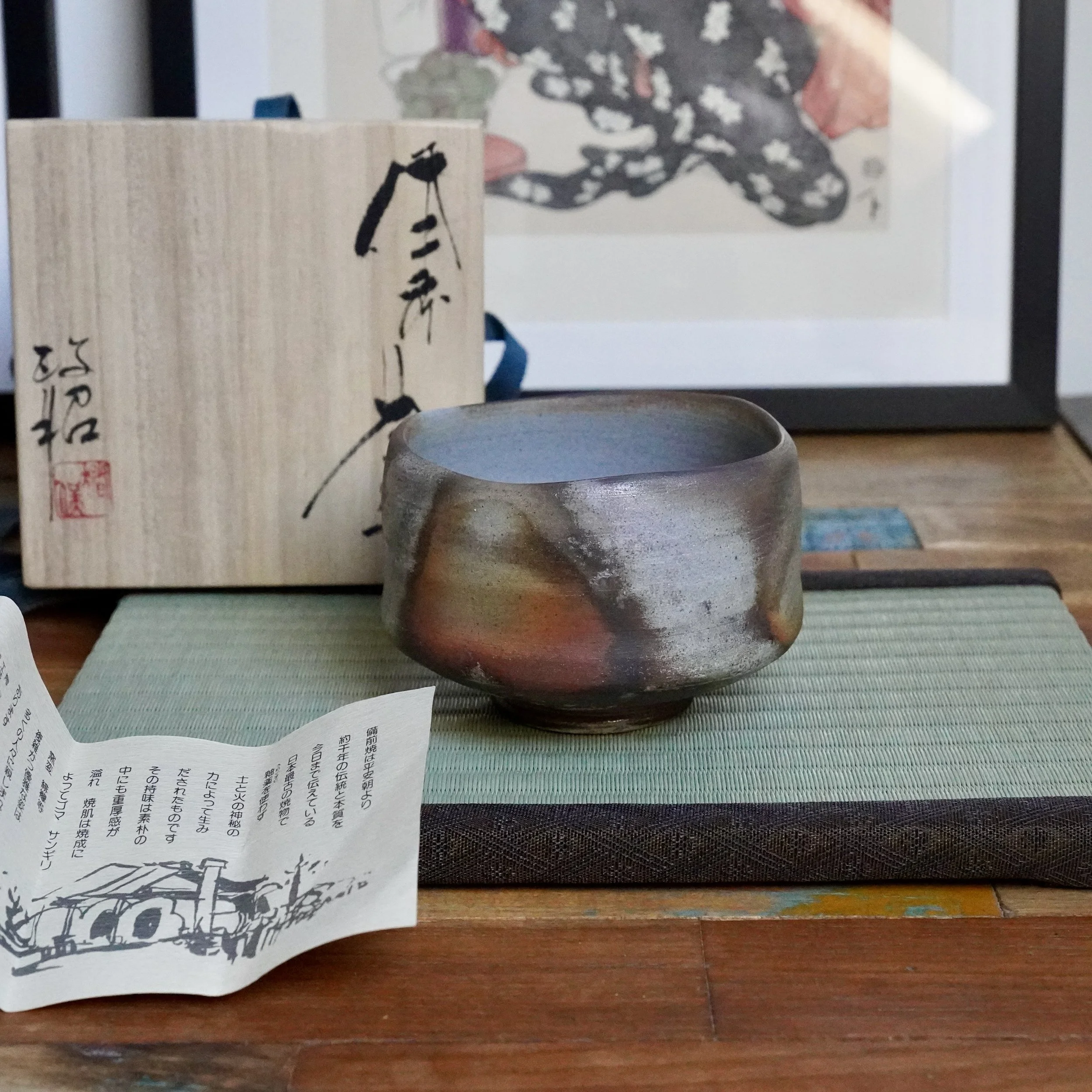
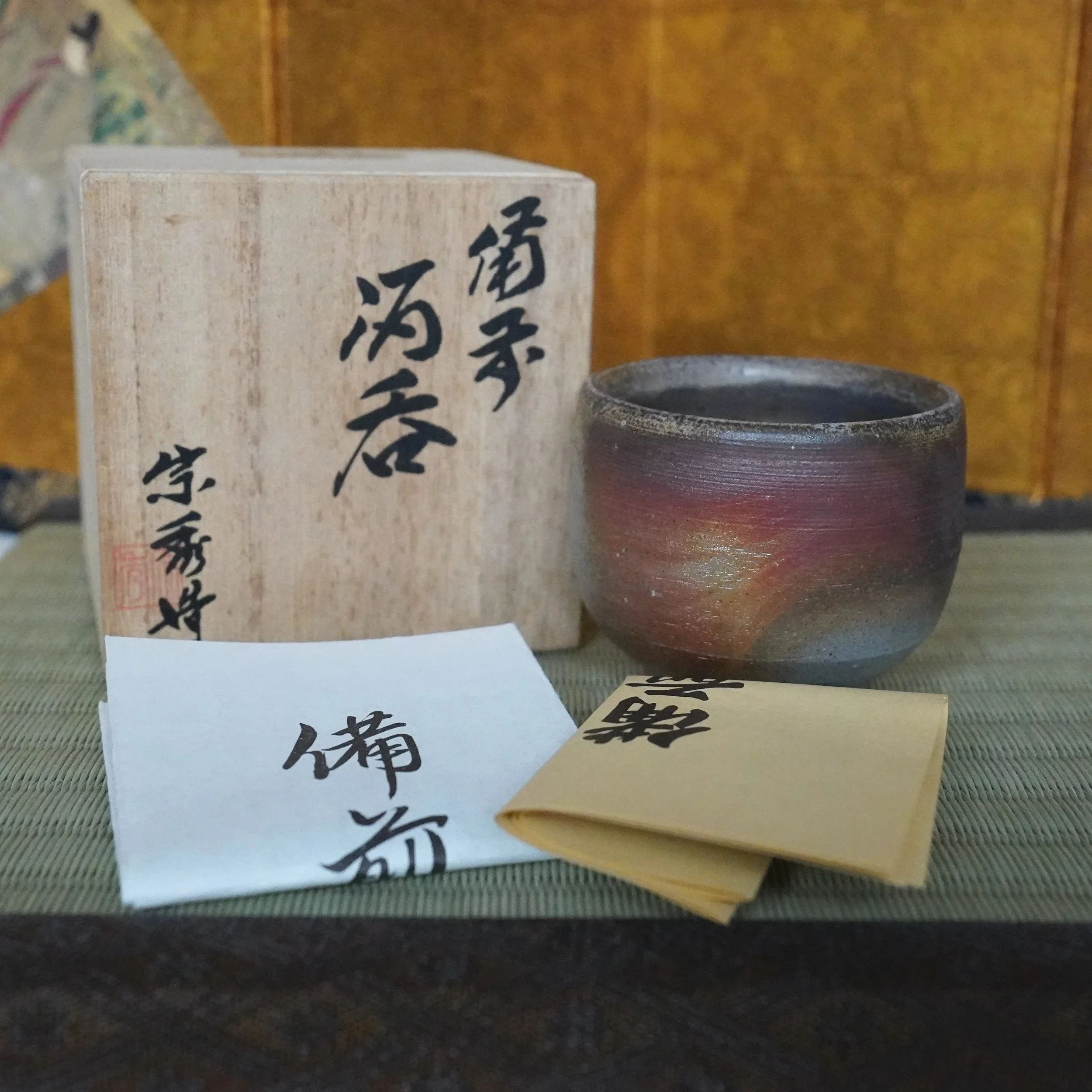
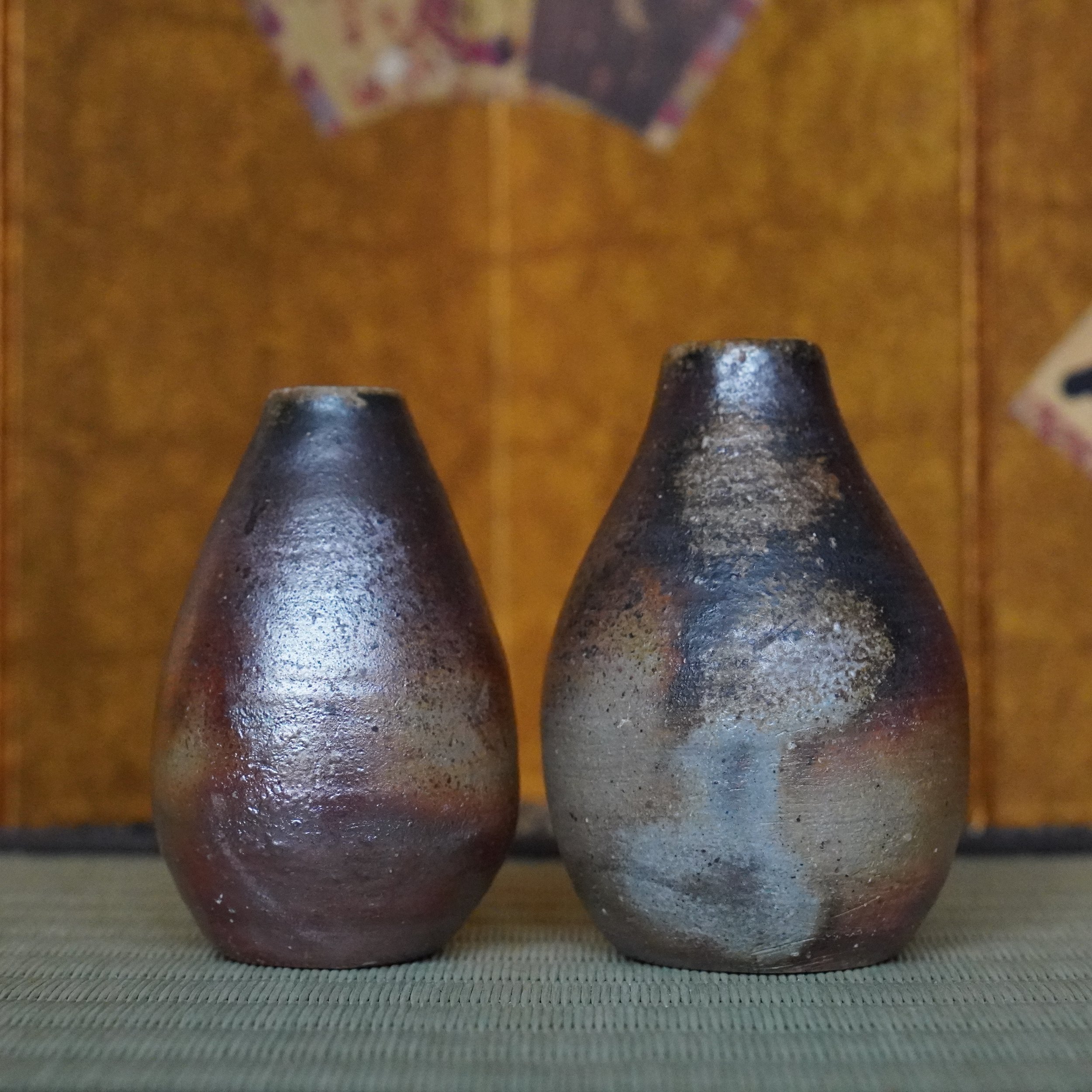
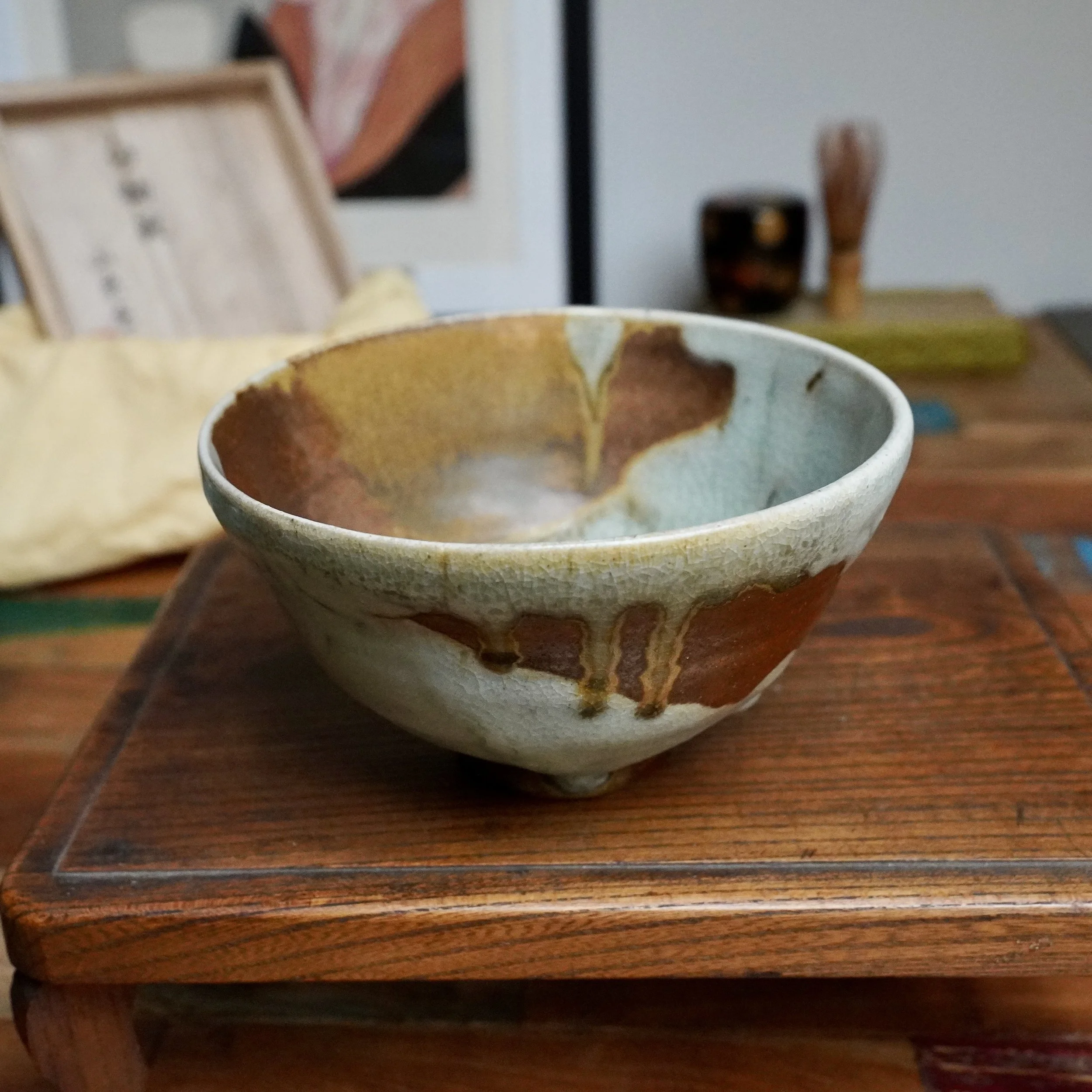
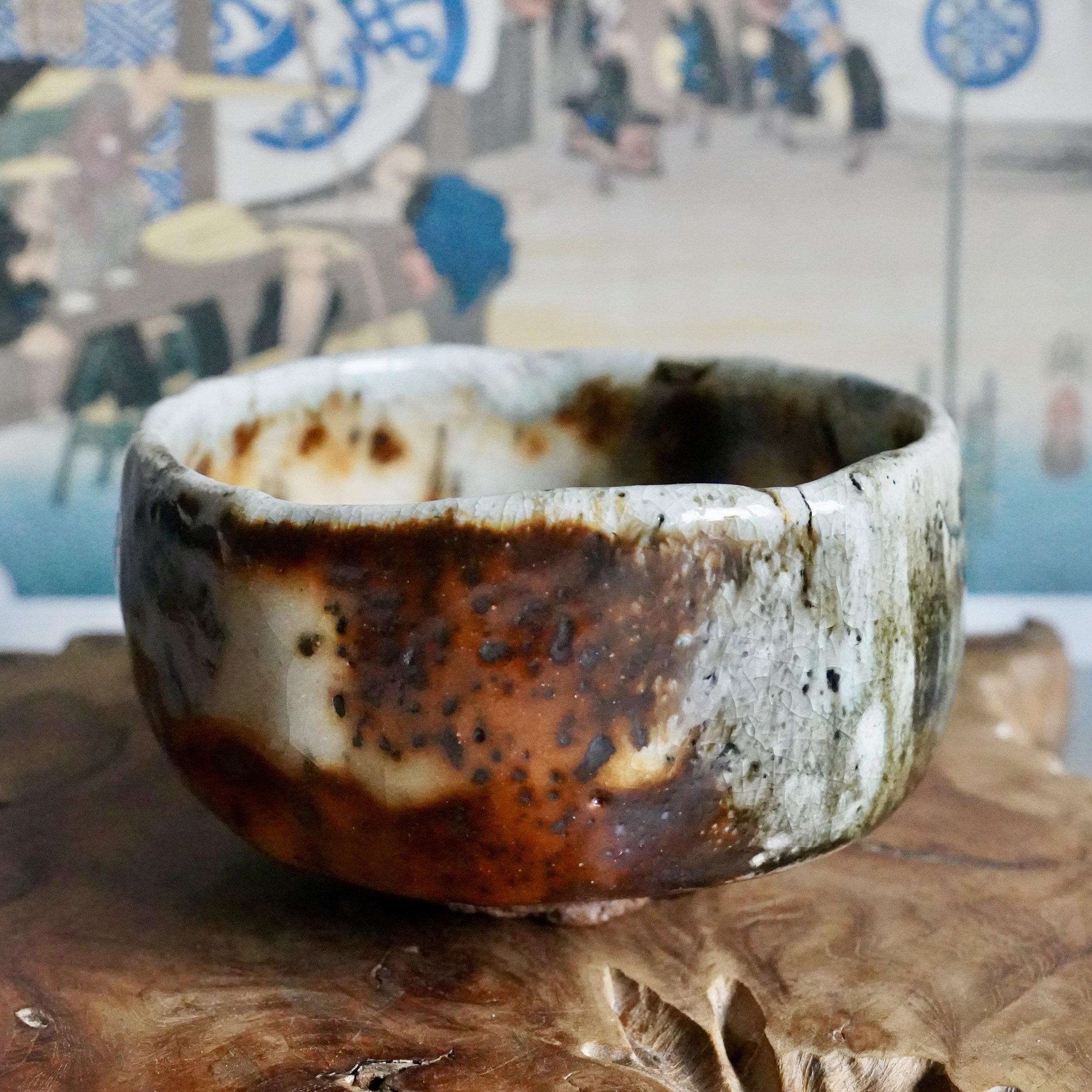
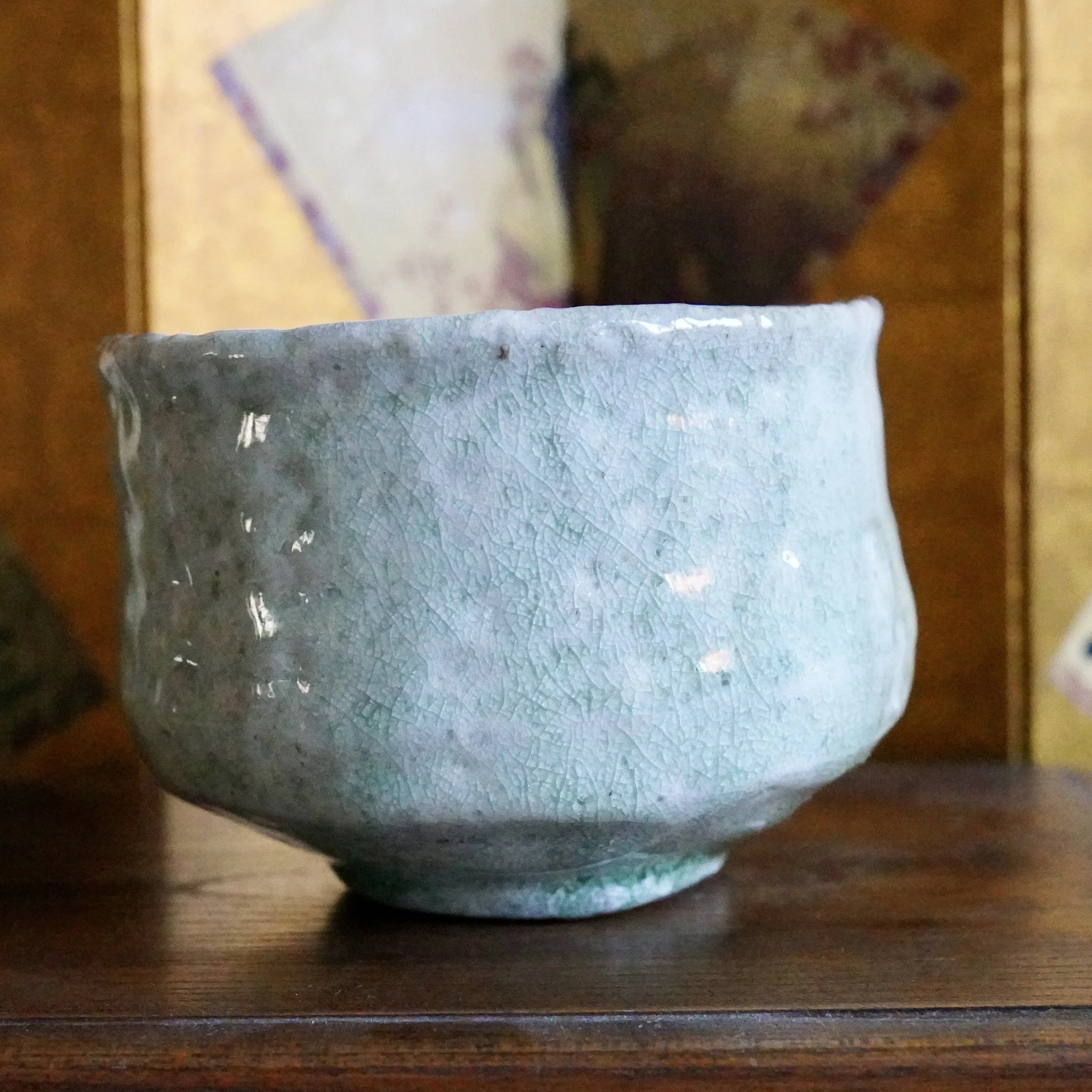
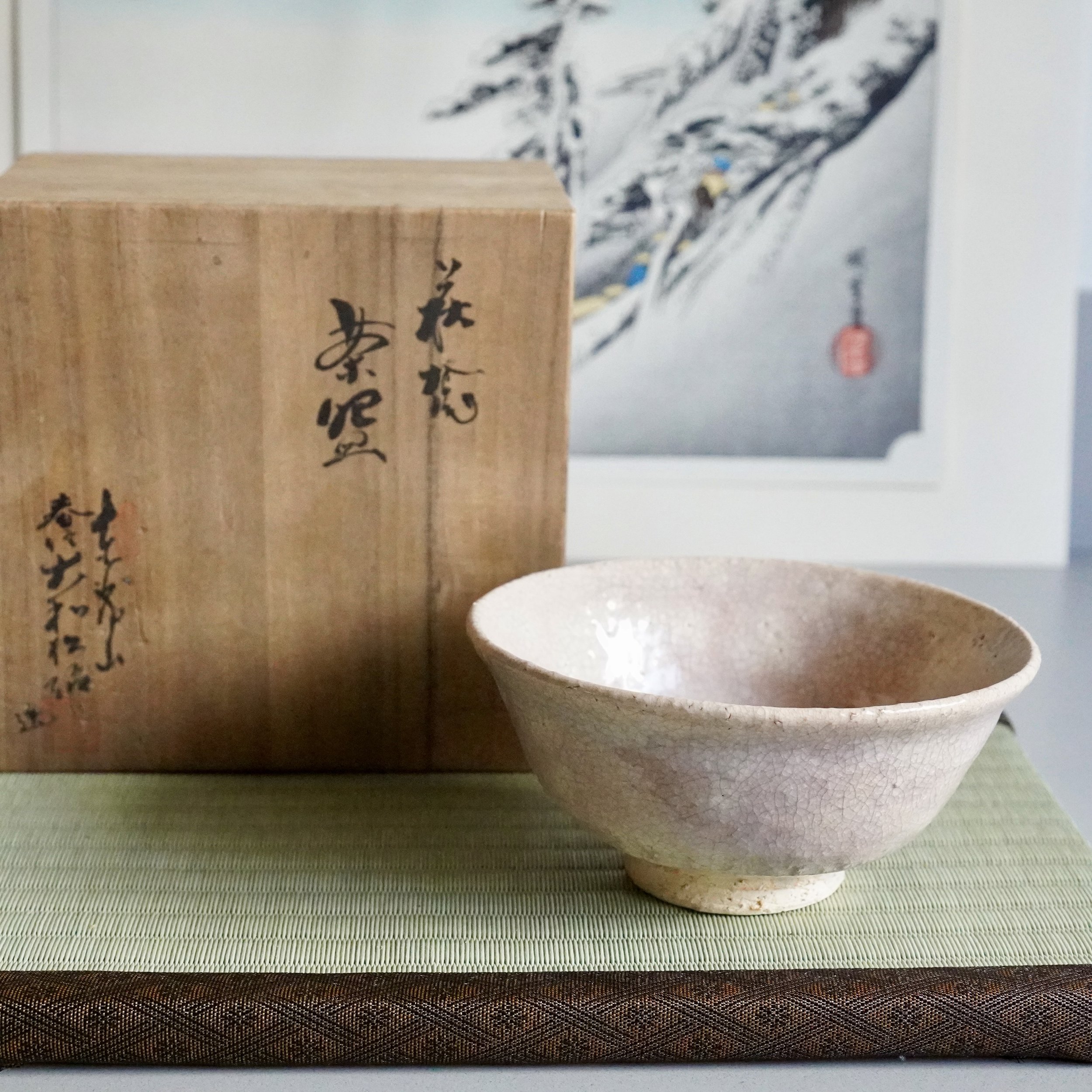
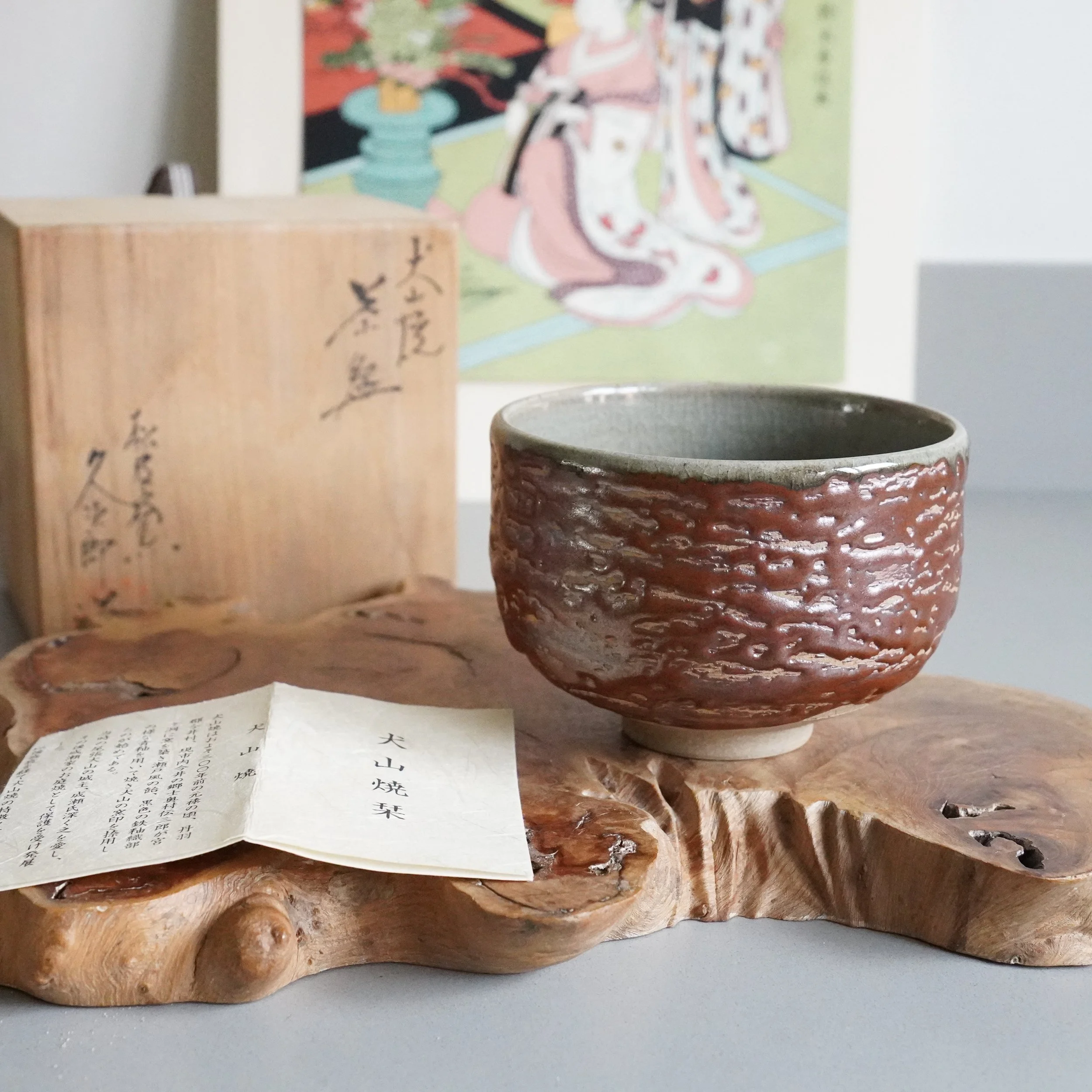
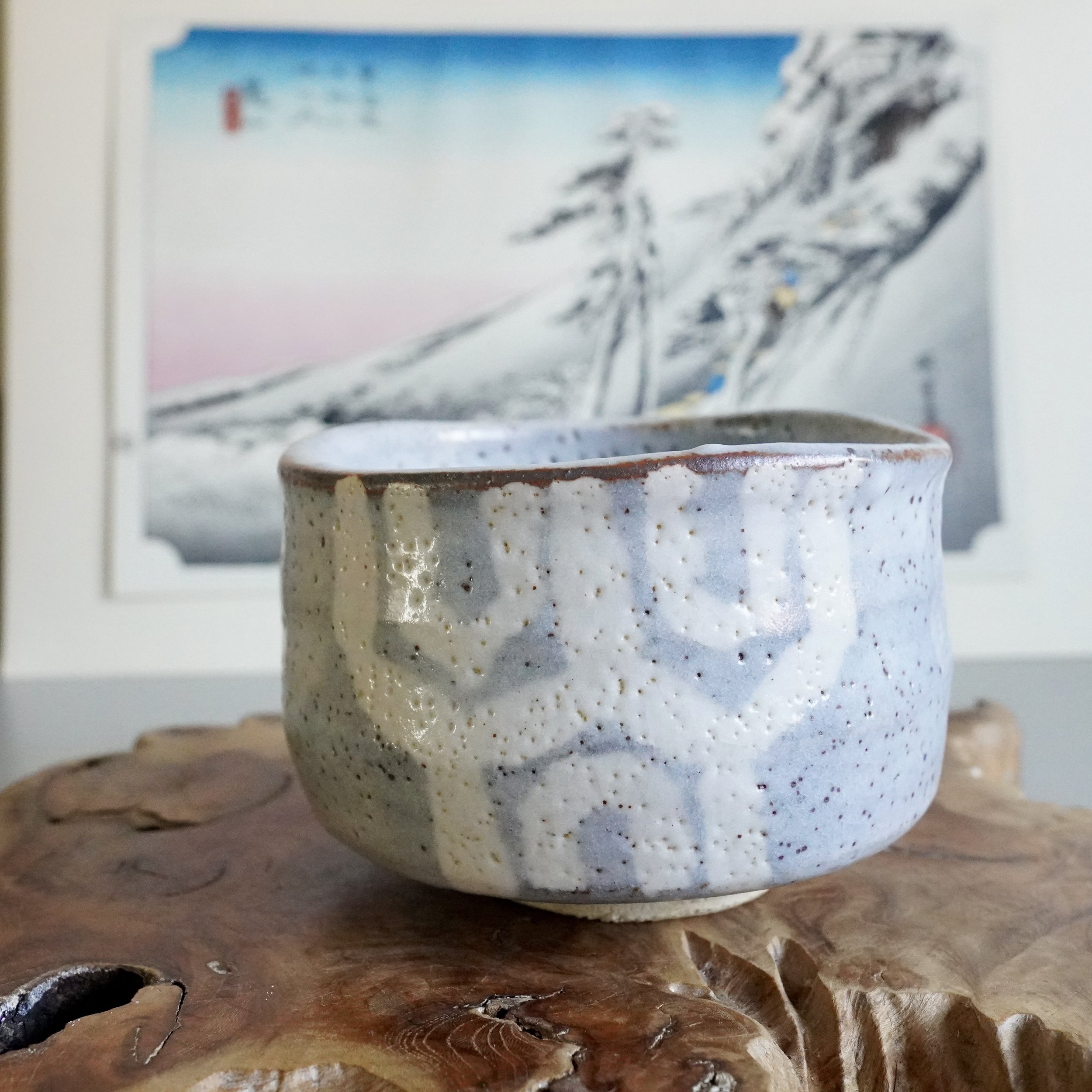
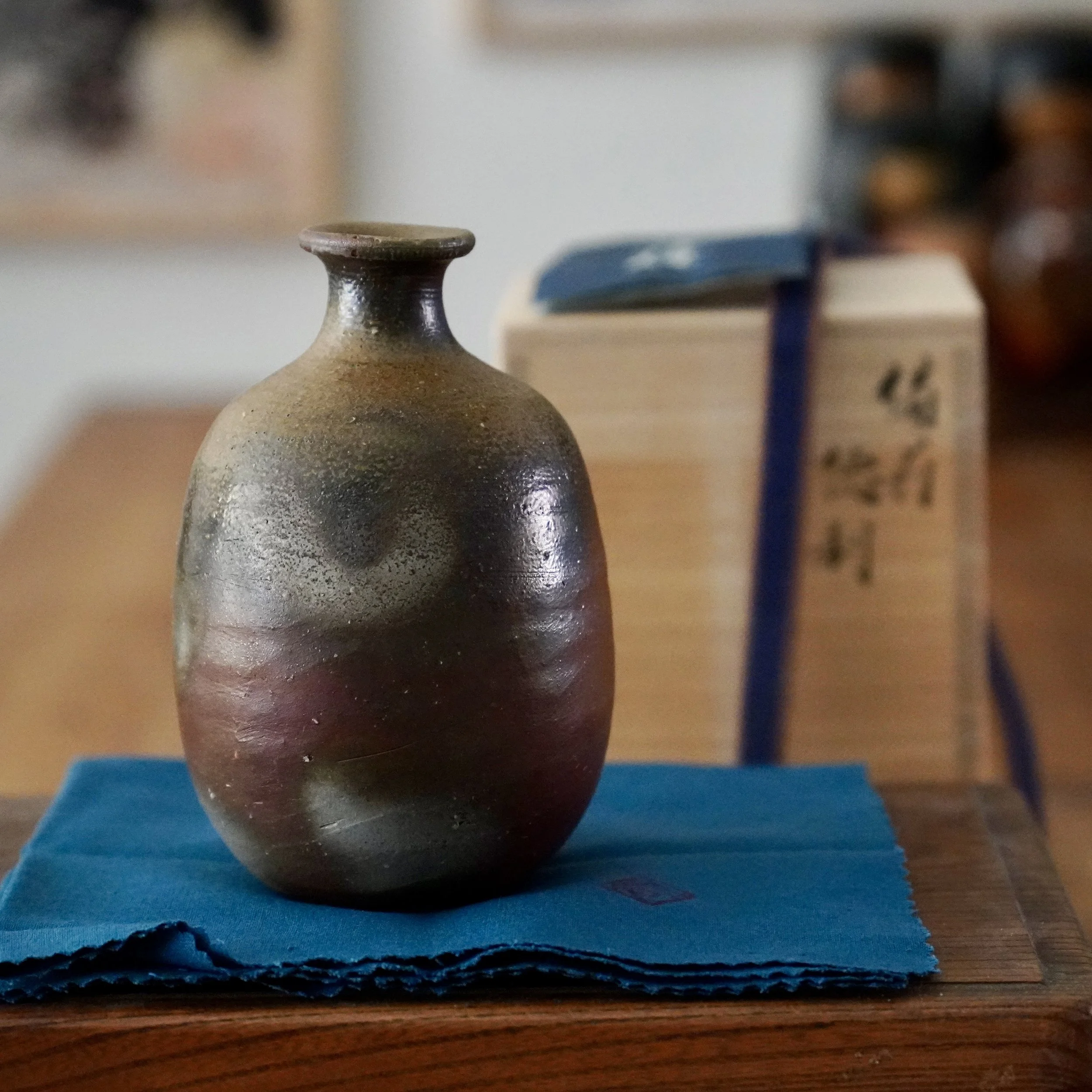
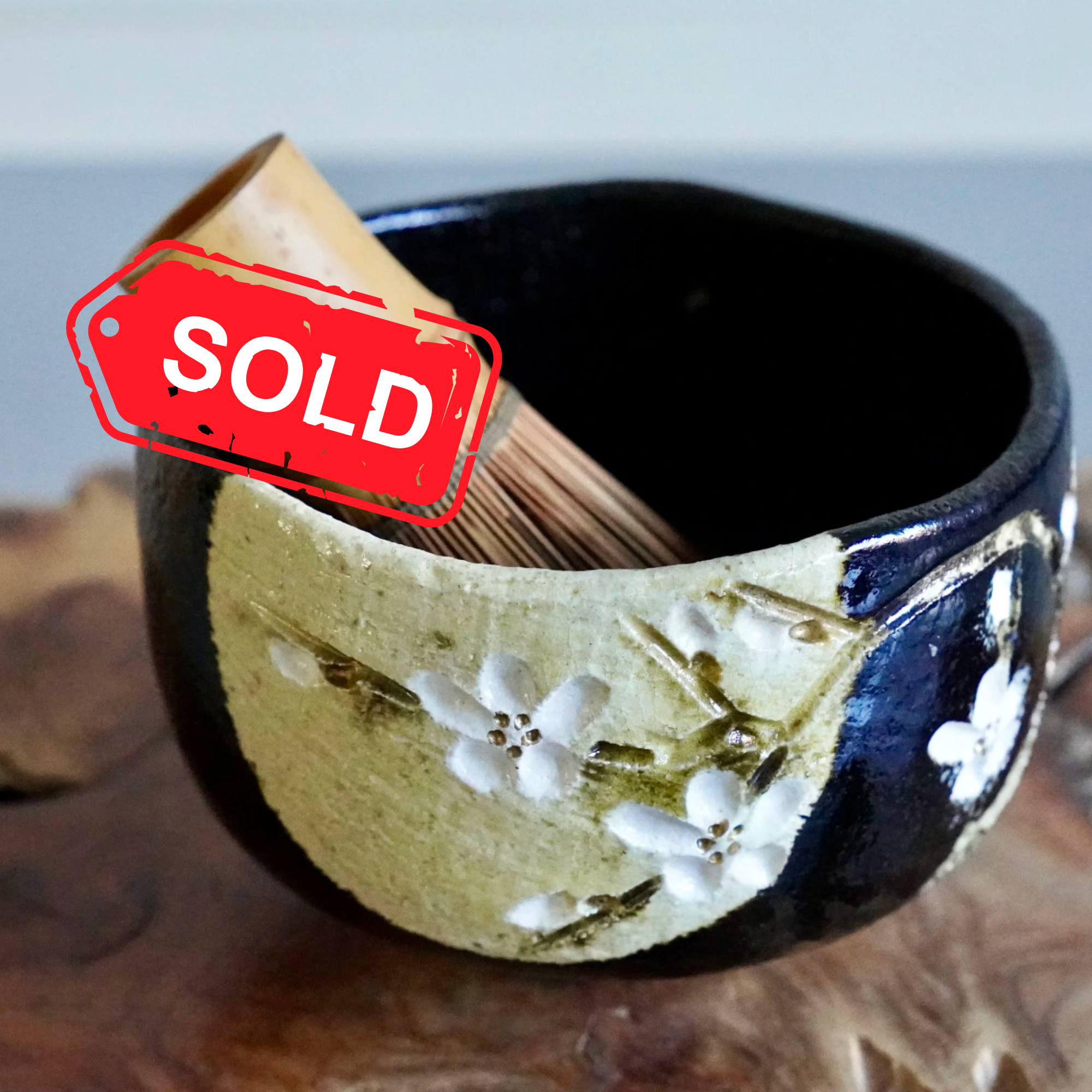
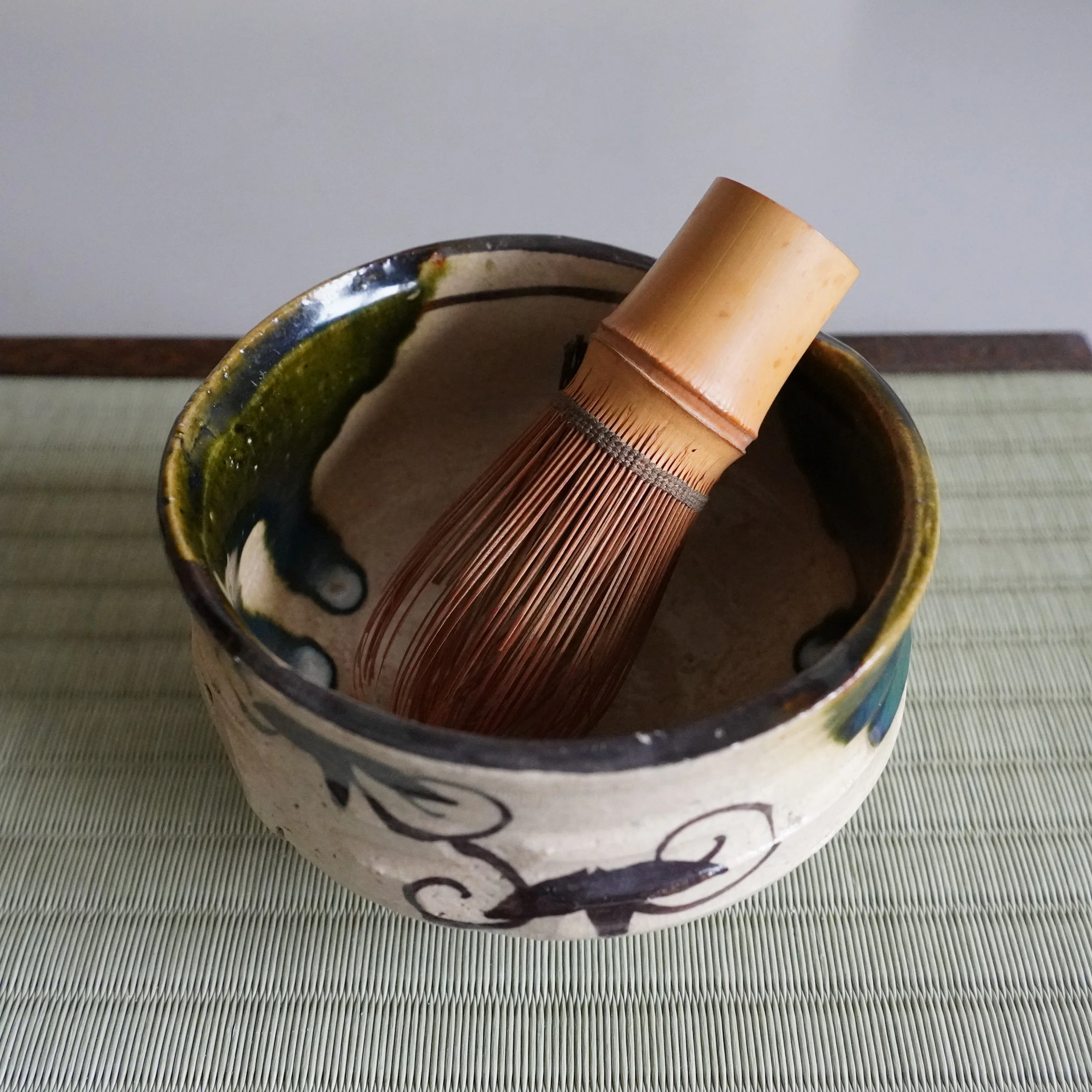
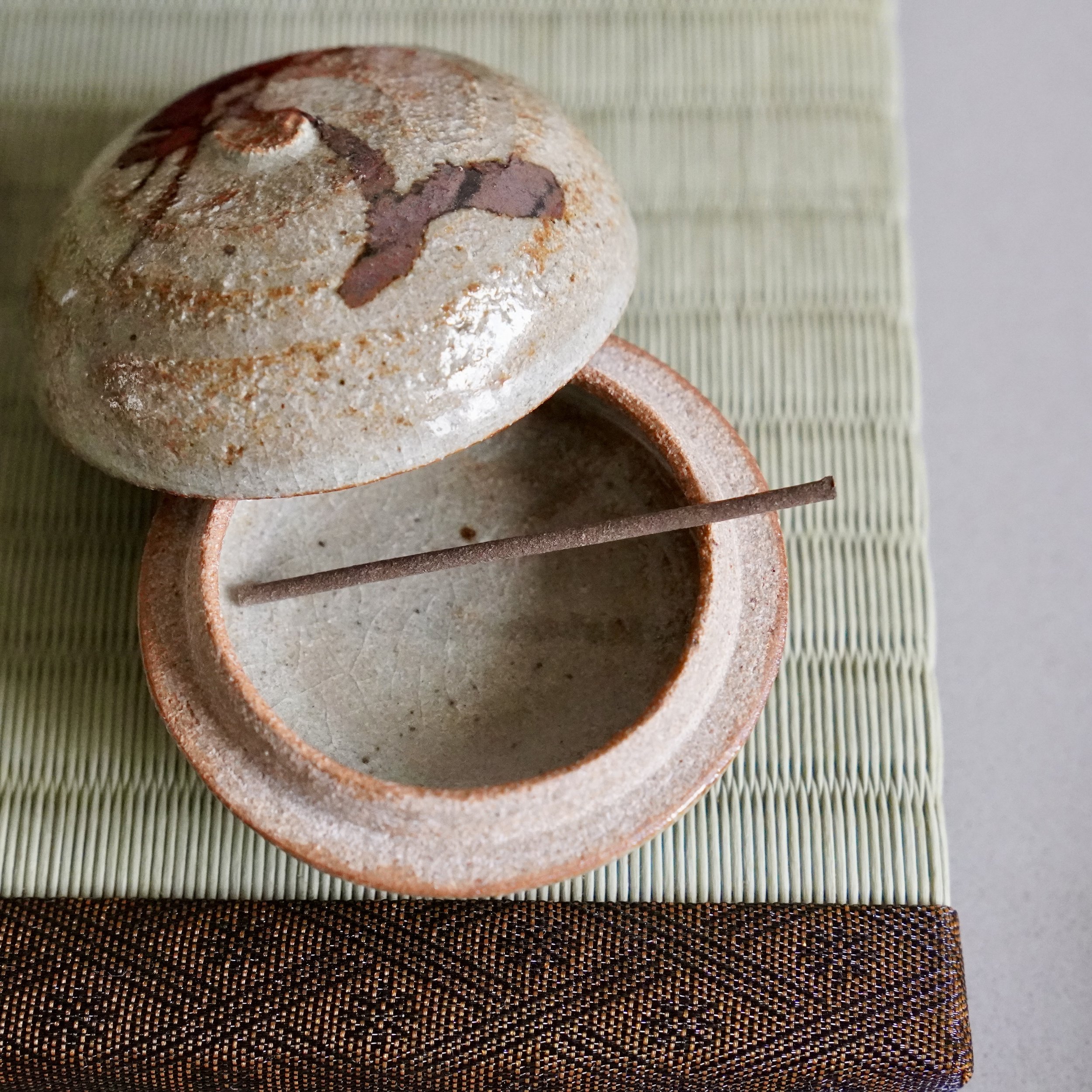
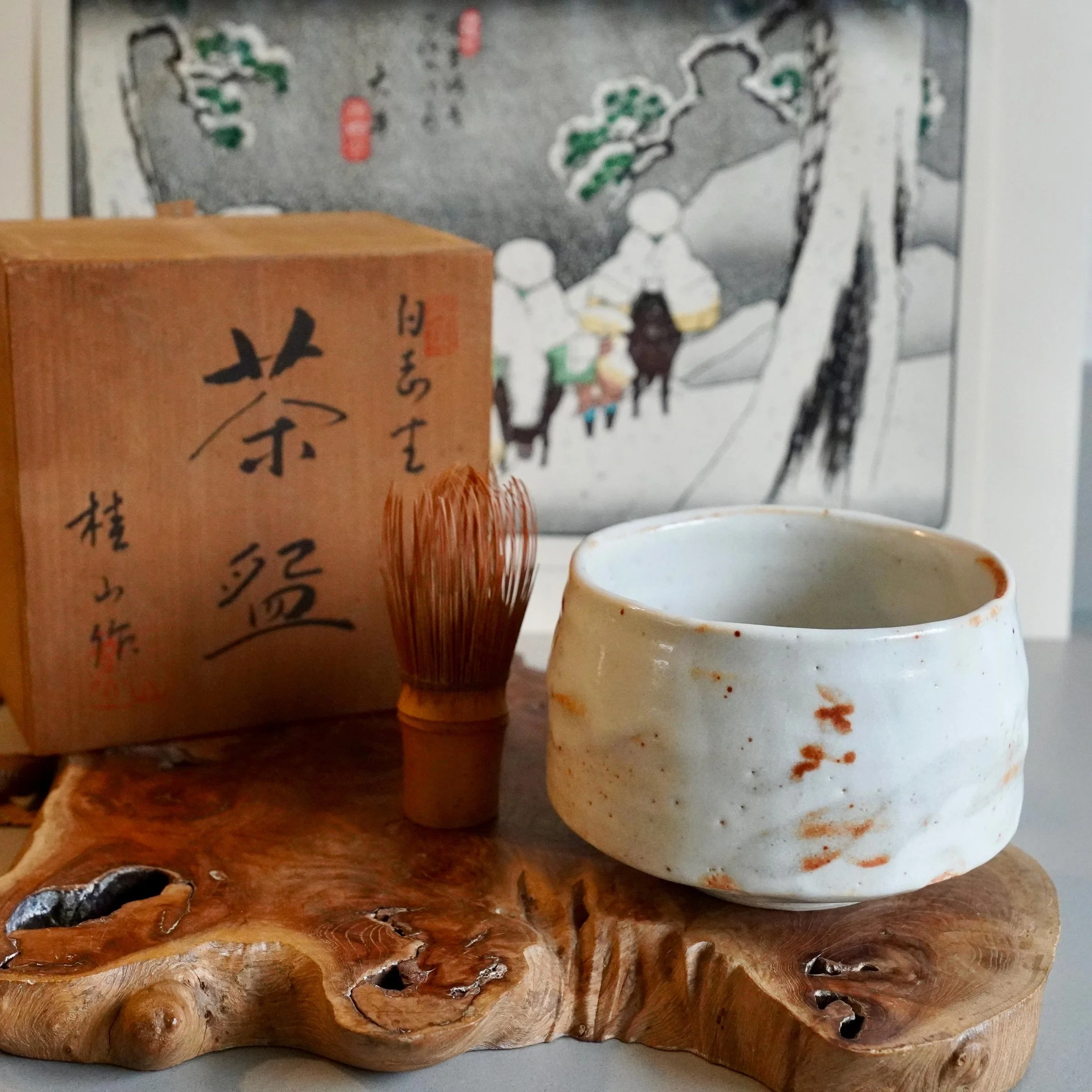
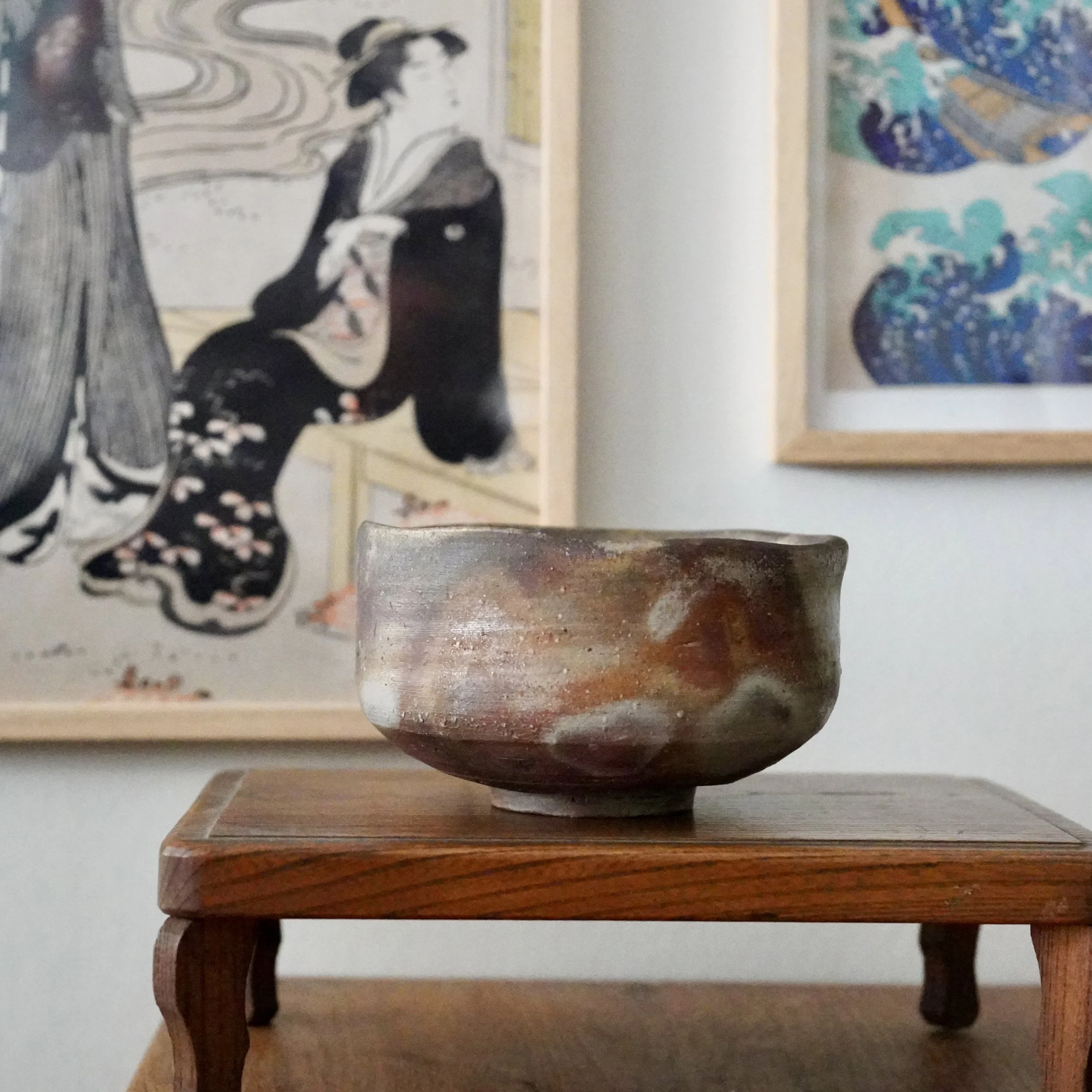
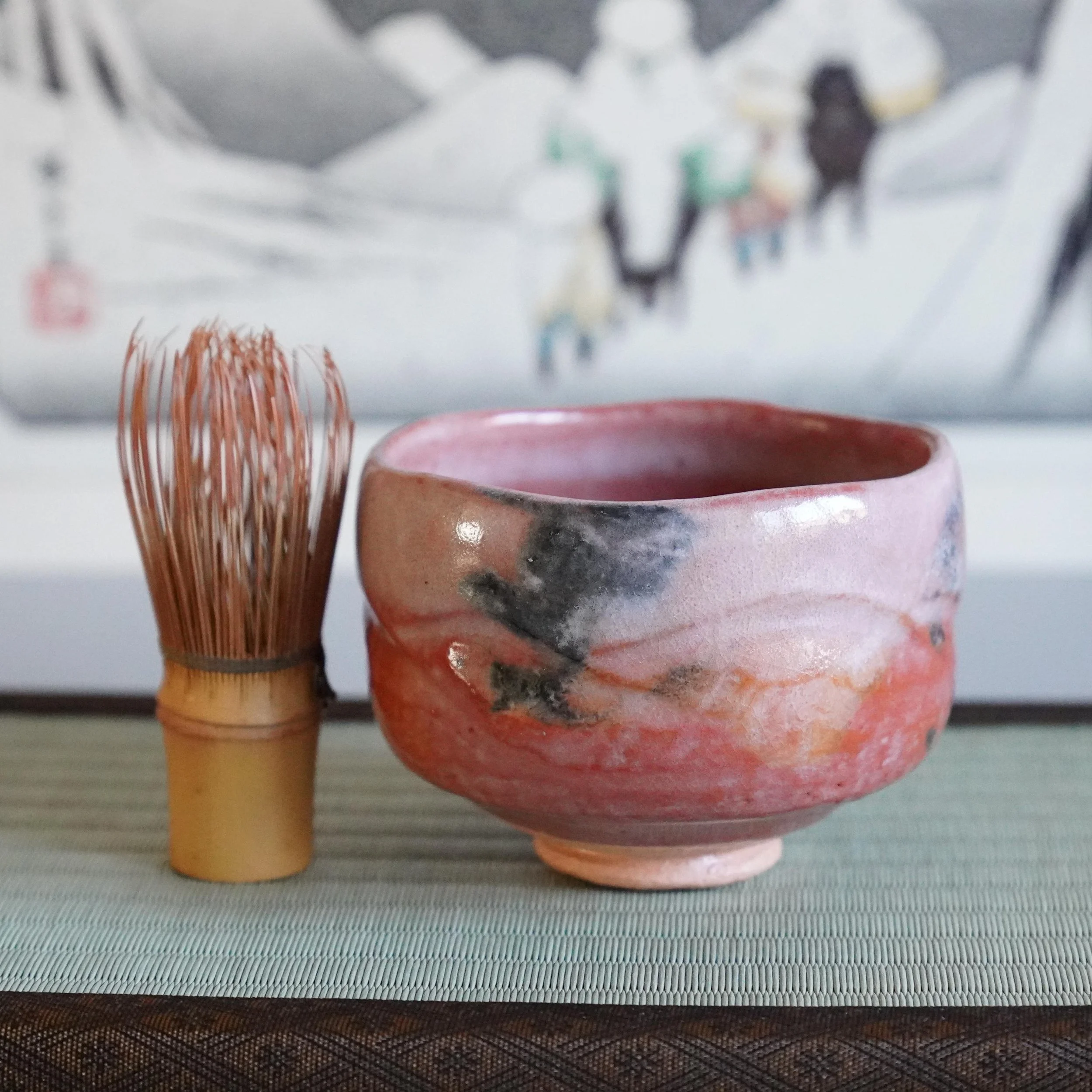
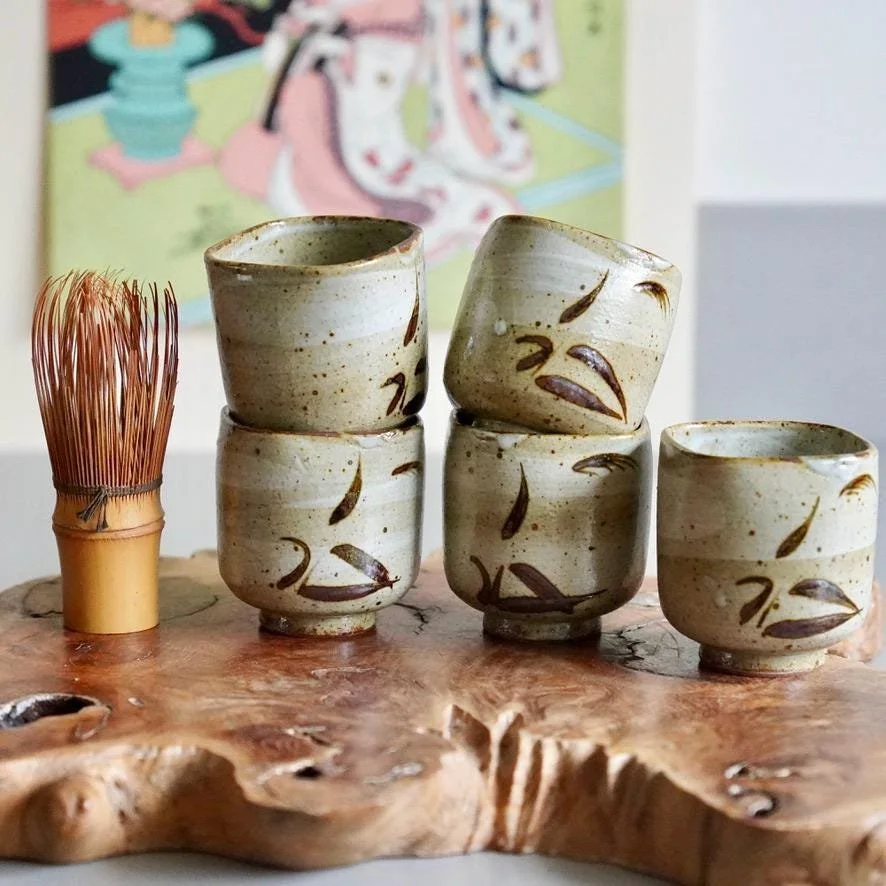
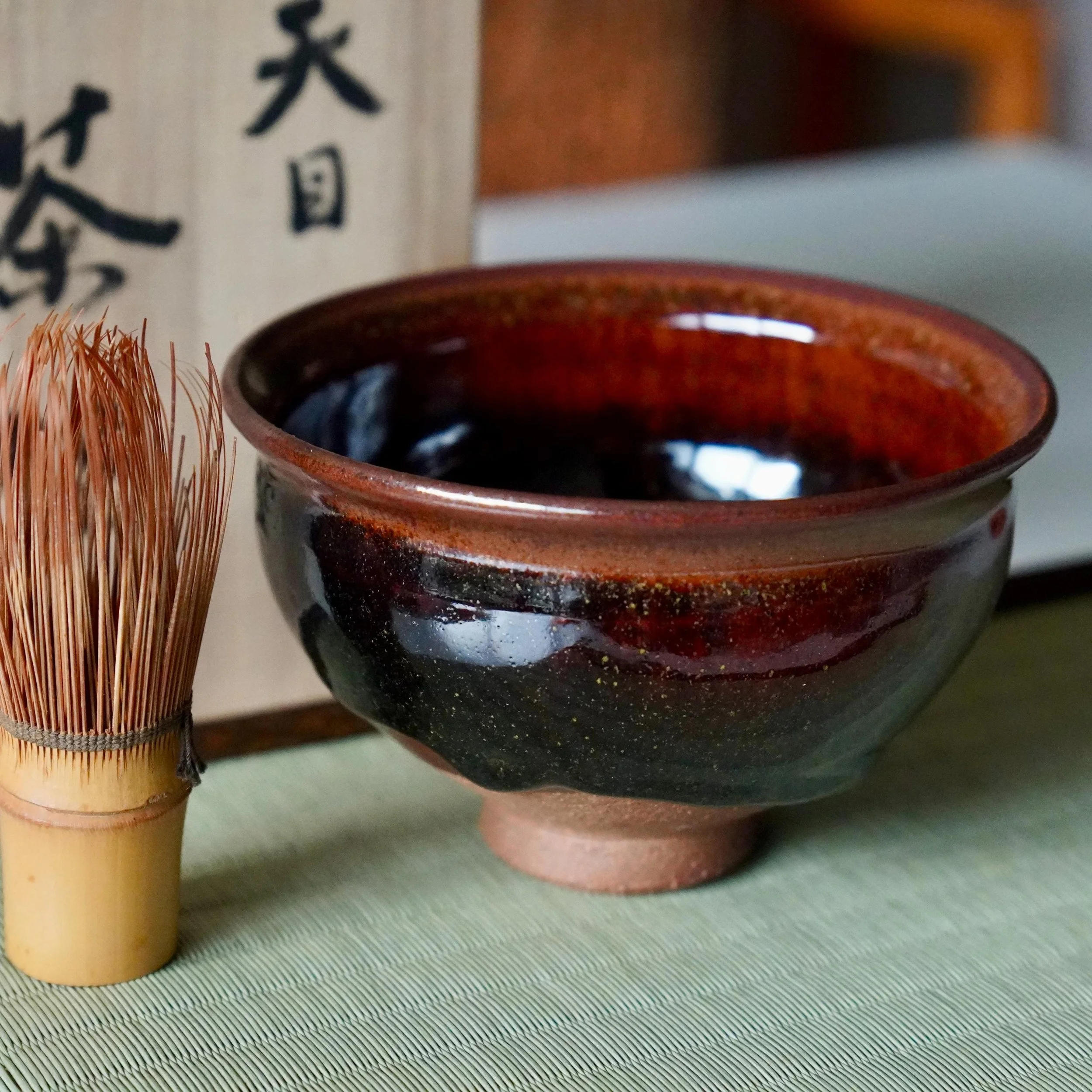
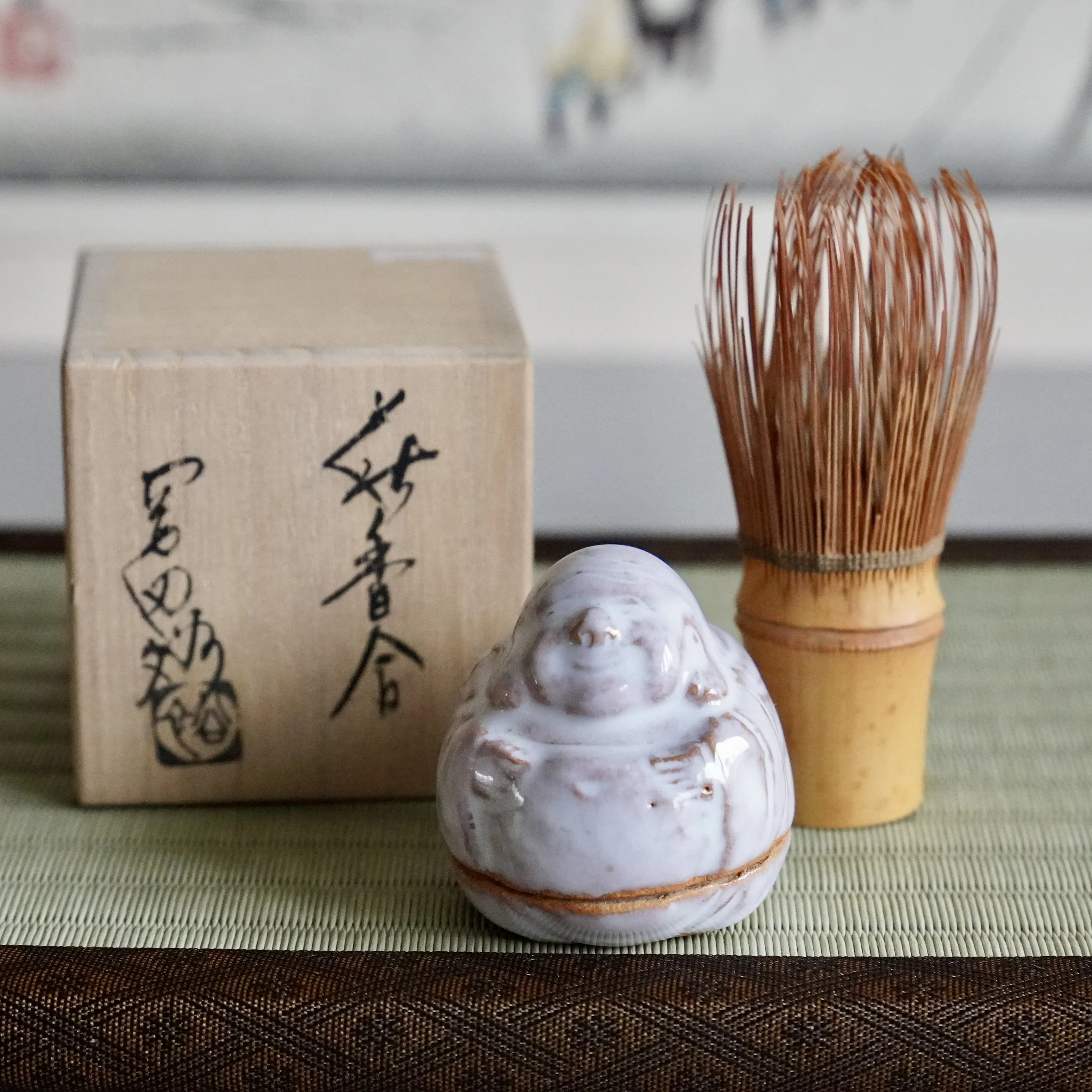
Some objects are immediately recognizable for what they are. This one is. The moment you lift the lid, you know exactly who is sitting in your hands: Hotei, the laughing god of contentment, belly forward, expression completely at ease.
Produced at the Seiun-zan kiln in Hagi, Yamaguchi Prefecture, by Okada Yutaka: eighth-generation master of a kiln that has been firing continuously since the Edo period, and holder of the Yamaguchi Prefecture designation for Intangible Cultural Property in Hagi-yaki.
This is not a decorative object made for the tourist market. It is a serious tea ceremony piece with full provenance.
There's a whole philosophy behind why a kogo is left open after use. Read it in my journal.
Plus, I spent a morning at this specific Hagi kiln, read about it here.