
Travel stories, unexpected encounters and the crafts that make Japan worth going back for.
Every piece in the shop started somewhere.
Here is where I write about the travel, the people, and the crafts behind it and how to take care of them.
Sourcing diaries from regular trips. Warm encounters with collectors and makers. And the beautiful landscapes.
Deep dives into the traditions I keep returning to: urushi lacquerware, kokeshi, chawan, haori…. And the quiet details that make Japanese craft worth seeking out
Stories from my journal
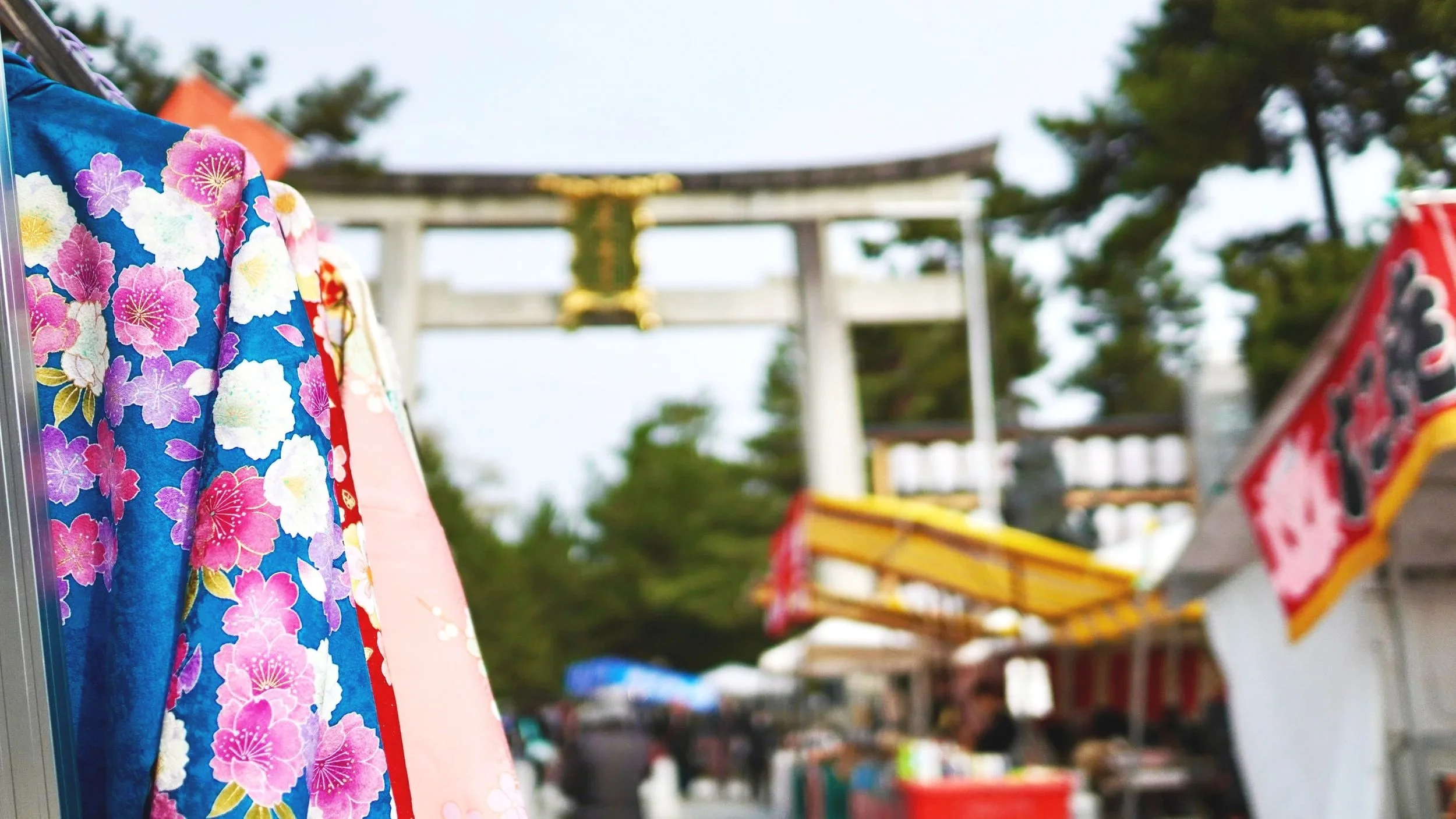
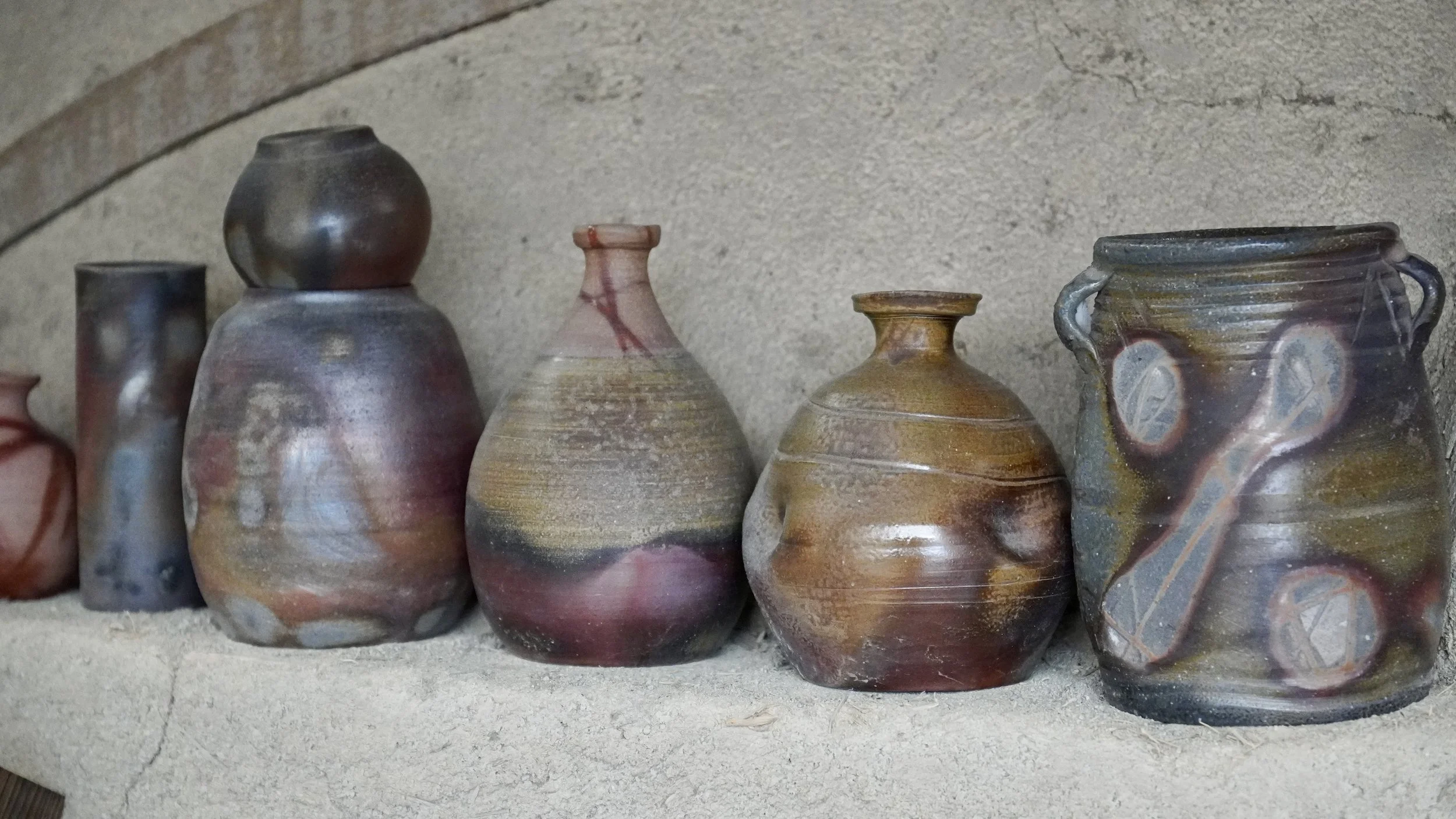
Bizen-yaki: the Okayama tradition without glaze
Bizen-yaki has no glaze. Every color, every mark, every surface effect is made in the kiln by fire, ash, and position. This guide explains what hidasuki, goma, sangiri and shiro-Bizen actually are, how they are made, and what to look for when you buy.
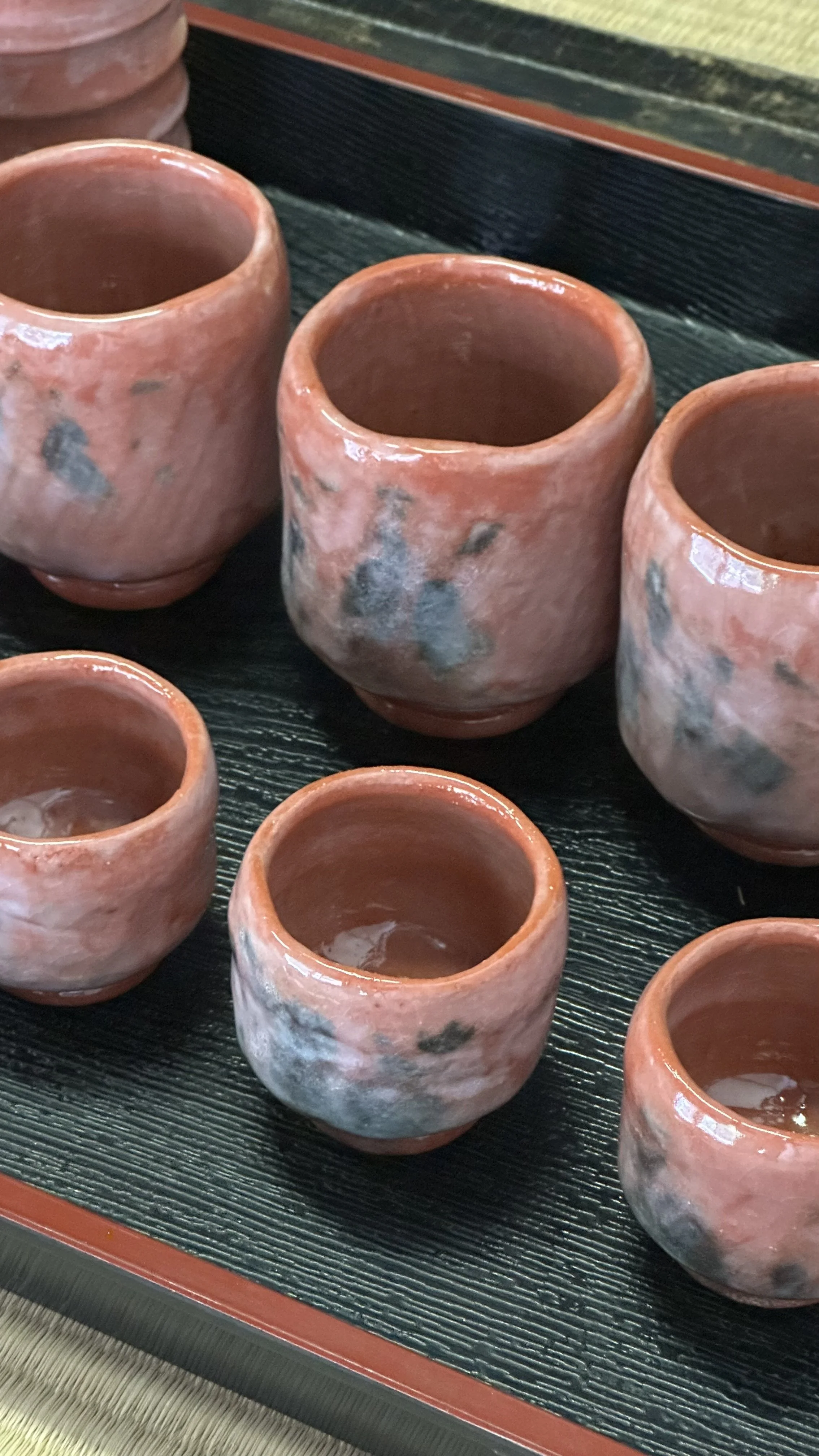
Inside a 200-year-old Kyoto raku-yaki kiln that still makes tea bowls by hand
Behind the curtain at Raku Studio Waraku in Kyoto's Gion district. How aka-raku and kuro-raku tea bowls are hand-formed, fired, and finished with charcoal by 8th generation master Kawasaki Motoo. A sourcing diary entry from KAIKO&CO.
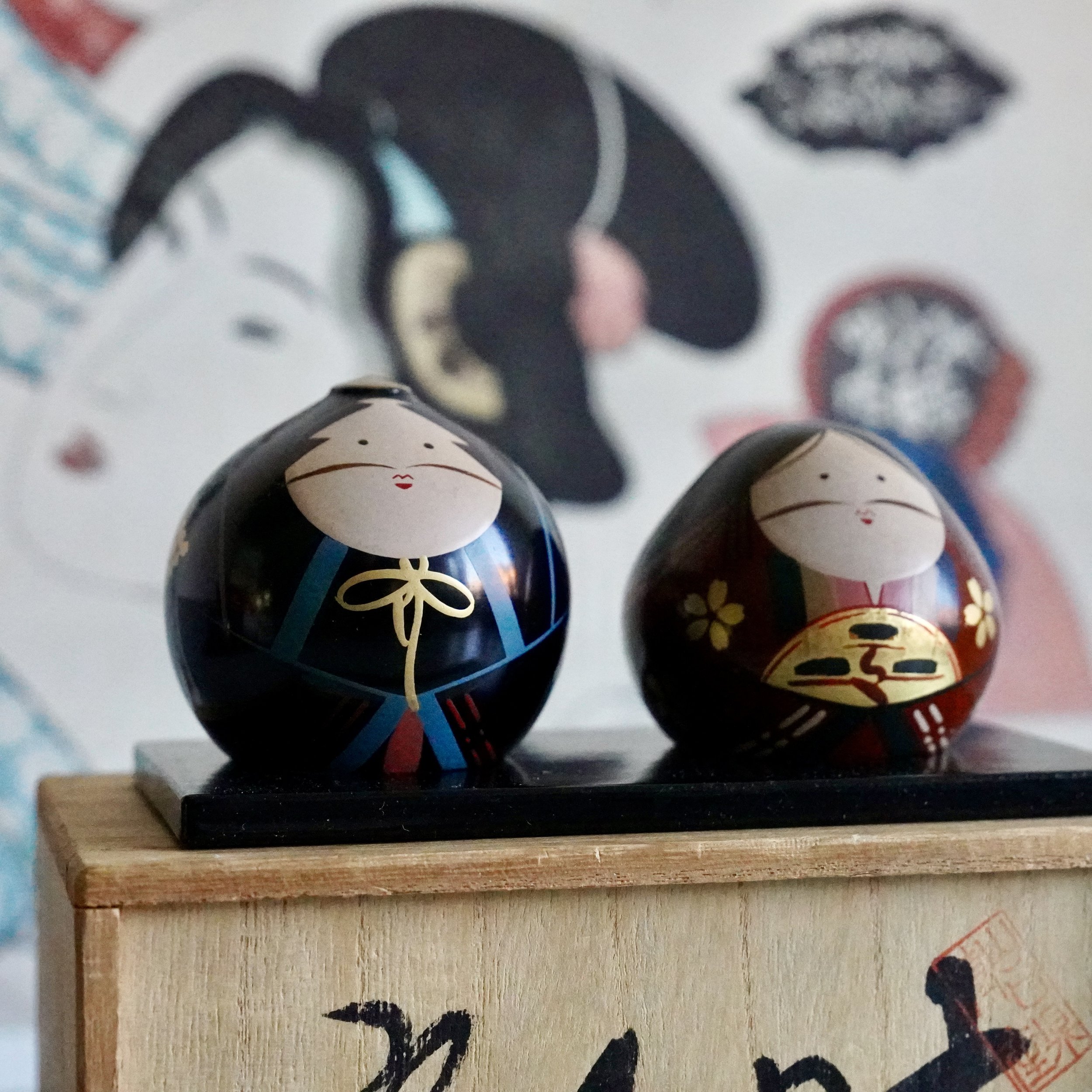
Finding Ouchi-nuri hina dolls in Yanaka, Tokyo's cat town.
An antique market stall on temple grounds in Tokyo's Yanaka cat town, a lacquered doll pair from the ‘50’s with a story about a homesick bride, and a cat print.
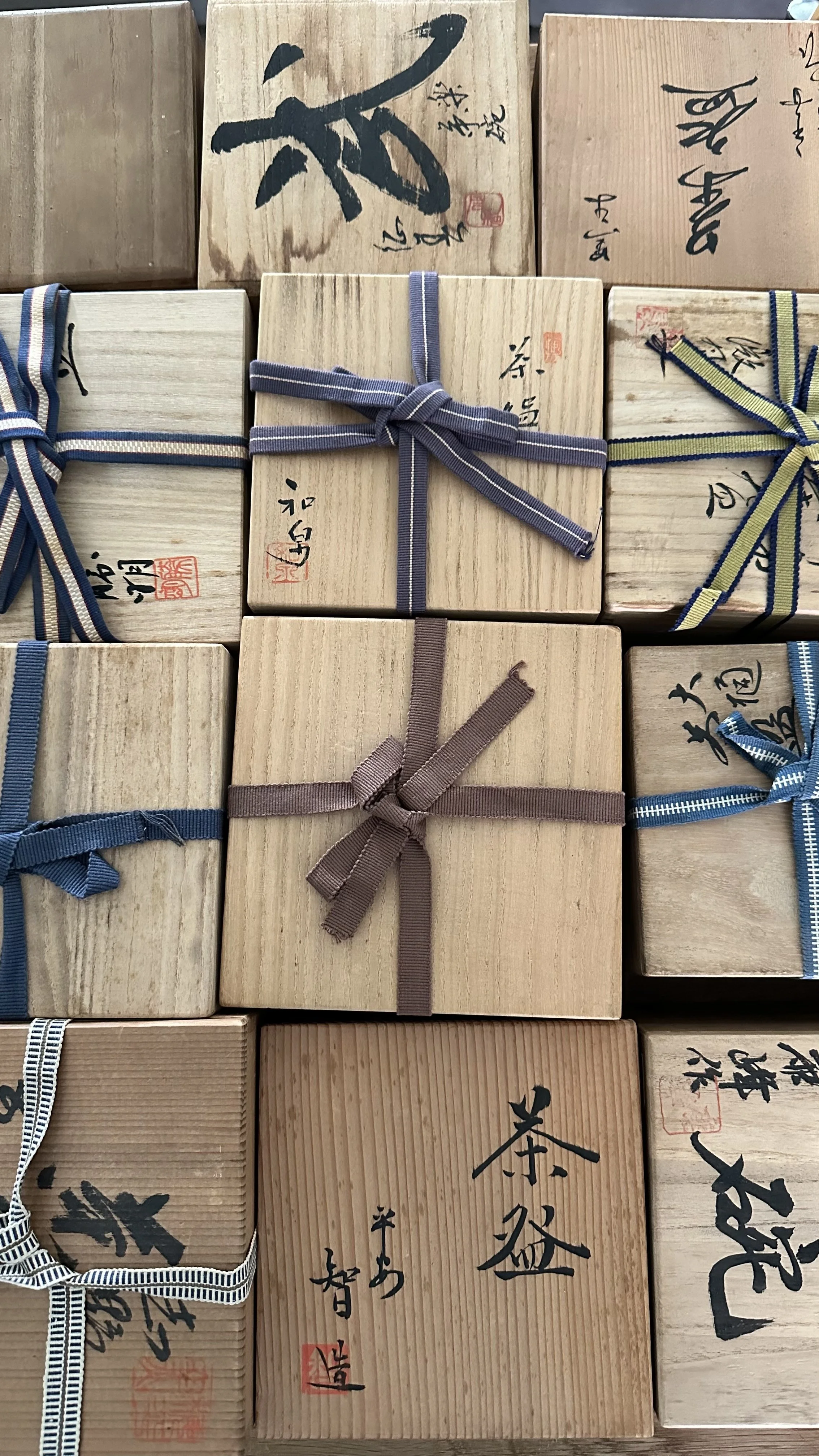
Sourcing in Japan Day 2: Meeting my favorite chawan supplier in Osaka
Some supplier relationships take years to build. In Osaka I have a meeting over tea and chawan pieces that never reach any public market. Day two of my Sourcing Week in Japan series in Kyoto and Okayama.
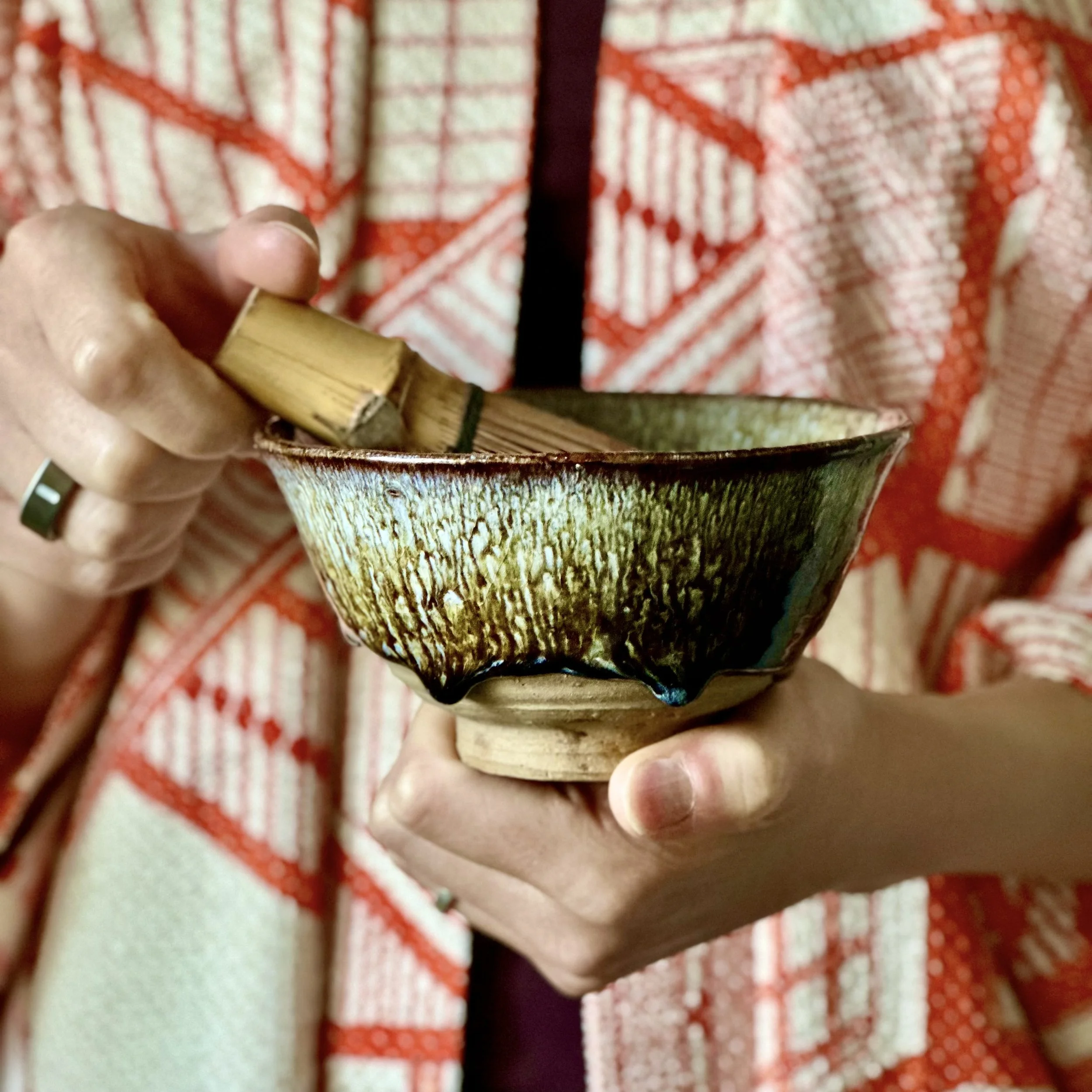
Why size matters: what a chawan feels like before you drink from it
Before you taste the tea, you hold the bowl. Weight, diameter, the way the foot sits in your palm: these are not secondary details. They are the bowl. On what I look for when I source chawan in Japan, and why size tells you more than the glaze ever will.
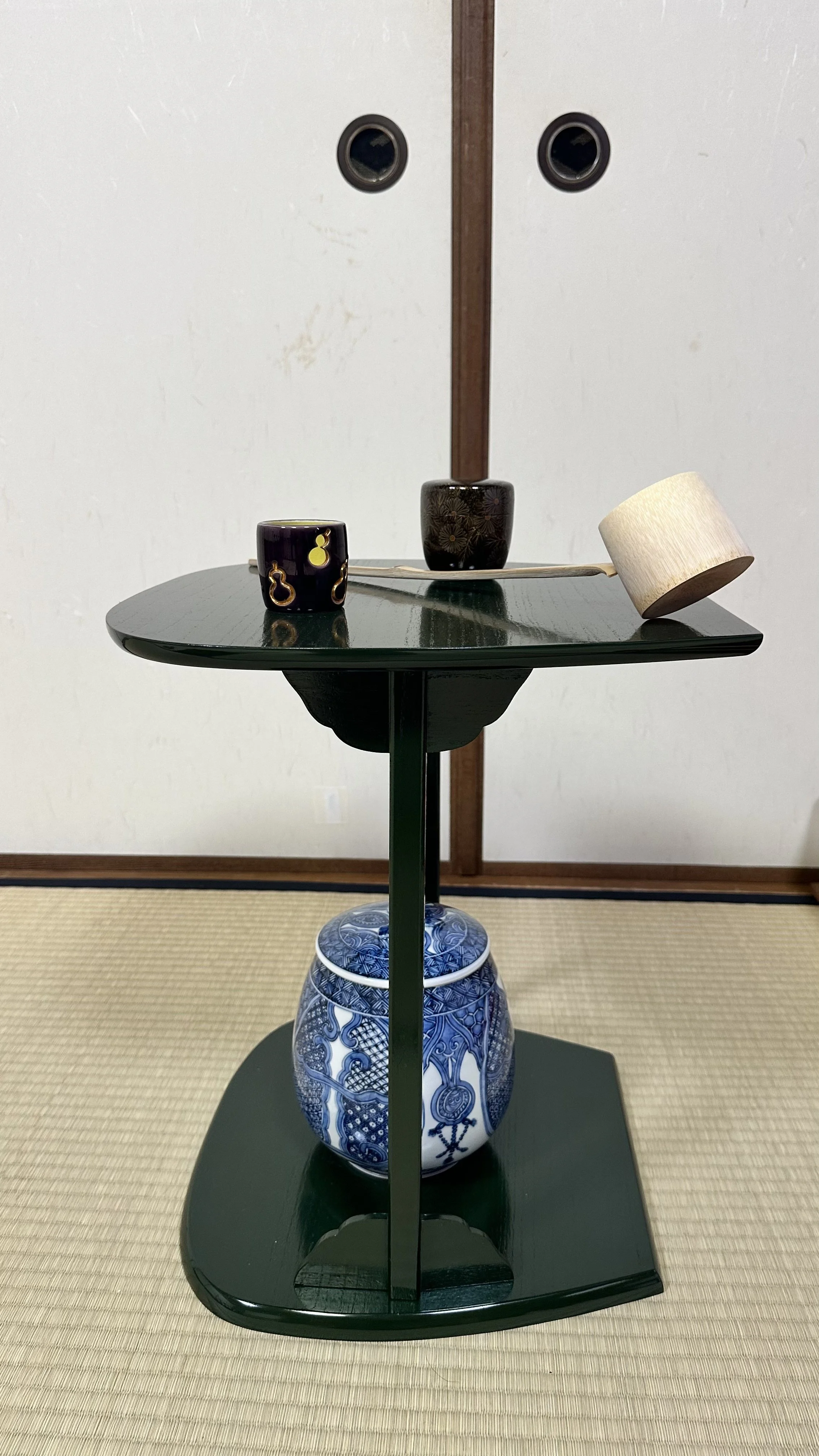
The objects of the tea ceremony and what to look for in each one. What I bring home from Japan, and why.
Every time I return from Japan, I carry objects built around a ritual. Not decorative pieces, but things that were made to slow things down. This is what I look for in each one, and why.
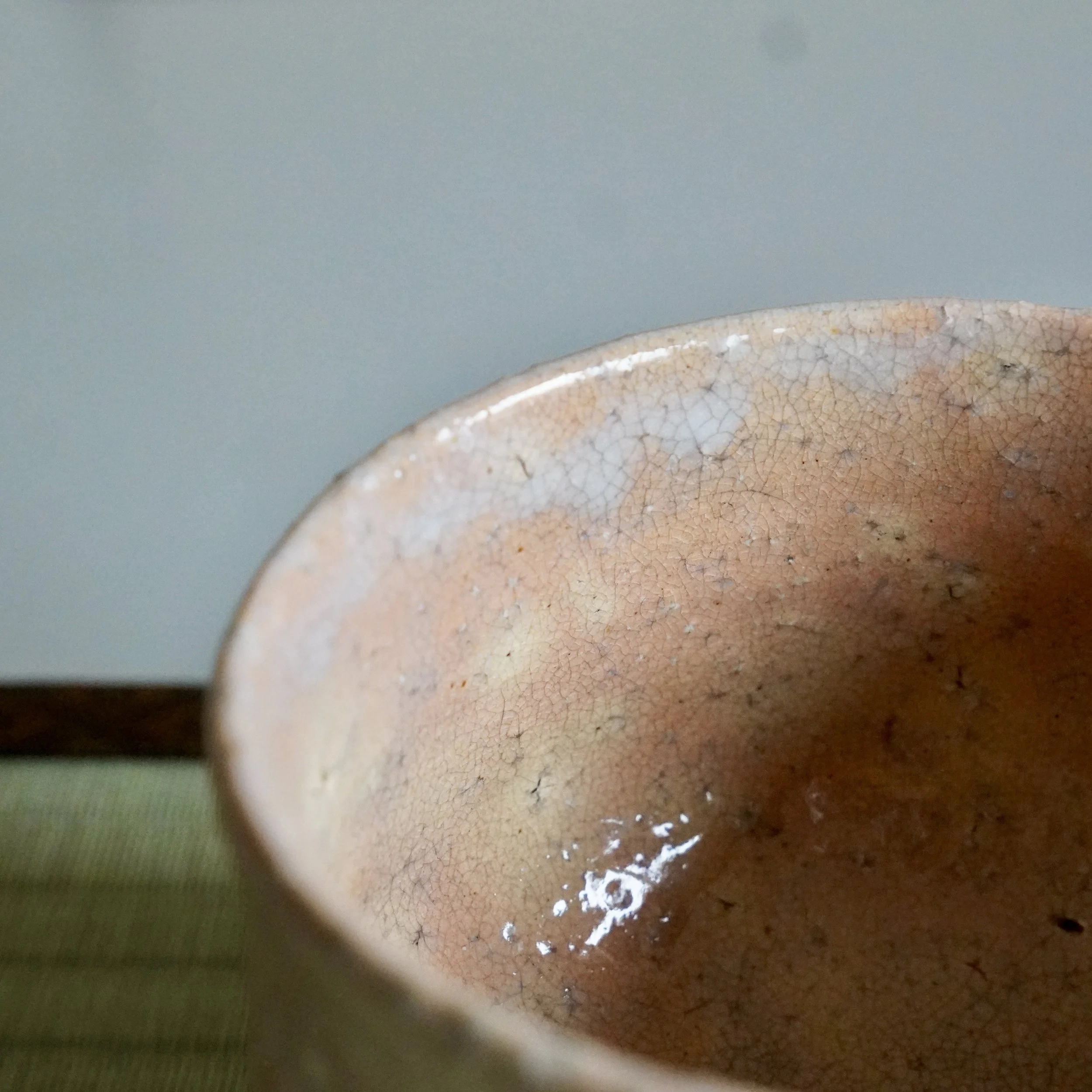
The beauty of Hagi-Yaki that will grow with you
Hagi-yaki has been made in western Japan for over 400 years. What makes it special is what happens after you buy it. The bowl changes with every cup of tea you drink from it. That is why hagi-yaki is so loveable.