
Travel stories, unexpected encounters and the crafts that make Japan worth going back for.
Every piece in the shop started somewhere.
Here is where I write about the travel, the people, and the crafts behind it and how to take care of them.
Sourcing diaries from regular trips. Warm encounters with collectors and makers. And the beautiful landscapes.
Deep dives into the traditions I keep returning to: urushi lacquerware, kokeshi, chawan, haori…. And the quiet details that make Japanese craft worth seeking out
Stories from my journal
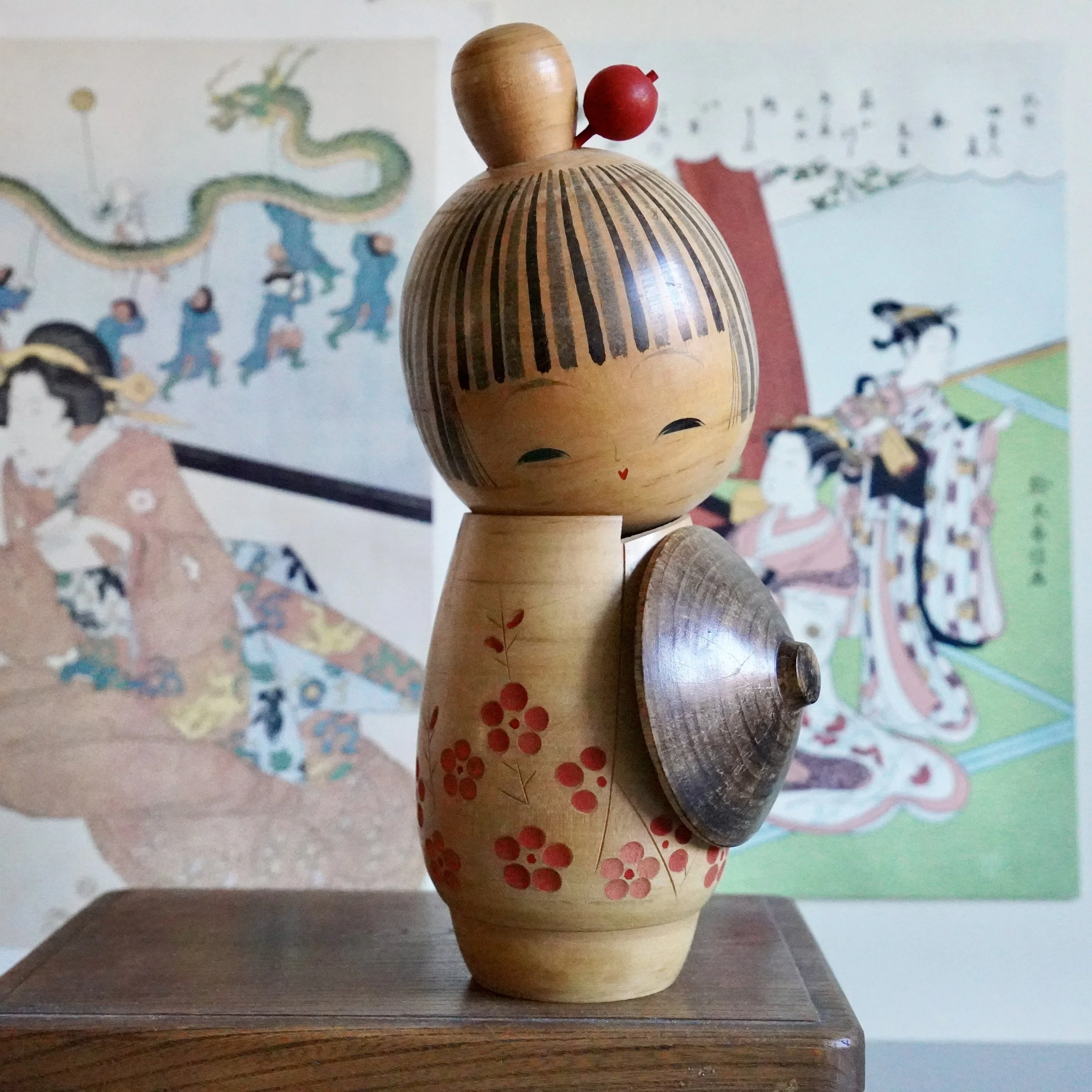
Oshinobi dōchū: the kokeshi tradition of travelling in disguise
Oshinobi dōchū, travelling incognito, shows a Heian noblewoman shielding her face with a kasa hat while journeying in disguise. Two pieces in the collection, by Sato Suigai and Seiju Kon, show how differently that same story can be built in wood.
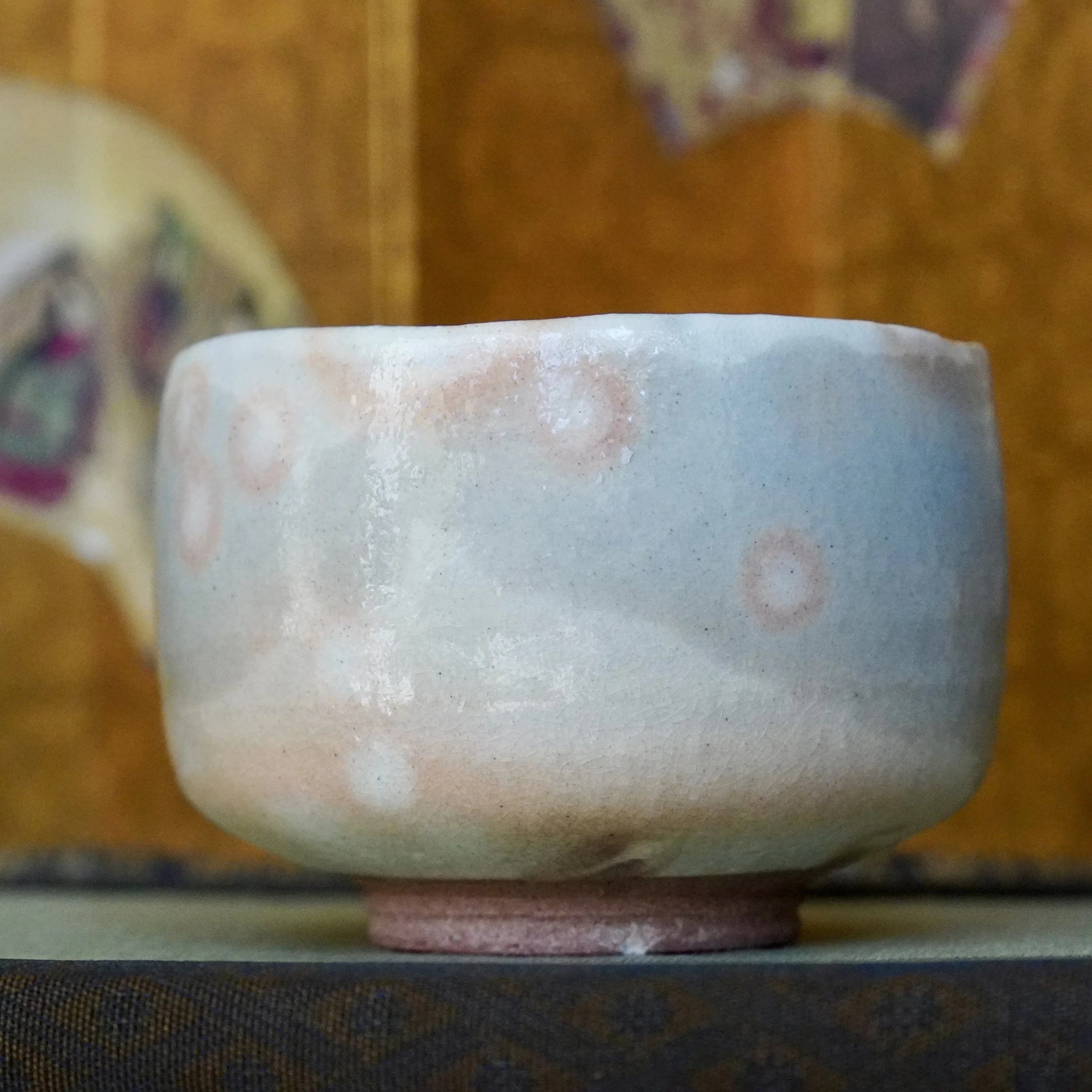
What happens when water meets Hagi-yaki: kan'nyū and nanabake, watched in real time
I filled a Hagi chawan with water and watched what happened. Within a minute, the glaze showed exactly how it will change with years of tea, and four other pieces revealed just how differently that process can unfold, starting long before the kiln, in the clay itself.
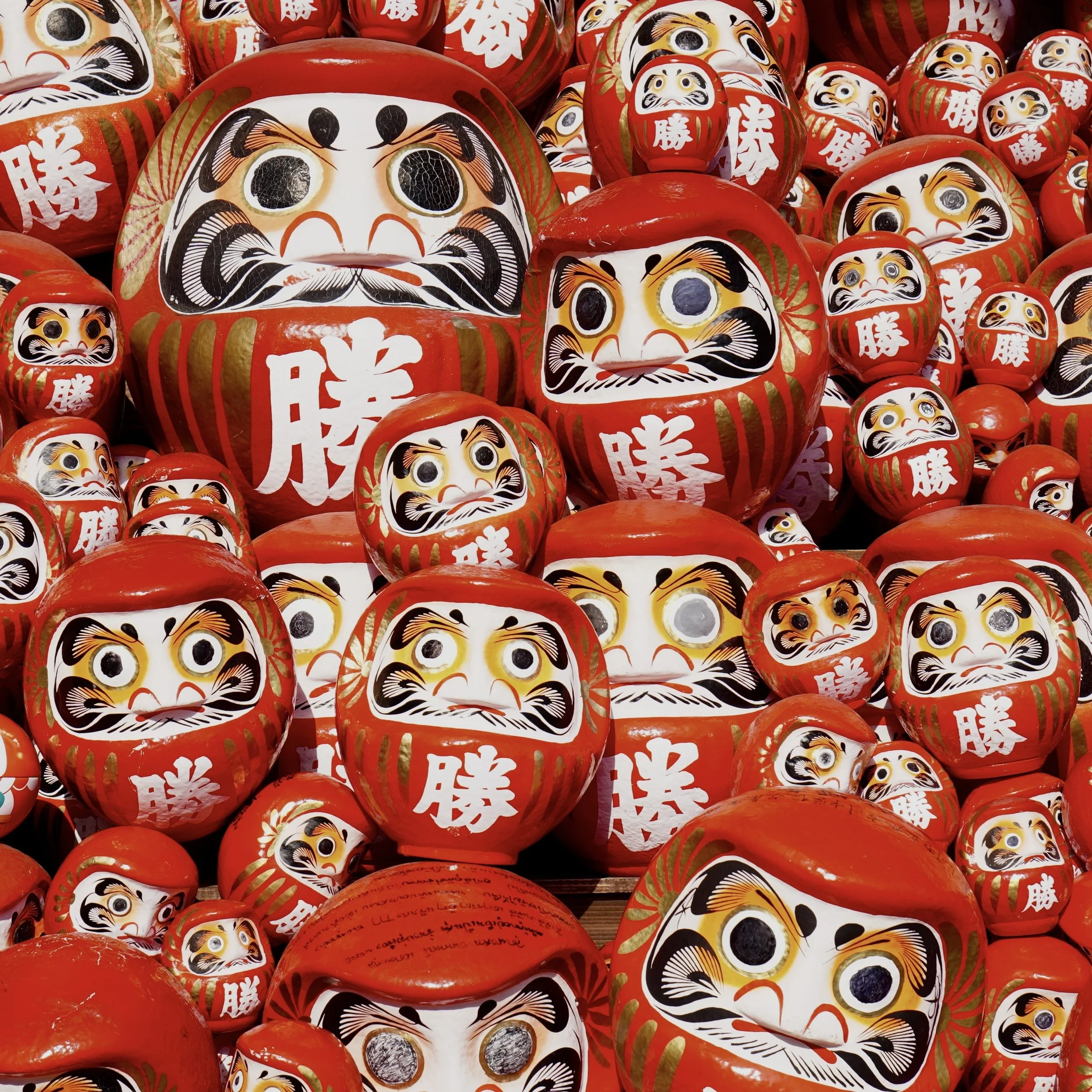
Journey to Katsuo-ji: The Temple of a Thousand Daruma in Osaka
Perched in the forested hills of Minoh, Katsuo-ji is known throughout Japan as the Daruma Temple, thousands of red daruma cascading down its steps, each one carrying someone's wish. A visit that changed how I see the wooden daruma in our own collection.
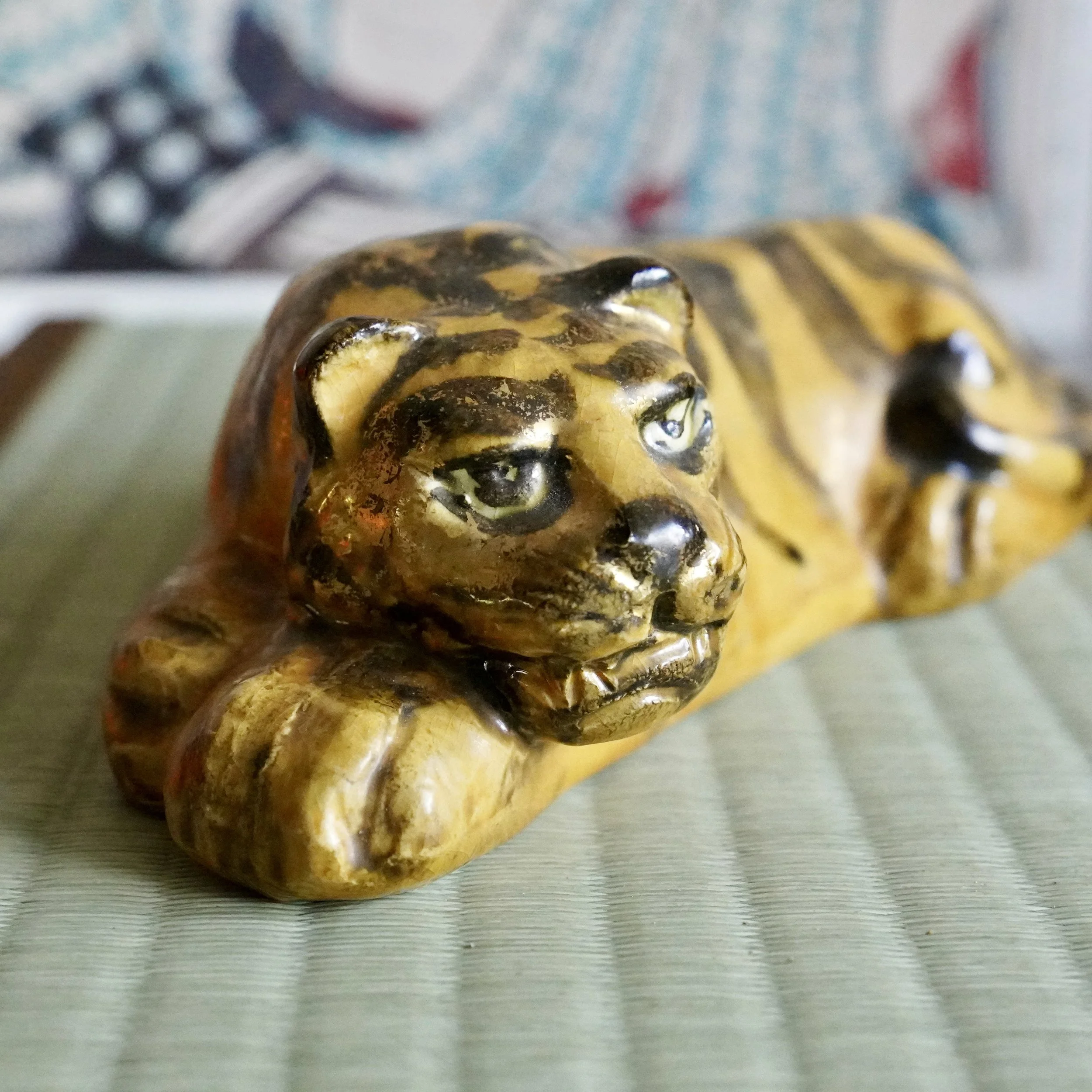
A tiger made for its own year: kinsai gold and a Kyoto tradition
There is a small tiger on my desk with gold worn down to almost nothing on its ears and shoulders. It was made for a Year of the Tiger, in Kyoto, by a kiln lineage going back to 1771. The wear is not damage. It is exactly what the gold was always going to do.
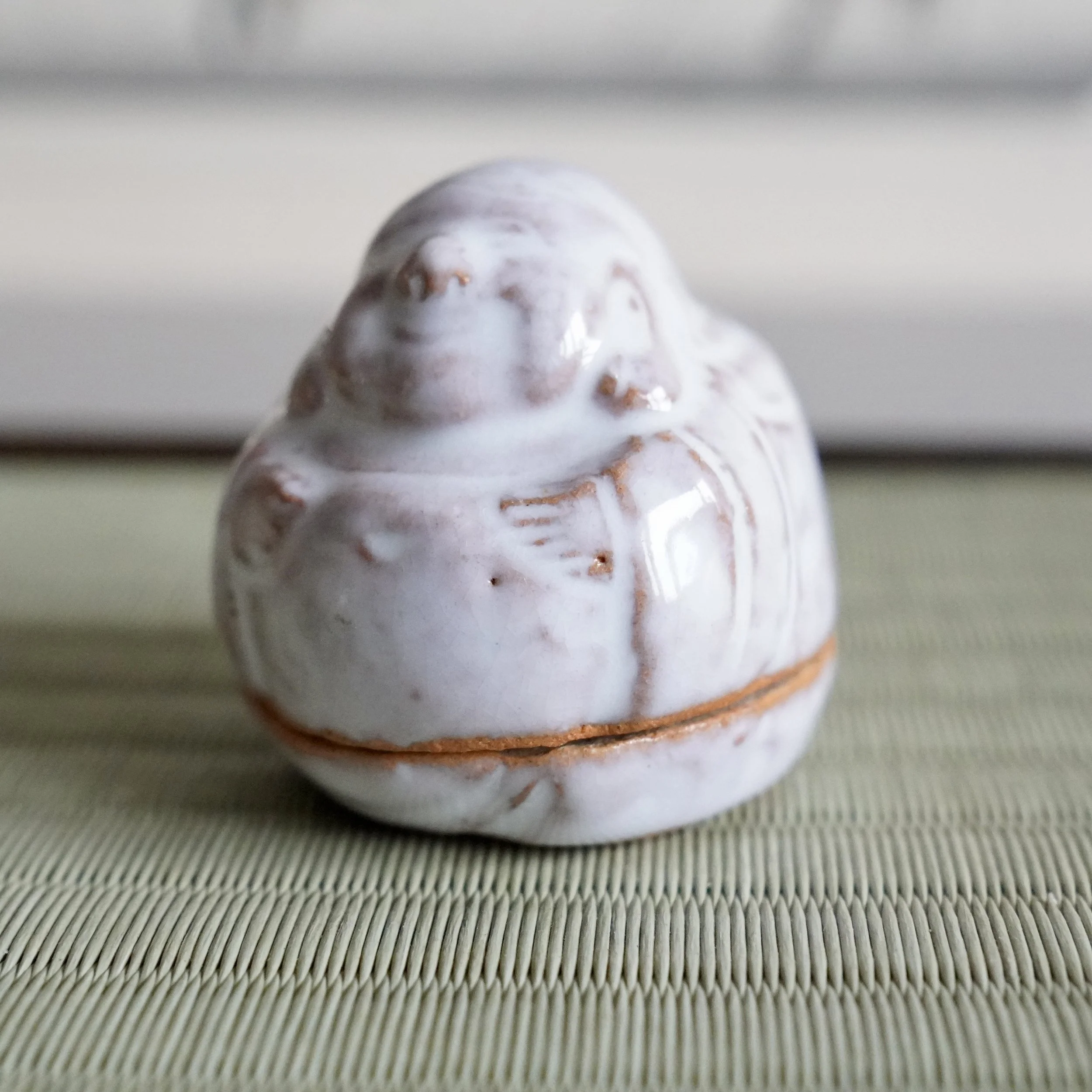
The most beautiful objects in the Japanese tea ceremony tradition are made to be emptied
This is Hotei, the laughing god of contentment, made in soft Hagi-yaki. Hagi ware made by the hand of potter Okada Yutaka. He holds a single piece of incense. After that piece is placed near the charcoal, he sits empty for the rest of the session. Japan put its finest craft into this moment of emptying, and then into the silence after.
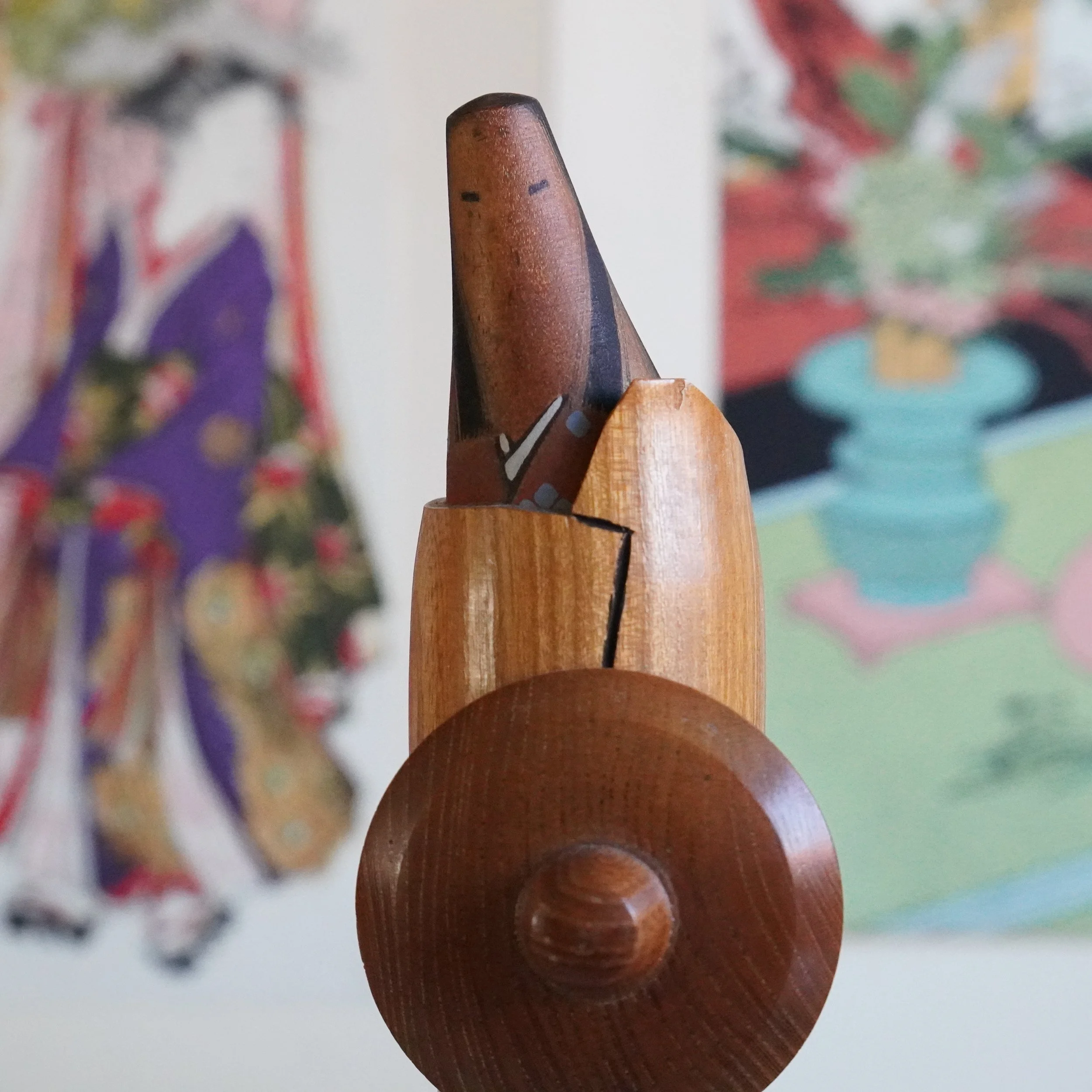
How to live with kokeshi: placing a Japanese wooden figure in a modern home
A kokeshi placed well in a room is more powerful than five grouped without thought. Here is what I have learned about height, background, and the quiet effect of giving one figure enough space to simply stand.
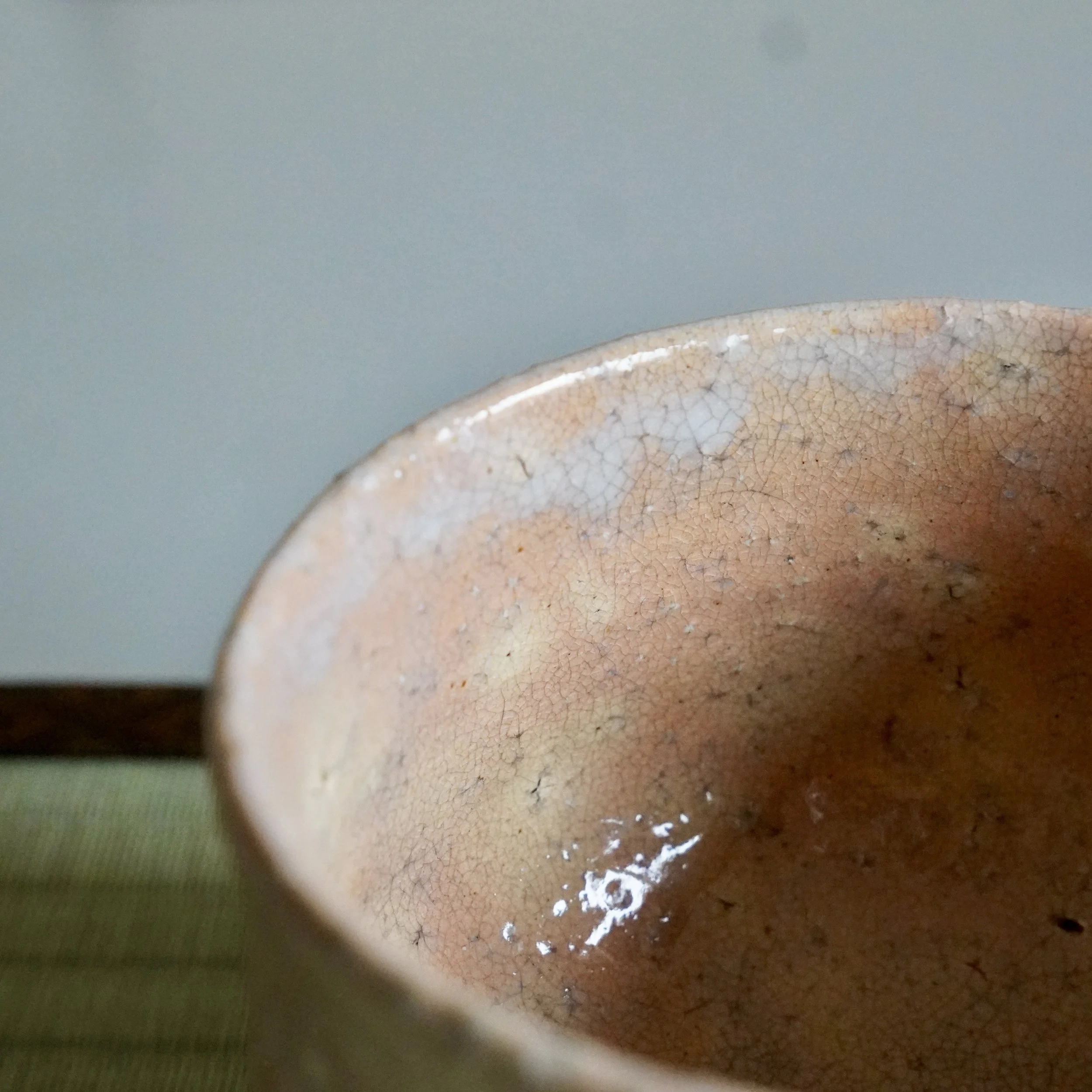
The beauty of Hagi-Yaki that will grow with you
Hagi-yaki has been made in western Japan for over 400 years. What makes it special is what happens after you buy it. The bowl changes with every cup of tea you drink from it. That is why hagi-yaki is so loveable.