
Journey to Katsuo-ji: The Temple of a Thousand Daruma in Osaka
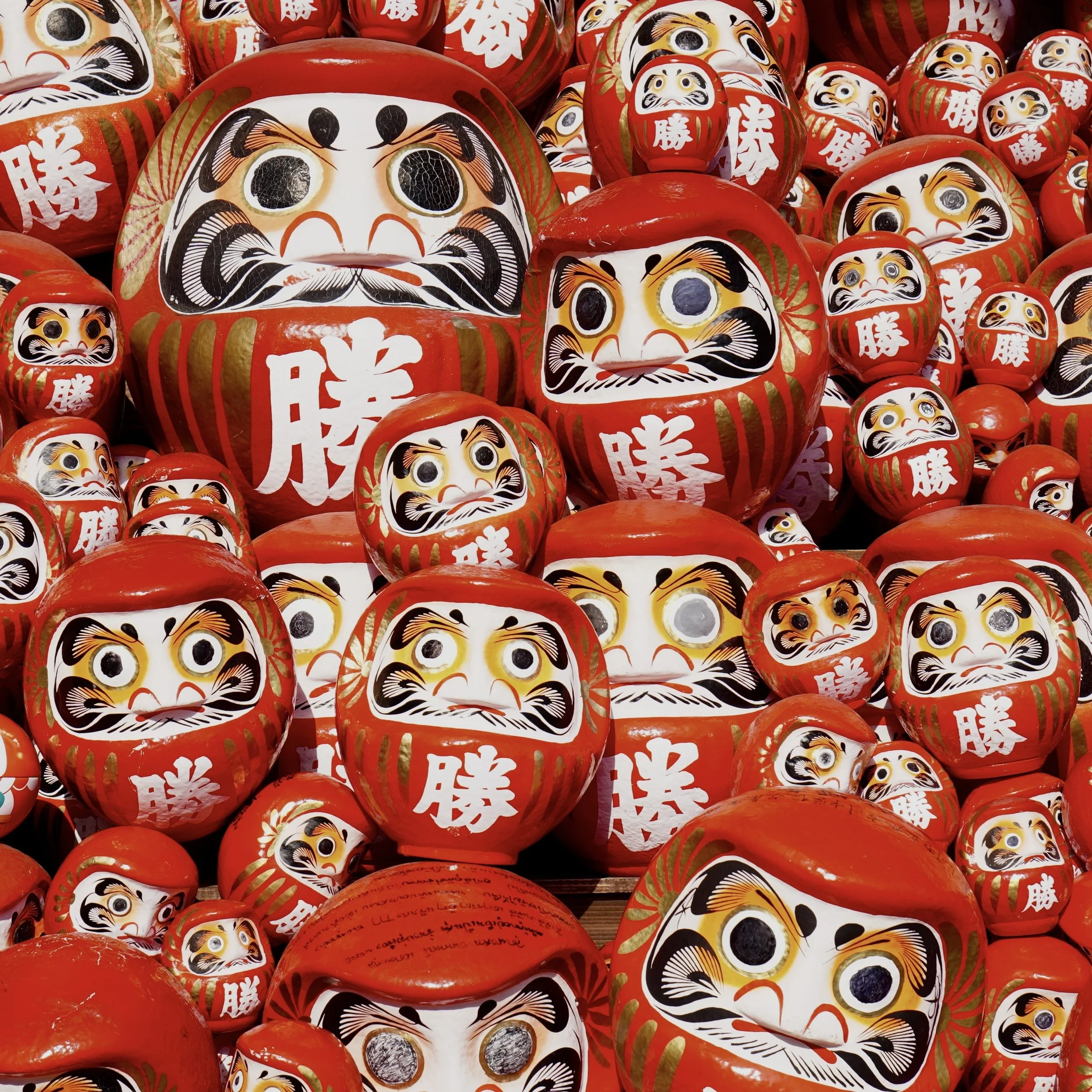
Katsuo-ji, the Daruma Temple, sits in the forested hills of Minoh near Osaka and dates to 727 CE. Thousands of daruma line its steps, left behind by visitors whose wishes came true after they painted in the doll's second eye. The daruma's armless, legless shape comes from the legend of Bodhidharma, who meditated for nine years until his limbs withered away.
As someone who works with Japanese vintage pieces daily, I've always been drawn to objects that carry stories. But seeing these Daruma in their spiritual context was something else entirely. Luck, strength, and a gaze fixed hard enough to never blink.
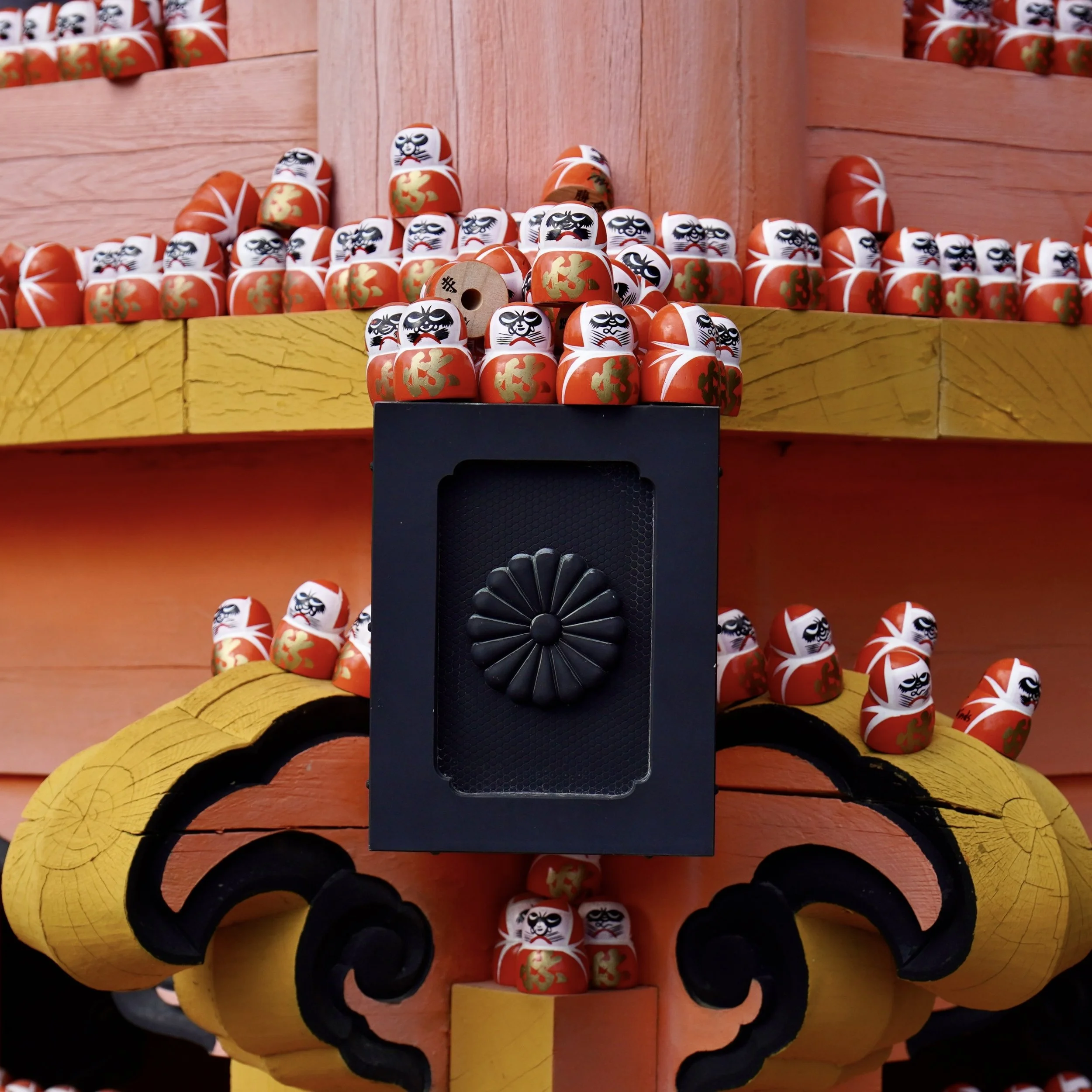
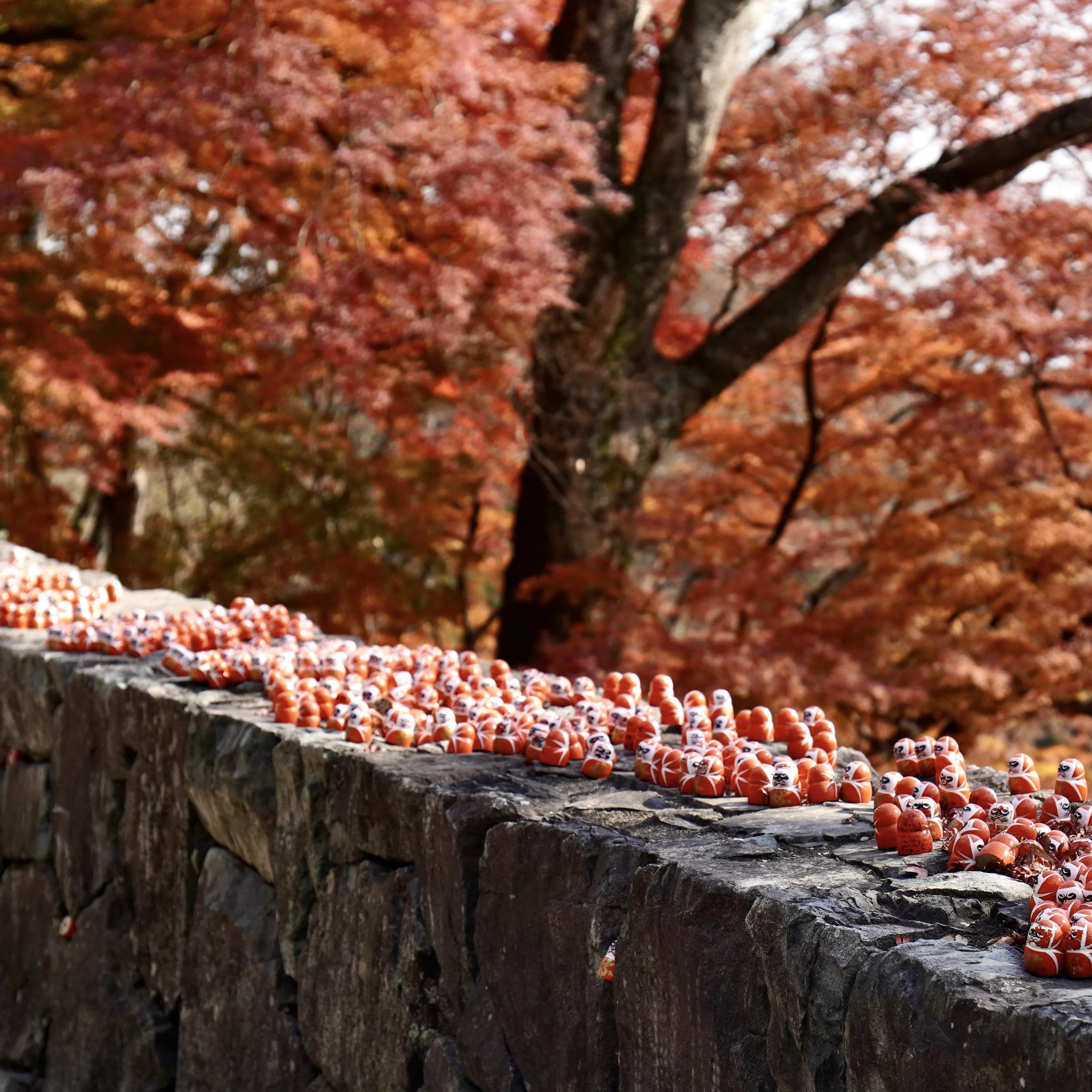
Perched high in the forested hills of Minoh, just 30 minutes from central Osaka, Katsuo-ji Temple is known throughout Japan as the "Daruma Temple." And once you visit, you understand why: thousands of red Daruma dolls cascade down temple steps, tucked into every alcove and lining pathways like silent witnesses to countless wishes.
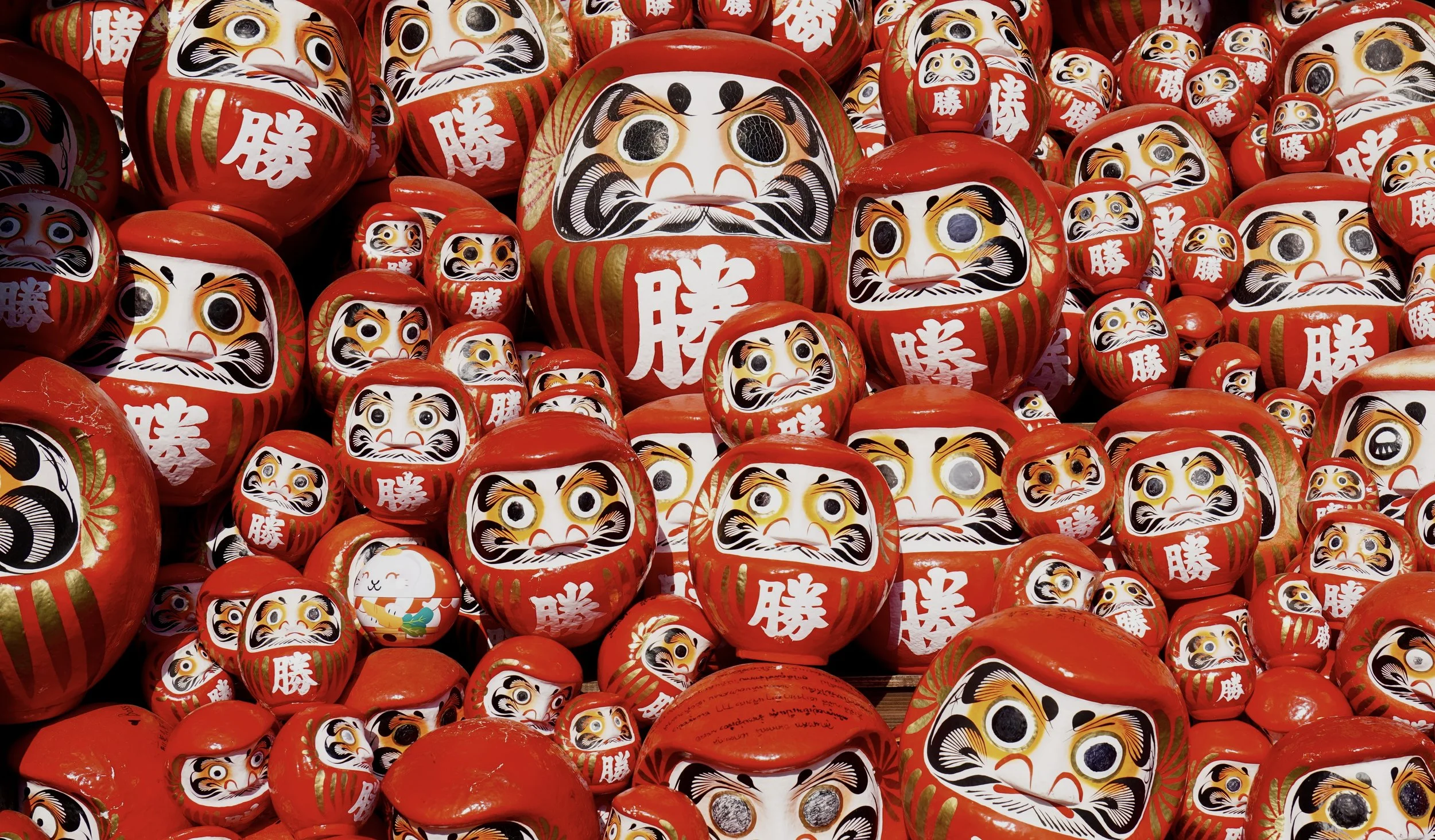
Each Daruma represents someone's deep wish
A wish for luck. A wish for strength.
The same small figure carries both.
A temple built on perseverance, long before the dolls arrived
Katsuo-ji's history goes back further than the daruma tradition itself. It began in 727 CE, when two Buddhist monks built a simple hut on the mountainside, drawn by the spiritual stillness of the site. Decades later, at the urging of a prince from the imperial family, the hut became a proper temple.
The name Katsuo-ji carries its own small legend. In the 9th century, Emperor Seiwa fell seriously ill. The monks at the temple prayed for his recovery, and when he was healed, he granted the temple the right to use a name meaning victory over the emperor himself. Local tradition later softened the character slightly out of respect, but the meaning of triumph through perseverance stuck, and it is exactly why daruma, the ultimate symbol of getting back up after being knocked down, found their home here centuries later.
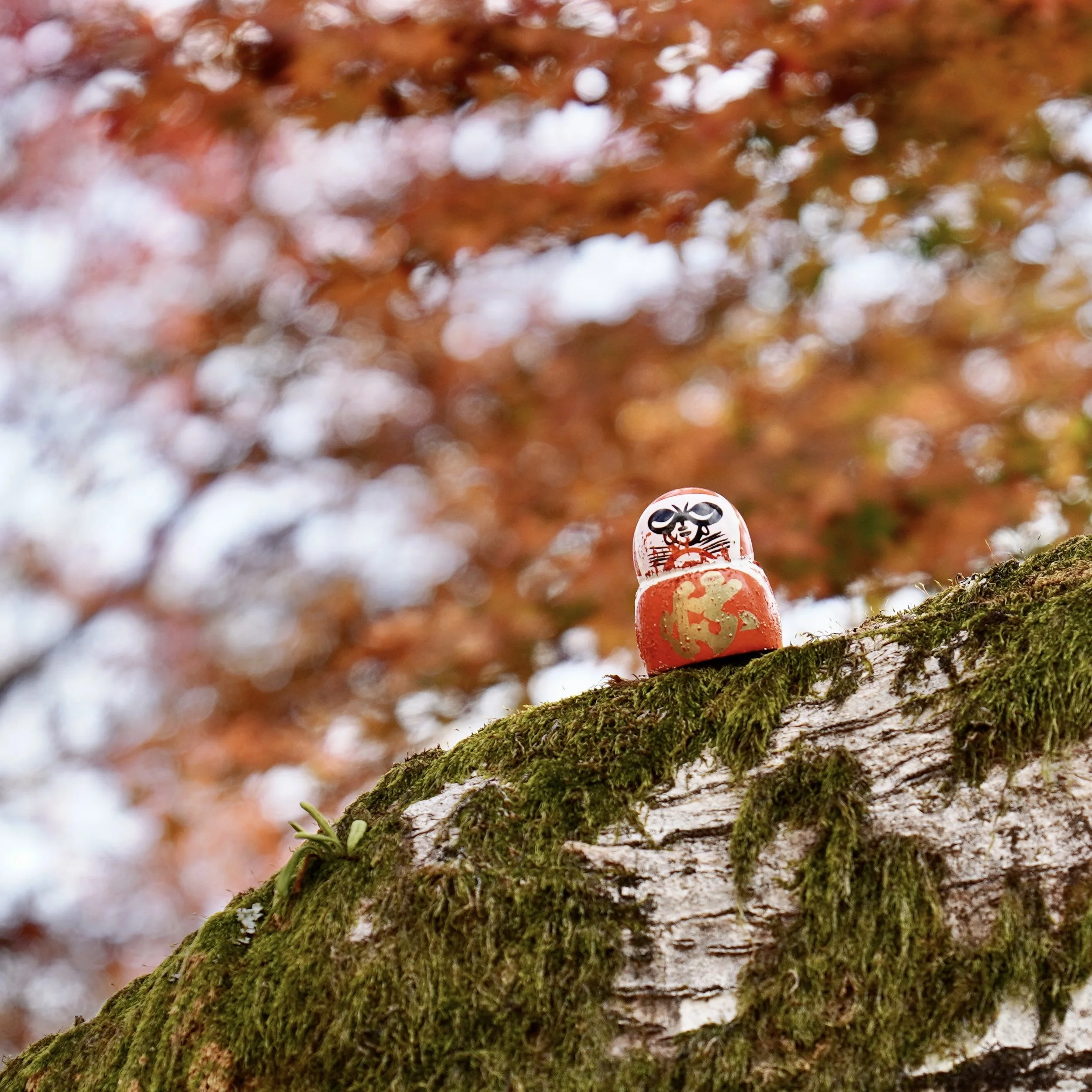
Why no arms and legs
The armless, legless shape itself comes from an older story. Bodhidharma, the monk credited with bringing Zen Buddhism from India to China, is said to have sat facing a cave wall in meditation for nine years without moving, so still and so long that his arms and legs eventually withered away beneath him. That is the form every daruma still carries today, a seated silhouette with no limbs at all, not as a stylistic choice but as a direct echo of the legend. The weighted base and the eye-painting tradition sit on top of that same shape, two later customs built onto a form that was already, in its own way, a monument to not giving up.
The temple experience
Walking through the grounds, you see them everywhere. Some weathered and faded by seasons of rain, others vibrant and freshly painted. Each one represents someone's dream or achievement, and knowing that changes how you look at them. It stops being a photogenic pile of red dolls and becomes something closer to a field of quiet, private hopes, left out in the open for anyone to walk past.
The daruma doll represents perseverance. It is weighted at the base so it always rights itself when knocked down, no matter how many times. The tradition tied to it is simple but effective: you paint in one eye while making a wish, and only paint the second eye once that wish comes true. At Katsuo-ji, visitors who succeed return to leave their completed daruma behind as an offering of gratitude, which is why the steps and altars are so full. Every doll there has already done its job.
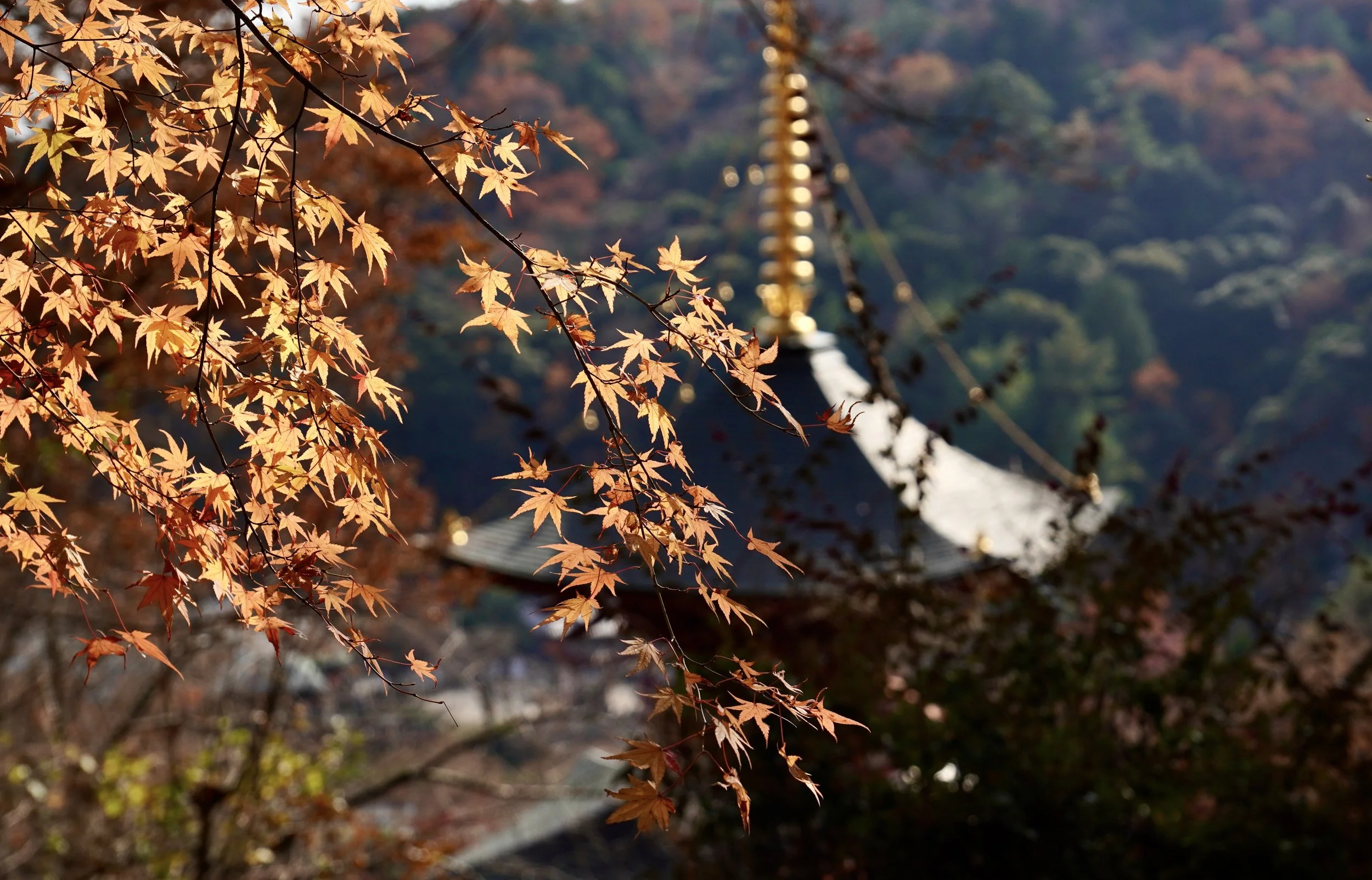
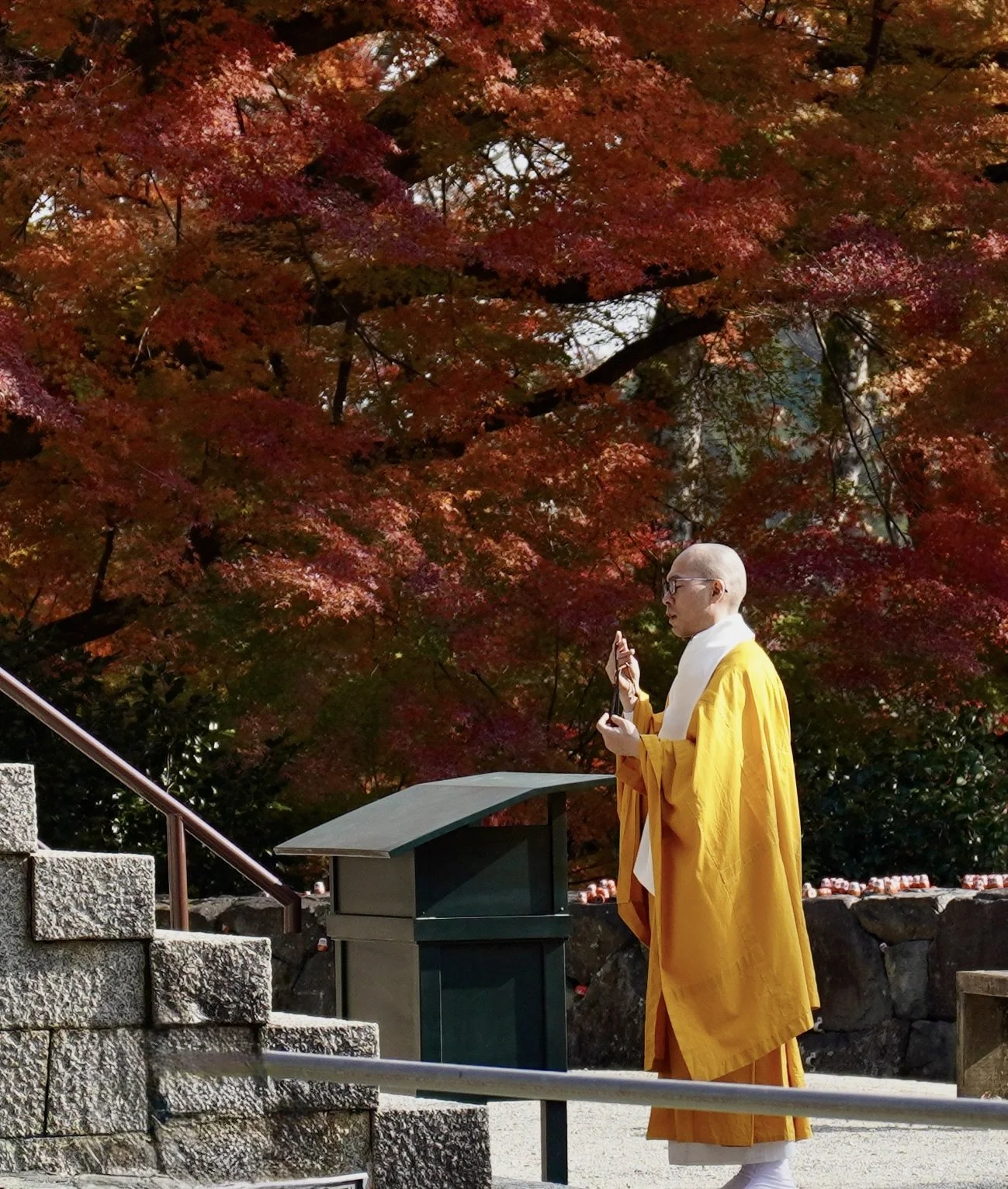
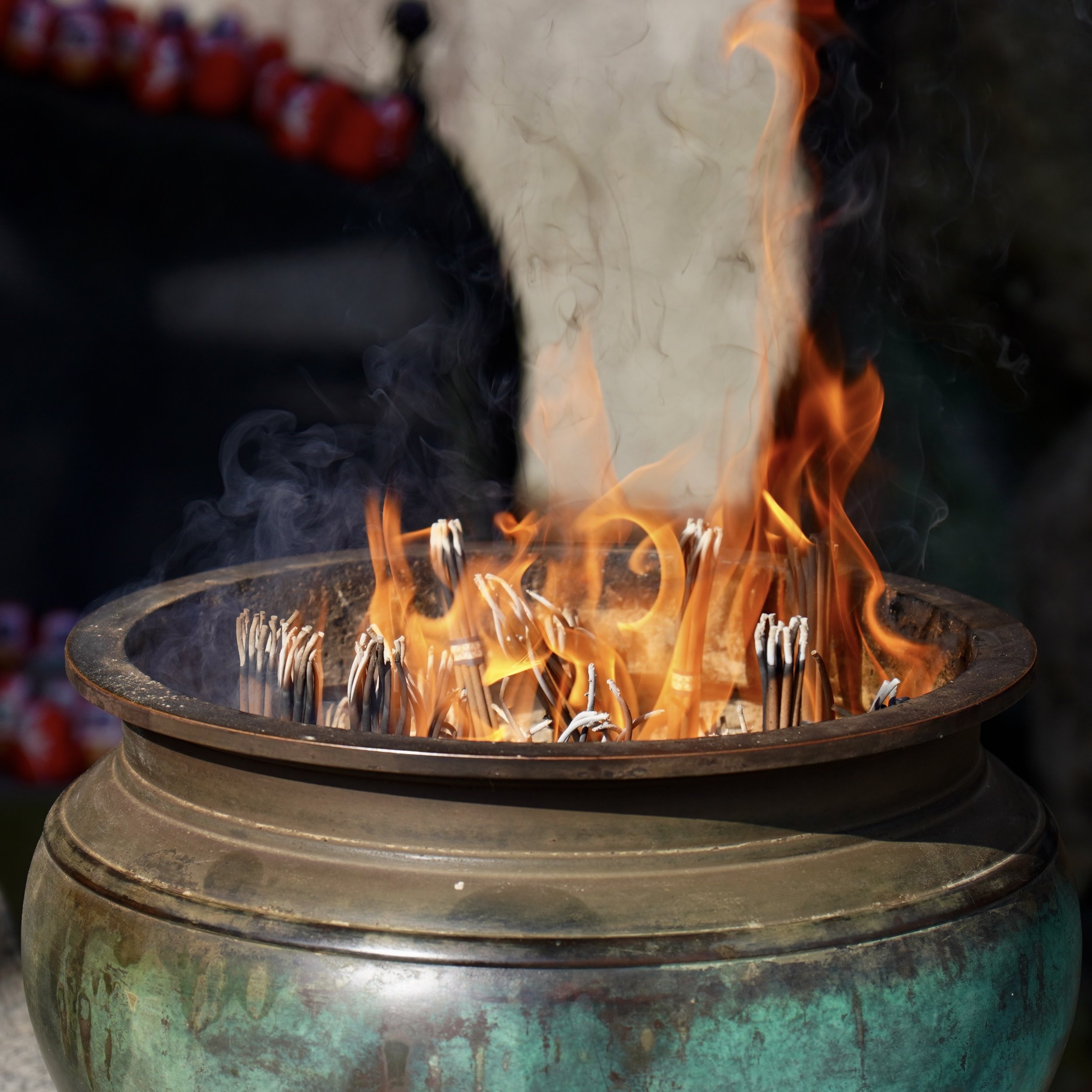
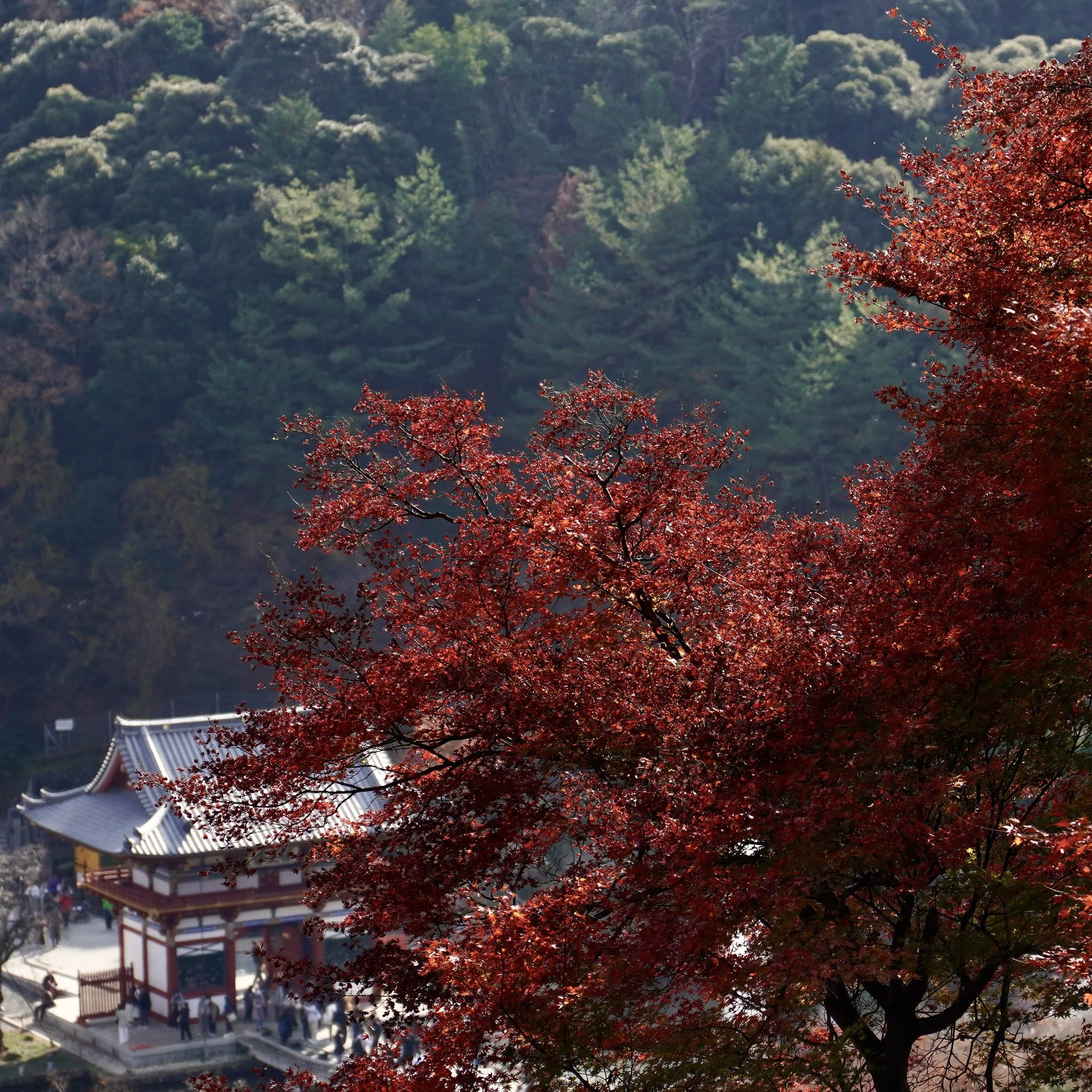
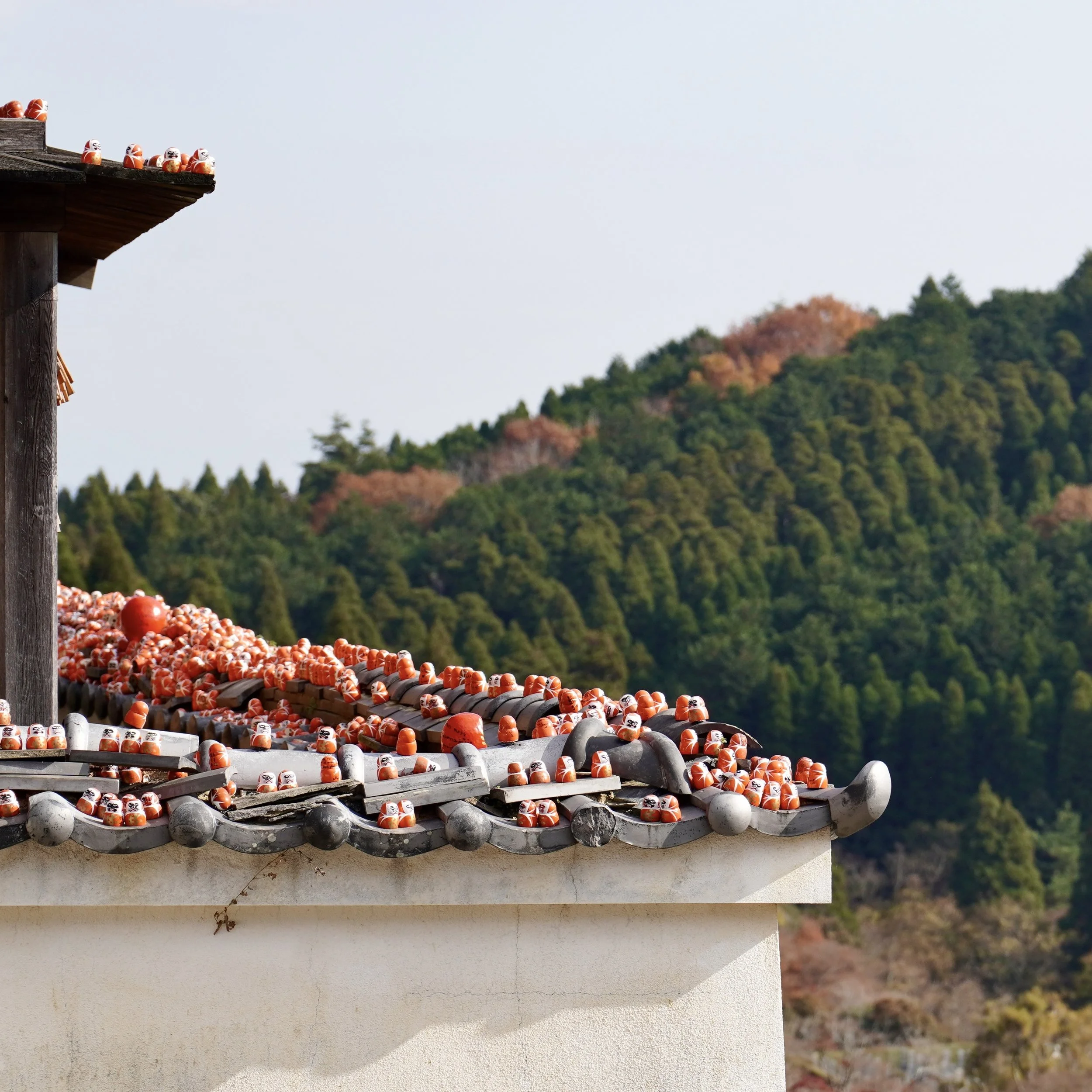
The white plastered walls and intricate tile work frame views of distant mountains and Osaka's urban sprawl below, a genuinely striking balance of old and new. The grounds cover a large stretch of forested mountainside, and walking them properly takes a couple of hours if you want to see the main hall, the pagoda, and the daruma-lined paths without rushing.
What struck me most was the quiet. Even with other visitors around, the mountain setting absorbs sound in a way that central Osaka never does. It is easy to see why monks chose this spot 1300 years ago and why it still functions as a place people travel to specifically to ask for strength, whether for an exam, a business decision, or something far more personal.
Katsuo-ji sits in Minoh, Osaka, and is best visited early in the morning or on a weekday to avoid the crowds, especially during cherry blossom season and autumn foliage, when both the temple and nearby Minoh Park draw large numbers of visitors. You can reach it by bus from Minoh-Kayano Station, and if you have the time, Minoh Falls nearby is worth combining with the visit, particularly beautiful in autumn. My tip: buy a small daruma at the shop on the mountain and place your own wish into it, rather than just admiring the thousands left behind by others.
On the wooden daruma in my own collection
The daruma at Katsuo-ji are the classic type most people picture: round, papier-mâché, painted bright red, mass-produced by specialist workshops for exactly this purpose, to be bought, wished upon, and eventually returned. That is its own honest tradition, and seeing thousands of them together is unforgettable.
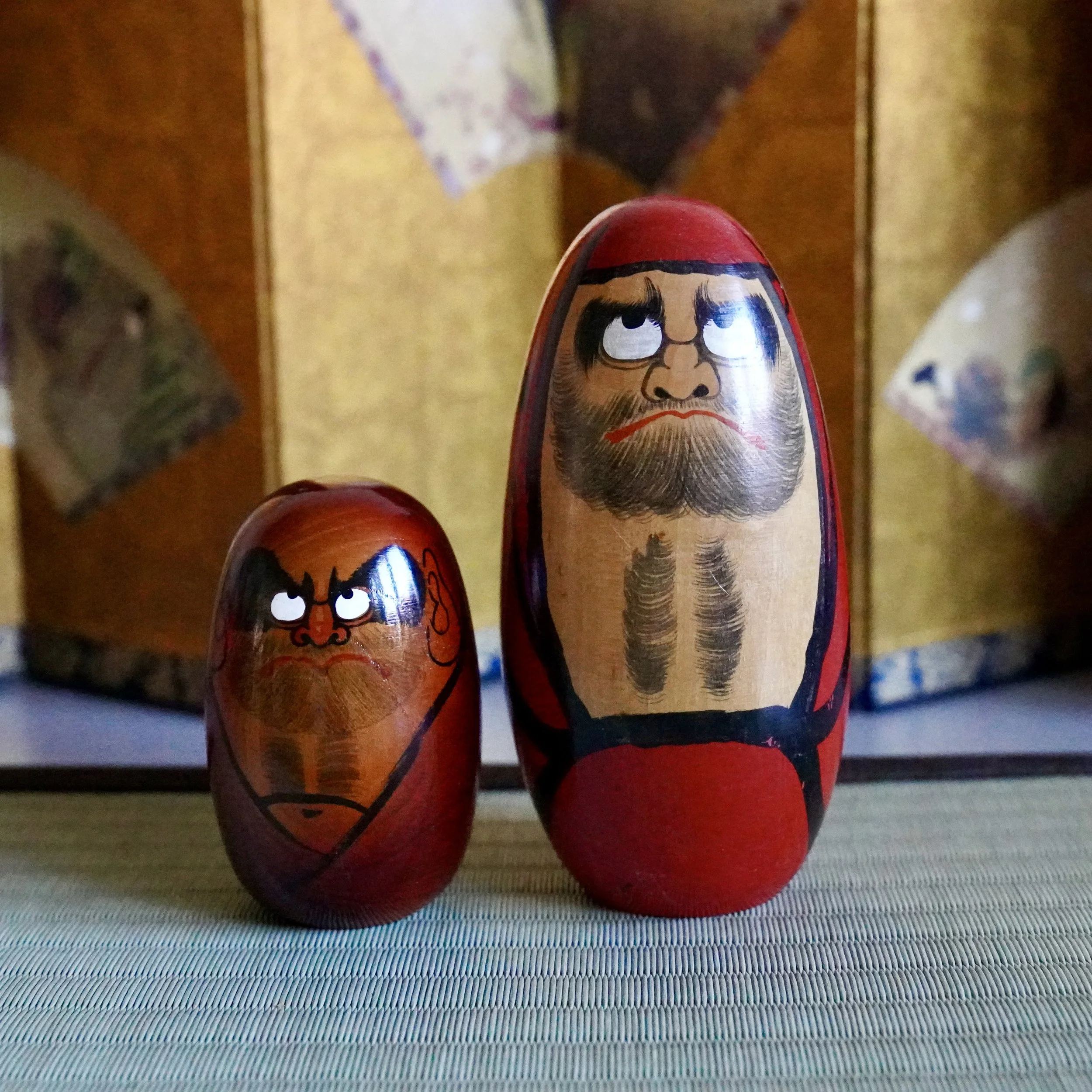
The daruma in my own collection are different, and it is worth being clear about that difference rather than blurring it. They are carved from wood, shaped by hand rather than pressed from a mould, and each one carries the individual character of the maker's tool marks rather than the uniformity of a workshop pattern. Where a papier-mâché daruma is meant to be used once, wished upon, and eventually retired, a wood-carved daruma tends to be a lasting object from the start, made to sit in a home indefinitely rather than to be returned to a temple.
What they share is the meaning underneath the material. The same symbolism of resilience, of rising again after being knocked down, runs through both. Standing among the thousands of red daruma at Katsuo-ji, surrounded by other people's completed wishes, made me think differently about the wooden ones I have sourced myself, carried home individually, and now hold in trust until they find the right home. They were never left at a temple, but they carry the same idea, just rendered in a material meant to last generations rather than one meant to be offered and released.
Why This Matters for me as a Vintage Collector
Visiting Katsuo-ji deepened my appreciation for the vintage daruma in our collection, wooden or otherwise. These are not just decorative objects. They are vessels for human aspiration, often carrying meaning long before they ever reach a shop or a home.
Understanding their cultural significance adds layers of meaning to each piece. That is what draws me to Japanese vintage in general: the connection to craft, history, and intention, and the way a single object can hold all three at once.
Read more
A selection of other journal posts and daruma pieces from the collection.
→ Curious to see the pair from this exact tradition, both signed by different makers, standing shoulder to shoulder? Vintage daruma pair by Shido Shozan and Seifu Gono
→ Not every daruma in the collection carries a maker's signature. Some carry their history in a handwritten date instead. Hand painted wooden daruma pair, dated 1983
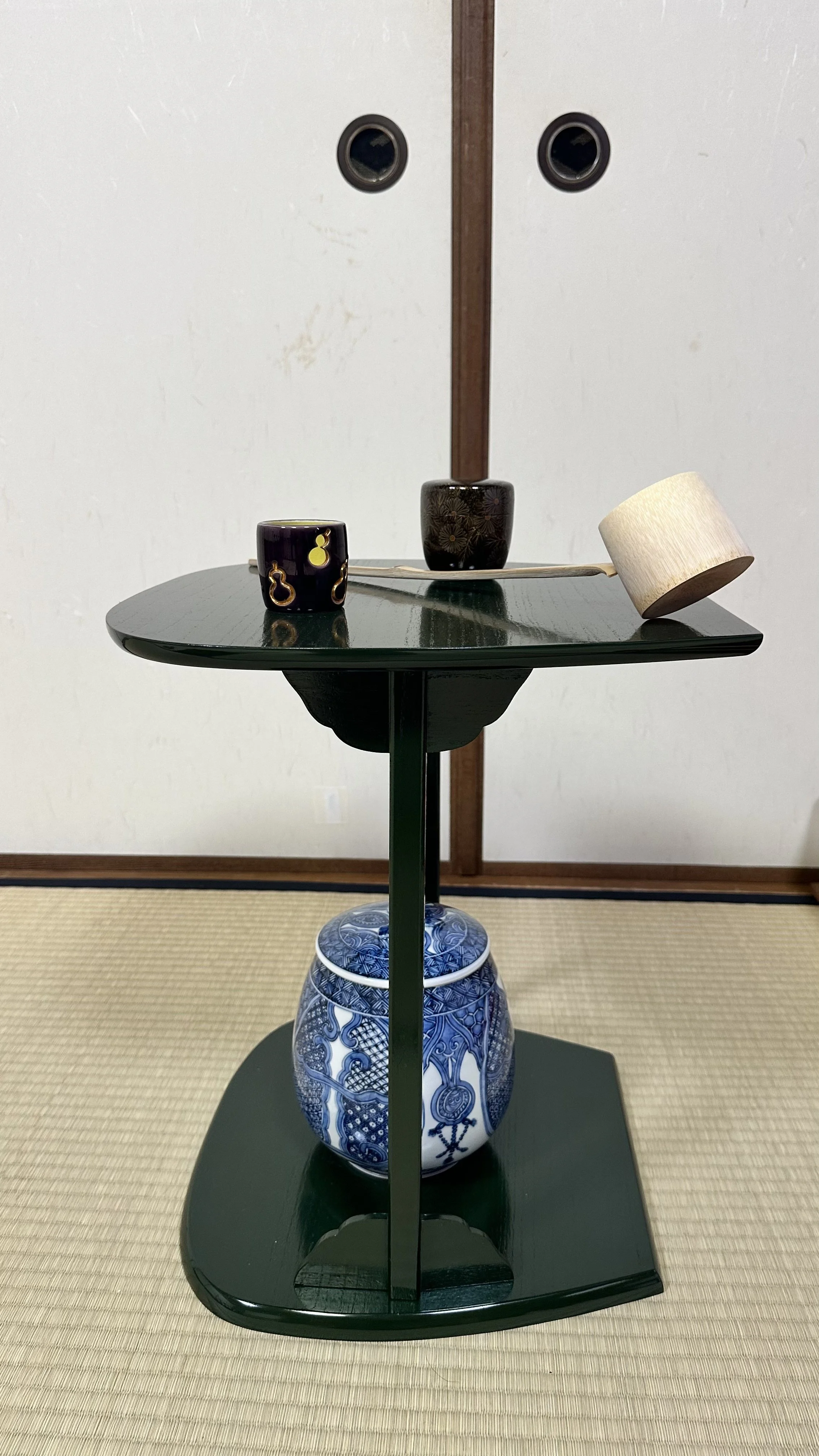
→ Curious about the meditation traditions daruma grew out of? I put together three objects for a Japanese meditation corner at home, and why each one matters, in my journal.
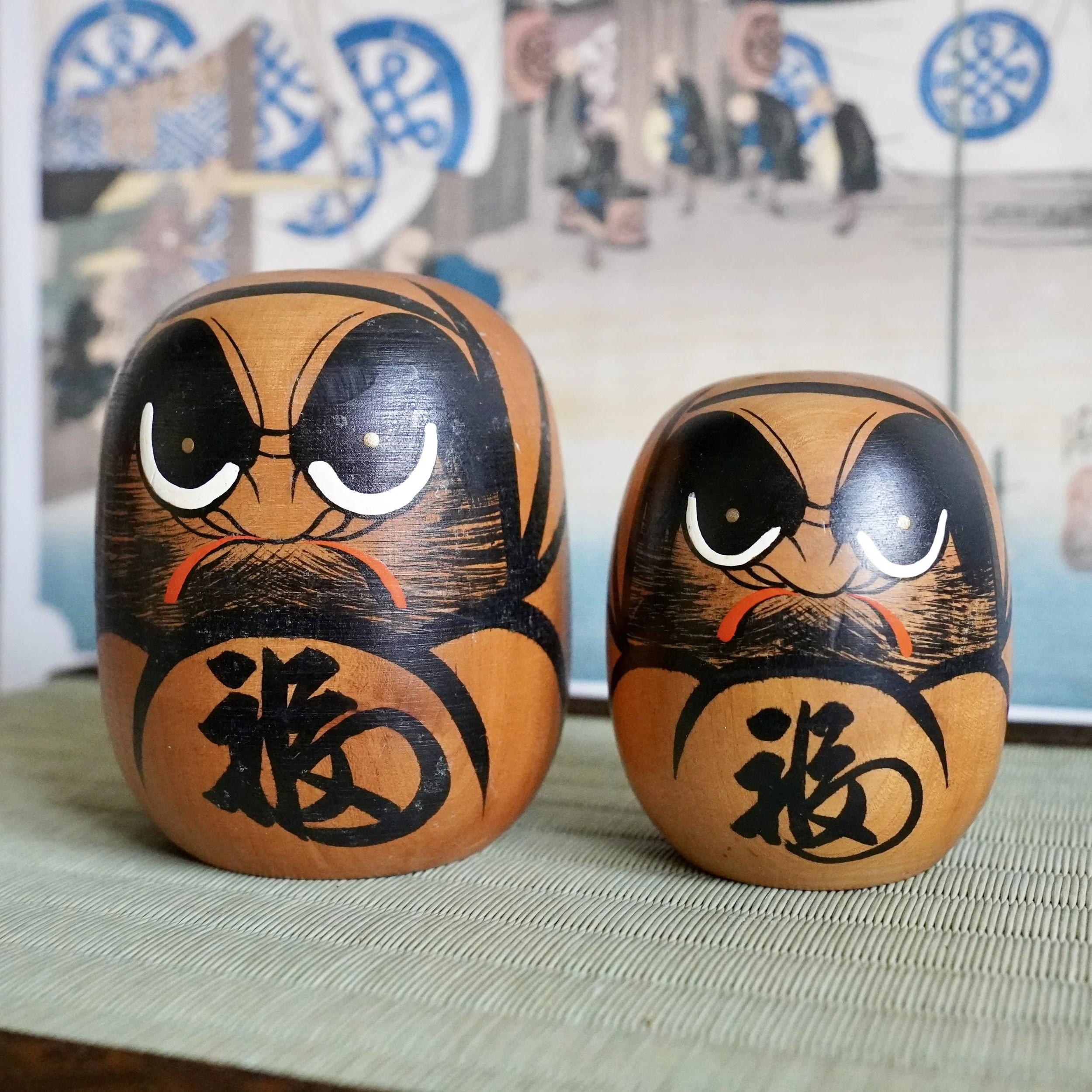
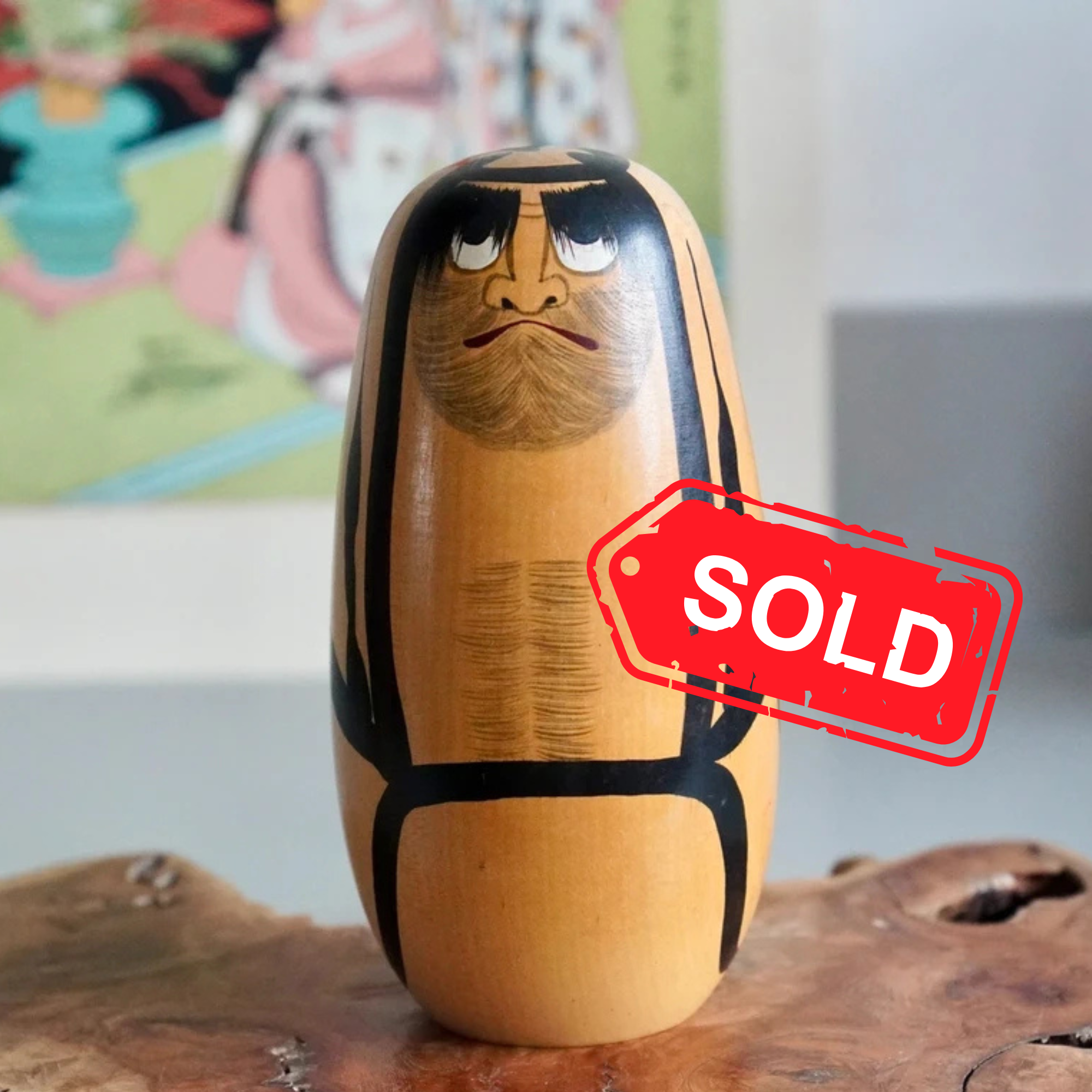
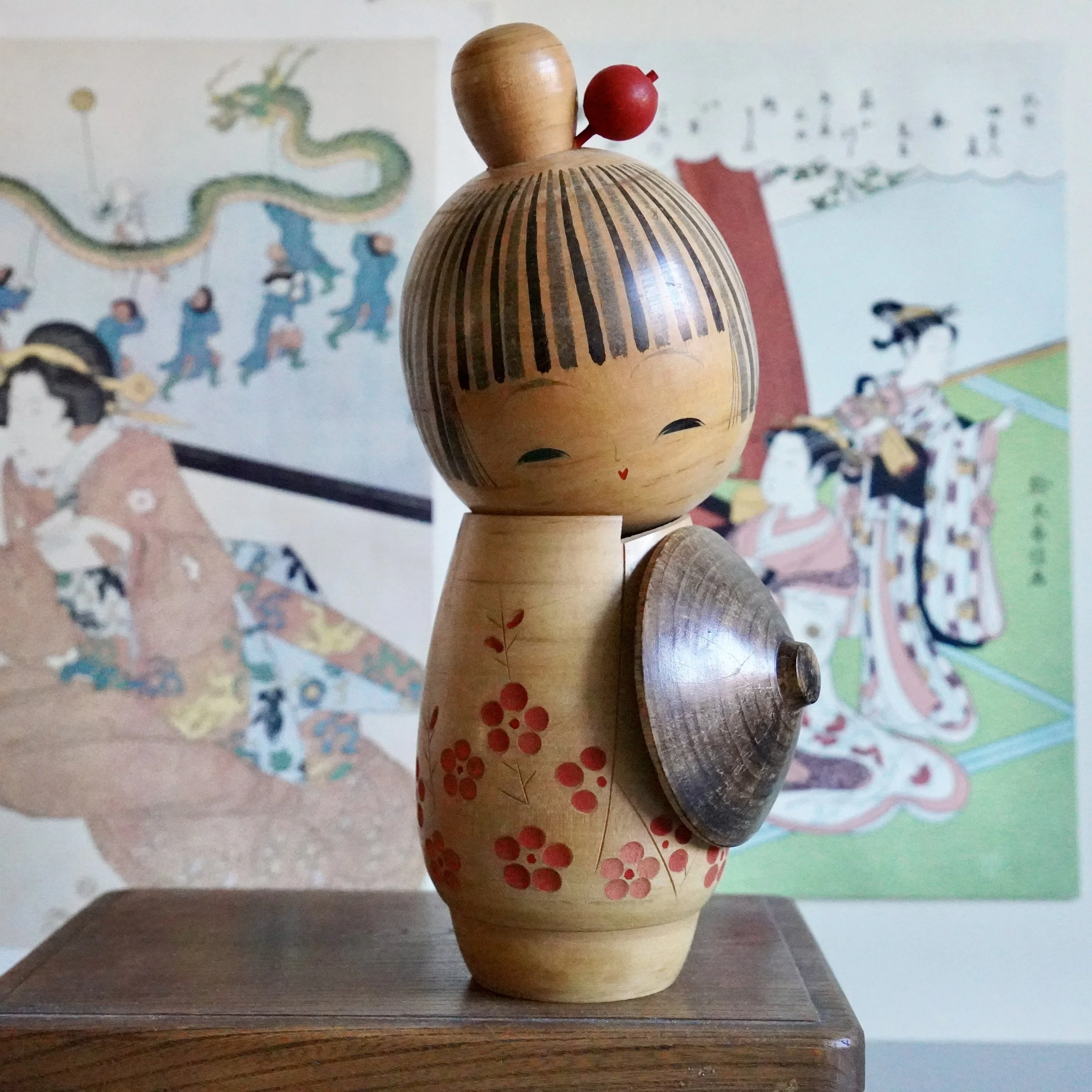
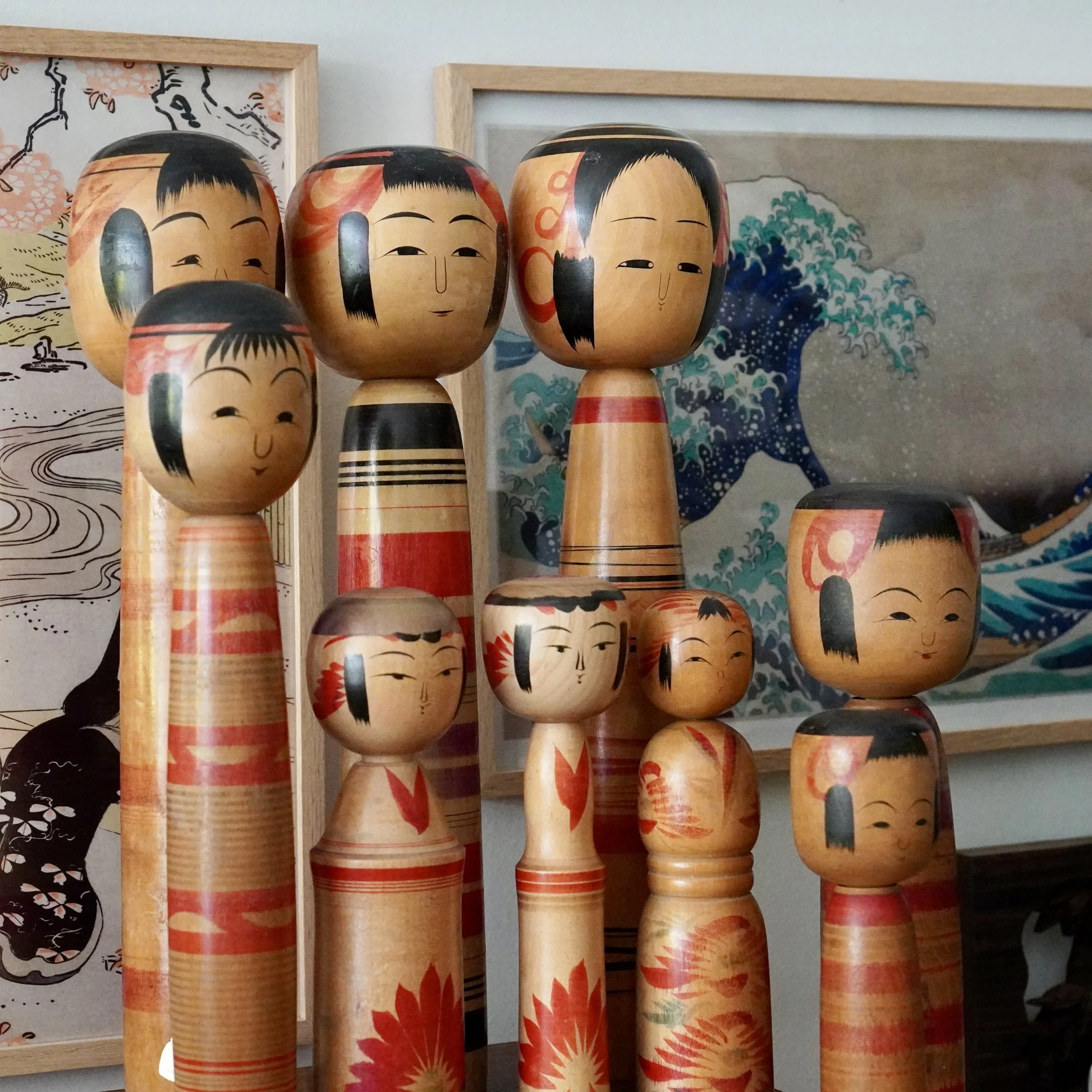
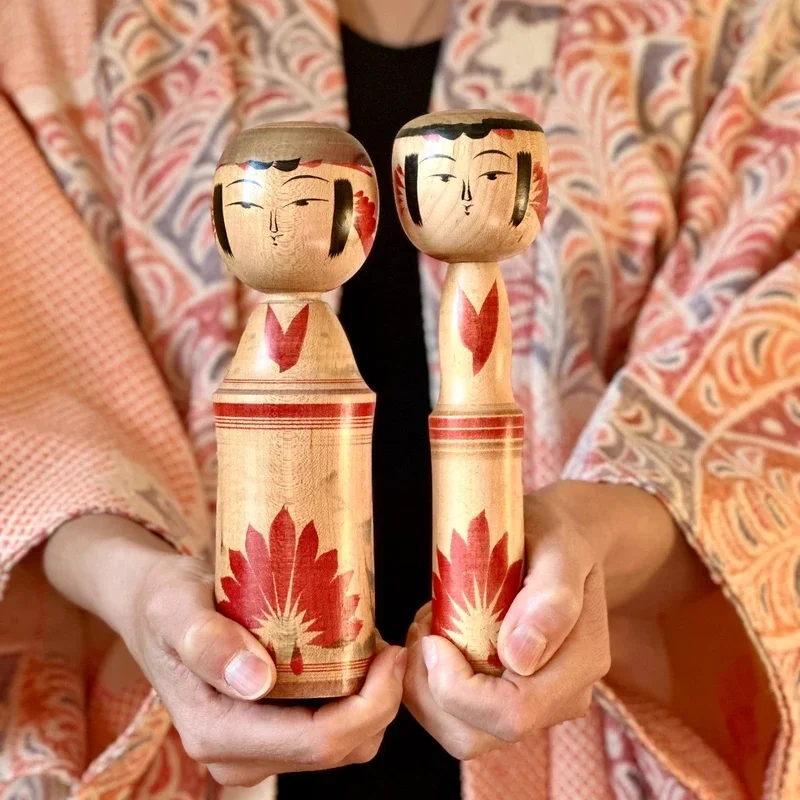
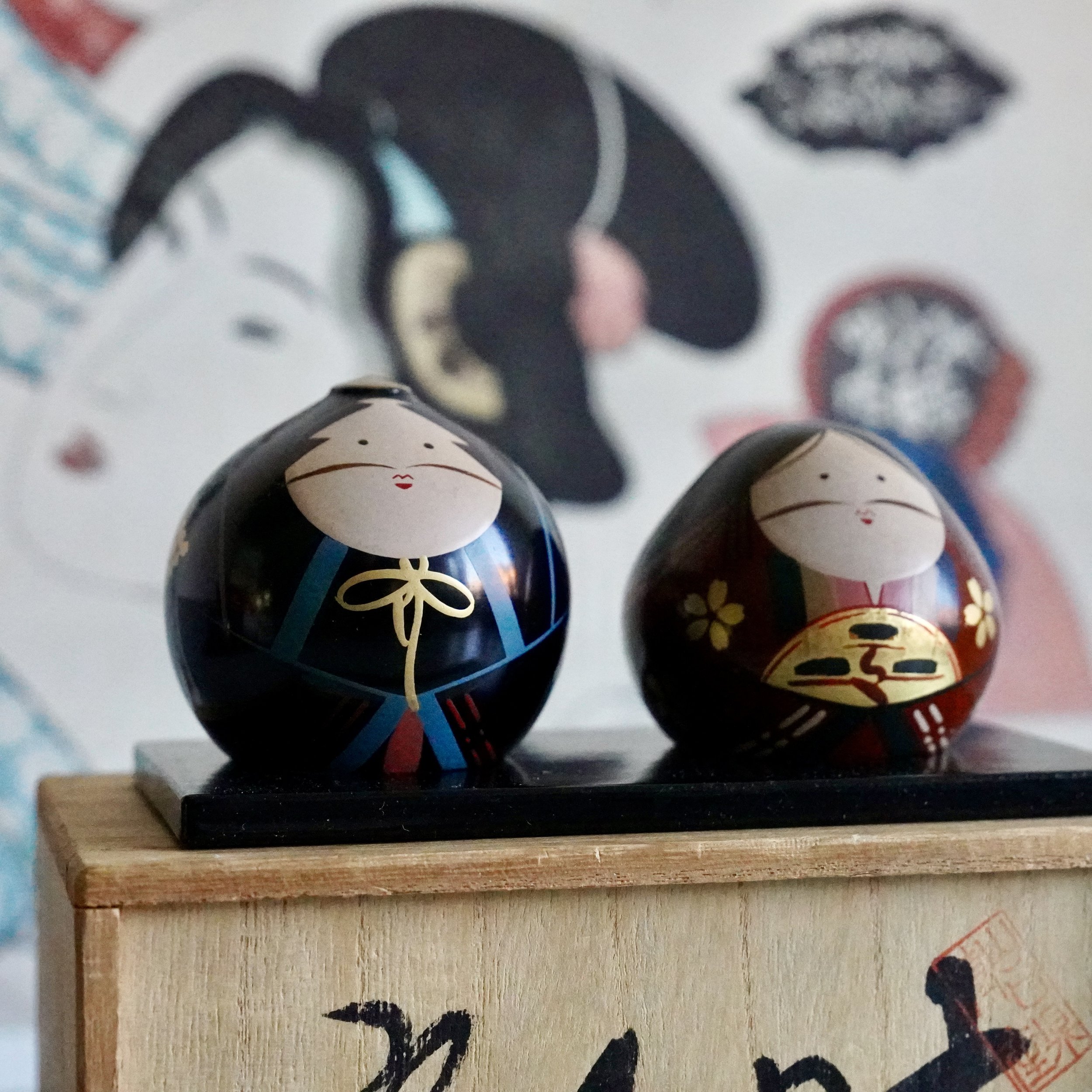
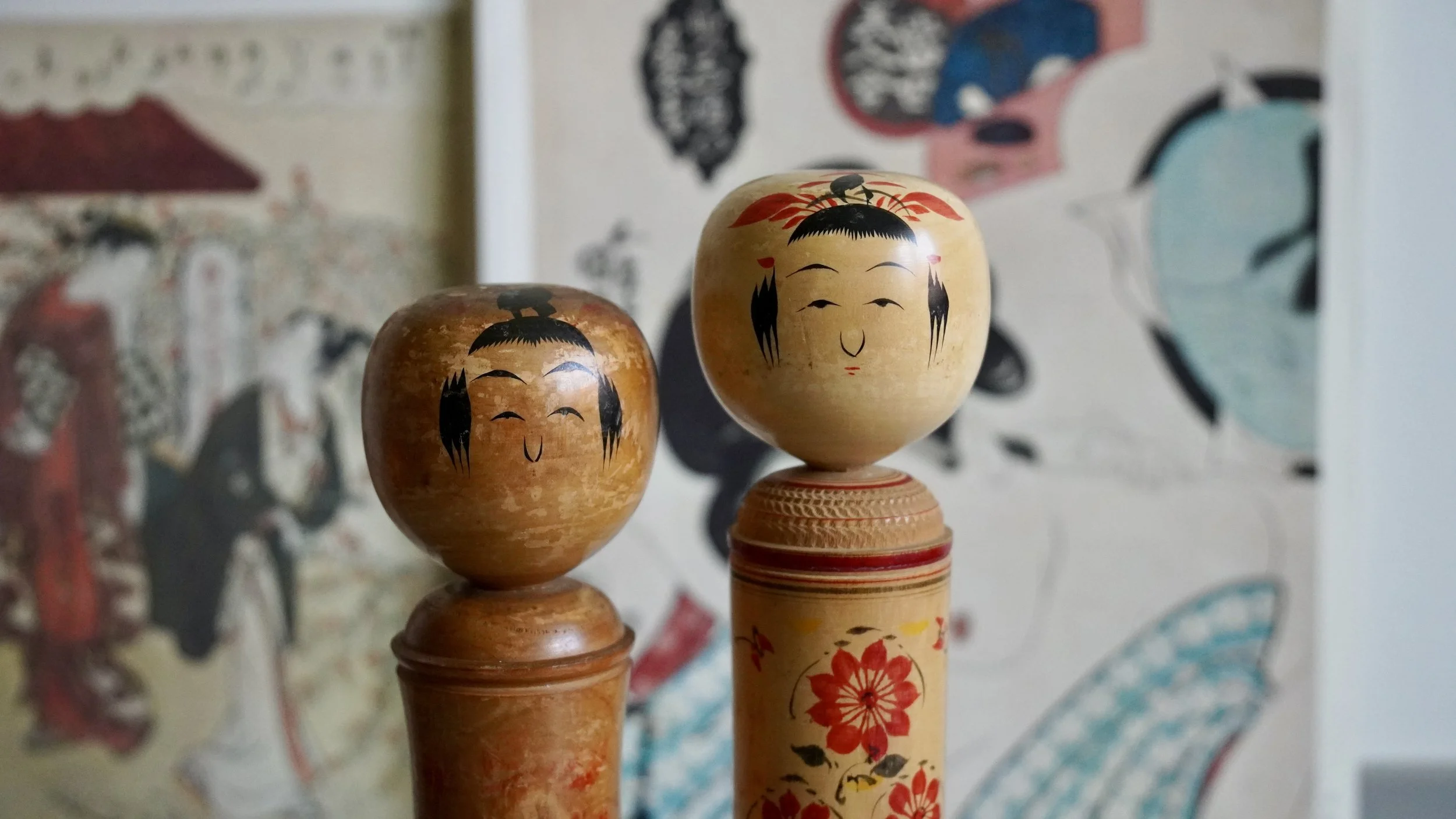
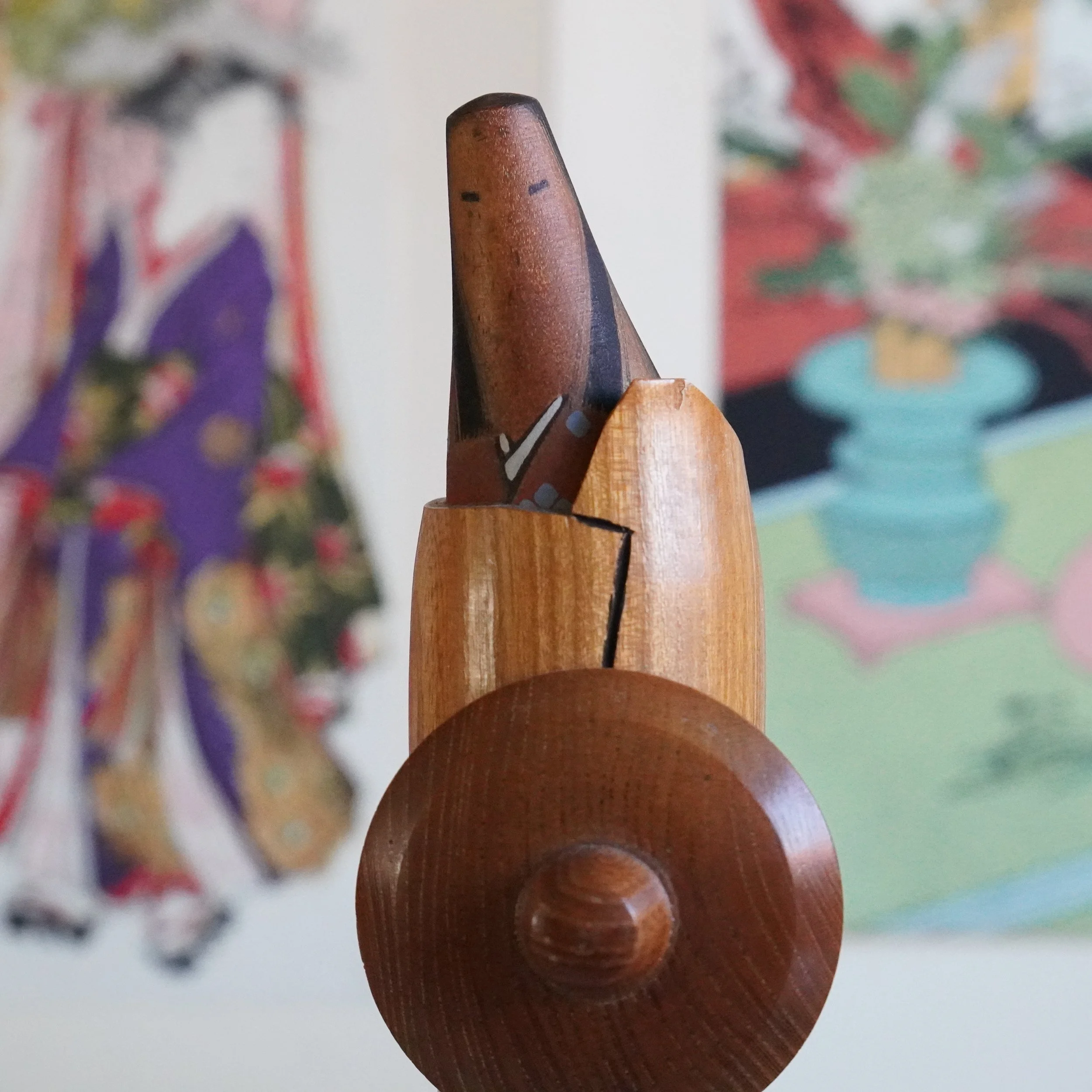
Two round, hand painted faces, caught mid scowl, sit side by side like they have been arguing for decades. One wears a red collar around its base, the other is left in plain wood, and both carry the same fierce eyebrows and downturned mouth carved from a single turn of the lathe. There is no seam anywhere on either piece, just one continuous curve from crown to base, the kind of shape that only comes from a craftsman who has made this exact form hundreds of times before.
Both are signed on the base with the place name Nuruyu and the name Satō Zenji, one of the two craftsmen credited with keeping the Tsugaru kokeshi tradition alive in the town of Kuroishi after the war. He learned the trade from master Mori Hidetarō starting in 1955, then spent years travelling to department stores across Japan to demonstrate the craft in person, building an audience for a doll making style that had nearly disappeared. Owning a signed pair like this means owning a small, physical piece of that revival.
Curious where the daruma shape itself comes from, arms and legs withered away through nine years of meditation? I stood among a thousand of them on a hillside in Osaka. Read about it in my journal.