
Travel stories, unexpected encounters and the crafts that make Japan worth going back for.
Every piece in the shop started somewhere.
Here is where I write about the travel, the people, and the crafts behind it and how to take care of them.
Sourcing diaries from regular trips. Warm encounters with collectors and makers. And the beautiful landscapes.
Deep dives into the traditions I keep returning to: urushi lacquerware, kokeshi, chawan, haori…. And the quiet details that make Japanese craft worth seeking out
Stories from my journal
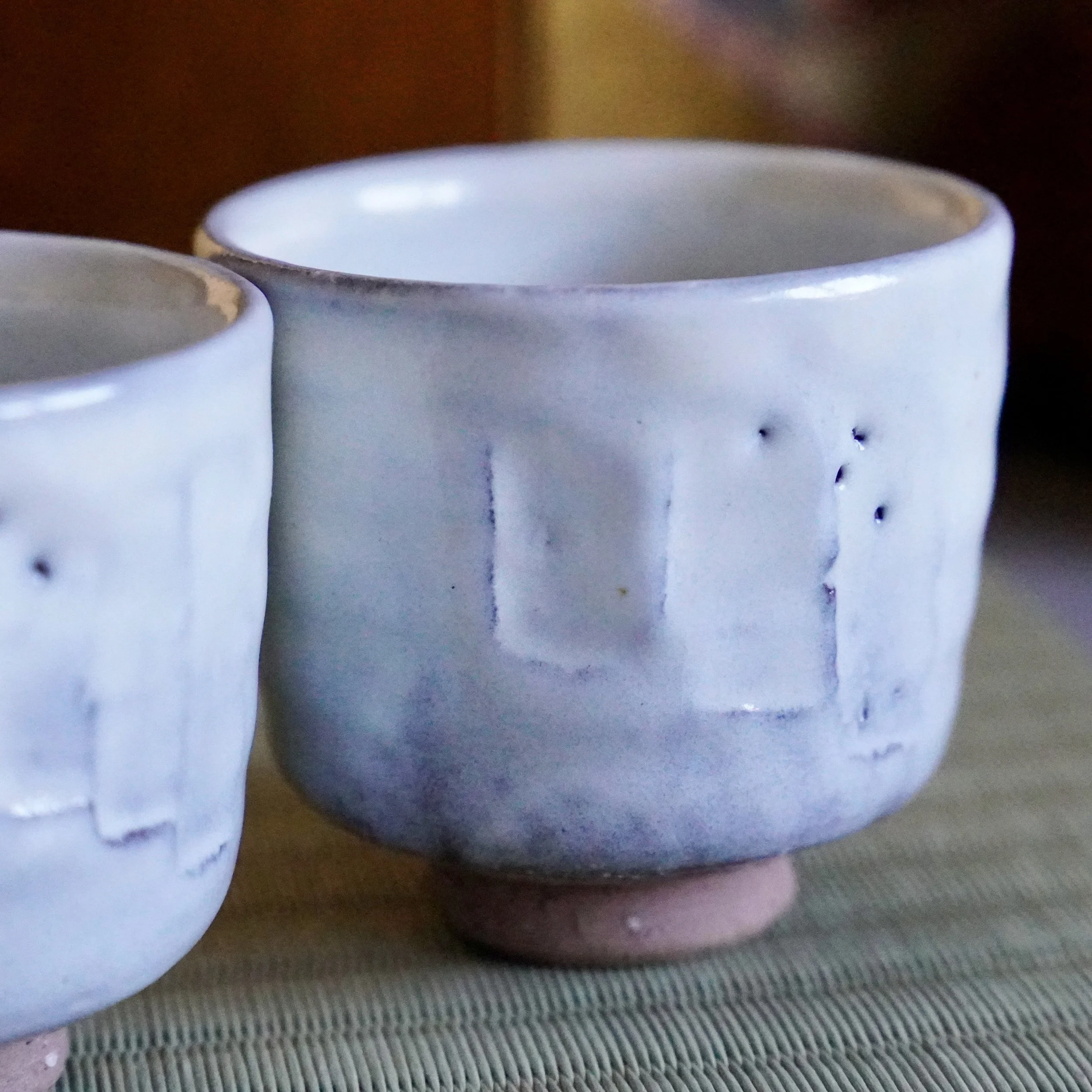
Su-ana: the nest holes hiding in Japanese stoneware glazes
Tiny pinholes scattered across a thick glaze, a texture called su-ana, tell you more about Shino and Hagi ceramics than most people realise. Here's what causes it, and why potters never smoothed it away.
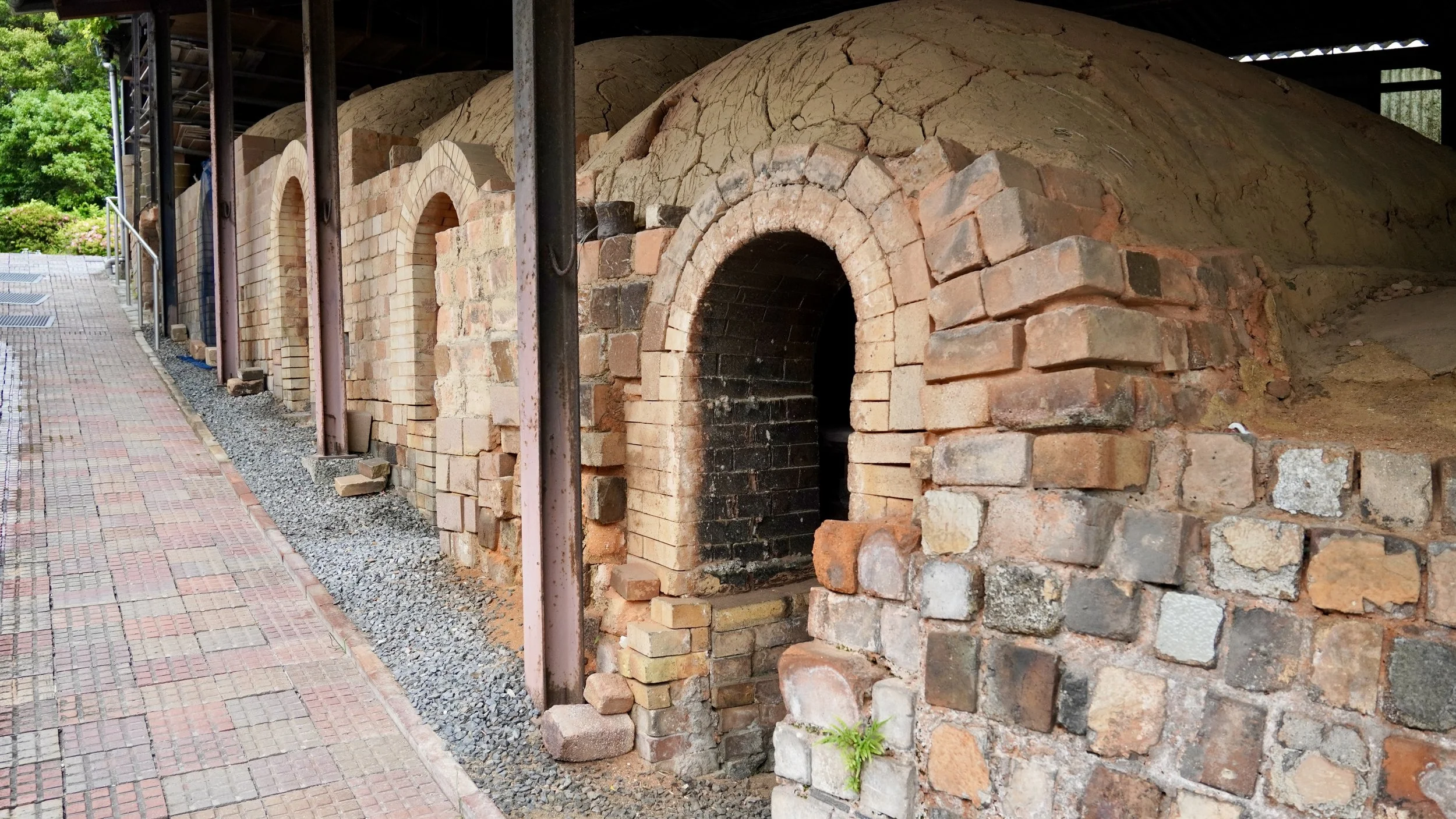
A quiet morning at Senryūzan: inside a Hagi kiln that has worked since 1826
Senryūzan (泉流山) is a Hagi-yaki kiln in Yamaguchi Prefecture founded in 1826, tracing its roots back further still to the late Edo-period Obata-yaki tradition. The kiln was led for decades by Yoshiga Taibi, a recognised Person of Cultural Merit, and is now run by his son Yoshiga Hatao. Senryūzan still fires in a wood-burning noborigama, one of the few climbing kilns in Hagi still worked this way.
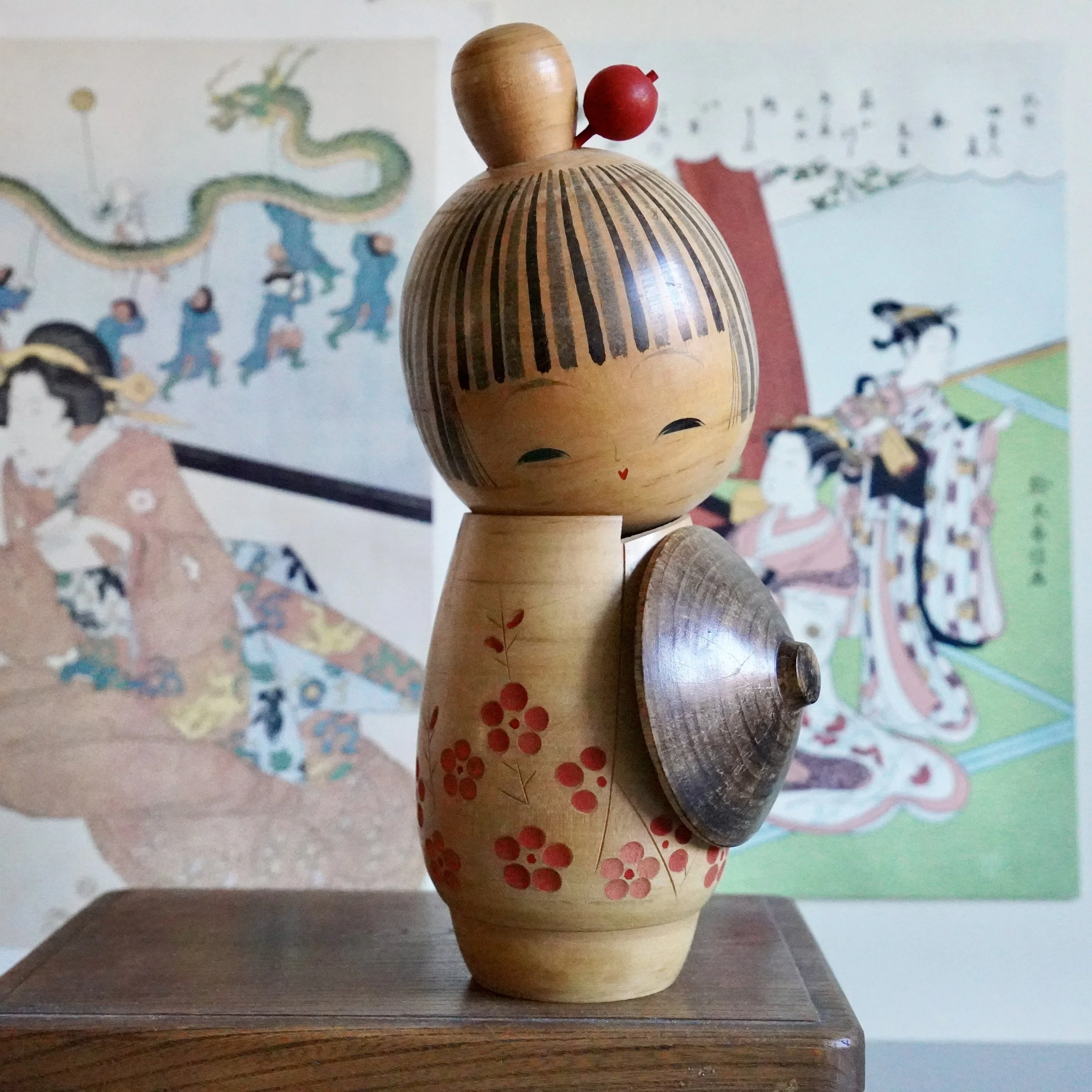
Oshinobi dōchū: the kokeshi tradition of travelling in disguise
Oshinobi dōchū, travelling incognito, shows a Heian noblewoman shielding her face with a kasa hat while journeying in disguise. Two pieces in the collection, by Sato Suigai and Seiju Kon, show how differently that same story can be built in wood.
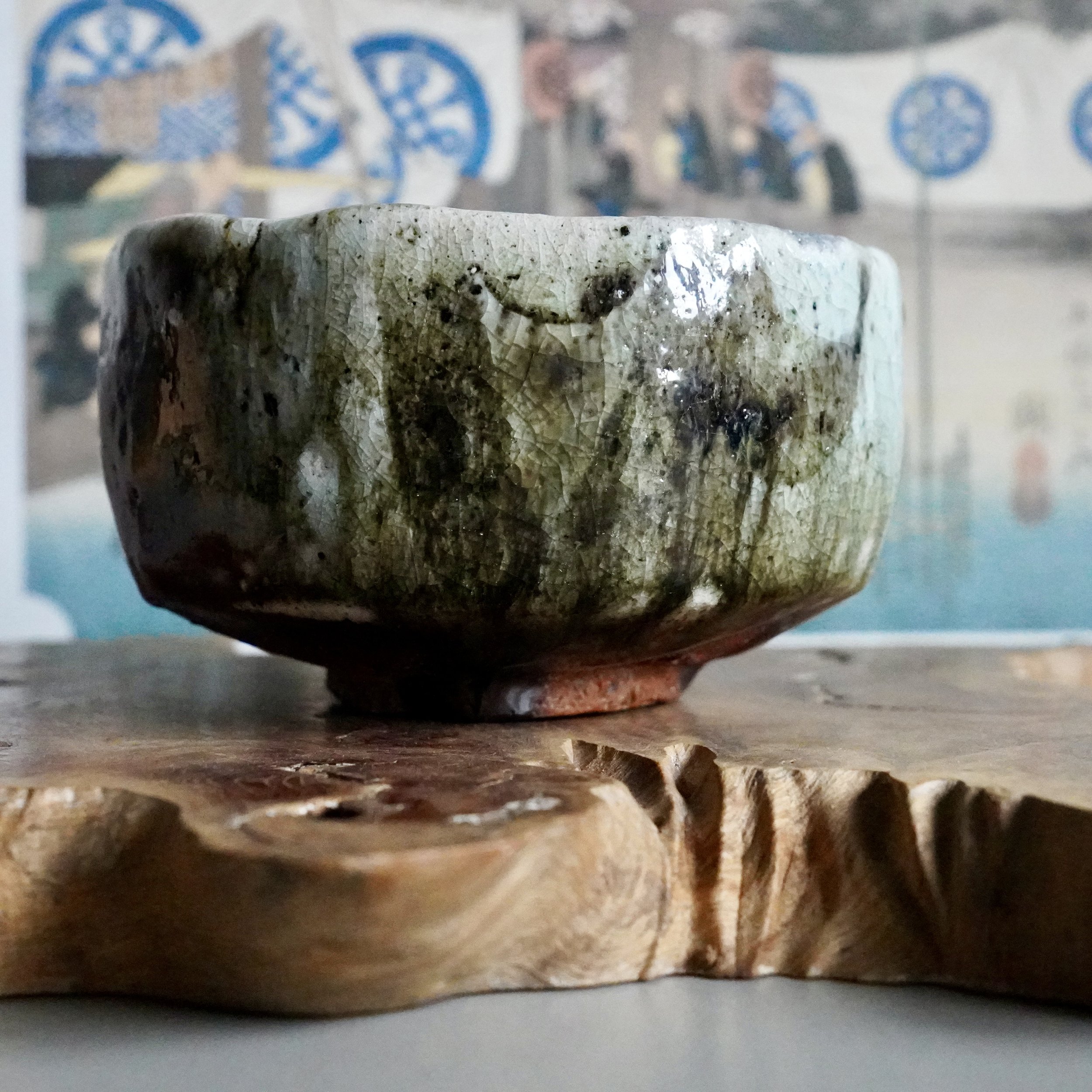
One glaze, three lives: a wood-fired chawan explained
This chawan was fired at the Kakuzan-gama, a kiln built in 1959 inside the Kyoto headquarters of Ōmoto, a Japanese religious movement, by Kaneshige Sozan, a member of Bizen's most celebrated pottery family. It is signed by Deguchi Eiji, who served as Ōmoto's Sōchō (director) from 1958 to 1962. A single white glaze on this bowl developed rust, near-black and crystalline blue effects during firing, the result of flame position, ash deposit and heat variation inside a wood kiln, not of painting or decoration.
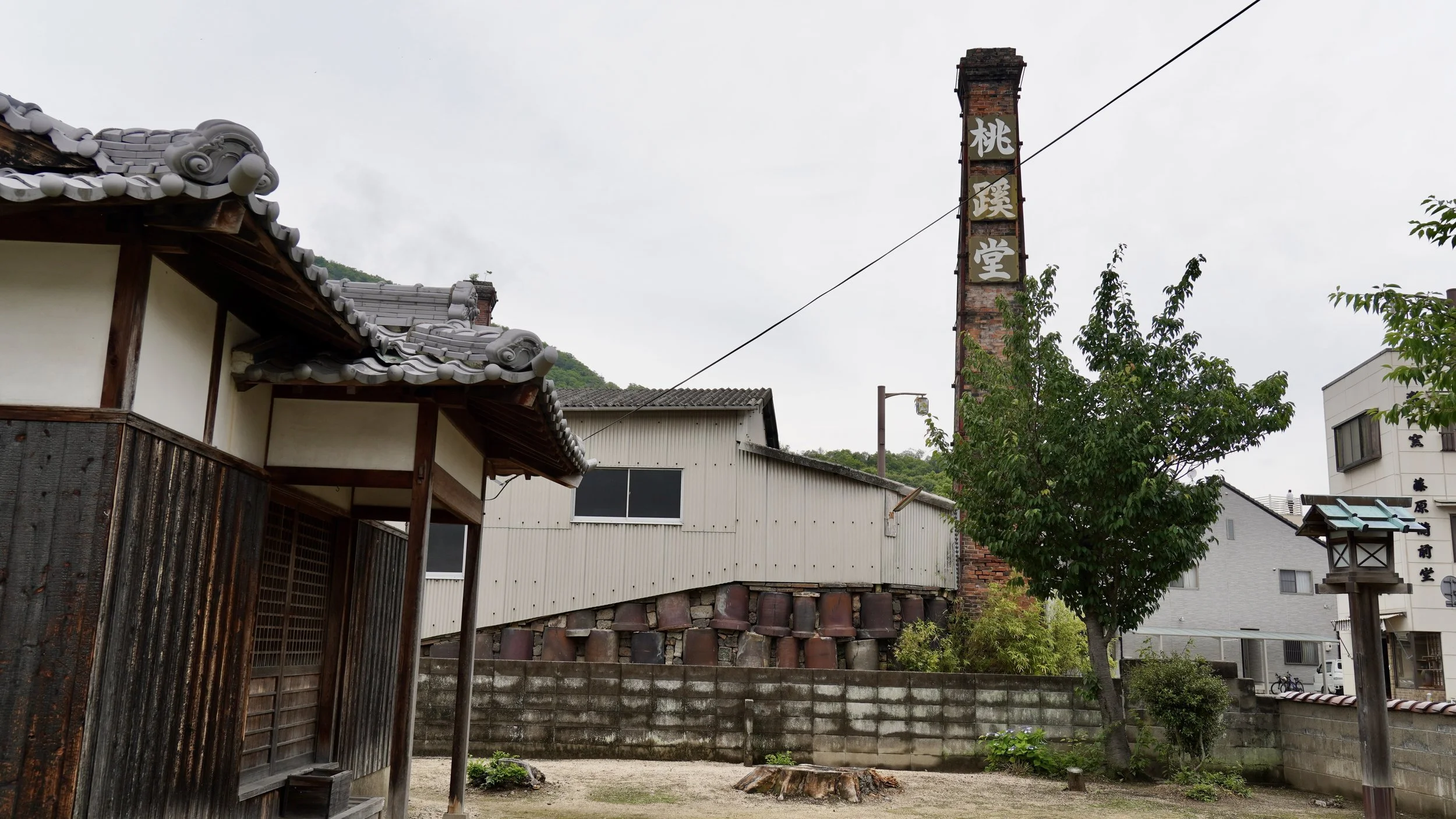
Fourteen days, one fire: what it actually takes to fire a Bizen kiln
Bizen-yaki is never glazed and never painted. Everything visible on a finished piece was decided during the firing itself, by potters who spend two weeks feeding a kiln by hand, reading the fire instead of a dial. On a return visit to Shibaoka Tōsendō, the Kōzan-gama kiln in Imbe, here is what that actually looks like from the inside.
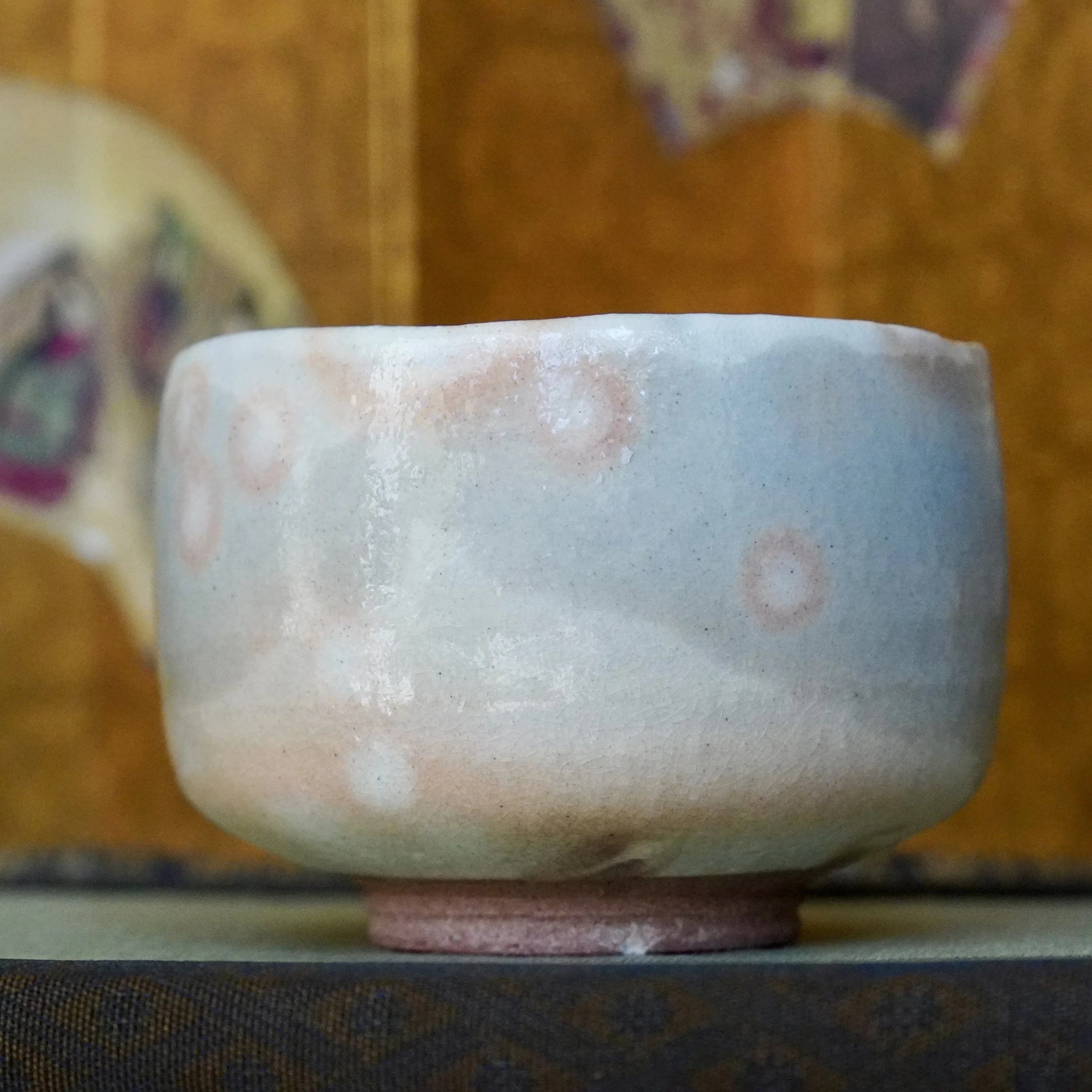
What happens when water meets Hagi-yaki: kan'nyū and nanabake, watched in real time
I filled a Hagi chawan with water and watched what happened. Within a minute, the glaze showed exactly how it will change with years of tea, and four other pieces revealed just how differently that process can unfold, starting long before the kiln, in the clay itself.
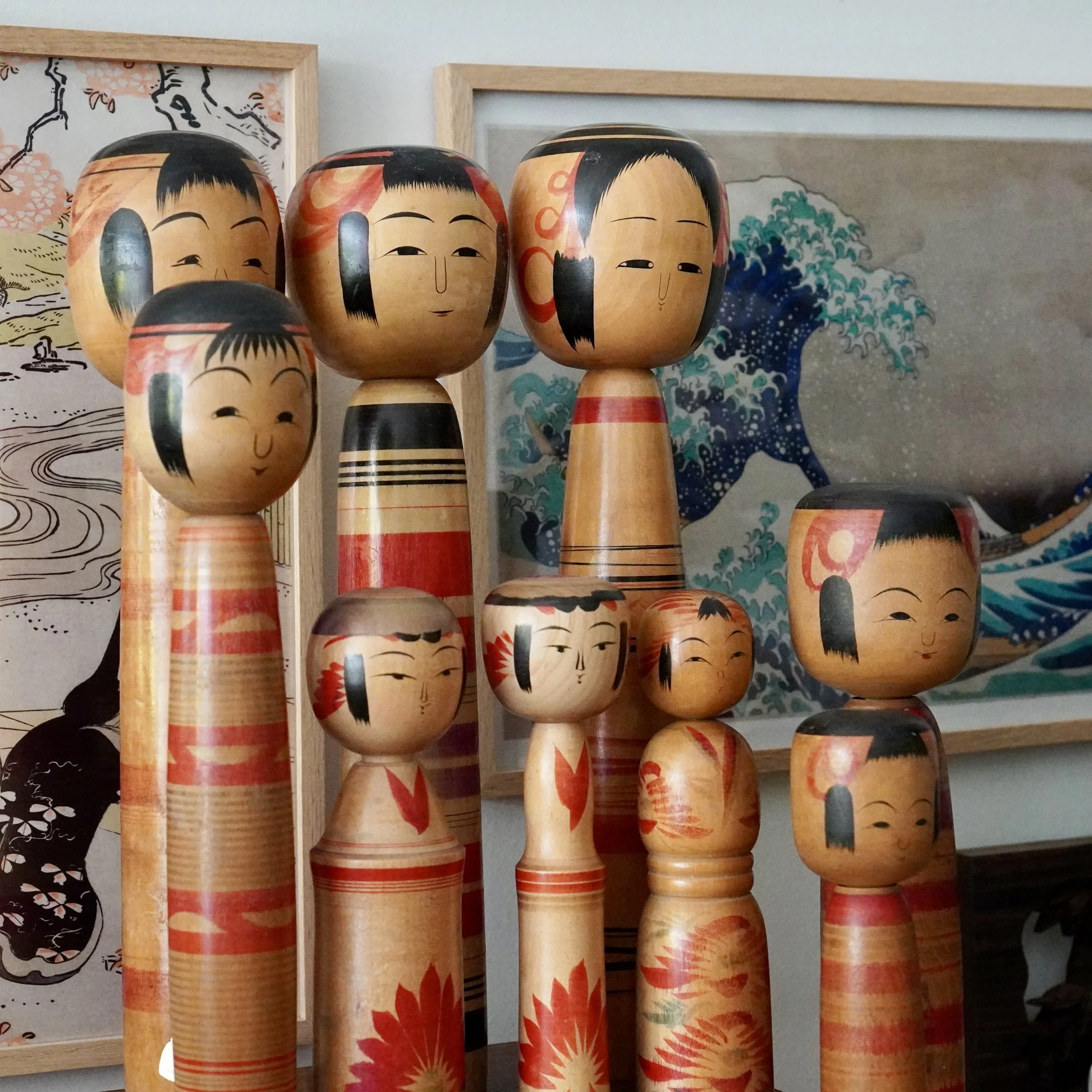
The eleven kokeshi traditions and how to tell them apart
Every kokeshi carries the place it comes from before it carries anything else. A guide to the eleven regional traditions of Tōhoku, and how to recognise each one on sight.
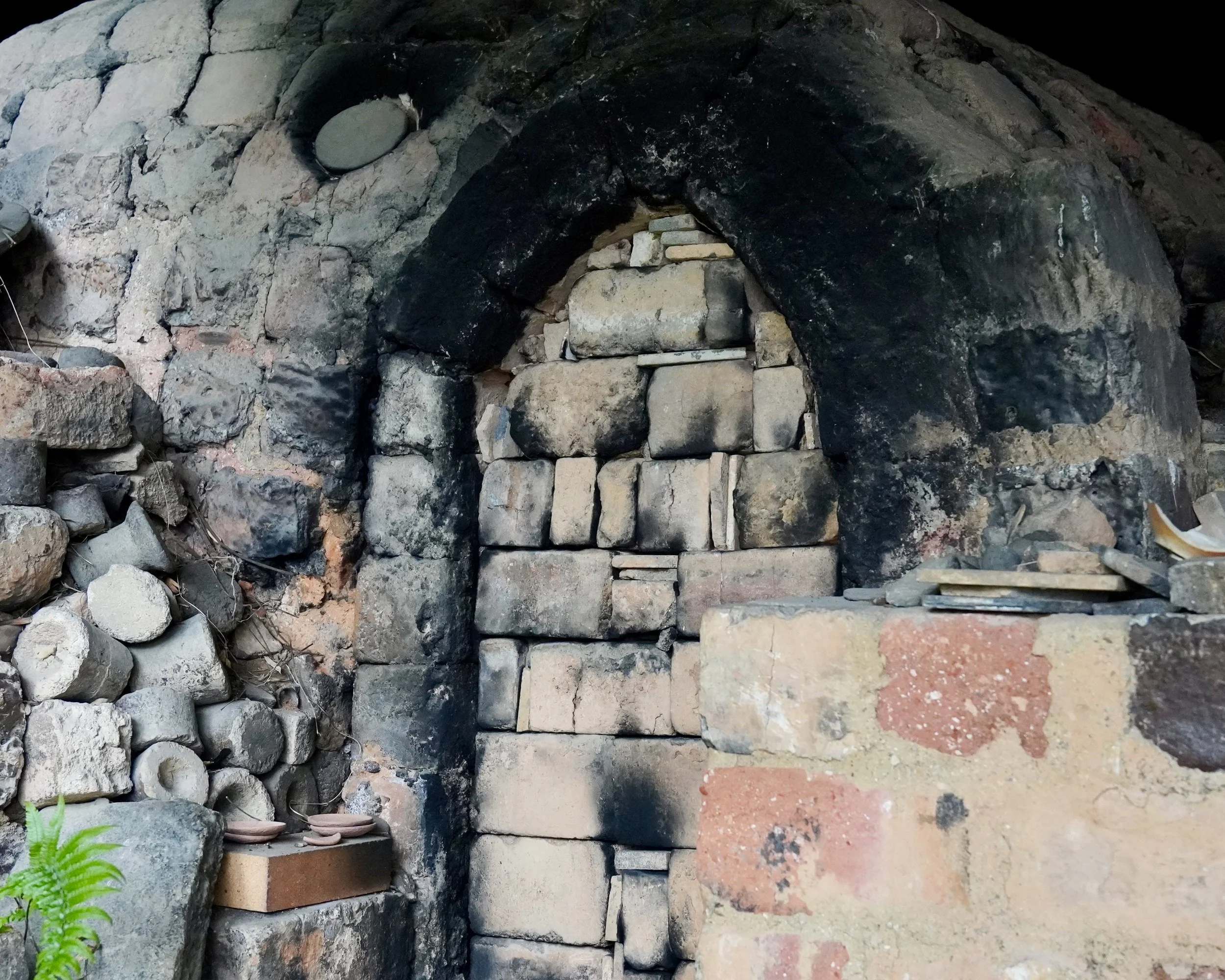
One of my favorite mornings in Hagi: come with me to the Okada kiln
Three generations under one roof, a blue glaze that surprised me, and a cat I bought on the way out. One of my favorite mornings in Hagi, at the Okada kiln.
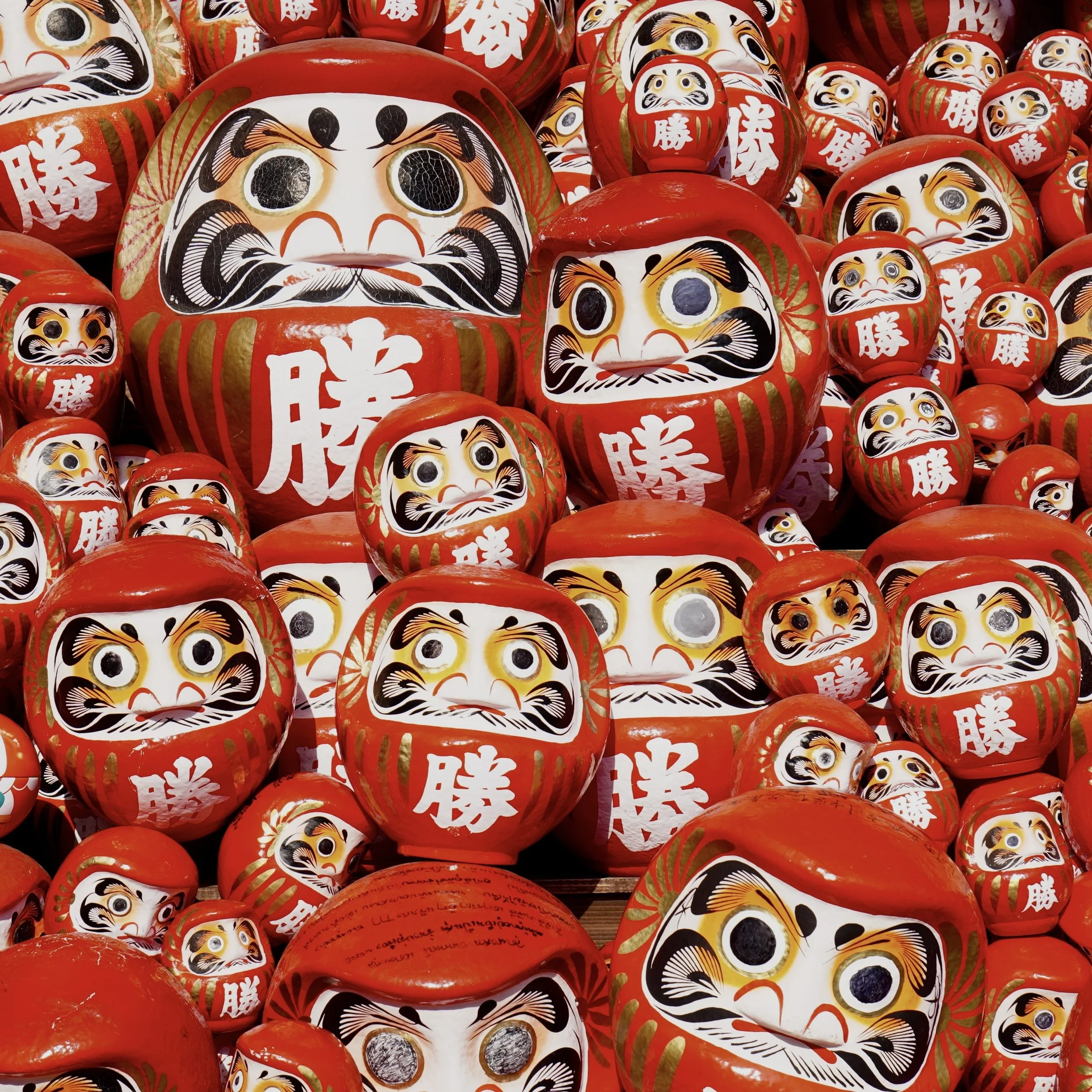
Journey to Katsuo-ji: The Temple of a Thousand Daruma in Osaka
Perched in the forested hills of Minoh, Katsuo-ji is known throughout Japan as the Daruma Temple, thousands of red daruma cascading down its steps, each one carrying someone's wish. A visit that changed how I see the wooden daruma in our own collection.
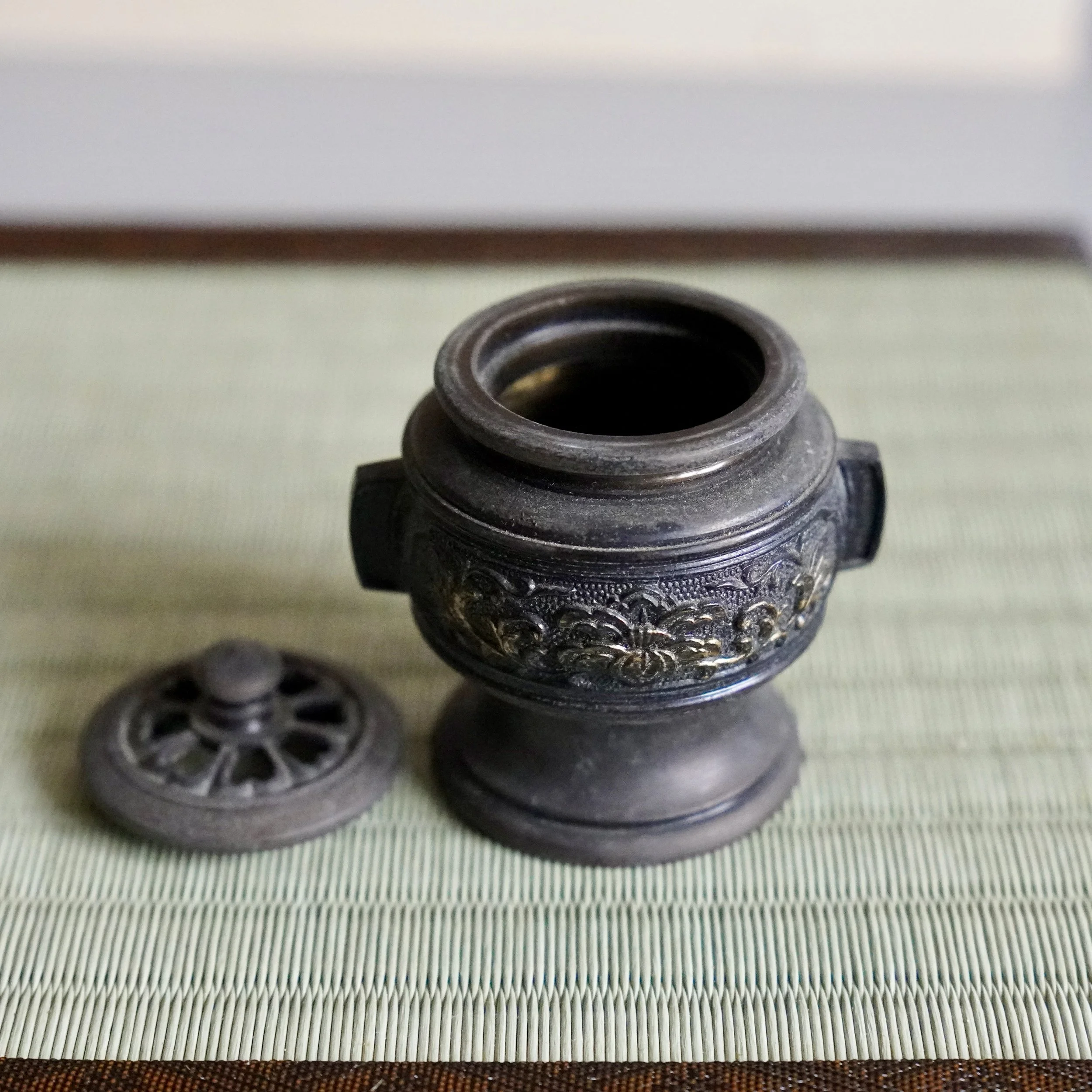
Three objects for your Japanese meditation corner, and why each one matters
Every temple I visit in Japan has the same quality of quiet, and it starts with three things: scent, sound, and a presence that holds the space. Here is how to bring that same intention home, starting with a single kōro and the concept of ma.
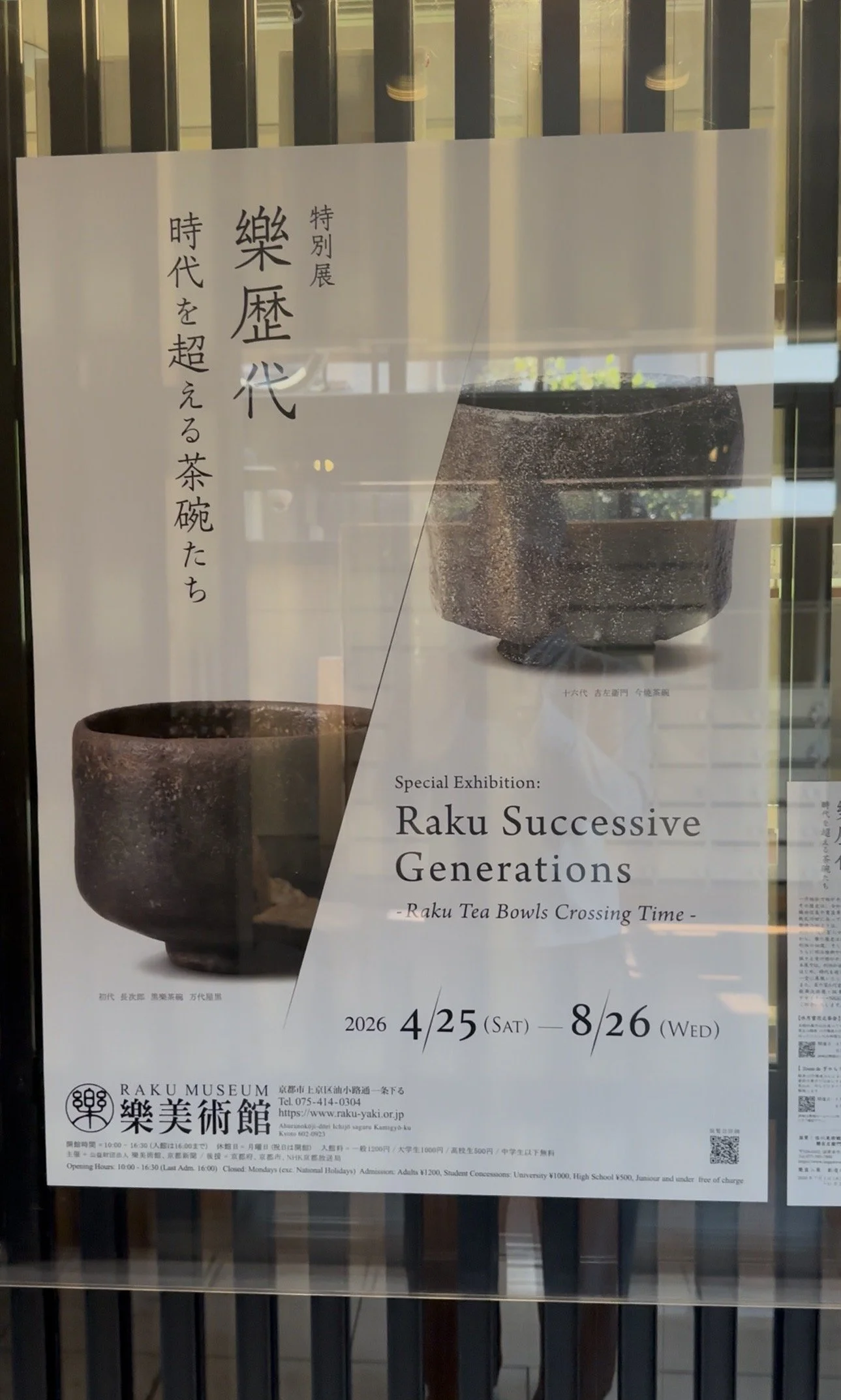
Tea bowls crossing time: a visit to the Raku Museum in Kyoto
Inside the Raku Museum in Kyoto during the Raku Successive Generations exhibition. Chawan from Chōjirō to the 16th Kichizaemon, a quiet garden, and one idea about tradition that stayed with me.
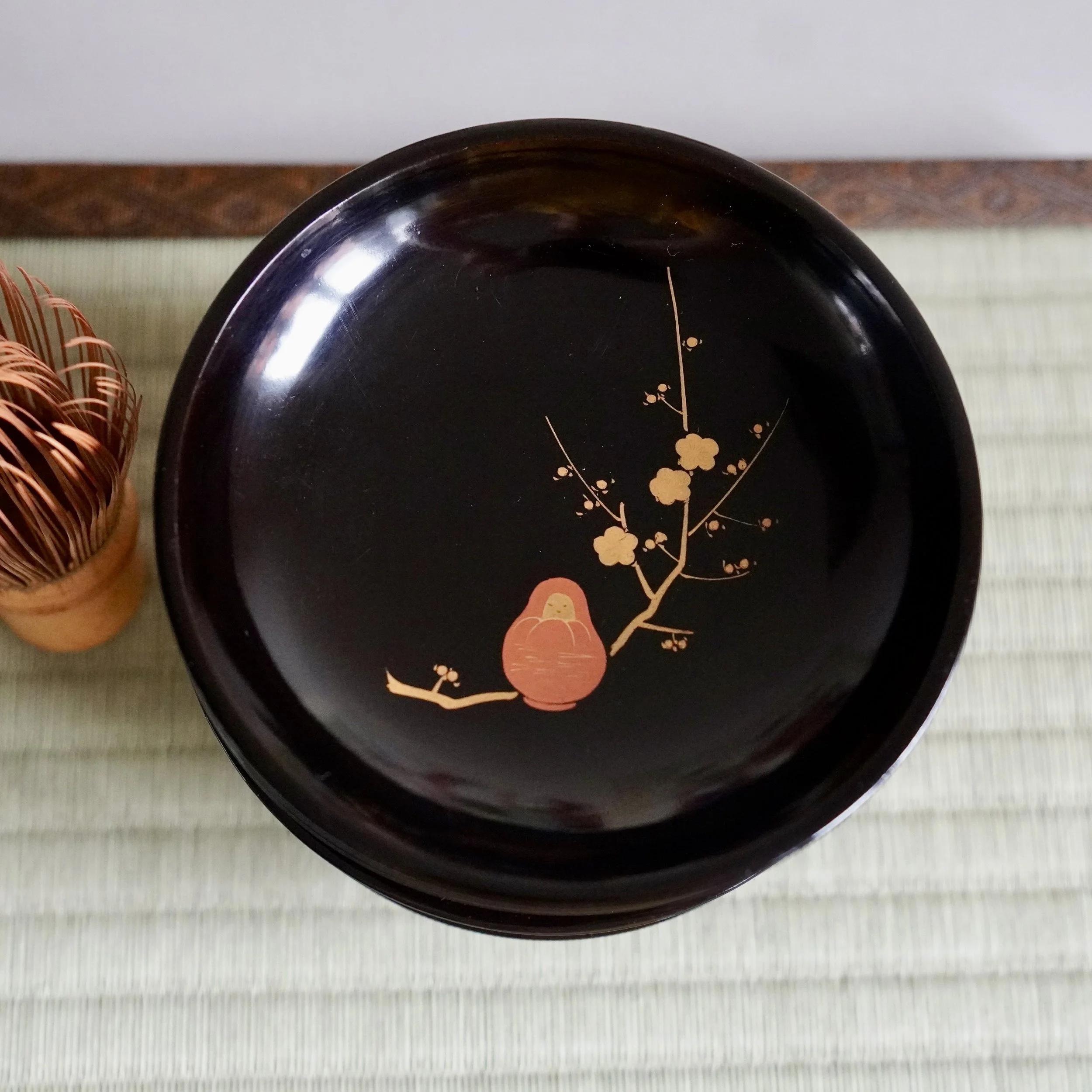
Caring for your vintage urushi lacquerware
Urushi looks fragile and behaves like the opposite, until it meets a sunny windowsill or a winter radiator. Here is what actually damages lacquerware, what does not, and the handful of habits that keep a piece looking the way it did the day it was finished.
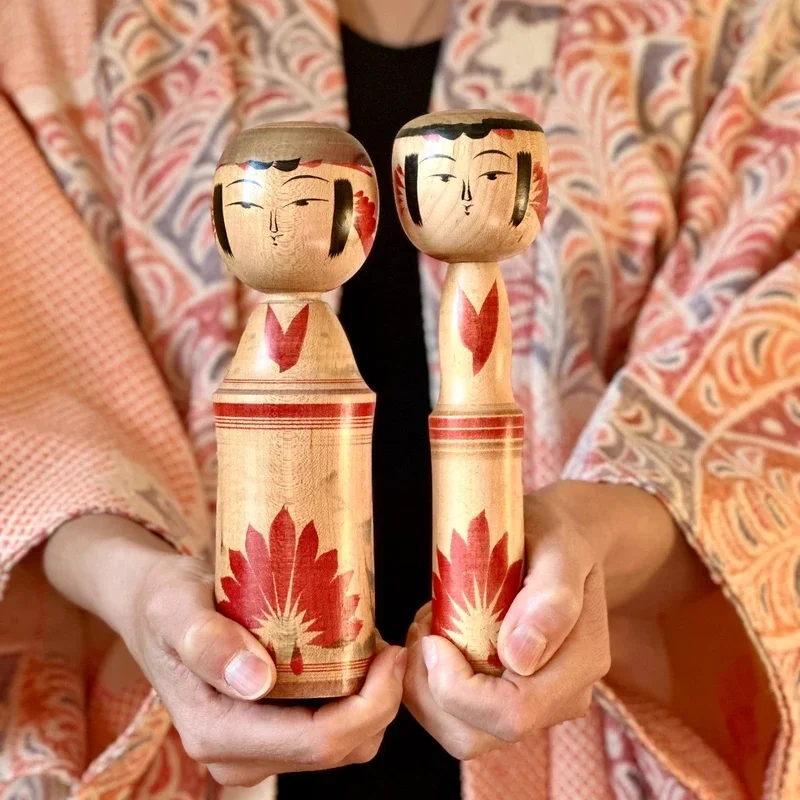
Caring for your vintage kokeshi
A kokeshi asks for very little once it has found the right spot. Grouped in threes on a shelf, alone on a windowsill out of direct sun, or standing next to something entirely unrelated, like a stack of books or a single dried branch. Here is what I have learned about placing them so they actually get looked at, instead of disappearing into a room.
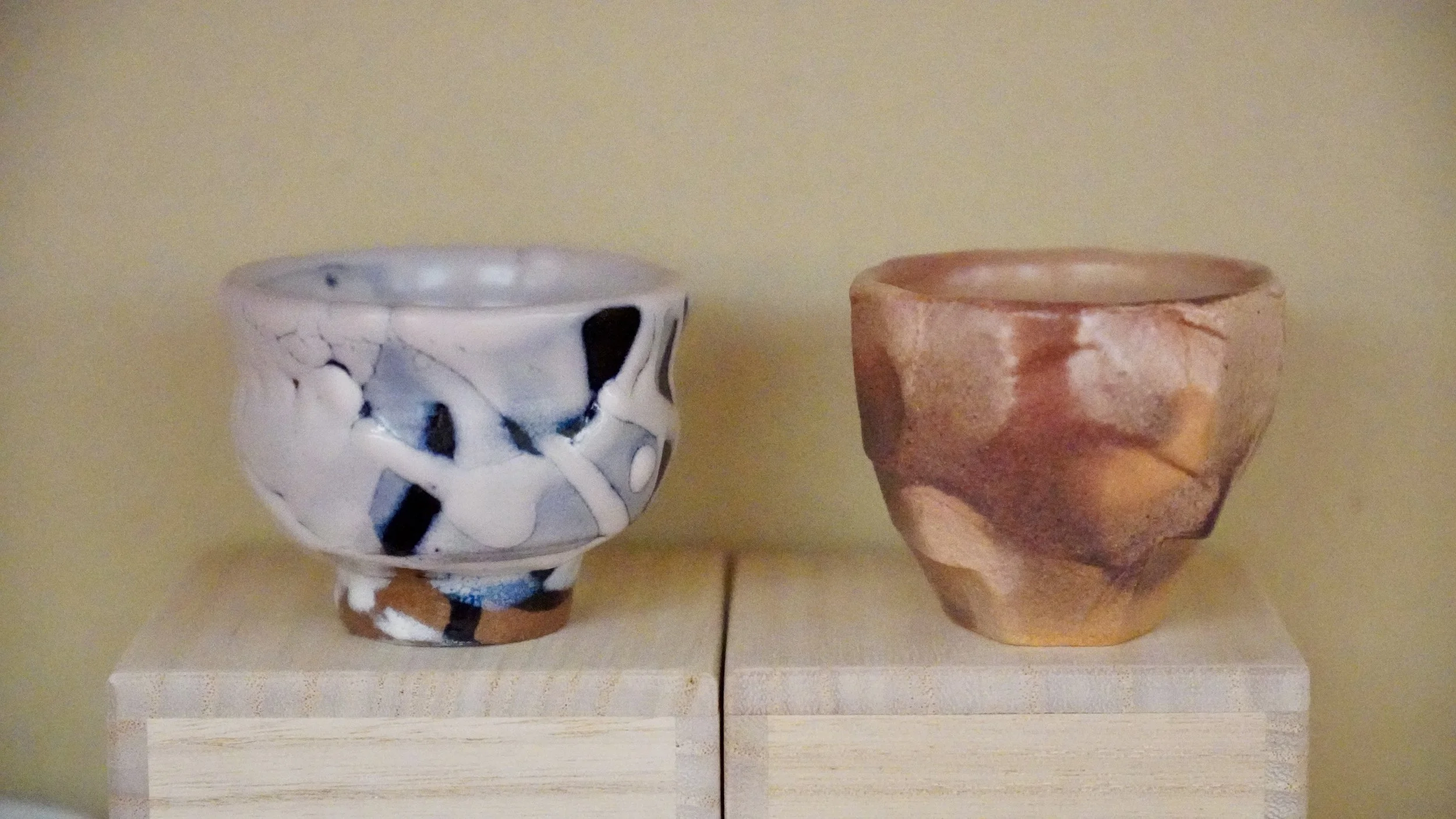
Caring for your vintage ceramics: chawan, yunomi and ikebana vases
Every ceramic piece I bring home has already been through decades of hands before mine. A chawan changes colour with tea over the years, a vase collects mineral marks if you let it, and neither of those things is damage. Here is what actually matters when you look after one.
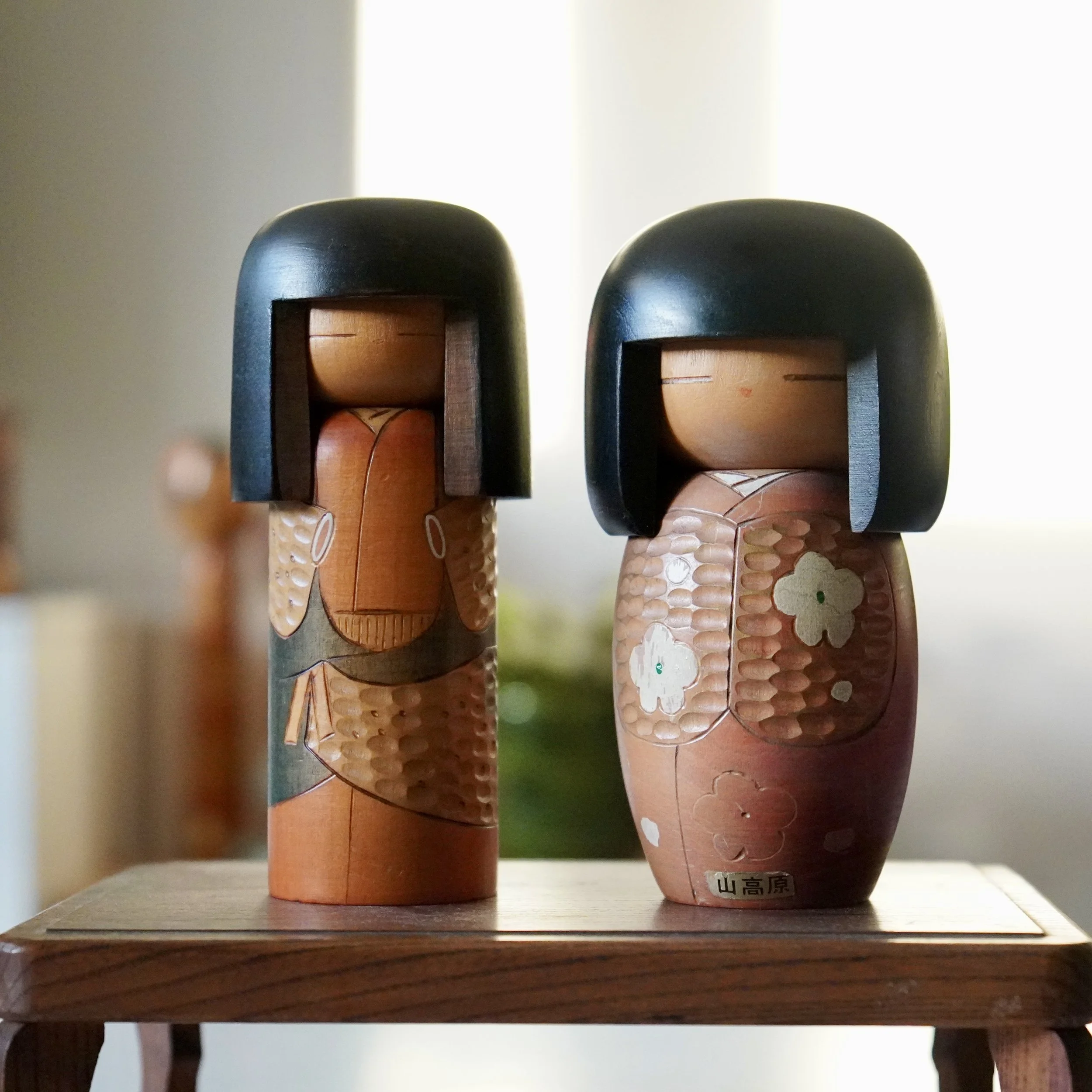
My journey through the Mountains of Fukushima and the kokeshi I meet throughout Japan
A week in the heartland of kokeshi: Fukushima. From climbing Mount Bandai before sunrise to studying the unique facial expressions in the work of masters like Ichiro and Sato Fumio. Discover how the landscape and deep-rooted woodcarving traditions shape these authentic vintage treasures.
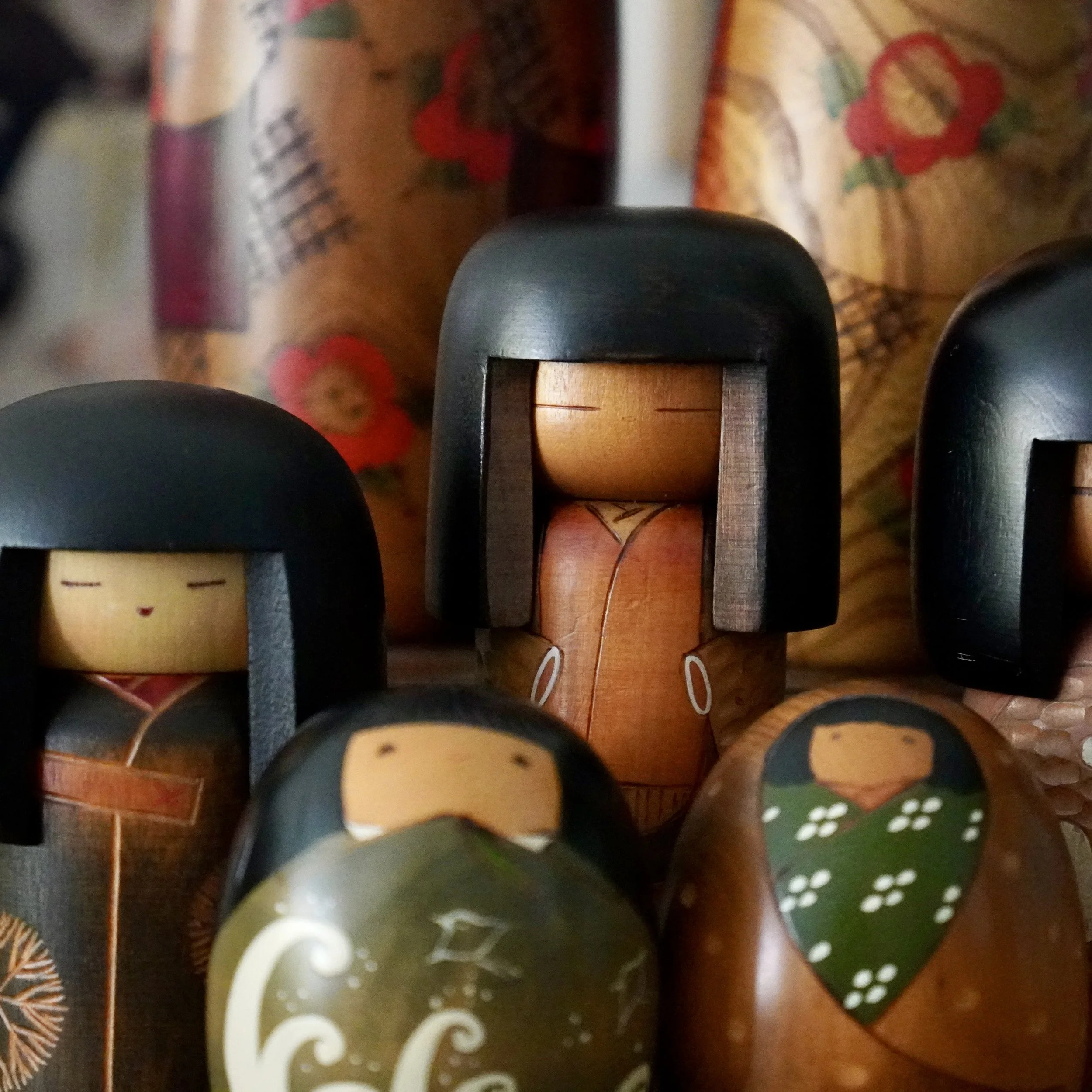
What the wood remembers: grain, fire and chisel marks and the face that looks back
What draws you to a kokeshi is rarely the name on the base. It is the grain showing through the dark wood, the mark the tool left, and the two lines that somehow become a face. A close look at how makers like Usaburo and Sansaku Sekiguchi work with and against the wood itself.
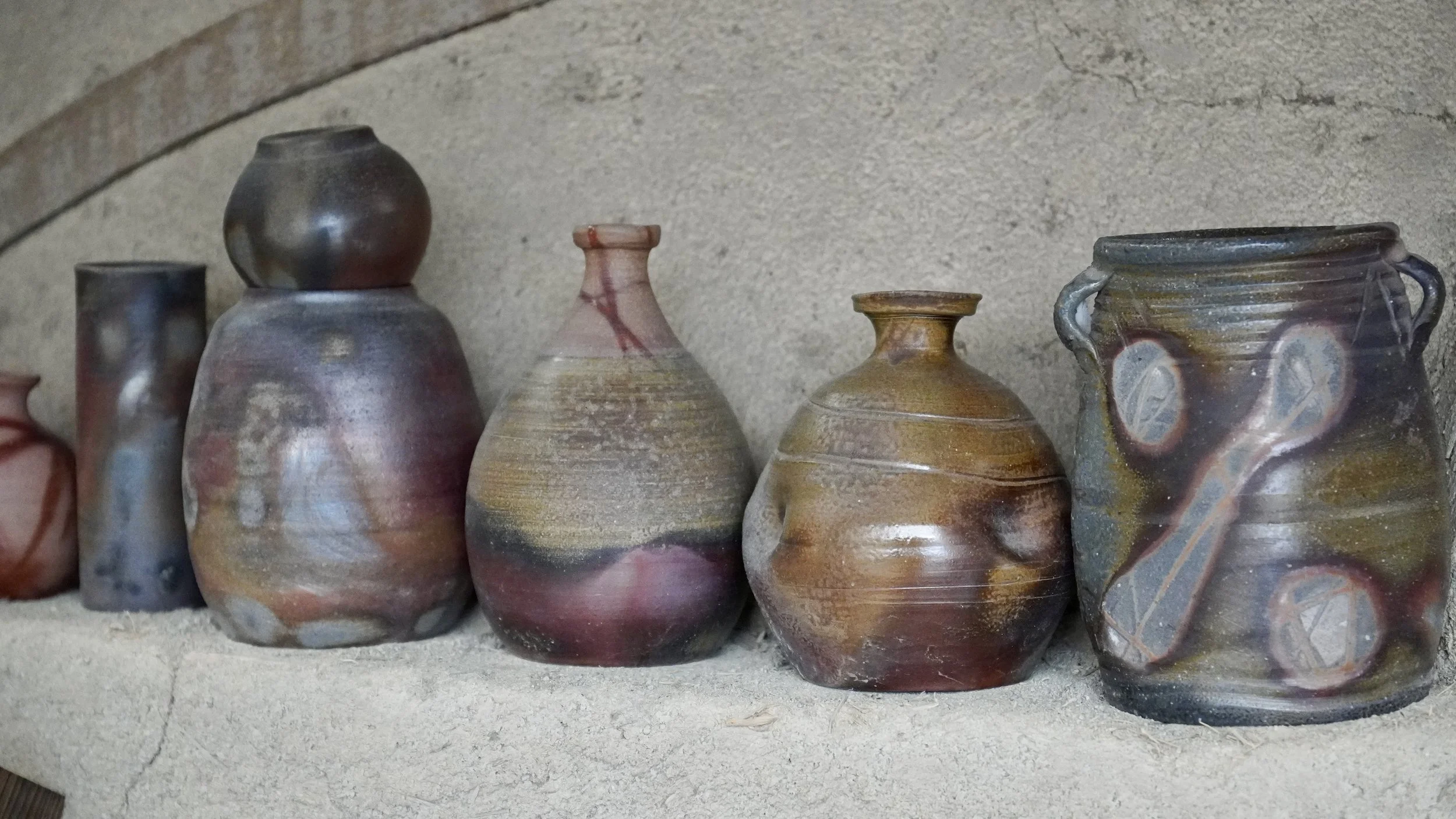
Bizen-yaki: the Okayama tradition without glaze
Bizen-yaki has no glaze. Every color, every mark, every surface effect is made in the kiln by fire, ash, and position. This guide explains what hidasuki, goma, sangiri and shiro-Bizen actually are, how they are made, and what to look for when you buy.
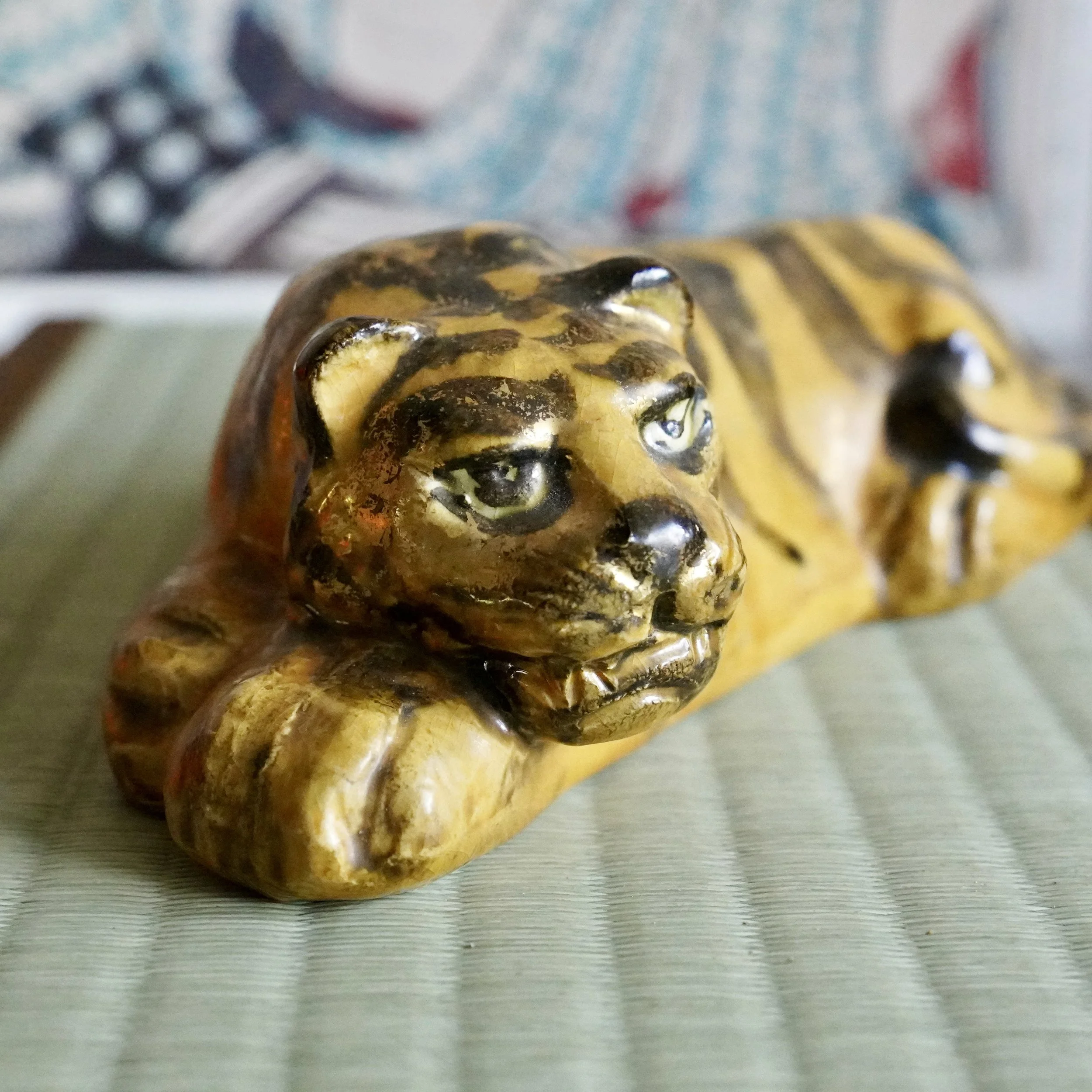
A tiger made for its own year: kinsai gold and a Kyoto tradition
There is a small tiger on my desk with gold worn down to almost nothing on its ears and shoulders. It was made for a Year of the Tiger, in Kyoto, by a kiln lineage going back to 1771. The wear is not damage. It is exactly what the gold was always going to do.
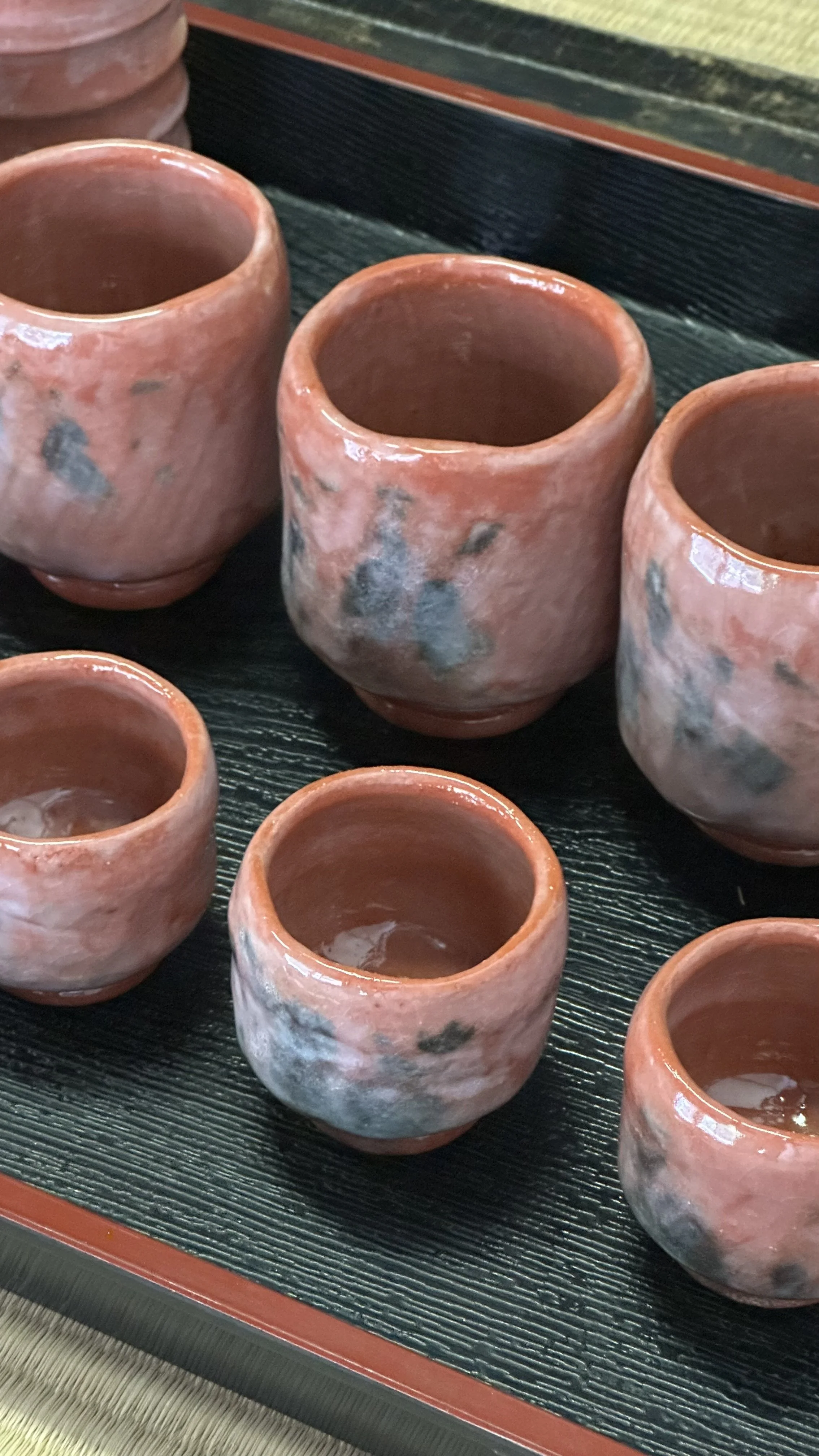
Inside a 200-year-old Kyoto raku-yaki kiln that still makes tea bowls by hand
Behind the curtain at Raku Studio Waraku in Kyoto's Gion district. How aka-raku and kuro-raku tea bowls are hand-formed, fired, and finished with charcoal by 8th generation master Kawasaki Motoo. A sourcing diary entry from KAIKO&CO.
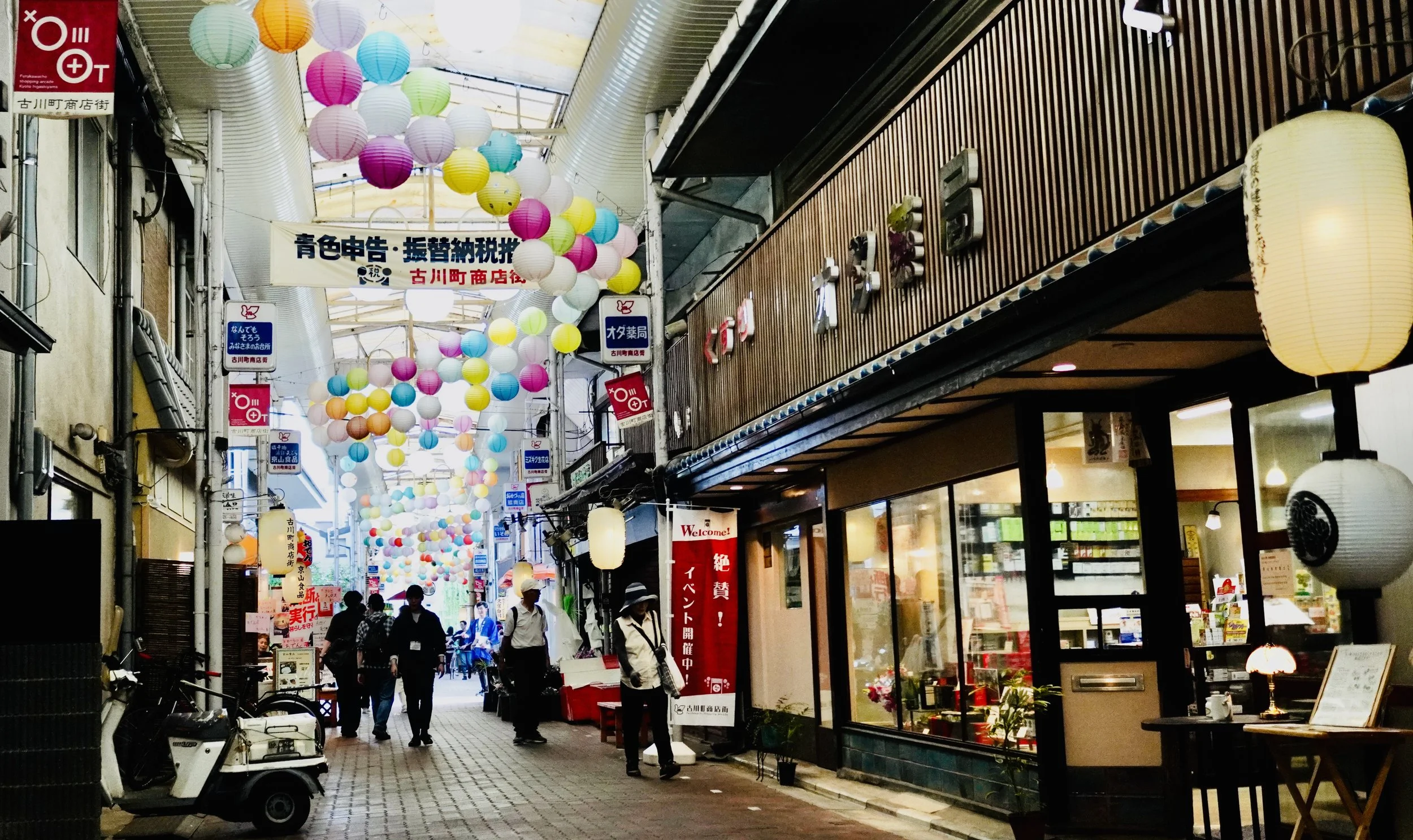
Sourcing in Japan Day 3: The hunt for haori & hidden treasures
Furukawacho Shotengai in Higashiyama: an arcade frozen in the 1970s, a kimono specialist with six haori I had not expected to find, and a folder of 1895 Kyoto lithographs from an antique bookstore tucked behind a curtain. Day three of my Sourcing Week in Japan series in Kyoto and Okayama.