 Image 1 of 15
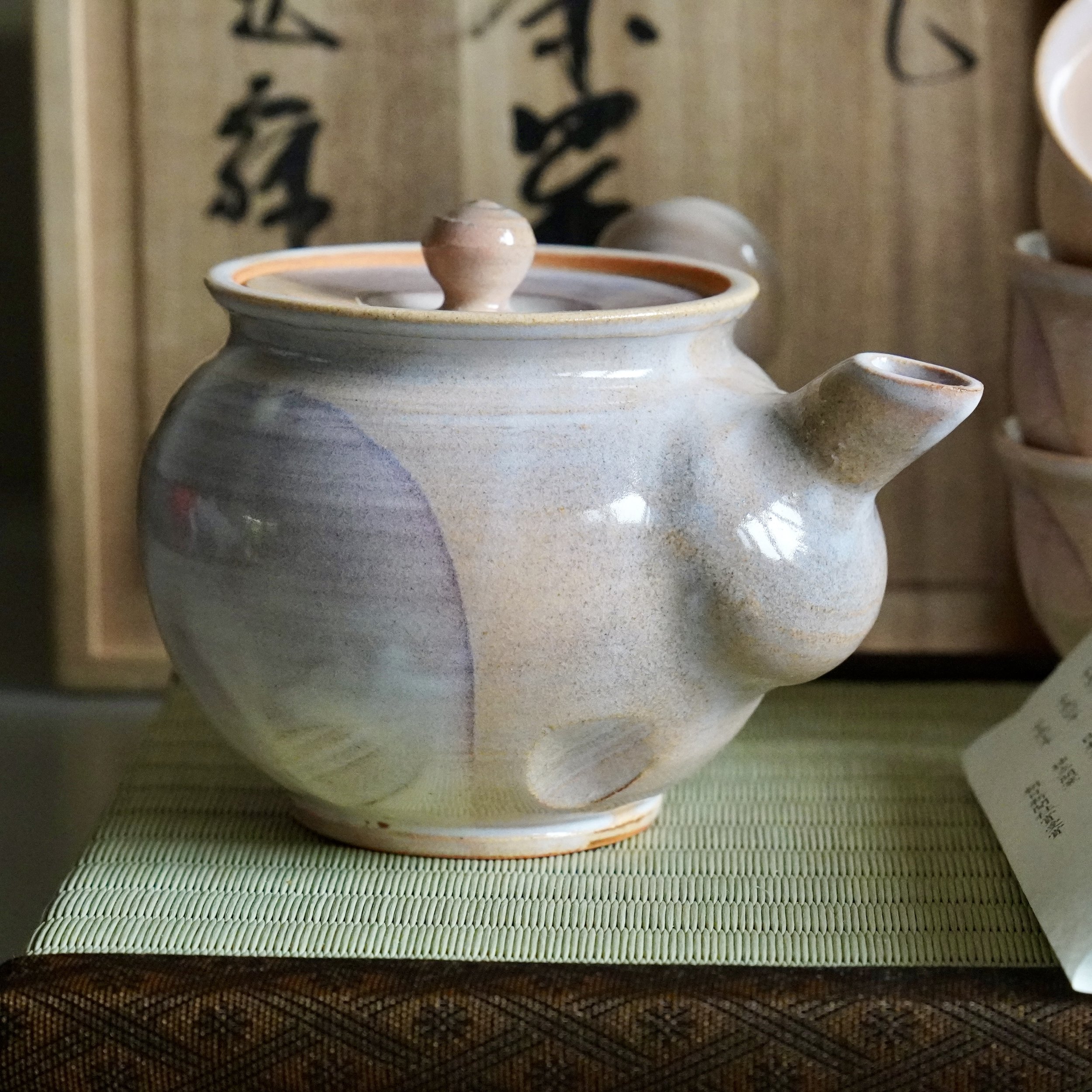 Image 2 of 15
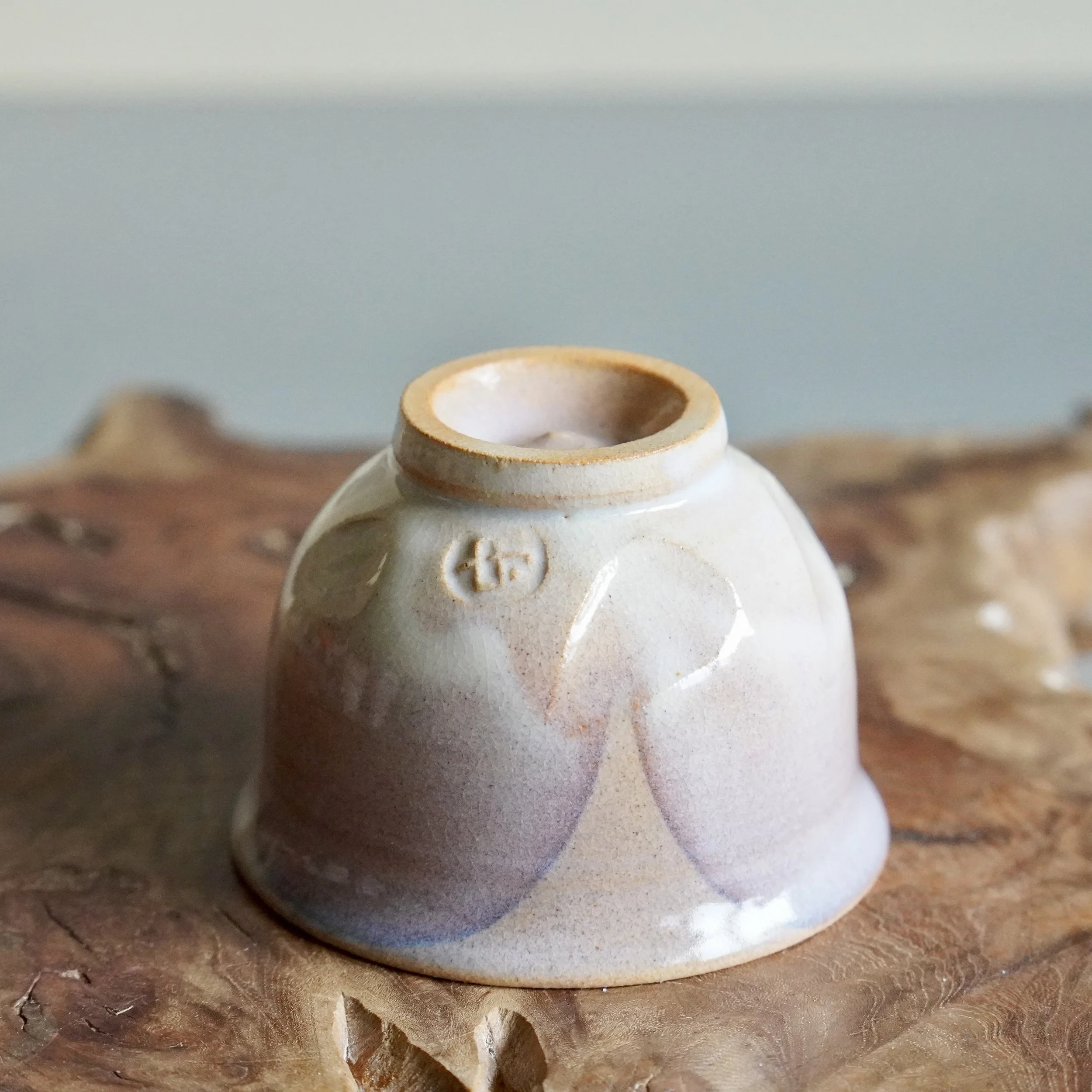 Image 3 of 15
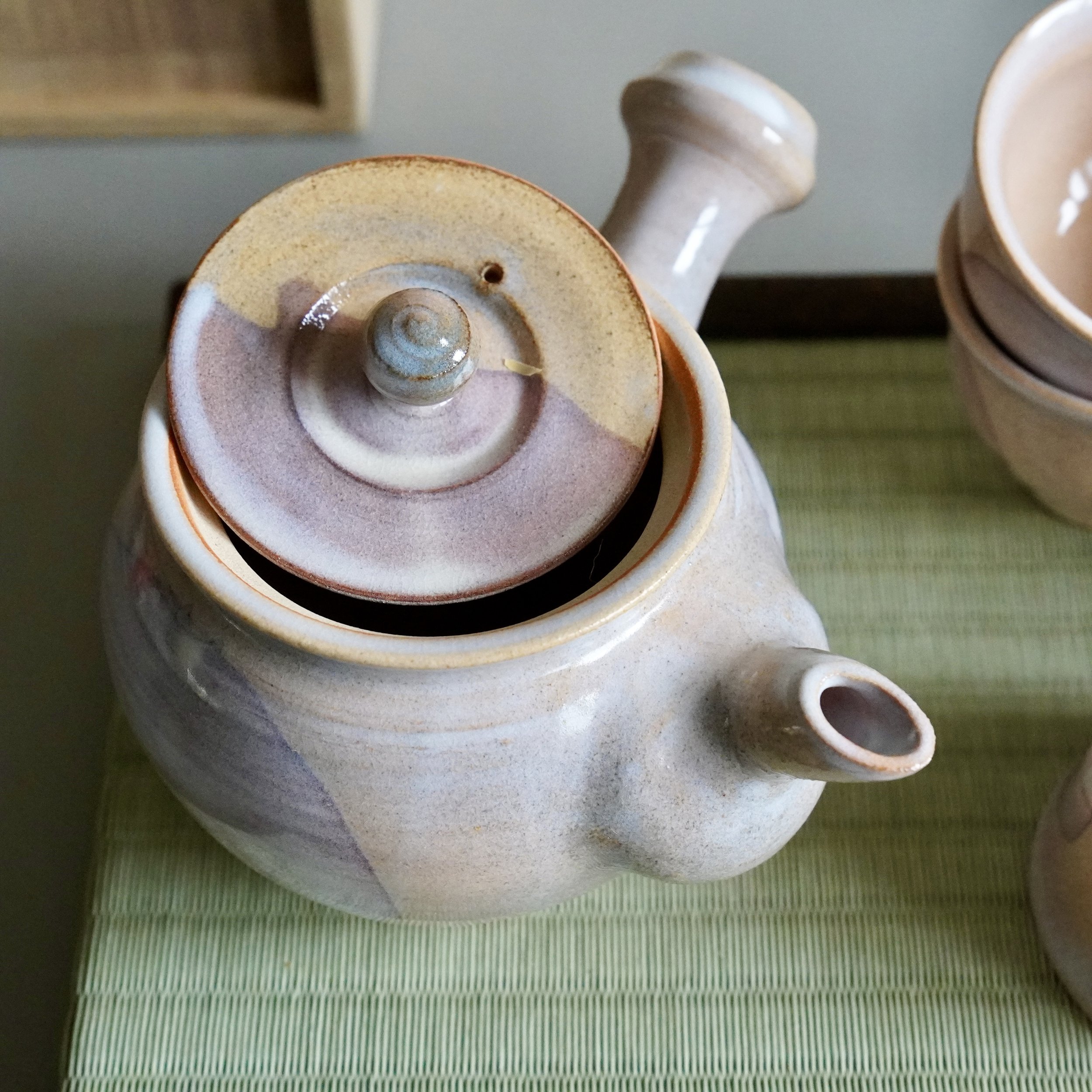 Image 4 of 15
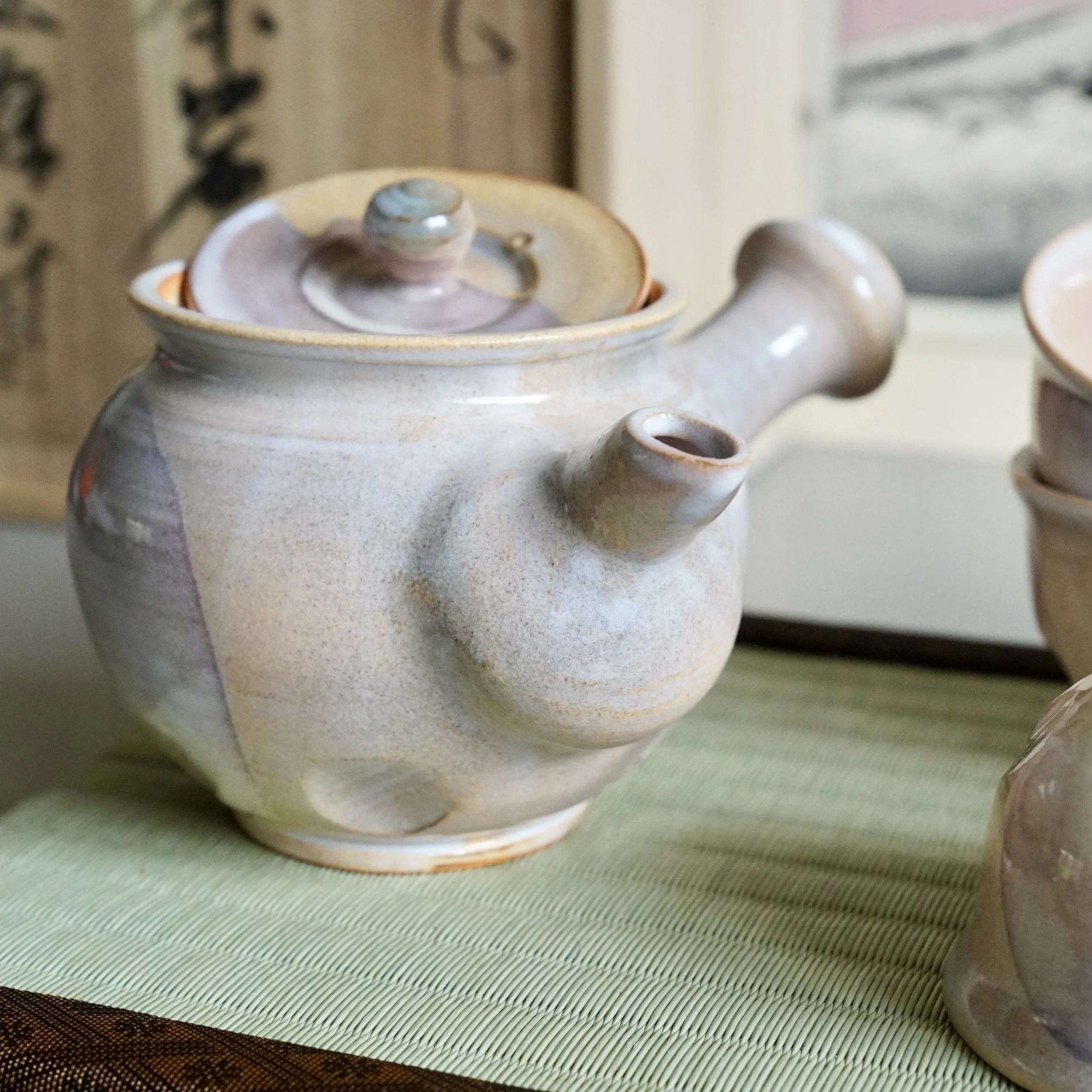 Image 5 of 15
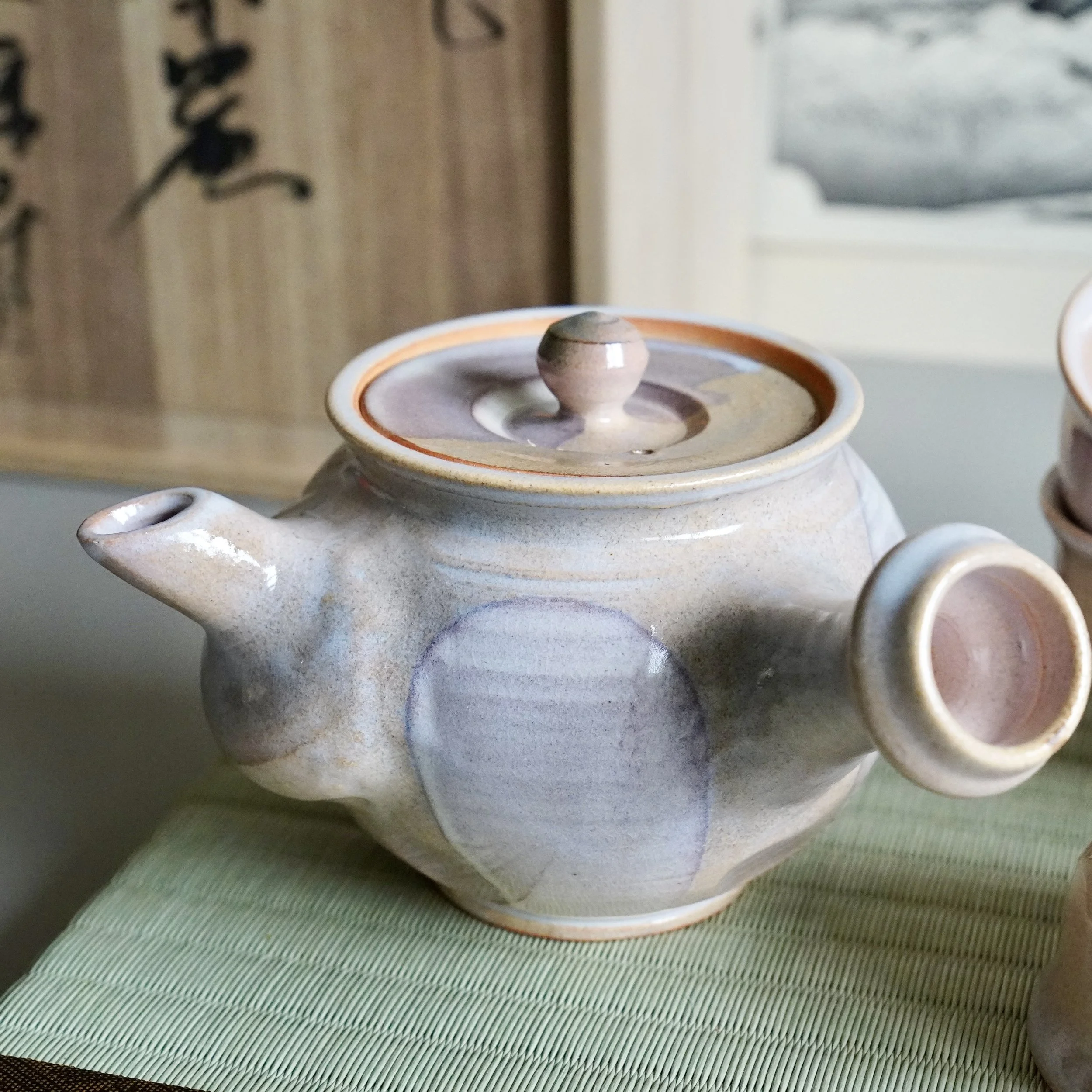 Image 6 of 15
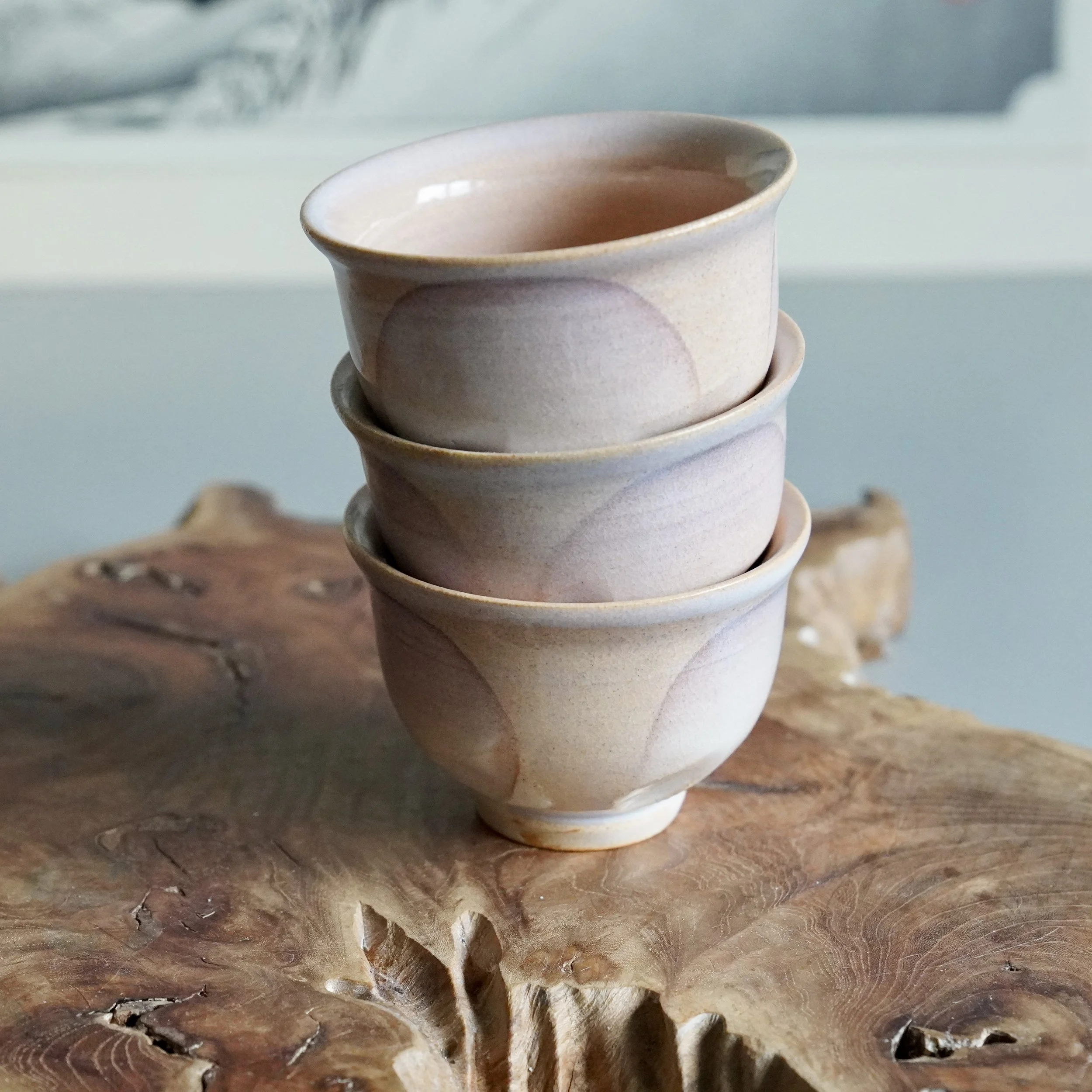 Image 7 of 15
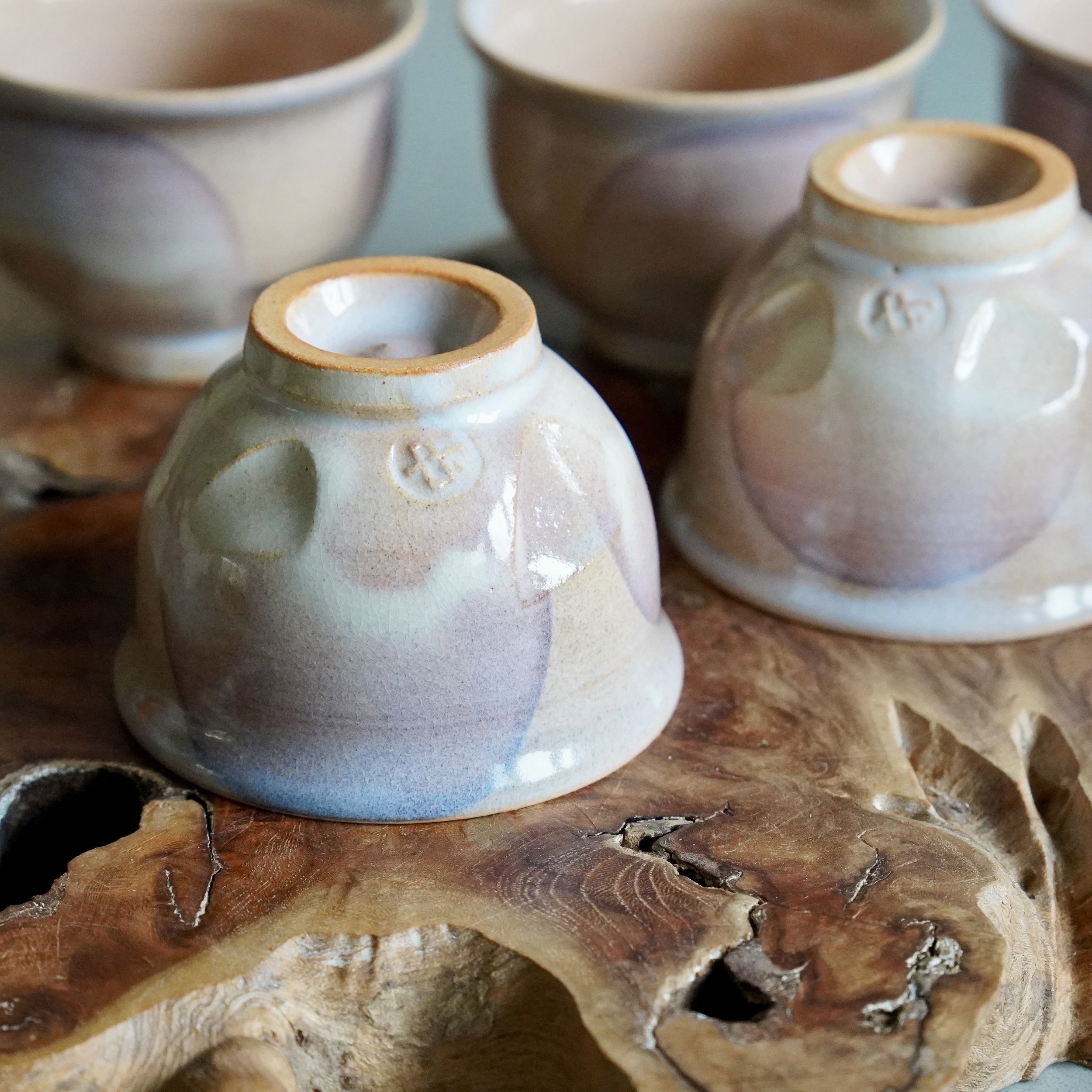 Image 8 of 15
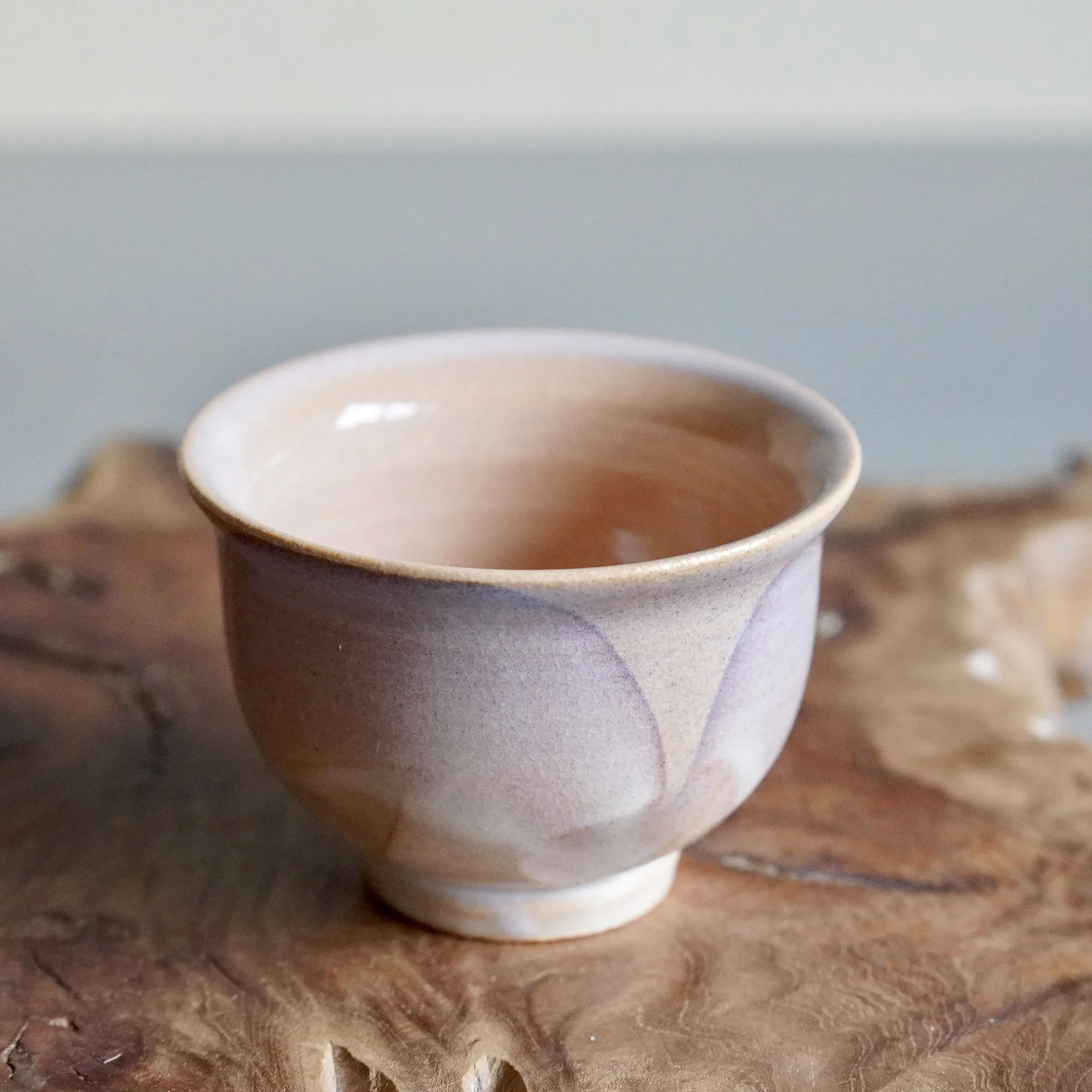 Image 9 of 15
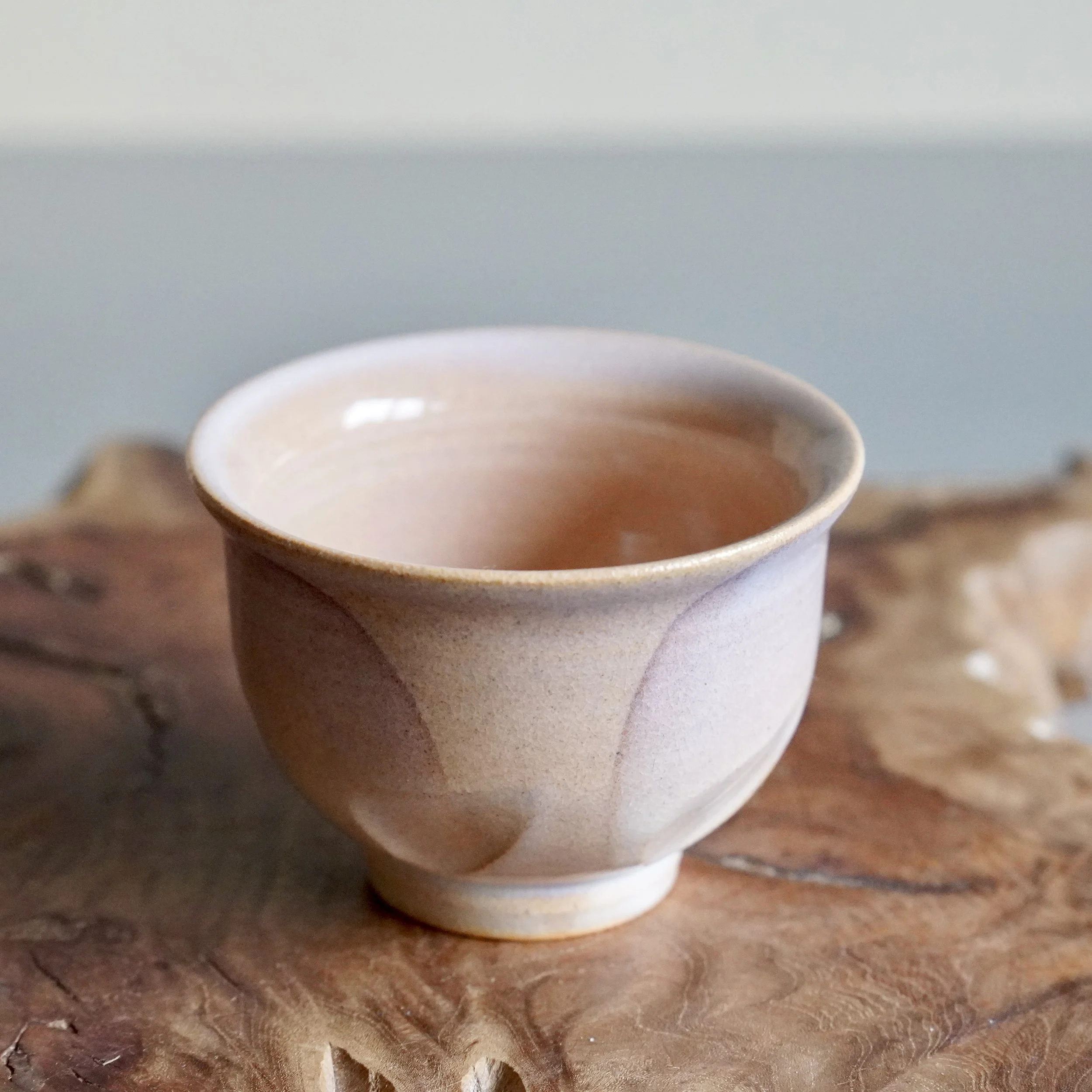 Image 10 of 15
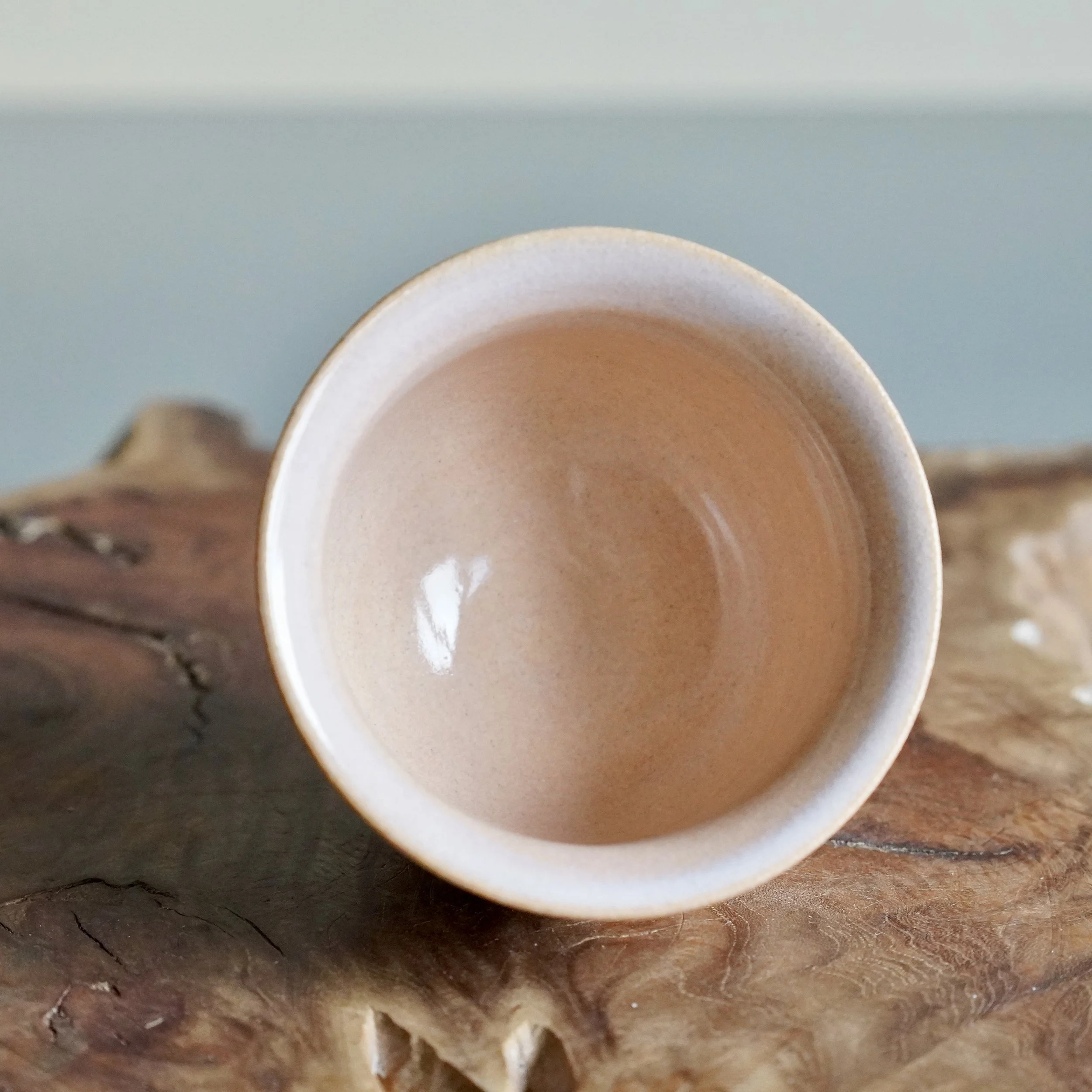 Image 11 of 15
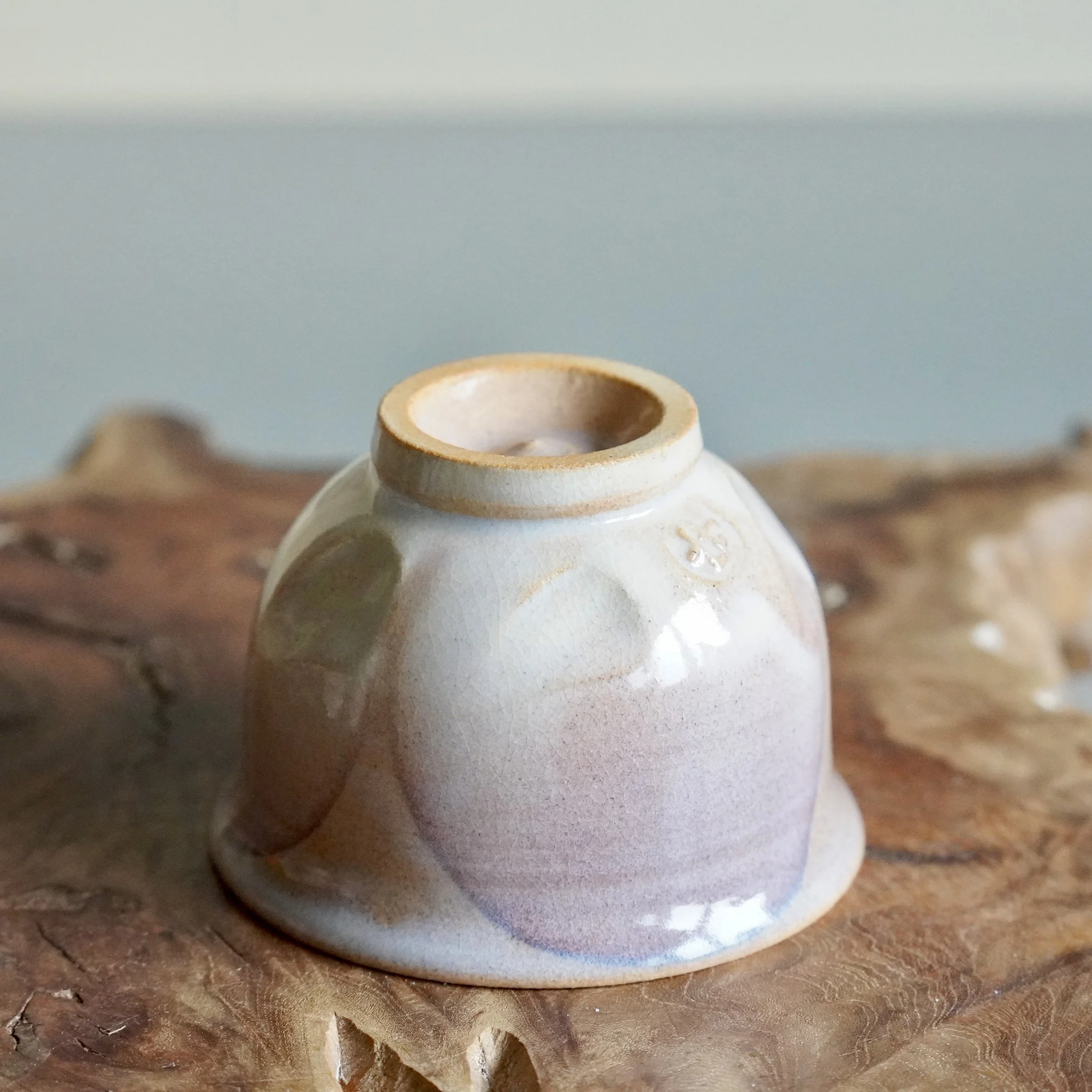 Image 12 of 15
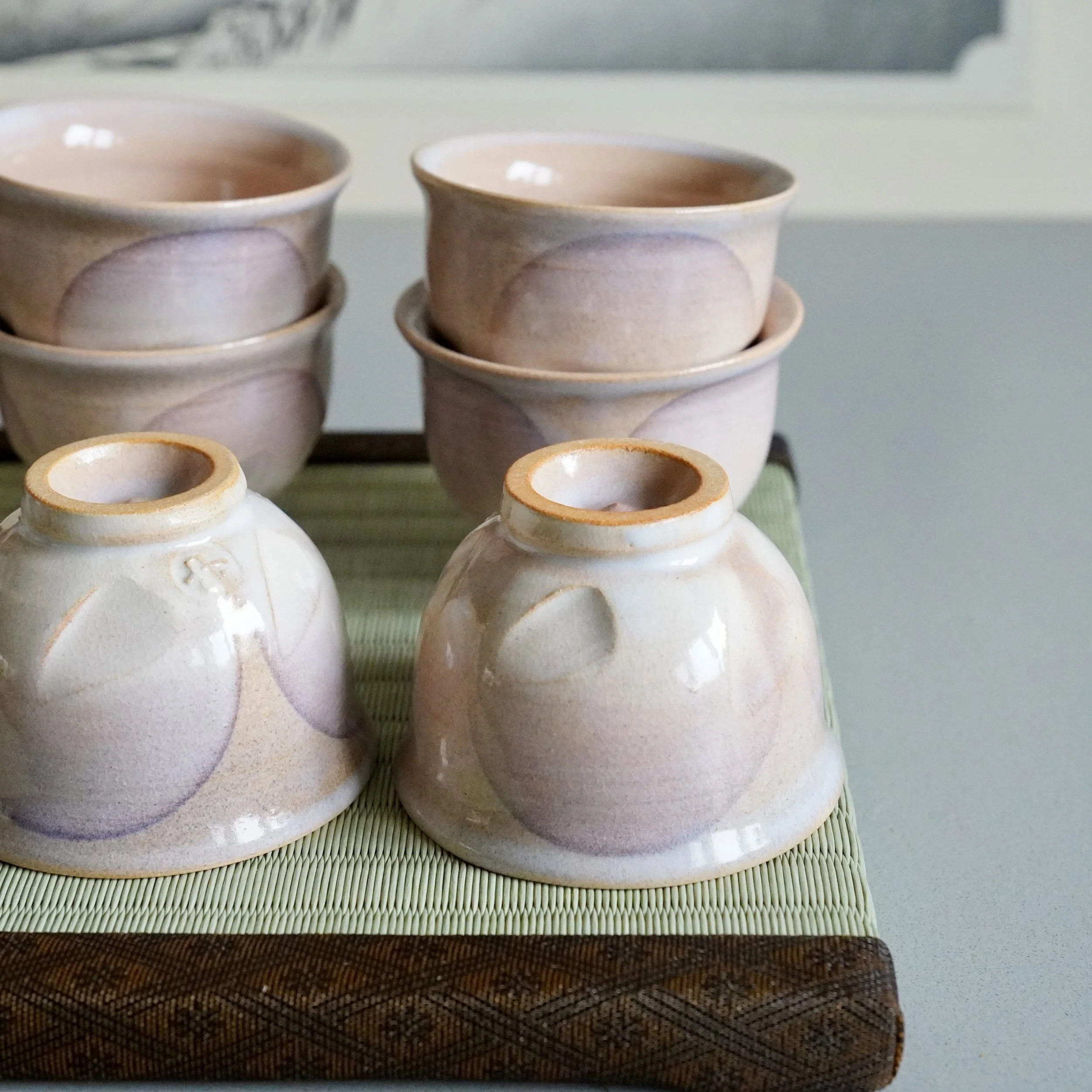 Image 13 of 15
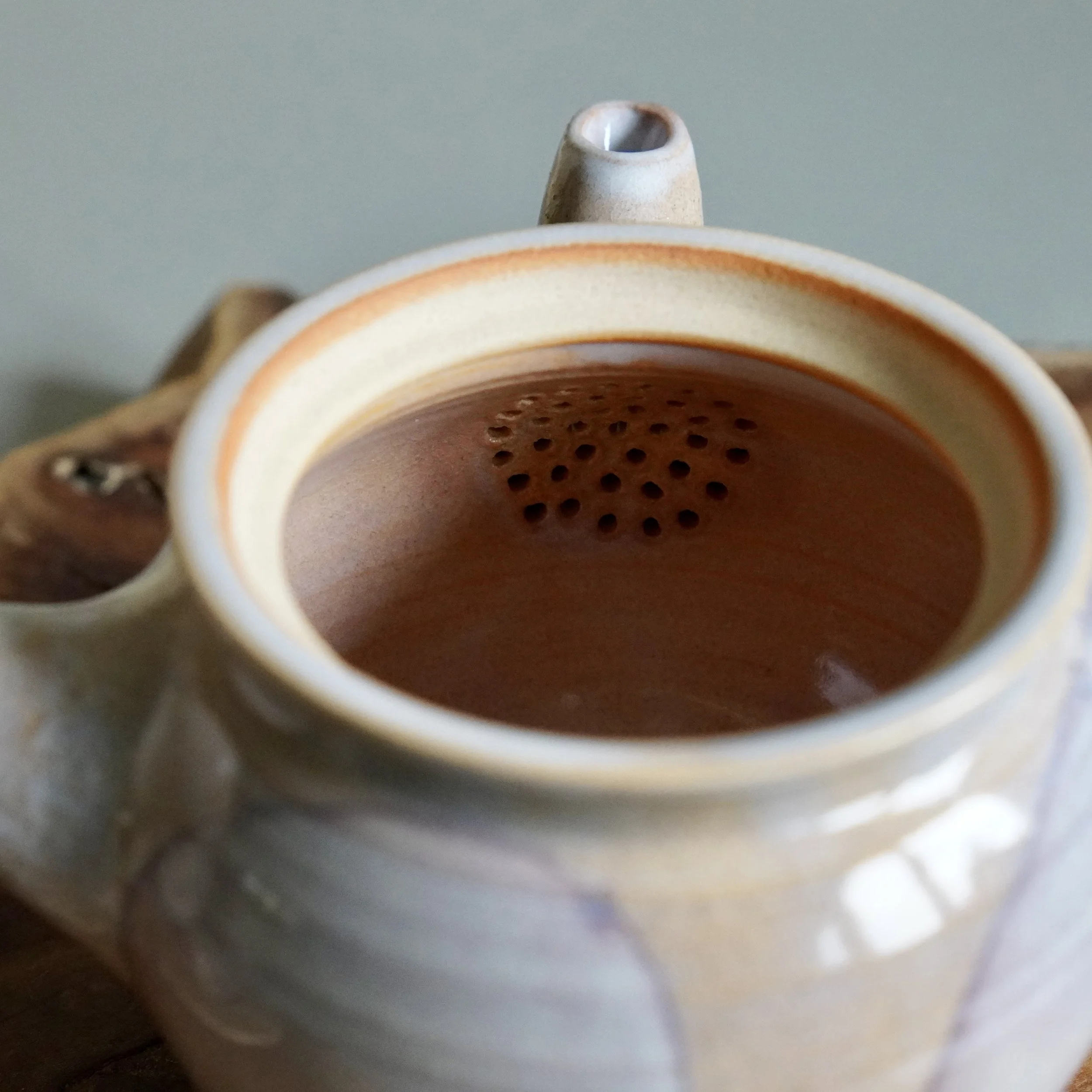 Image 14 of 15
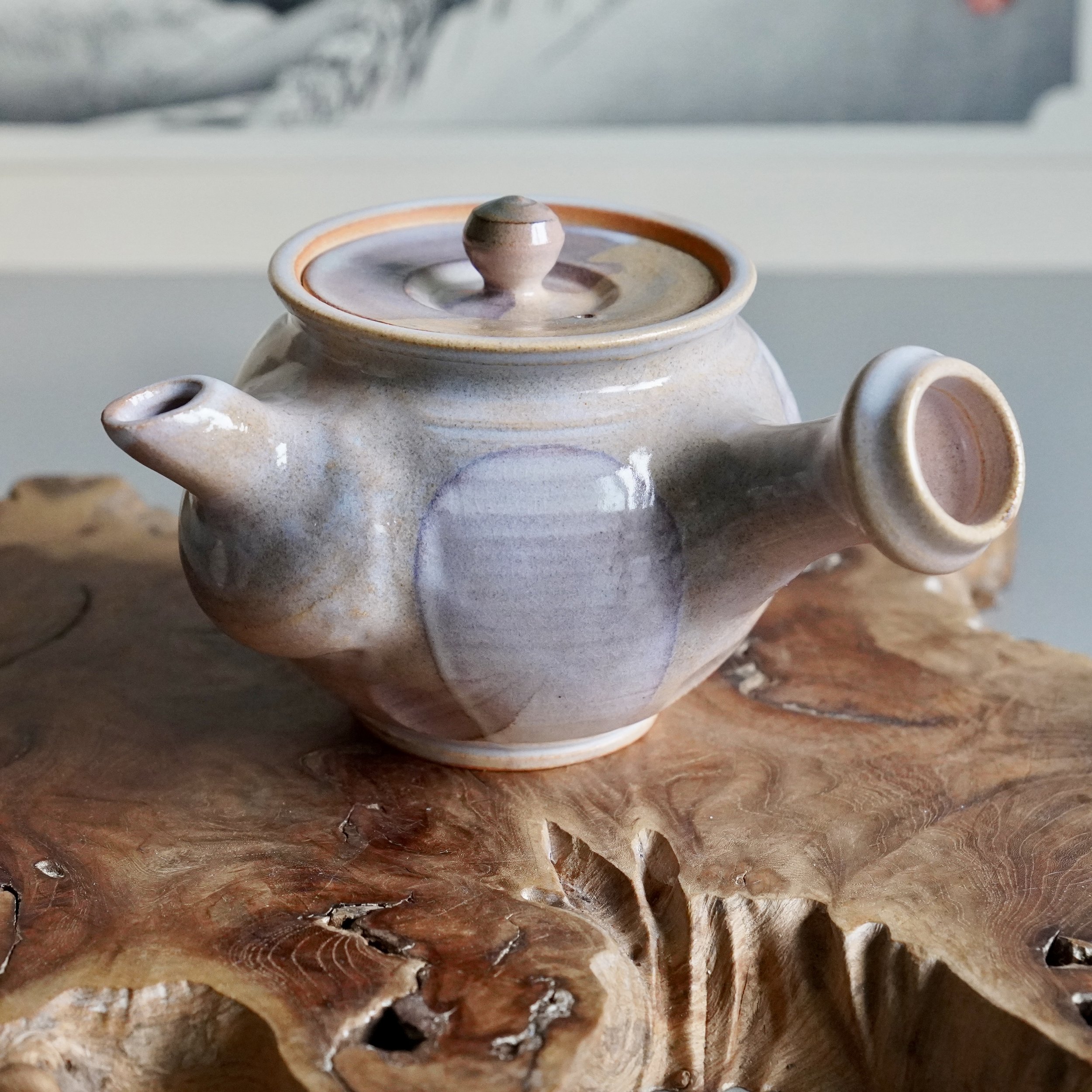 Image 15 of 15
What makes this Hagi ware tea set special
The up close look and feel
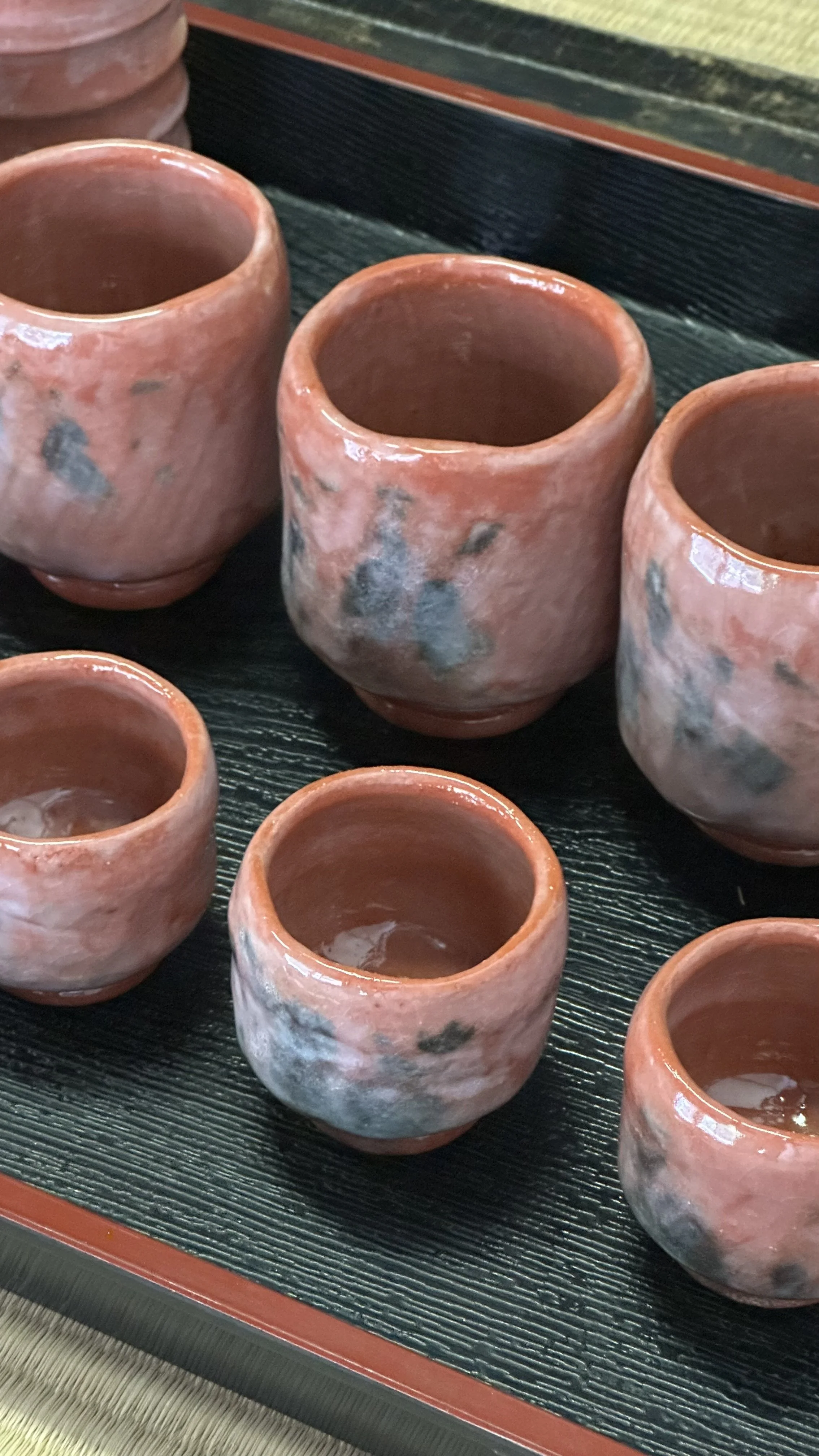
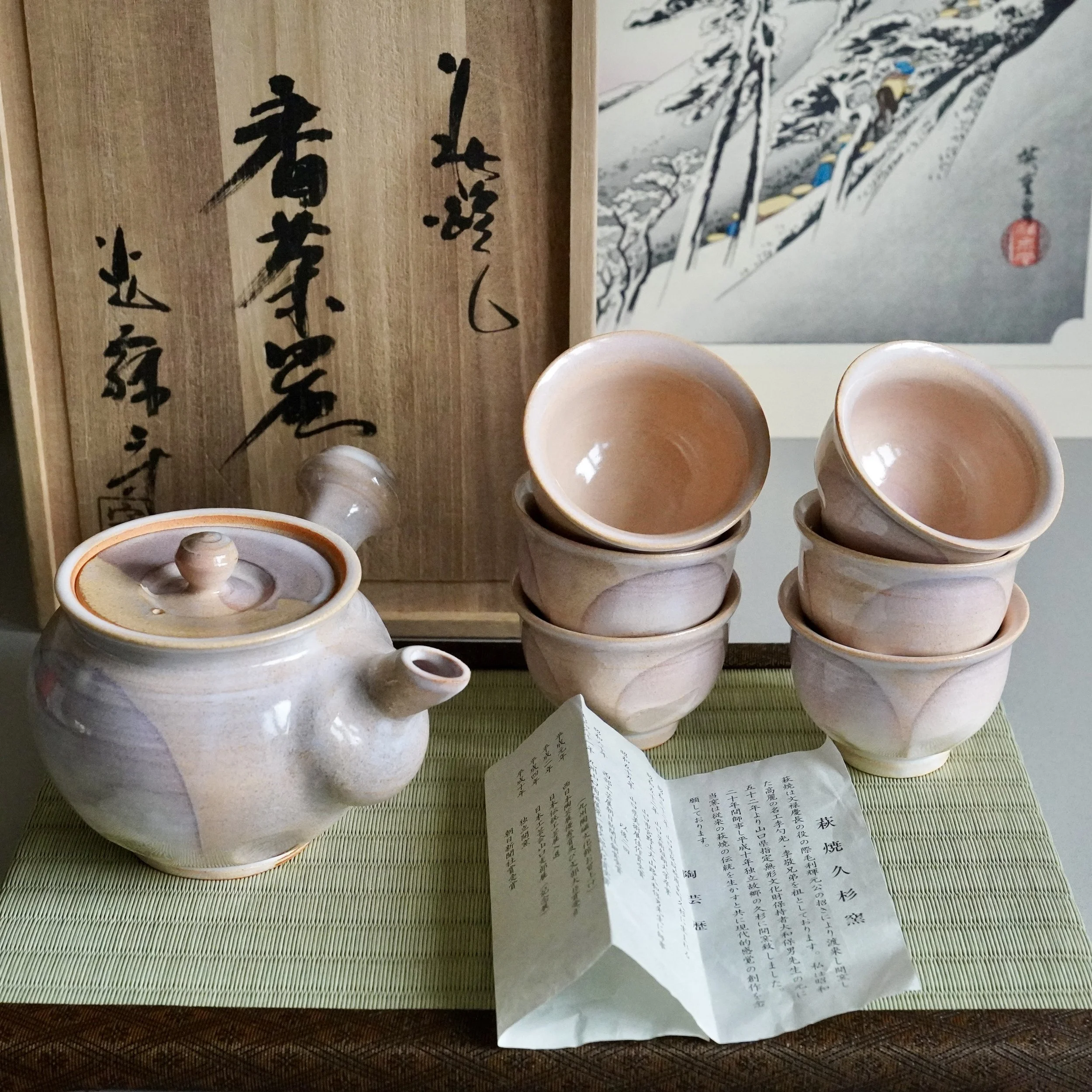
The glaze pools thicker at the rim and thins toward the foot, so each cup carries its own small gradient from milky white to a faint violet blush. Turn one in raking light and the surface breaks into a fine, even web of craquelé across every piece in the set. The clay underneath has a slight warmth to it, and the rims are soft to the lip rather than sharp. The kyusu handle sits at an angle that lands naturally under the thumb.
Charming details
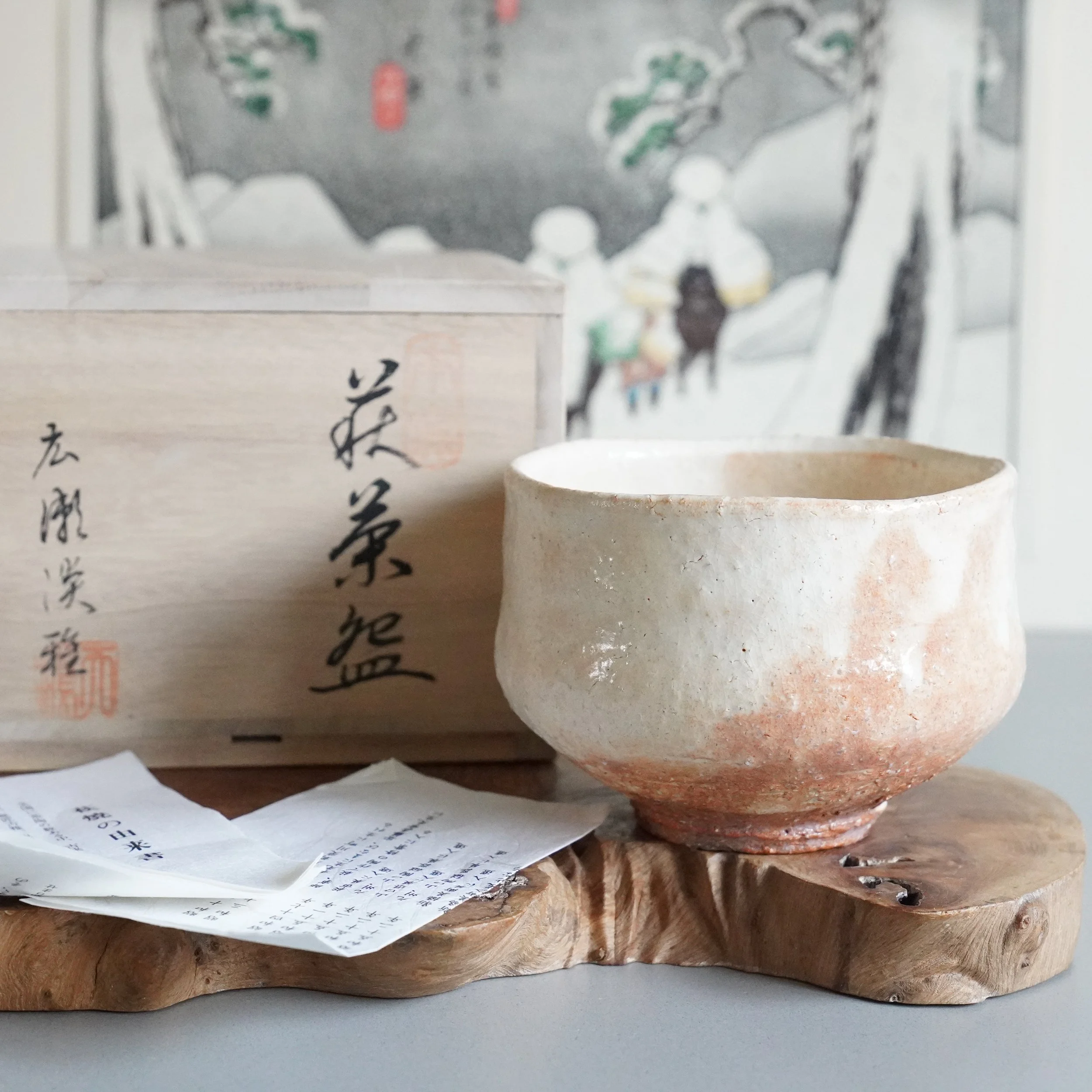
Lift the kyusu lid and the strainer at the spout turns out to be a small cluster of holes fired directly into the clay body, not a separate metal fitting, a mark of more careful Hagi-yaki work. The tomobako lid carries Kondō's own brushed inscription and red seal, the same hand that shaped what's inside. Six cups from a single firing rarely match each other this closely in tone, a sign of a controlled kiln rather than luck.
-
Made by Kondō Mamoru (近藤守)
Trained twenty years under Yamato Yasuo, a Yamaguchi Prefecture Intangible Cultural Property holder
Opened his own kiln in his hometown of Kusugi
First place and the Minister of Education Award, Kyushu-Yamaguchi Ceramics Exhibition
Pieces acquired by the Kyushu Ceramics Cultural Hall
Asahi Shimbun award, Western Japan Crafts Exhibition
Selected for the West Japan Traditional Crafts Exhibition
Signed and sealed tomobako included, with the maker's own shiori
-
Kusugi, Shūtō, Yamaguchi Prefecture, Japan (historically recorded under Kuga-gun, now part of Iwakuni City)
Late Shōwa to Heisei period ca. 1985 to 2000, consistent with Kondō's independent kiln career
-
Kyusu:
Height ca. 10 cm including lid
Width ca. 14 cm spout to handle
Opening diameter ca. 6.5 cm.
Weight ca. 364 g
Yunomi (each, 6 total):
Height ca. 5.3 cm,
Diameter ca. 7.3 cm.
Weight ca. 98 g
-
Excellent vintage condition.
The set appears not used, with no chips, cracks or repairs visible across any of the seven pieces.
Glaze and craquelé are intact throughout.
-
Hagi-yaki is porous, so before first use, soak the kyusu and cups in lukewarm water for two to three hours to settle the clay and slow how quickly tea stains the glaze.
Never use a dishwasher.
Rinse everything by hand in lukewarm water and let each piece dry fully in the air before putting it away, keeping the kyusu lid off to one side so no moisture collects inside.
The gradual staining of the glaze over years of use is part of what collectors value in Hagi ware, not something to prevent.
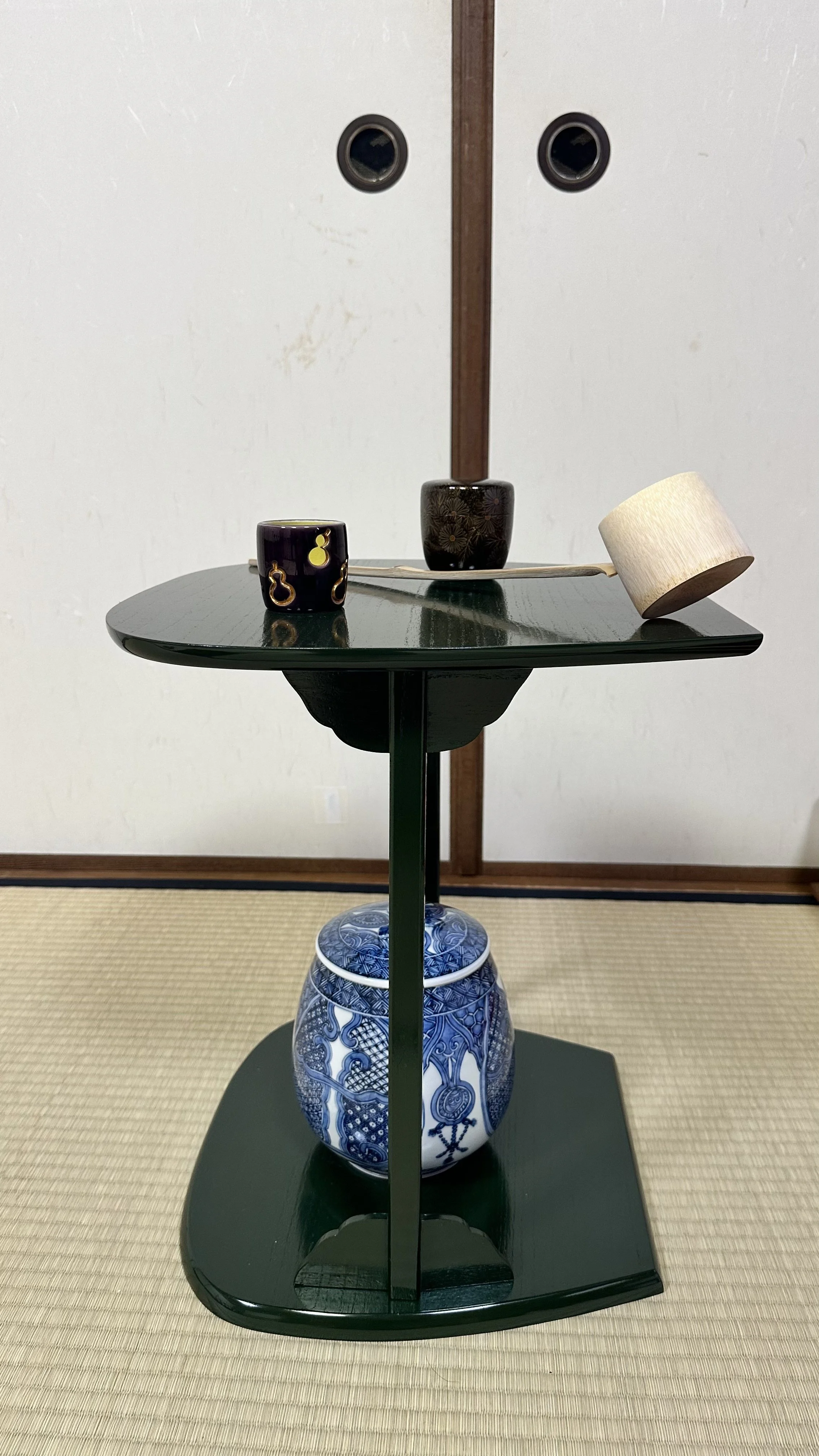
*Decorative items such as the whisk are for styling
and scale purposes only and not included in the sale
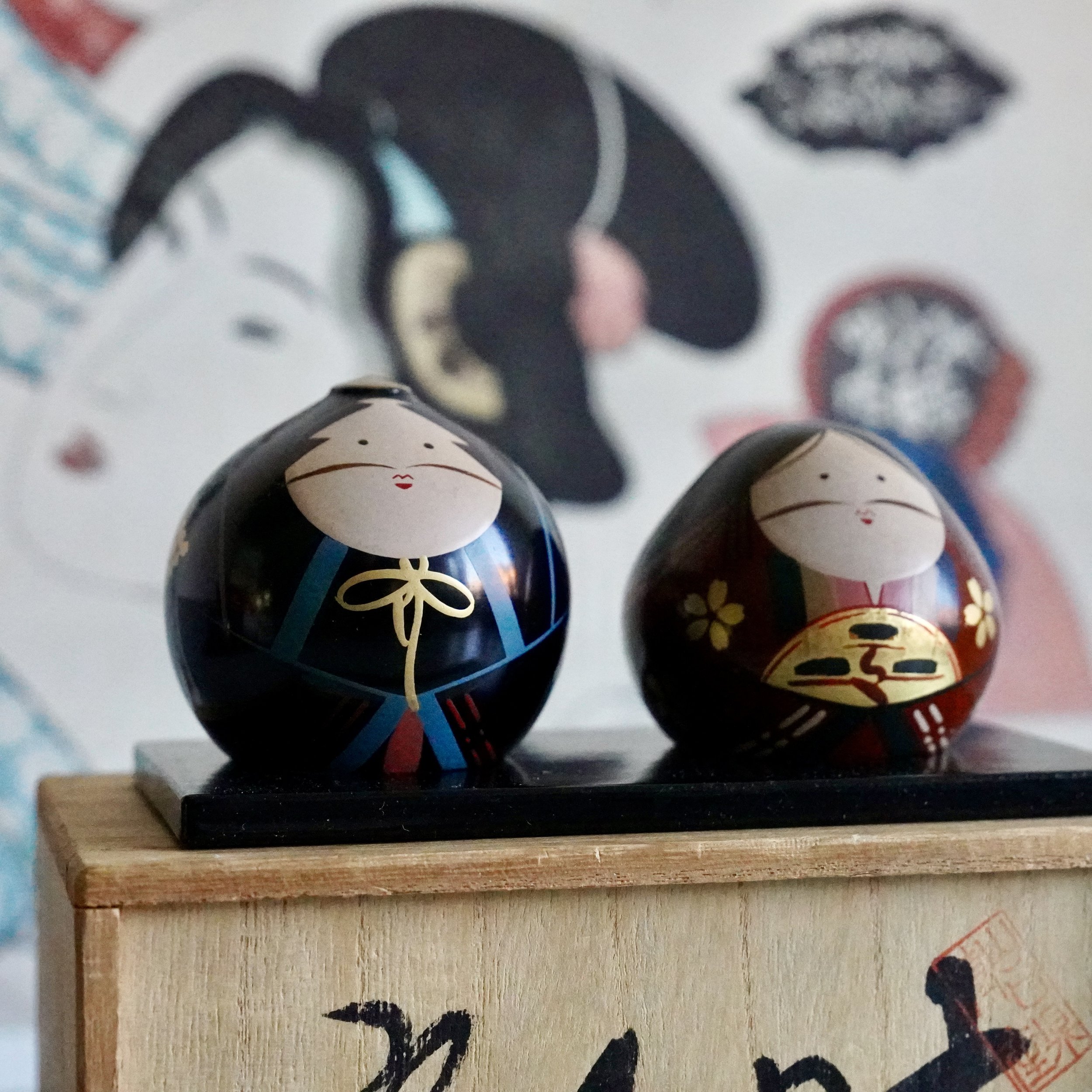
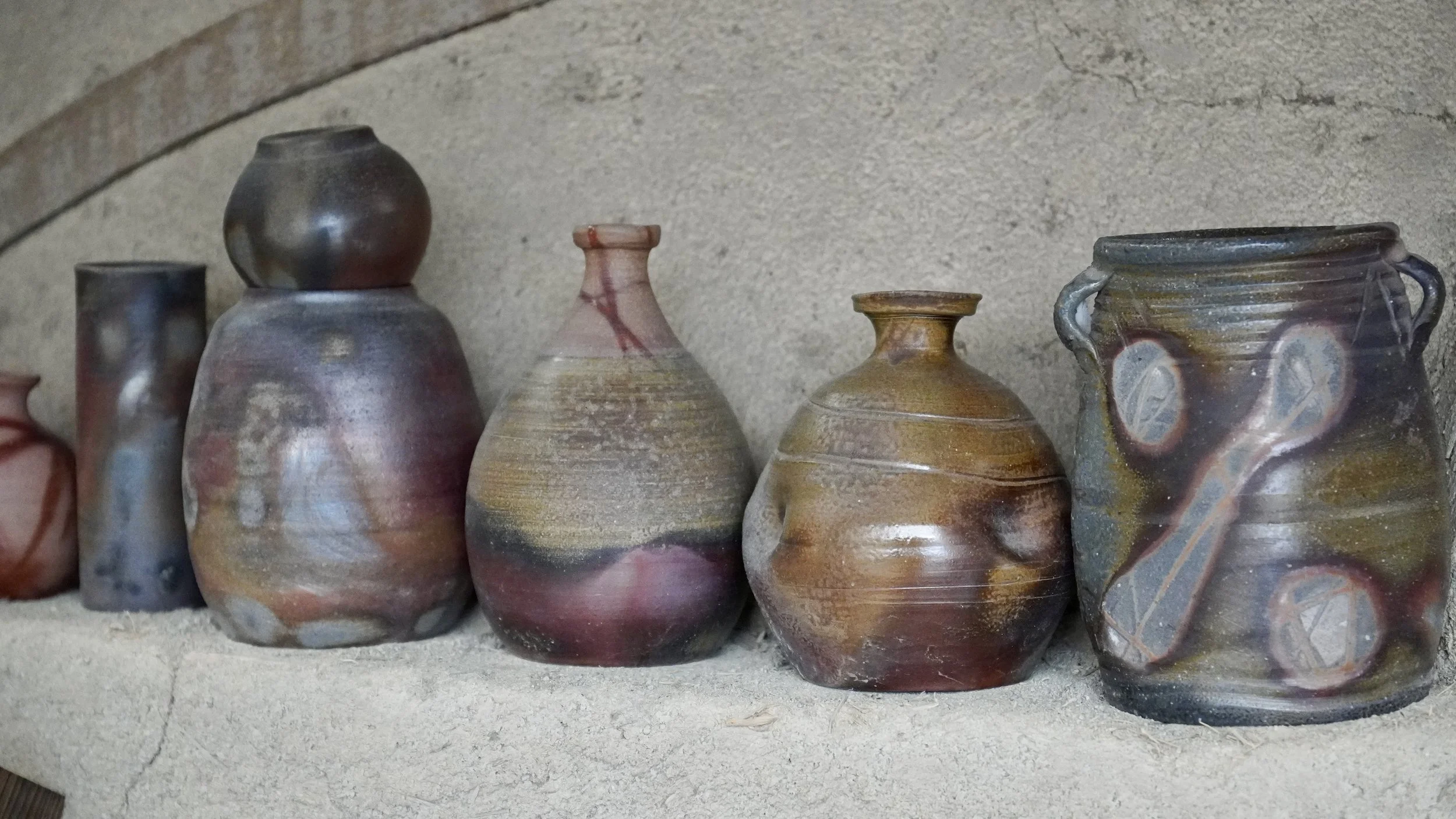
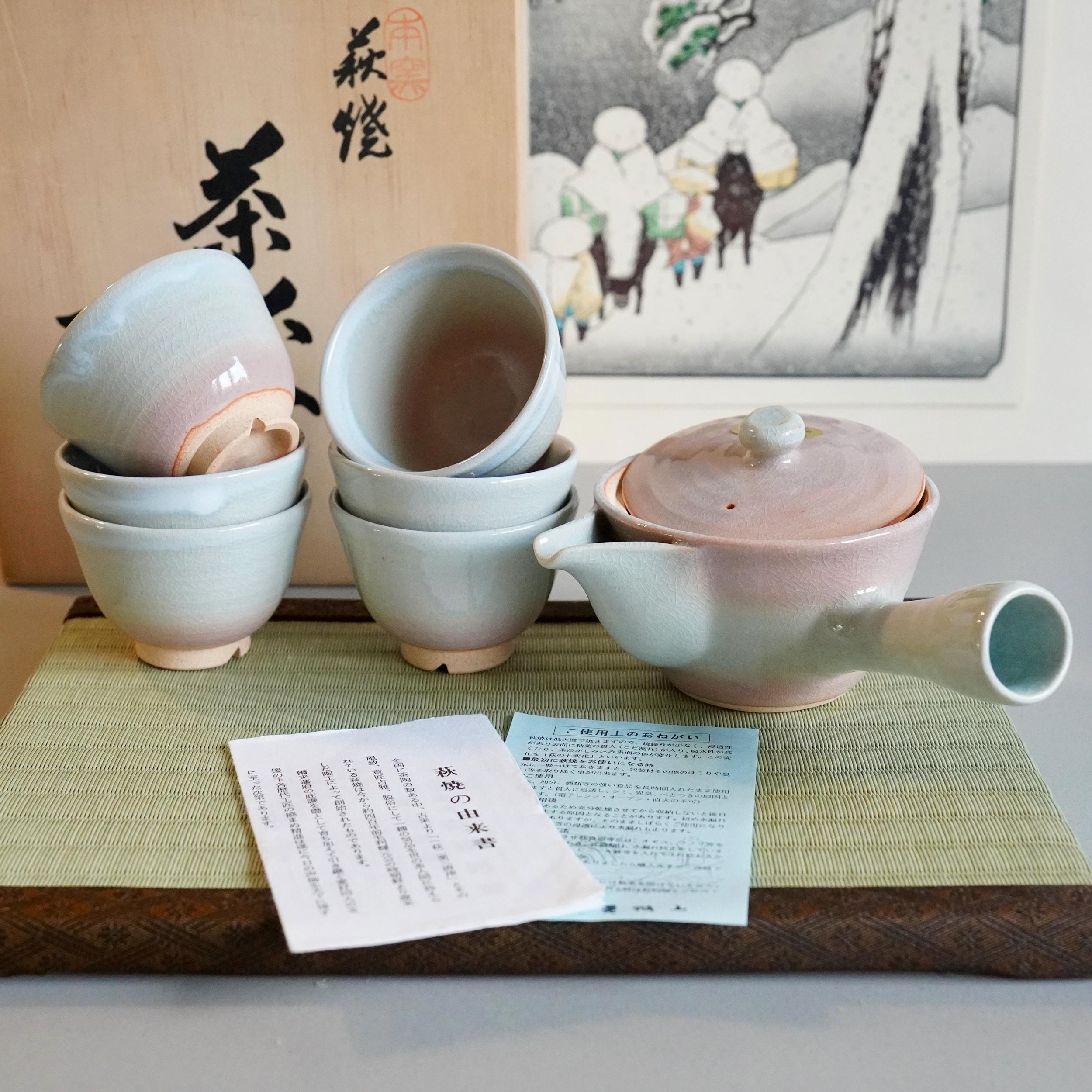
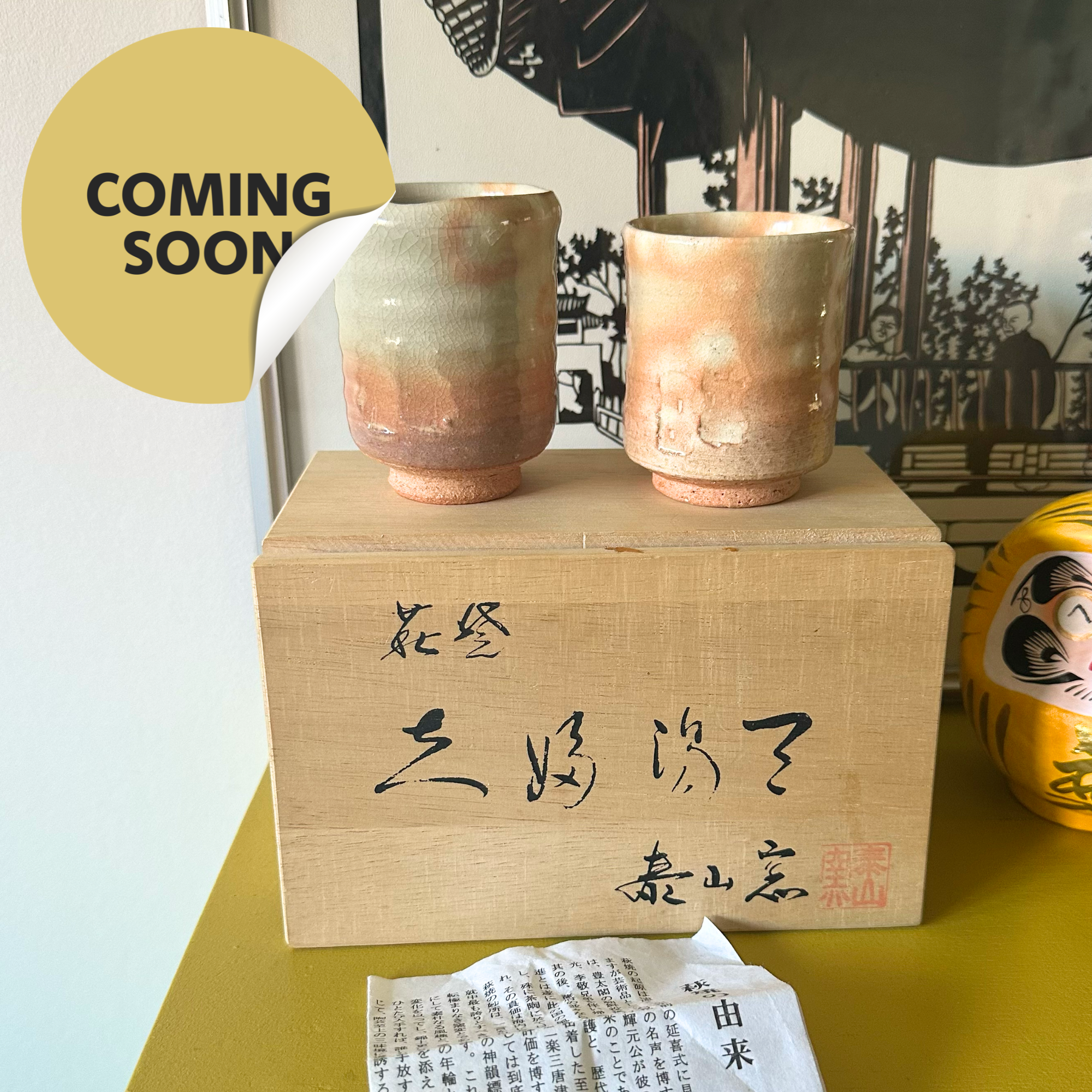
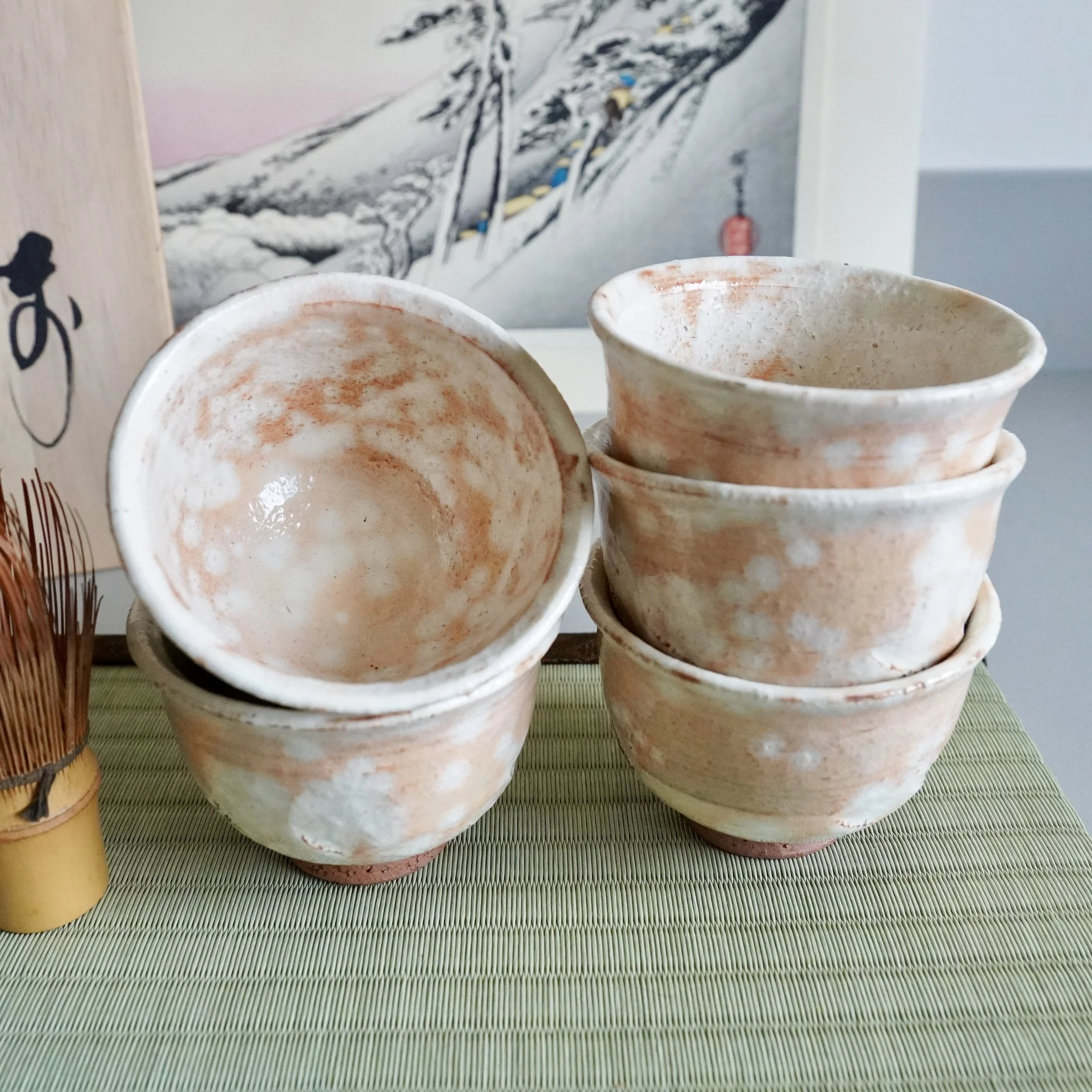
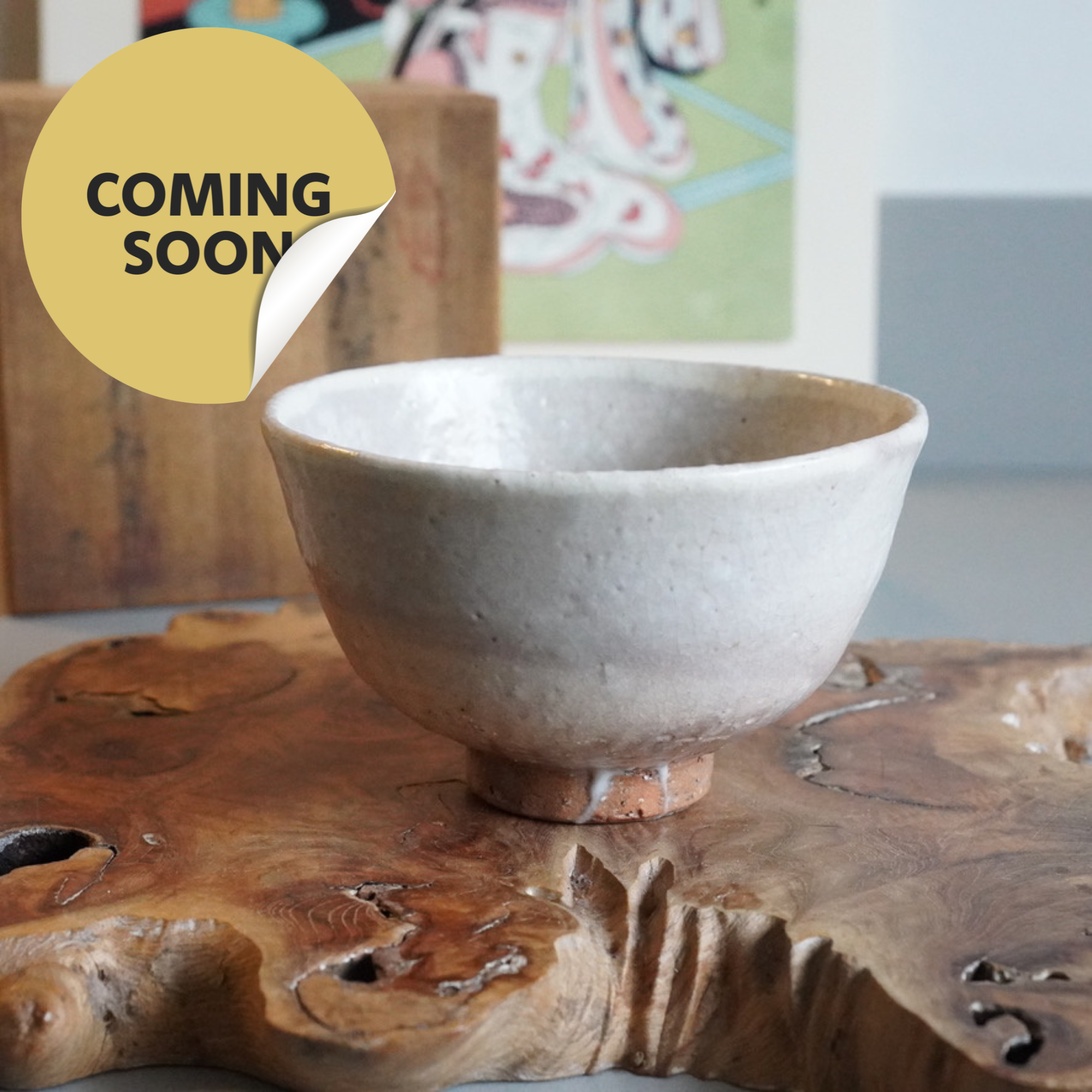
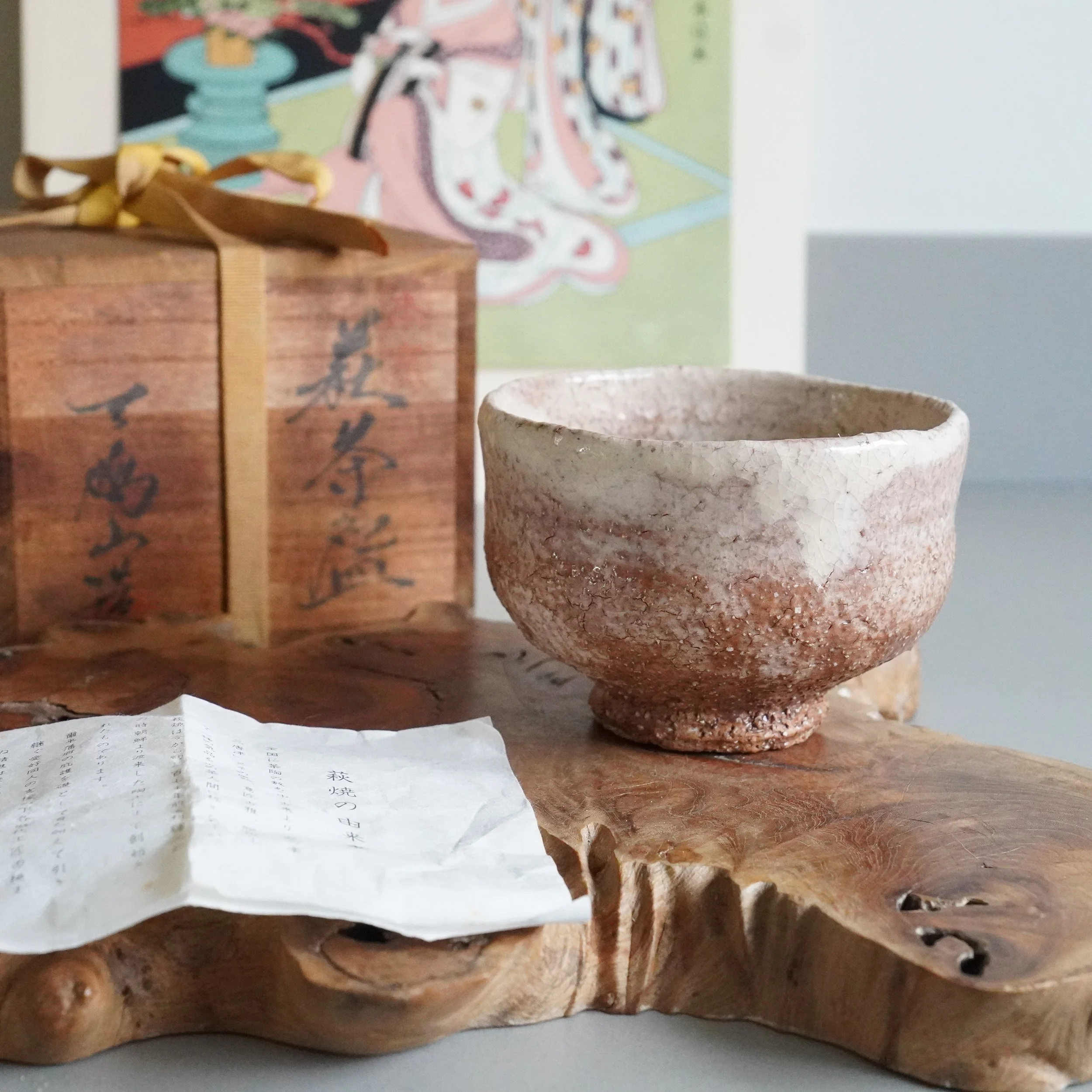
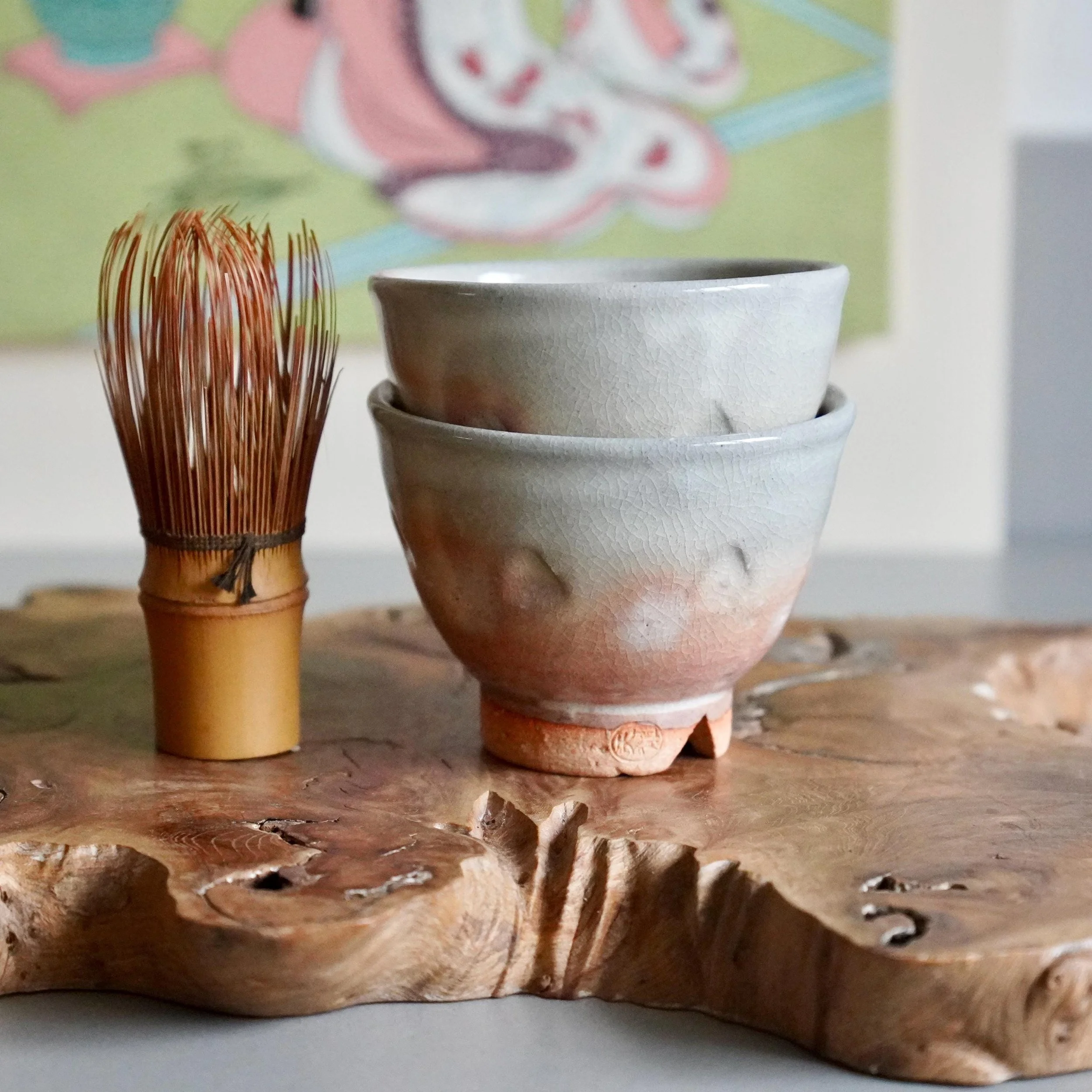
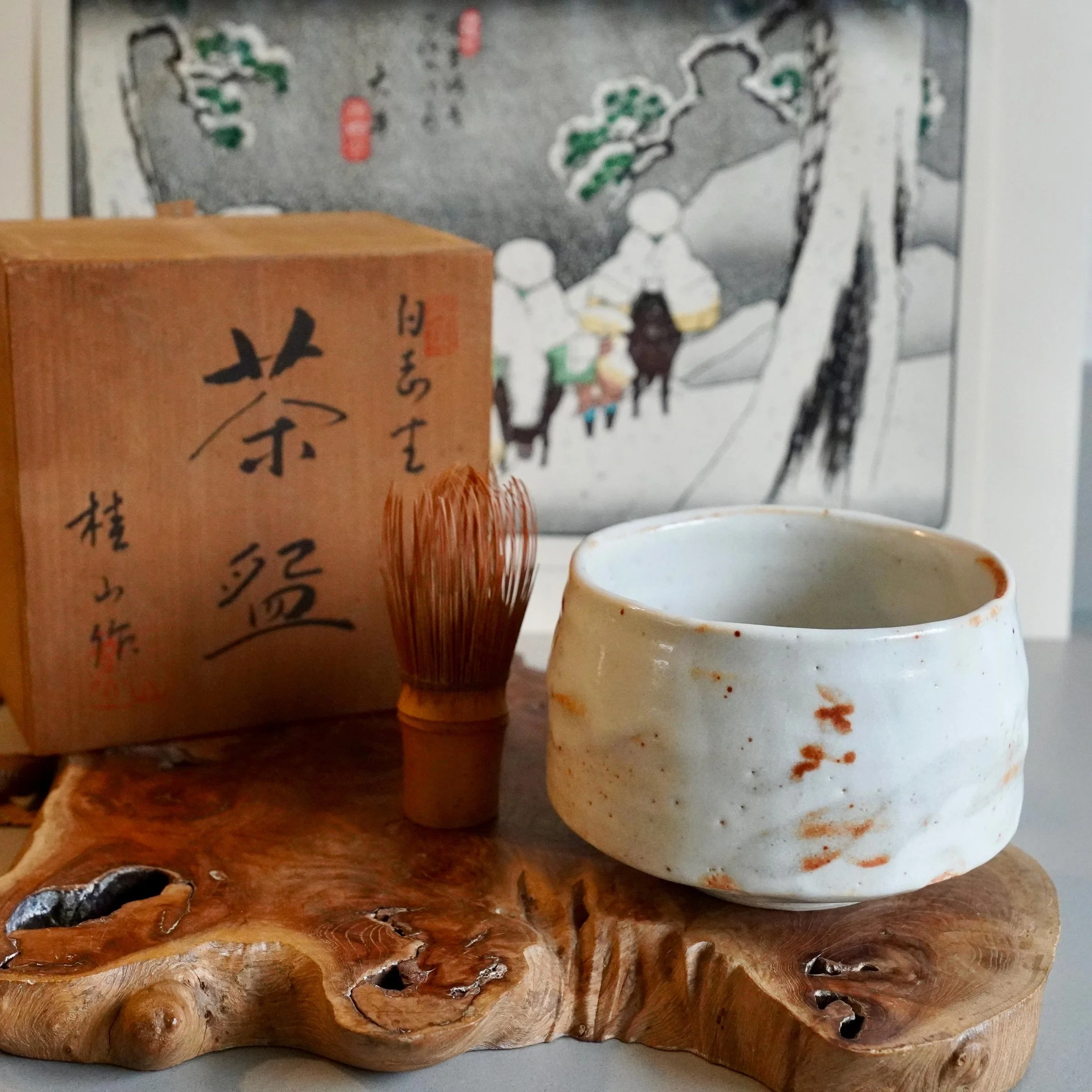
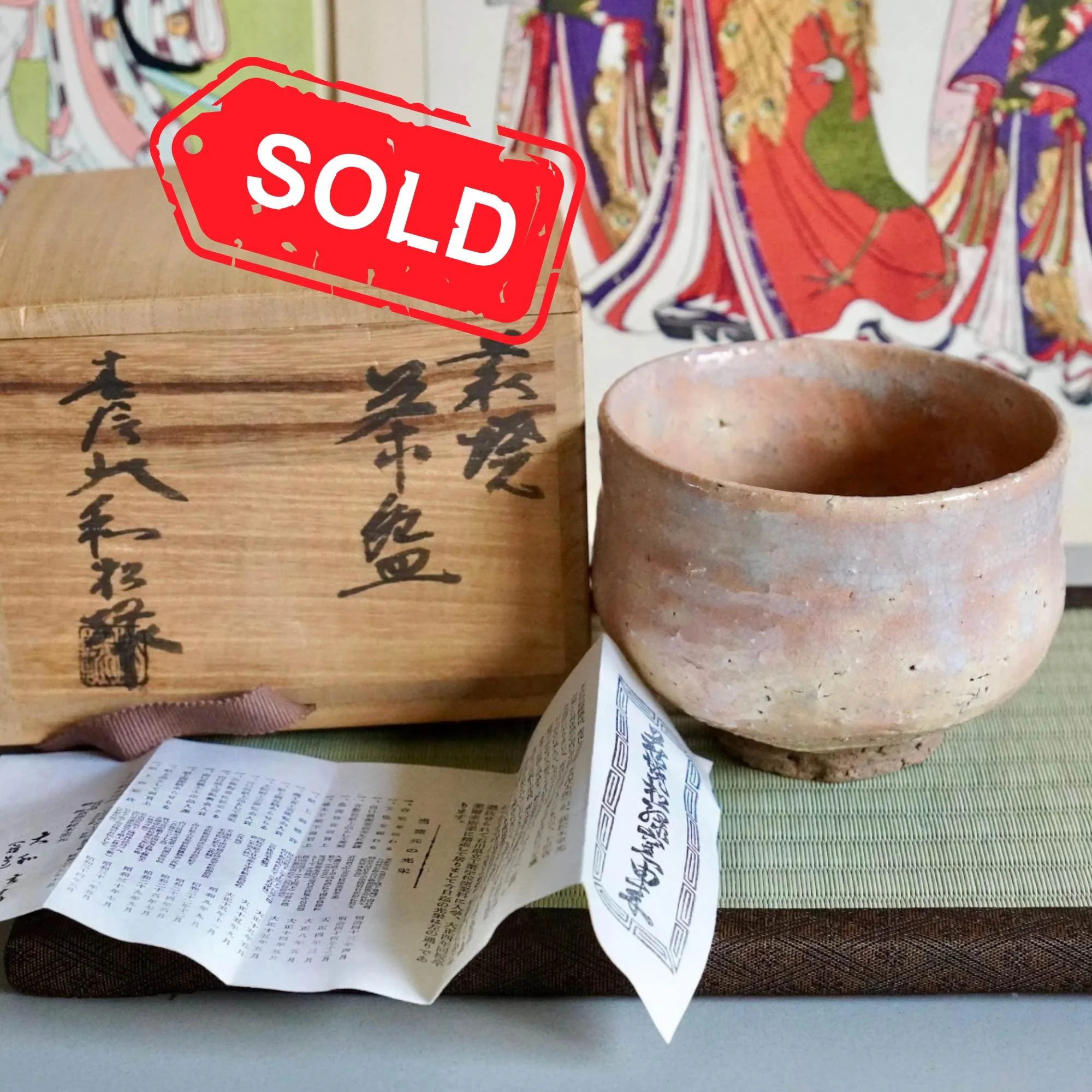
Meet our hagi ware family

Questions before you buy?
Since my items are one-of-a-kind piece, I want to ensure it reaches you perfectly.
Questions about the history or condition?
Need a custom shipping quote (EU & Worldwide)?
Prefer to see more detailed photos or a video?
Reach out to me directly. I'm here to help you find the perfect piece for your home.
✉️ hello@kaikoandco.com | 💬 Instagram DM: @kaiko.and.co | 📱 WhatsApp: [NUMMER]