
 Image 1 of 19
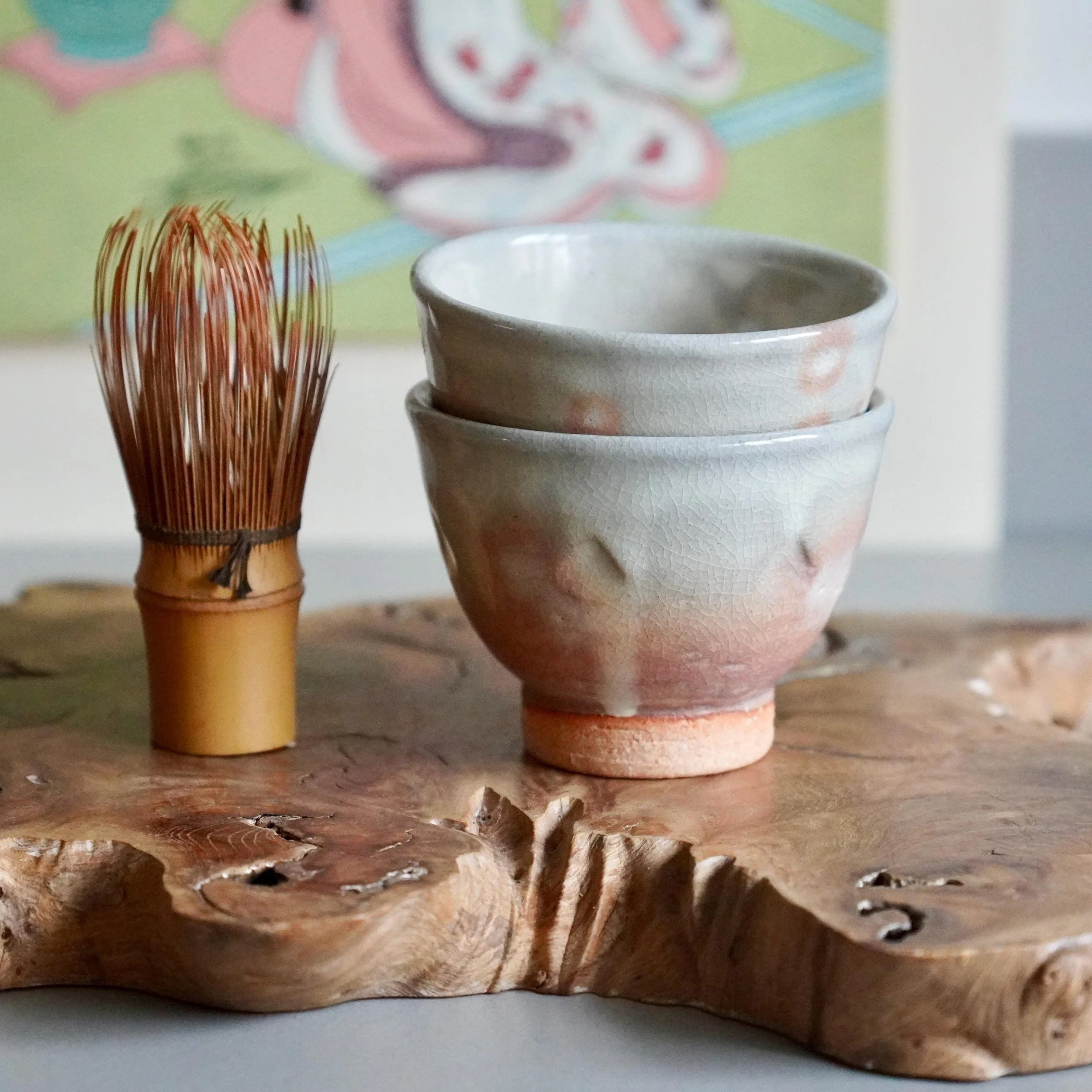 Image 2 of 19
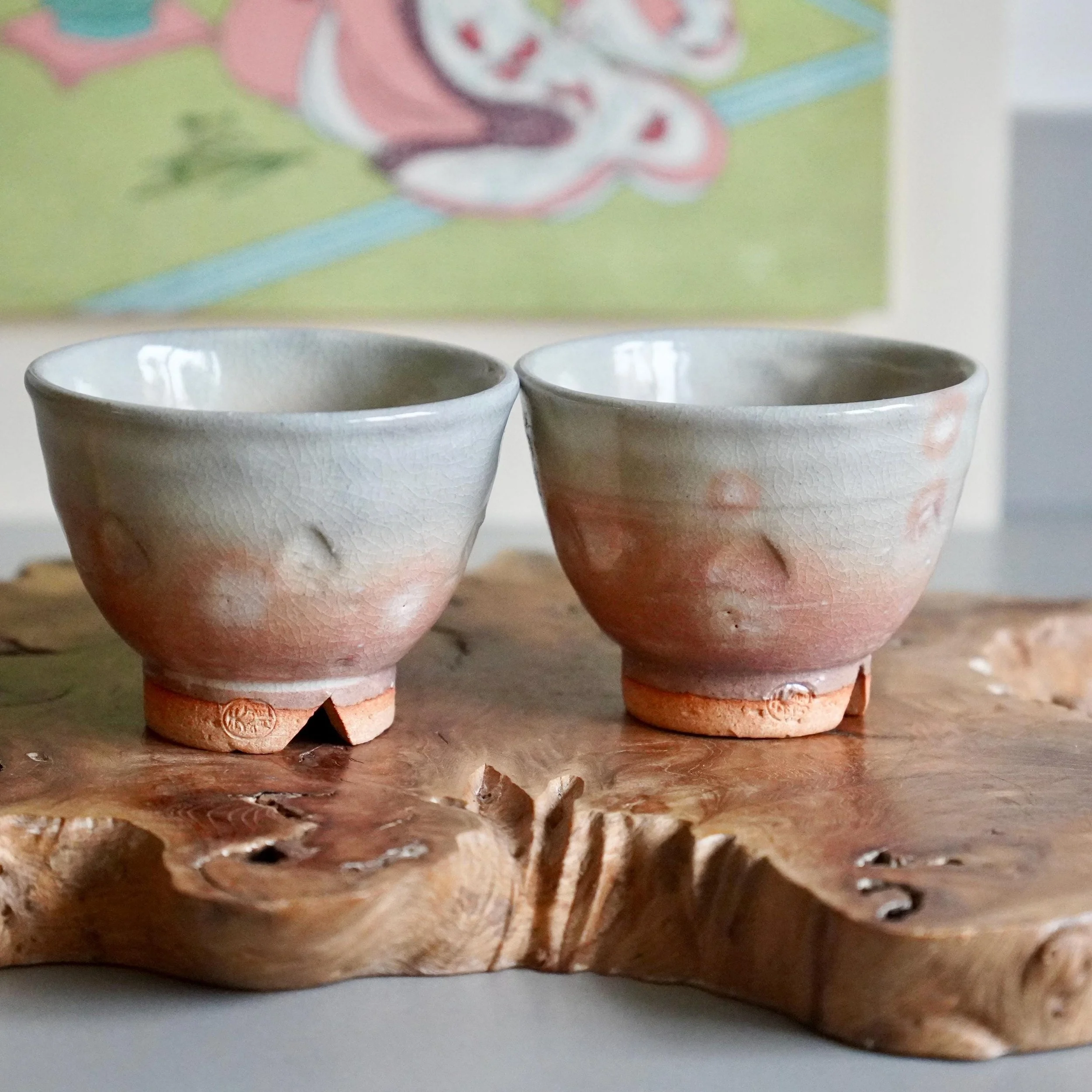 Image 3 of 19
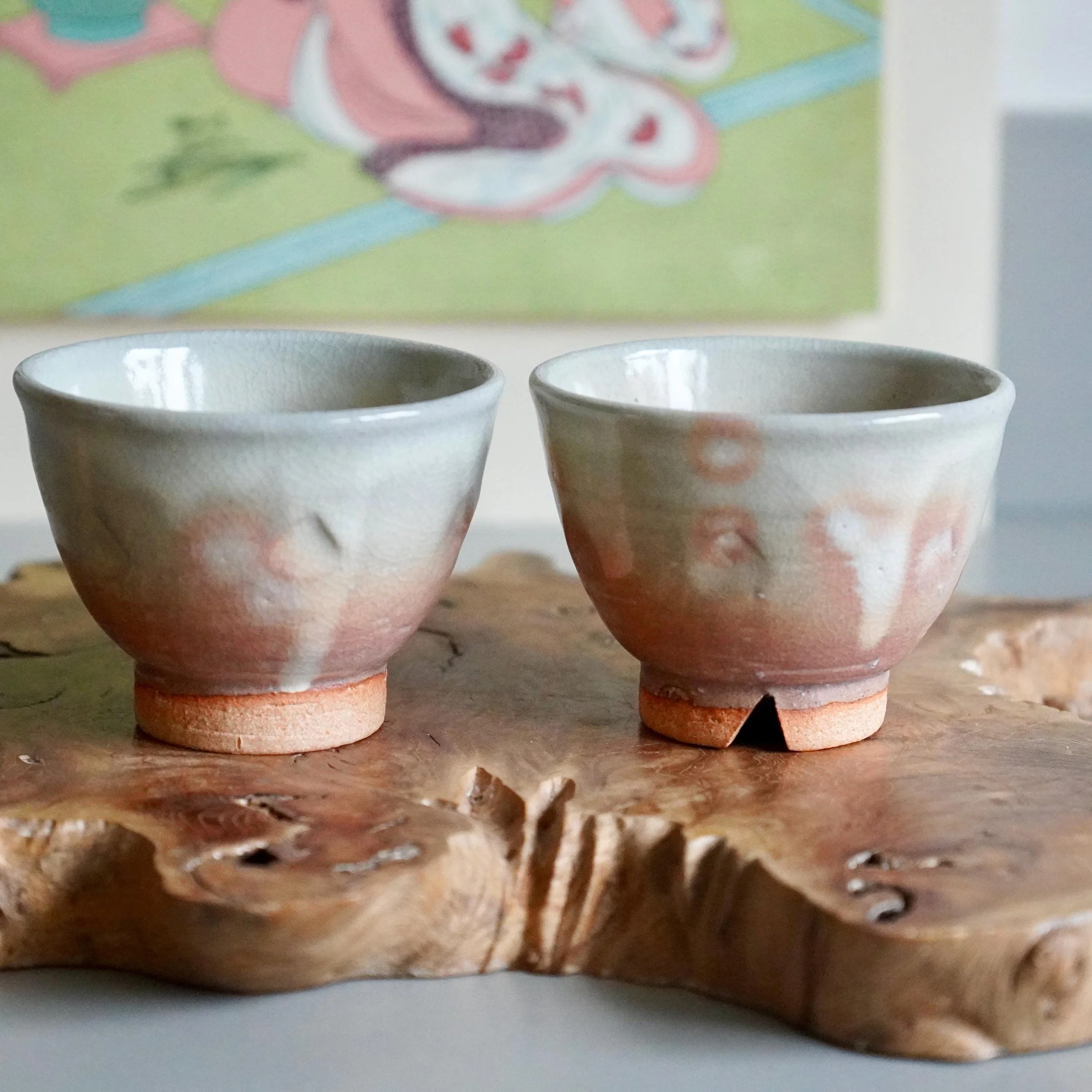 Image 4 of 19
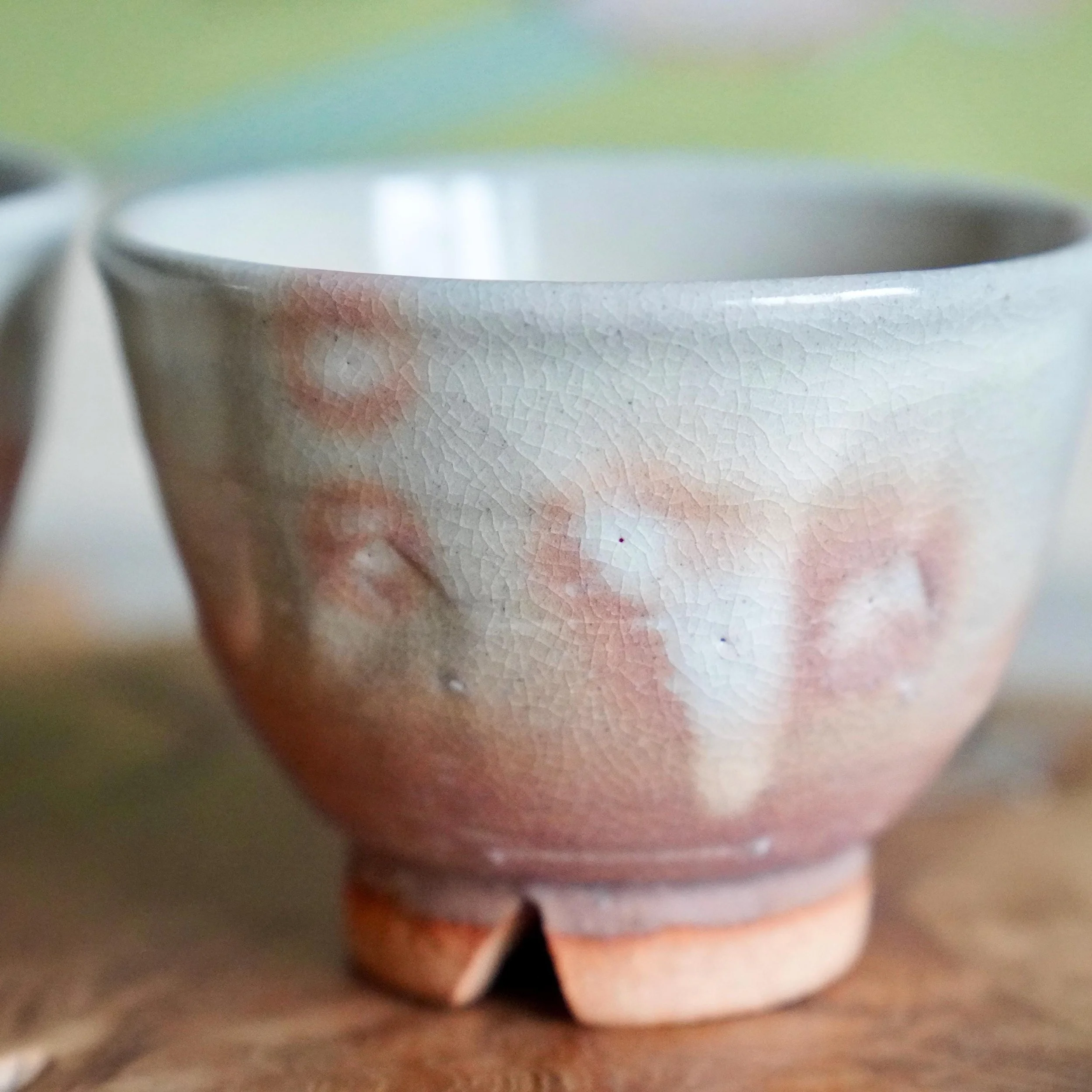 Image 5 of 19
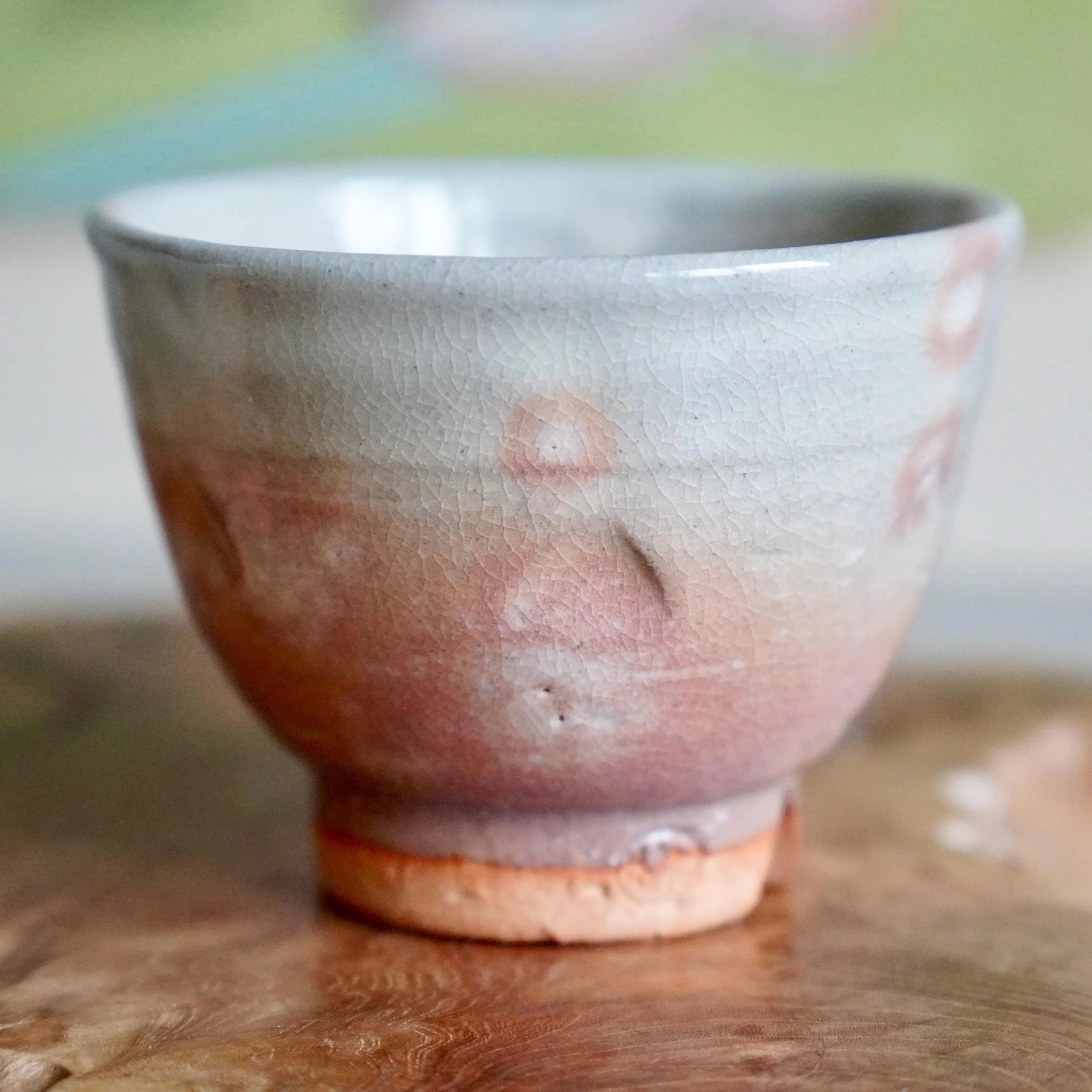 Image 6 of 19
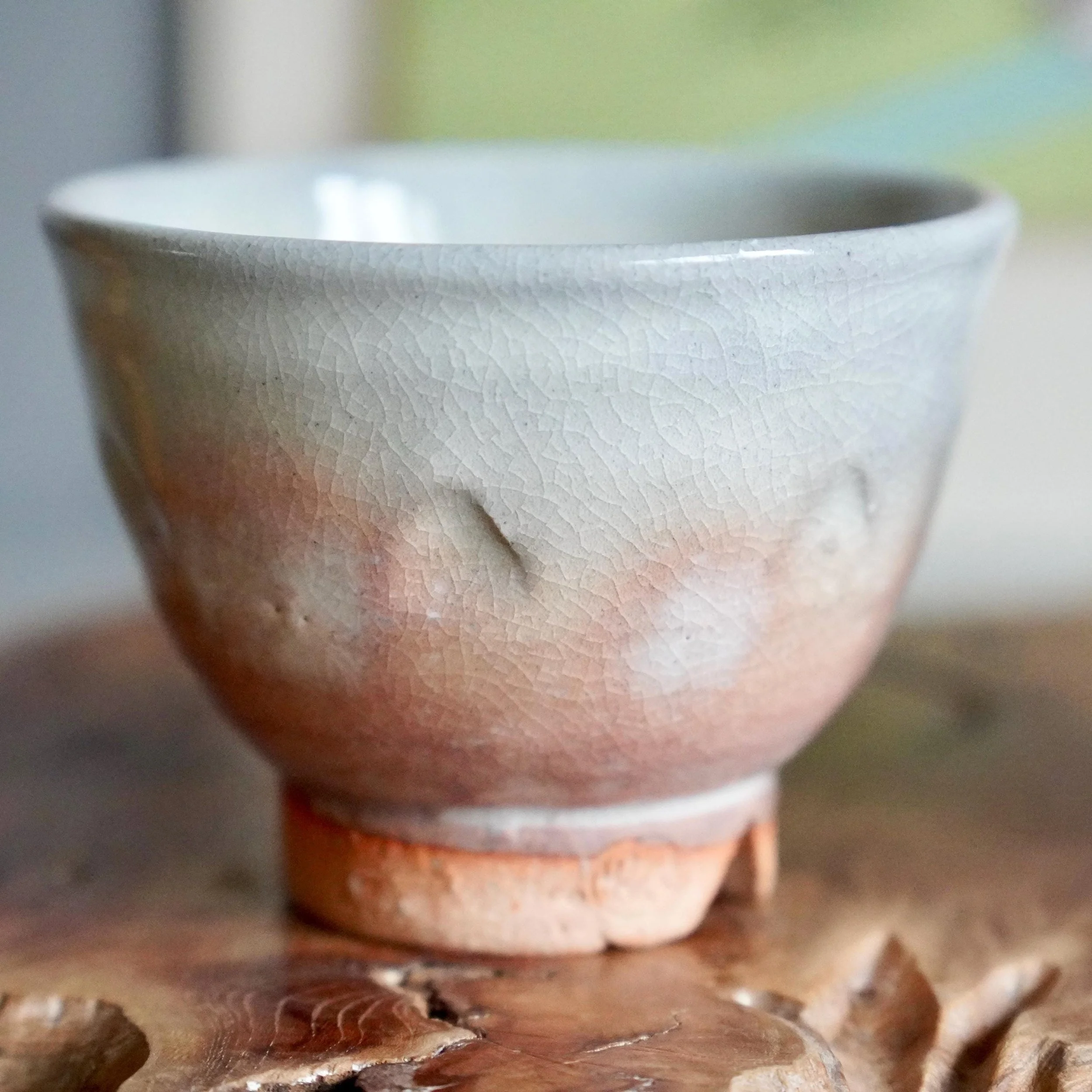 Image 7 of 19
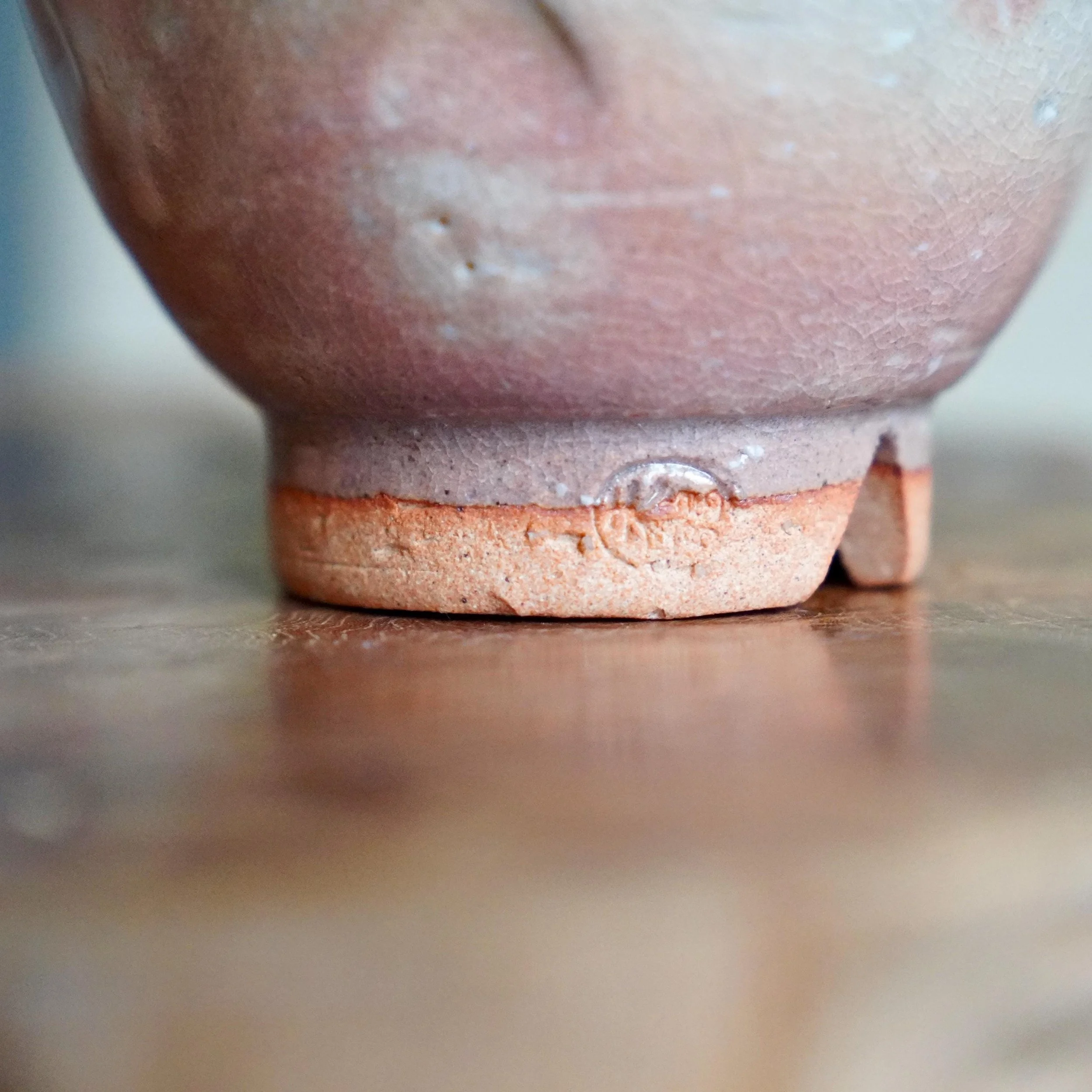 Image 8 of 19
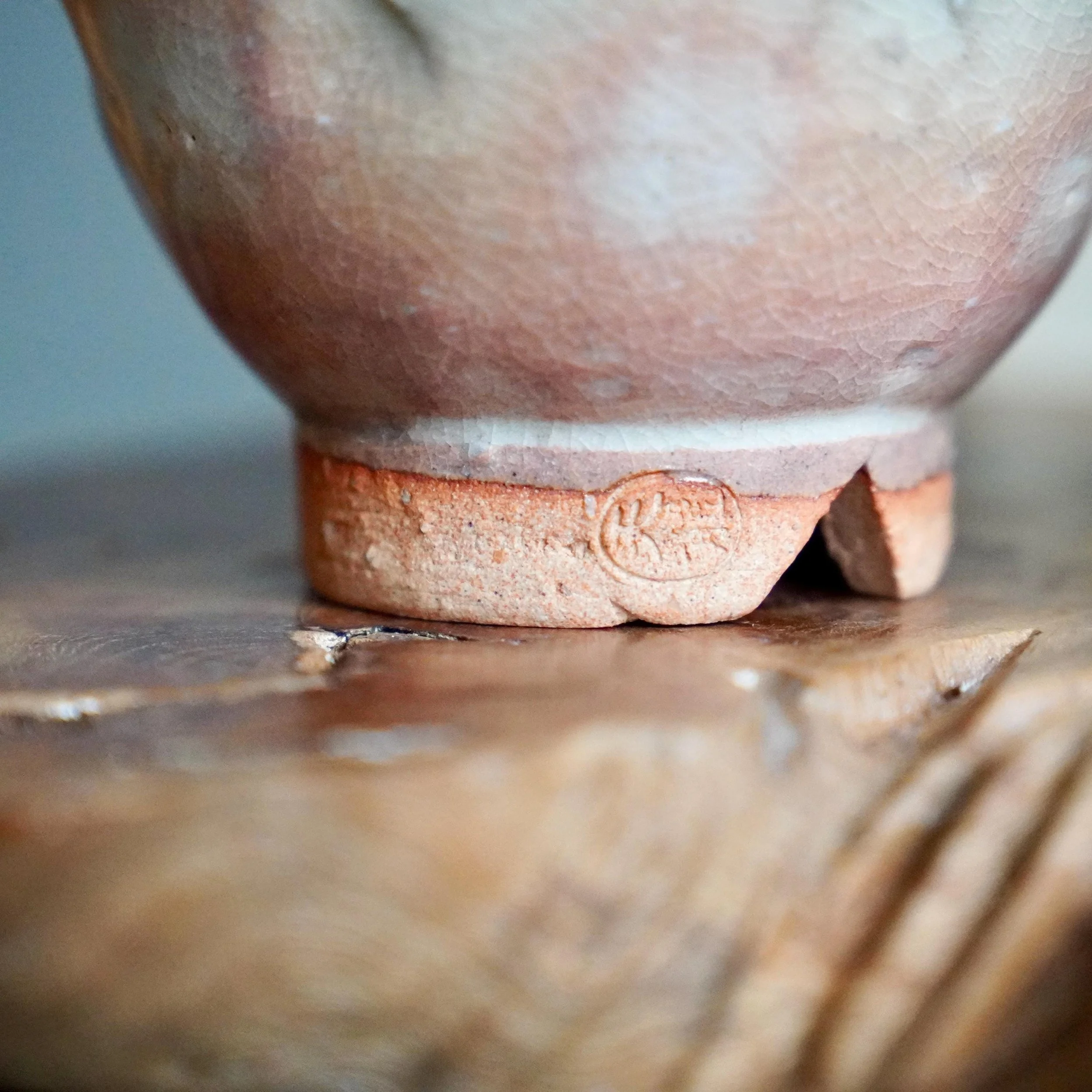 Image 9 of 19
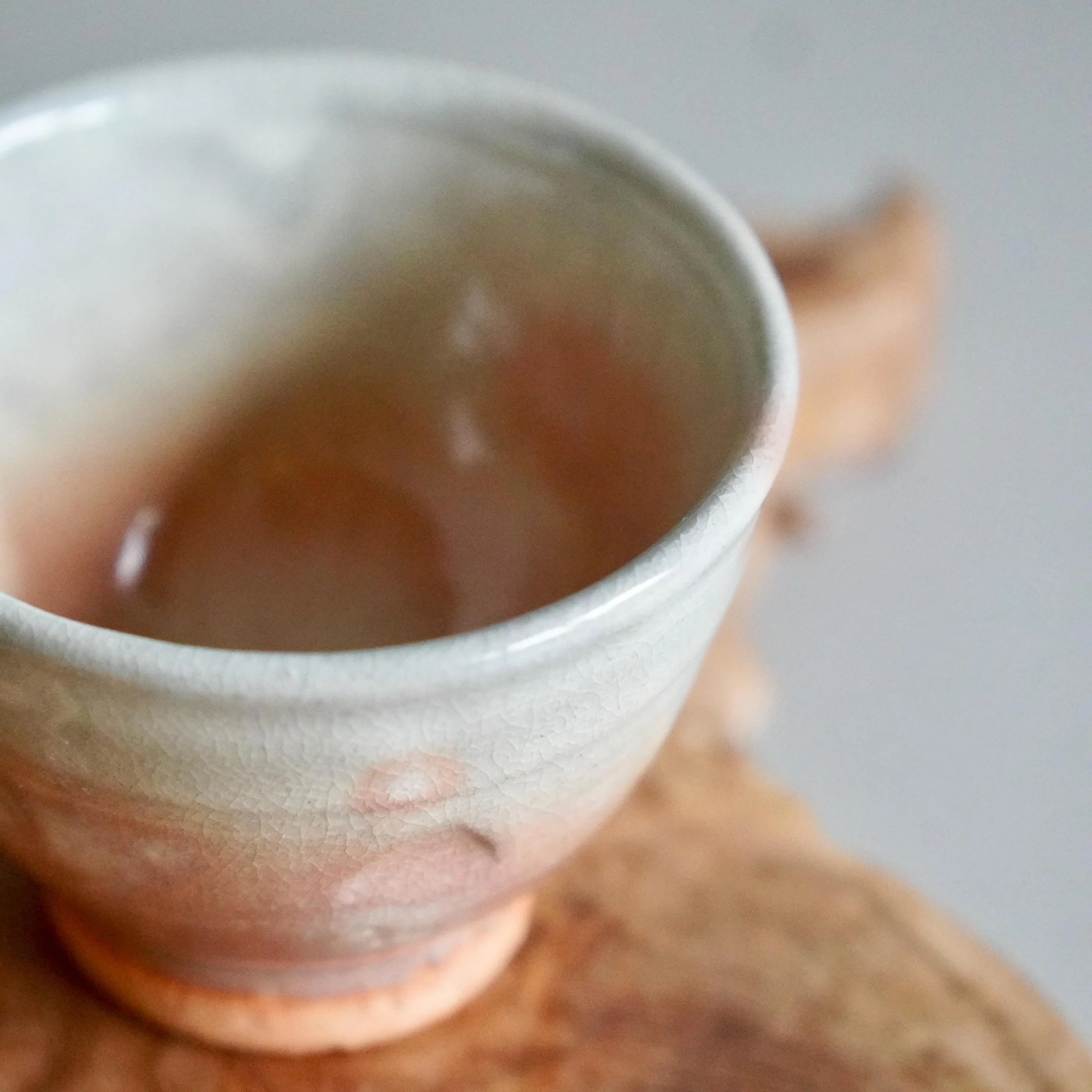 Image 10 of 19
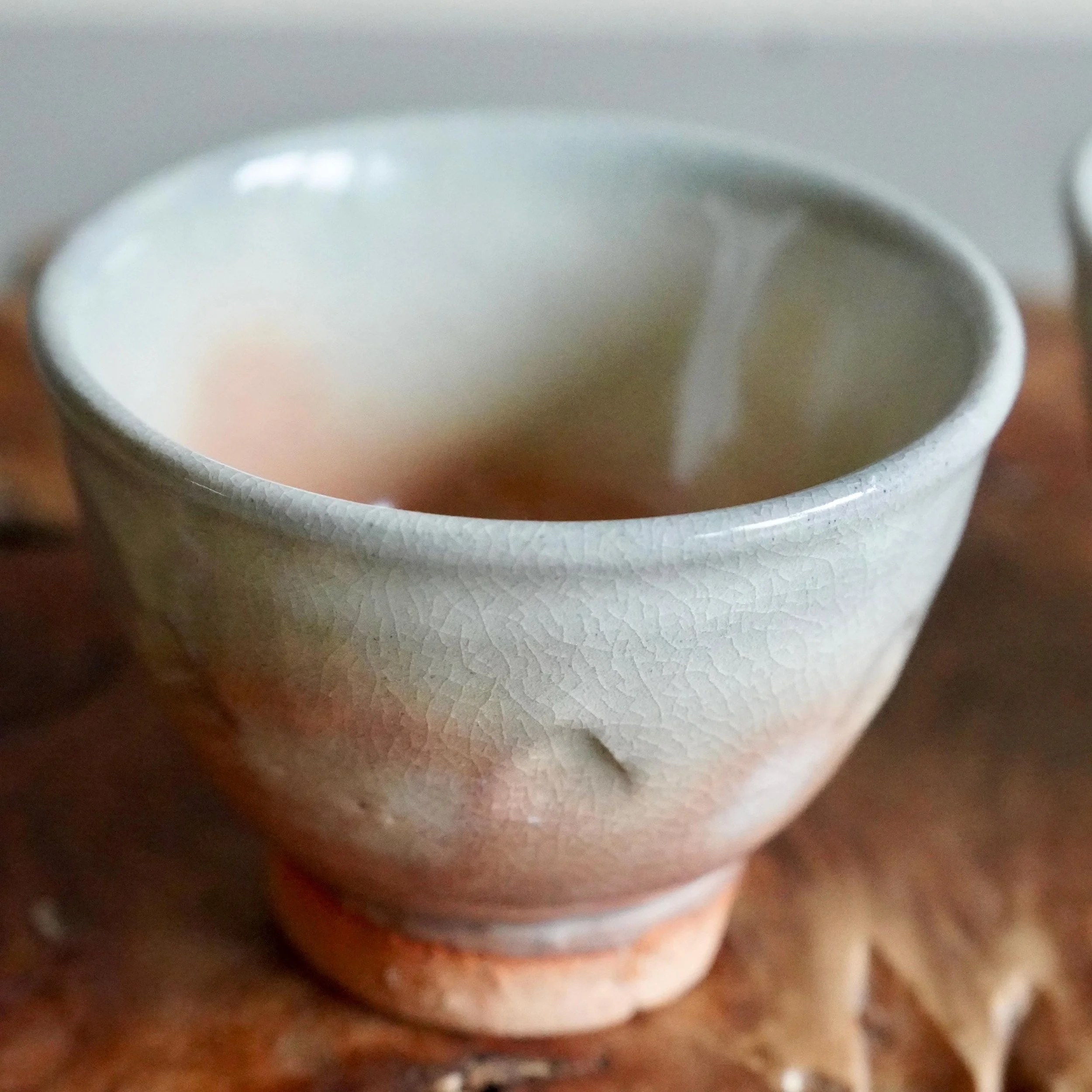 Image 11 of 19
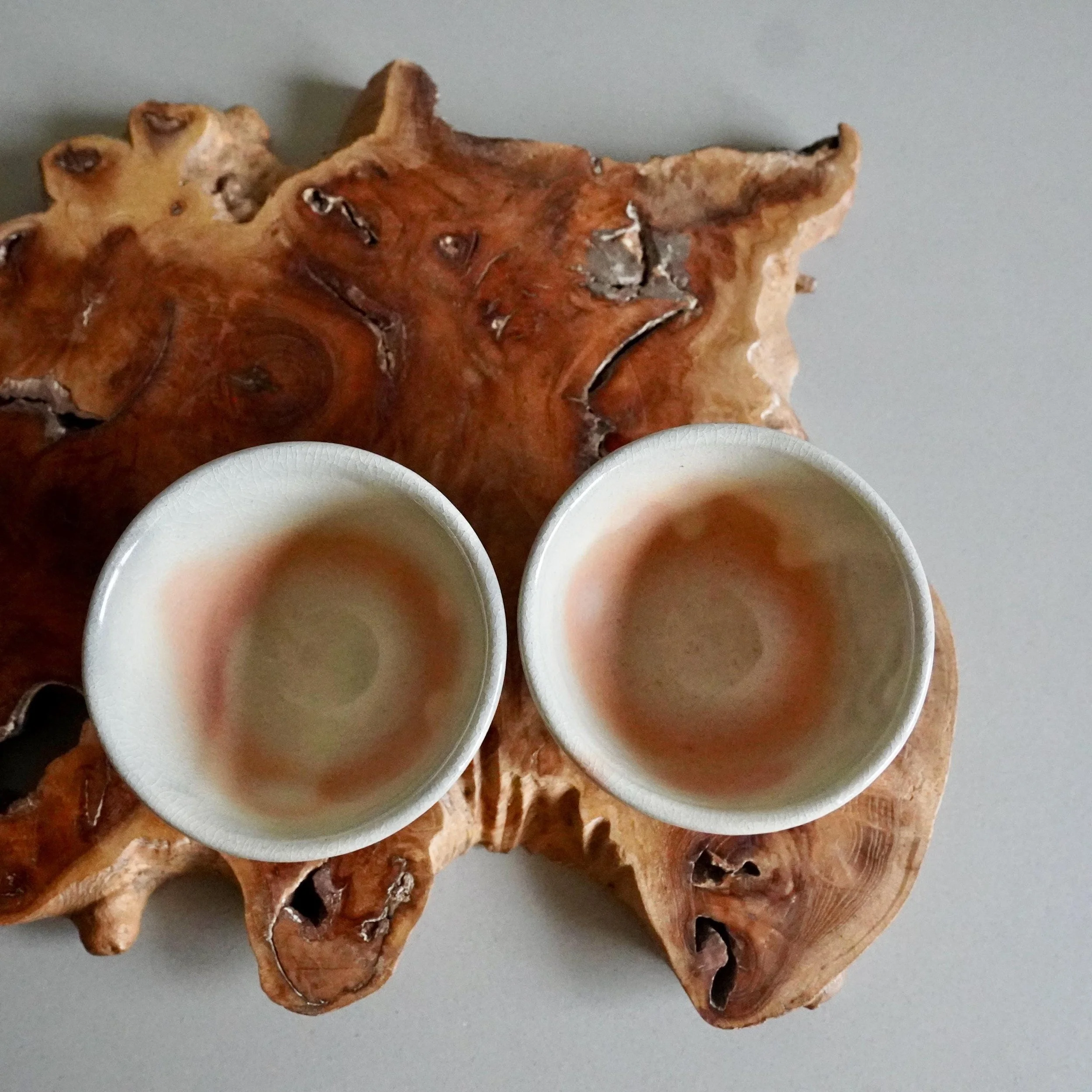 Image 12 of 19
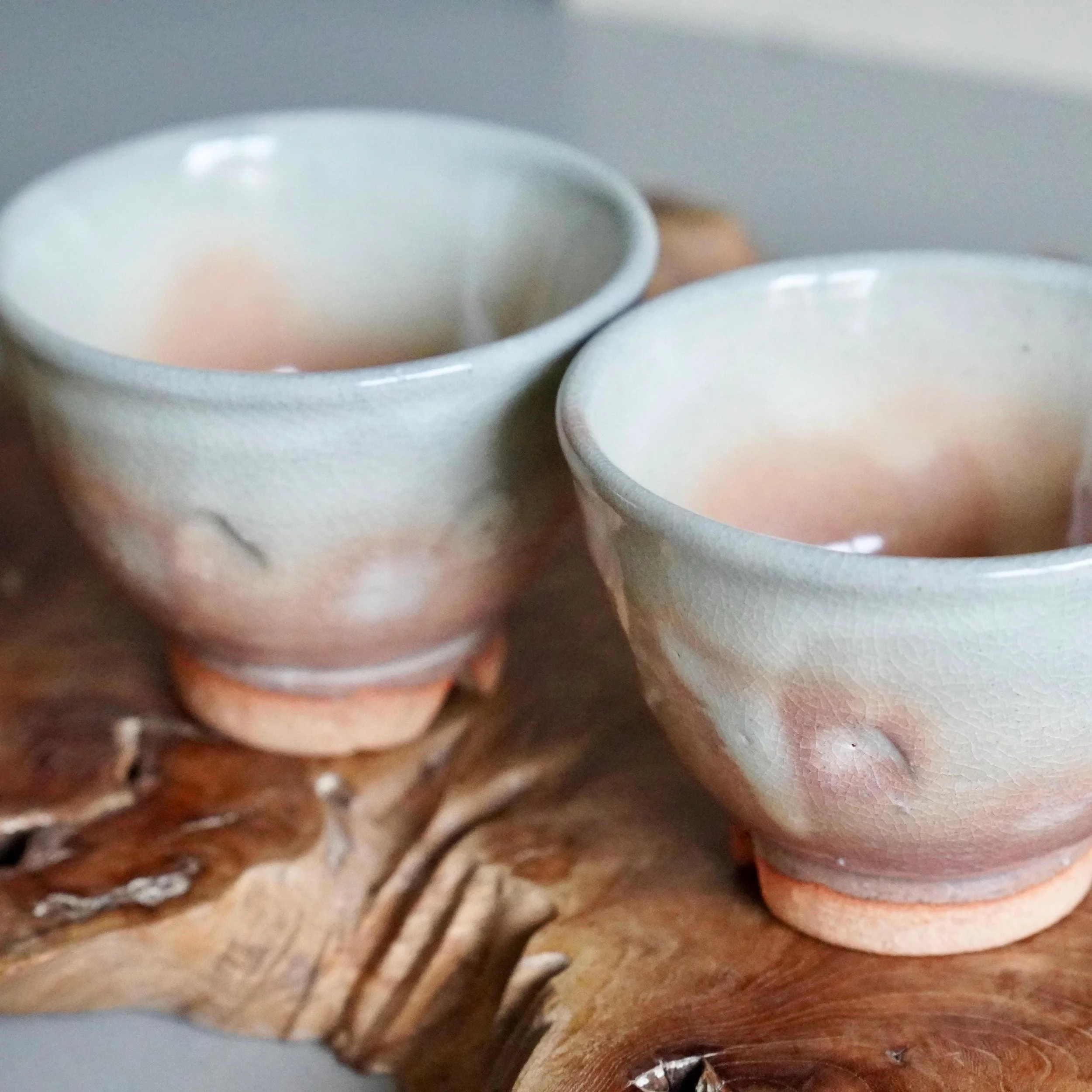 Image 13 of 19
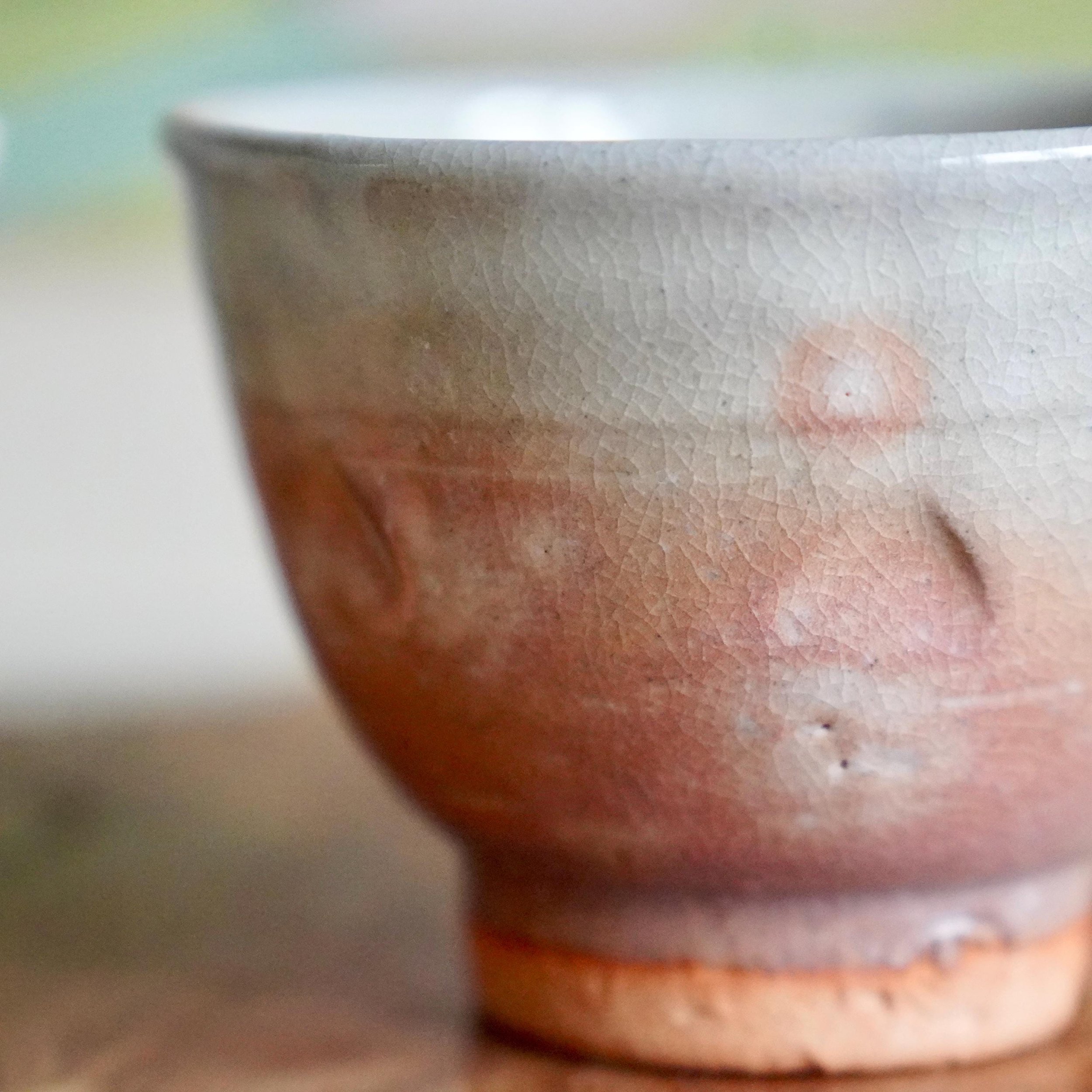 Image 14 of 19
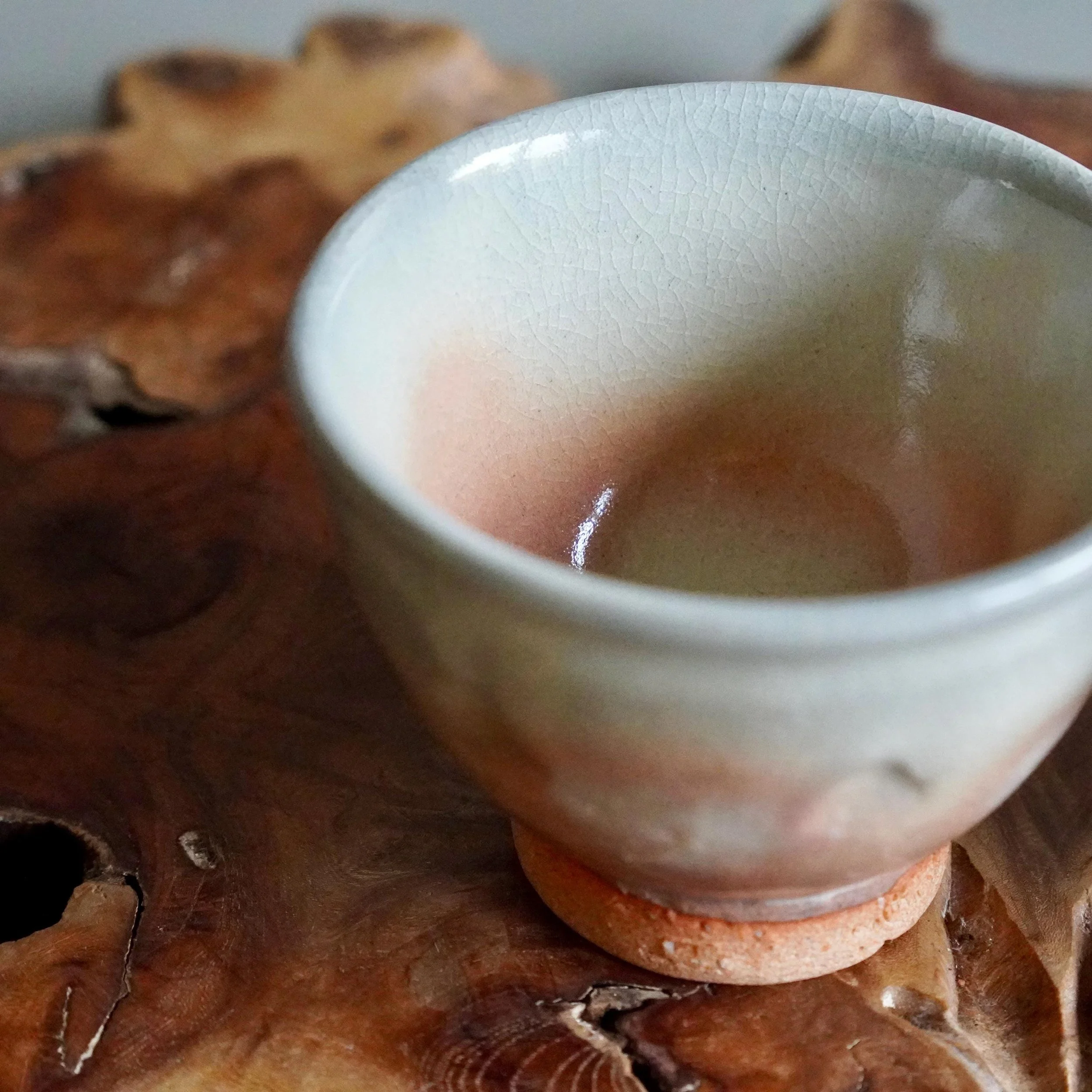 Image 15 of 19
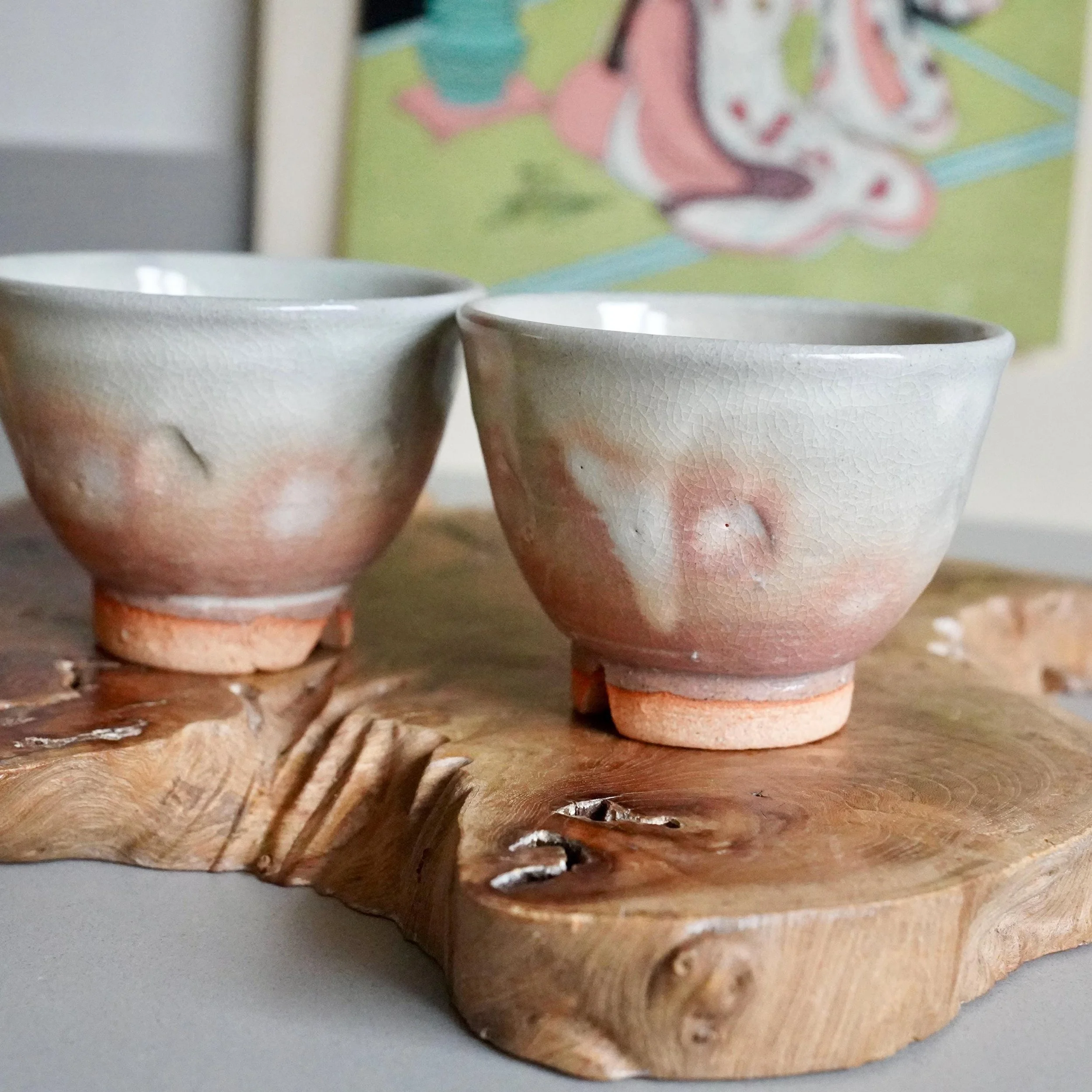 Image 16 of 19
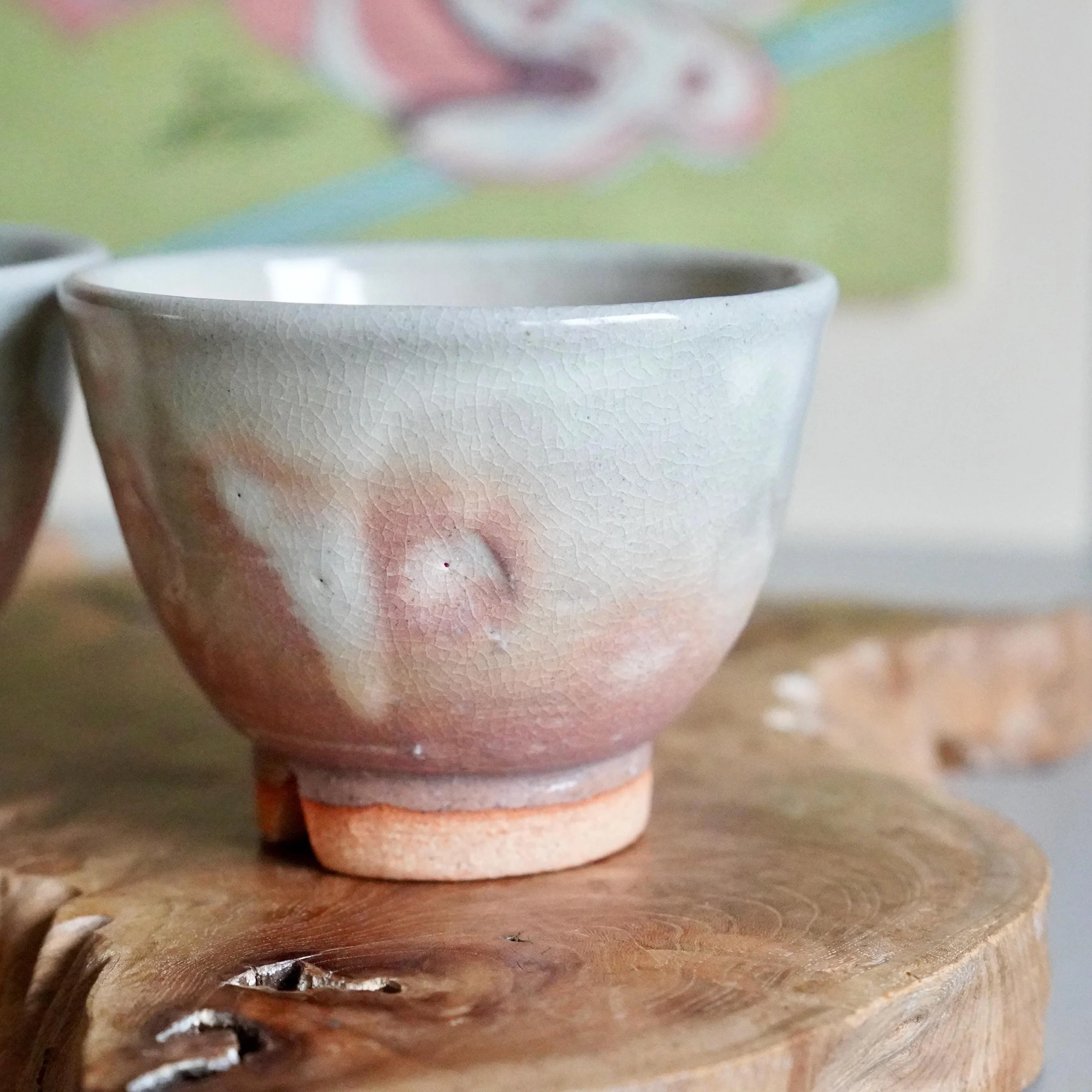 Image 17 of 19
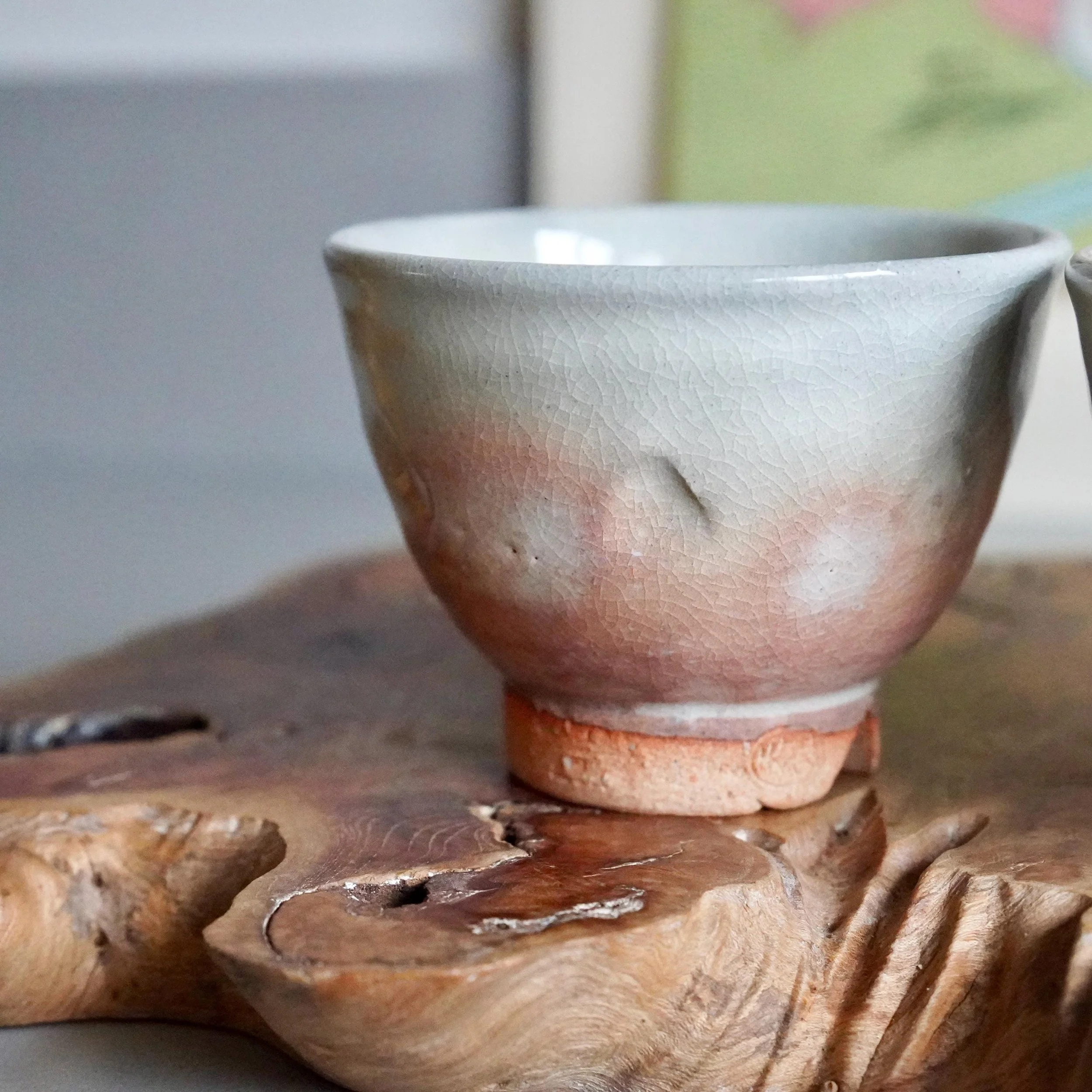 Image 18 of 19
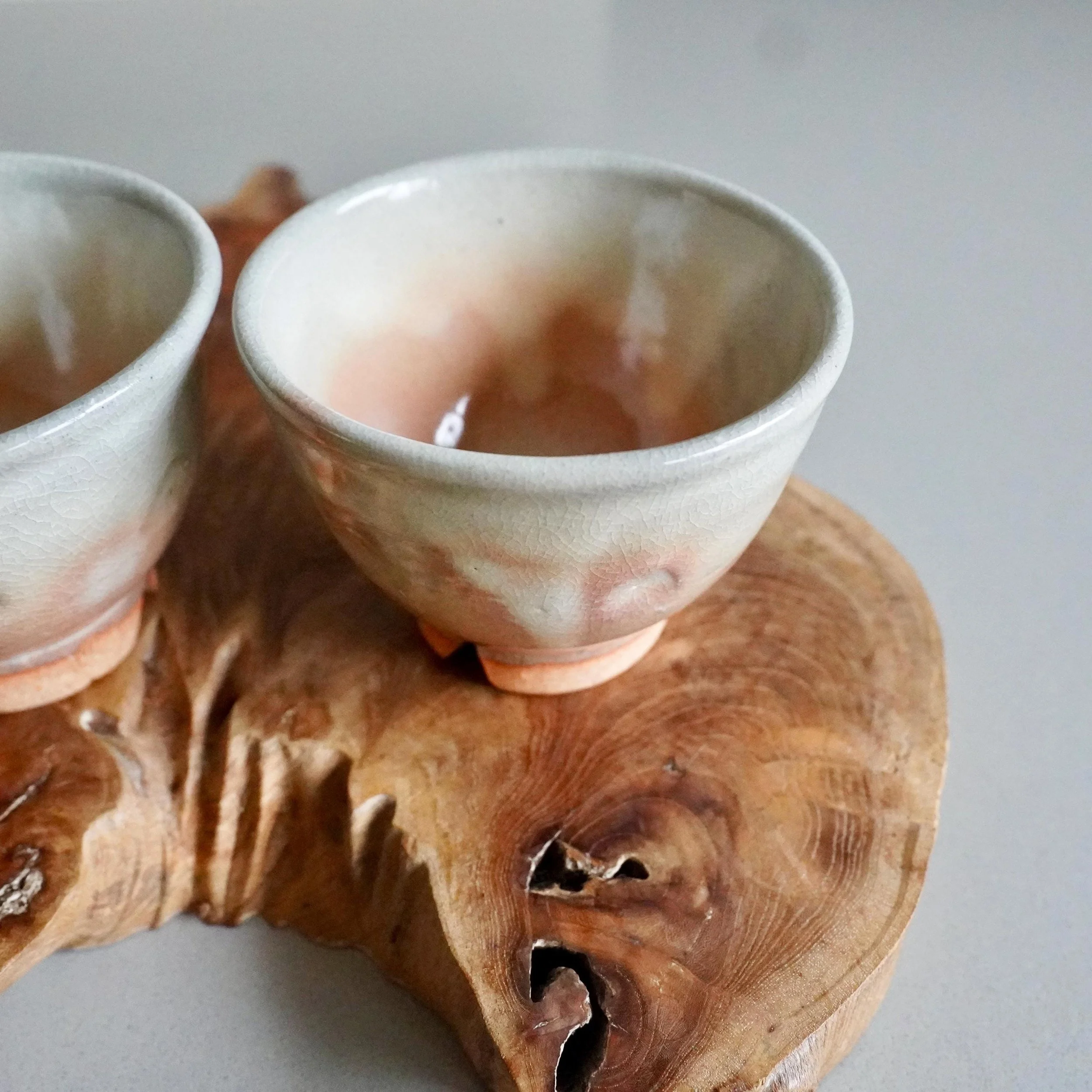 Image 19 of 19
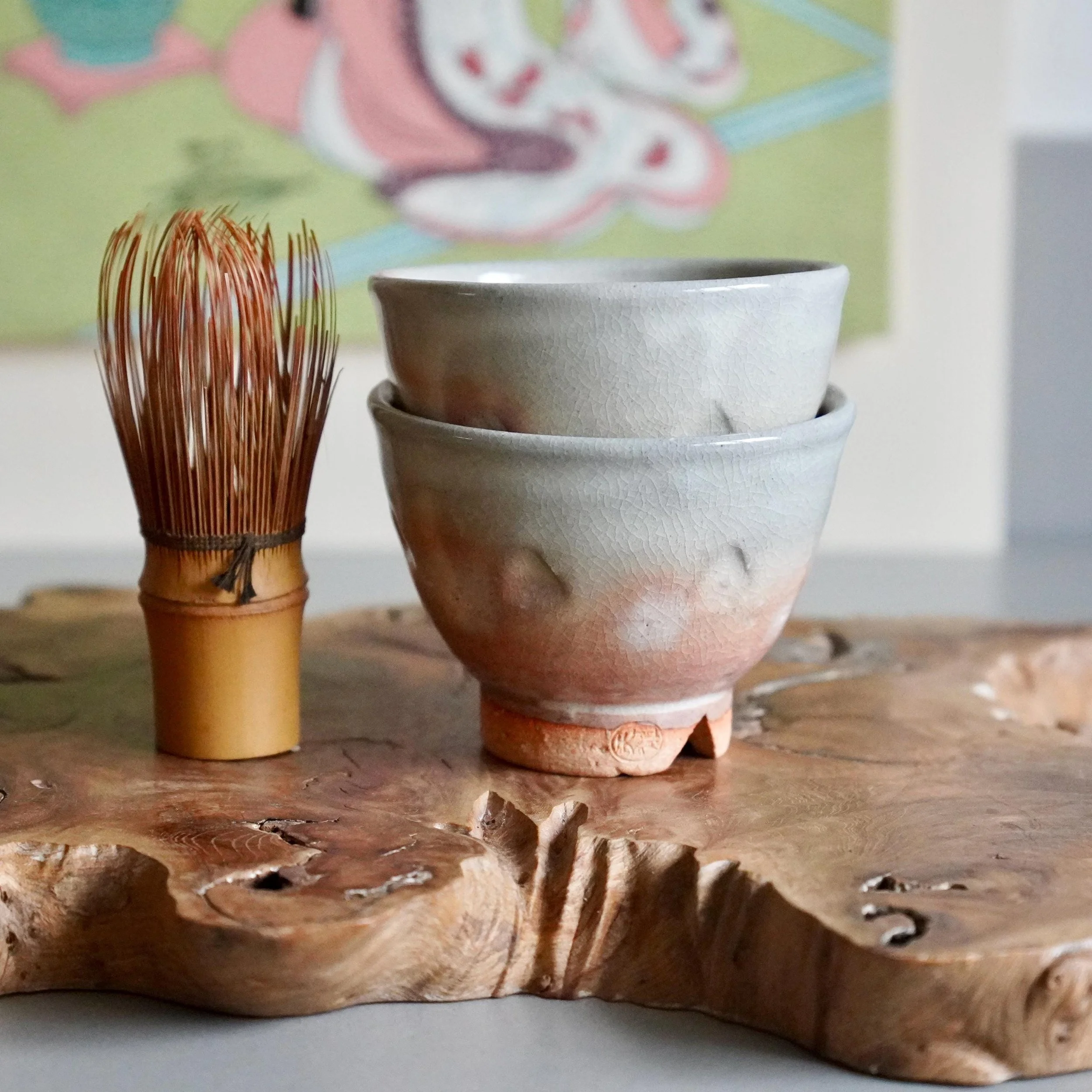
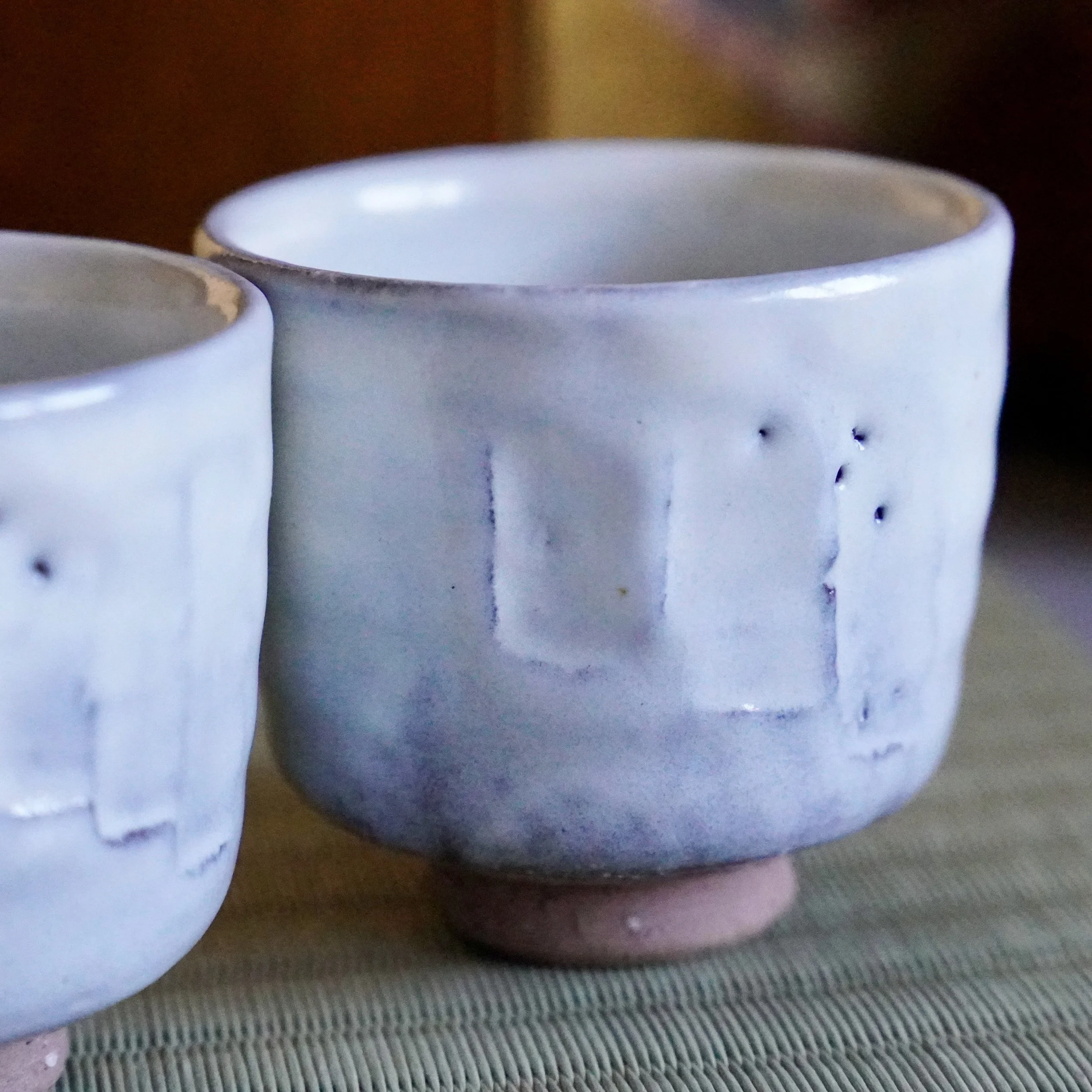
Hagi-yaki yunomi pair milky glaze pink spots signed by Tenpō gama, Shōwa period
These cups are from the Tenpō gama kiln in Hagi, Yamaguchi Prefecture, a kiln founded in 1973 that has built its reputation on classical Hagi technique: soft forms, understated glazes, and the porous clay that makes Hagi ware change with use.
The iron-bearing spots in the clay bleed through the white glaze during firing: no two cups come out the same. As tea slowly stains the clay through the craquelé over years of use, the cup deepens in colour and texture, a process the Japanese call nanabake, the seven transformations.
The craquelé covers the full surface in a fine irregular network. The form is round and low, wider at the lip than at the base, and each cup sits on the kiri-kodai foot: the triangular notch cut into the clay that has been a feature of quality Hagi ware for four centuries.
These cups are from the Tenpō gama kiln in Hagi, Yamaguchi Prefecture, a kiln founded in 1973 that has built its reputation on classical Hagi technique: soft forms, understated glazes, and the porous clay that makes Hagi ware change with use.
The iron-bearing spots in the clay bleed through the white glaze during firing: no two cups come out the same. As tea slowly stains the clay through the craquelé over years of use, the cup deepens in colour and texture, a process the Japanese call nanabake, the seven transformations.
The craquelé covers the full surface in a fine irregular network. The form is round and low, wider at the lip than at the base, and each cup sits on the kiri-kodai foot: the triangular notch cut into the clay that has been a feature of quality Hagi ware for four centuries.
What makes these hagi ware cups special
The up close look and feel
The craquelé on Hagi-yaki is finer than on most Japanese stoneware: up close it reads as a dense irregular network rather than the larger cracks of Shino or Oribe.
The gohonte patches are not painted or applied: they come from the clay itself, from iron-bearing inclusions in the clay body that burn through the glaze at different temperatures.
Each cup comes out of the kiln with a different pattern. The unglazed foot is warm and slightly rough, the contrast between it and the milky glaze above it immediate when you pick the cup up.
Charming details
The kiri-kodai, the triangular notch cut into the foot, is one of the most discussed details in Japanese ceramics. One theory holds that the original Hagi potters cut these notches to make pieces ungiftable as tribute to the Mōri clan, allowing them to sell freely at markets.
Whatever its origin, the cut foot has remained a mark of the Hagi tradition for four hundred years, and finding it on an everyday yunomi pair signals that the maker considered daily use objects worth the same level of craft attention as formal tea ceremony ware.
-
Type: yunomi pair (everyday tea cups)
Style: Hagi-yaki (萩焼), one of Japan's three great tea ceramics alongside Raku and Karatsu. Gohonte glaze with kiri-kodai notched foot.
Kiln: 天鵬 Tenpō gama, Hagi, Yamaguchi Prefecture
Glaze: milky white Hagi glaze with gohonte pink and salmon spots
Clay: Mishima clay, warm salmon-orange at the unglazed foot
Foot: kiri-kodai, triangular notch cut into the base
Signed: impressed kiln seal on base of each cup
-
Hagi, Yamaguchi Prefecture.
Shōwa period.
-
Diameter: approx. 9.5 cm each
Height: approx. 7 cm each
Combined weight: approx. 376 gr
-
Excellent vintage condition.
The set appears barely used, no chips, cracks or repairs visible.
Glaze and craquelé intact throughout.
-
Hagi-yaki clay is porous by nature: rinse with warm water only after use, no soap.
The glaze will craze over time, and tea will slowly absorb into the clay, gradually deepening the colour.
It is what Hagi ware is made to do and what tea drinkers have valued in these bowls for centuries.
Allow to dry fully before storing in the wooden box.
*Decorative items such as the whisk are for styling
and scale purposes only and not included in the sale
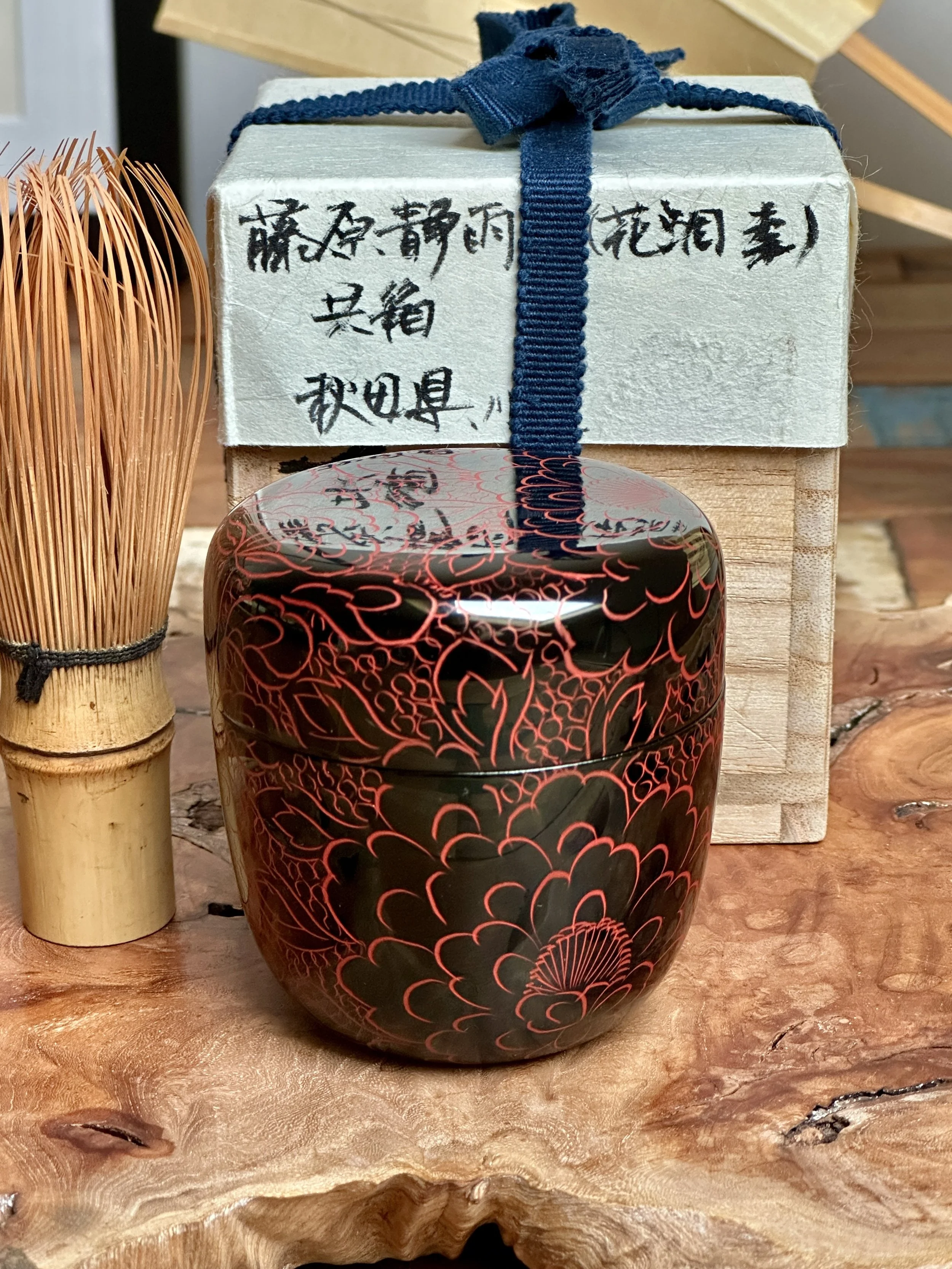
Turn it toward the light and the red changes. What looks like a deep, dark red on black shifts to a brighter red with a hint of pink, and the blossoms on the lid and body turn delicate rather than graphic. It is a small, rounded caddy with flowers drawn right across it, and with every tilt you notice a different one. It is the kind of object you pick up to look at and end up turning in your hands.
The lacquer is glossy and smooth. Run a fingertip over the flowers and in places you can feel the cuts through the lacquer, fine lines that sit in the surface rather than on top. At approx. 54 g the natsume is light in the palm, small and rounded.
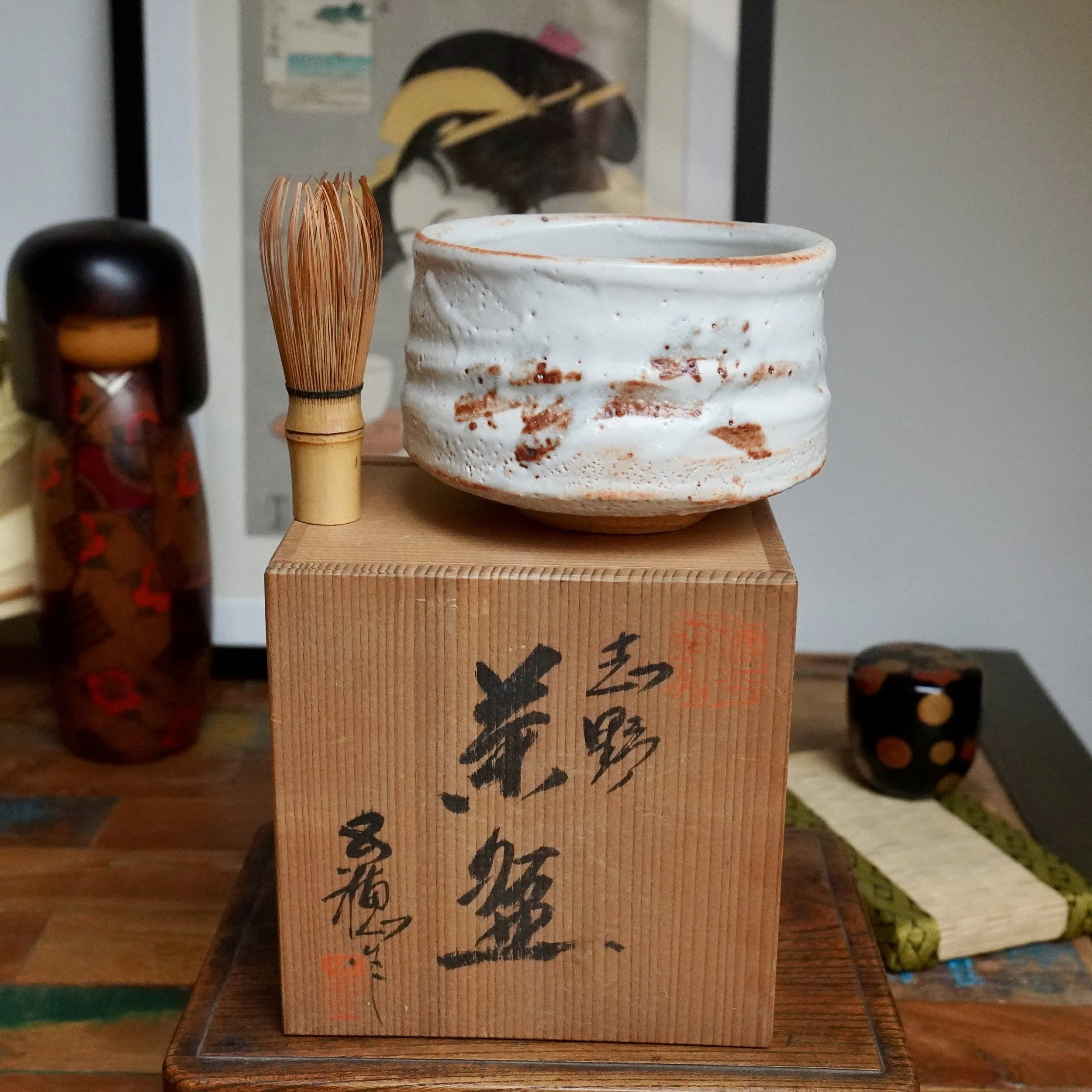
Pick this bowl up and it surprises you: for something this size, it settles low and steady in your hands, the thick walls giving it a grounded weight rather than a fragile one. The rim moves in its own irregular line, never quite a perfect circle, so no two angles look the same. White glaze breaks into rust-orange blush along one side like scorch marks, and it is easy to imagine how matcha would sit inside it, pooling green against that warm white and orange, exactly the kind of contrast tea practitioners seek out a bowl for.
What makes this one worth taking home rather than admiring from a distance is that it comes whole: the original tomobako, signed and sealed, and the silk wrapping cloth that carried it, stamped with the same seal as the box. Pieces where the box, cloth and bowl are still this clearly matched to each other carry a quiet kind of proof in themselves.
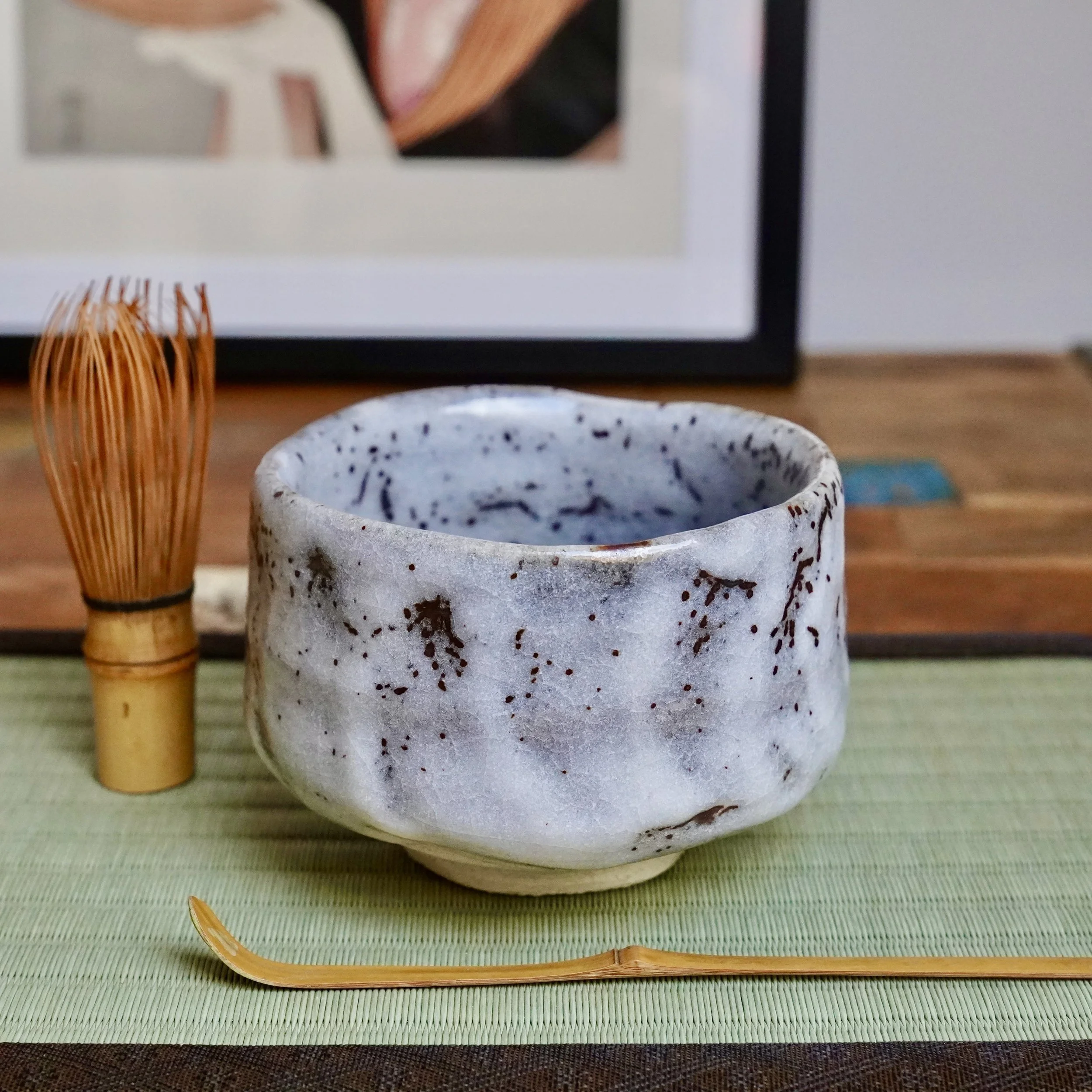
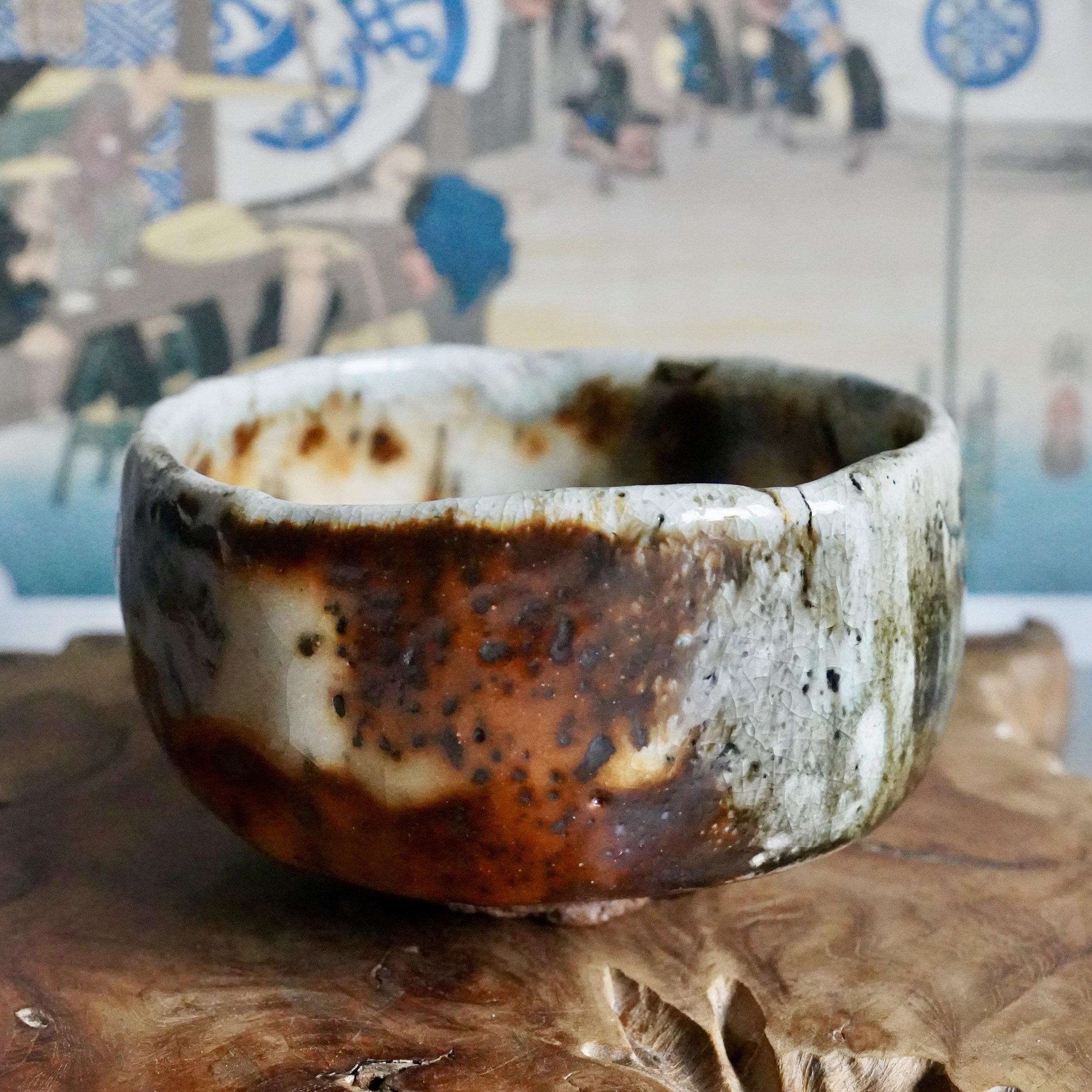
It is the snow white and the specks sprinkled all over along with the shaped outer wall that catches the eye. The walls of this bowl have been pressed inward all the way around, leaving a ring of shallow hollows that sit exactly where your fingers want to go. Rust brown flecks and drips gather in those hollows and trail down from the rim through a thick, white glaze, so the decoration follows the movement of the hand that shaped it. It is a sturdy, generous bowl, made to be held rather than admired from a distance.
It was made by Katō Shōzan at the Enshō-gama kiln in Oroshi, a pottery district of Toki in the Mino region of Gifu, the region where Shino ware was born in the late sixteenth century. The kiln's own printed leaflet speaks of carrying forward the techniques handed down from the founders of Mino pottery. This is an oni-Shino chawan, iron beneath feldspar glaze, signed by hand with 正山 scratched into the clay of the base: a working tea bowl from a working kiln, ready to be used every day.
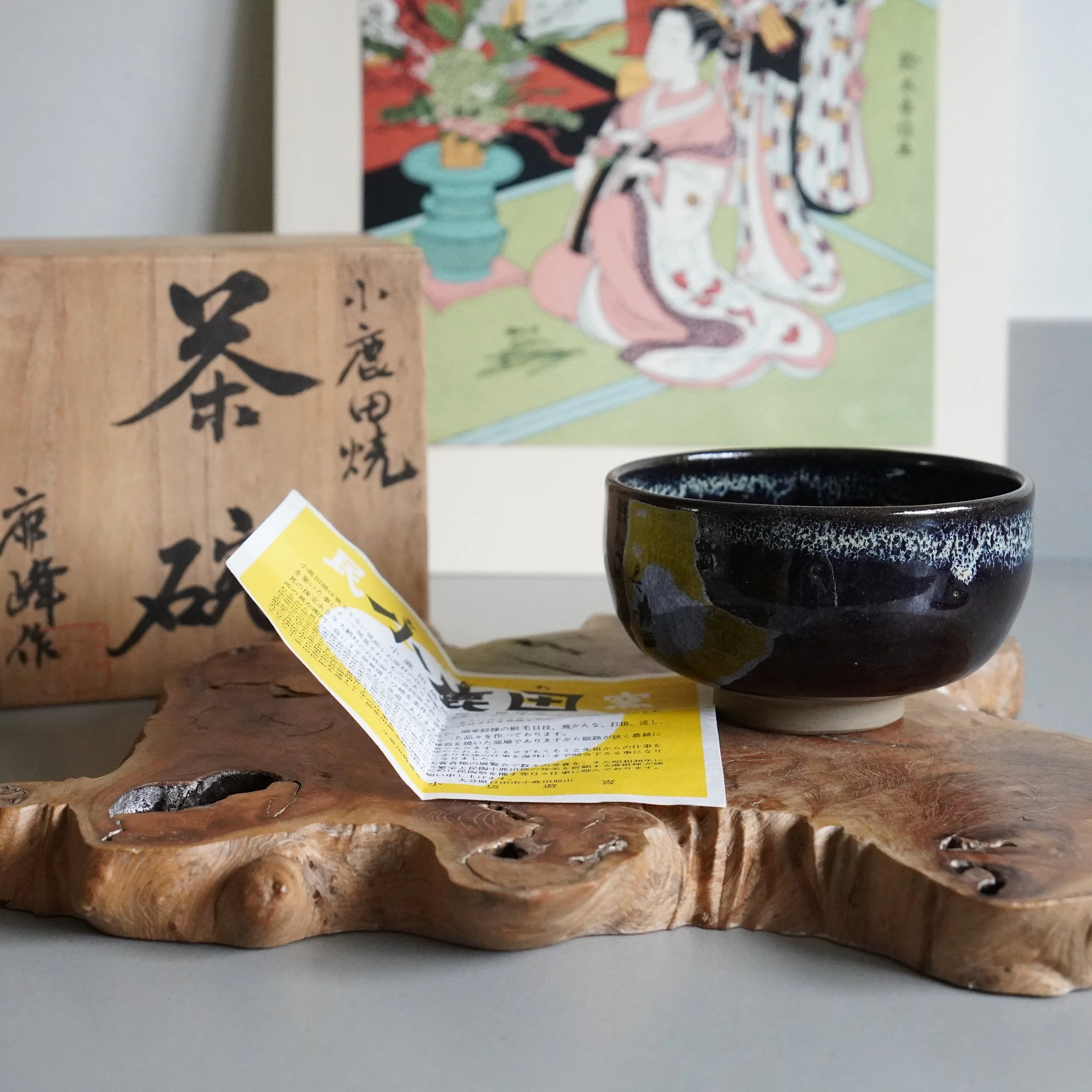
Held up to the light, this bowl is not black at all. The glaze is a deep brown that reads almost black at first glance, and over it runs a blue that settles in patches inside and out, pooling thickly before it stops at a clean line of bare clay around the foot. On the table it is dark and quiet; in your hands, turned toward a window, it becomes warm and layered.
It was made at the Kobukuro kiln in Onta, one of nine family workshops in a small mountain village in Ōita Prefecture that has made folk pottery in much the same way for about three centuries. Onta potters traditionally leave their work unsigned, and they mostly make plates, jars and rice bowls for everyday use rather than bowls for tea.
It is dated to Shōwa 47 (1972) and signed by its maker, Rokuhō (鹿峰), on its foot and on its original wooden box.
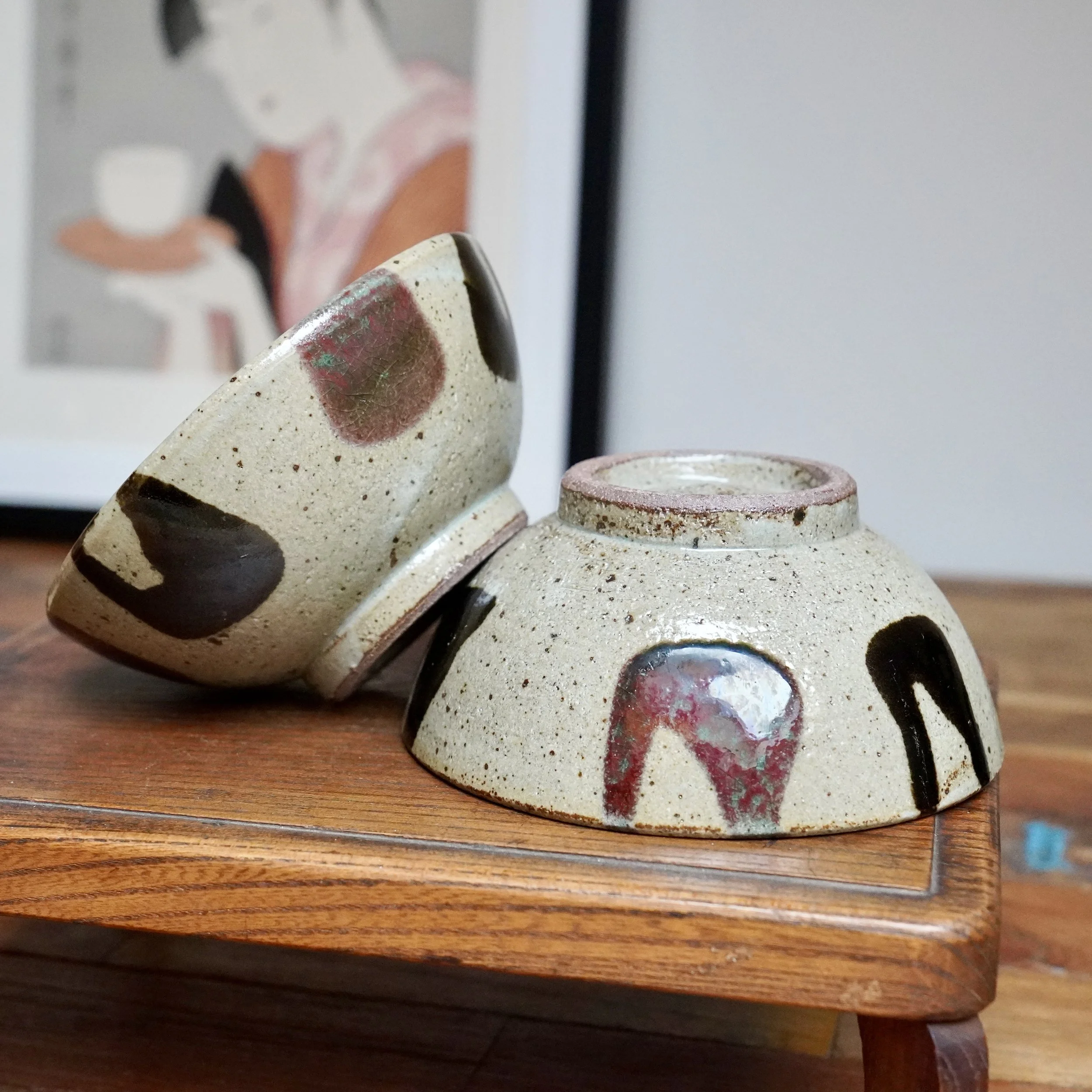
A milky white glaze drips from the rim of both bowls, as if each one had been dipped upside down and left to run before the fire. Beneath it, thick strokes of near black glaze stop and pool like brush marks, and patches of wine red seem to glow from inside the glaze itself. The clay underneath is pale grey, freckled with iron, so everything painted on it sits like ink on paper.
Wide and shallow, the two bowls side by side are clearly siblings rather than twins: no two strokes fall in quite the same place.
They come from the Maruta Nobumasa kiln in Takeo, the last working kiln in Kuromuta, a mountain village that once counted around forty. The kiln's founder, who set up on his own in 1961, chose to make ware for daily use rather than for exhibition, and these bowls still feel like they want to be picked up. They arrive with their original tomobako, hand inscribed and carrying the kiln's red seal.
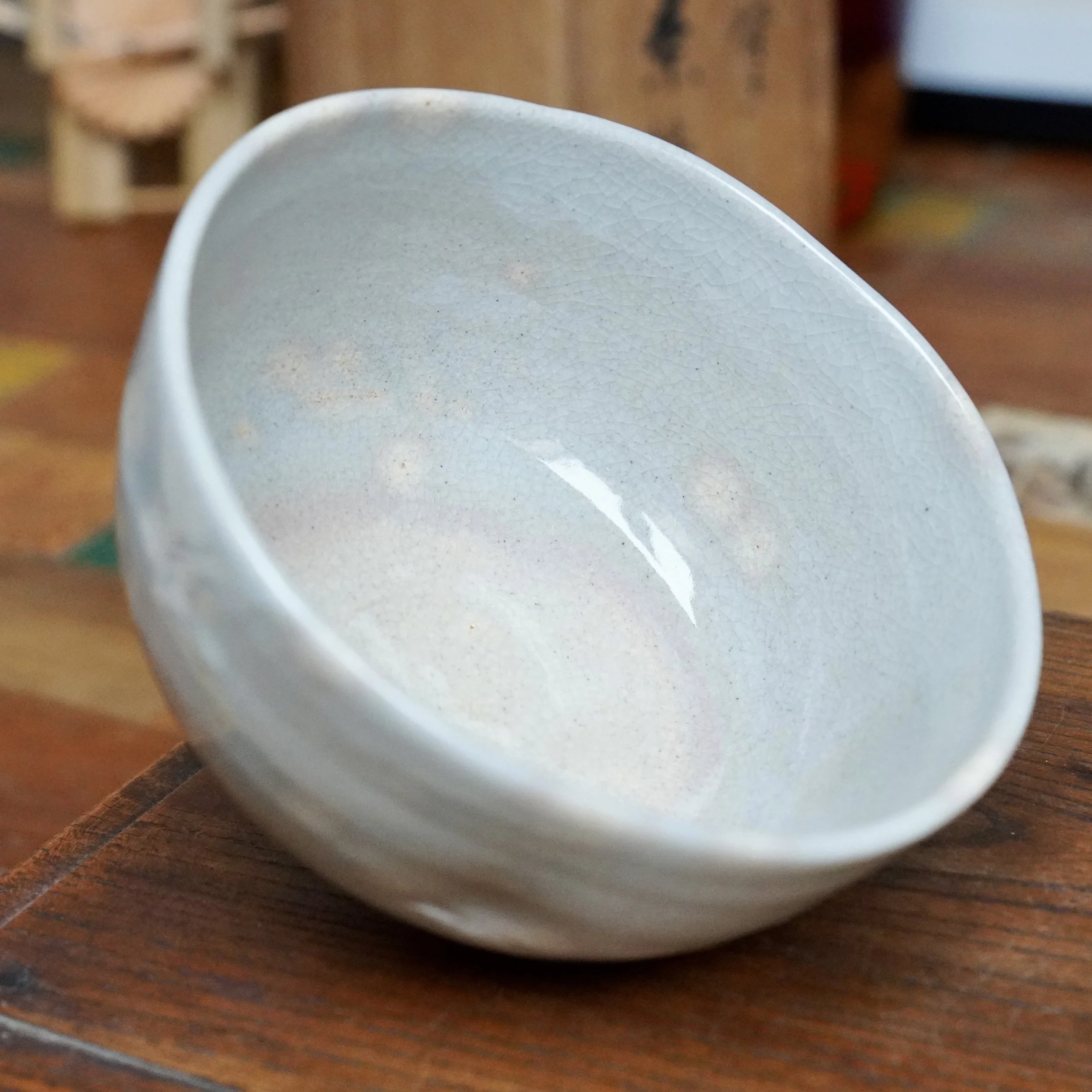
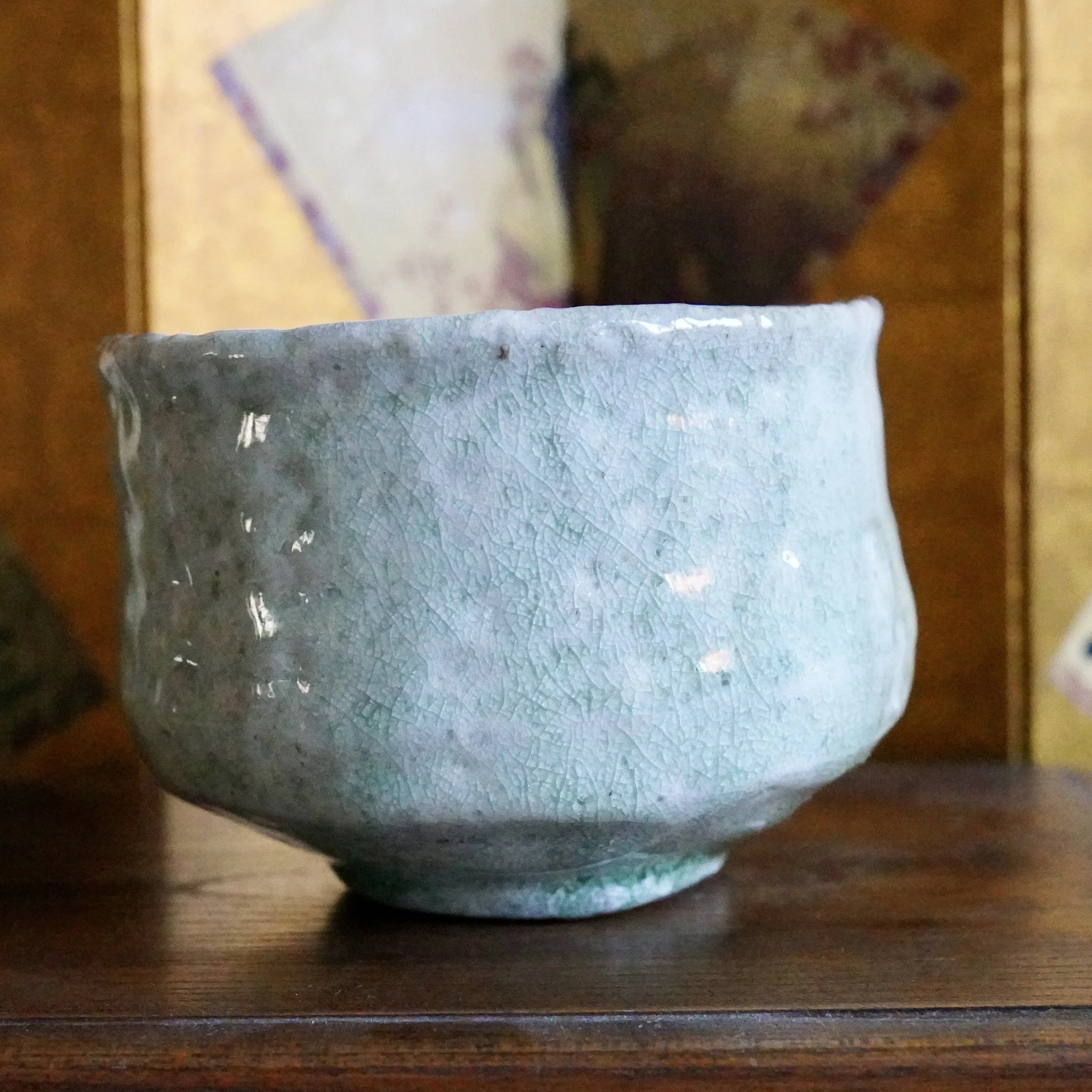
Pick this bowl up and the shape answers a question before you ask it. One side of the rim sits straighter than the rest, a shallow, deliberate press into the wall that meets your fingers exactly where a hand naturally rests. The glaze is a soft grey-blue, smooth under the fingertips, and where it catches the light around scattered pinholes a faint pink blush shows through, the same warm pink that spreads openly across the whole interior. Fine crackle runs over every surface, the kind that only comes from decades of tea passing through it.
This bowl carries the signature of Nagasawa Minoru, third generation head of Izushi-gama, the Nagasawa family workshop that has worked in Izushi, Hyōgo Prefecture, since 1907. Minoru trained at the Kyoto Municipal Ceramics Training Institute before turning to painting under Akamatsu Unrei in Osaka, and went on to win the Hokuto Prize at the Nitten exhibition, serve as a Nitten judge, and receive Japan's National Yellow Ribbon Medal in 1974. Izushi-gama is best known for pure white porcelain, but Minoru was the generation who also worked in local clay, and this bowl, with its Hagi-like crackle and blush, is a rare piece of evidence of that side of his work.
Those small pinholes in the glaze aren't unique to Hagi and Shino wares alone. Curious what causes them, and why tea masters have prized them for centuries? Read more about su-ana, the "nest holes" of Japanese glaze here.
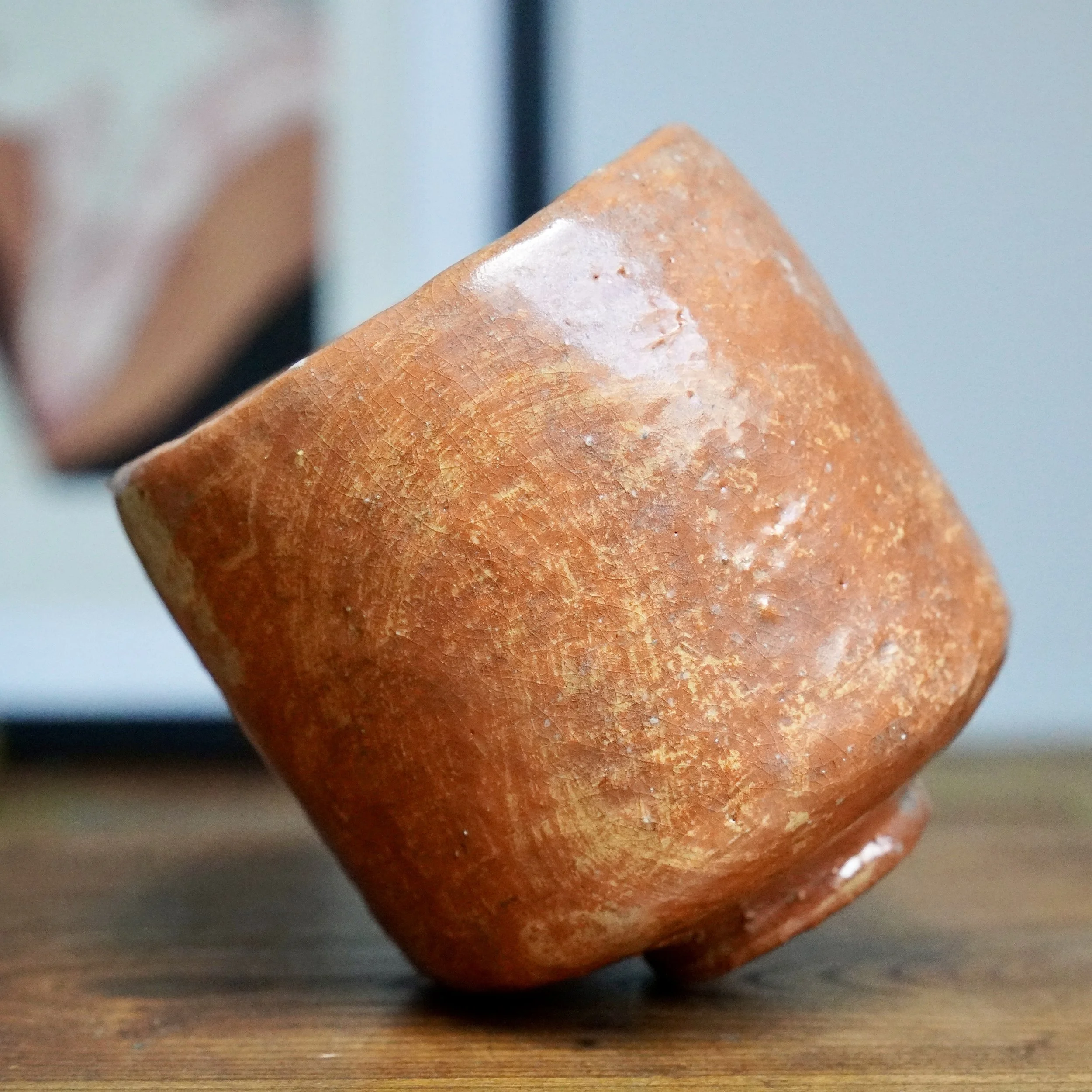
A tall, straight sided tsutsu shape bowl the colour of terracotta after rain, standing on a small foot as if lifted. Cream marks cross the surface like quick brushstrokes, and on one side a white glaze runs down from the rim and fades halfway. It is as high as it is wide, about 10 cm each way, so it fills both hands the way a winter tea bowl should.
It comes in a box stamped and sealed by the Hioki Nanshū kiln in Kagoshima. The kiln is still active today, on the site of the Daijō-ji, the family temple of the Hioki Shimazu family.
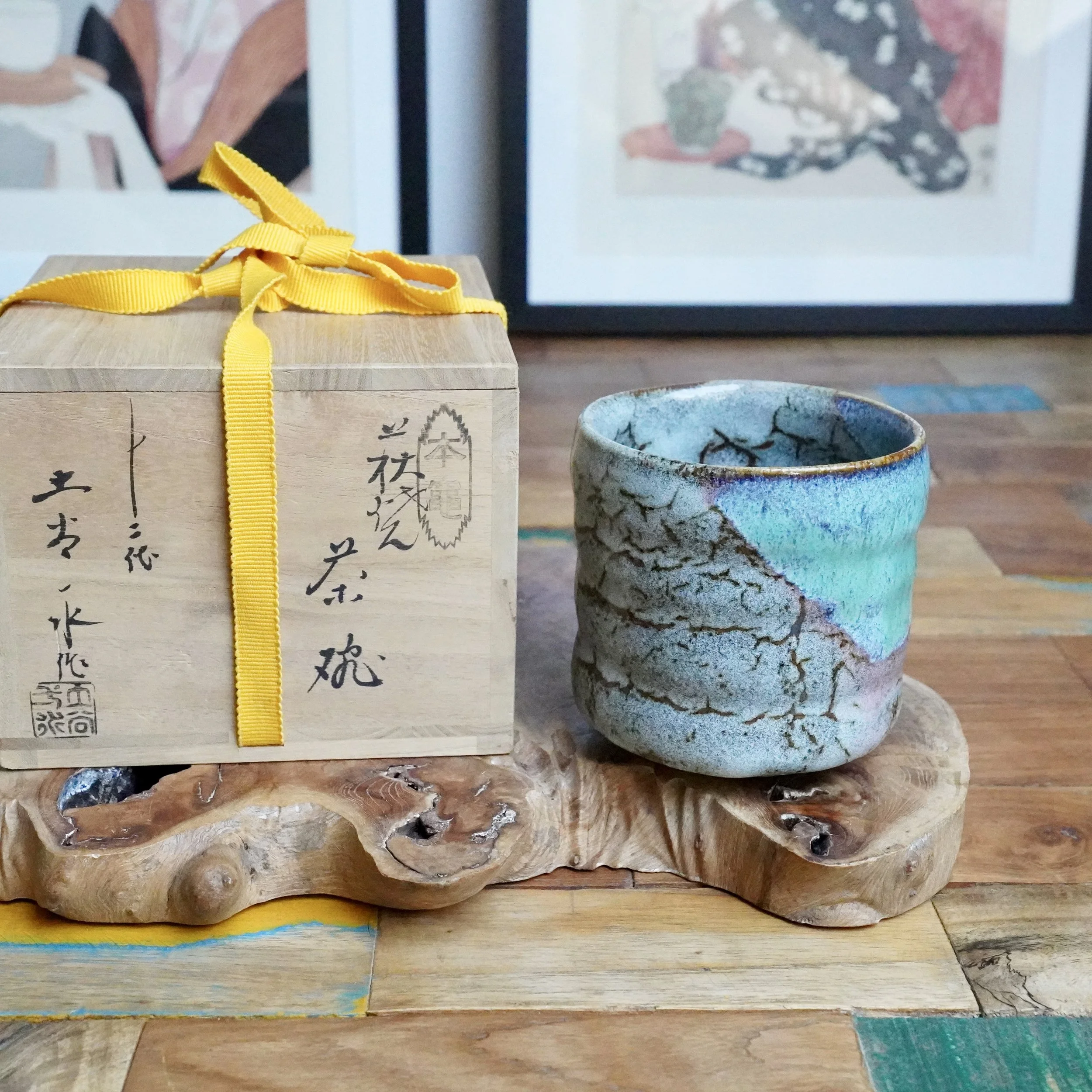
Tall and straight-walled, this tsutsu shaped chawan holds its heat the way it holds attention, a shape traditionally reached for in the colder months. It hols a substantial, satisfying weight in the hand. The glaze pools into a clear turquoise on one side, breaking into a soft, speckled grey field, with warm brown lines tracing all over the body. It is a bowl that draws the eye before it ever reaches your hands.
This chawan comes with a wooden tomobako inscribed with the name of a Hagi-yaki maker. The glaze and form of the bowl itself are not typical of Hagi-yaki, so I can't confirm this is its original box. Japan has an enormous number of studio potters, each with their own variations, so I'm not ruling it out either. The box reads: Tsuchiya Issui (土屋一翠), 12th generation, Hongama kiln (main/head kiln) and Hagi-yaki. Either way, it's a genuine wooden box and comes included. It keeps the cup safe in your home.
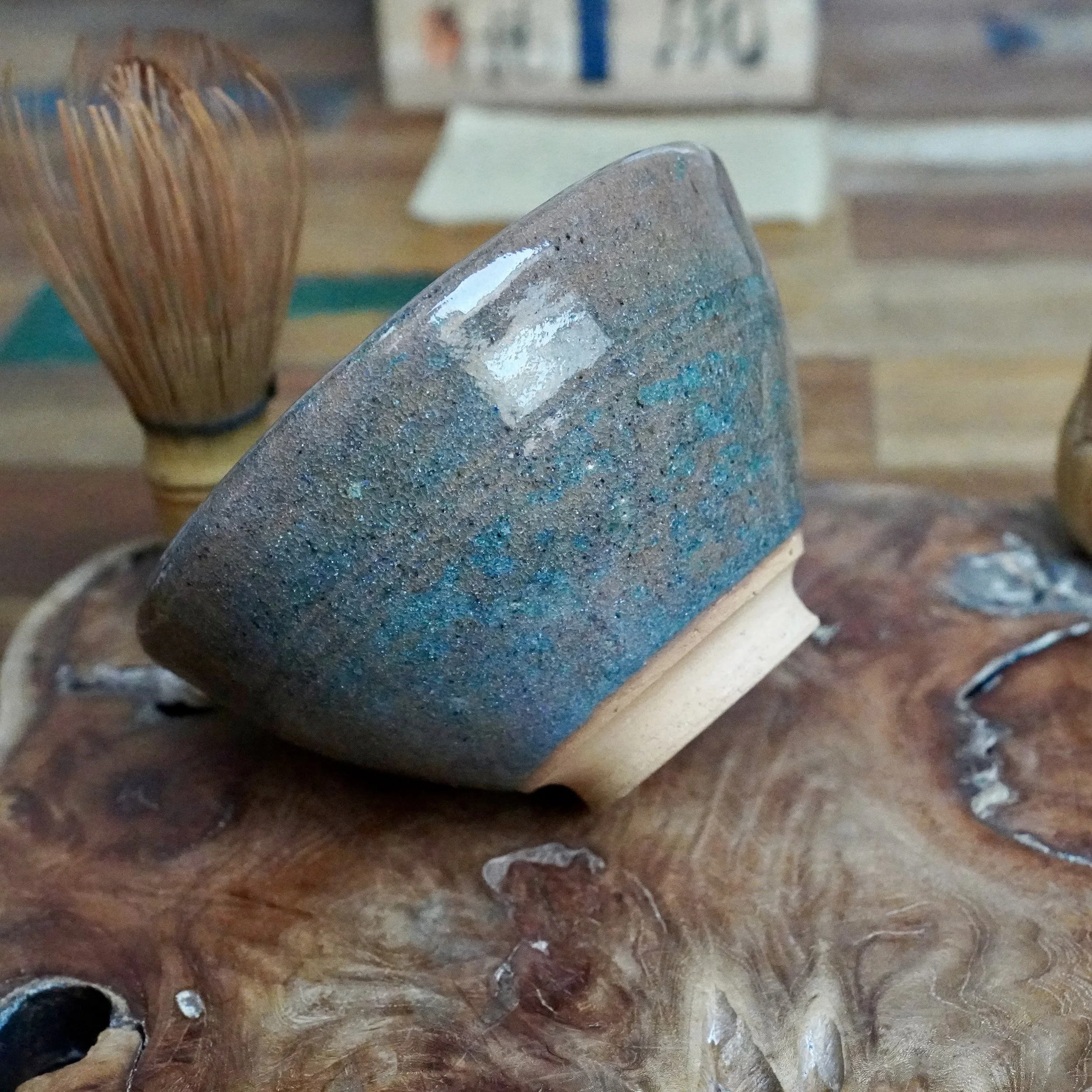
The glaze is what stops you first: smooth under the light, dense with fine blue speckling that seems to change as you turn the bowl, flaring brighter in some angles and settling quieter in others. Run a finger across the surface and it glides.
This bowl comes from a kiln you will not find in any reference book. Mizushima Jirō built it himself at the foot of Kagurao, a hill near an old castle ruin outside Tsuyama, in Okayama Prefecture, and named the ware after the mountain itself.
The ruin belonged to Kagurao Castle, a hilltop fortress whose founding date is undated but which stood active through the Muromachi period, into the late sixteenth century. In his own handwritten shiori, he describes using local clay and firing with red pine, the same wood traditionally used to fire Bizen ware in the same prefecture, chasing a glaze effect he calls a "unique melting field," one he admits he was still trying to master.
He called his own work raku-yaki, and the bowl itself, dense, high fired stoneware with a hard, unglazed foot, tells a story closer to a personal, self-taught practice than to the soft, low fired tradition the word usually points to. Owning this piece means owning one individual potter's own account of his materials and process, in his own hand, with nothing added or assumed beyond it.
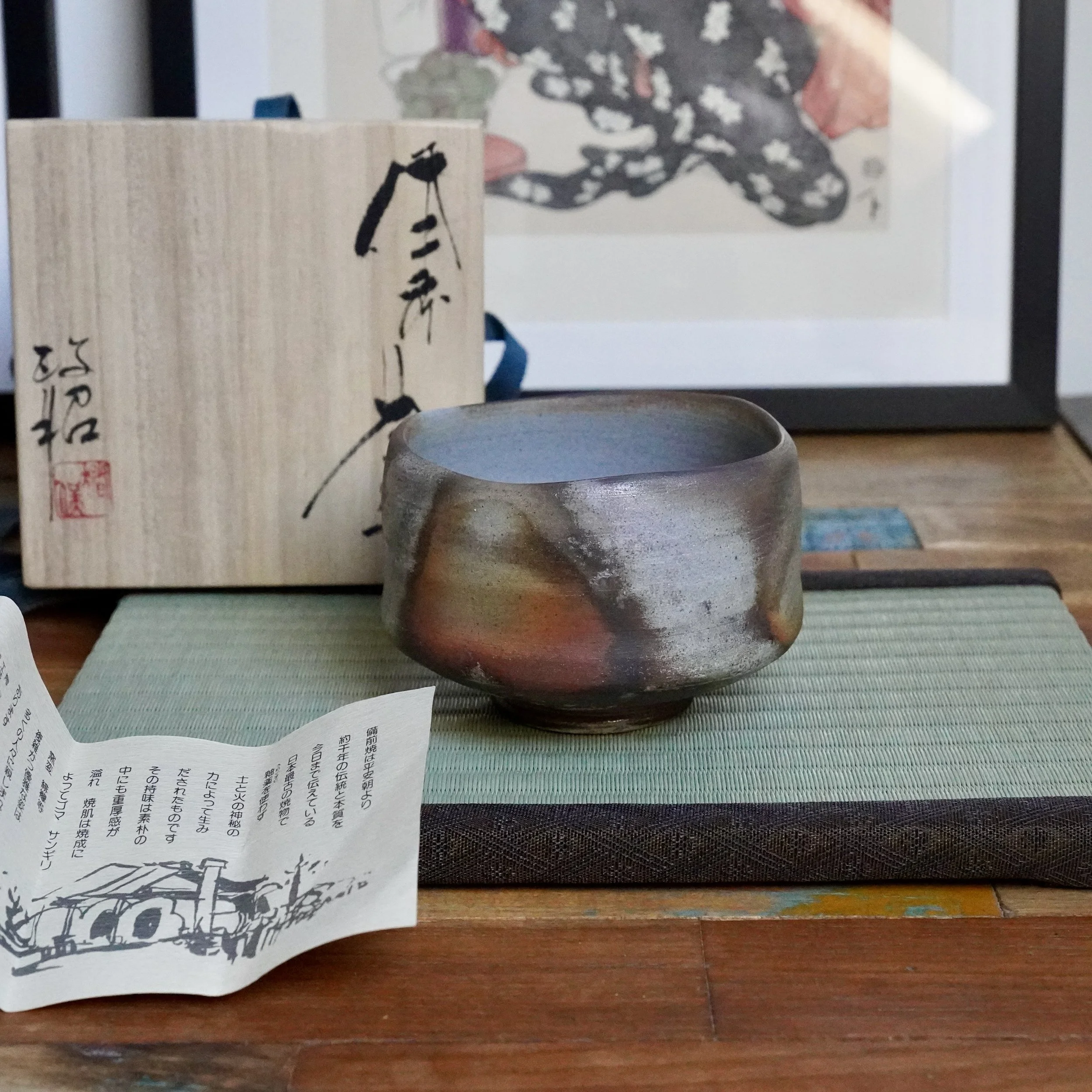
The clay tells you everything before you even touch it. One side has gone the colour of embers still holding heat, deep rust and burnt orange bleeding into ash grey where the flames never quite reached, and across the rim that grey turns almost silver, dusted like the first frost on a window. No glaze was ever applied here. Every mark, every shift in tone, is the direct signature of ten days or more inside a wood fired kiln, clay and flame negotiating the surface between them.
This bowl carries the seal of Inomata Masaaki, a Bizen potter based at the Saizōbō kiln in Okayama prefecture and one of the region's certified Dentō Kōgeishi, a formally recognised Traditional Craftsman title awarded by the prefecture. He built his own climbing kiln and became independent in 1975, after training under a respected Bizen workshop, and has spent the decades since inside a tradition that dates back over a thousand years to Japan's oldest surviving pottery kilns. A chawan carrying his signature is not a stylistic guess. It is a documented piece from a working master within one of the Six Ancient Kilns of Japan.
→ Fourteen days, one fire: what it actually takes to fire a Bizen kiln. A visit to Shibaoka Tōsendō during an active firing, standing at the kiln mouth while the family read the fire by eye and ear alone. Read the full visit in my journal.
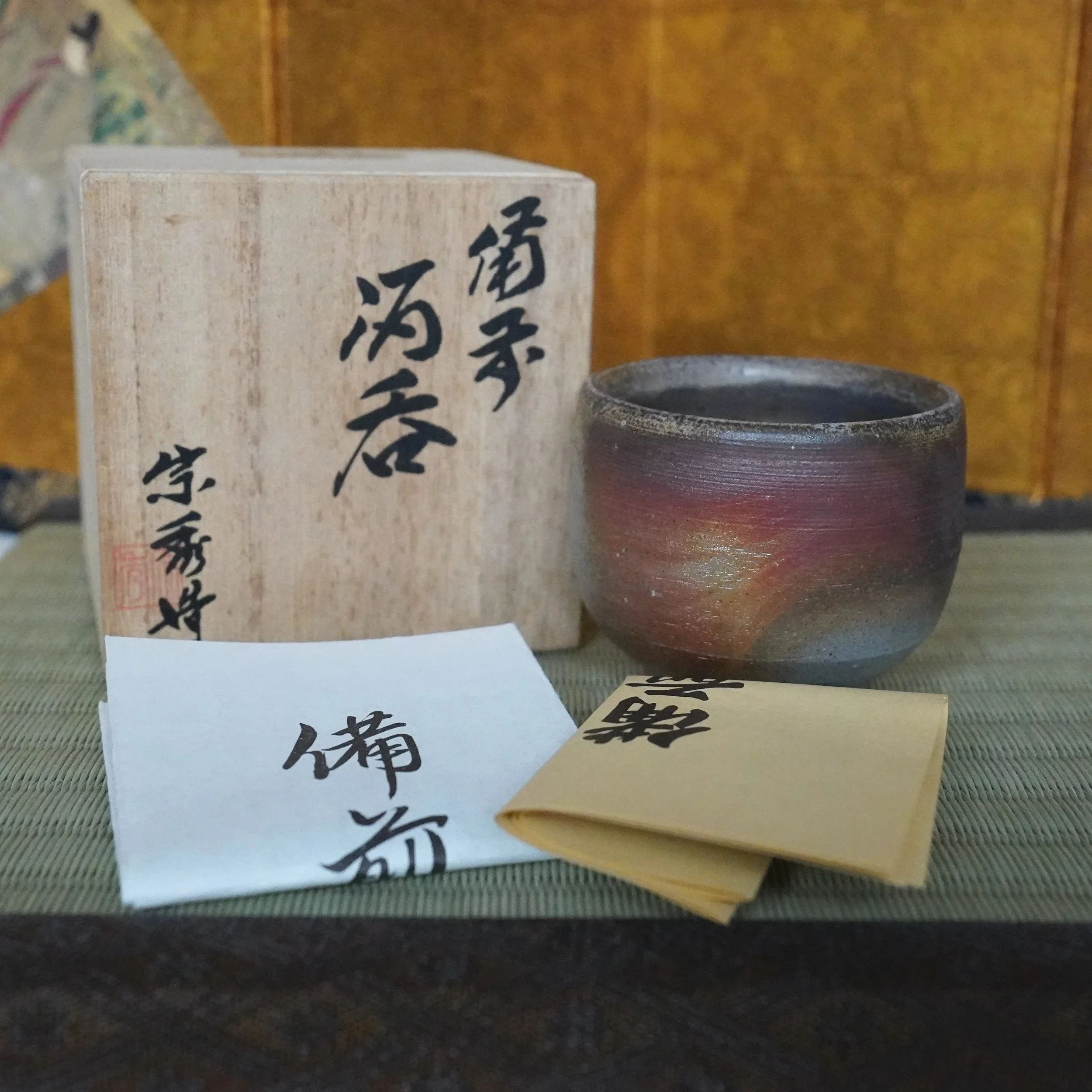
Held up to the light, this cup shows the fire's full range in one small object. Deep aubergine and charcoal dominate the body, and across it runs a bold band of red and gold, the mark of ash settling directly against the clay during the long firing. Toward the base, the tone cools into silvery grey. Nothing about this colour was painted on. It is the direct record of where the piece sat inside the kiln.
The rim is uneven in the way a hand-thrown piece always is, tipping just slightly to one side. It is small enough to sit fully inside one closed hand, the kind of size that asks to be picked up rather than looked at from a shelf.
This cup carries the signature of Yamamoto Sōshū, the kiln name under which Bishū-gama in Imbe has worked since 1974. The kiln was founded on the initiative of Living National Treasure Yamamoto Tōshū for his eldest son and daughter-in-law, and it has built its reputation specifically on hidasuki fired this clean and this legible. It comes still complete with its original tomobako and shiori, exactly as it left the kiln.
→ Fourteen days, one fire: what it actually takes to fire a Bizen kiln. A visit to Shibaoka Tōsendō during an active firing, standing at the kiln mouth while the family read the fire by eye and ear alone. Read the full visit in my journal.
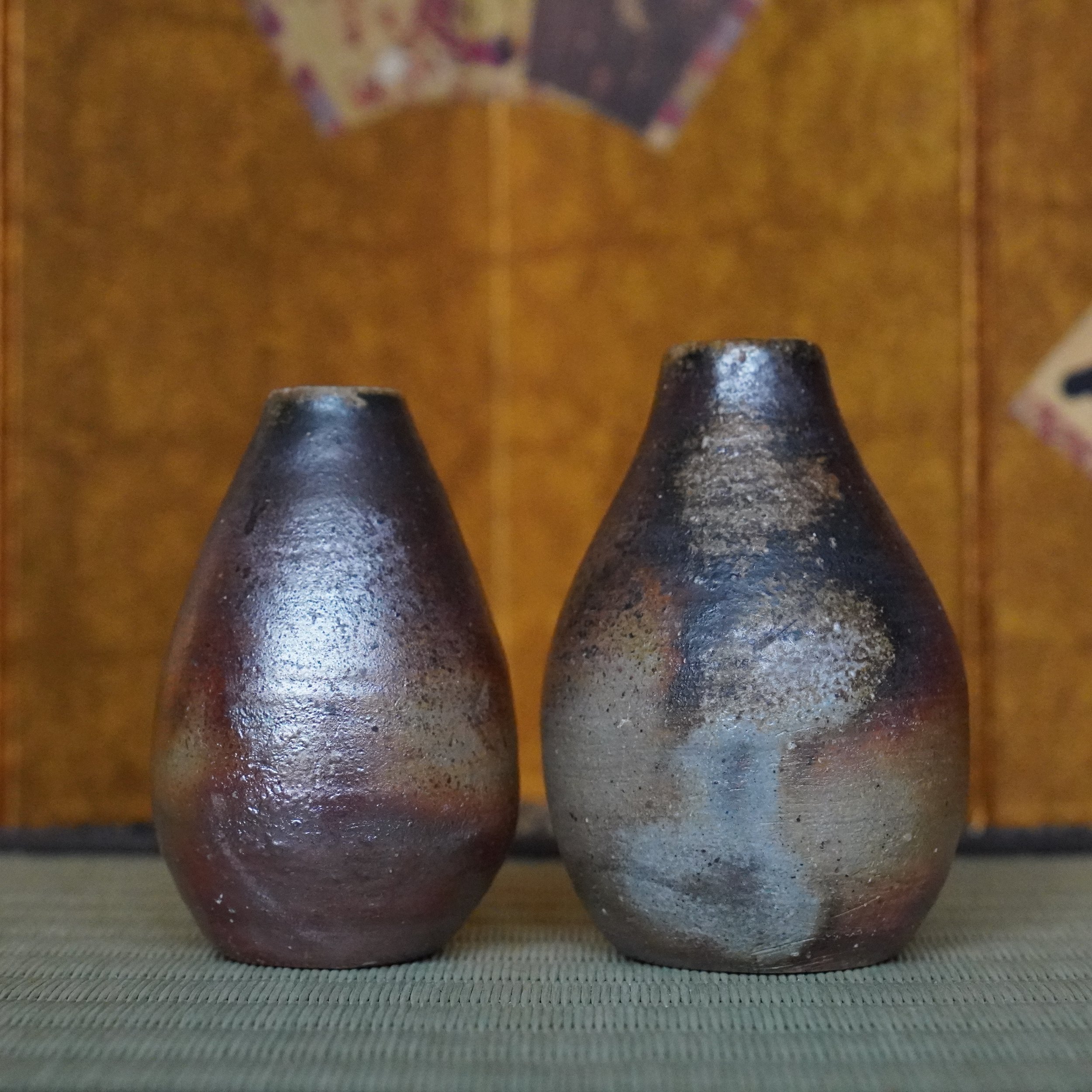
Two small teardrop vases, narrow at the neck and full through the shoulder, standing close enough together that they read as a pair without being identical. One leans toward deep aubergine with a soft silver mist rolling across the front, almost metallic where the light catches it. The other runs cooler still, a wash of silvery blue-grey shifting into warm rust low on the body. Neither would look complete alone. Together they hold a conversation, one leaning warm, the other leaning bright.
Both carry the maker's mark of Shibaoka Tōsendō, working under the kiln name Kōzan-gama in Imbe since 1912. The kiln has stayed in one family for three generations, currently the third-generation Kōzan, Shibaoka Masashi, working alongside his sons Chikara and Hisashi. A pair like this, thrown at the same time and fired side by side in the same noborigama, is a small, physical record of one firing at a kiln that has kept its own fire burning for over a century.
→ Fourteen days, one fire: what it actually takes to fire a Bizen kiln. A visit to Shibaoka Tōsendō during an active firing, standing at the kiln mouth while the family read the fire by eye and ear alone. Read the full visit in my journal.
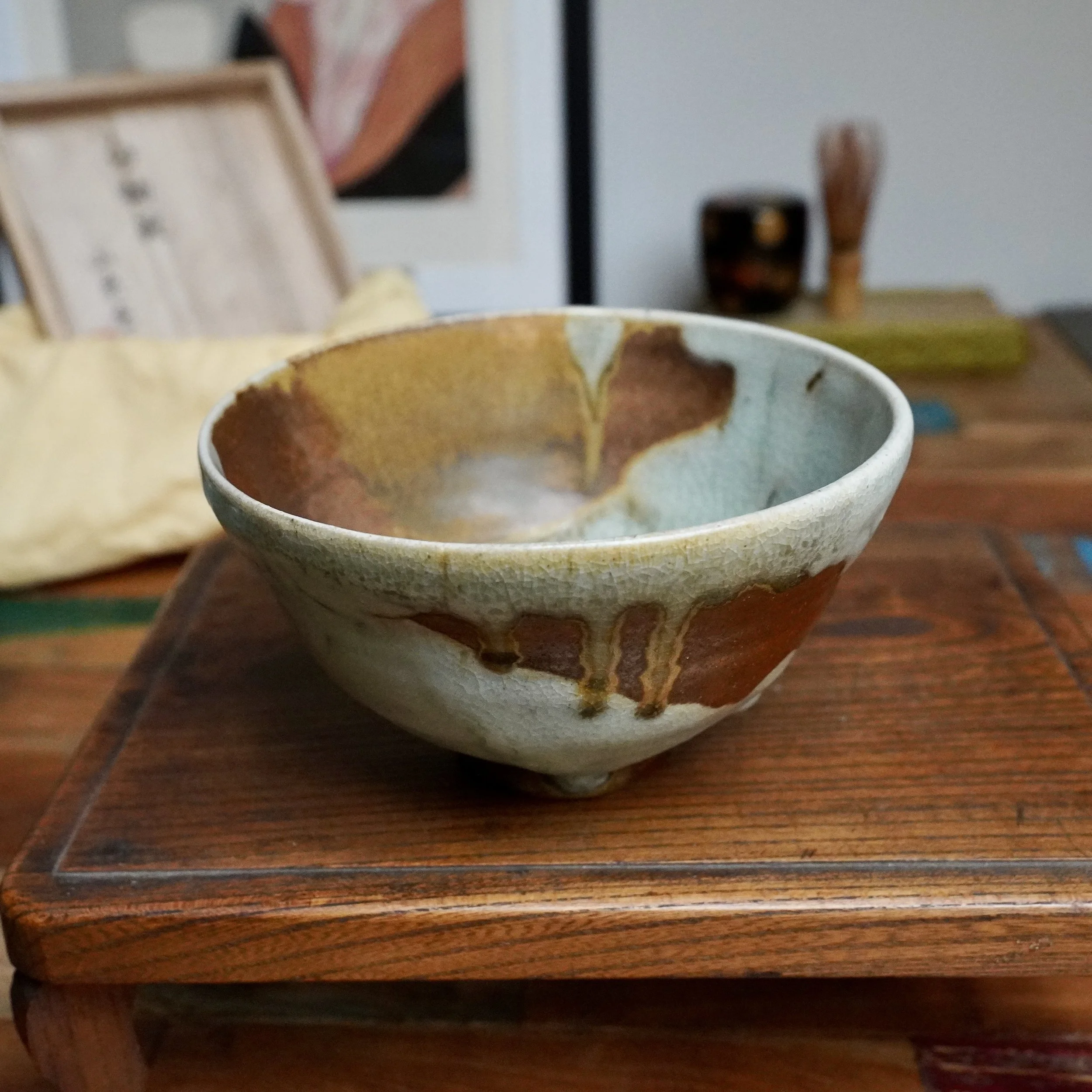
The glaze on this one shifts from a pale, crackled blue-grey into a deep, warm rust-brown that spills down one whole side like something poured rather than painted. Streaks of ochre yellow brown run through the transition, and the unglazed foot beneath it all is a rich, earthy red-brown, left bare so the clay can speak for itself.
This chawan comes with its original tomobako, signed and sealed 山桑庵 (Sansōan), a studio potter’s workshop name. It has the kind of glaze variation that rewards turning it slowly in the hand before you drink from it.
→ Curious to know why the size and weight of your chawan makes a difference when drinking tea from it? Read more in my journal.
→ Want to see this bowl meeting the early morning sunlight? Here it is on my Instagram.
Notice: This chawan has found a new home. If you are looking for something similar, please let me know. As I list in small batches, so there may be more in stock than you currently see.
And if I do not have it yet, I source in Japan a few times a year and am always happy to keep an eye out for you specifically.
There is a moment, turning this bowl slowly for the first time, where you stop trusting your own eyes. From one side, the glaze looks almost calm, a pale, crackled white. Look closer and that white is covered edge to edge in a fine web of cracks, catching the light like a cracked windshield. Turn it a few degrees and that same surface has turned to rust, deep orange bleeding into near black at the rim. Then you tip it, and the inside pools into a deep, mossy green touched with gold, a colour neither side of the outside ever hints at. Somewhere along the thick, generous rim sits a small patch that has turned an unexplained grey-blue, rougher under the thumb than the glaze around it. This is not a bowl that settled on one thing.
This chawan was made at the Kakuzan-gama in Ayabe, a kiln built in 1959 at the headquarters of the Ōmoto religious organisation, and it is signed by Deguchi Eiji, who married into the family that founded Ōmoto and served as its Sōchō, its director, from 1958 to 1962. He was not a professional potter by trade. He was someone close to the centre of a movement that treated making things by hand as part of its own philosophy, working in an ash-glaze tradition brought to the kiln by its founder, the Bizen master Kaneshige Sozan. This bowl is what that looked like when it left his hands. A signed, boxed chawan from a maker with this kind of documented history rarely surfaces outside Japan.
→ Curious about the glaze on this matcha bowl? One glaze, three lives: a wood-fired chawan from a kiln built by a religion is in my journal.
Notice: This chawan has found a new home. If you are looking for something similar, please let me know. As I list in small batches, so there may be more in stock than you currently see.
And if I do not have it yet, I source in Japan a few times a year and am always happy to keep an eye out for you specifically.
Turn this chawan and the surface answers differently every time. A rough, ash-textured grey-green skin gives way, near the rim, to a pool of deep crackled jade, the kind of colour you notice from across a room before you notice anything else about the piece. The clay shows through at three small unglazed spots on the interior where kiln supports once held it during firing, tiny, honest proof of exactly how this bowl was made.
This chawan made by Ishihara Shōji, a Fukuoka Prefecture ceramic artist born in 1943, who trained as a sculptor before turning to ceramics and building his own kiln in 1981. Ash-glazed, unglazed stoneware work like this belongs to his early period, before the distinctive coloured Oborodeisai style that made him widely known from 1989 onward. A documented early piece by an artist now represented by galleries in New York and across Japan.
→ Curious to know why the size and weight of your chawan makes a difference when drinking tea from it? Read more in my journal.
Notice: This chawan has found a new home. If you are looking for something similar, scroll down.
Held at an angle, this chawan catches the light differently every time. The pale, crackled glaze runs from a soft off-white into a warm, almost blush pink where it thins over the clay, a color Hagi potters call karahai, and it only appears where the firing has gone exactly right. The rim tilts and dips ever so slightly, a wall that never quite settles into a perfect circle, and that small imperfection is what makes it sit so naturally in the hand. It is a bowl built to be picked up, turned, and looked at again.
This bowl carries the tomobako signature of Matsuura Mugen, founder of the Shōunzan-gama kiln in Hagi, built on the very ground where Hagi-yaki itself began centuries ago. Mugen's work grew out of the tradition of Miwa Kyūwa, one of the defining masters of Hagi ware and a holder of Japan's Living National Treasure designation, and that lineage shows in the quiet, unforced warmth of this glaze. Its wide, shallow shape is a natsu-jawan, a summer bowl, made so the tea cools a little faster in the warmer months, which makes this the moment to bring it into use rather than let it wait. A signed, boxed chawan from this kiln is not something that turns up often outside Japan.
Hagi ware isn't meant to stay the same. Read how it grows with you, in my journal.
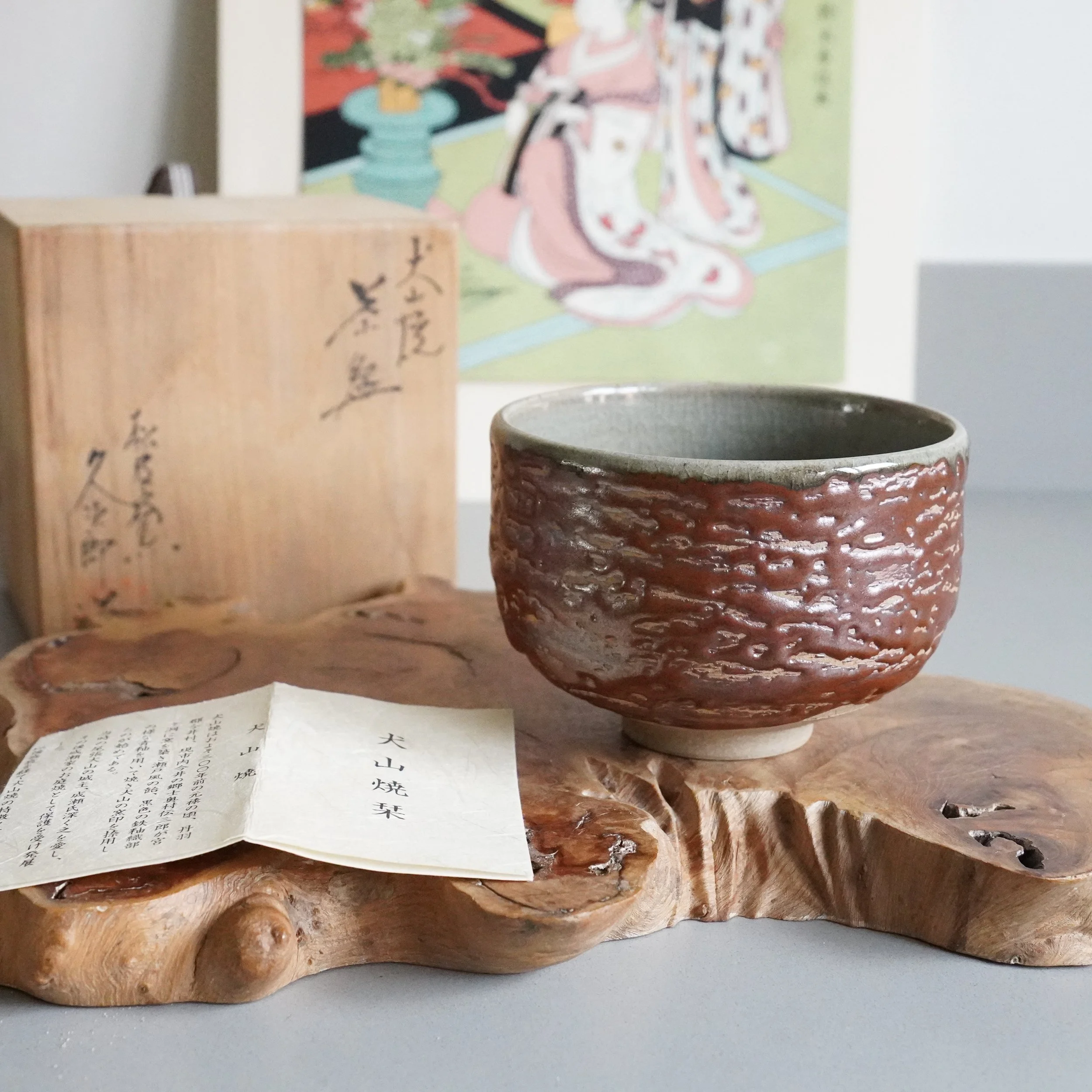
The glaze does the talking before anything else does. Uneven brown breaks across the exterior like bark peeling off a trunk, dark where it pools thick, almost gold where it thins, smooth and glossy to the touch despite all that movement. Turn the bowl in your hands and the surface catches the light differently every few centimetres. Inside, all of that noise drops away: a quiet grey-green settles at the base, still and cool against the storm outside.
This bark-textured glaze, matsukawa-yaki, has its own story. It was developed at a small kiln in Inuyama, Aichi Prefecture, now known simply as Matsukawa-gama after the technique that made it locally famous. The kiln has worked continuously for over a century, and this particular glaze earned its reputation the slow way: refined over two generations and shown at exhibitions across Japan until the public gave the workshop its name.
New to chawan and wondering what to look for? Read about why size and weight change everything in my journal.
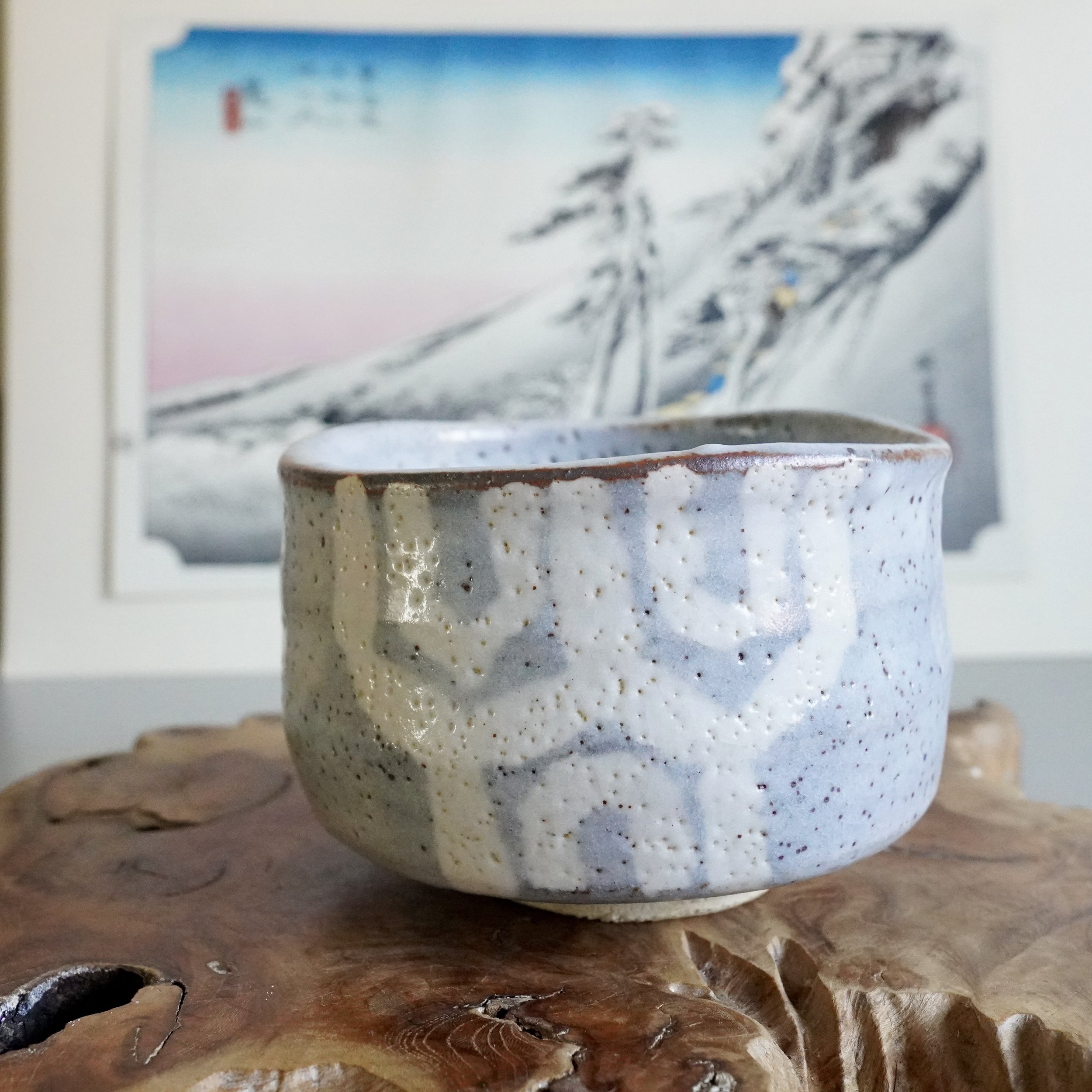
The glaze moves across this bowl like weather crossing a landscape, white where it lies thick, sliding into a soft blue grey where it thins, with a line of warm rust colored fire blush running unevenly along the rim where the clay broke through during firing. A carved geometric pattern circles the exterior, cut through the dark iron ground before the glaze was applied, so the pale clay shows through in a repeating motif that catches the light differently depending on where you stand. Small dark specks surface throughout the glaze, scattered without any pattern, the kind of detail that only shows itself once you start looking closely.
This bowl comes from the hands of the Katō family from their Han'emon-gama, a kiln in the Mino region of Gifu Prefecture whose own written history traces its family back through generations of potters working in the Shino tradition, one of the oldest white glaze traditions in Japanese ceramics and still closely tied to the tea ceremony today. The piece is signed with the kiln's stamp on the foot, and it comes with its original tomobako and an accompanying document that lays out the family's own account of its lineage. Owning it means owning a small, physical piece of that continuity.
New to chawan and wondering what to look for? Read about why size and weight change everything in my journal.
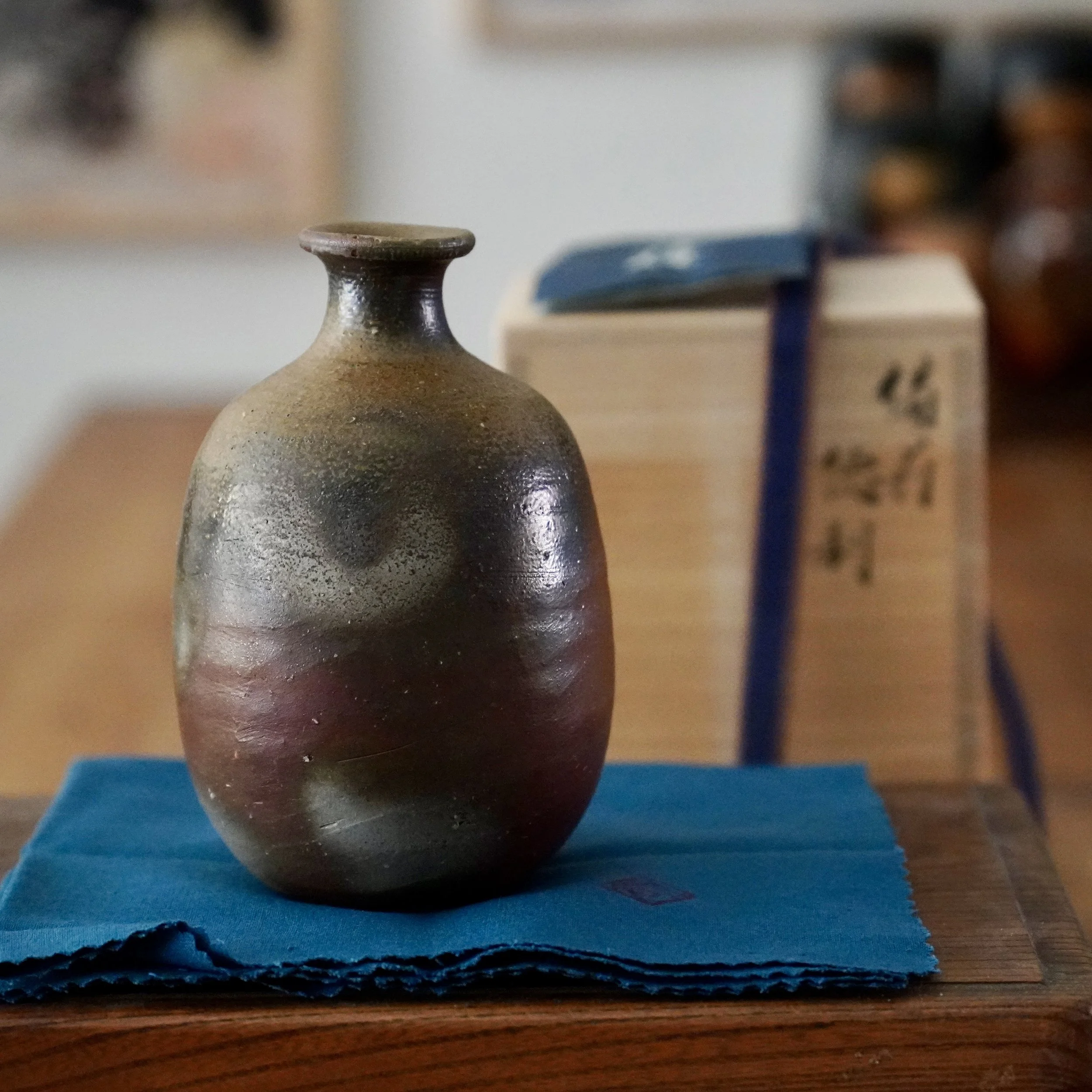
There is a quiet violence to how this tokkuri came out of the kiln. No glaze was ever applied, everything you see, the deep olive shoulder, the passages of smoky grey, the flush of aubergine low on the body, happened because ash and flame found this exact spot in the kiln and nowhere else. The form is rounded and a little heavy in the middle, the neck flares just enough to pour cleanly, and it sits with the kind of quiet confidence that unglazed stoneware only earns after firing for days.
This comes from Isezaki Sō, born into one of the defining pottery families of Bizen and a full member of the Nihon Kōgeikai, the Japan Craft Association, since 2004. He trained under Yamashita Jōji from 1987 and has spent the decades since collecting awards at the Nihon Dentō Kōgei-ten and the regional Chūgoku exhibitions that matter most within the tradition. Owning this is owning a piece from someone who has spent a working lifetime answering to that lineage, not performing it.
No glaze, no paint, just fire. I wrote about how Bizen gets its color, in my journal.
Notice: This chawan has found a new home. If you are looking for something similar, scroll down.
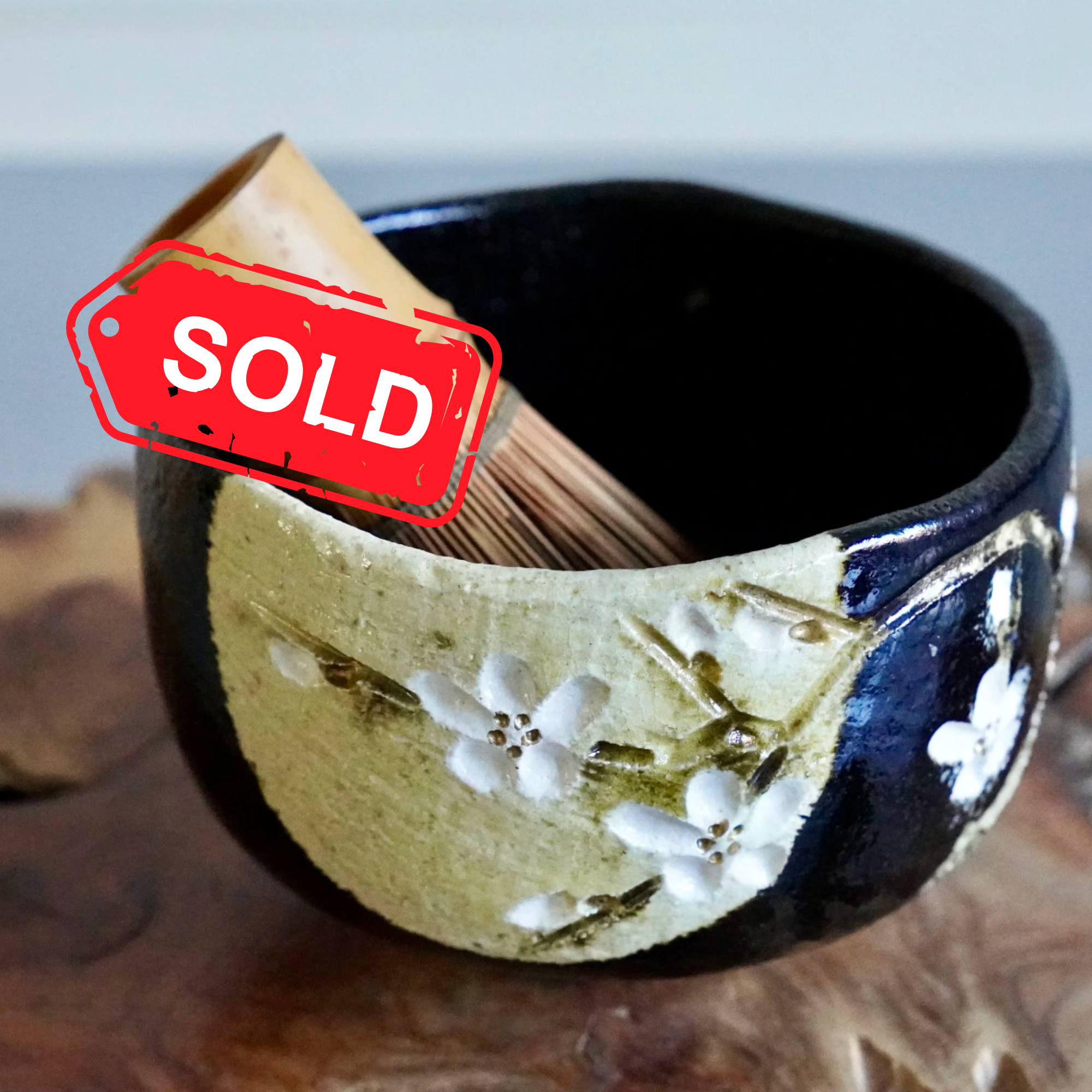
Nearly the entire surface disappears into black, a glaze so deep it seems to swallow the light around it. Then, sweeping across one side, a pale arc of ash white clay breaks through, and from that ground three cherry blossom branches rise. The blossoms are carved into the clay itself, the branches traced in warm gold. The bowl is compact, a little heavier than it looks, and it settles into two cupped hands as though it were made for exactly this grip.
Okugawa Katsuomi built his reputation the hard way, striking out on his own rather than working under an established kiln name, and the confidence in this piece shows why that risk paid off. A potter working independently answers to no house style, only to his own hand, and a cherry blossom cut this precisely into a glaze this dark is the kind of detail that gets noticed. This bowl comes with its full history attached, both in the tomobako it still carries and in a maker whose name is now well documented.
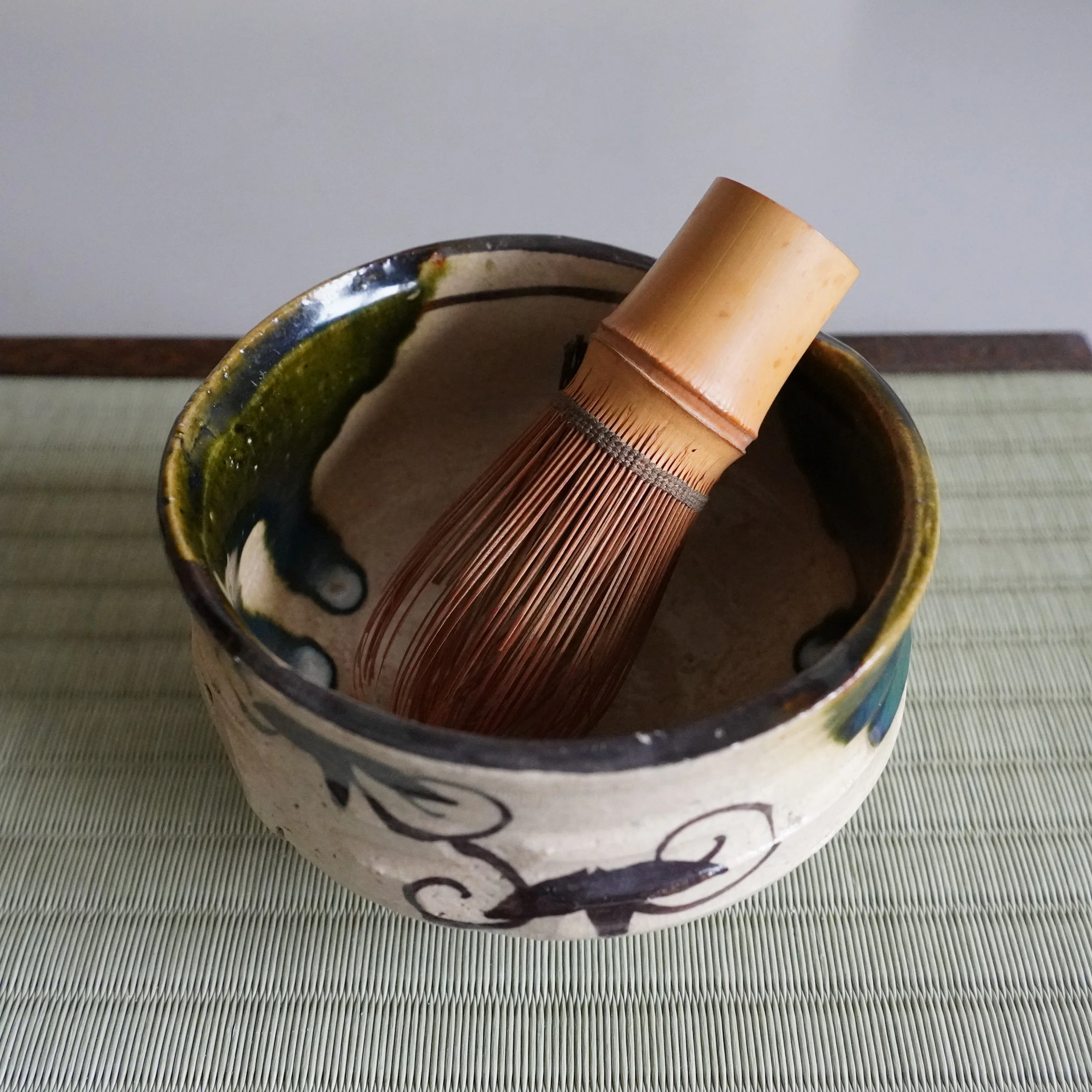
The first thing you notice is the collision of opposites. On one face, bold dark figures stride across a cream ground in a repeating procession, painted with the kind of confidence that does not hesitate. Turn the bowl and the motif shifts entirely: a scrolling vine arabesque in the same iron brushwork, curling and looping across the surface. Then the green glaze interrupts everything. It tips over the rim from both sides, drips down the wall, and floods the interior with a deep copper-green that shifts toward teal where it pools thickest. The form does not behave either: the rim is uneven, the walls slightly irregular, the whole shape carrying a deliberate looseness that makes it feel alive in the hand.
This is a chawan in the Ao-Oribe tradition, one of the most irreverent ceramic styles Japan produced. From the Mino region of Gifu Prefecture, Ao-Oribe takes its name from tea master Furuta Oribe (古田 織部), whose aesthetic philosophy embraced asymmetry, bold brushwork, and what he called hyōge: a spirit of wit and ease. A bowl made in this tradition was never meant to be precious. It was made to be picked up without ceremony, to improve with handling, and to grow more interesting the longer it is used.
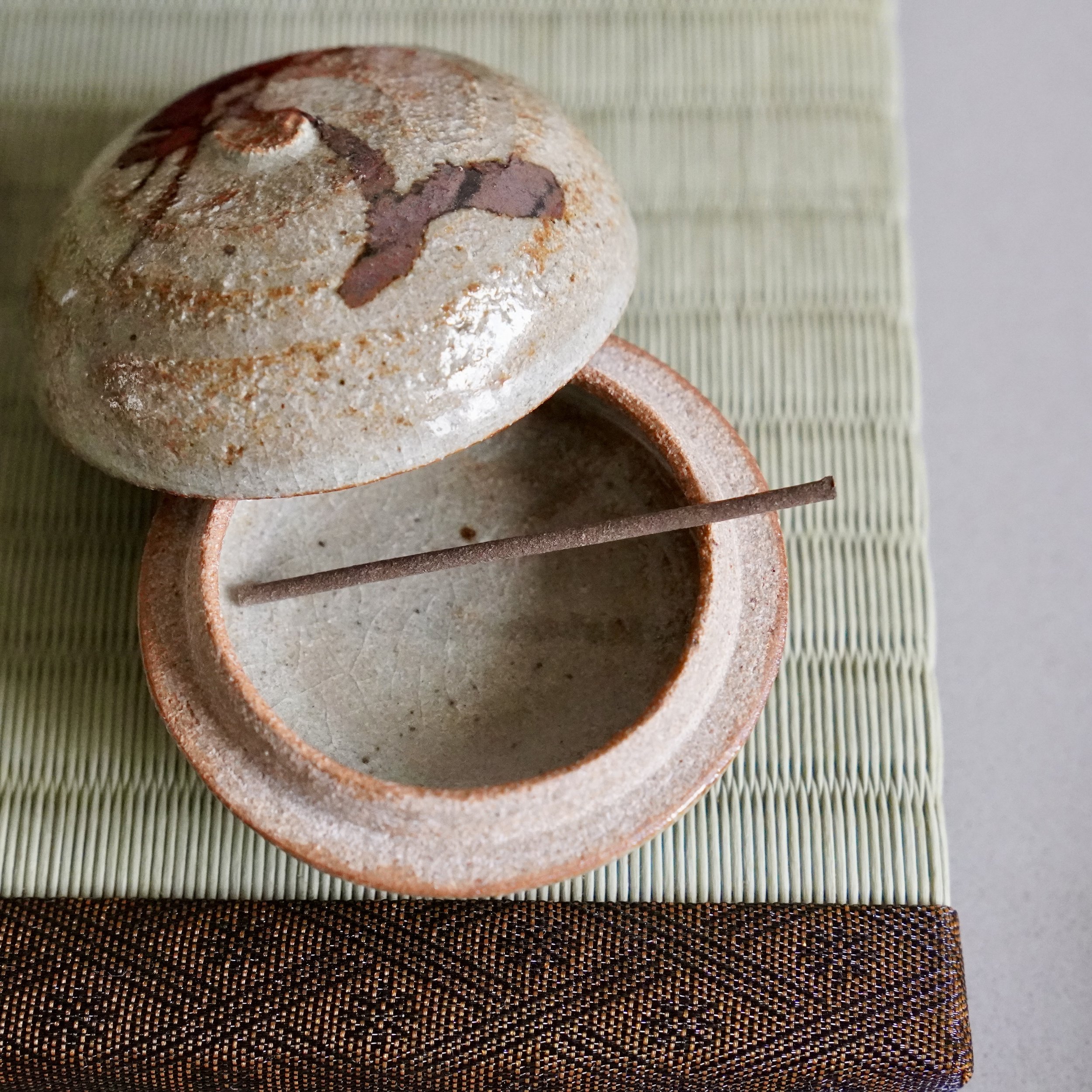
This is not a commercial production but a purpose-made ceremonial gift from the heart of the Japanese tea world.
The gift itself is an e-Karatsu kōgō, an incense container for use in the tea ceremony, made specifically for this occasion by Inoue Koji of the Kyōzan-gama in Karatsu.
This kōgō was never for sale. It was made to be given: a ceremonial gift commissioned by the headquarters of the Urasenke Tankōkai in Kyoto to mark a recipient's 88th birthday, the milestone the Japanese call beiju. The letter that accompanies it states that the gift comes from Zabōsai, the 16th generation iemoto of Urasenke, the living guardian of one of the three great tea lineages descending directly from Sen no Rikyū.
What you are looking at is not a commercial production. It is a document of the tea world in use.
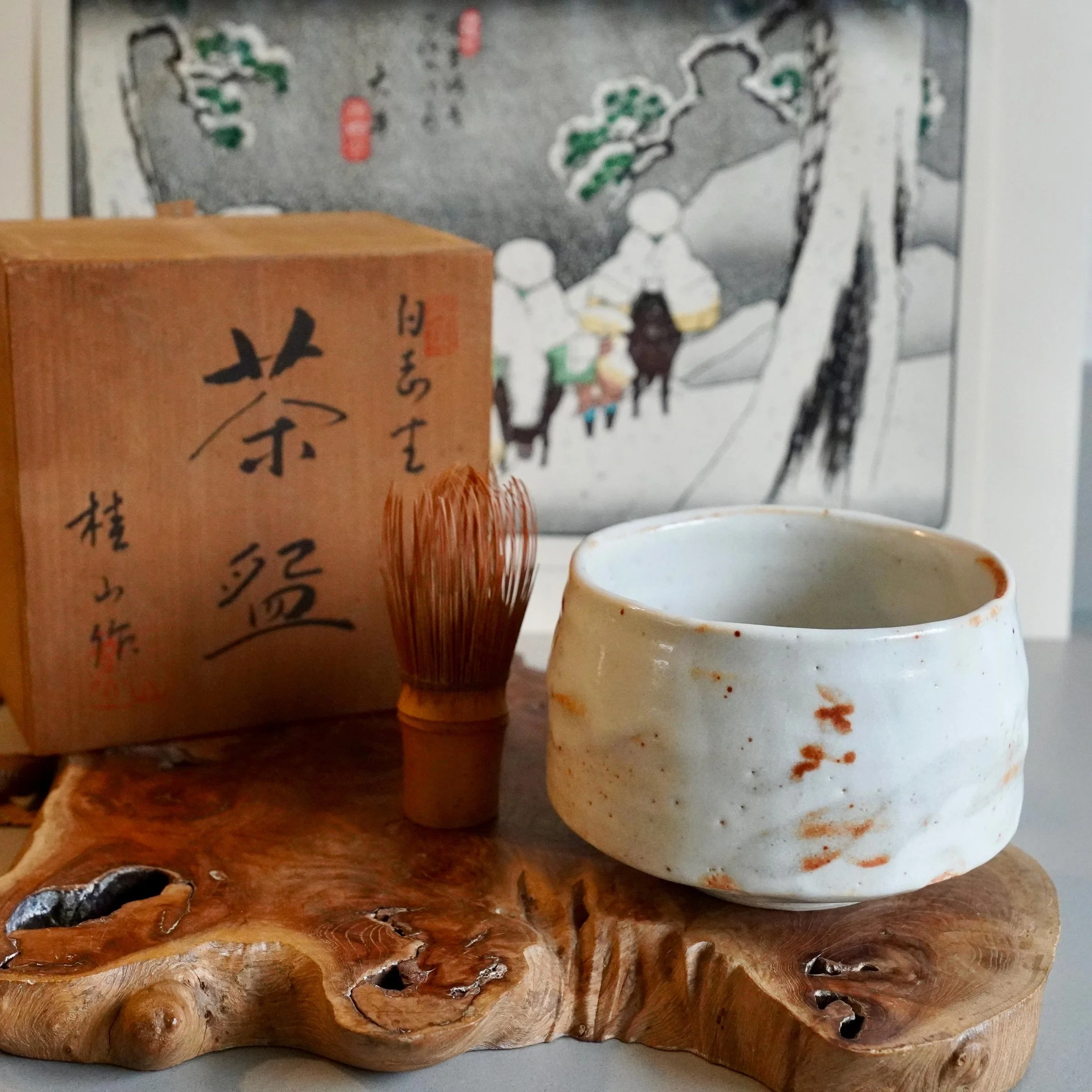
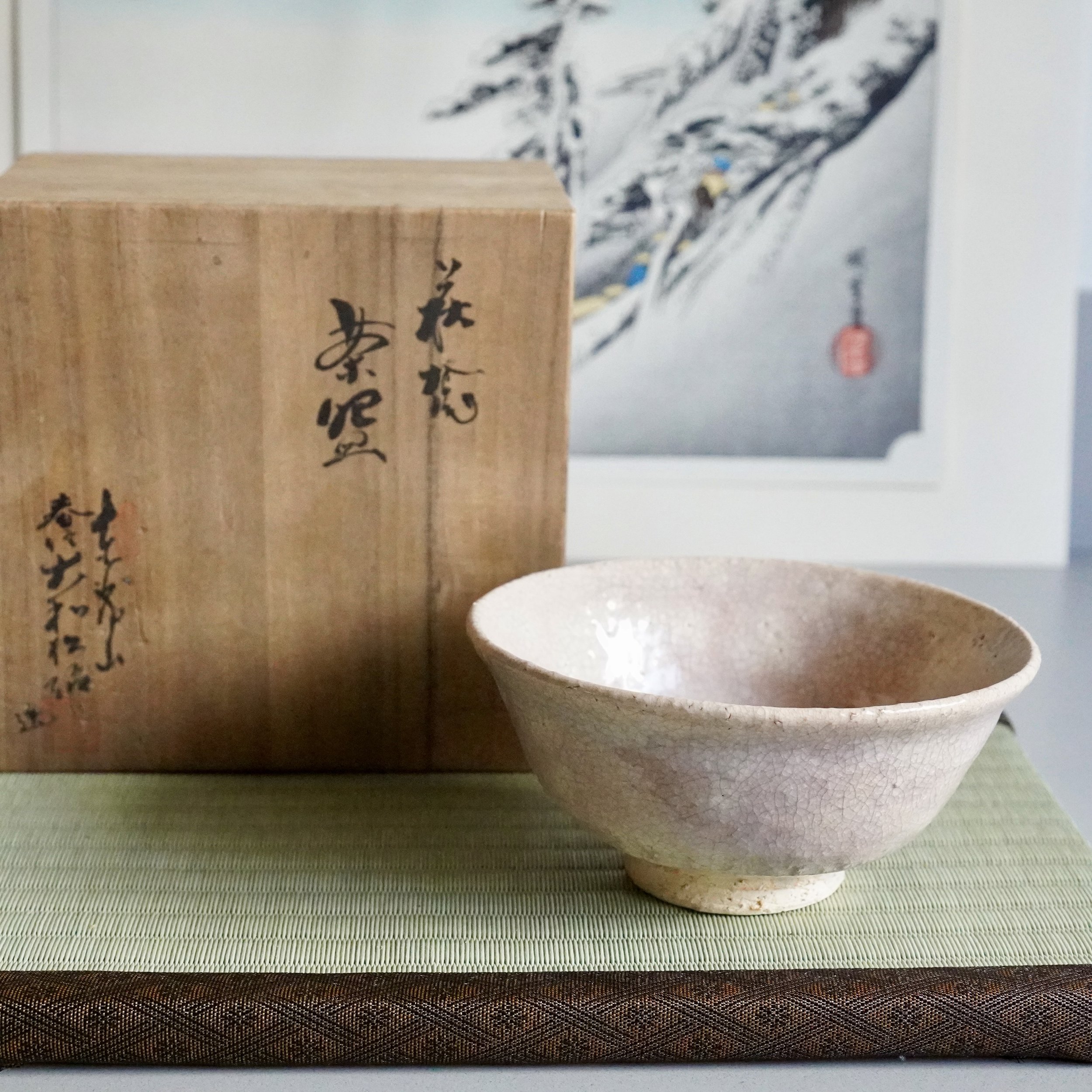
This bowl has a way of looking complete from any angle. The form is low and wide, the rim gently uneven in the way of something made by hand rather than adjusted toward perfection.
The glaze is a full, dense shining white over most of the body, with orange pushing through directly where the clay asserts itself. It stops you before you know why.
This chawan comes from an earlier generation of Taizan-gama, one of the kilns that has worked in the Tsubaki district of Hagi within a tradition tea masters have placed second only to Raku for four centuries.
The tomobako is inscribed 白萩 茶碗 and the bowl carries the full rectangular 泰山 seal, the older mark of the kiln used before the oven was incorporated as a company.
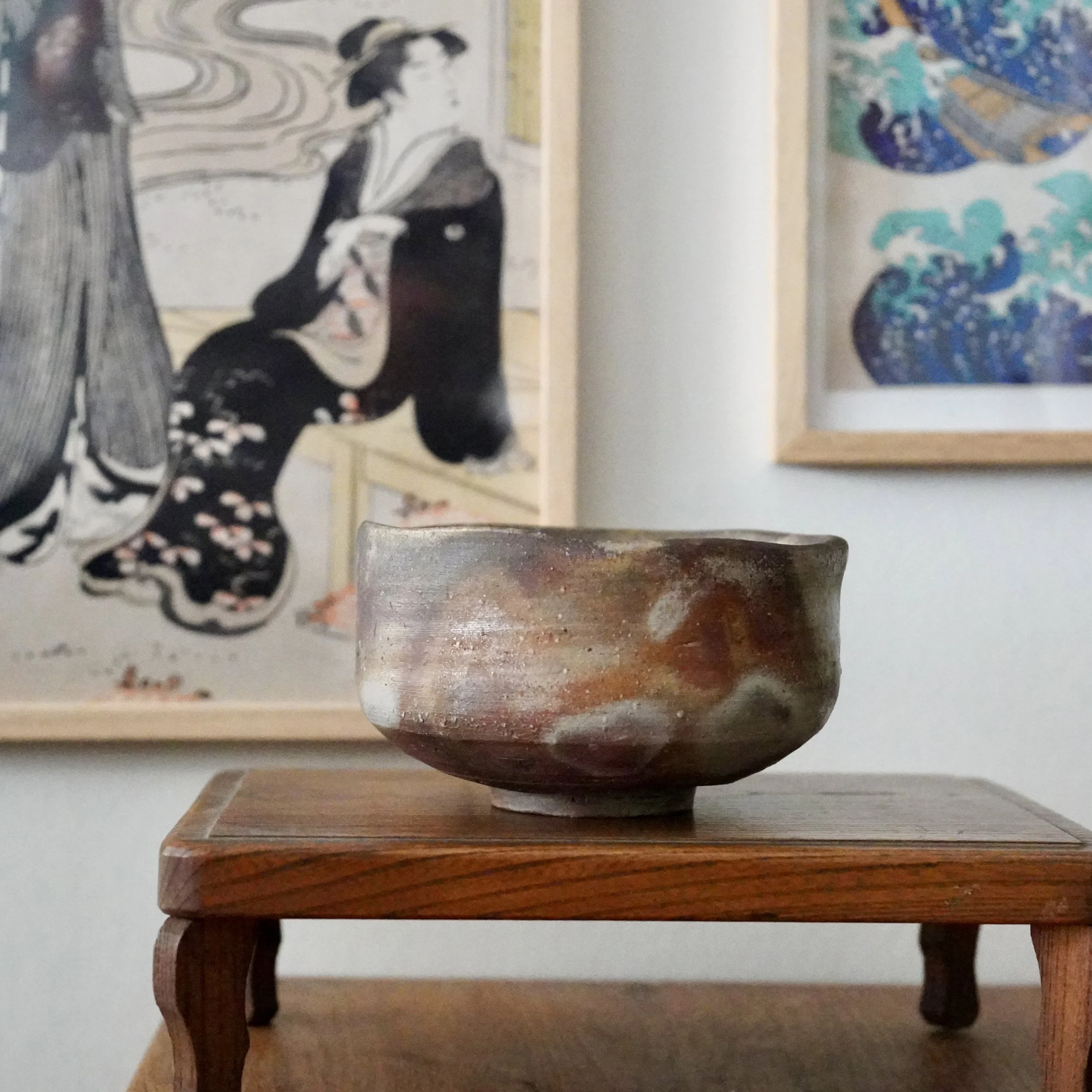
The first time I held this bowl, I turned it slowly in both hands and tried to work out what I was looking at. Purple, deep crimson, ashy grey, a band of pale white on the inside where the heat had settled differently. None of it looked applied. It looked like something that had happened to the clay rather than something done to it.
That is, more or less, exactly what yakishime is.
Yakishime is the practice of placing unglazed clay in a wood-fired kiln and letting the fire decide the rest. In the Bizen tradition this has been practiced for over a thousand years, and the surfaces it produces, rough clay, fire-born colour, marks that record the firing like a landscape, became one of the foundations of Japanese tea ceremony aesthetics. A bowl made this way was not decorated. It was shaped, placed in a kiln, and submitted to fire.
Read more about Bizen yaki here.
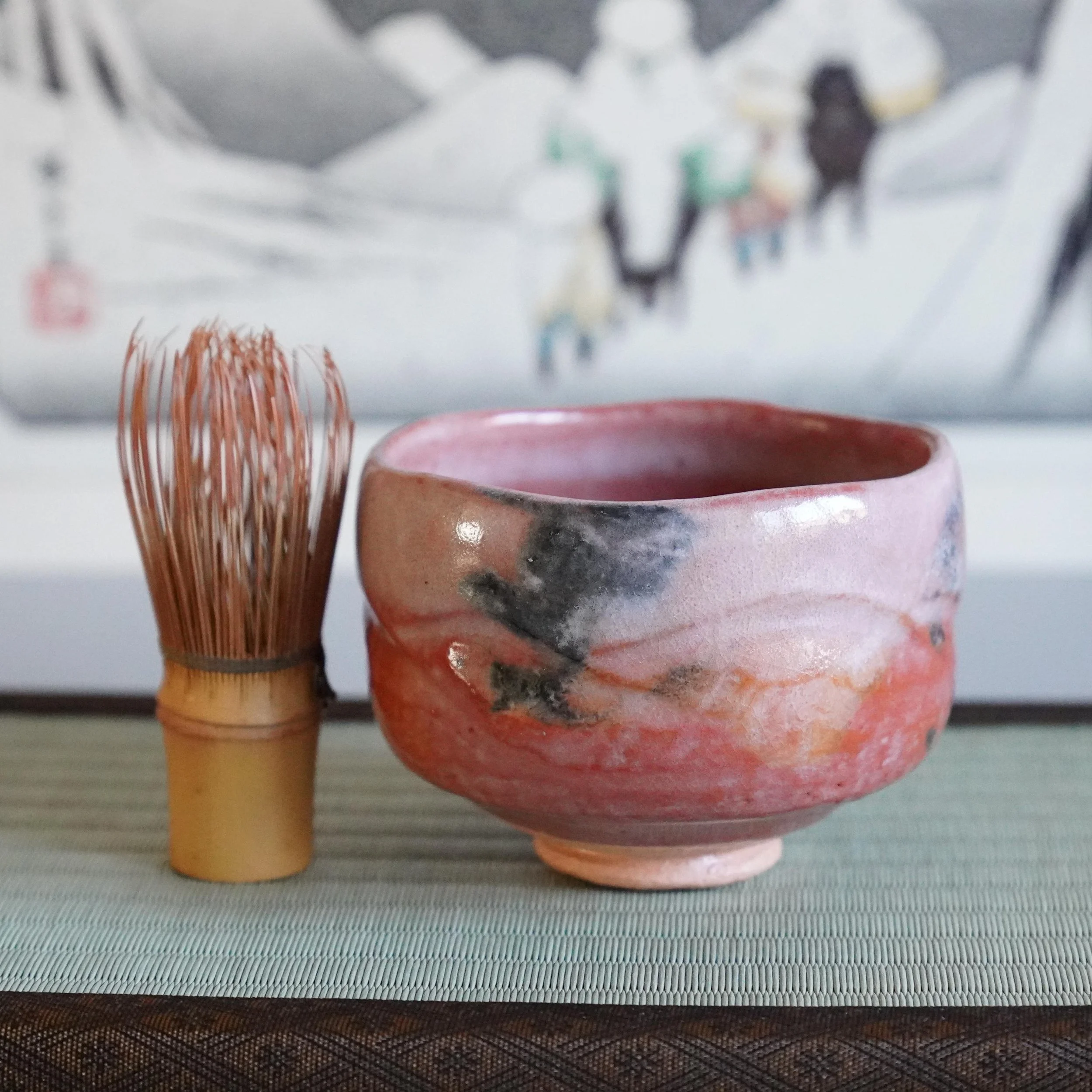
This is a hand-formed chawan, it is made without a wheel. It is wide and low, the kind of form that spreads across your palms when you hold it. The glaze runs from deep coral at the base up through raspberry to a pale rose-cream at the rim, and against this a wash of dark grey pools on the exterior, unplanned, the mark of fire rather than hand. No two aka-raku bowls come out of the kiln with the same surface. This one carries its firing like a weather event.
Raku-yaki (楽焼) is the oldest ceramic tradition in Japan made entirely for the tea ceremony. Each bowl is built by hand without a wheel, fired alone at low temperature, and pulled from the kiln while still glowing. The result is a clay that carries the fingerprints of its making in every surface. Ōno Kyūkō (大野九行) is a studio potter working in this tradition, with the personal seal 九行 pressed into the clay near the foot.
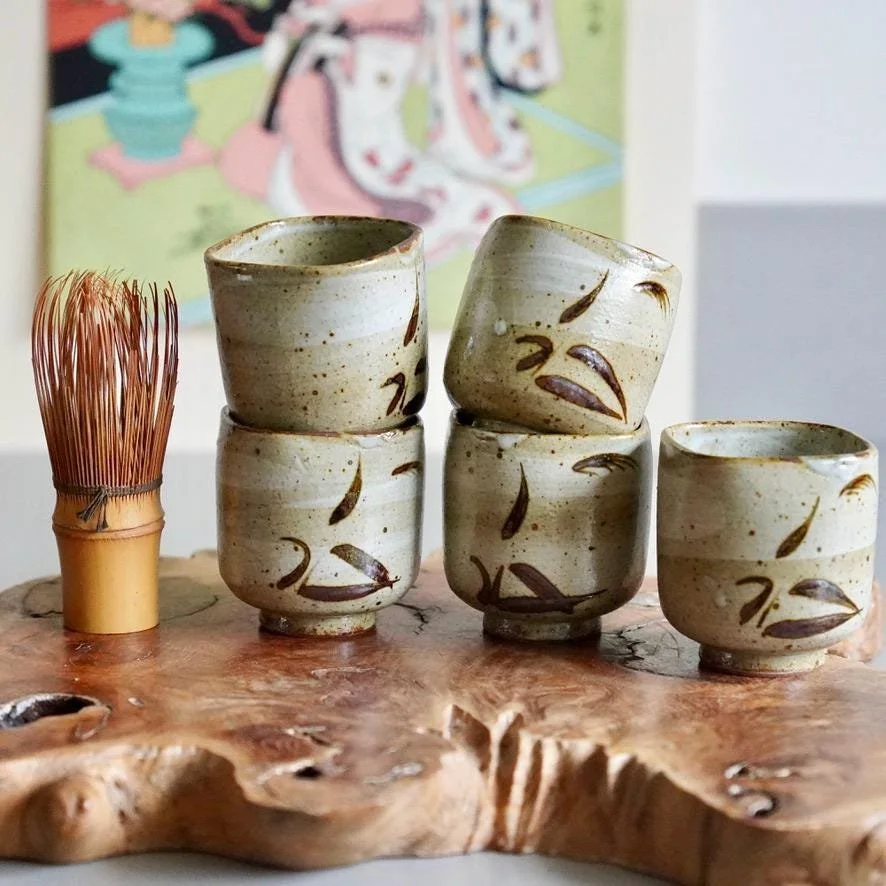
Five cups, same hand, same kiln firing. The glaze is a warm, speckled off-white with just enough green in it to feel alive, and each cup carries a loose, confident brushwork motif: a few strokes of dark iron-brown placed freely around the body, reading as bamboo in wind.
No two are quite identical. The brushwork is not precise. It is not trying to be.
In the world of the tea ceremony, there is a saying: first Raku, second Hagi, third Karatsu. Karatsu-yaki has held that position for four hundred years, and the style of these cups, e-Karatsu, iron-painted Karatsu ware, is one of its oldest and most recognisable forms.
The combination of coarse clay, ash glaze, and brushwork drawn from the natural world has been the defining character of e-Karatsu since the sixteenth century. These yunomi sit directly in that lineage: unpretentious, made to be used daily, and better for it.
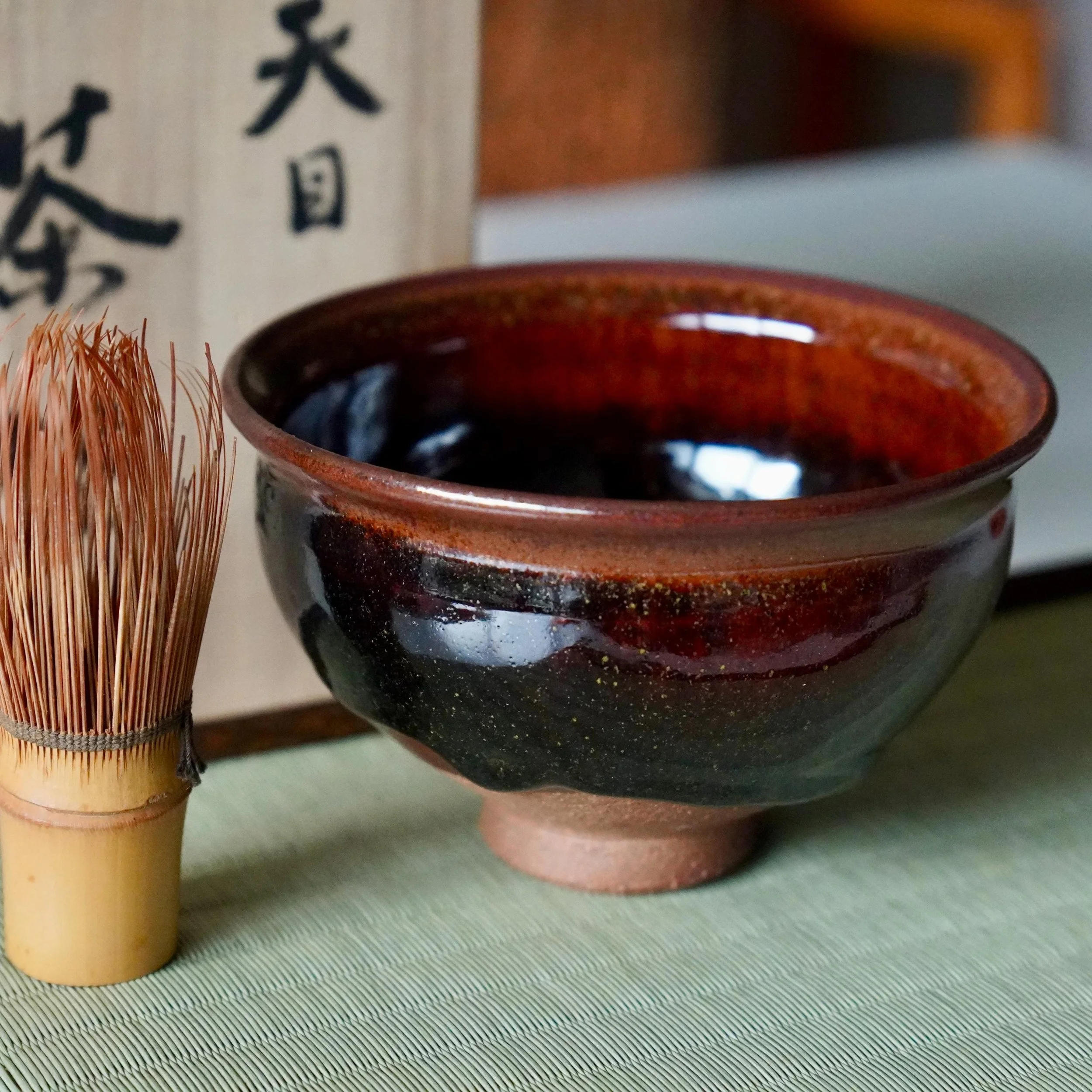
Deep, dark glaze pools thick around the base of this bowl, catching amber and rust where the light hits it at an angle. The drip is heavy and slightly uneven, the kind of effect that only comes from letting the glaze run right to the edge of what the kiln can hold before it sticks. In the hand it has real presence, a weight that settles rather than balances.
This matcha bowl has a thick application of glaze. In the world of Tenmoku, getting that heavy, "frozen-in-motion" drip without it sticking to the kiln floor is a sign of a true expert who knows exactly when to cut the heat.
The deep, chocolate-brown tones of the glaze provide a rich, lustrous backdrop that contrasts beautifully with the vibrant green of freshly whisked matcha. It comes with its original wooden tomobako box, carefully signed by the maker, adding provenance and ceremony to the piece.
Curious what to look for beyond the glaze? I wrote about why a chawan's weight and shape matter more than people expect. Read it here in my journal.
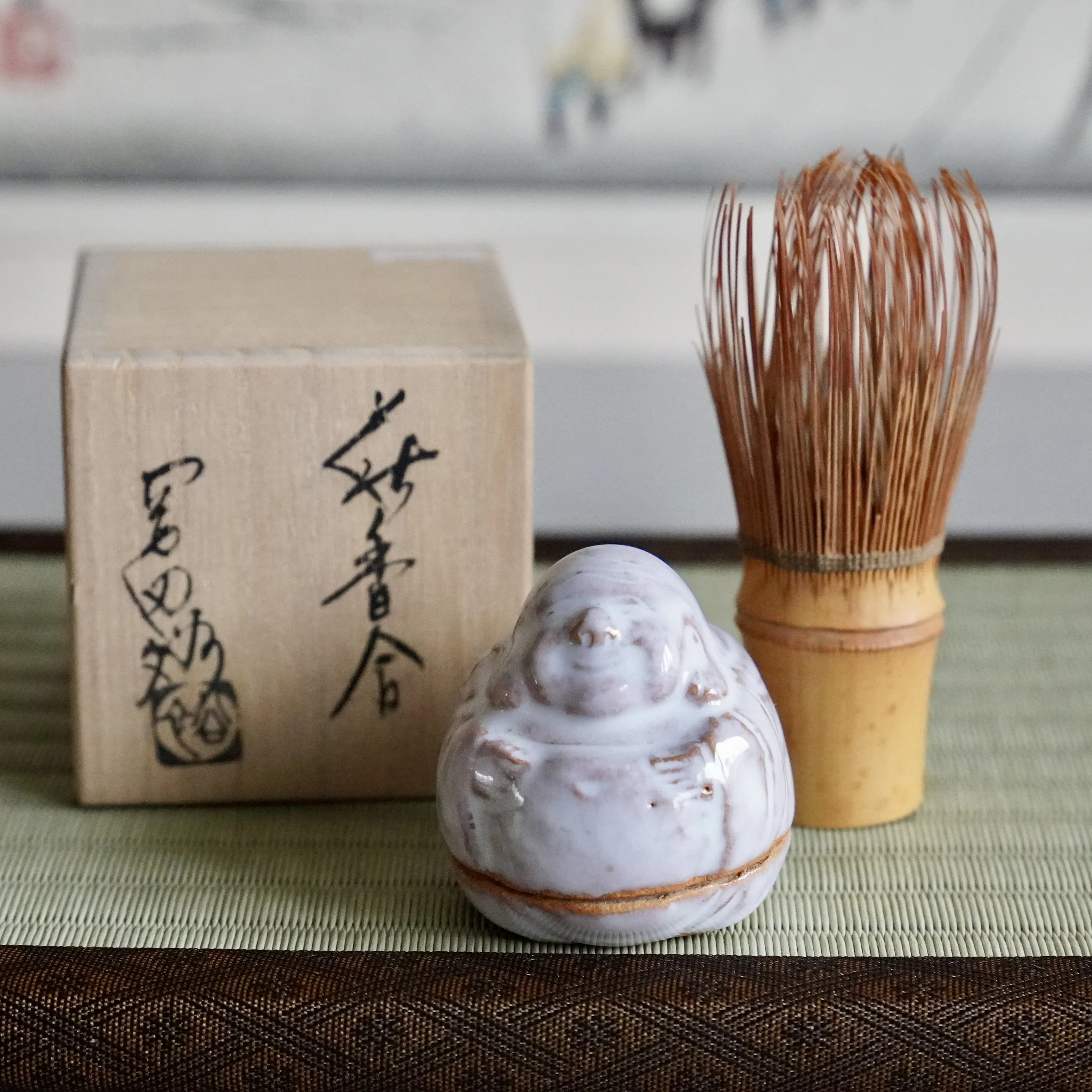
Some objects are immediately recognizable for what they are. This one is. The moment you lift the lid, you know exactly who is sitting in your hands: Hotei, the laughing god of contentment, belly forward, expression completely at ease.
Produced at the Seiun-zan kiln in Hagi, Yamaguchi Prefecture, by Okada Yutaka: eighth-generation master of a kiln that has been firing continuously since the Edo period, and holder of the Yamaguchi Prefecture designation for Intangible Cultural Property in Hagi-yaki.
This is not a decorative object made for the tourist market. It is a serious tea ceremony piece with full provenance.
There's a whole philosophy behind why a kogo is left open after use. Read it in my journal.
Plus, I spent a morning at this specific Hagi kiln, read about it here.
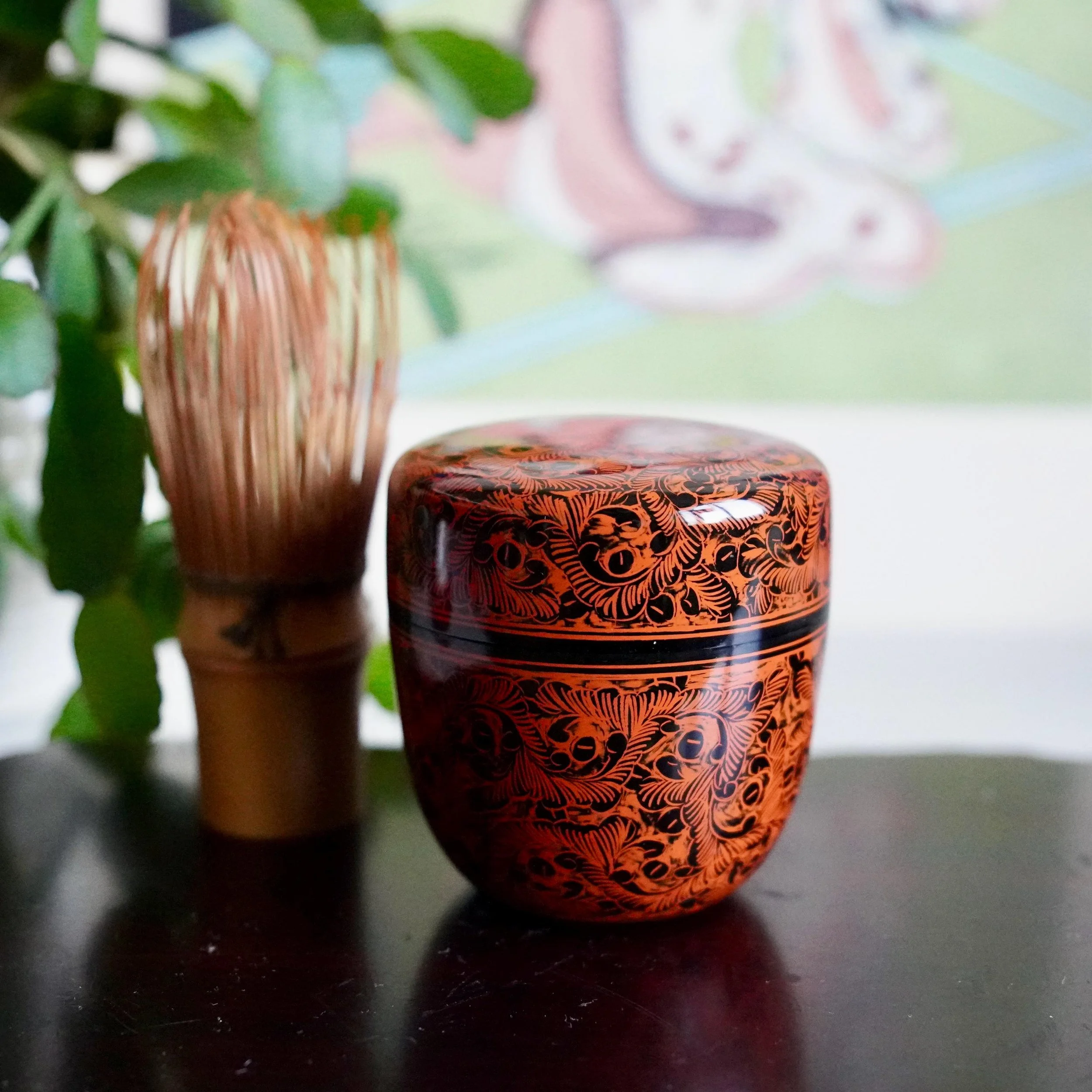
A fine karakusa motif winds across the surface, deep red carved into jet black lacquer. The pattern is continuous, one vine curling into the next without a clear start or end, which is exactly the point. Karakusa has stood for eternity and prosperity in Japanese decorative art for centuries, and here it wraps the natsume completely, catching the light differently depending on the angle you hold it at.
This piece was made by Sakamoto Sessai, who trained under Kurosai, the younger brother of Tamakaji Zōkoku, the founder of the Sanuki kinma tradition in Takamatsu on the island of Shikoku.
What makes this specific case special is that the set is still completely intact. The original wooden box with the signature of the master is included, as is the description from the antique shop in Matsuyama where I found this natsume. It is a real find for anyone who appreciates genuine Japanese tea ceremony craftsmanship.
Meet our other tea ceremony items

Questions before you buy?
Since my items are one-of-a-kind pieces, I want to ensure they reach you perfectly.
Questions about the history or condition?
Need a custom shipping quote or shipping outside the EU?
Prefer to see more detailed photos or a video?
Reach out to me directly. I'm here to help you find the perfect piece for your home.
✉️ hello@kaikoandco.com
💬 Instagram DM: @bykaikoandco
Tiny pinholes scattered across a thick glaze, a texture called su-ana, tell you more about Shino and Hagi ceramics than most people realise. Here's what causes it, and why potters never smoothed it away.
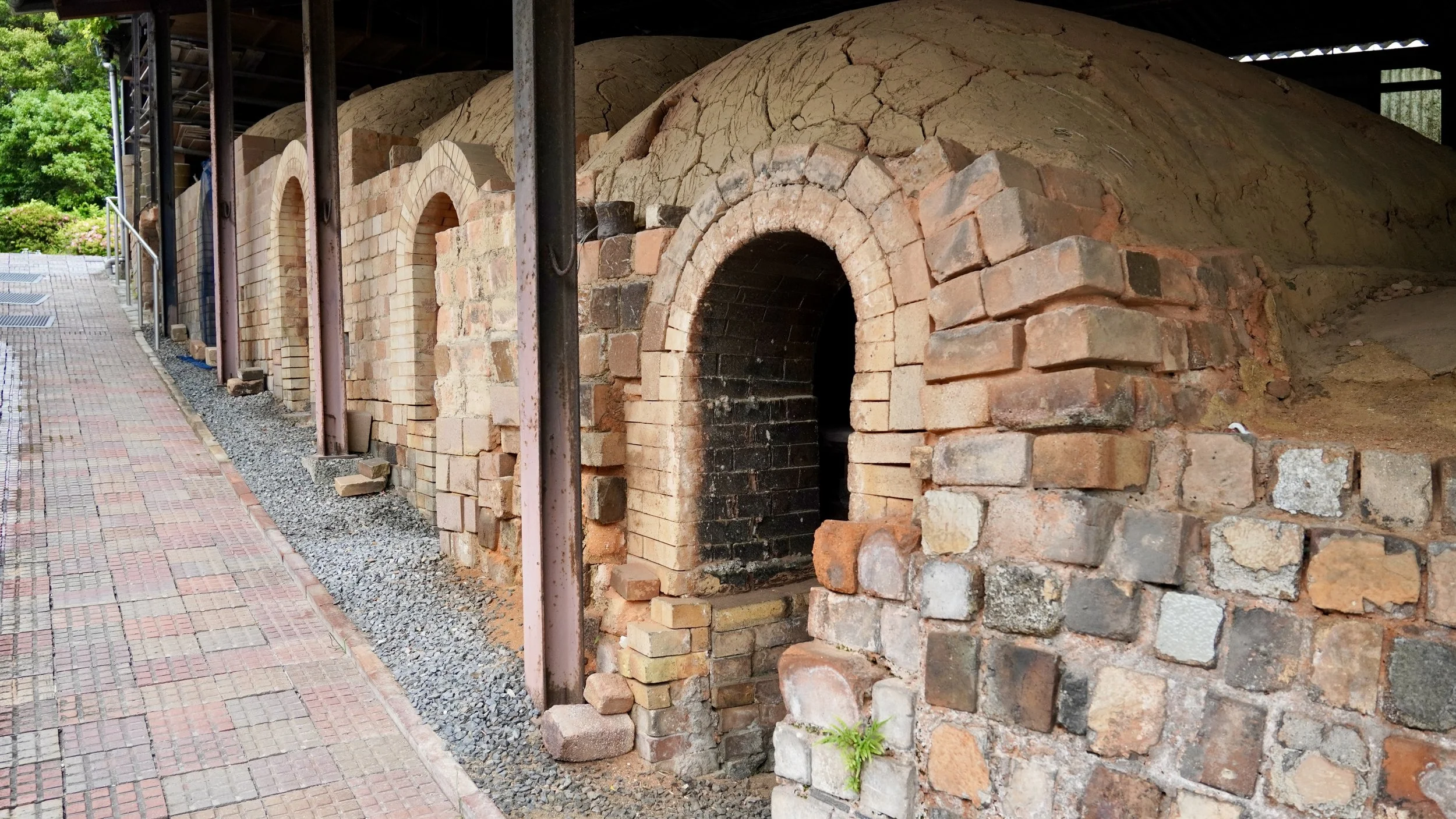
Senryūzan (泉流山) is a Hagi-yaki kiln in Yamaguchi Prefecture founded in 1826, tracing its roots back further still to the late Edo-period Obata-yaki tradition. The kiln was led for decades by Yoshiga Taibi, a recognised Person of Cultural Merit, and is now run by his son Yoshiga Hatao. Senryūzan still fires in a wood-burning noborigama, one of the few climbing kilns in Hagi still worked this way.
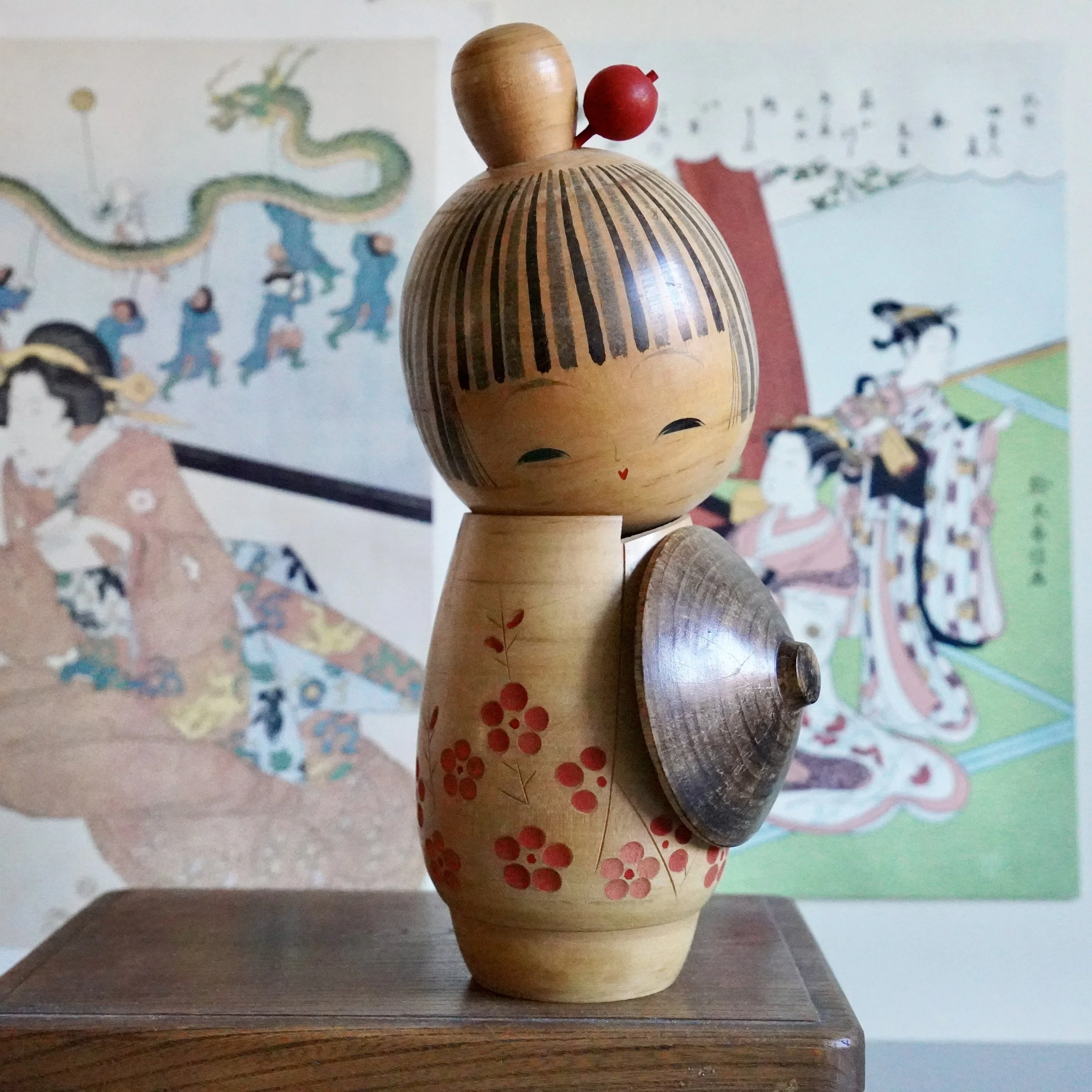
Oshinobi dōchū, travelling incognito, shows a Heian noblewoman shielding her face with a kasa hat while journeying in disguise. Two pieces in the collection, by Sato Suigai and Seiju Kon, show how differently that same story can be built in wood.
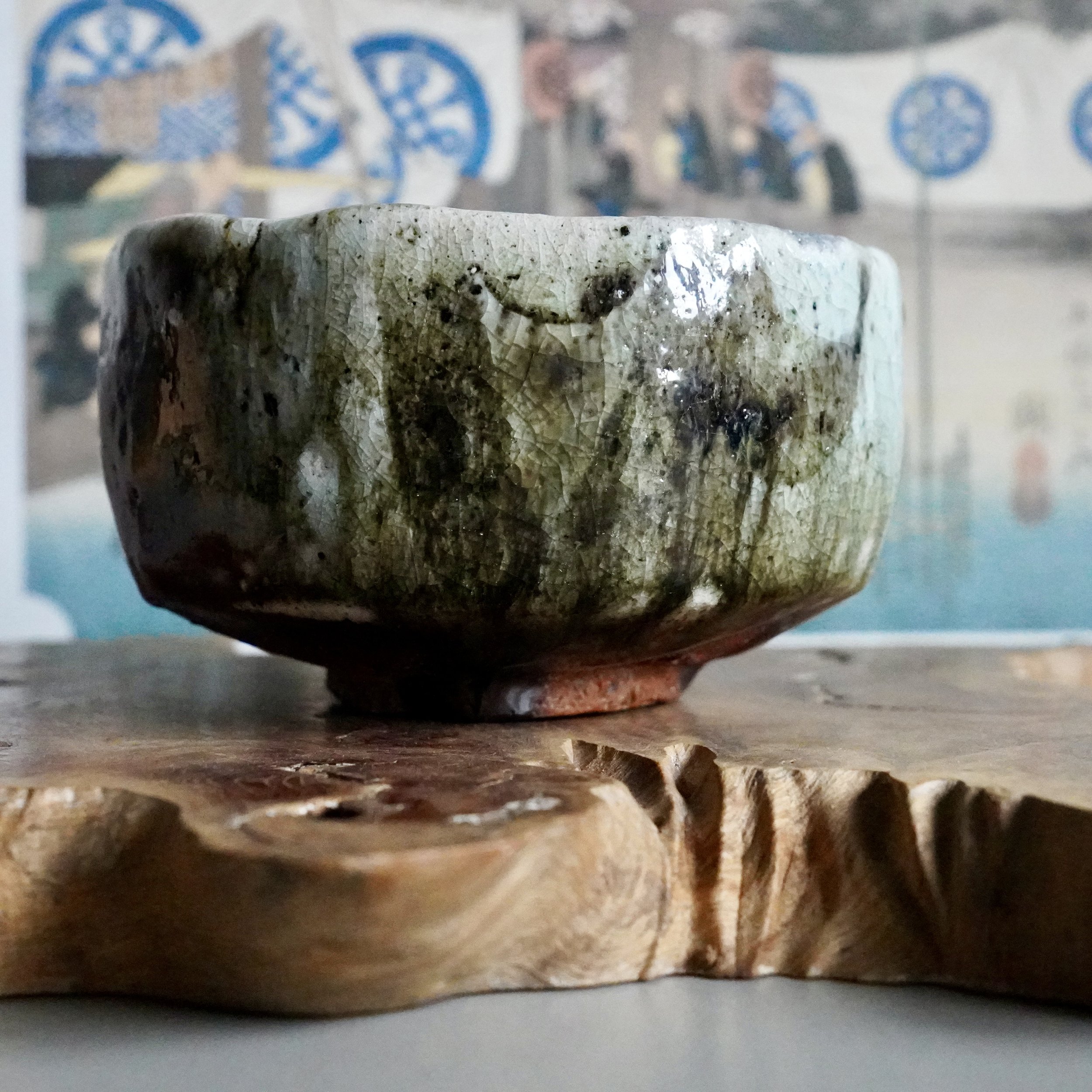
This chawan was fired at the Kakuzan-gama, a kiln built in 1959 inside the Kyoto headquarters of Ōmoto, a Japanese religious movement, by Kaneshige Sozan, a member of Bizen's most celebrated pottery family. It is signed by Deguchi Eiji, who served as Ōmoto's Sōchō (director) from 1958 to 1962. A single white glaze on this bowl developed rust, near-black and crystalline blue effects during firing, the result of flame position, ash deposit and heat variation inside a wood kiln, not of painting or decoration.
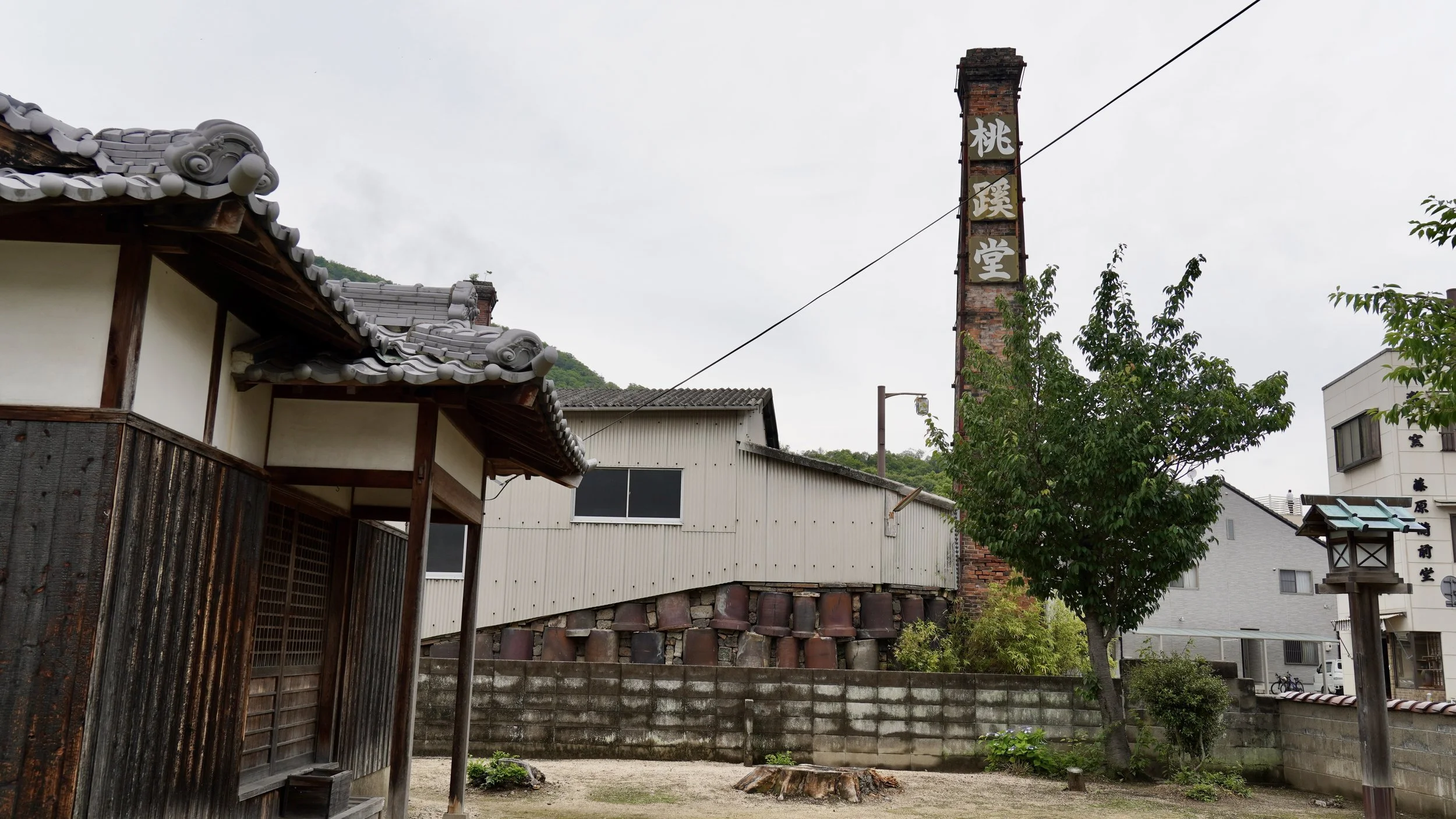
Bizen-yaki is never glazed and never painted. Everything visible on a finished piece was decided during the firing itself, by potters who spend two weeks feeding a kiln by hand, reading the fire instead of a dial. On a return visit to Shibaoka Tōsendō, the Kōzan-gama kiln in Imbe, here is what that actually looks like from the inside.
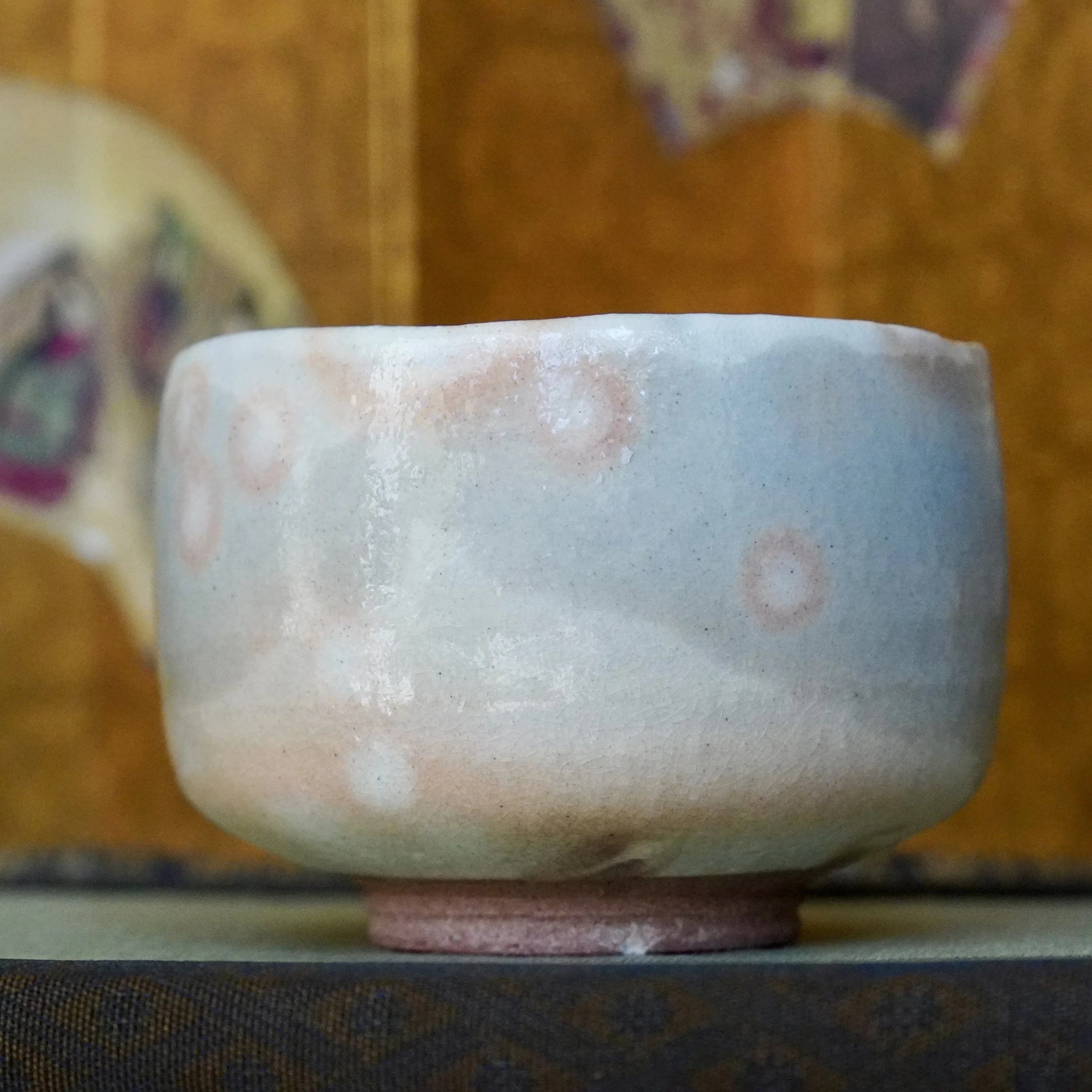
I filled a Hagi chawan with water and watched what happened. Within a minute, the glaze showed exactly how it will change with years of tea, and four other pieces revealed just how differently that process can unfold, starting long before the kiln, in the clay itself.
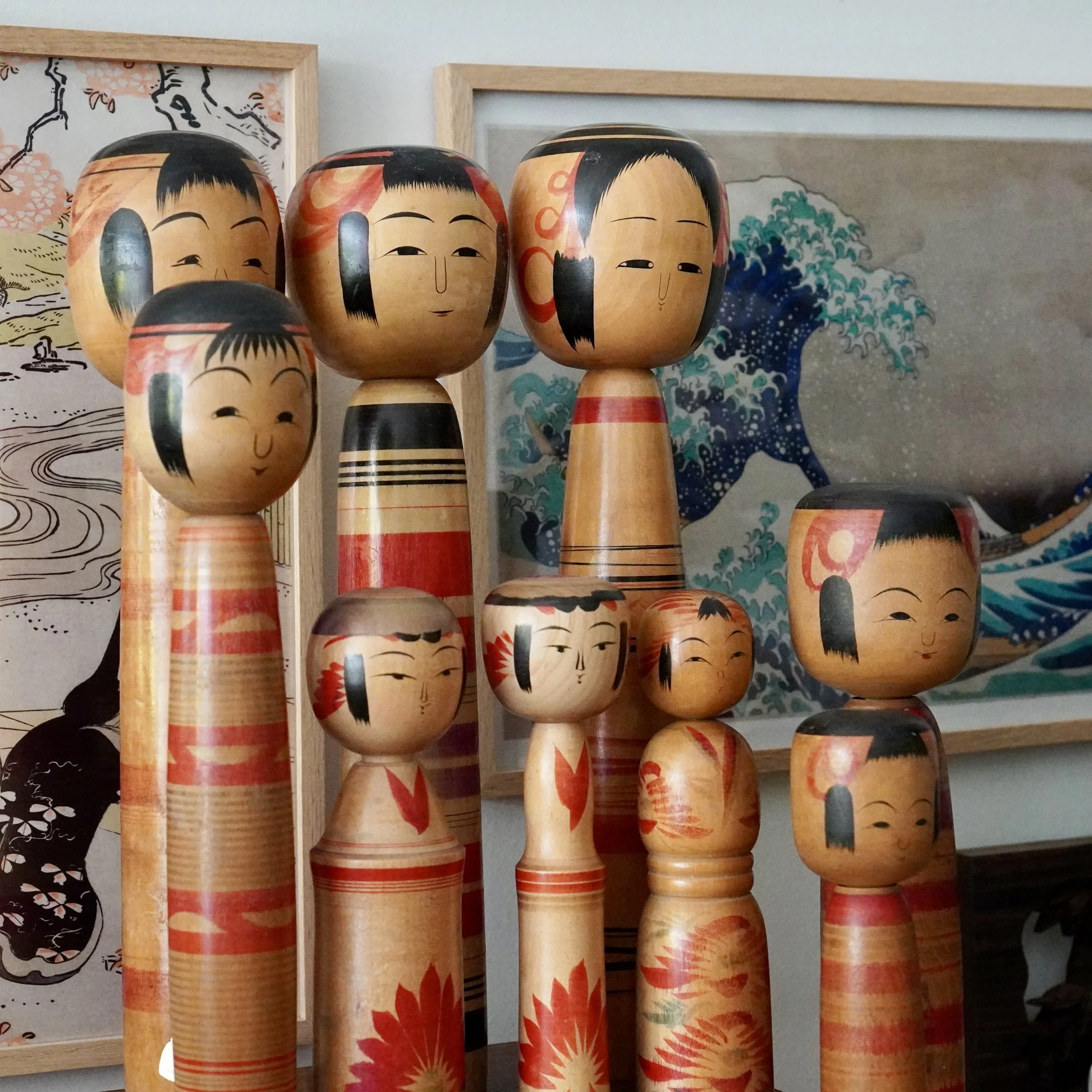
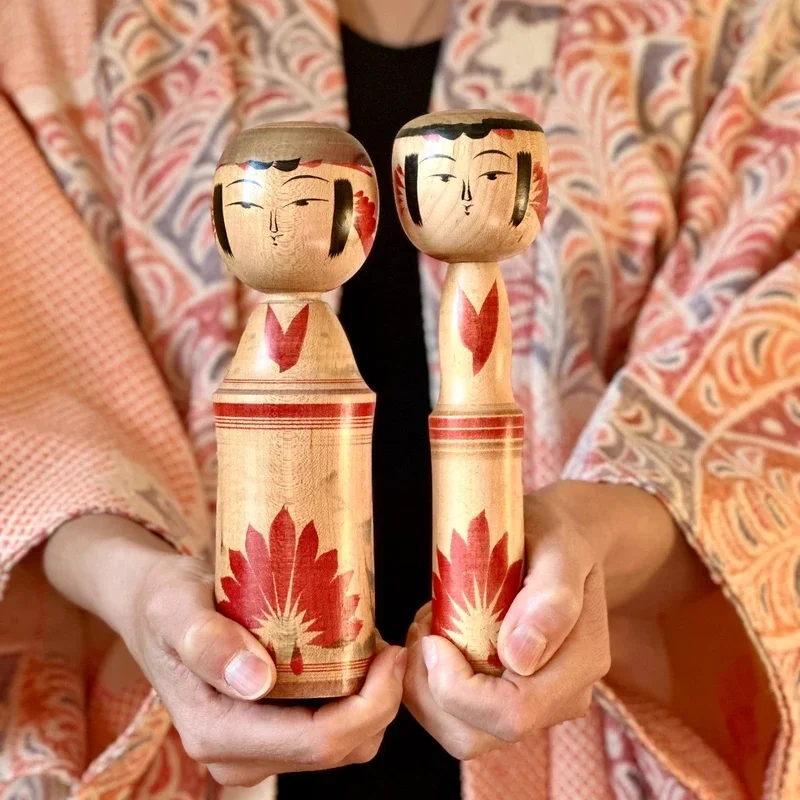
Every kokeshi carries the place it comes from before it carries anything else. A guide to the eleven regional traditions of Tōhoku, and how to recognise each one on sight.
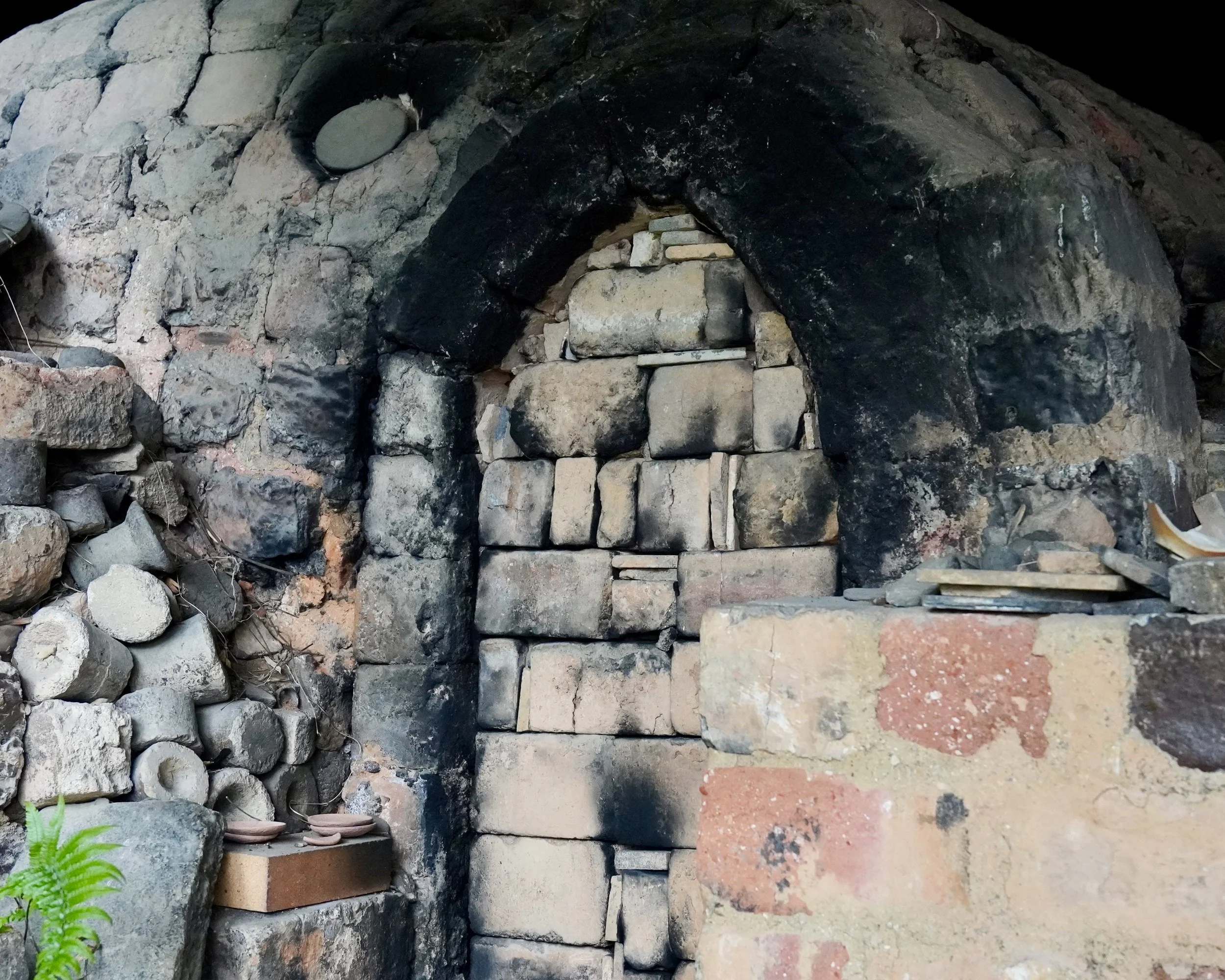
Three generations under one roof, a blue glaze that surprised me, and a cat I bought on the way out. One of my favorite mornings in Hagi, at the Okada kiln.
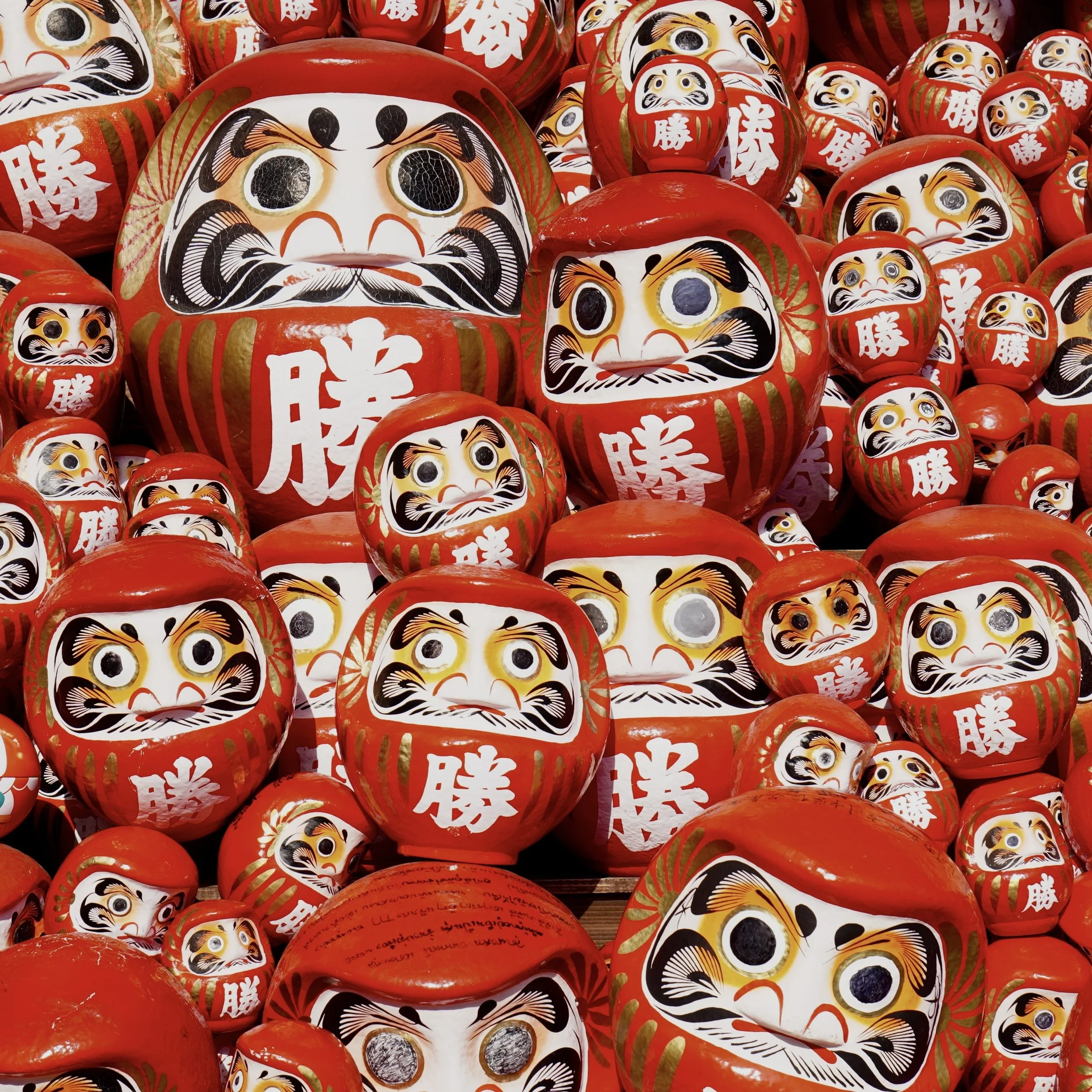
Perched in the forested hills of Minoh, Katsuo-ji is known throughout Japan as the Daruma Temple, thousands of red daruma cascading down its steps, each one carrying someone's wish. A visit that changed how I see the wooden daruma in our own collection.
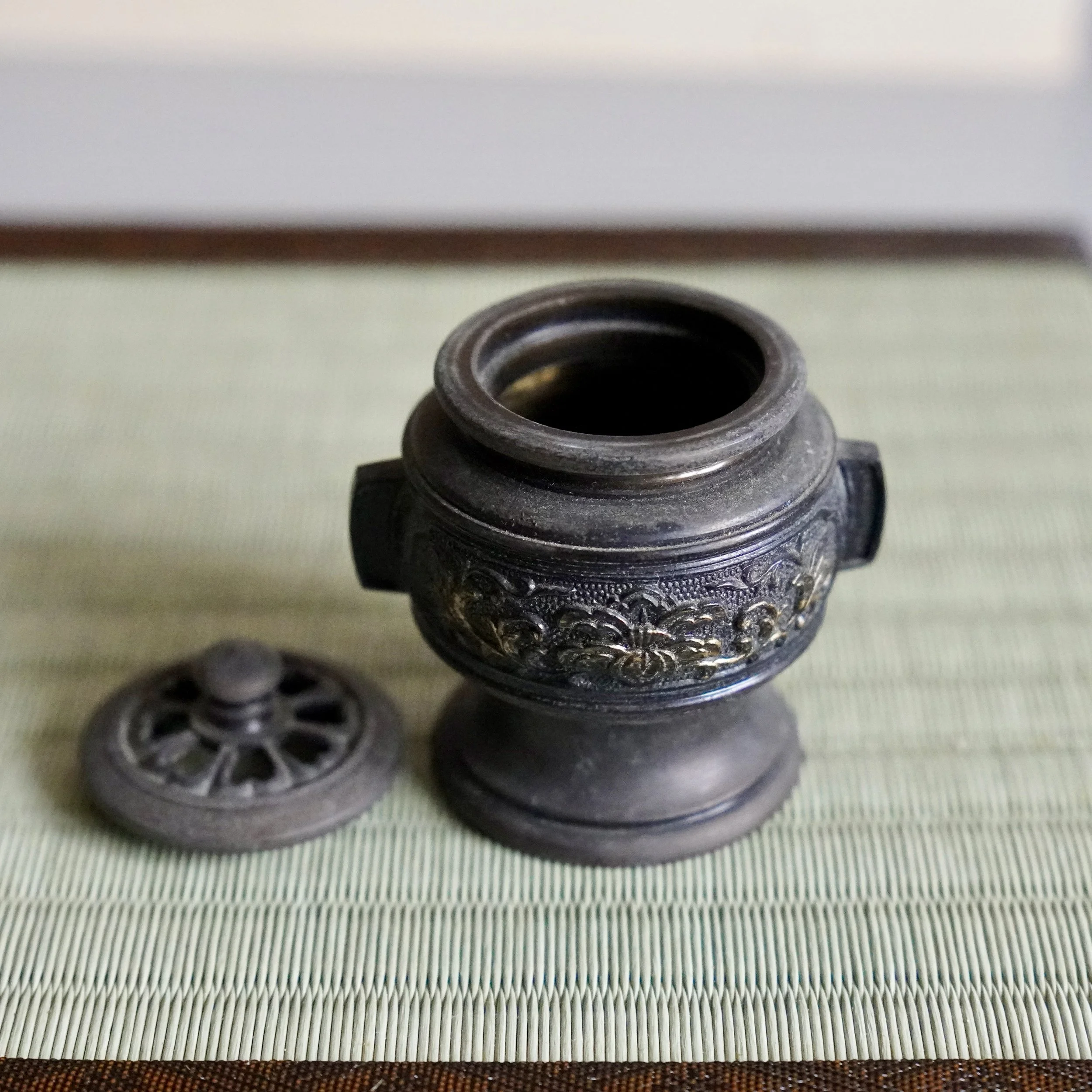
Every temple I visit in Japan has the same quality of quiet, and it starts with three things: scent, sound, and a presence that holds the space. Here is how to bring that same intention home, starting with a single kōro and the concept of ma.
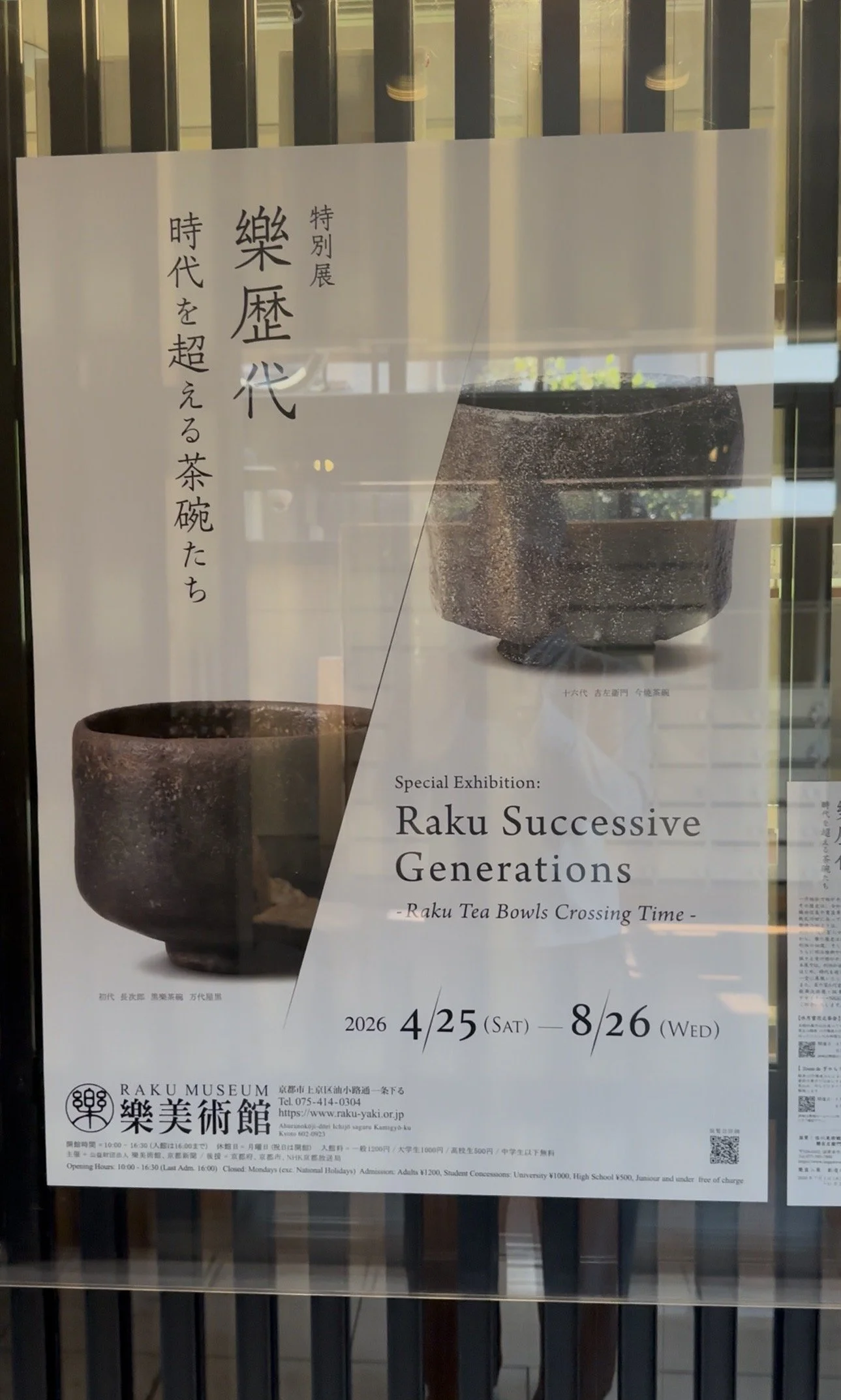
Inside the Raku Museum in Kyoto during the Raku Successive Generations exhibition. Chawan from Chōjirō to the 16th Kichizaemon, a quiet garden, and one idea about tradition that stayed with me.
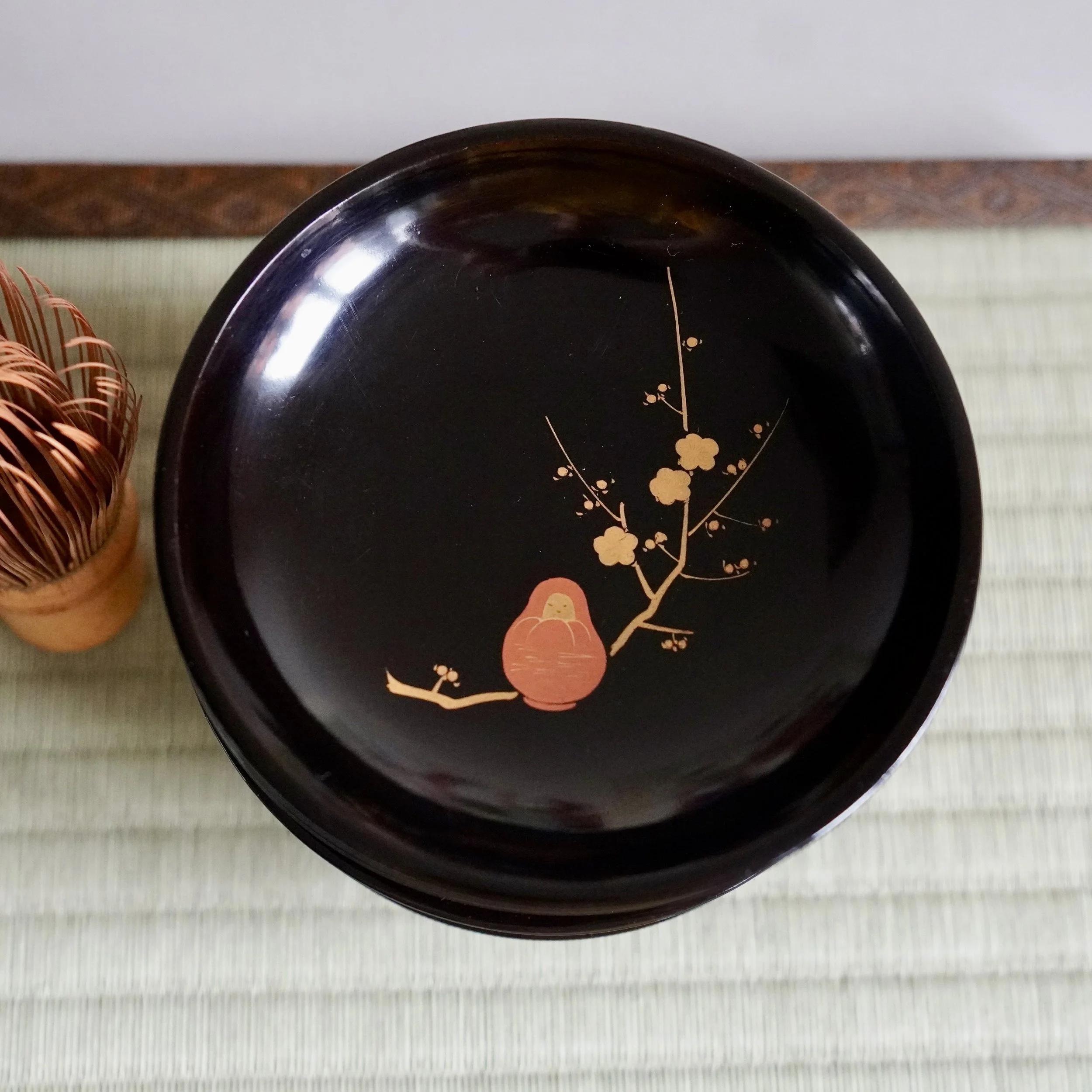
Urushi looks fragile and behaves like the opposite, until it meets a sunny windowsill or a winter radiator. Here is what actually damages lacquerware, what does not, and the handful of habits that keep a piece looking the way it did the day it was finished.
A kokeshi asks for very little once it has found the right spot. Grouped in threes on a shelf, alone on a windowsill out of direct sun, or standing next to something entirely unrelated, like a stack of books or a single dried branch. Here is what I have learned about placing them so they actually get looked at, instead of disappearing into a room.
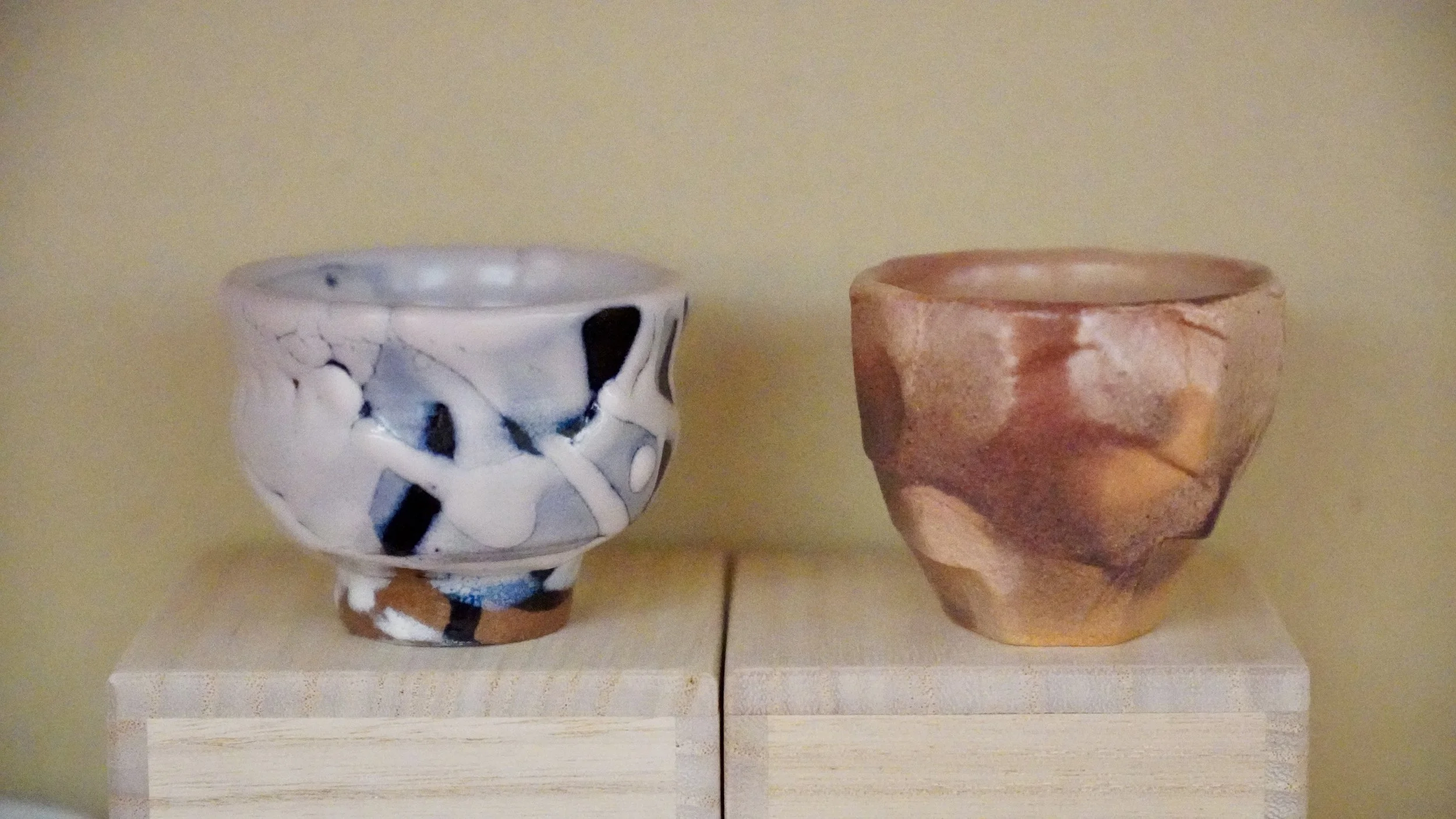
Every ceramic piece I bring home has already been through decades of hands before mine. A chawan changes colour with tea over the years, a vase collects mineral marks if you let it, and neither of those things is damage. Here is what actually matters when you look after one.
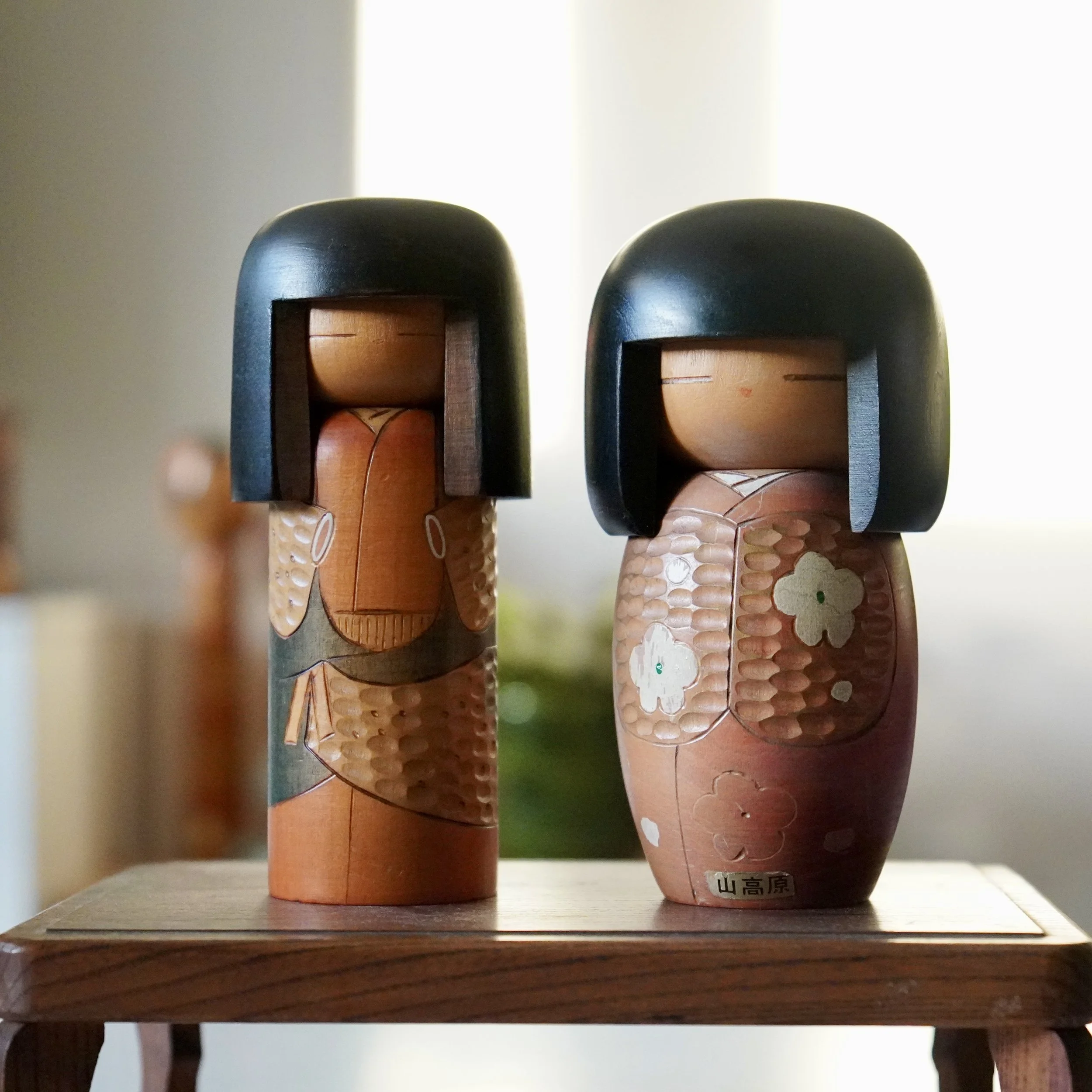
A week in the heartland of kokeshi: Fukushima. From climbing Mount Bandai before sunrise to studying the unique facial expressions in the work of masters like Ichiro and Sato Fumio. Discover how the landscape and deep-rooted woodcarving traditions shape these authentic vintage treasures.
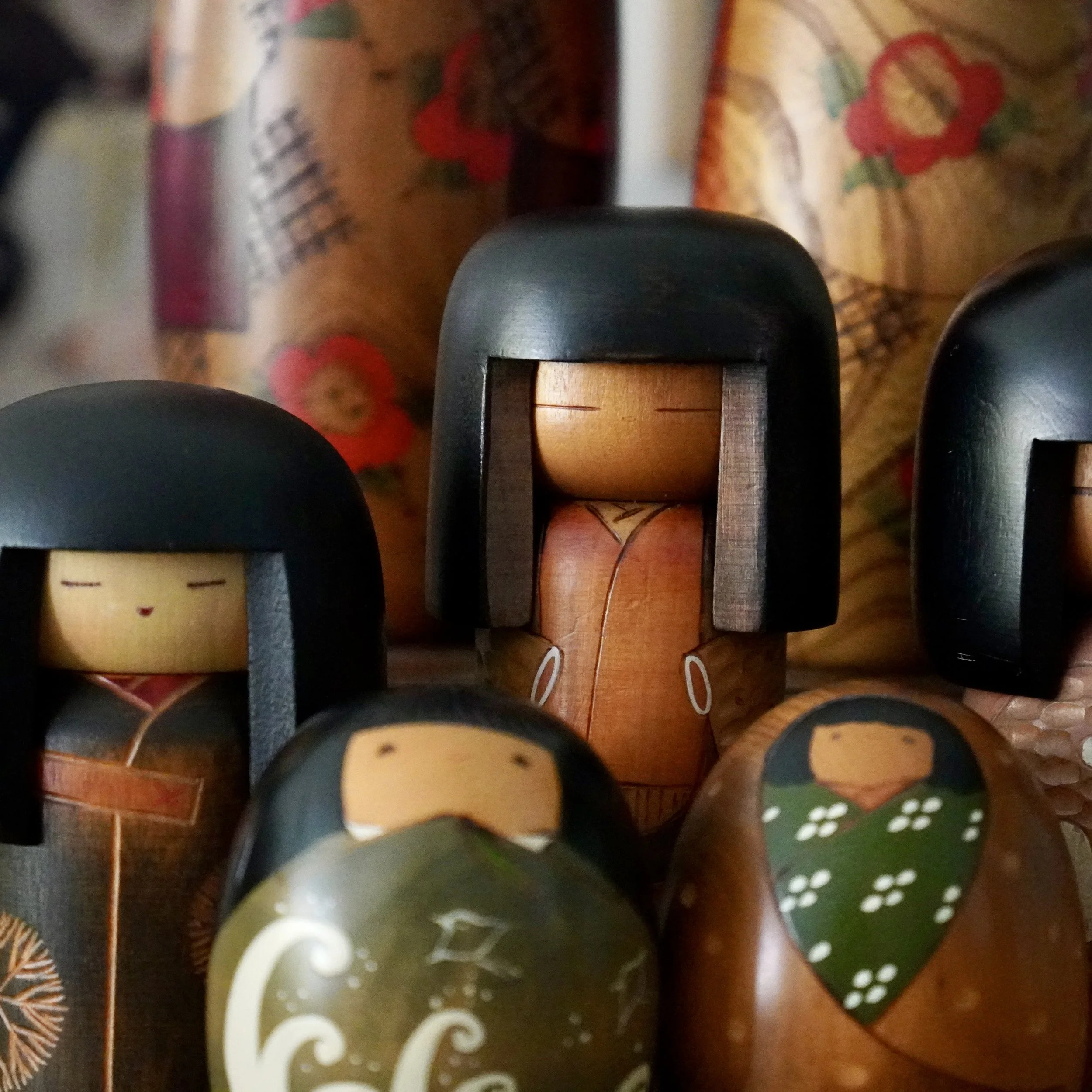
What draws you to a kokeshi is rarely the name on the base. It is the grain showing through the dark wood, the mark the tool left, and the two lines that somehow become a face. A close look at how makers like Usaburo and Sansaku Sekiguchi work with and against the wood itself.
Black so deep it looks like still water, and scattered across it, crests in gold and in red, none of them quite where you expect. The gold ones are soft and matte, while the red ones carry tiny flecks of gold that wake up when you turn the lid toward the light. It sits in the palm like a smooth pebble and is hard to put down. It is the kind of small object that makes a shelf, a desk or a tea tray look considered.
It was made by Hariya Yūsai, a makie artist from Ishikawa who is recognised in Japan as a Traditional Craftsman, and he signed and sealed the wooden box himself. That box is why it feels complete: the natsume, the box that names its maker and its style, and the yellow cloth that came with it have stayed together. If you make matcha, this is a proper tea caddy with a real maker behind it. If you don't, it is still something you will want to keep in sight.