 Image 1 of 16
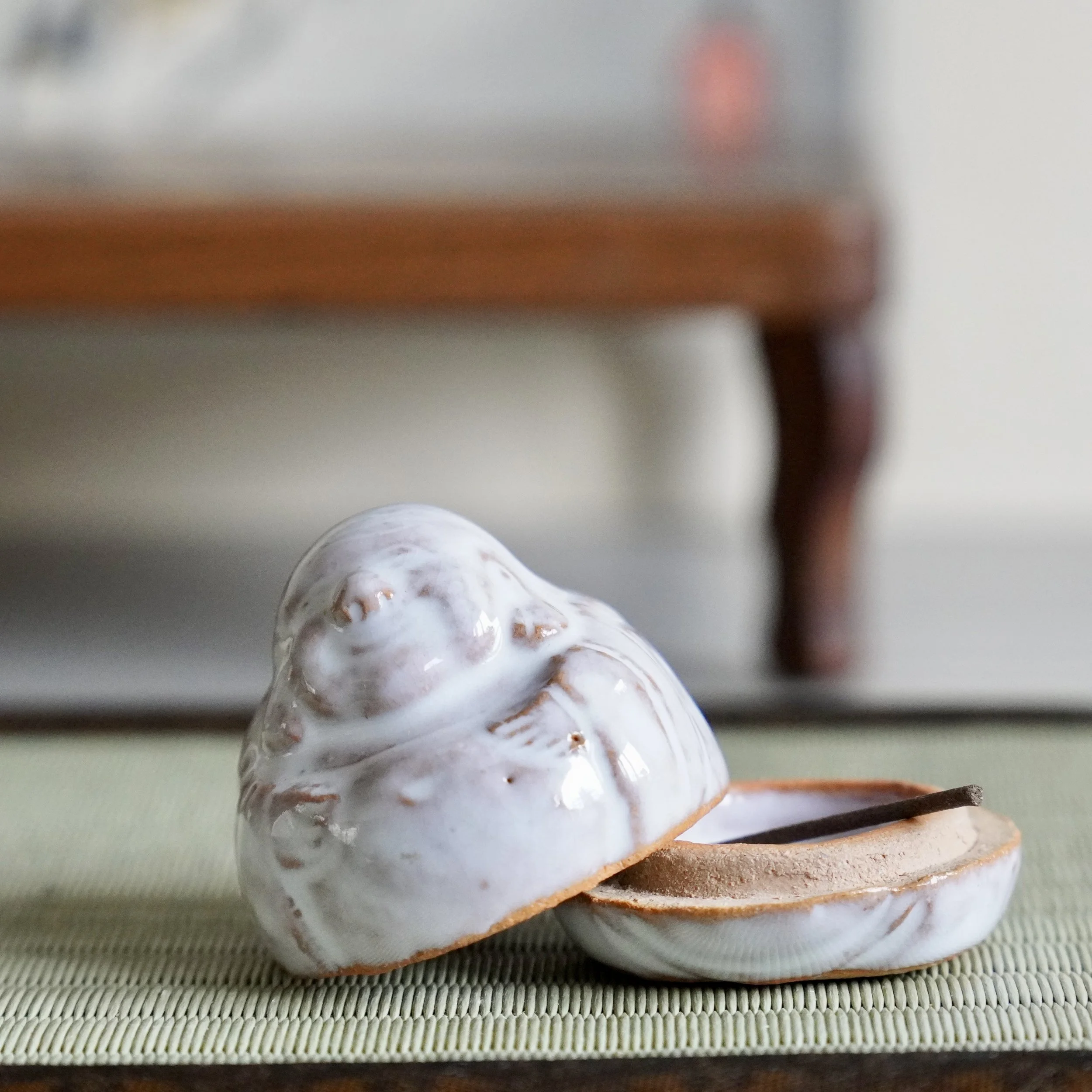 Image 2 of 16
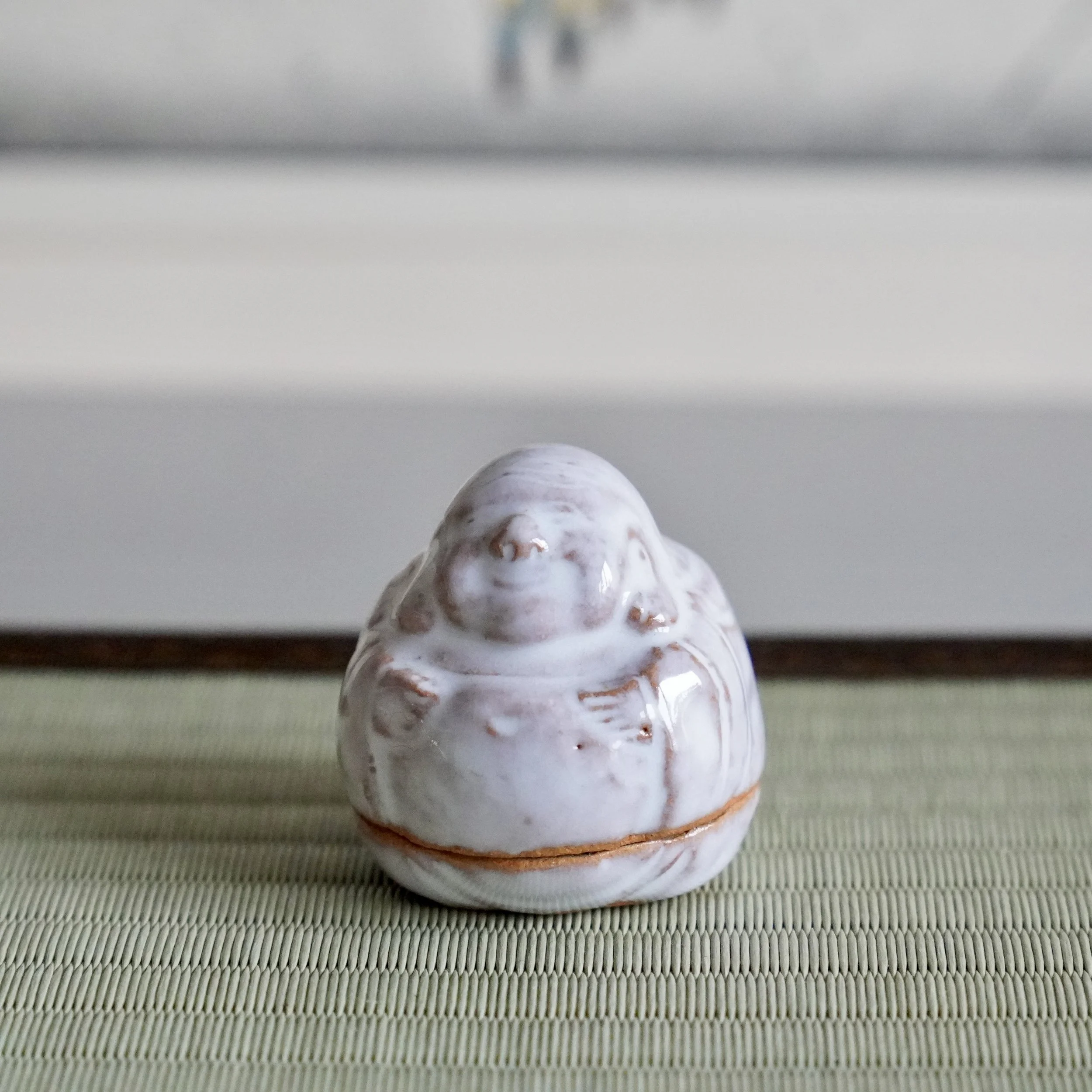 Image 3 of 16
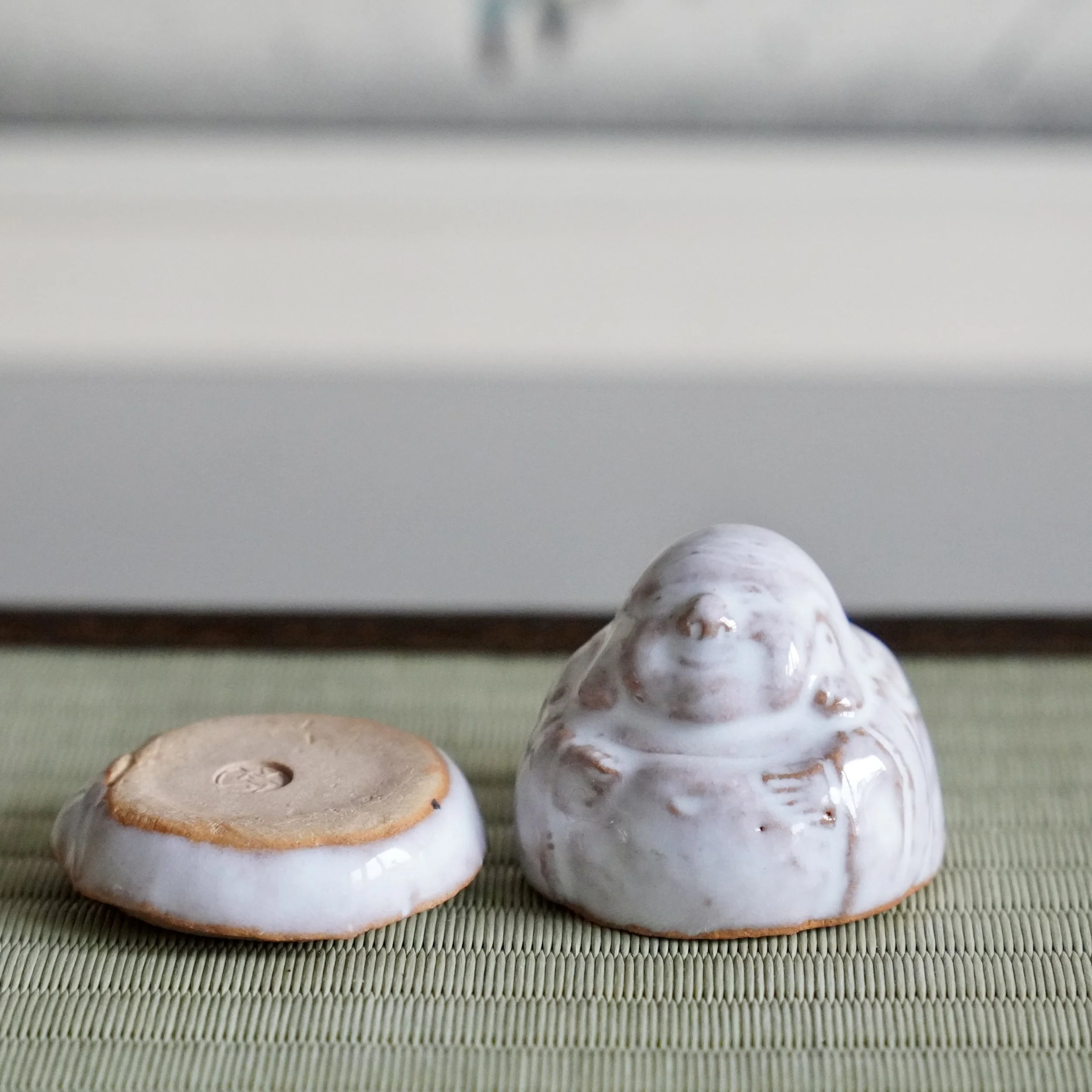 Image 4 of 16
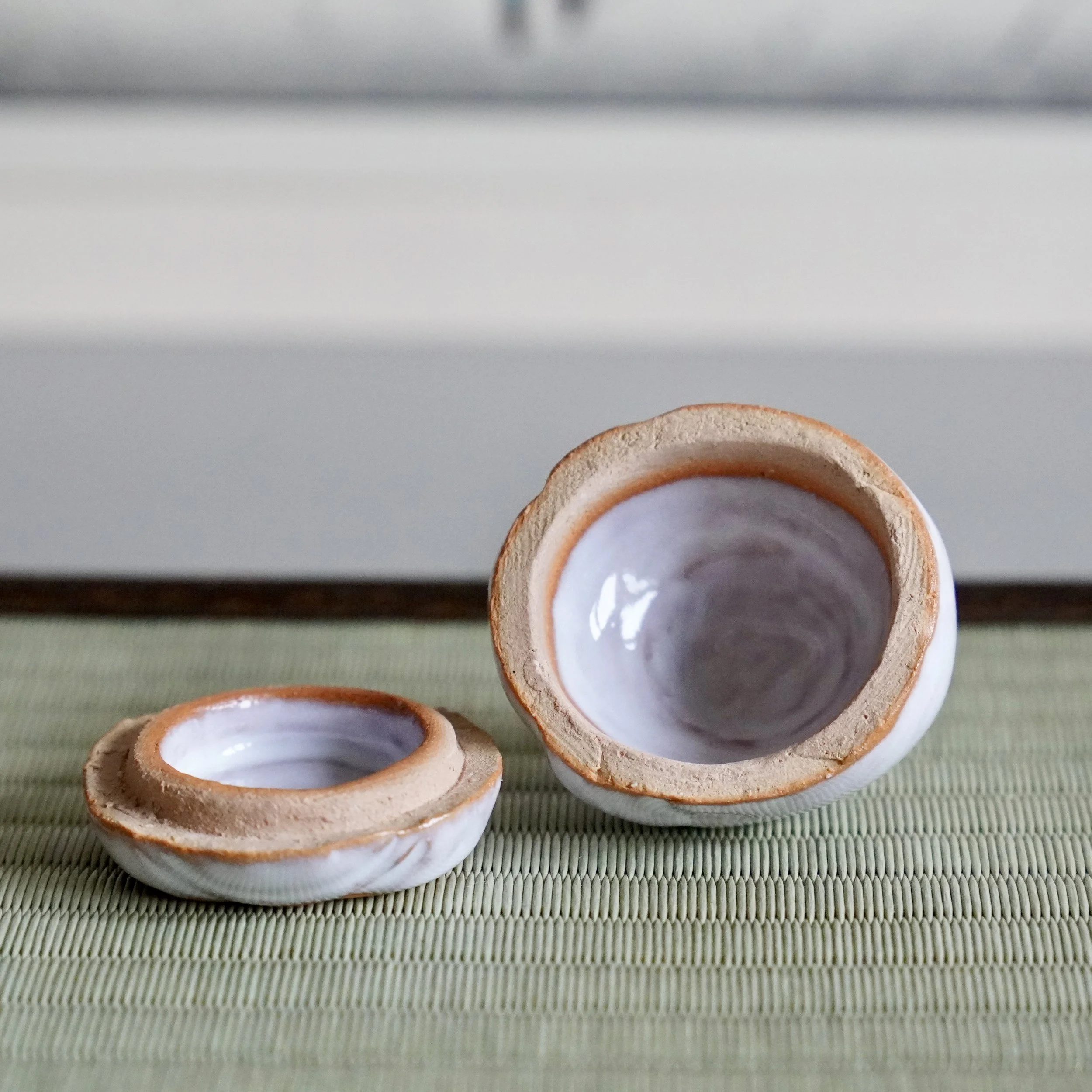 Image 5 of 16
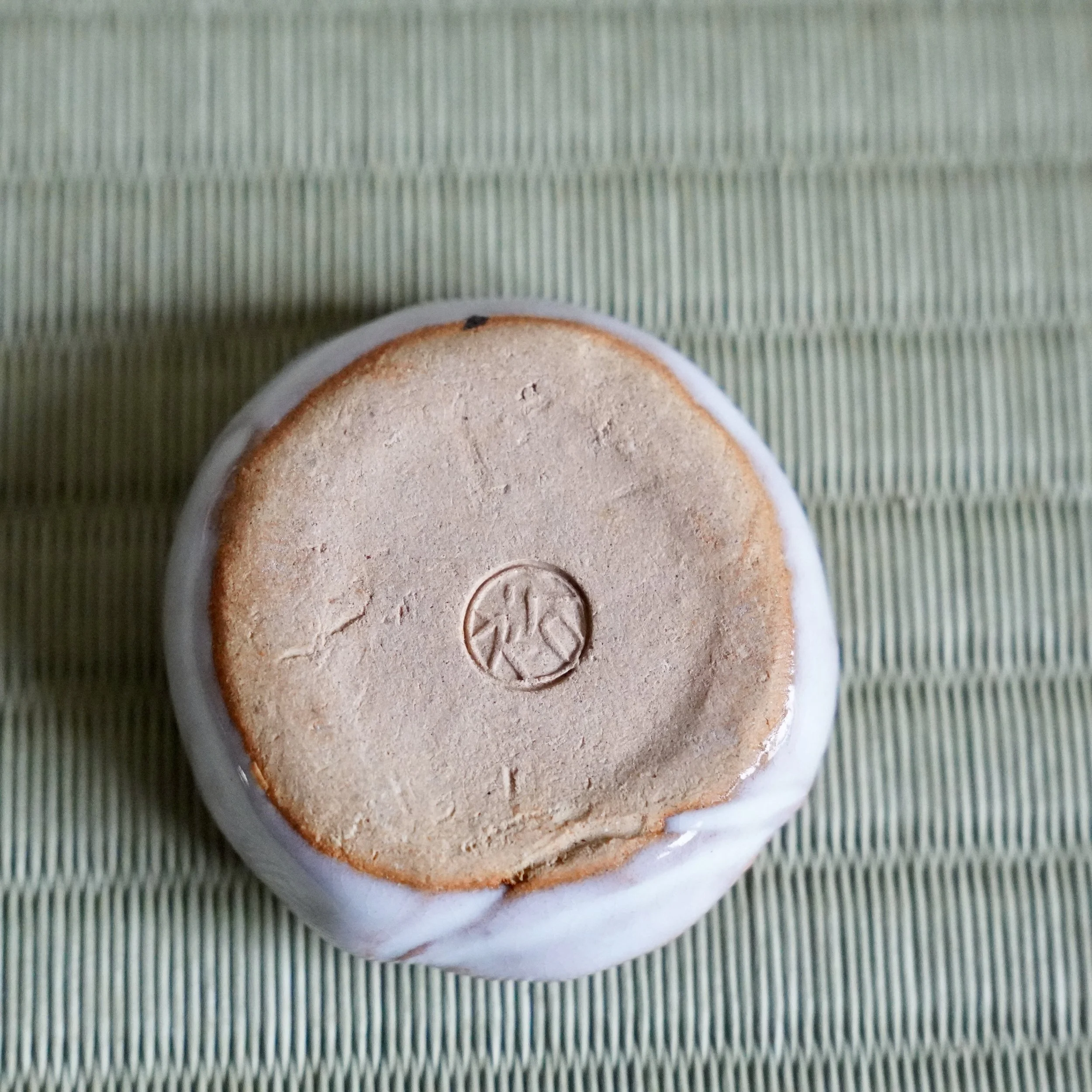 Image 6 of 16
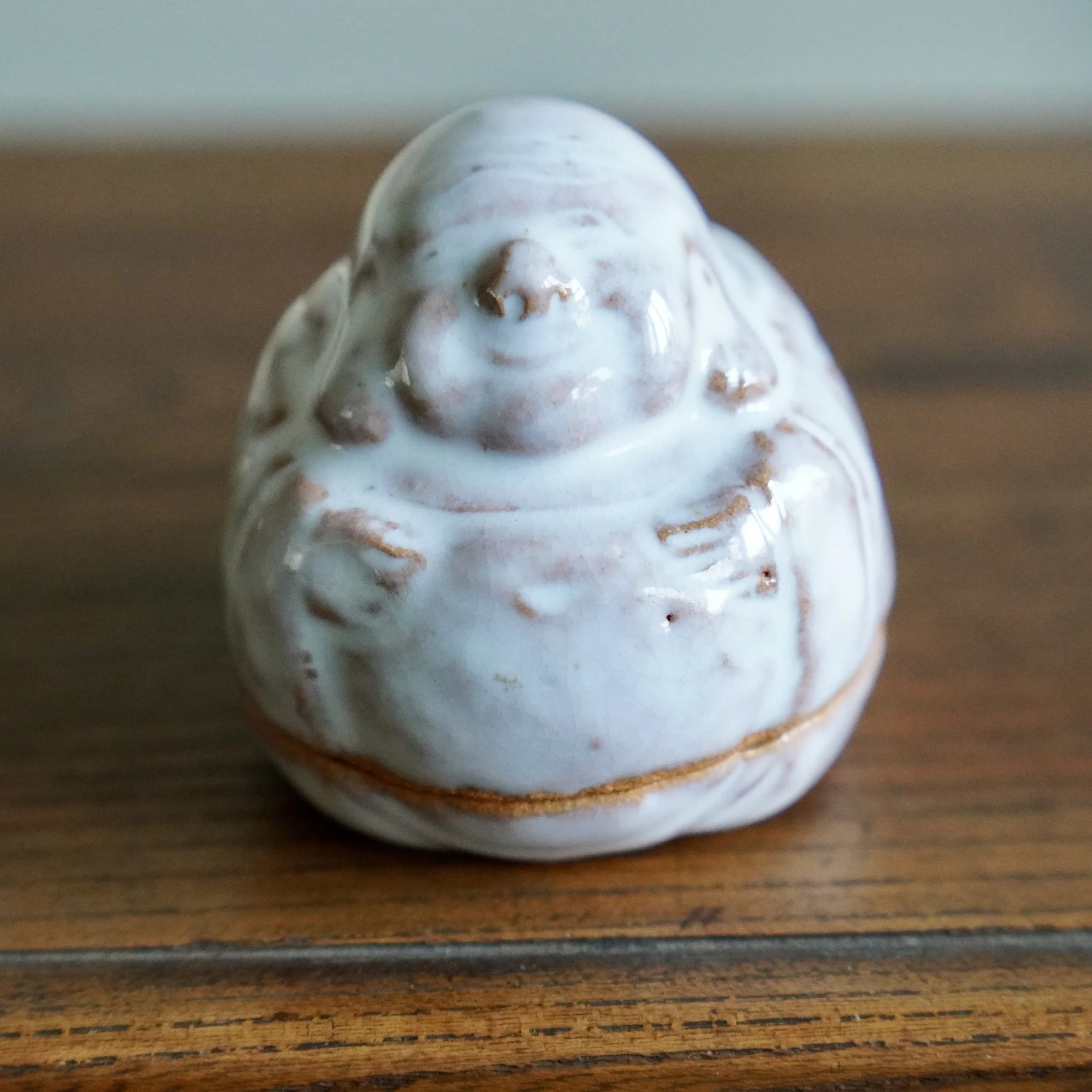 Image 7 of 16
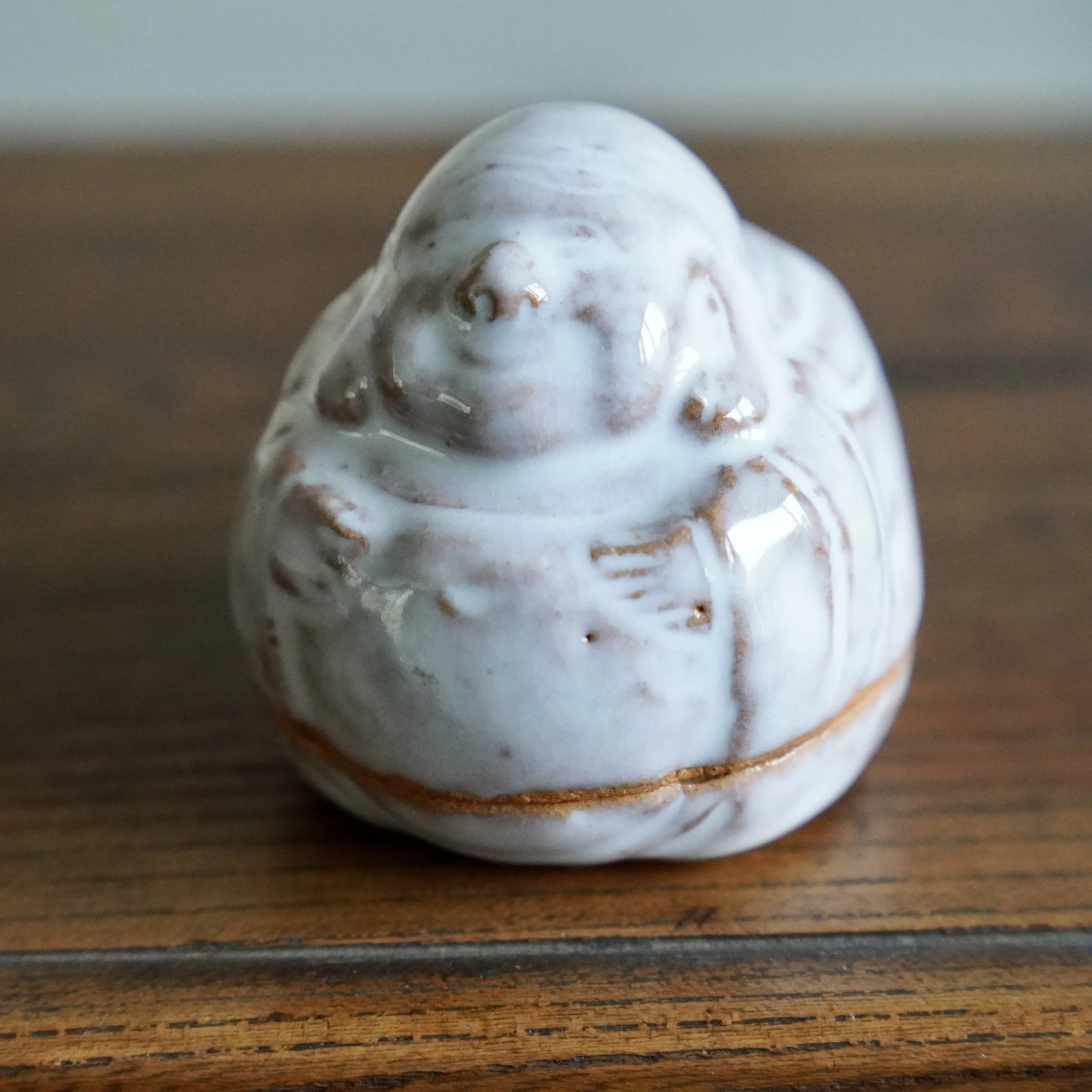 Image 8 of 16
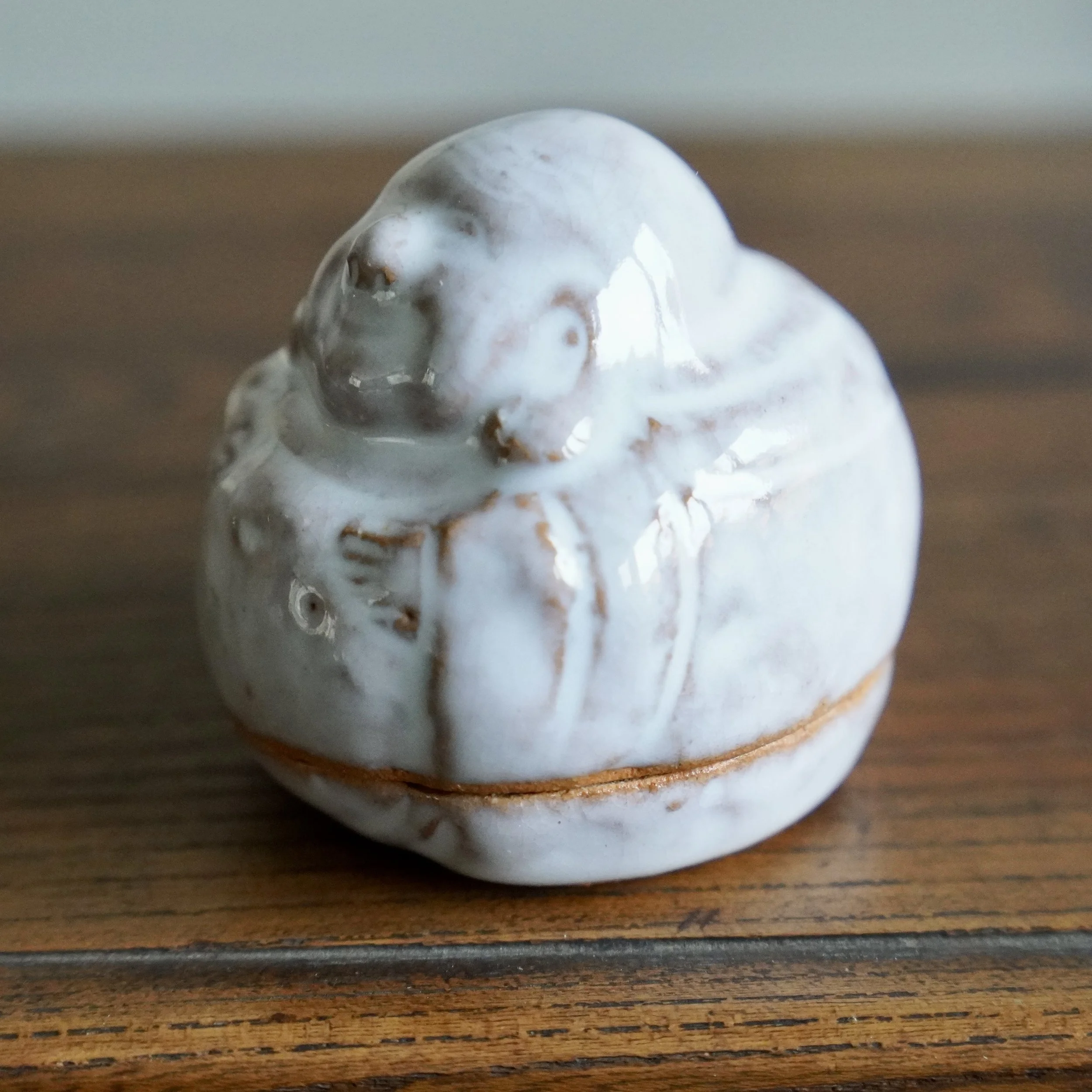 Image 9 of 16
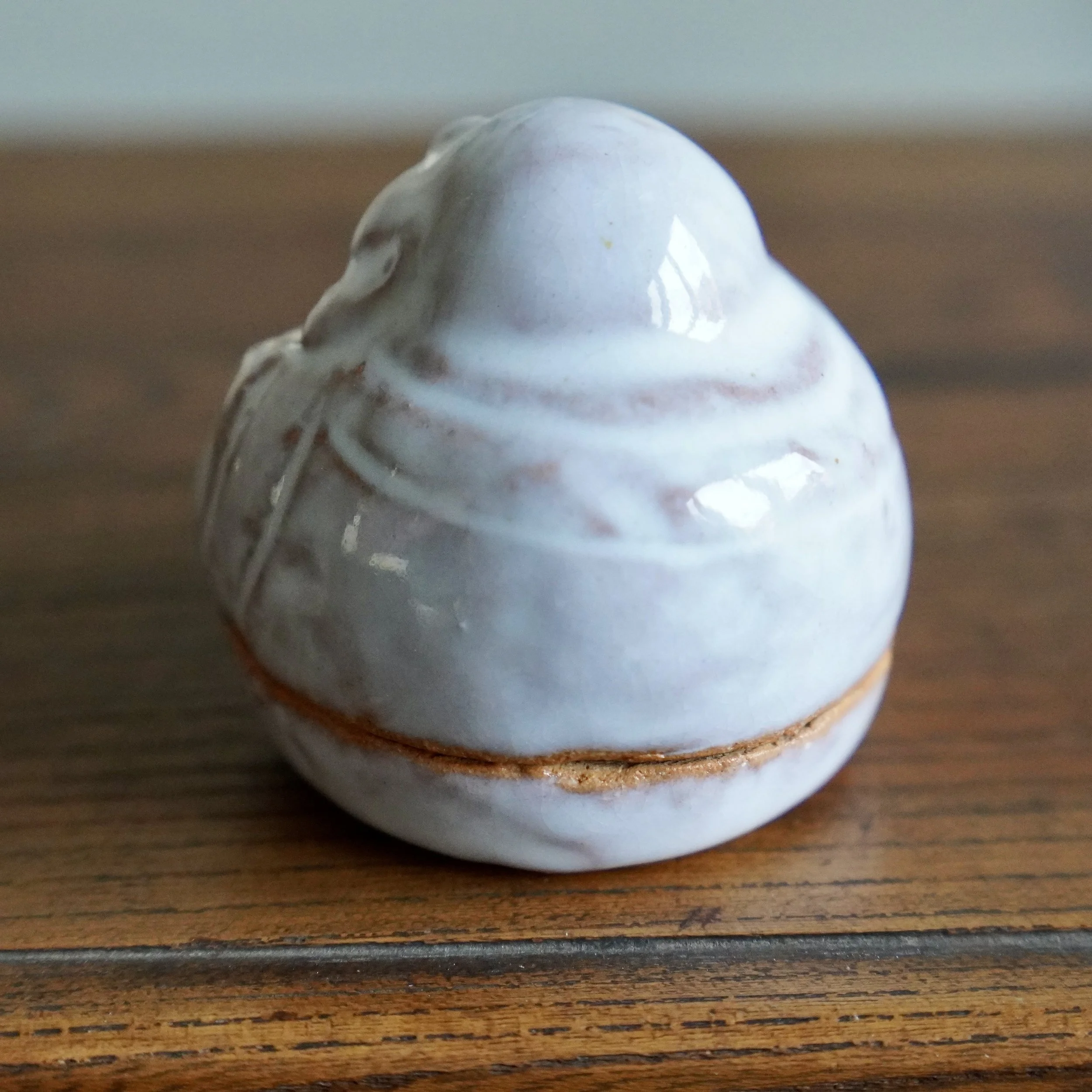 Image 10 of 16
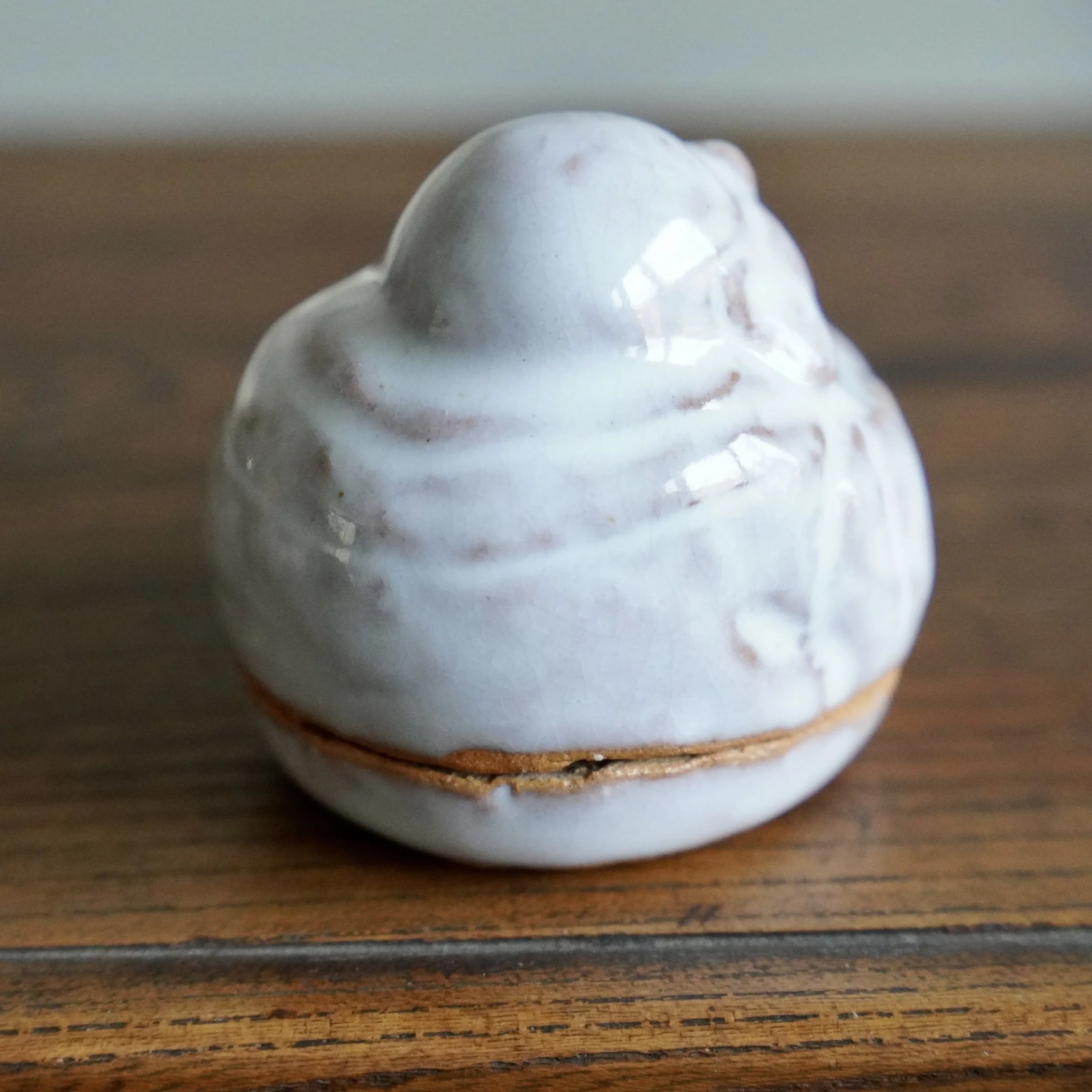 Image 11 of 16
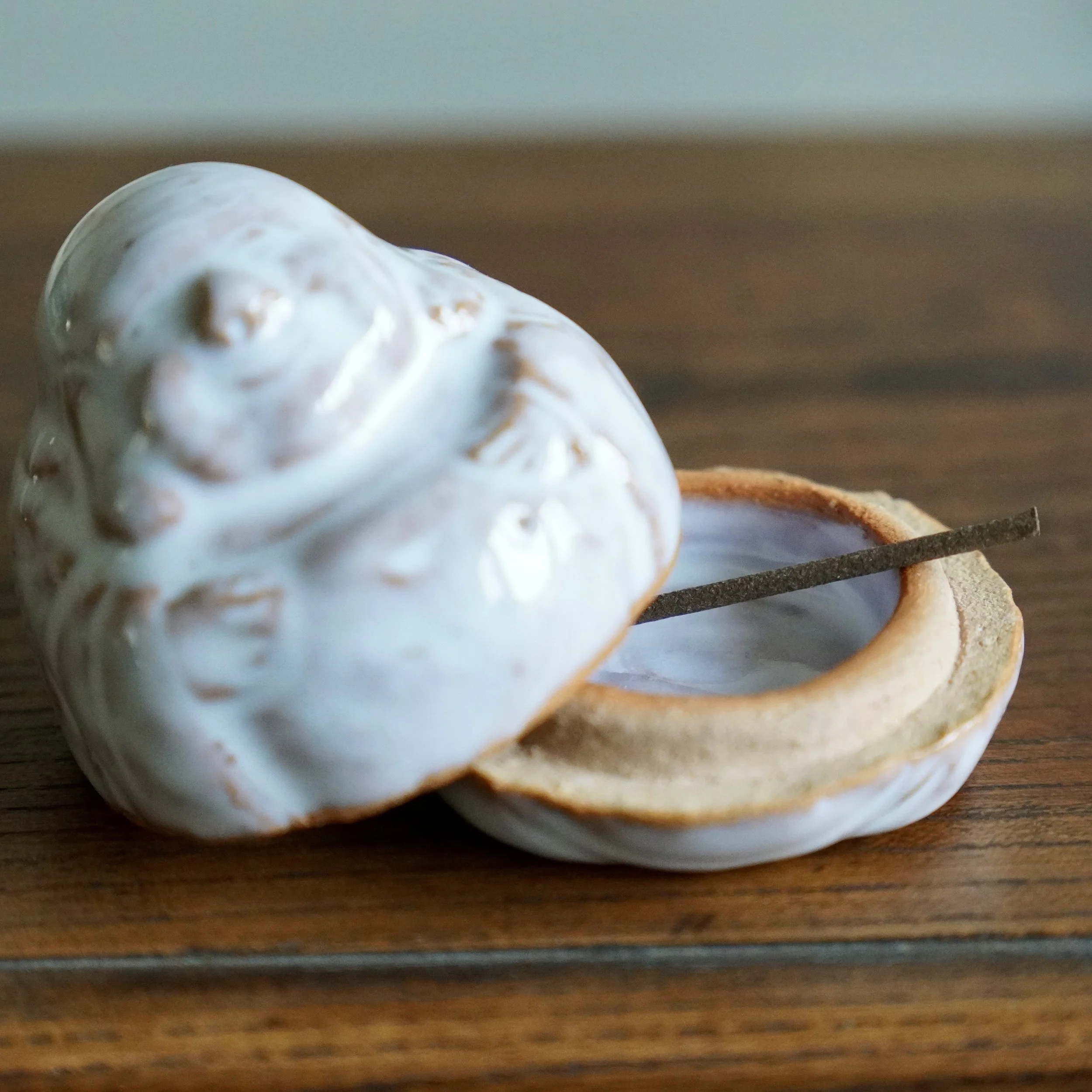 Image 12 of 16
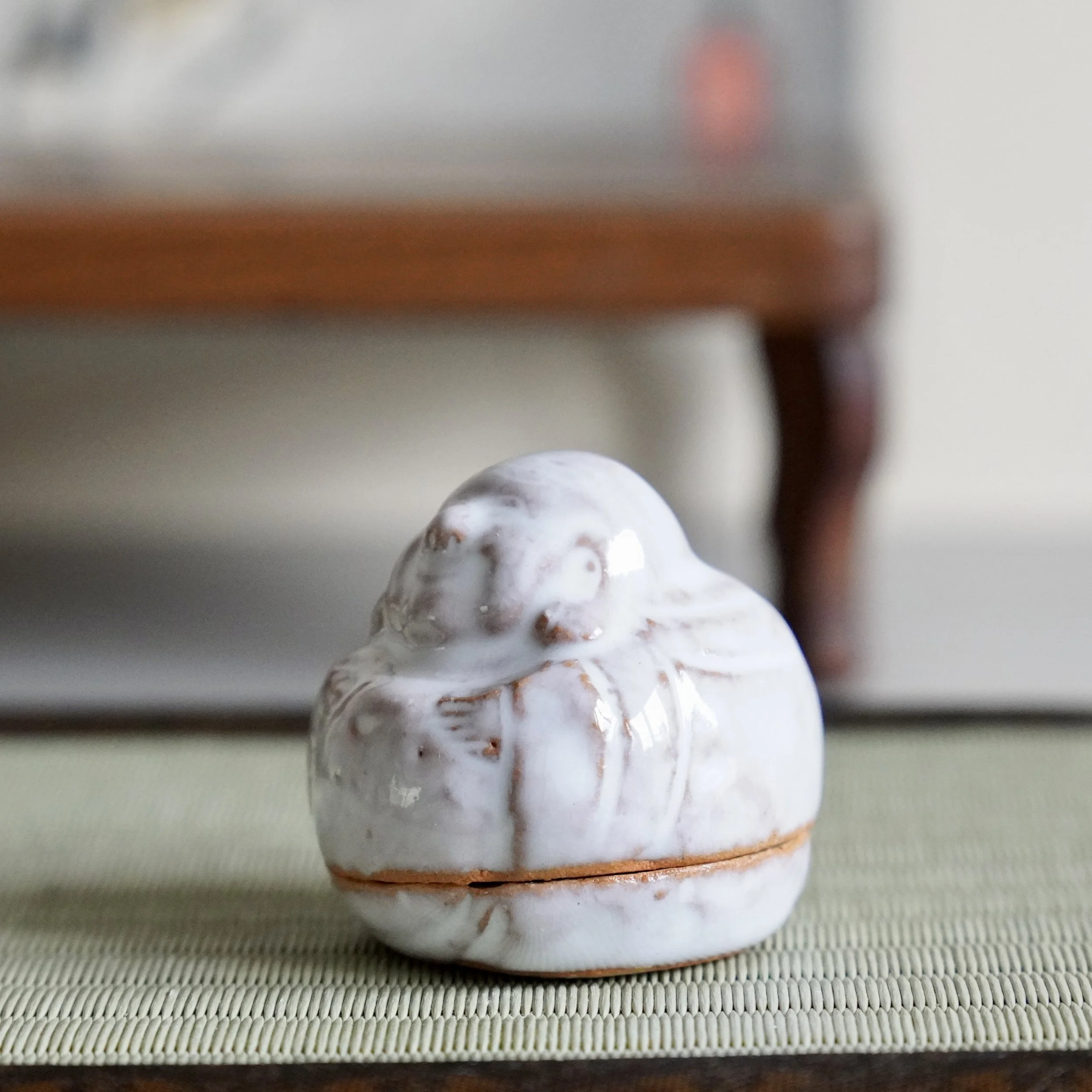 Image 13 of 16
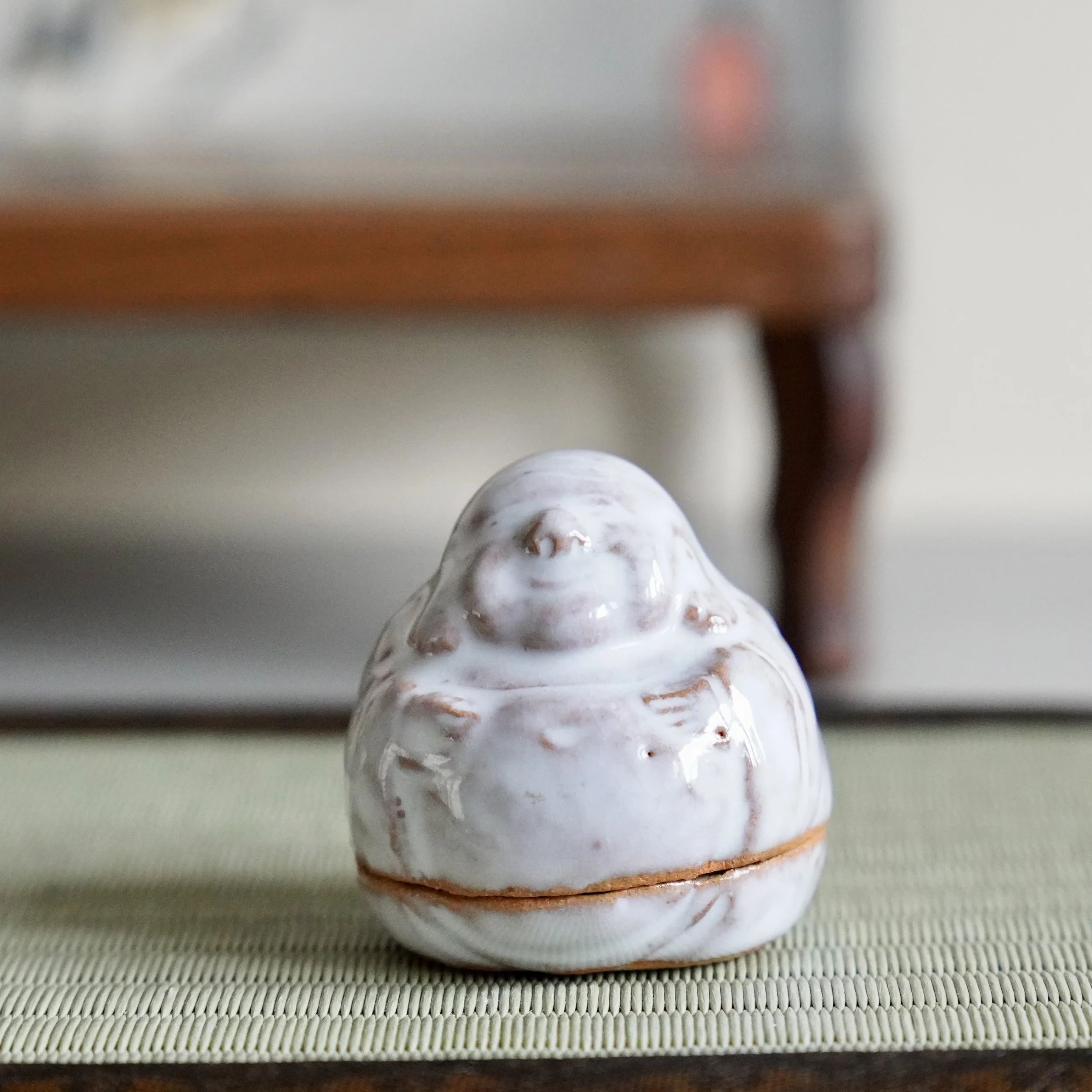 Image 14 of 16
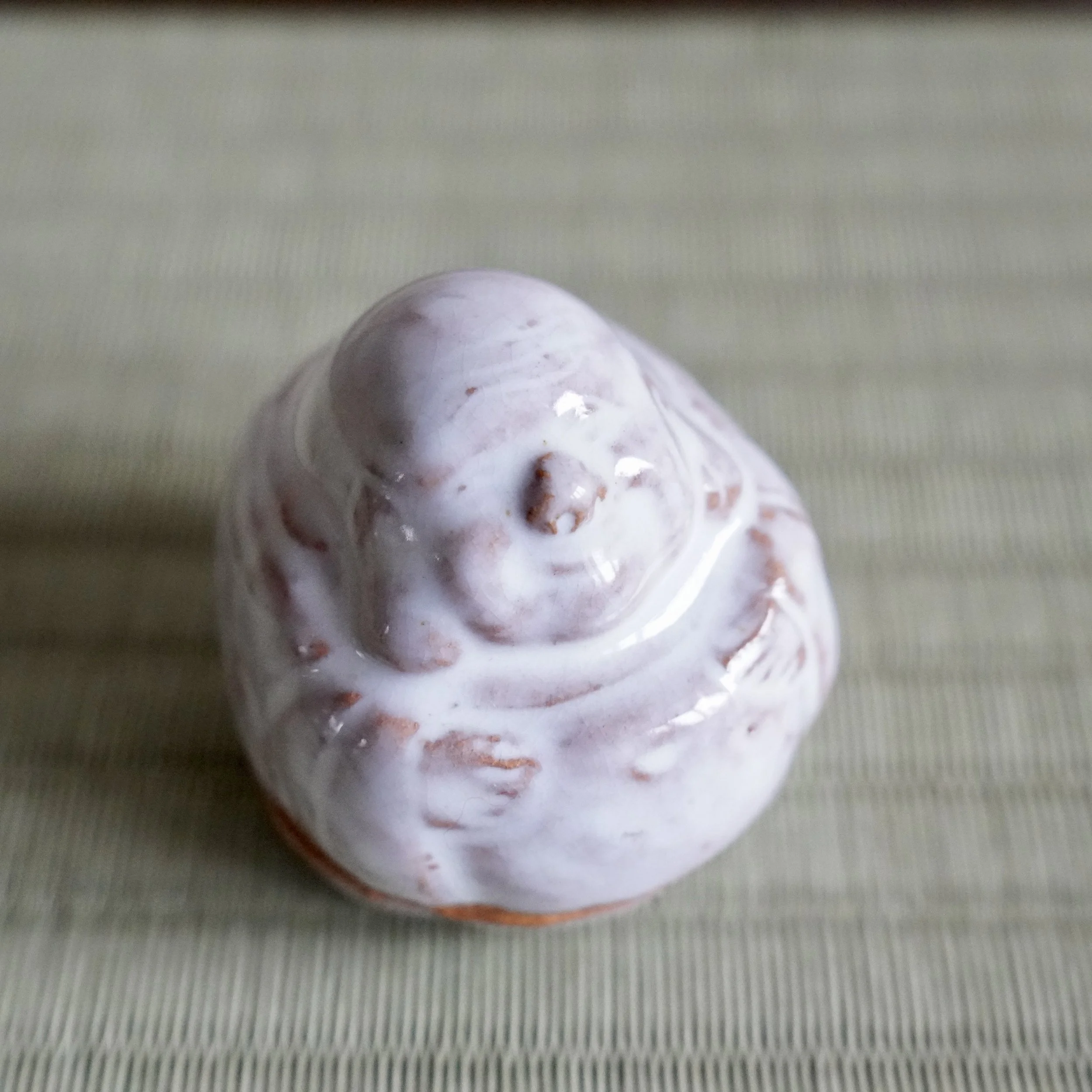 Image 15 of 16
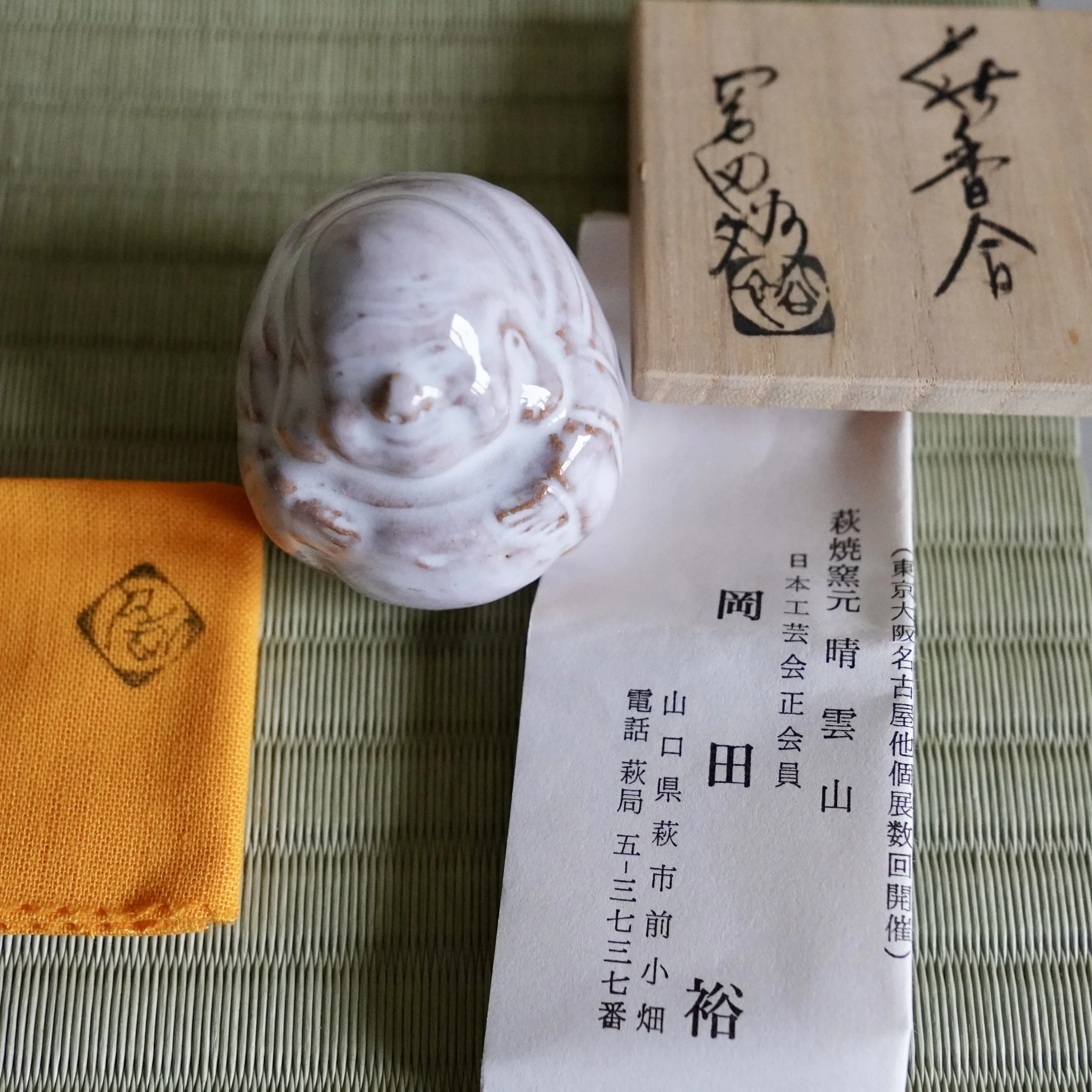 Image 16 of 16
What makes this kogo special
The up close look and feel
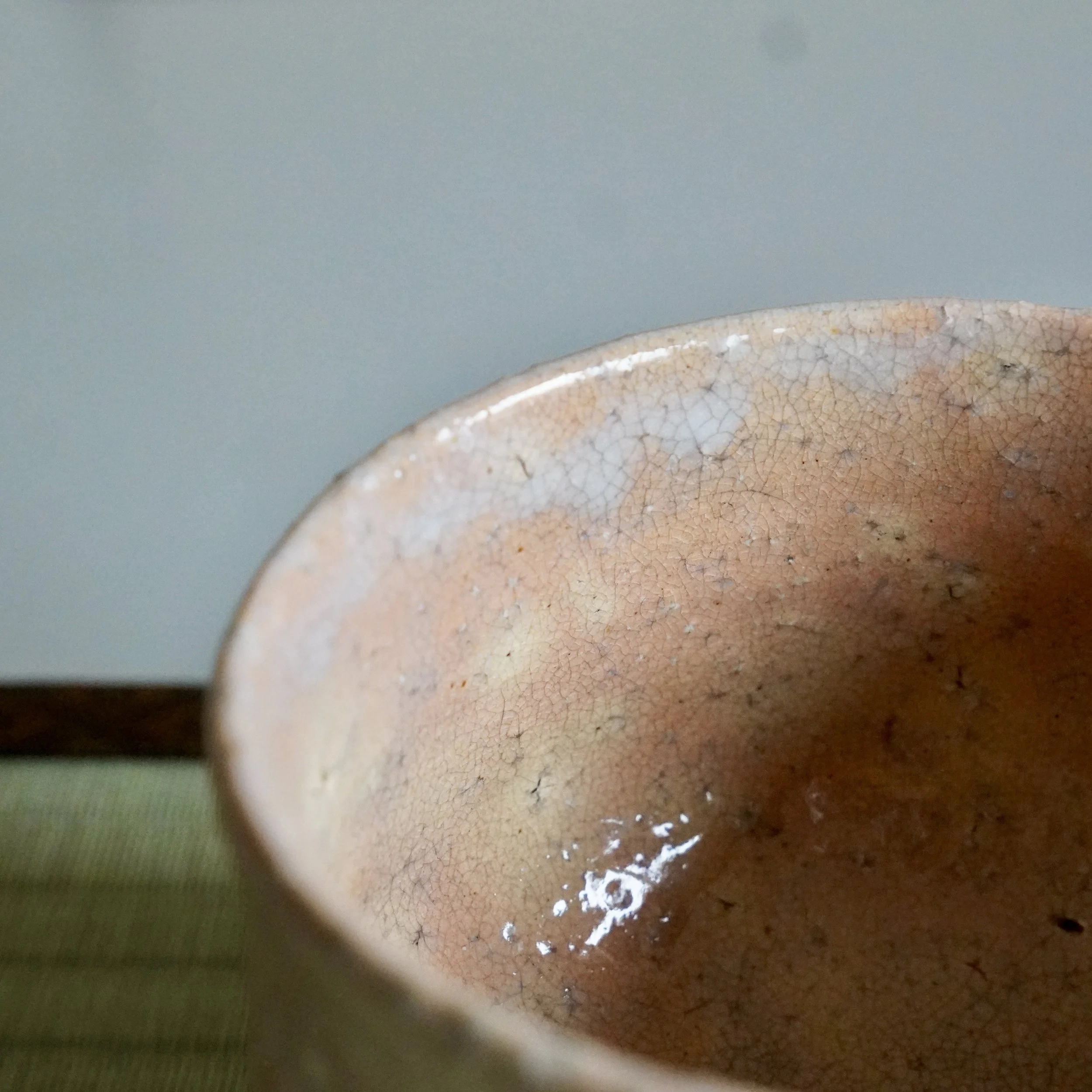
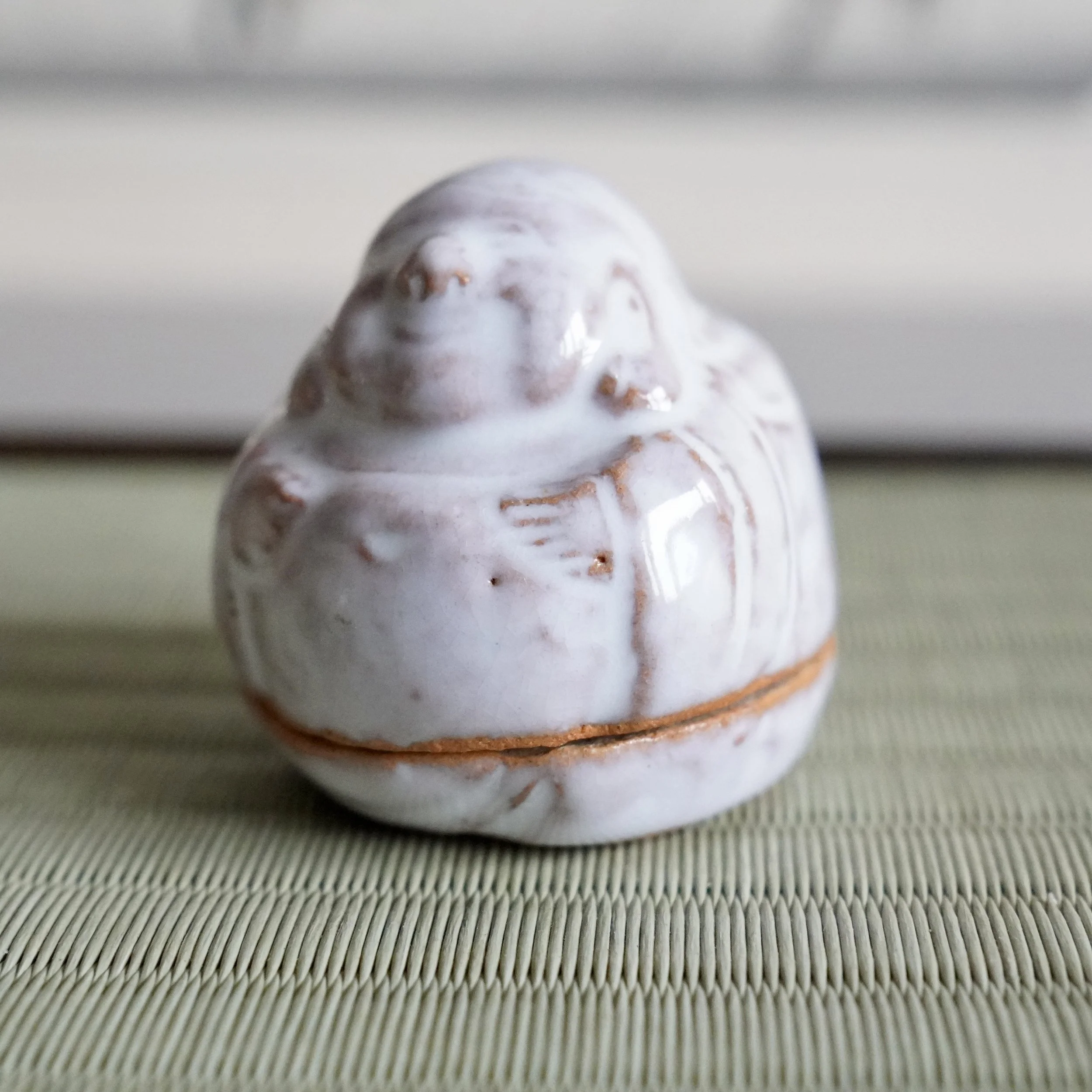
The hagi ware glaze is the first thing you notice. Warm white with a subtle lavender undertone, sitting slightly unevenly over the clay, pooling gently in the folds of Hotei's robe and thinning at the edges where the warm terracotta beneath shows through. The surface has a fine crackle, glossy and alive. Hotei himself is rendered with restraint: the rounded belly, the robe that cannot quite contain him, the expression of complete satisfaction. The figure is small enough to hold in one hand. It fills the palm.
Charming details
In the Japanese tea ceremony, the host chooses the kogo for the guest. The motif is never incidental. Hotei does not stand for luck exactly, but for contentment: the particular quality of a life that has enough. His cloth sack, which he carries everywhere, holds everything he needs and nothing he does not. Placing this kogo before you sit is a small, deliberate act. That is what it was made for.
Care
Hagi clay is porous. After use, rinse with warm water only, no soap. Allow to dry completely before returning to the box. Over time, incense will settle into the crackle lines and the glaze will slowly deepen in color. That is not wear. That is the point.
-
This kogo is made by Okada Yutaka (岡田裕), eighth-generation master of the Okada kiln (岡田窯).
He holds the Yamaguchi Prefecture designation for Intangible Cultural Property in Hagi-yaki (山口県指定無形文化財萩焼保持者), serves on the board of the Japan Craft Association (日本工芸会理事), and received the Order of the Rising Sun in 2017 (旭日双光章).
His works are held by the Tokyo National Museum of Modern Art, the Honolulu Museum of Art, and the Japanese Ministry of Foreign Affairs.
In 1999, a work was purchased by the Imperial Household (宮内庁御買上げ).
He represented Hagi as lead maker at the Hagi Yaki 400th anniversary exhibition at the Institut de la Culture Japonaise in Paris.
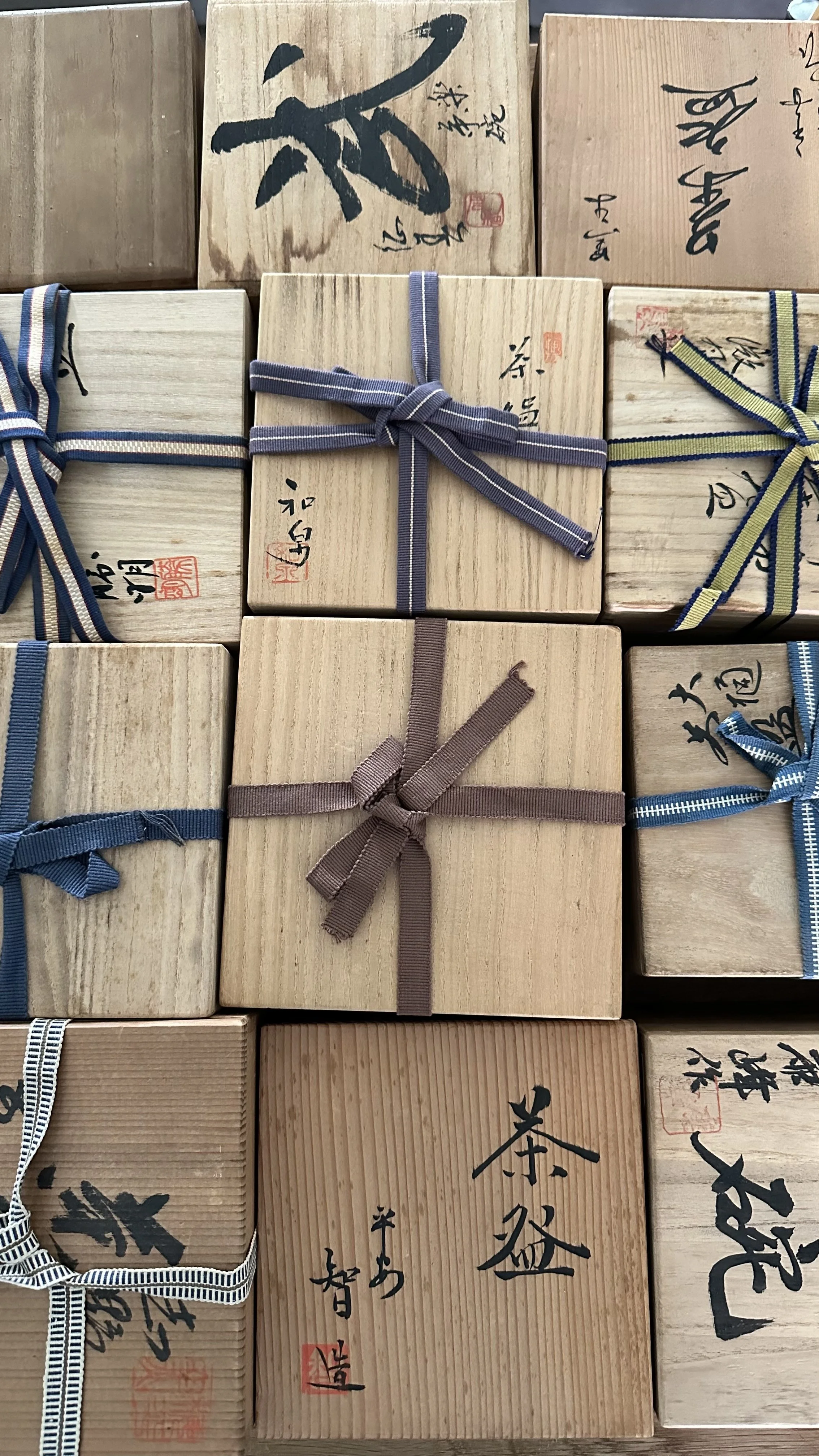
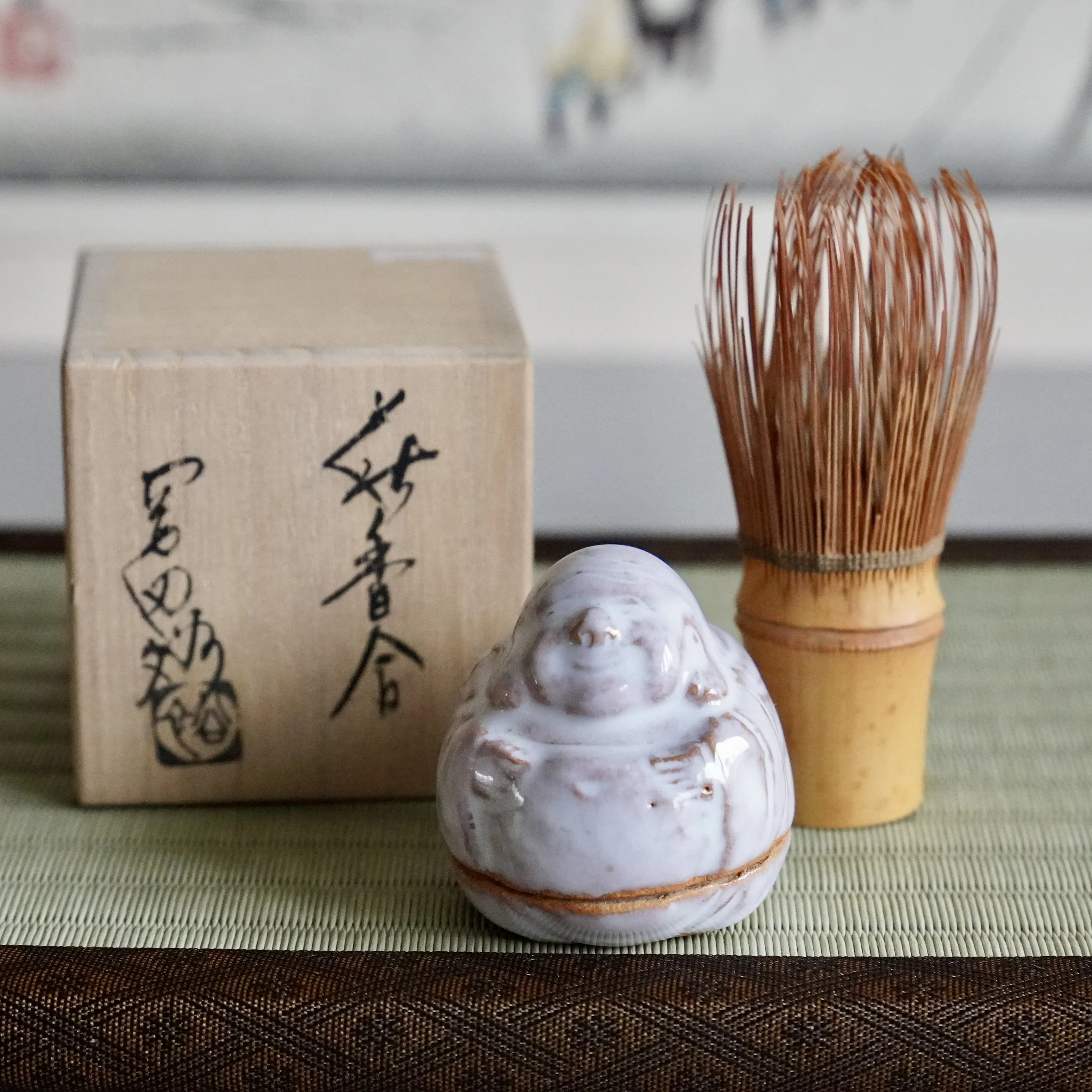
He signed the base and the tomobako himself.
-
It’s made in the Seiun-zan kiln (晴雲山窯), the kiln of the Okada family dynasty, Hagi, Yamaguchi Prefecture.
Showa period, ca. 1970s to 1980s.
-
Weight: 119 gram
Dimensions: ca. 5.5 cm high and 5.5 cm deep
-
Excellent vintage condition, no chips, cracks or repairs.
-
Original signed wooden tomobako with maker's seal.
The original paper shiori documentation with title and kiln details.
The original cloth for wrapping it inside the box with maker’s mark.
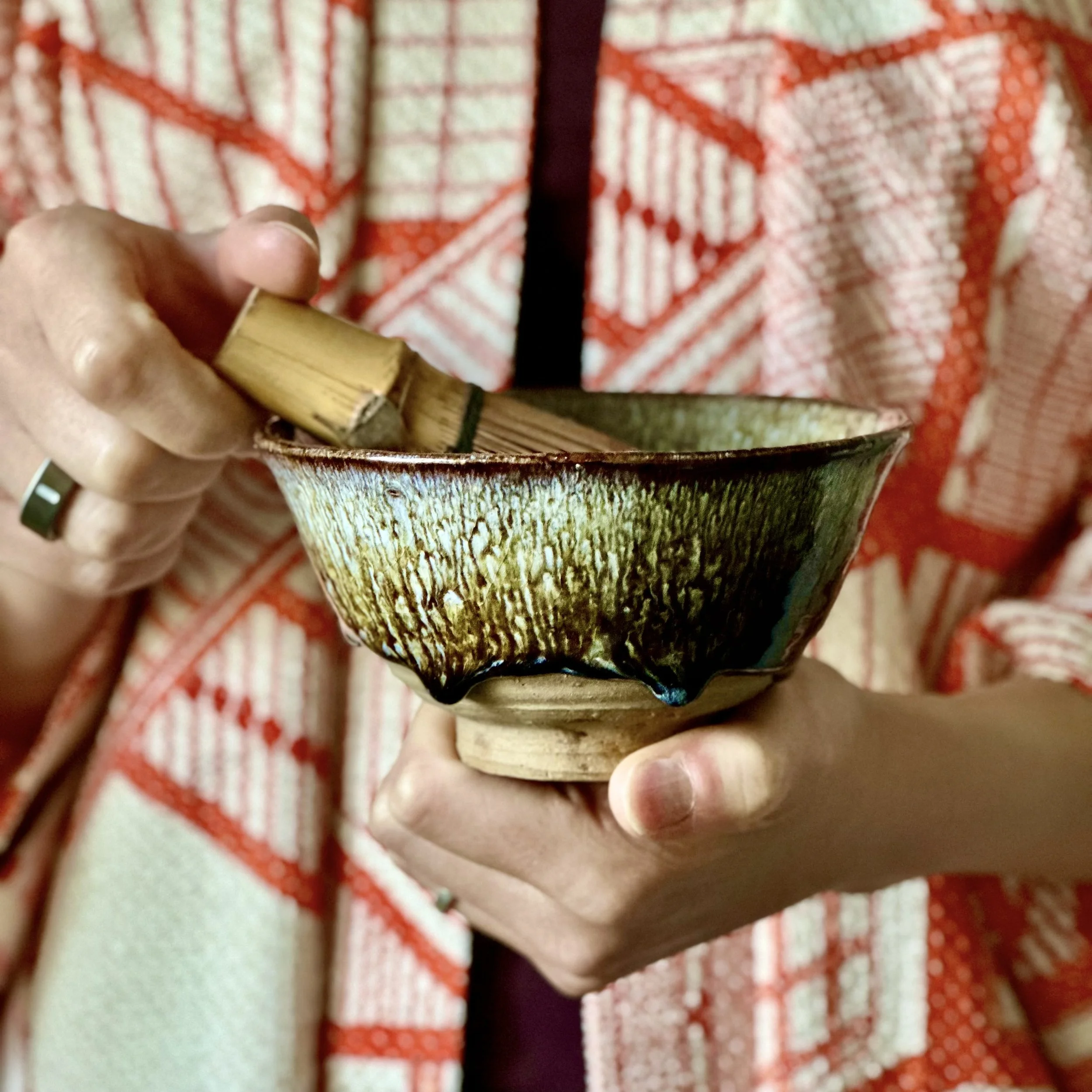
*Decorative items such as the whisk are for styling
and scale purposes only and not included in the sale
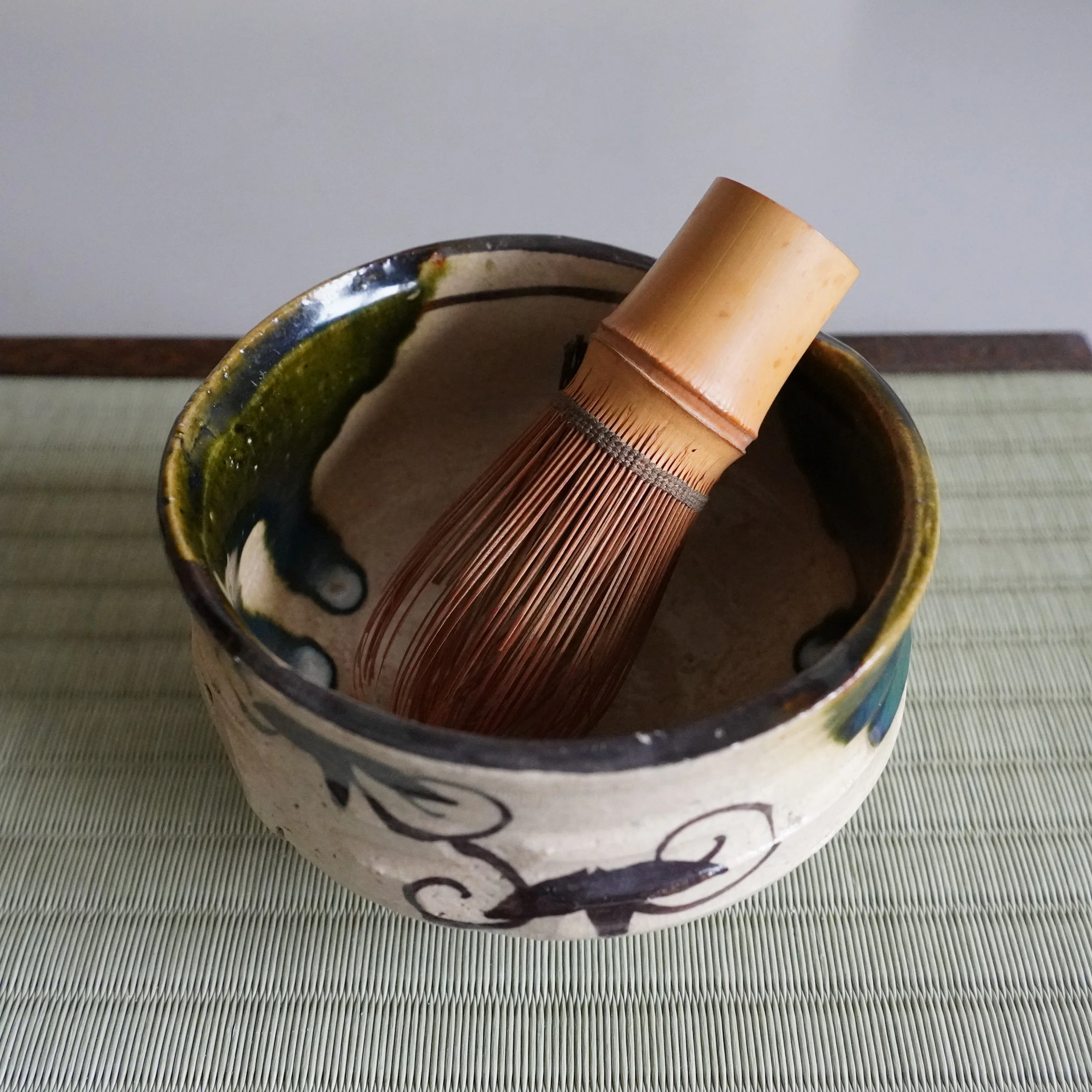
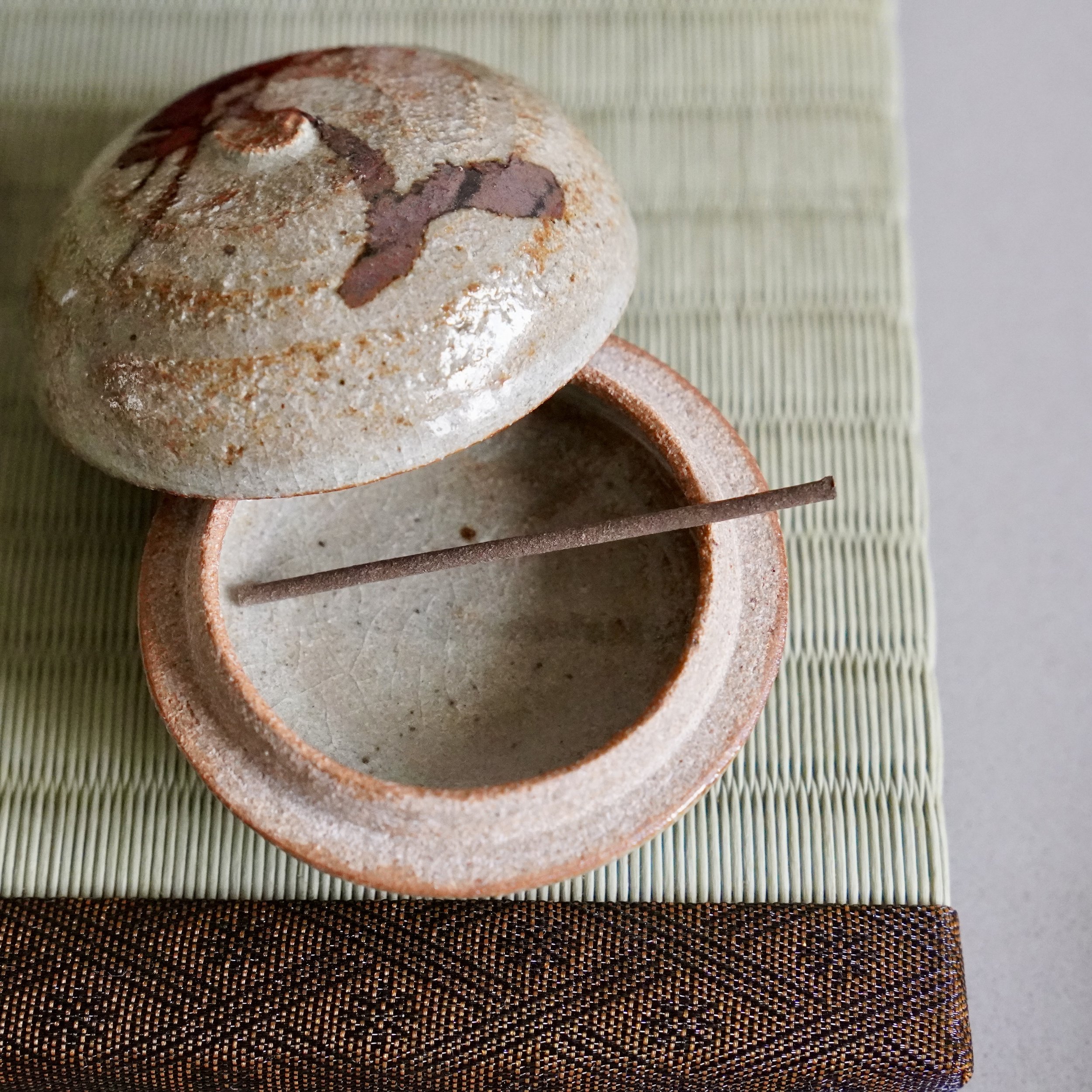
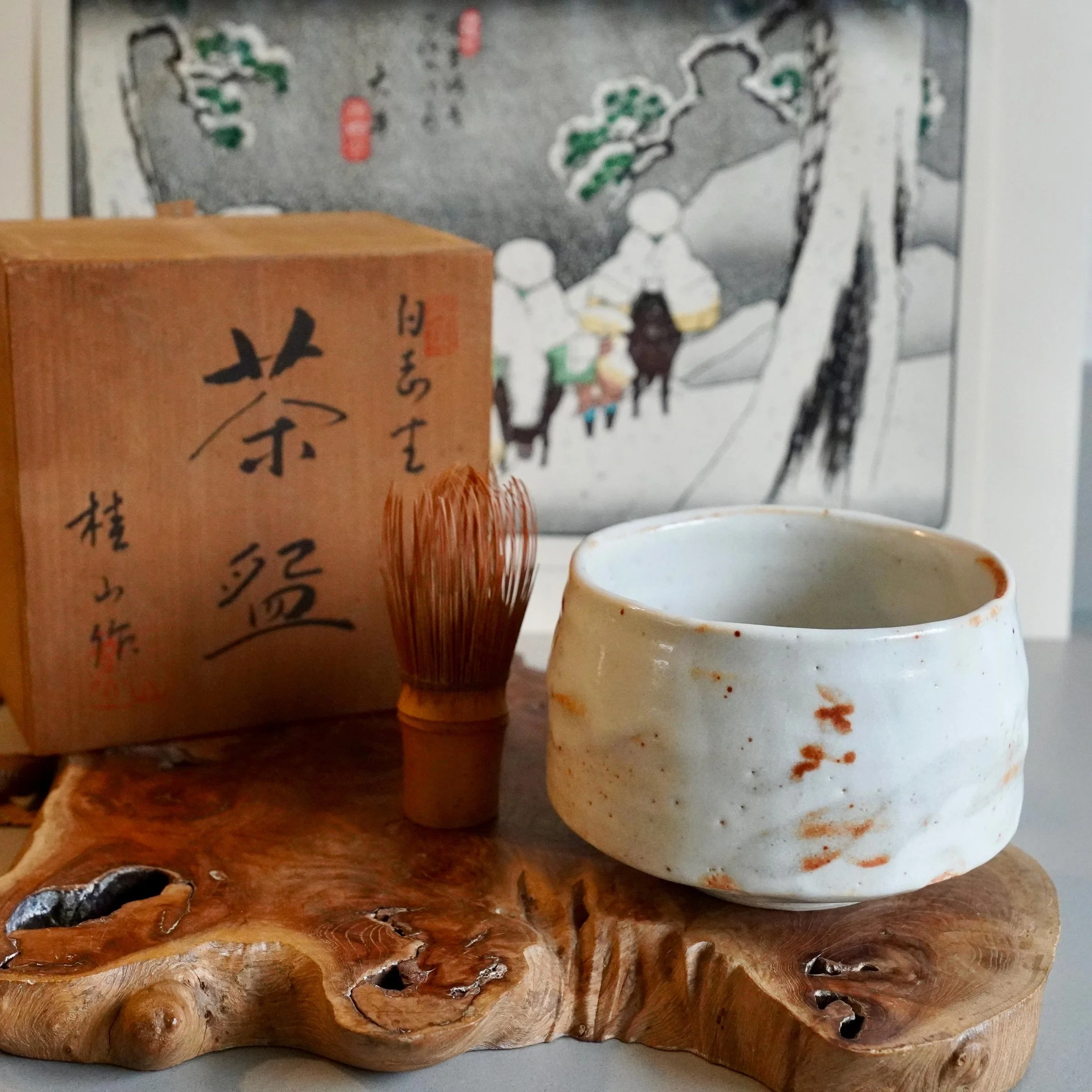
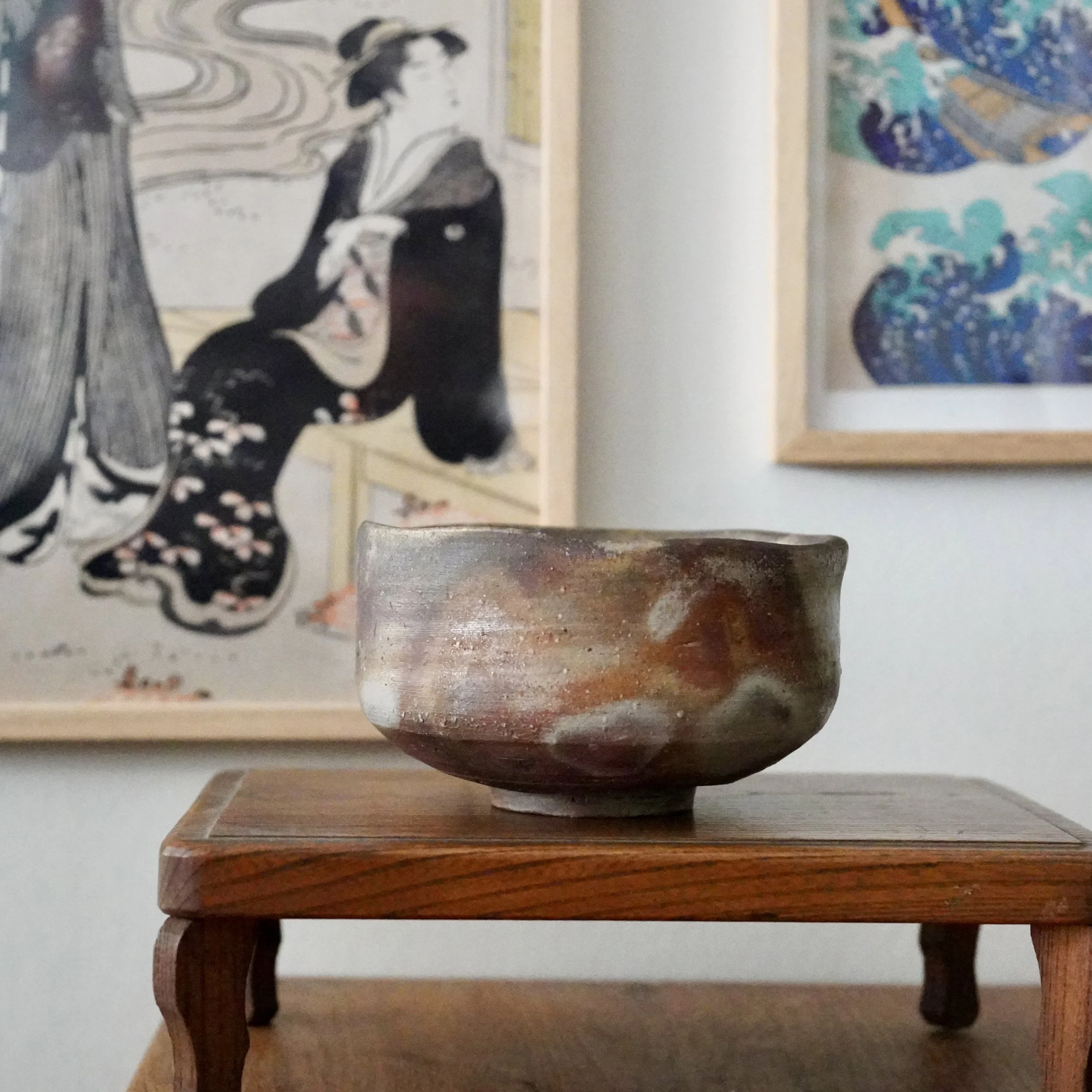
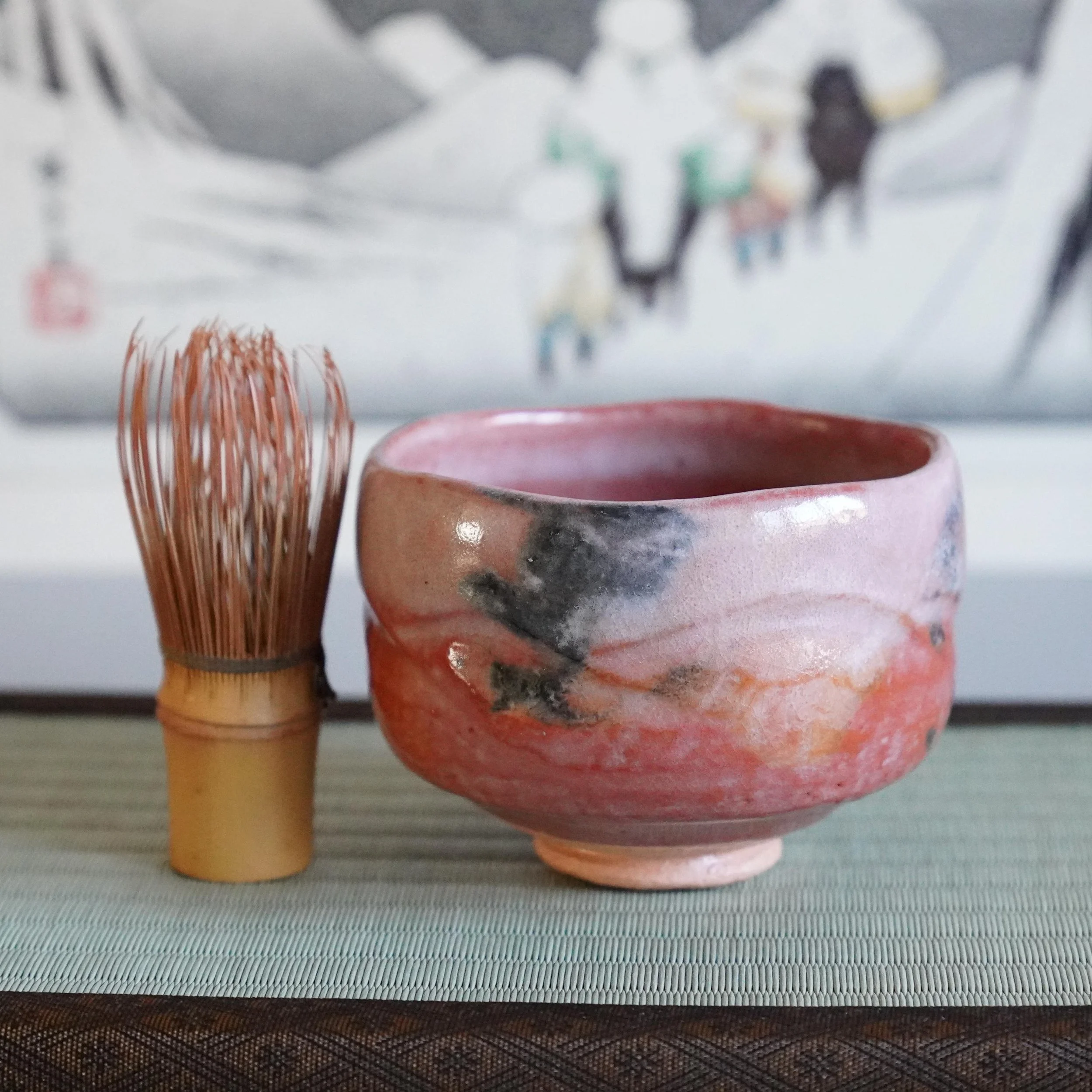
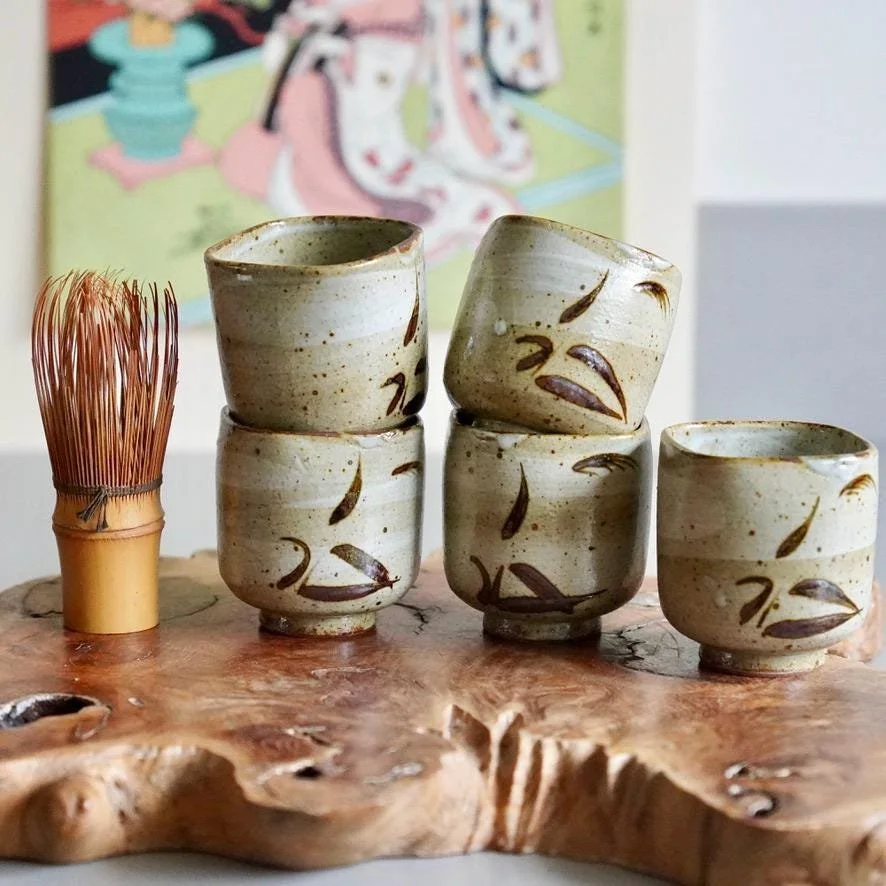
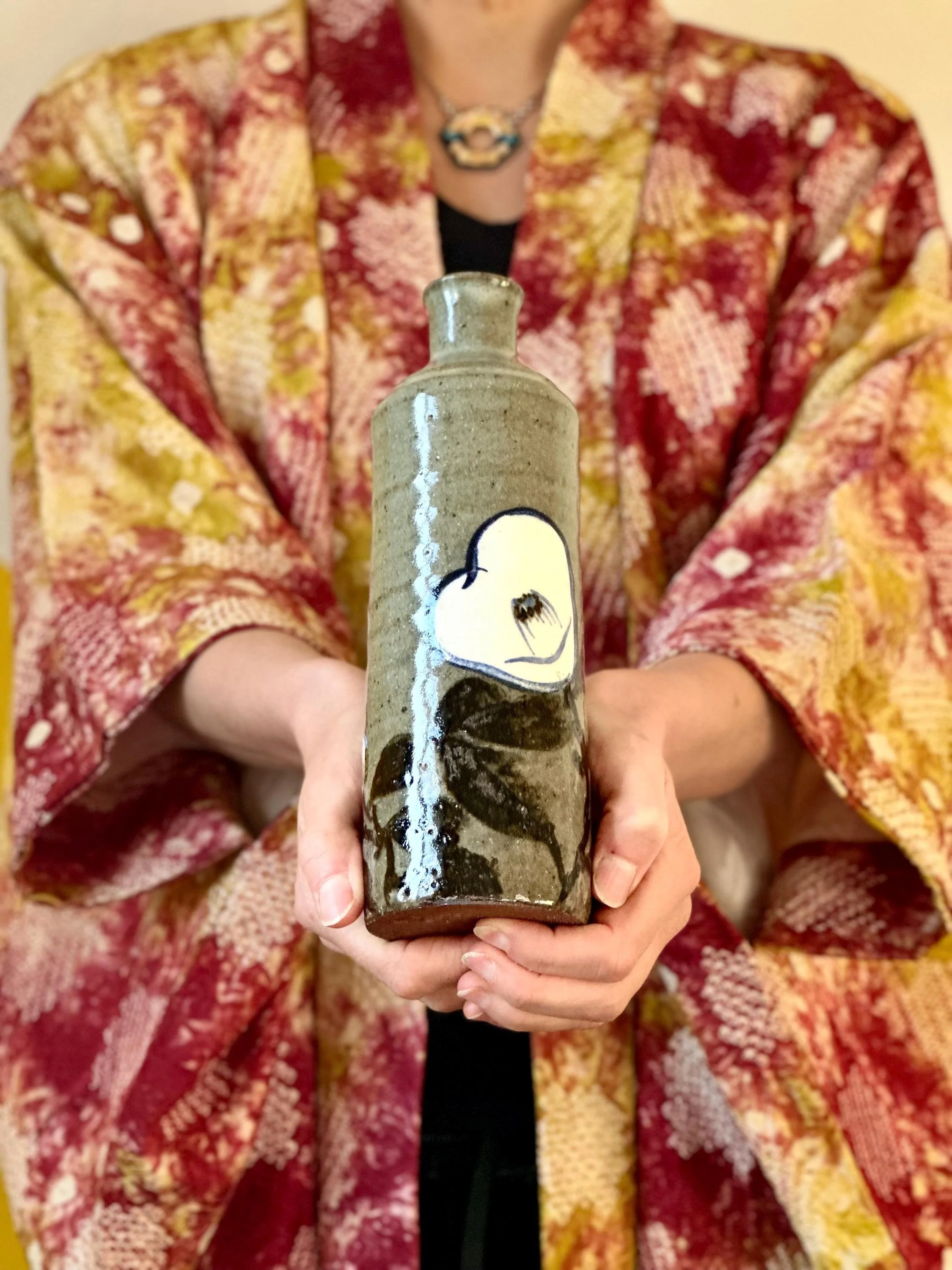
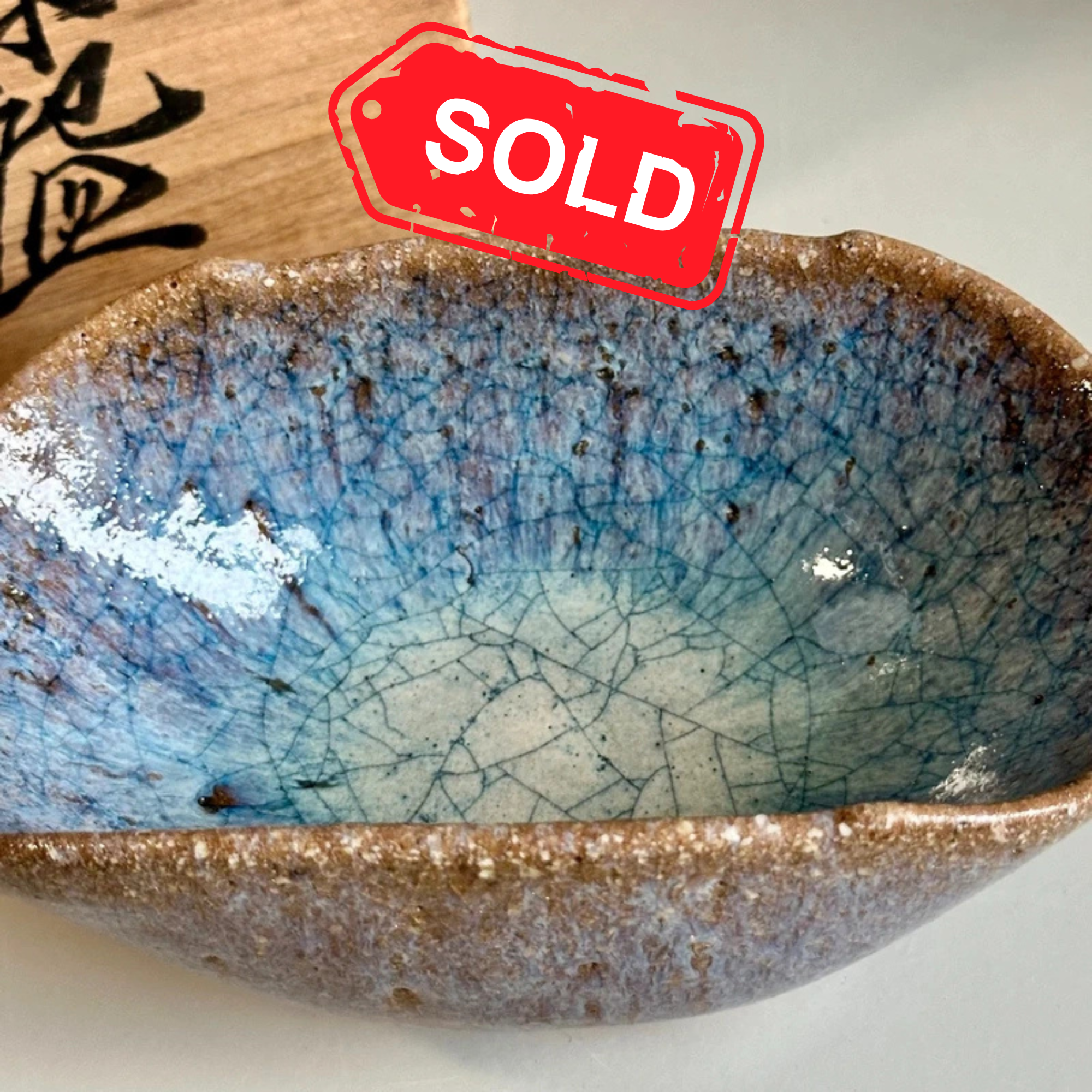
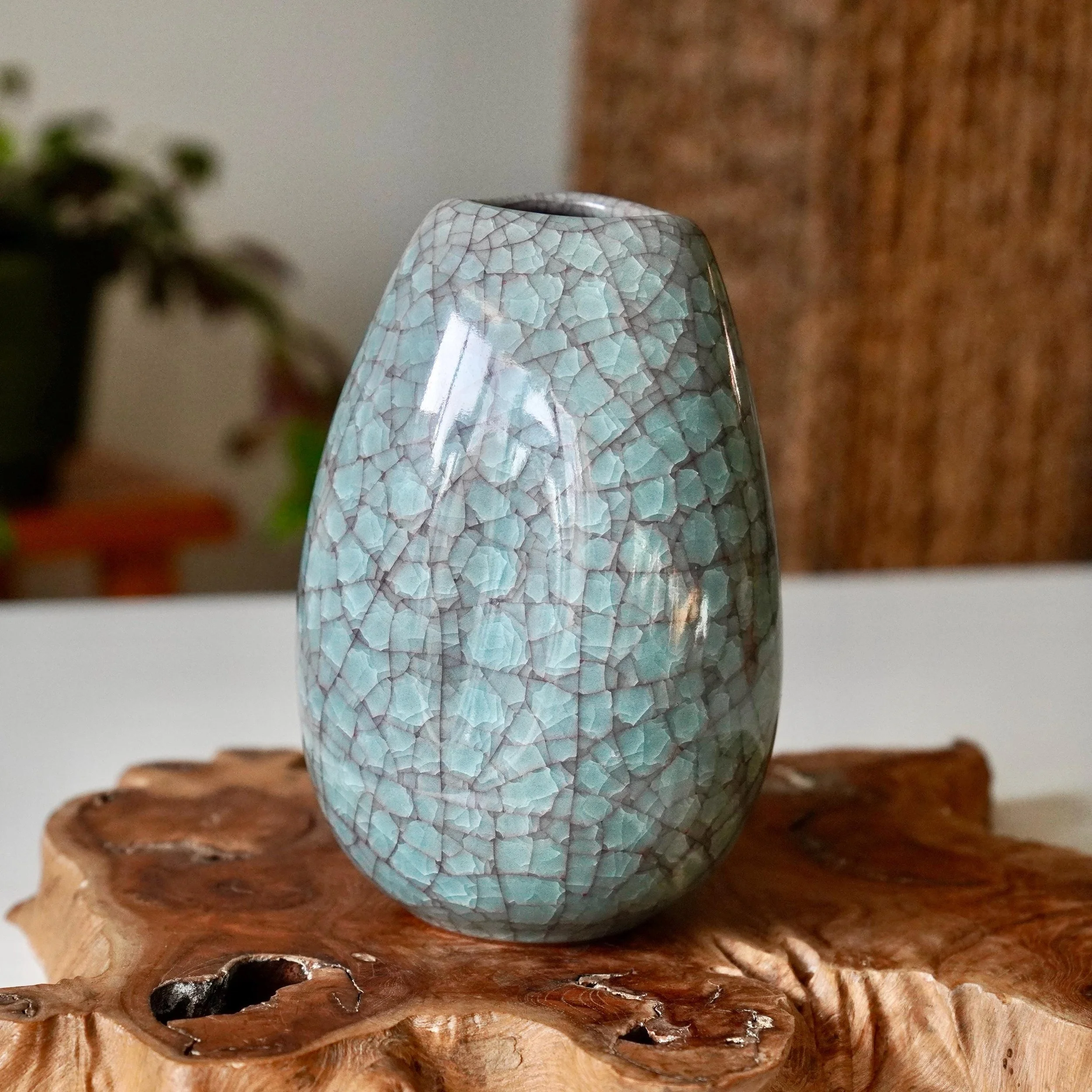
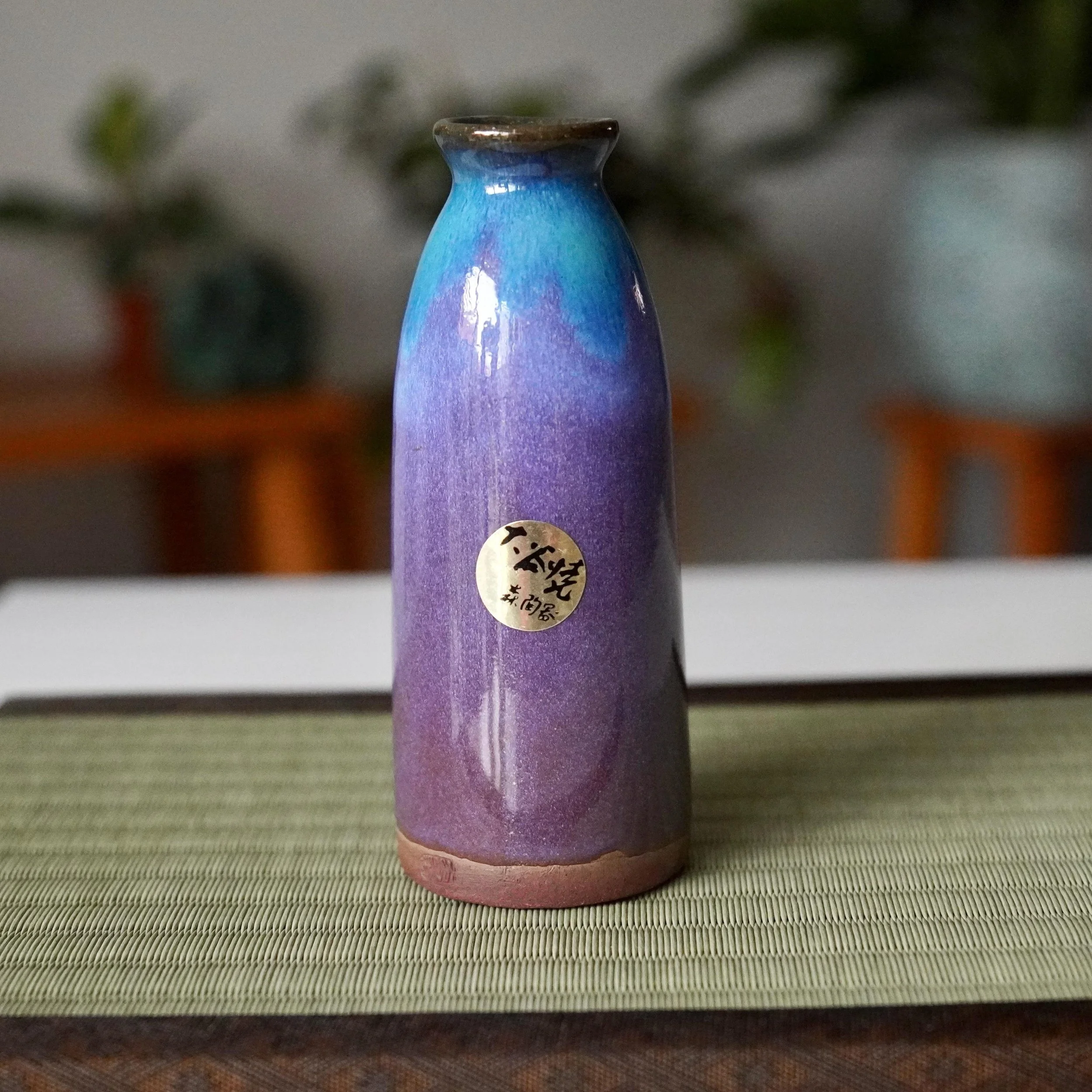
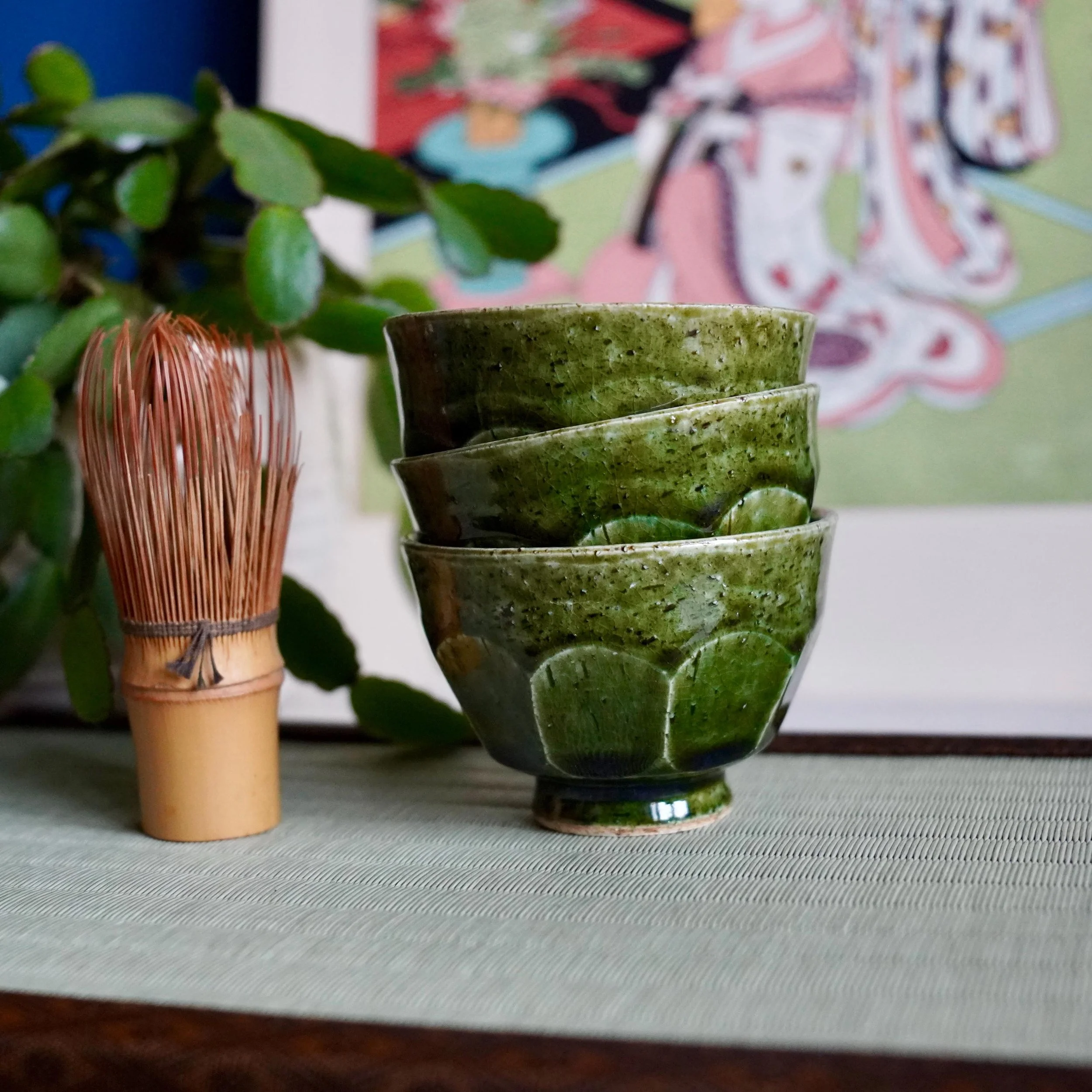
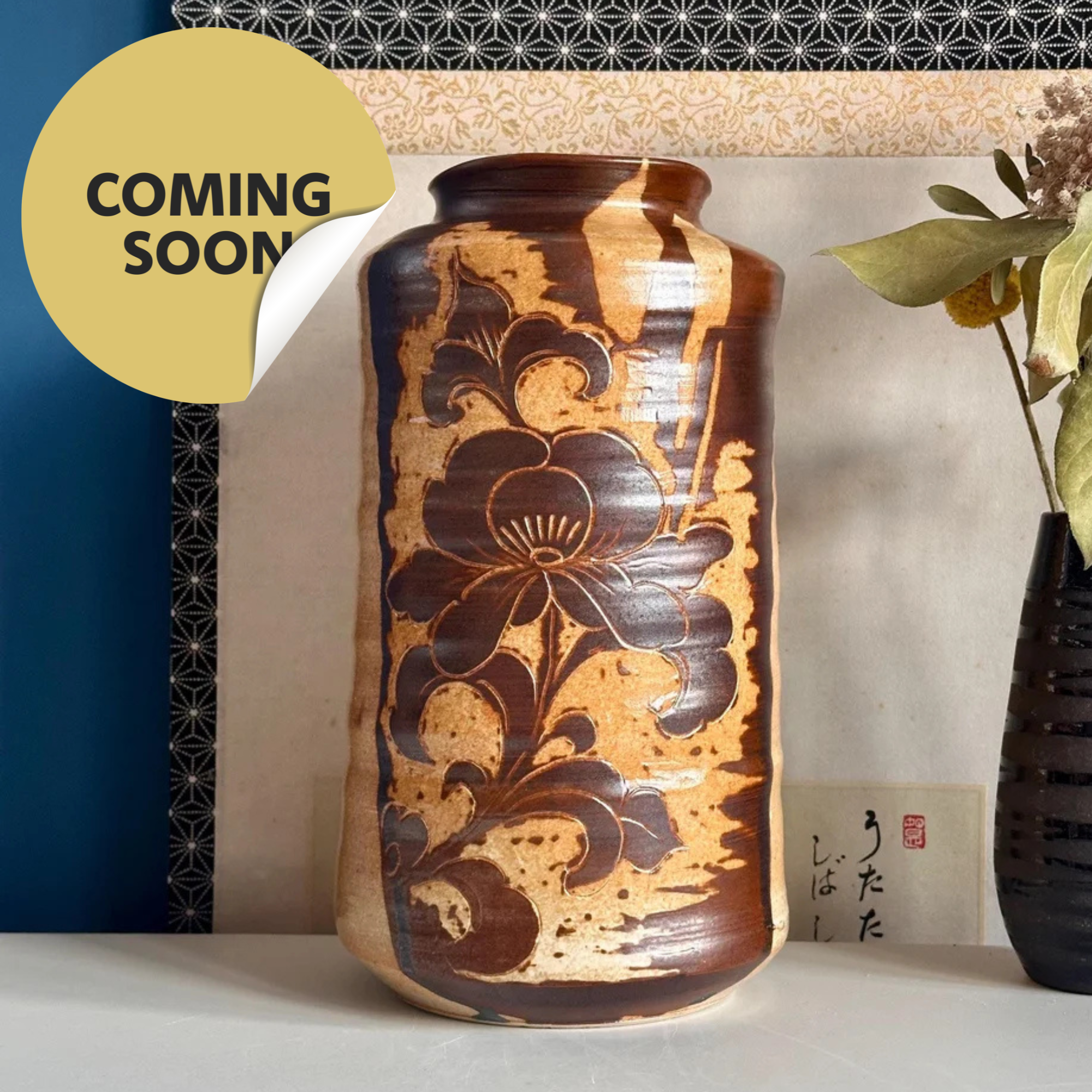
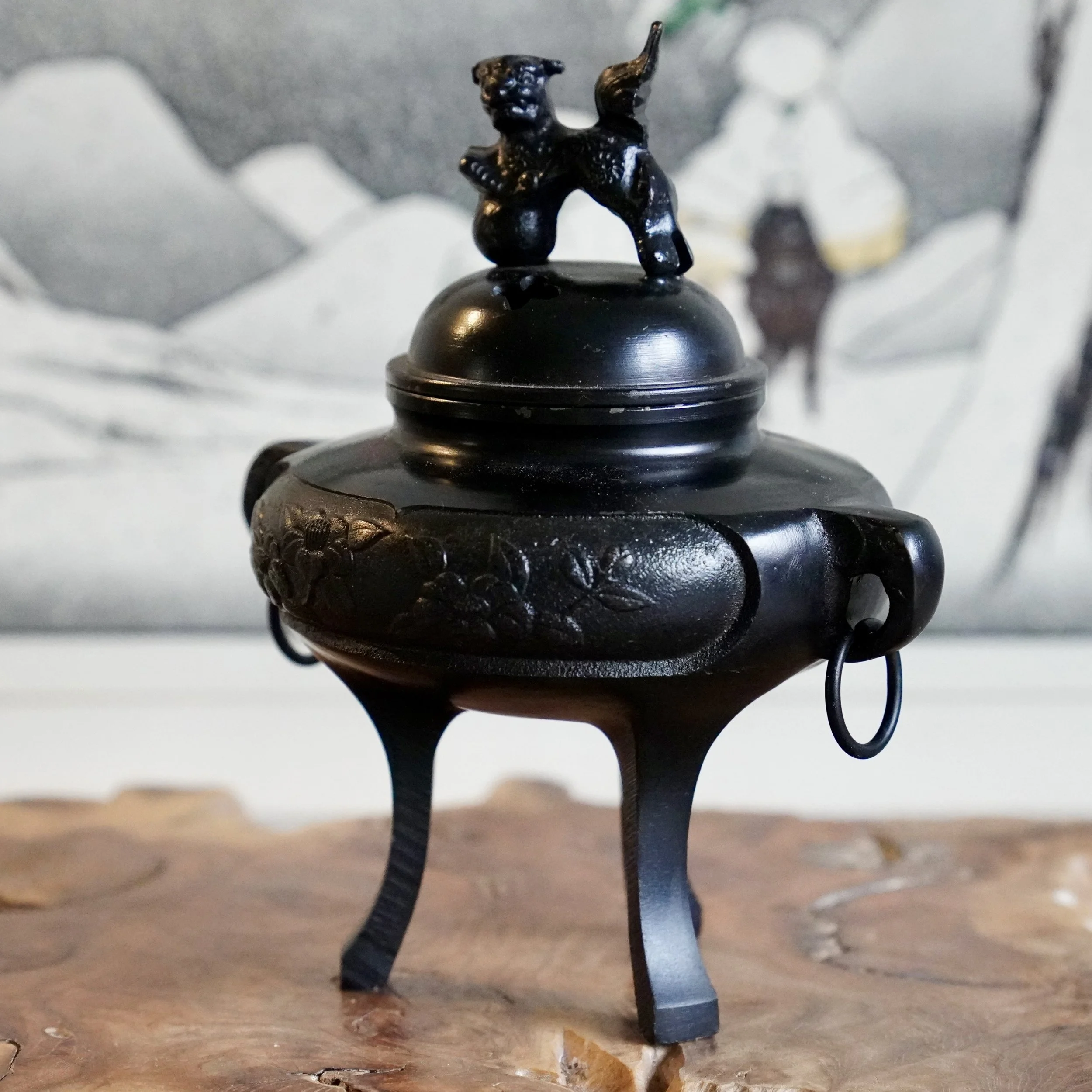
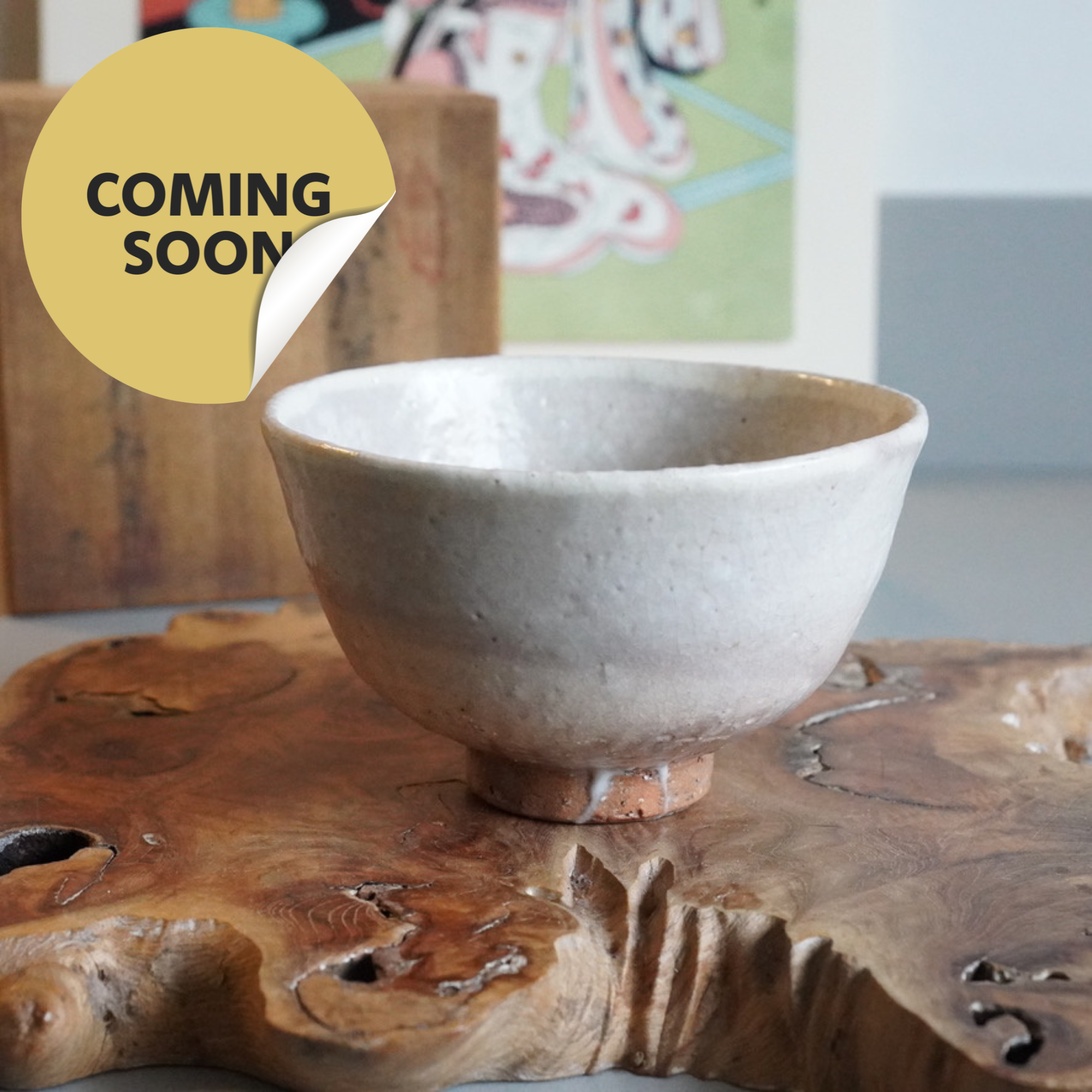
Meet our other tea ceremony items

Questions before you buy?
Since my items are one-of-a-kind pieces, I want to ensure they reach you perfectly.
Questions about the history or condition?
Need a custom shipping quote or shipping outside the EU?
Prefer to see more detailed photos or a video?
Reach out to me directly. I'm here to help you find the perfect piece for your home.
✉️ hello@kaikoandco.com
💬 Instagram DM: @bykaikoandco