 Image 1 of 11
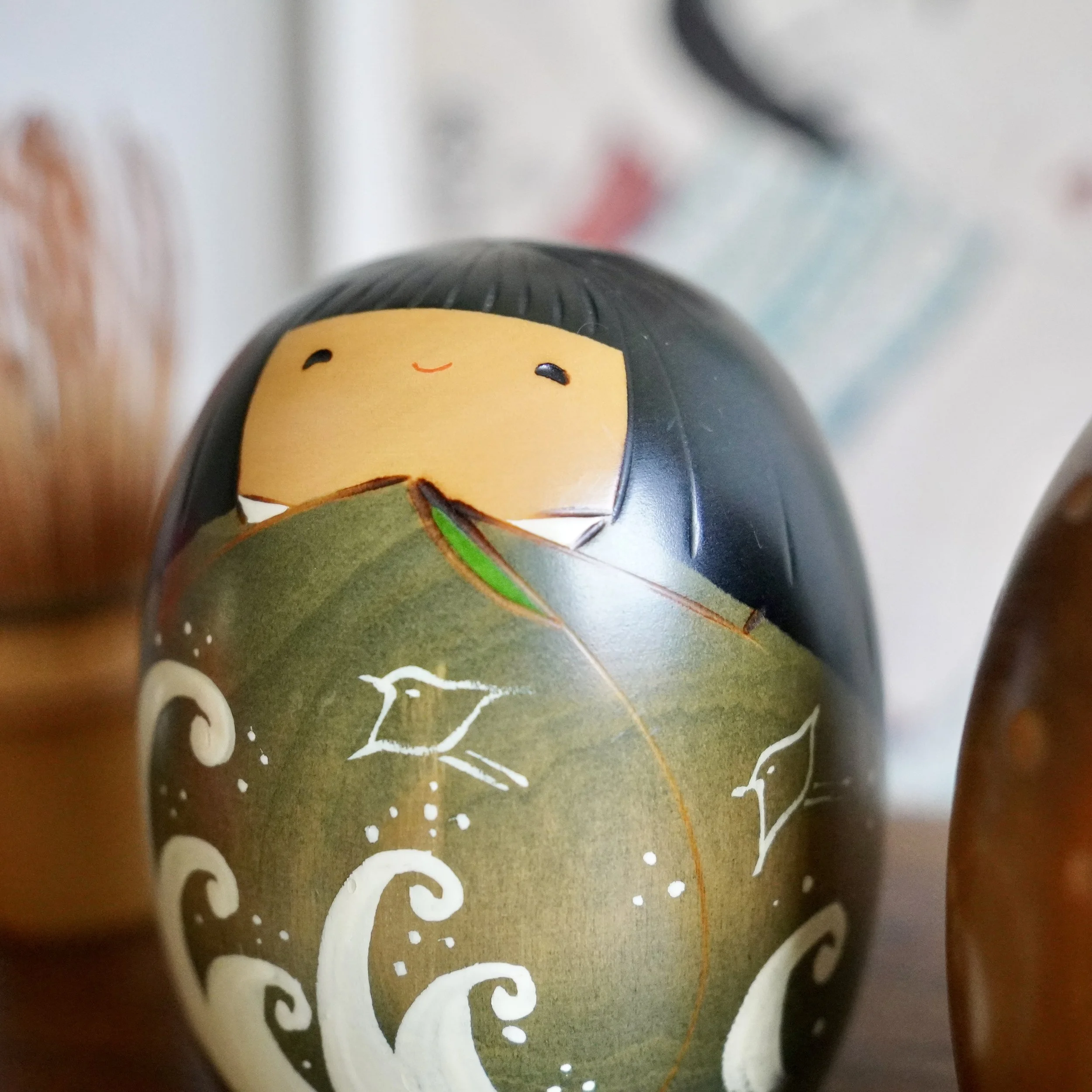 Image 2 of 11
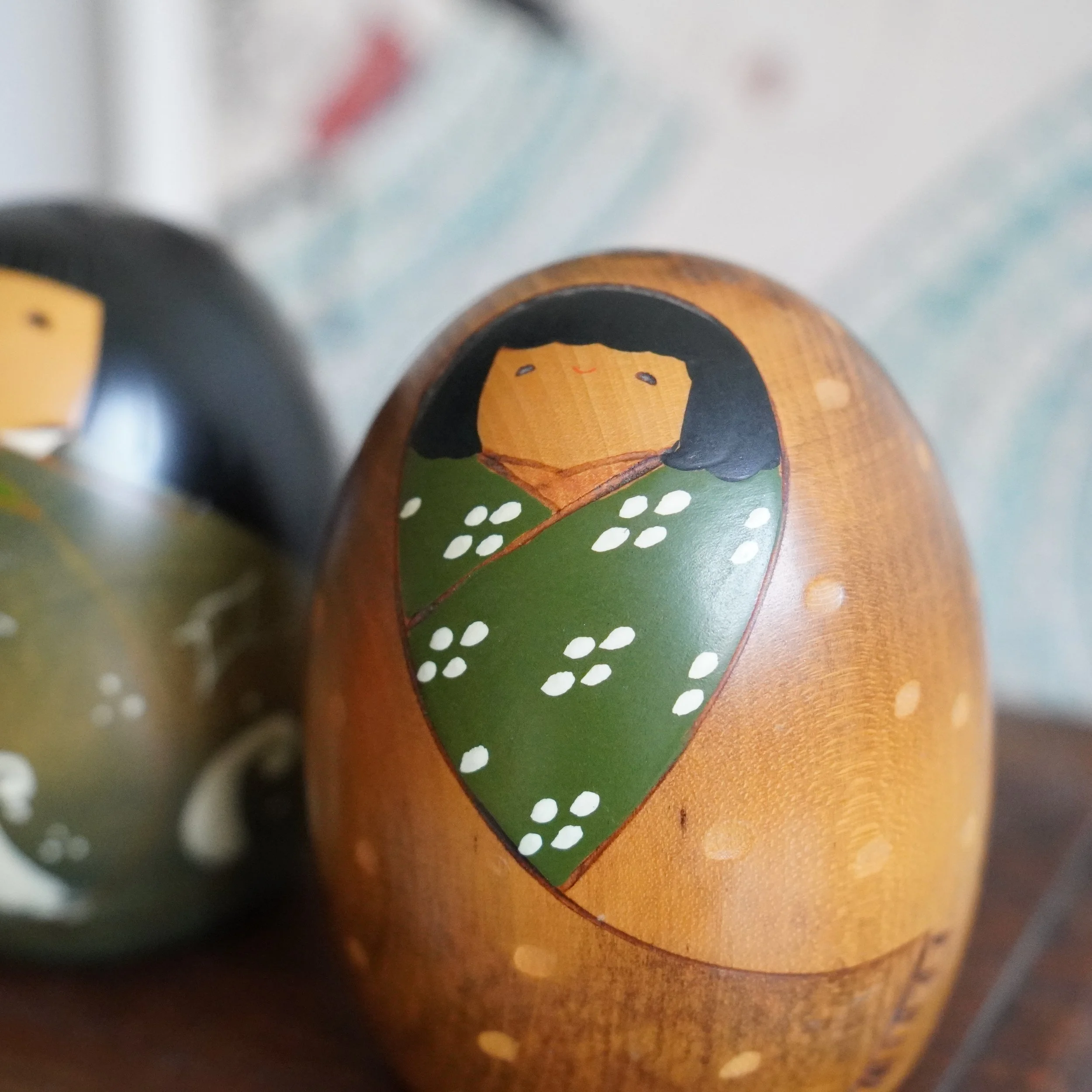 Image 3 of 11
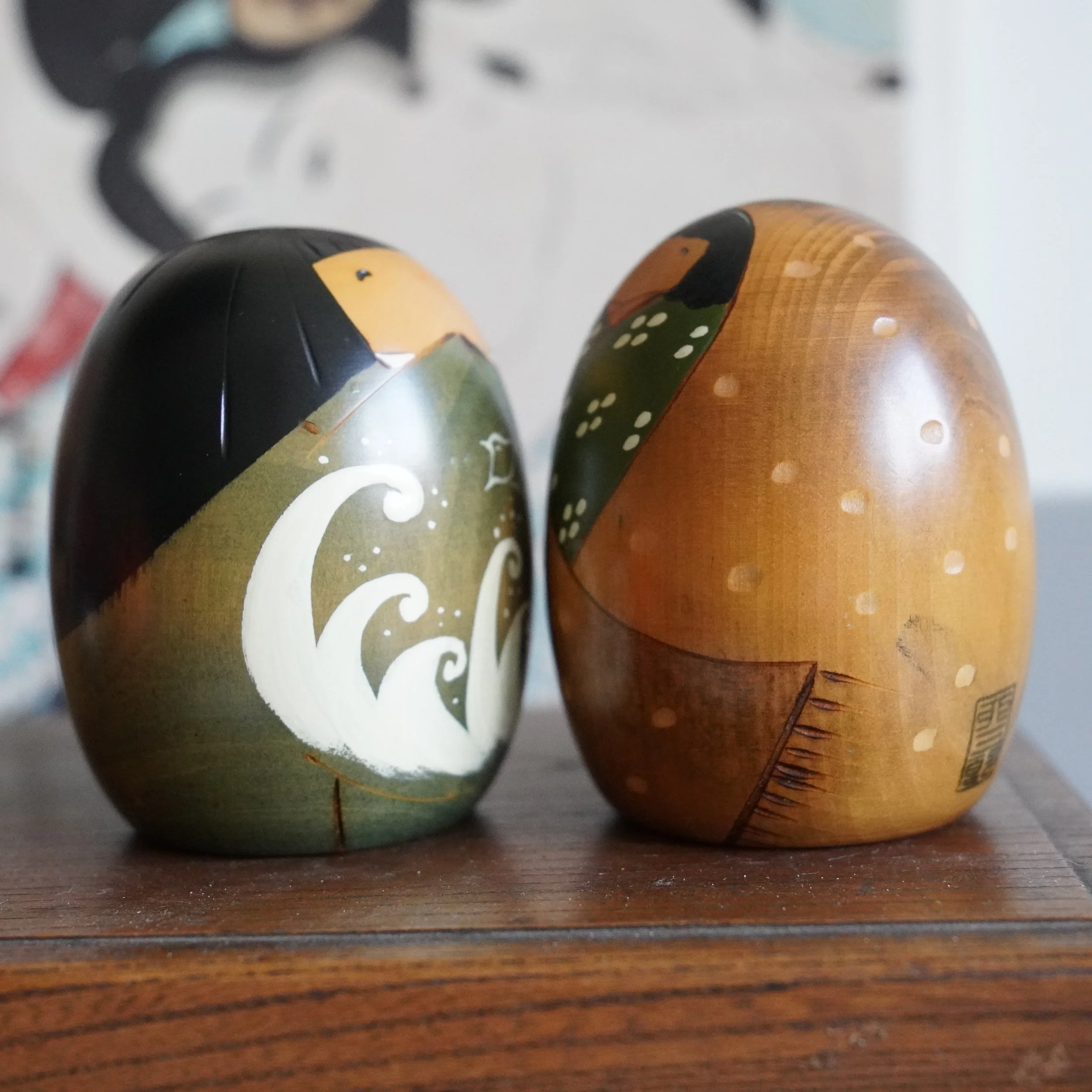 Image 4 of 11
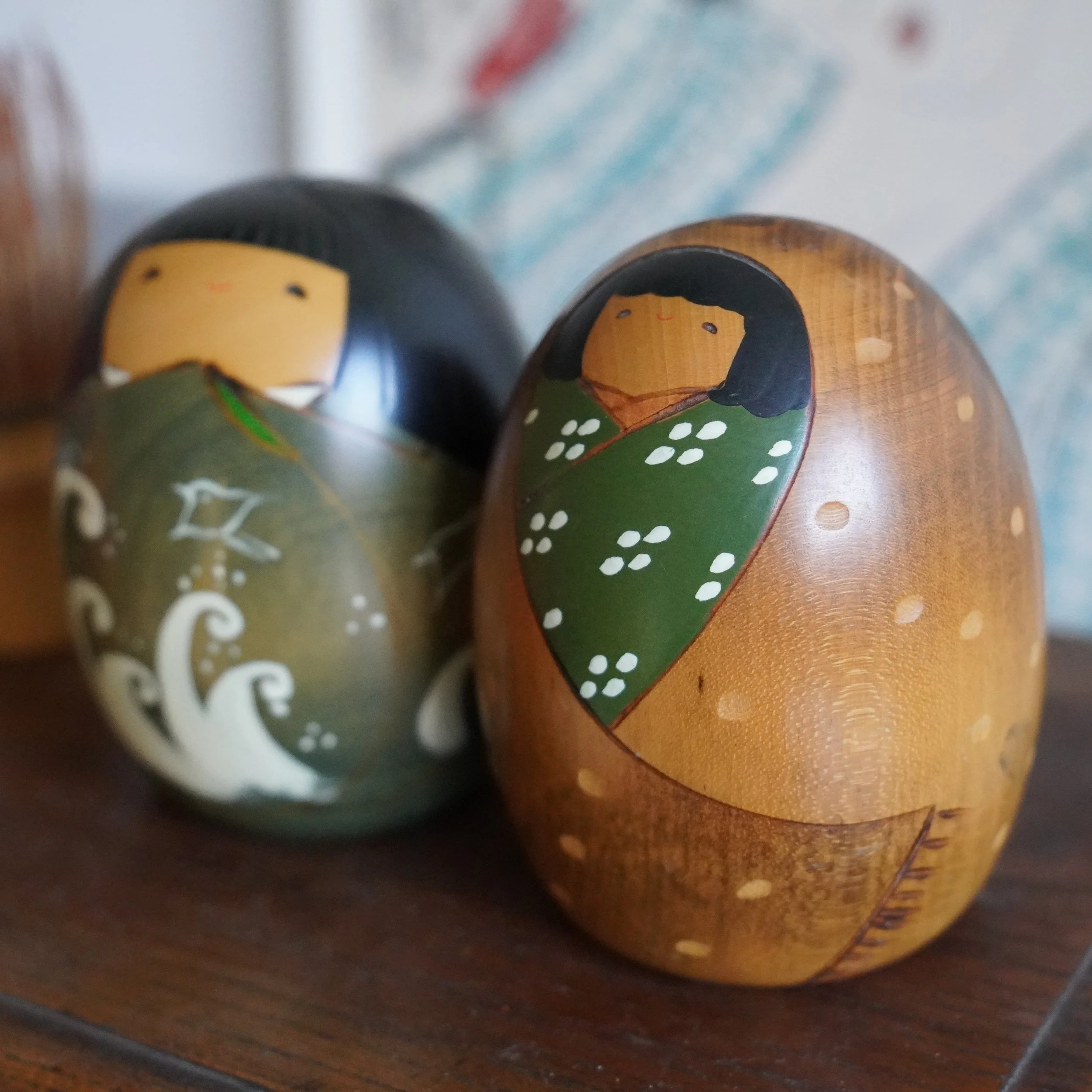 Image 5 of 11
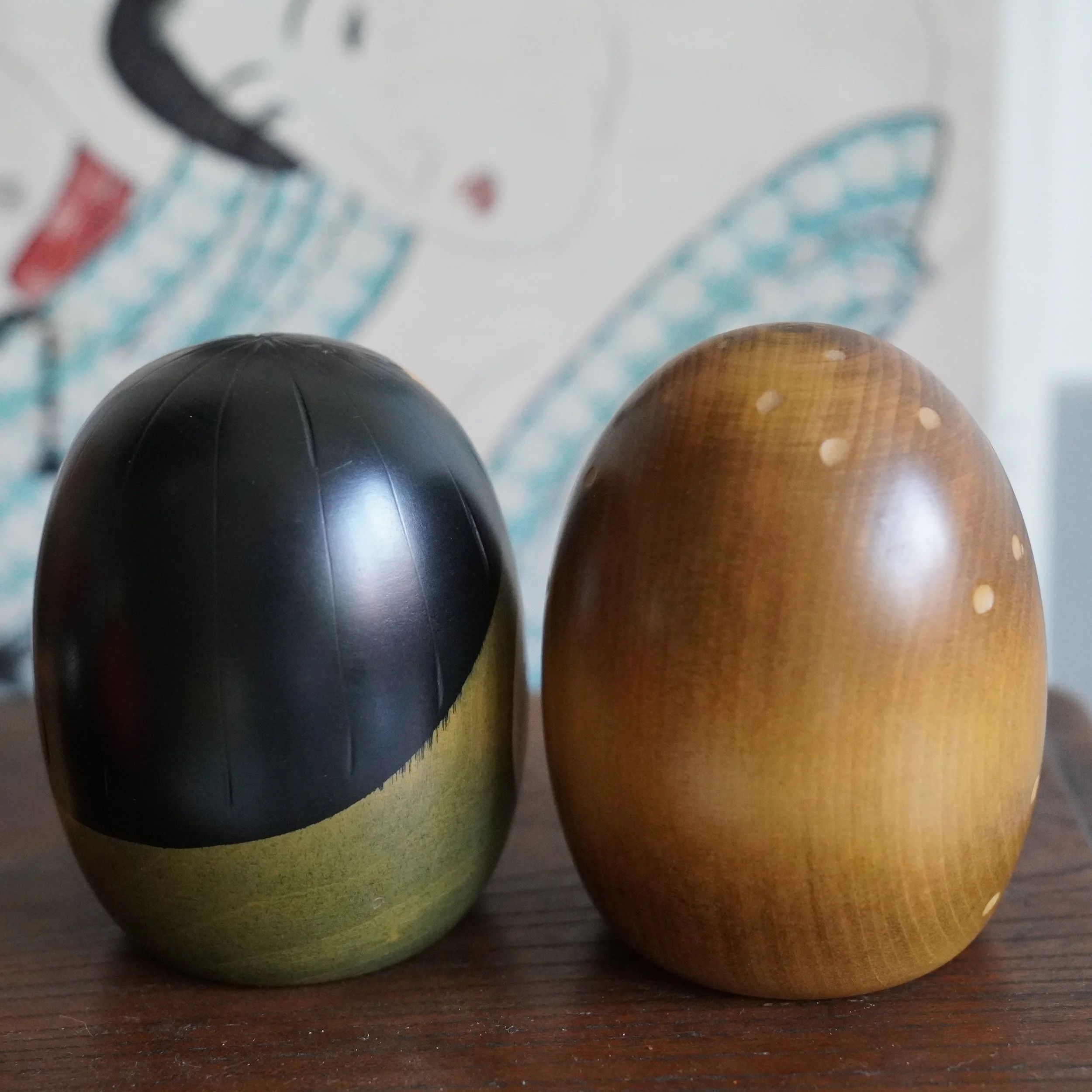 Image 6 of 11
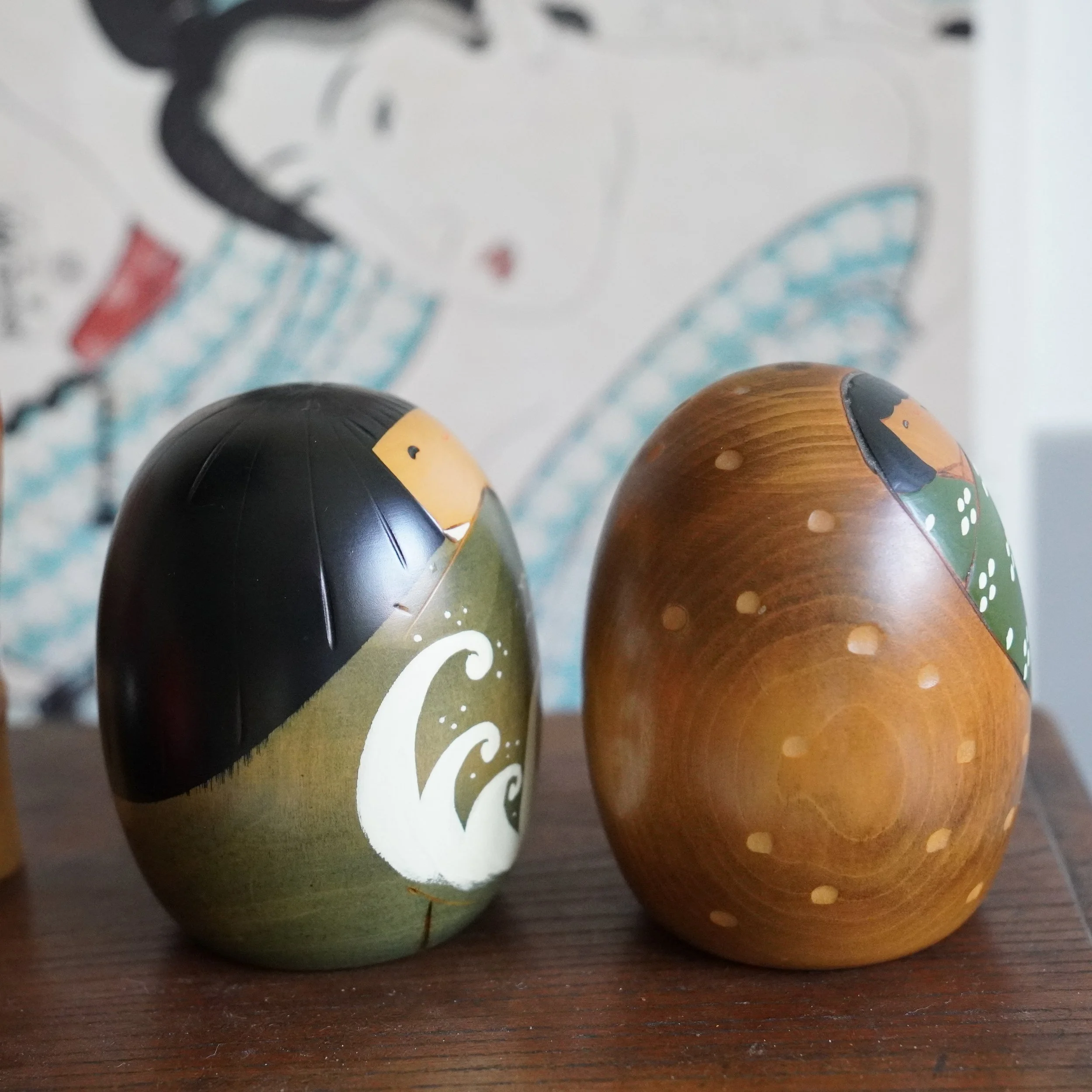 Image 7 of 11
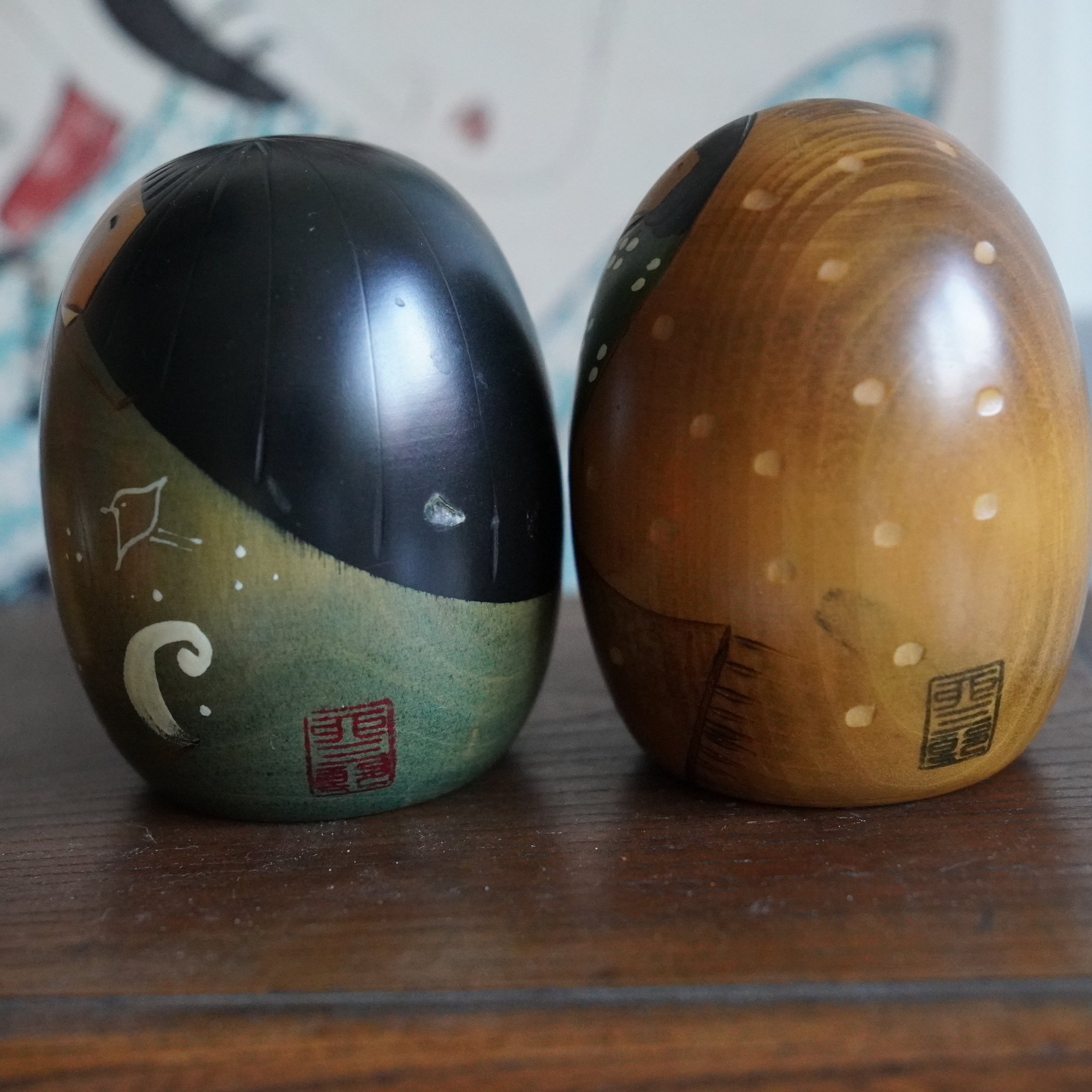 Image 8 of 11
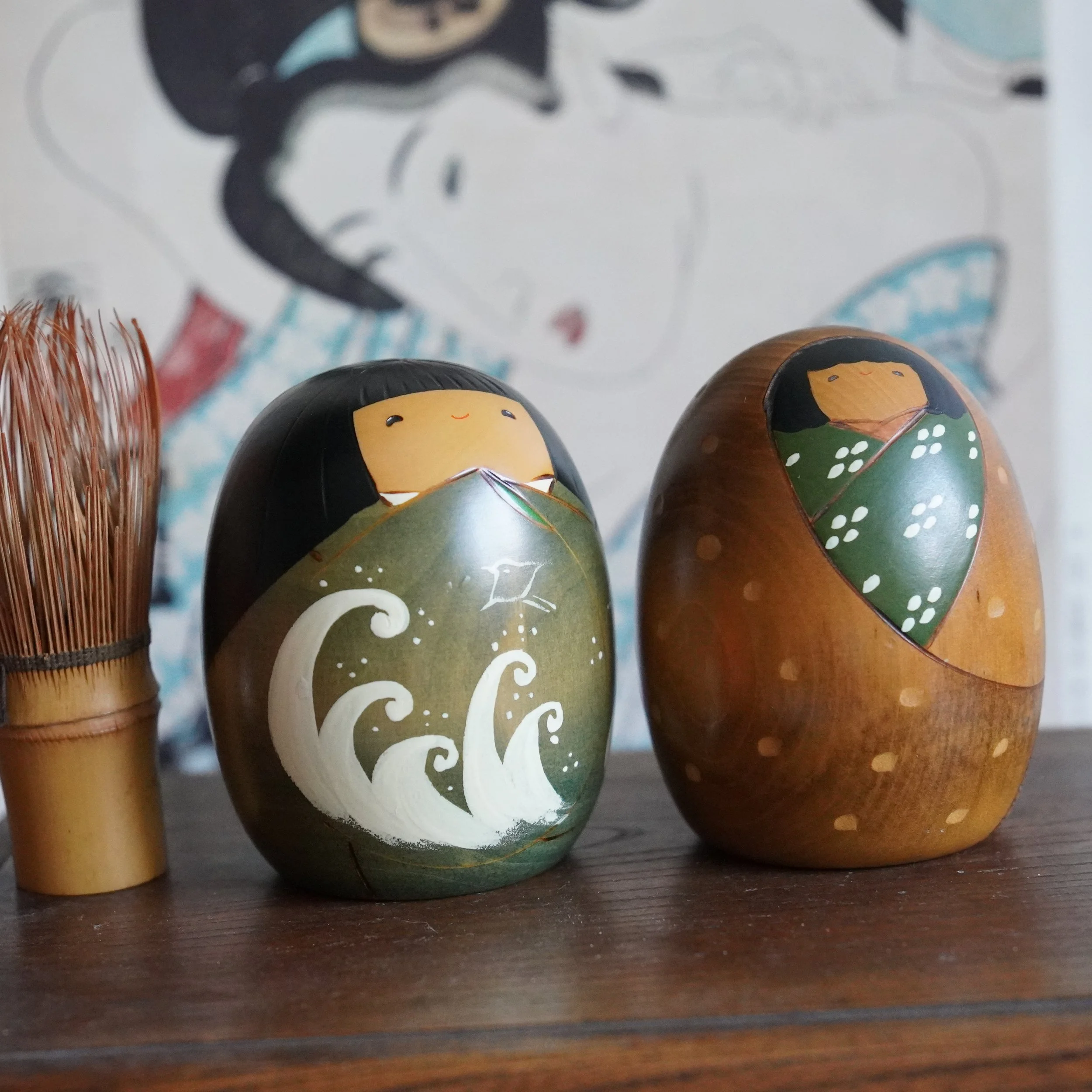 Image 9 of 11
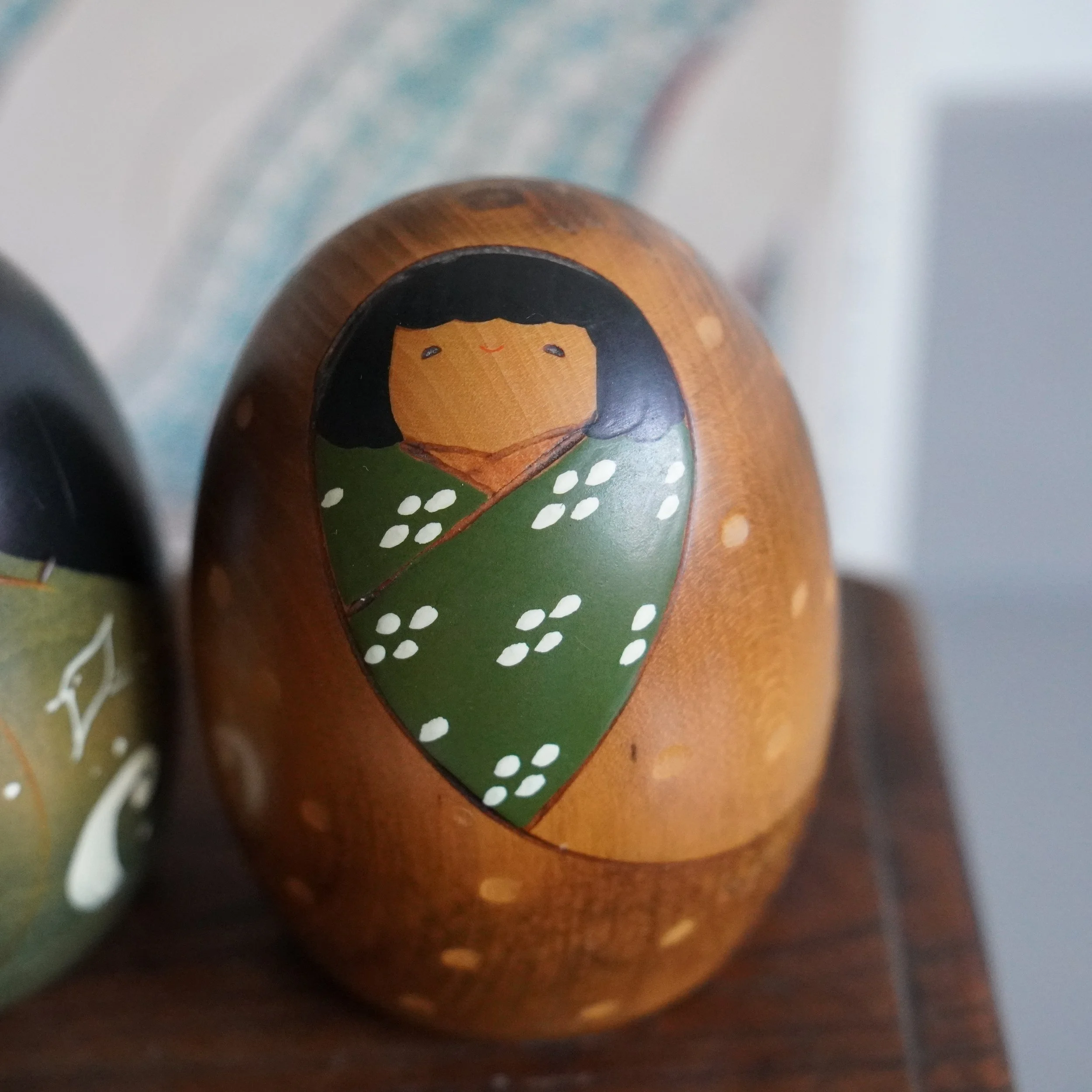 Image 10 of 11
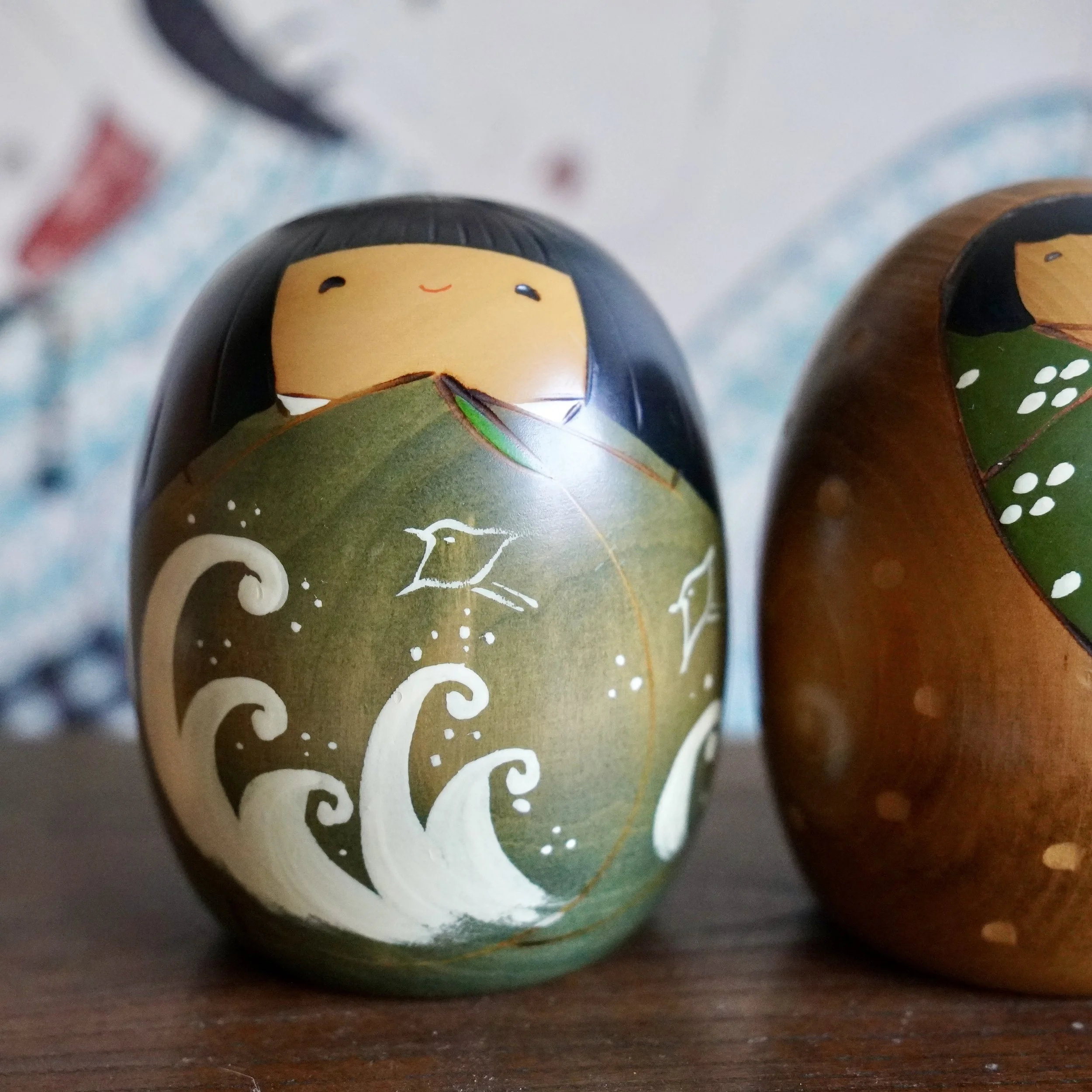 Image 11 of 11
What makes this kokeshi special
The look and feel up close
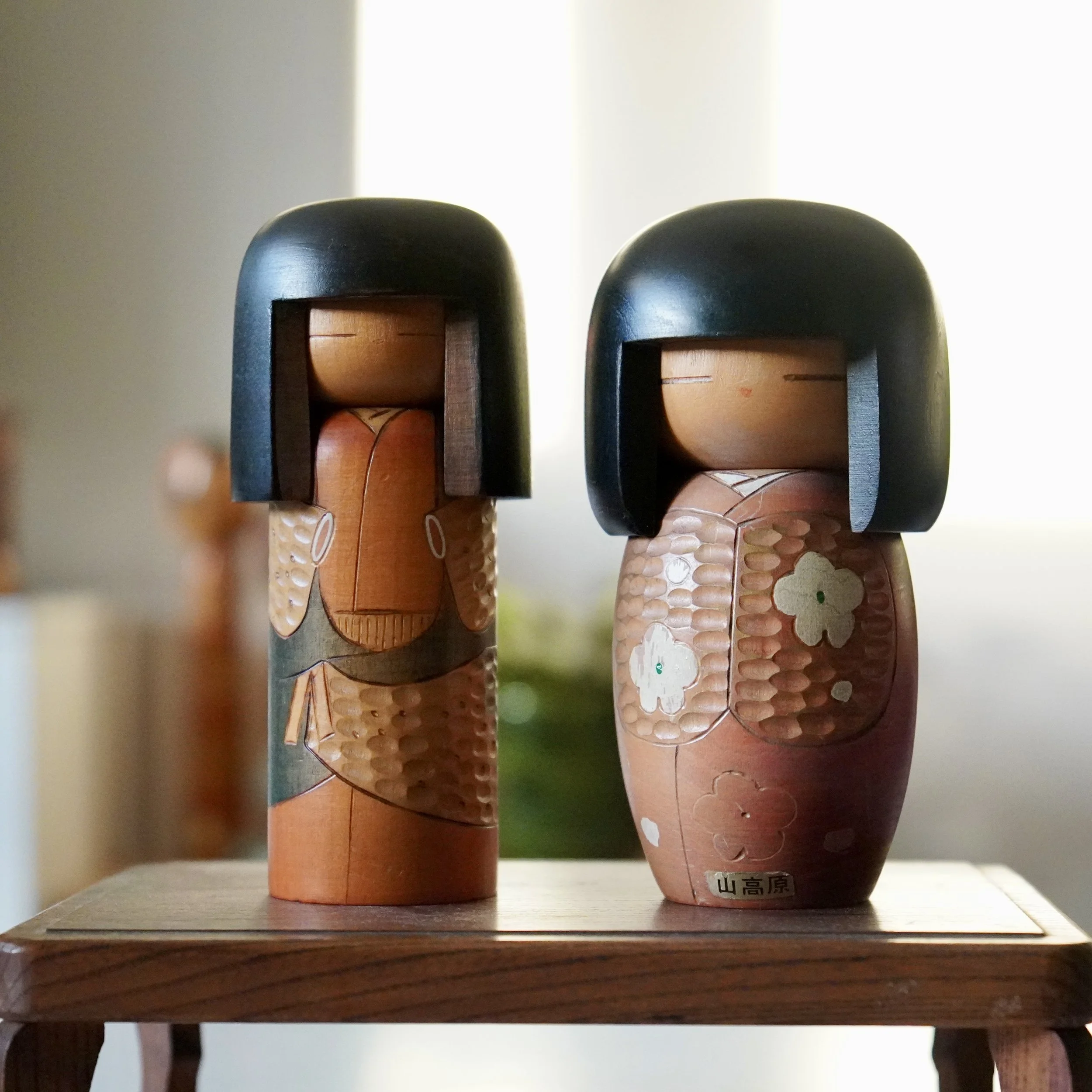
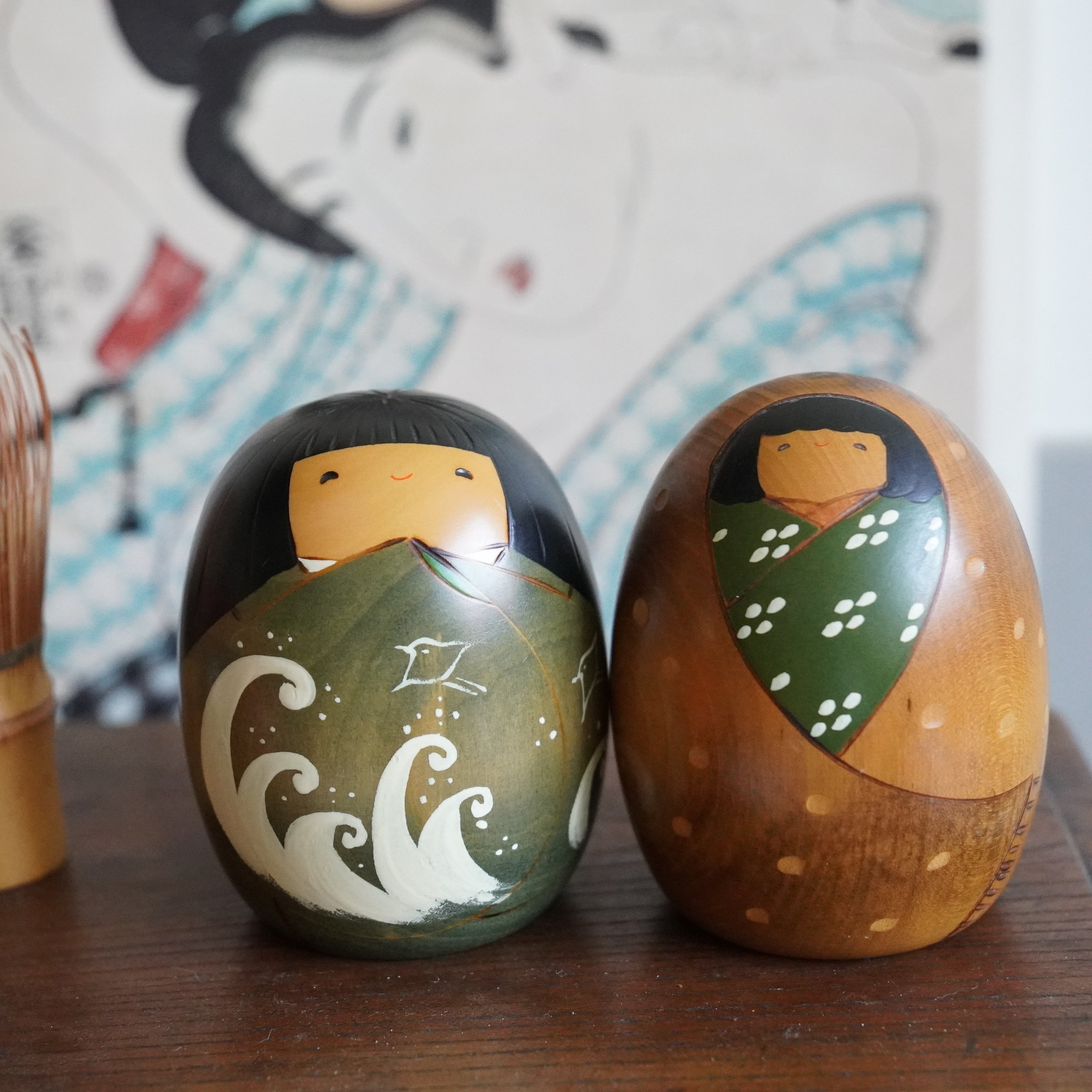
Both figures share the same soft, matte warmth, but the surfaces read differently in the hand. The summer piece has a slightly raised texture where the painted waves built up in layers of white.
The winter piece feels dotted and irregular under the fingertip, each snow mark a small, deliberate press of the brush. Held together, one in each hand, the weight is nearly identical, solid rather than delicate.
Charming details
Look closely and each doll hides a small continuation you might miss at first glance. On the summer piece, two birds are worked into the wave crests, barely more than a few confident brushstrokes.
On the winter piece, the snow motif continues straight onto the kimono without a break at the collar, following a fine carved line around the collar's edge, as if she is standing in the snow rather than simply dressed for it.
This same careful attention to grain, cut and line is what Usaburō's workshop became known for → What the wood remembers: grain, fire and chisel marks and the face that looks back
-
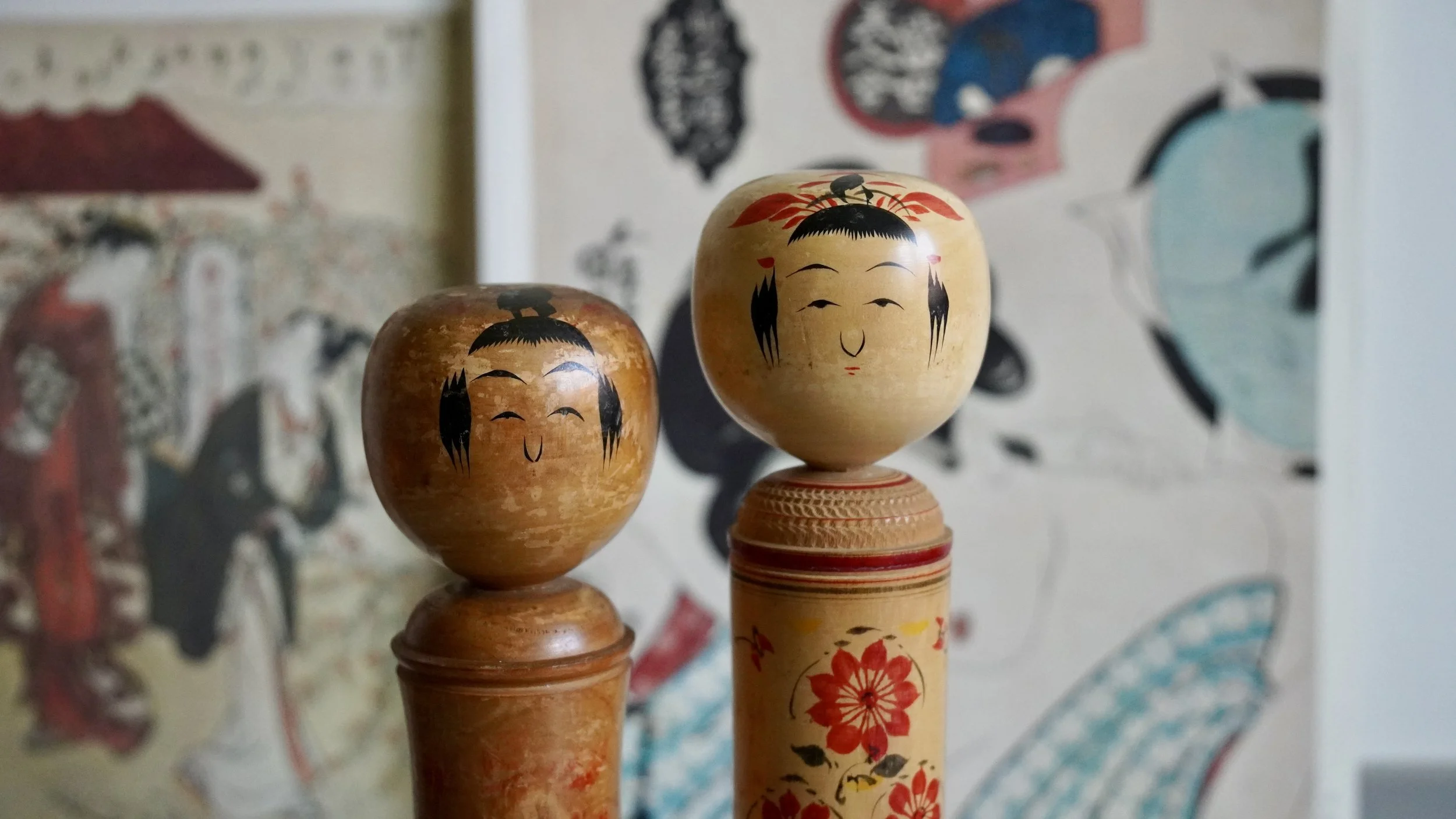
Sōsaku kokeshi (creative kokeshi), zelkova wood body with yakie burning technique and hand painting.
Usaburo Kokeshi (卯三郎こけし), founded by Okamoto Usaburo (1917 to 2009), Shinto Village, Kitagunma-gun, Gunma Prefecture.
Usaburo pioneered the yakie technique, burning fine decorative lines with a heated nichrome wire before painting.
This piece is signed by Yuji Okamoto (岡本有司), eldest son of the founder and second generation Usaburo, born 1948 in Shibukawa, Gunma.
Yuji studied under his father from the age of 22 and became the leading figure of the studio after his father's passing.
Winner of the Prime Minister's Award at the All-Japan Kokeshi Competition, the highest government recognition in Japanese kokeshi craft.
The studio seal 卯三郎こけし is confirmed on the base.
-
Shinto Village, Gunma Prefecture.
Shōwa period, ca. 1970 to 1990 based on construction, patina and sticker style.
-
Height: approx. 9.5 cm.
Weight: approx. 350 gr.
-
Both dolls are in good vintage condition with only very light surface wear consistent with their age.
The summer (wave motif) doll has a small scuff on the side of the body, minor and not distracting from the overall piece.
No cracks or repairs on either doll.
-
Keep away from direct sunlight and heat sources, both of which can cause the wood to dry out and crack over time.
Do not use water or cleaning products on the painted surface.
Dust with a dry soft cloth.
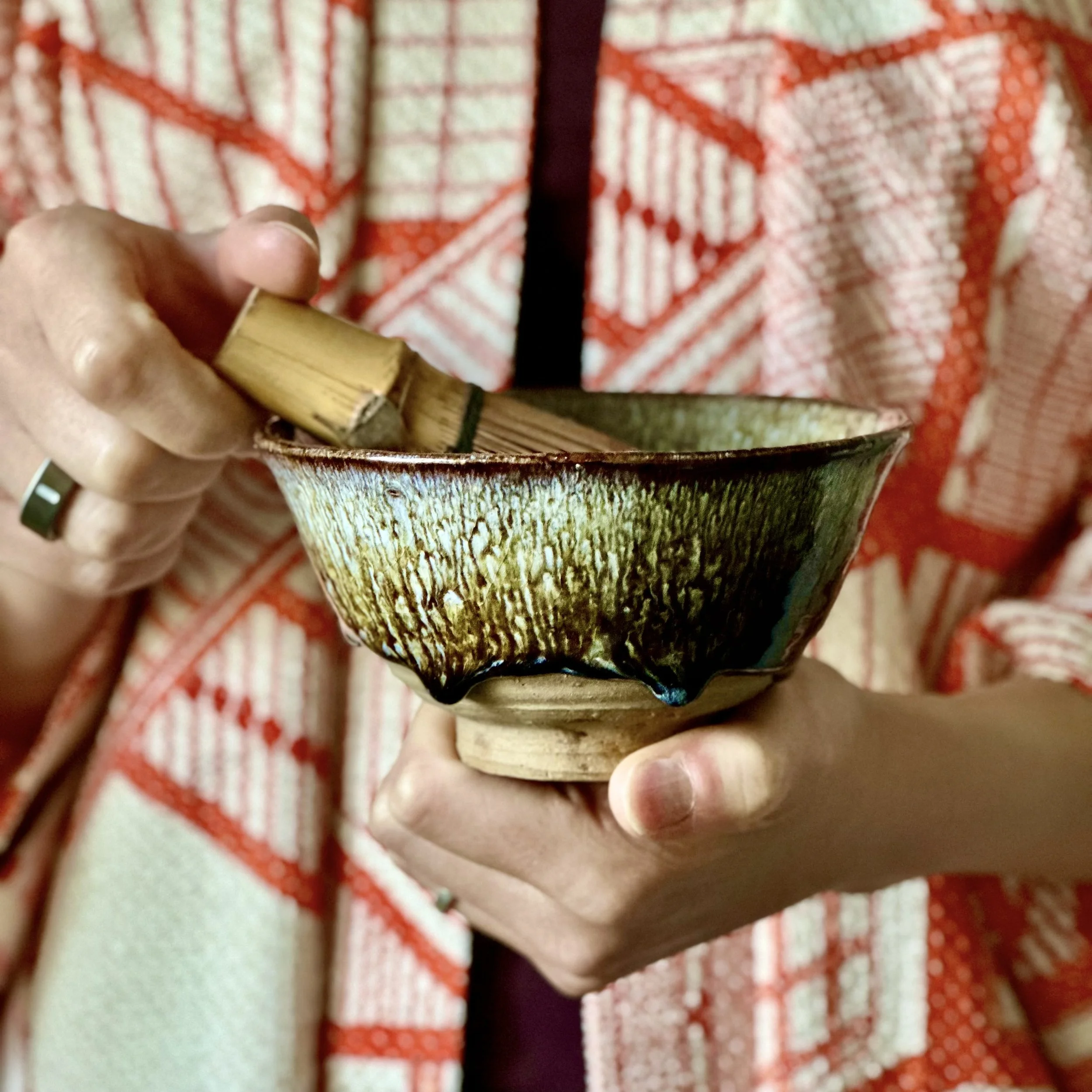
*Decorative items such as the whisk and plank are for styling
and scale purposes only and not included in the sale
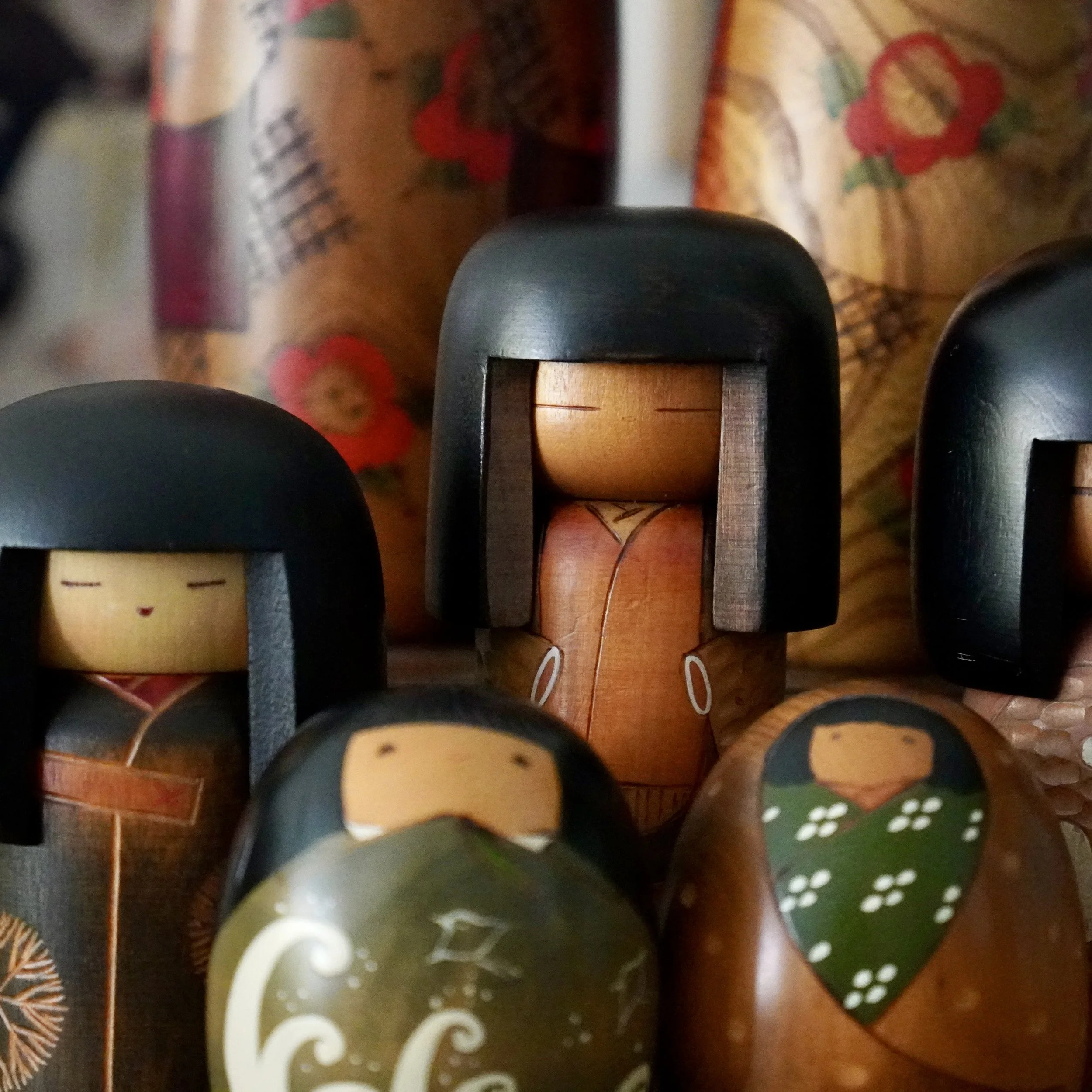
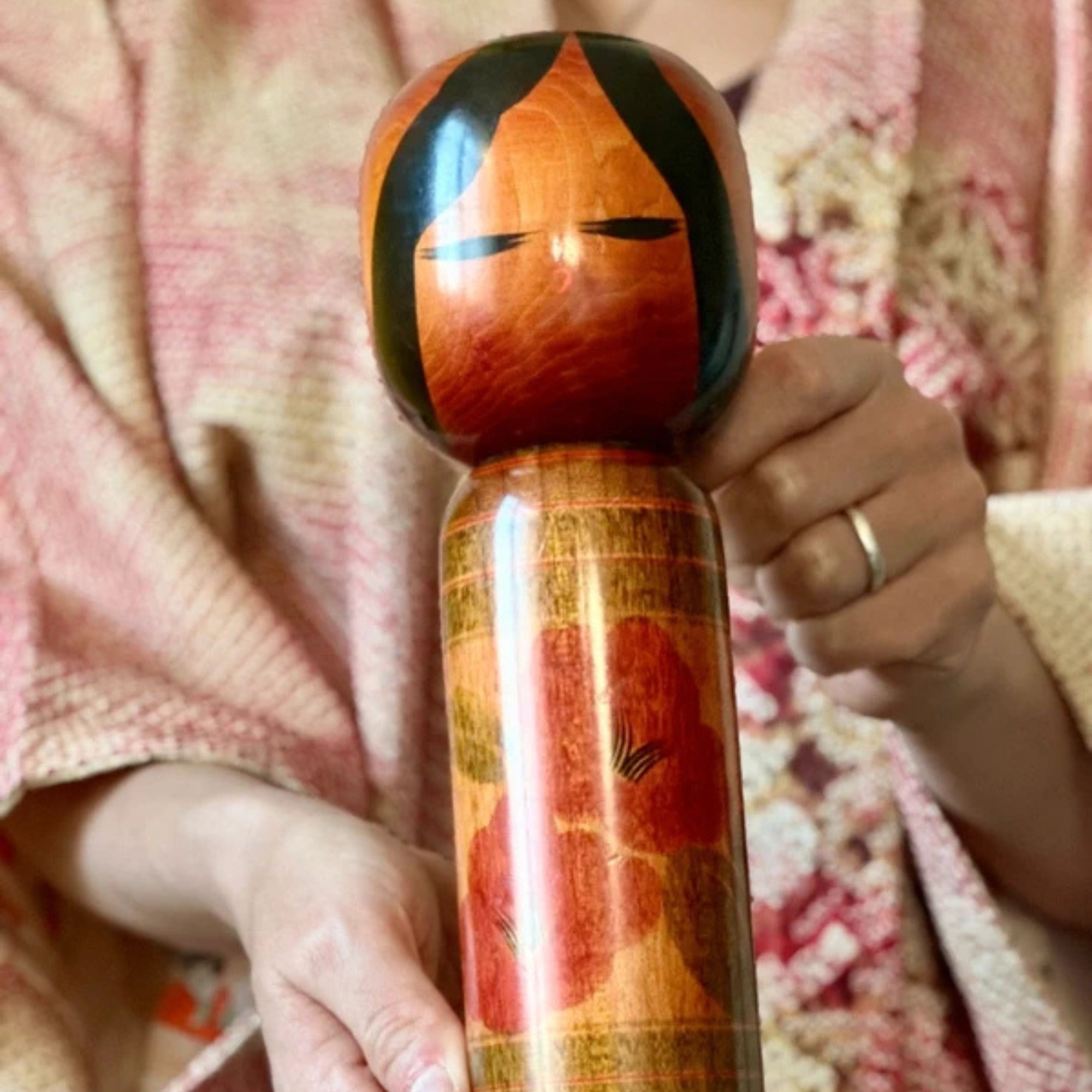
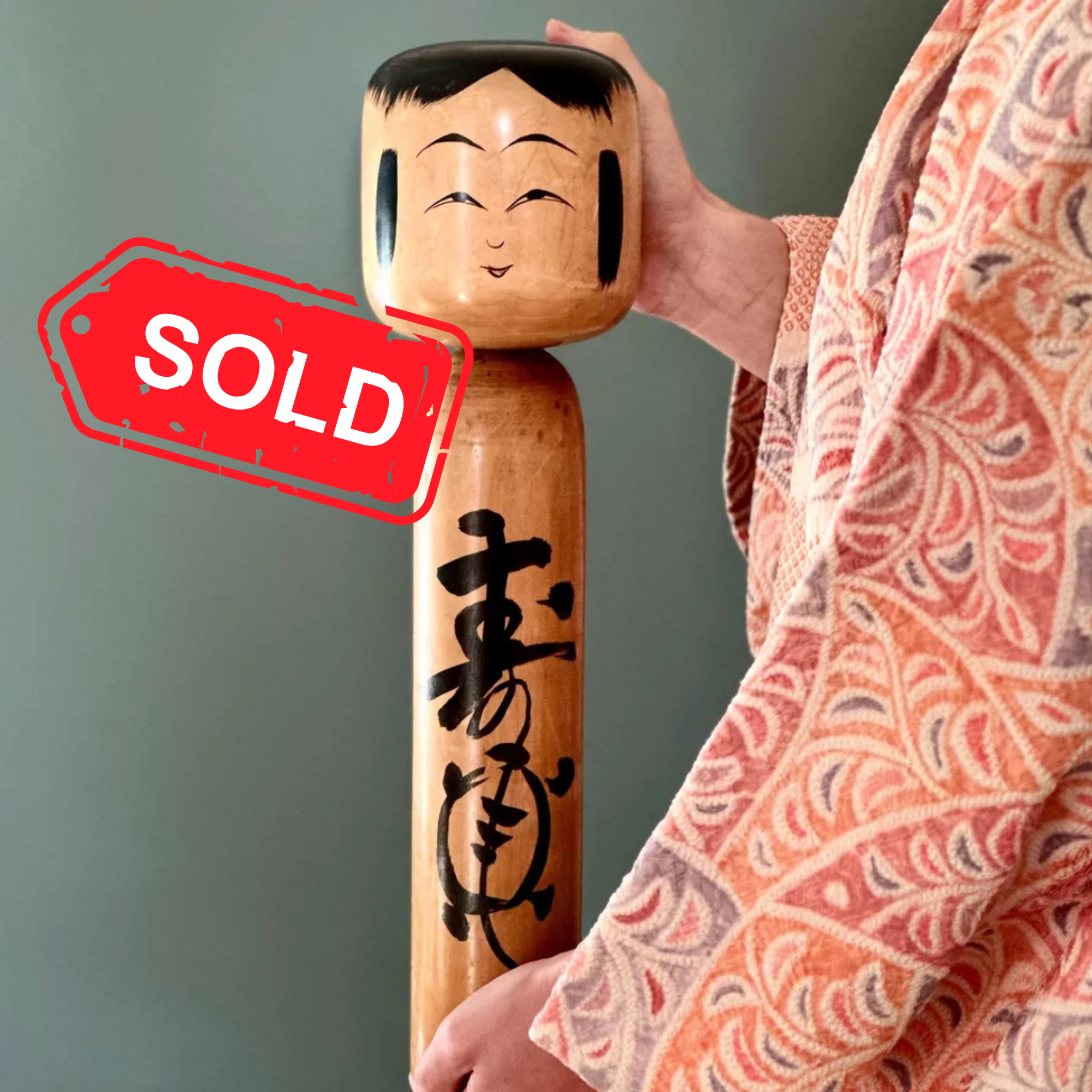
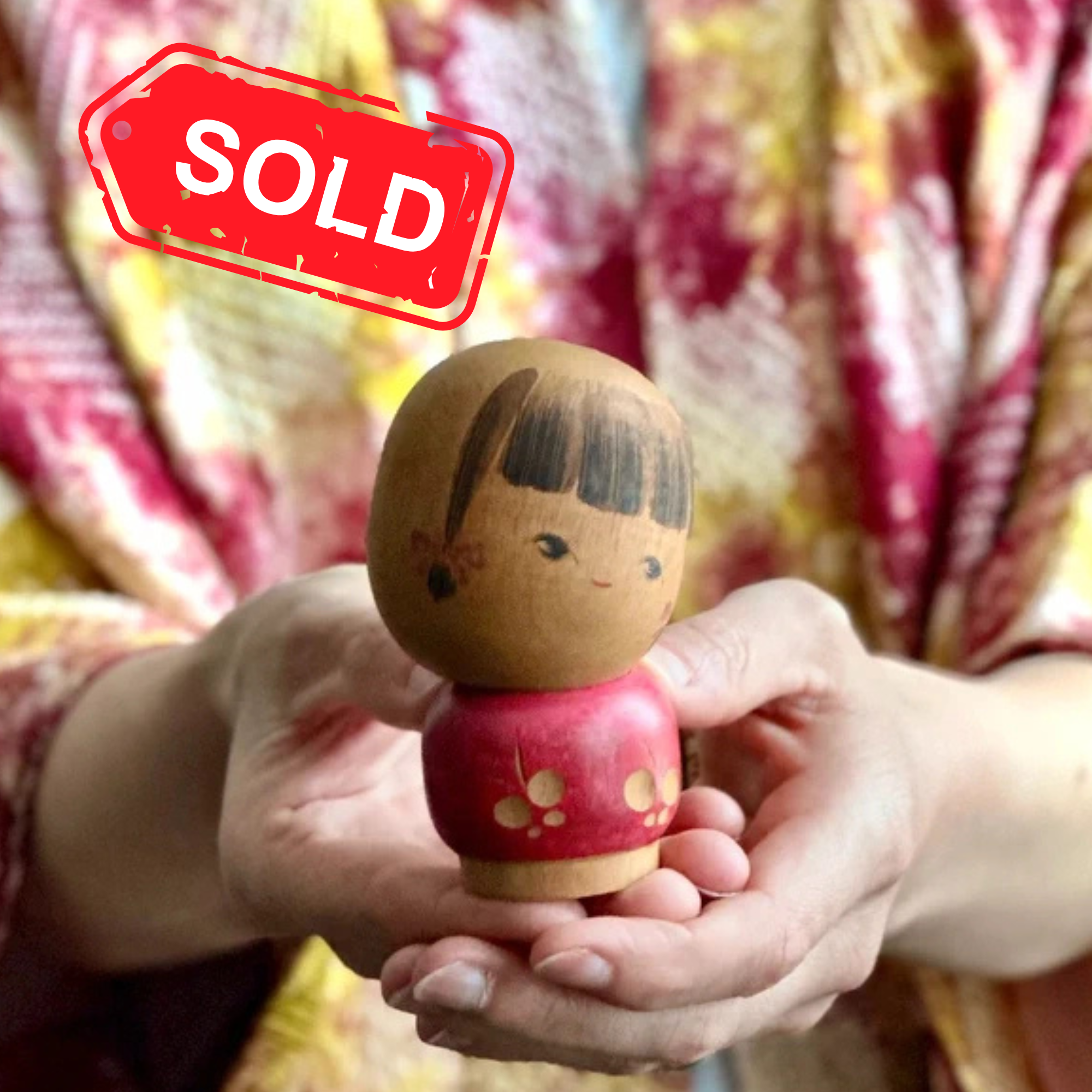
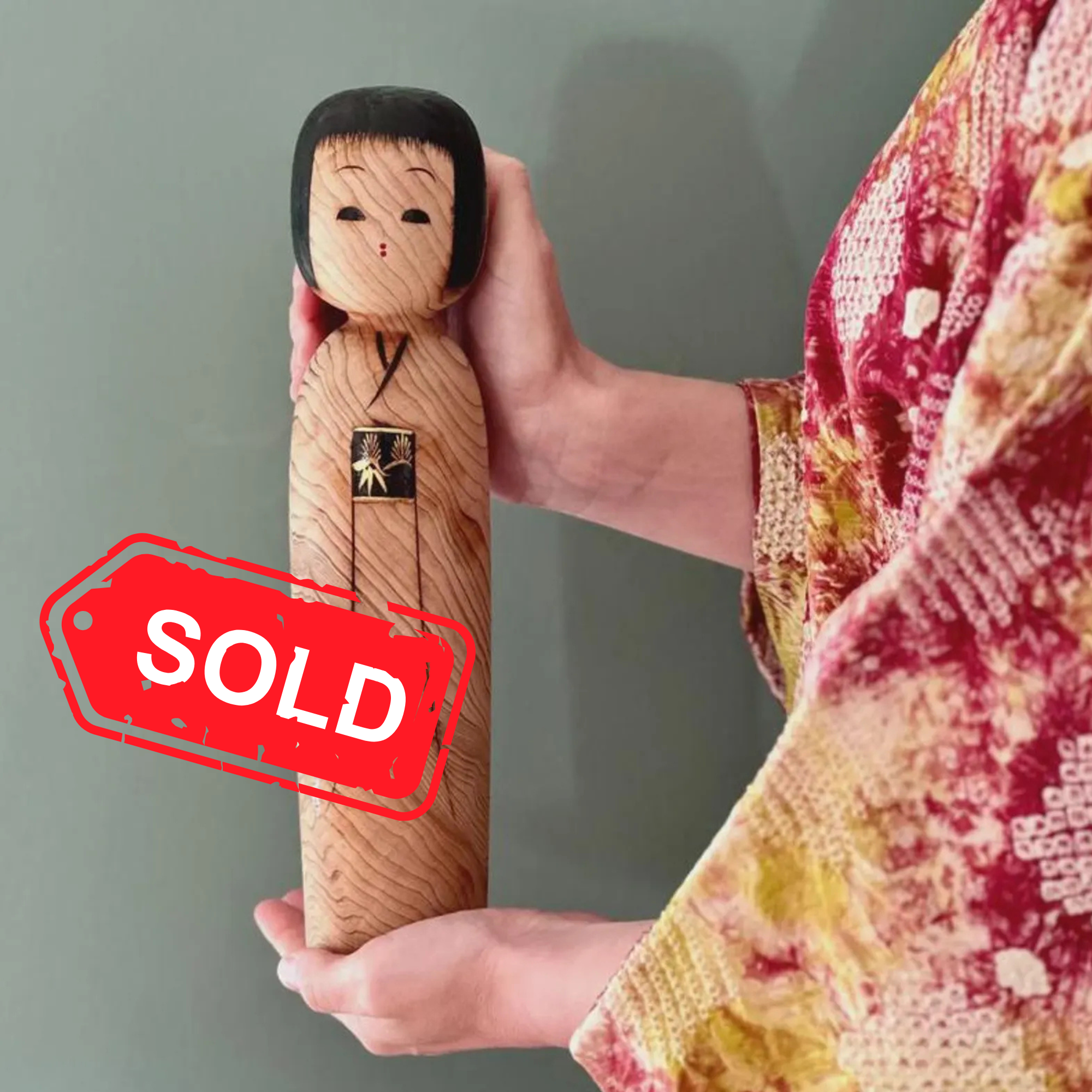
Meet our other kokeshi


Questions before you buy?
Since my items are one-of-a-kind pieces, I want to ensure they reach you perfectly.
Questions about the history or condition?
Need a custom shipping quote or shipping outside the EU?
Prefer to see more detailed photos or a video?
Reach out to me directly. I'm here to help you find the perfect piece for your home.
✉️ hello@kaikoandco.com
💬 Instagram DM: @bykaikoandco